Jason Chin

17.3K posts

Jason Chin

Jason Chin

@infoecho

Common thing in the following subjects: physics, computation, bioinformatics, systems bio., software, engineering? -- A curious mind. The opinions are my own.

San Francisco Bay Area, CA Katılım Nisan 2009
1.6K Takip Edilen4.4K Takipçiler
Sabitlenmiş Tweet
Homolog.us
Homolog.us@homolog_us·
@infoecho yes, but you need to vibe-read and then vibe-master :)
English
1
0
0
36
Jason Chin
Jason Chin@infoecho·
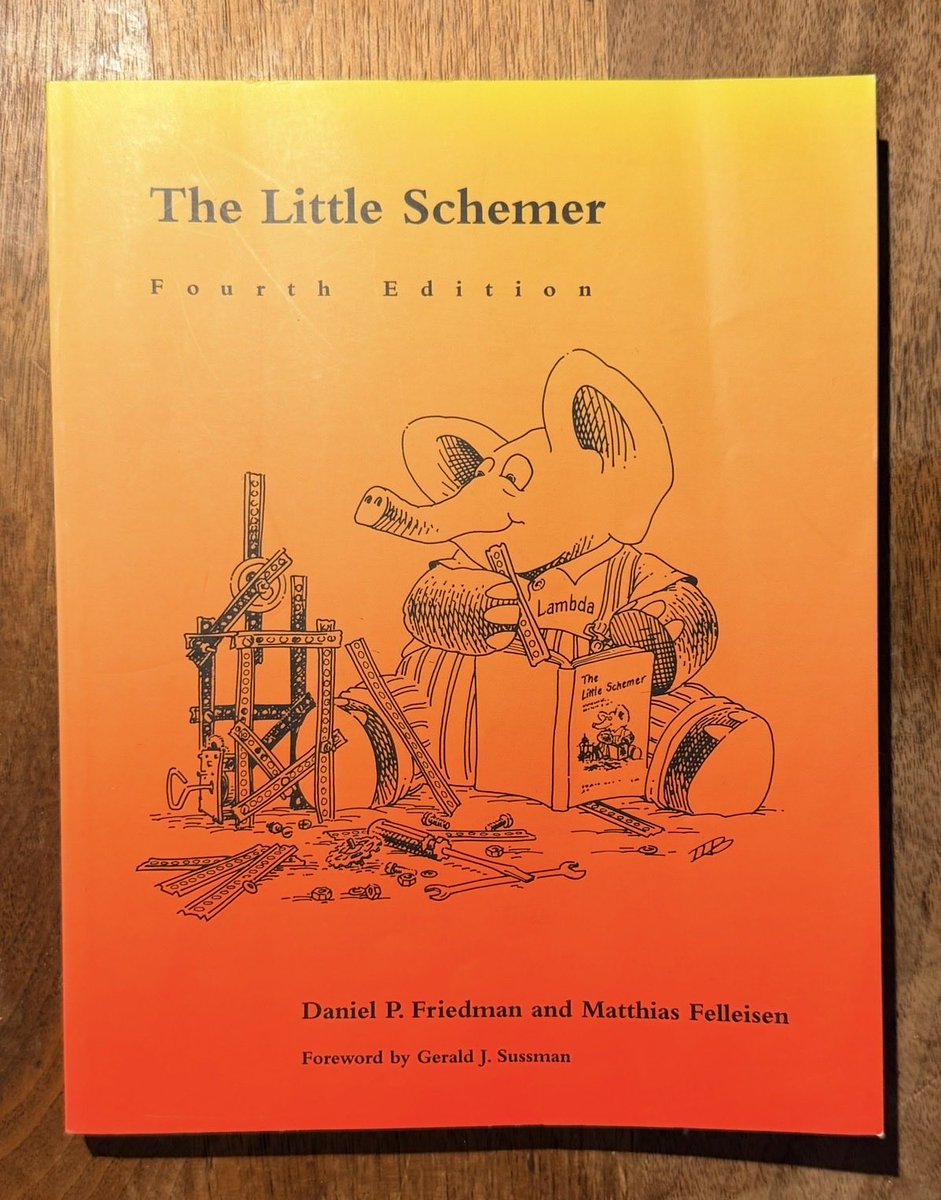
Is it still meaningful to master the concept of programming reading books like this on the vibe-coding era?
Jason Chin tweet media
English
1
0
5
232
Jason Chin
Jason Chin@infoecho·
What is your take? If you know physics and Feynman's work. (At least, did some hand calculated Feynman's diagram ?)
English
0
0
0
56
Jason Chin
Jason Chin@infoecho·
That said, he was also a showman and an egomaniac (lovingly so) — a chip named after him? Part of him would absolutely love it.
English
1
0
0
57
Jason Chin
Jason Chin@infoecho·
"A chip that runs at a thousand watts, that nobody truly understands, named after me — yeah, that tracks." according to Claude analyzing Feynman's personality
English
1
0
2
253
Jason Chin retweetledi
Andrew Akbashev
Andrew Akbashev@Andrew_Akbashev·
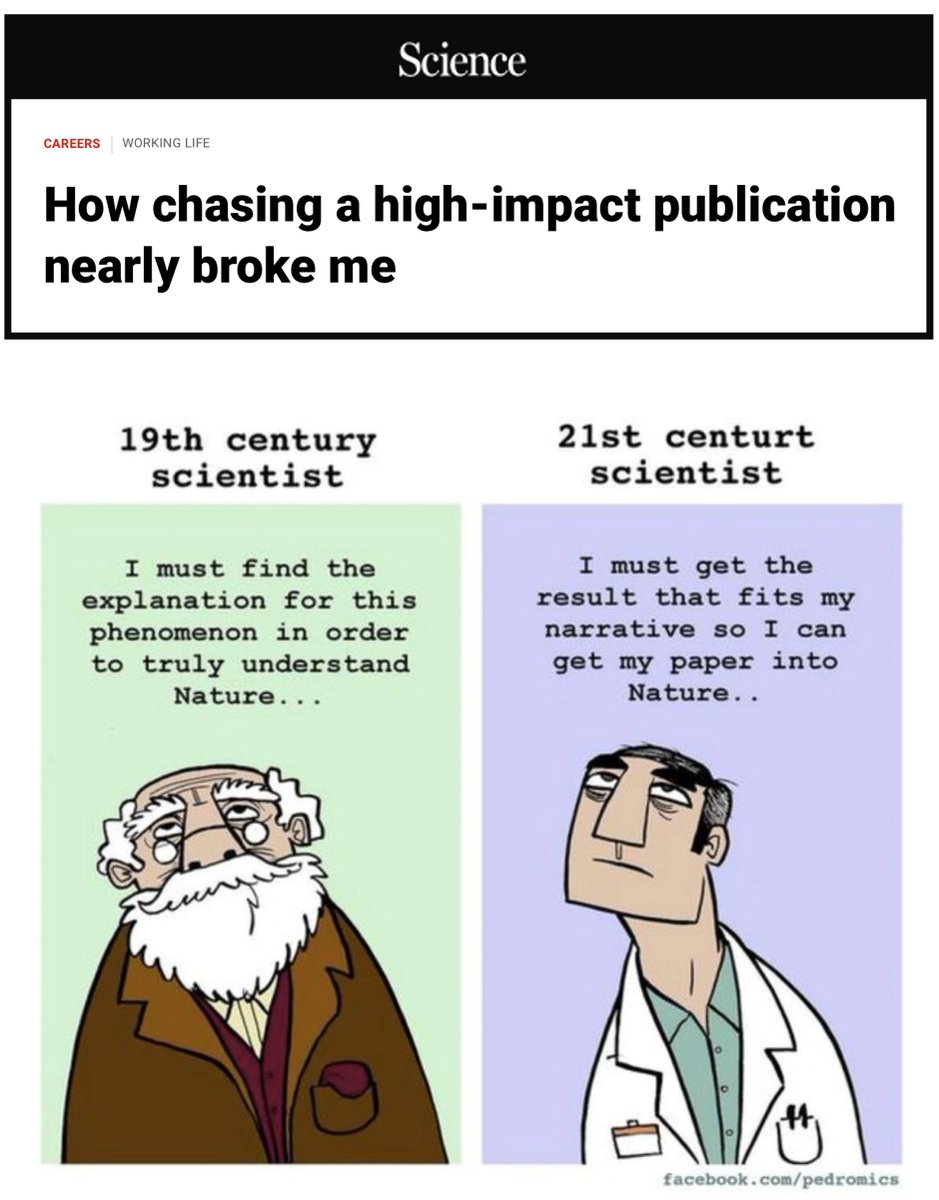
High-impact papers are crucial in academia. Like it or not. As a PhD student, you quickly learn that such papers are cool. They make advisors happy. Everyone admires you. During a postdoc, high-IF papers are not just cool. They are mandatory for a PI job. They give you awards and interviews. During the tenure track, they often become your ticket to a permanent position. Many young PIs are fighting to get their papers published in Nature/Science/Cell. It’s like getting a micro-Nobel prize. Many feel relaxed only when they publish in Nature (their tenure is finally safe!). But: Because such papers require a lot of time (often years), you live in constant uncertainty. You HOPE you will get it. You spend evenings at work, you look for stronger results, and you’re battling through a battalion of failed experiments. Then you submit it… Then: Stage 1. Editors reject 9/10 papers. Yours might be among them. Stage 2. The paper goes to reviewers but they are brutal. For some reason (and you know why!) they just don’t want to see your paper in Nature. Many papers get rejected in the first round. Stage 3. If reviewers can’t come up with reasons to kick you out immediately, they will request a lot of new experiments and changes to your work. Obviously, that will take months (if not years). Of course, some reviewers are great and genuinely help improve your work. But they are not as common as you might hope. Stage 4. After addressing all problems and submitting it again, you will likely see some reviewers still resisting. They can simply reject your paper because they didn’t like how you addressed their requests. Or they will find new flaws and will get you to do another round of revision. (If you’re lucky, they will accept the paper.) Stage 5. If reviewers are divided between “accept” and “reject”, the editors may send your paper to additional reviewers. That will start another cycle of hell with a likely negative outcome. Stage 6. If you are rejected, congratulations - you’ve just wasted months on nothing. But because you need that paper, you resubmit it to another high-IF journal, and it all starts with Stage 1. So, it’s like gambling. You gamble your career on this publication. During those 6–24 months of fighting with reviewers and editors, someone else may publish the same work. Then you’re screwed. Or your paper is likely not accepted in any high-IF journal. After loosing a year or more on trying to push it through, you will have to publish it in a low-IF journal. Is it a healthy game? No. You get exhausted. Anxiety skyrockets. But unfortunately that’s how academia works. I’ve been through this myself. Most of my colleagues have the same experience. We definitely despise it. And the worst part of it? We’ve started to see it as completely normal.
Andrew Akbashev tweet media
English
49
191
1.3K
107.8K
Jason Chin
Jason Chin@infoecho·
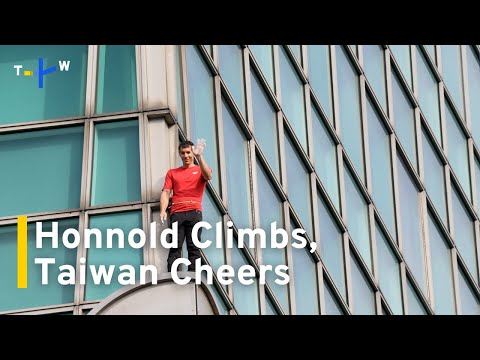
I lived in Taipei for 3 years in the late 80's...... the tallest building then was only 27 floors. I would not think people would climb a building about 100 floors there... what's next?
English
1
0
4
275
Jason Chin
Jason Chin@infoecho·
@NWSCPC Maybe be i need to drive to Co first And stop by other resort on my way back?
English
0
0
0
317
Jason Chin
Jason Chin@infoecho·
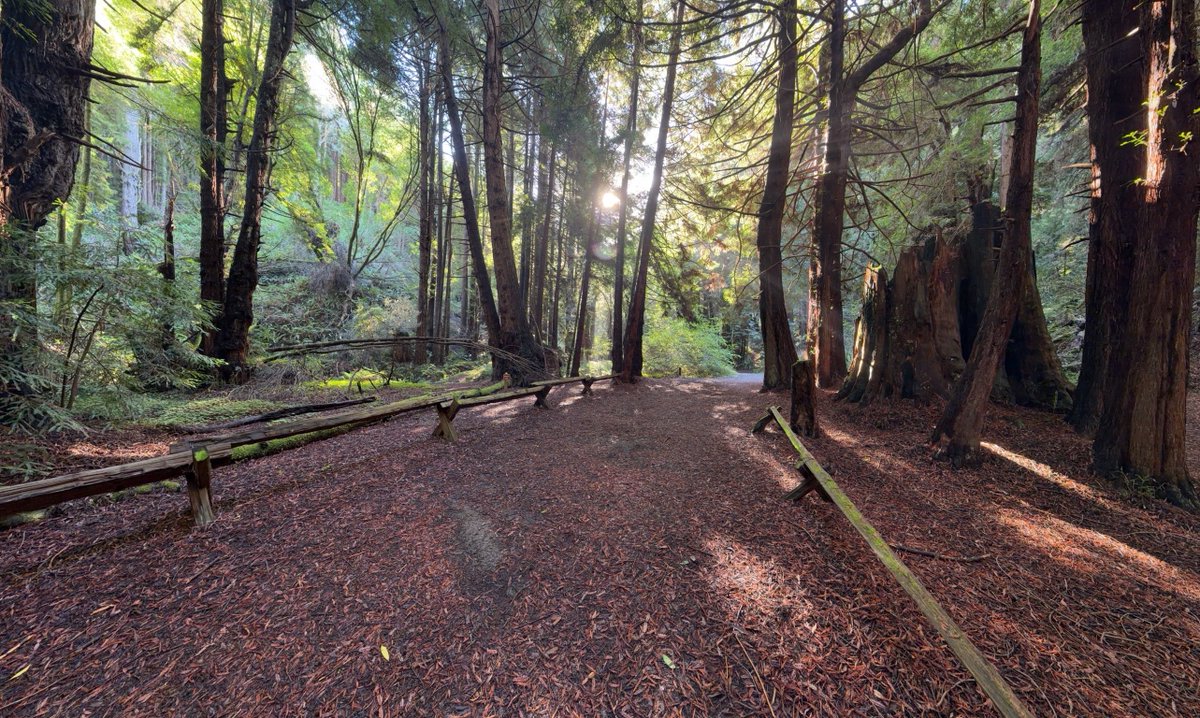
A beautiful day riding a bike through redwoods.
Jason Chin tweet mediaJason Chin tweet mediaJason Chin tweet media
English
0
0
2
304
Jason Chin
Jason Chin@infoecho·
In the Bay Area Bioinformatics meet up again, learning about Roche’a SBX, very cool. I still remember the discussion with a colleague on the challenges of expendmer technology with single molecule DNA sequencing >15 yr ago. Congrats to the team in Roche making it working.
English
1
0
7
564
Jason Chin
Jason Chin@infoecho·
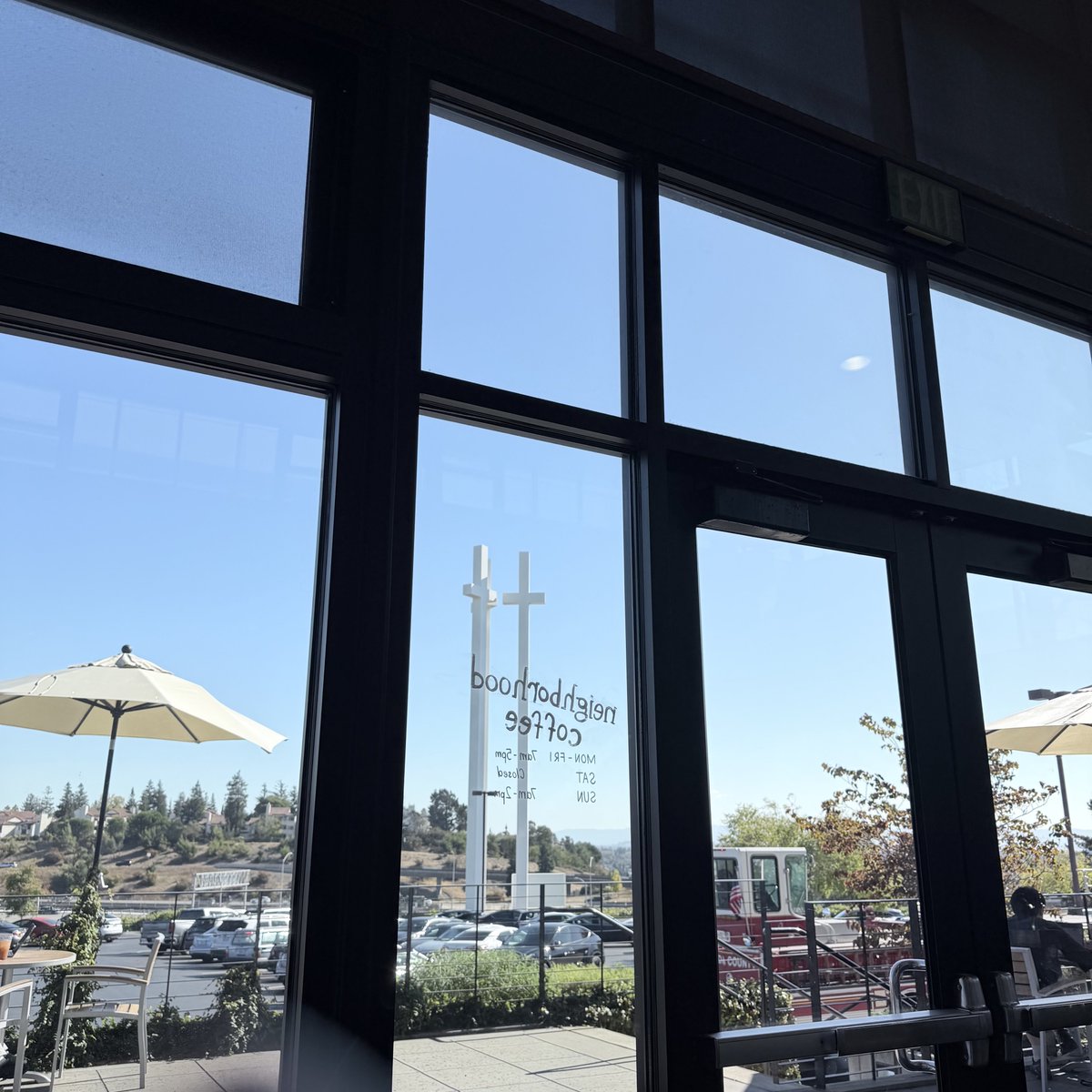
I am not a religious person. I do appreciate the local church providing a good coffee shop such that I was able to develop genome assembler that can handle the noisy PacBio reads many years ago here.
Jason Chin tweet media
English
0
0
6
406
Jason Chin
Jason Chin@infoecho·
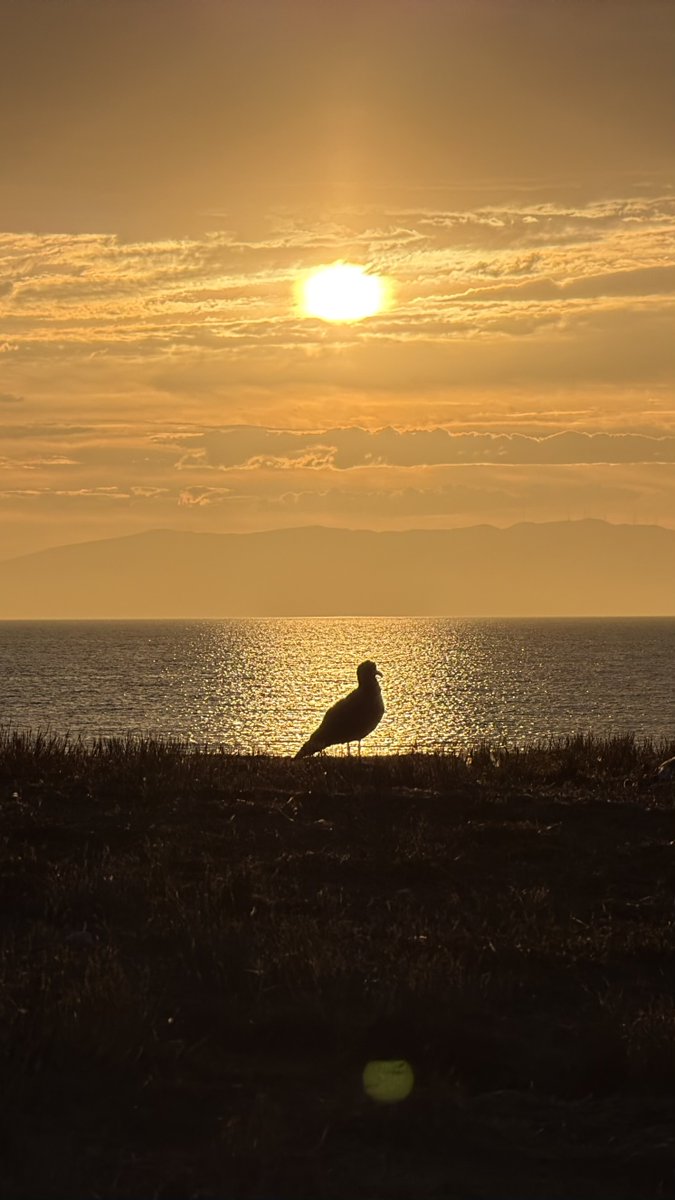
A beautiful Sunset today
Jason Chin tweet mediaJason Chin tweet mediaJason Chin tweet media
English
0
0
5
349