
Sabitlenmiş Tweet
adamn
17.4K posts




adamn retweetledi

europe: shareholder at top 5 biggest bank in the continent
us: dentist
0ya ✞@x0yabun
What jobs actually get people houses like these?
English
adamn retweetledi

adamn retweetledi

There are few things economists agree on more than opposing rent control.
A survey of top economists found almost universal agreement that rent control:
1. Wouldn't make middle-income Americans better off
2. Would reduce apartment supply
3. Wouldn't reduce income inequality

Nathan J Robinson@NathanJRobinson
an economist explains how rent control is actually fine and good currentaffairs.org/news/rent-cont…
English
adamn retweetledi

I don't think a lot of people are ready for how egregiously car-centric Singapore's urban design can get



English
adamn retweetledi

"what is the ideal urban form" is a solved problem, and the answer is Tokyo
All remaining research in urbanism is on enabling more cities to become more Tokyo-like
English
adamn retweetledi

While I am sympathetic to view that micro development has become too dominant, this whole discourse seems to miss the reason macro dev faded to begin with: it was bad! Cross country regs using a handful of obs w/ bad underlying data did not solve the mystery of growth
Jesús Fernández-Villaverde@JesusFerna7026
A fundamental lesson from my posts these last two weeks on modernization, industrial policy, and development is that development economics should be about understanding why South Korea got rich but Bolivia did not. The current field has largely given up on that question. Sharply identified RCTs on small micro programs are a fine way to publish in the AER and get tenure at a fancy university, but a profession that knows everything about microfinance impact evaluations and almost nothing about industrialization has misallocated its own intellectual capital on a pretty heroic scale. Four images of Seoul:
English
adamn retweetledi

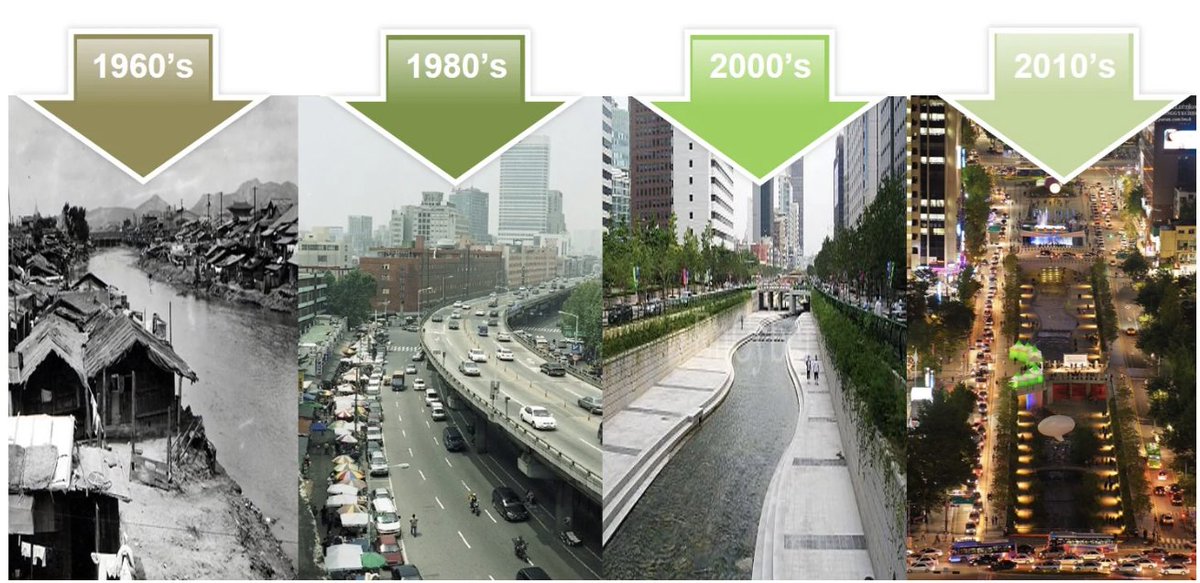
A fundamental lesson from my posts these last two weeks on modernization, industrial policy, and development is that development economics should be about understanding why South Korea got rich but Bolivia did not.
The current field has largely given up on that question. Sharply identified RCTs on small micro programs are a fine way to publish in the AER and get tenure at a fancy university, but a profession that knows everything about microfinance impact evaluations and almost nothing about industrialization has misallocated its own intellectual capital on a pretty heroic scale.
Four images of Seoul:
English
adamn retweetledi
That is not how I think about it.
My question is: how would the social planner allocate development economists between RCTs (and related causal methods) and big macro-development questions?
Both are needed, since it is very unlikely the optimal solution is at a corner. So let's call the optimal allocation to RCTs x* in (0,1).
My answer is that, right now, publication incentives mean that x (the actual share of effort allocated to RCTs) is much larger than x*.
The reason is simple. With an RCT or similar method, I have a clear identification argument, sharp answers, and nice tables. With a big macro-development question, I have to handle dozens of sub-questions for which I have only heuristic answers. Young researchers find the former a much easier path than the latter.
So this is not about whether we need palliative care. It is about whether we are spending too much on palliative care, and right now, yes, I think we are.
English
adamn retweetledi

I used to have this view until I was convinced otherwise by a conversation with Abhijit Banerjee.
His point was that we should try to alleviate poverty — RCTs are one way — until we figure out the big questions of macro development — eg industrialization.
An analogy: research on palliative care until we figure out a cure for terminal diseases. It is not either or…
Jesús Fernández-Villaverde@JesusFerna7026
A fundamental lesson from my posts these last two weeks on modernization, industrial policy, and development is that development economics should be about understanding why South Korea got rich but Bolivia did not. The current field has largely given up on that question. Sharply identified RCTs on small micro programs are a fine way to publish in the AER and get tenure at a fancy university, but a profession that knows everything about microfinance impact evaluations and almost nothing about industrialization has misallocated its own intellectual capital on a pretty heroic scale. Four images of Seoul:
English
adamn retweetledi

adamn retweetledi

don’t say "this man looks gay". say "this man has an elegance to his heterosexuality"
Pop Crave@PopCrave
Meryl Streep says Stanley Tucci has “an elegance to his heterosexuality”: “Stanley has an elegance to his heterosexuality, his undeniable heterosexuality, which is formidable. Not that heterosexuality is better than any other kind of sexuality, it's just that elegance - real, unforced, natural, unstyled elegance - is sometimes harder for straight men. I’m not looking at anybody here or intending any slight, but I'm just saying.”
English
adamn retweetledi



adamn retweetledi

The reason European university econ programmes produce PhD students like this is not because their normal econ programmes are bad. The problem is that they also label qualitative political economy work as economics rather than political theory or sociology.
Total NIMBY Death@BarneyFlames
No offense but I saw some leftist adjacent globes being like "actually the unlearning econ guy has a great academic background". This was much worse than I expected.
English
adamn retweetledi

To prioritize subsidies over health, education, etc is such a disappointing move
malaysiakini.com@malaysiakini
Finance Ministry confirms ordering 'recalibration' amid reports of RM10b budget cut dlvr.it/TSH7Tm
English
adamn retweetledi
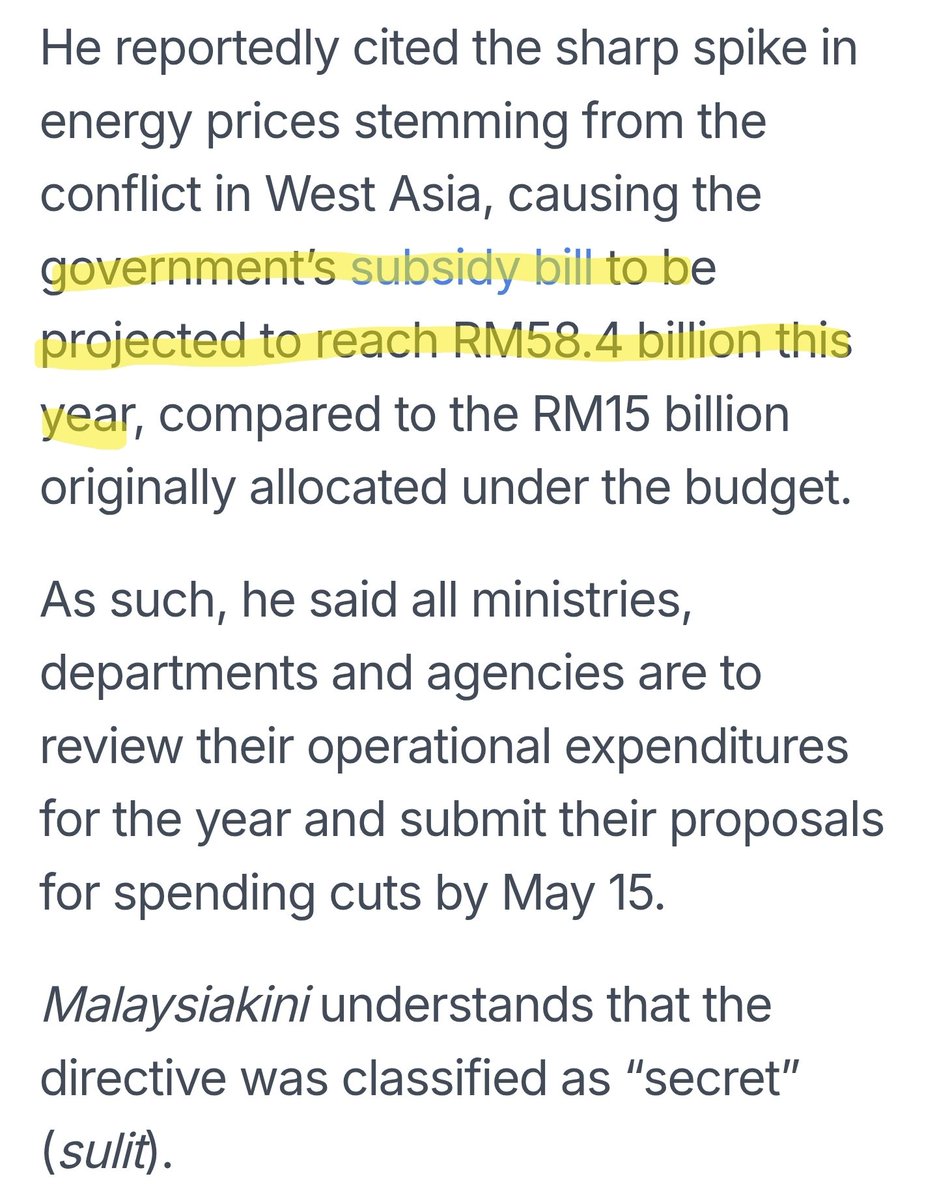
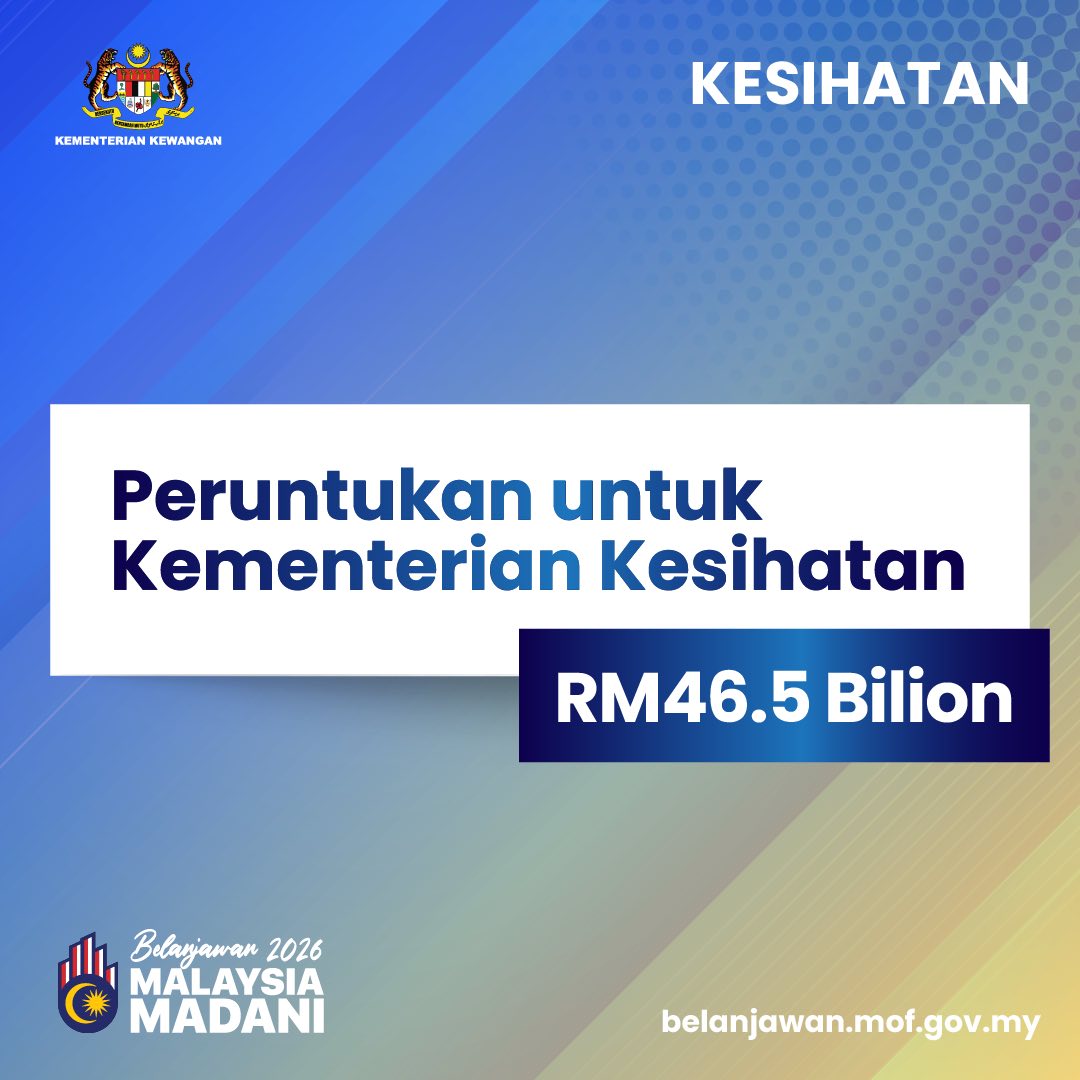
RM58.4 billion for fuel subsidies is MADDENING
More money is being poured into fuel subsidies than MOH! (RM46.5 billion)
Driving is heavily subsidised at the expense of LITERALLY. EVERYTHING. ELSE.
malaysiakini.com@malaysiakini
Finance Ministry confirms ordering 'recalibration' amid reports of RM10b budget cut dlvr.it/TSH7Tm
English
adamn retweetledi
