Ingars Zustrups

101 posts

Ingars Zustrups

Ingars Zustrups

@izustrups

Katılım Haziran 2009
734 Takip Edilen183 Takipçiler
Jesús Fernández-Villaverde
Jesús Fernández-Villaverde@JesusFerna7026·
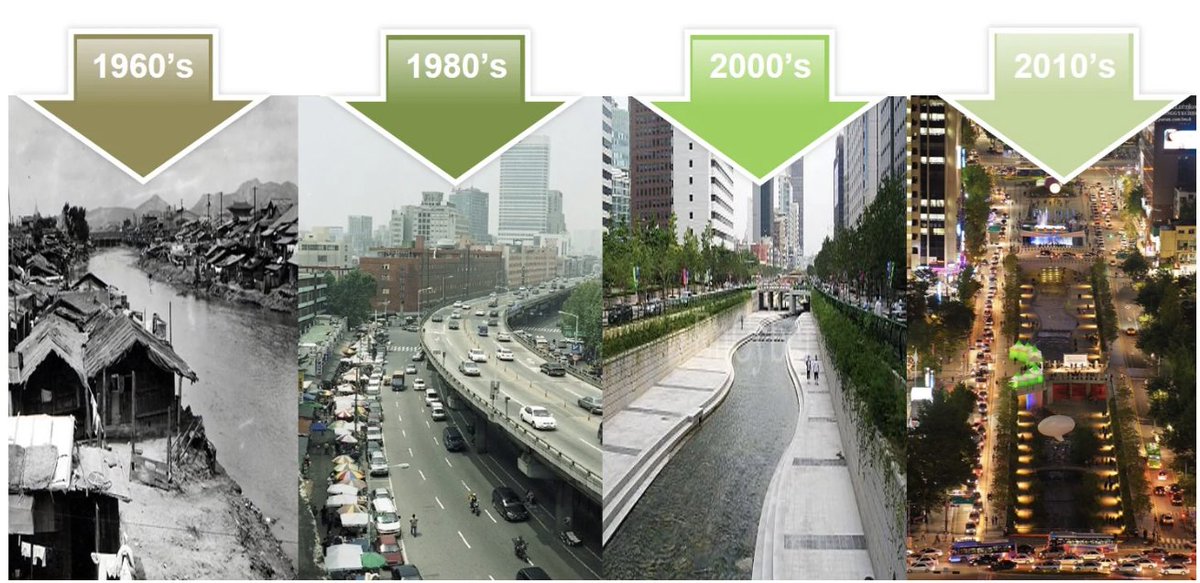
A fundamental lesson from my posts these last two weeks on modernization, industrial policy, and development is that development economics should be about understanding why South Korea got rich but Bolivia did not. The current field has largely given up on that question. Sharply identified RCTs on small micro programs are a fine way to publish in the AER and get tenure at a fancy university, but a profession that knows everything about microfinance impact evaluations and almost nothing about industrialization has misallocated its own intellectual capital on a pretty heroic scale. Four images of Seoul:
Jesús Fernández-Villaverde tweet media
English
77
317
1.8K
586.2K
Ingars Zustrups
Ingars Zustrups@izustrups·
@michaelxpettis One thing which isn't entirely clear to me is which sector accumulates China's surpluses? That's the one from which the redistribution to regular households should happen
English
0
0
1
81
Michael Pettis
Michael Pettis@michaelxpettis·
6/6 For example, if lower payroll taxes worsen the funding gap in the pension system, might Chinese households response by increasing precautionary saving? Or should a cut in payroll taxes further raise China's already-high fiscal deficit?
English
5
2
30
6.1K
Michael Pettis
Michael Pettis@michaelxpettis·
1/6 Good Steven Barnett piece. He points out that "targeting growth rates inconsistent with productivity trends leads to distortive policies", and argues instead for a "dramatic, permanent payroll tax cut" to boost consumption. ft.com/content/d078c7…
English
8
9
95
13.5K
Ingars Zustrups
Ingars Zustrups@izustrups·
@Brad_Setser A relatively minor point, but I would add that IMFs forecast for 2025 in last year's ESR report was wildly off. In this year's China's article IV report it again forecasts a decline in its CA surplus for 2026, perpetuating the idea that imbalances will resolve themselves
English
0
0
0
74
Brad Setser
Brad Setser@Brad_Setser·
So I at least think the Fund's focus on imbalances is well justified. Correctly measured (and even incorrectly measured in th 2025 data) the global surplus is now uniquely concentrated in East Asia, and dangerously so -- with straints on the rest of the world economy 14/14
English
2
1
12
4.8K
Brad Setser
Brad Setser@Brad_Setser·
Good question from @adam_tooze Not sure the IMF - which used the lagged and under reported Chinese 2024 current account data -- made the best case. Think the real answer is China's manufacturing surplus is actually huge v history (would be bigger in real terms) 1/
Brad Setser tweet media
Adam Tooze@adam_tooze

Hi @Brad_Setser one of the questions I have is simply why the alarm at this moment? I know the industry-level data can look dramatic. But looking at the macro picture one might be tempted to say that the imbalance are broadly what they have been for a two decades.


English
5
26
123
64.6K
Ingars Zustrups
Ingars Zustrups@izustrups·
@JesusFerna7026 Indeed, and true also of the rich countries whose biggest 'productivity' problem - housing - isn't a technological, but a political / political economy problem
English
0
0
0
99
Jesús Fernández-Villaverde
Jesús Fernández-Villaverde@JesusFerna7026·
Every time I discuss the economic and social disruptions caused by the worldwide decline in fertility, I hear the same response: artificial intelligence (AI) and robots will make this issue irrelevant. I find the answer deeply paradoxical because, despite being an economist, I am compelled to point out that the argument suffers from the mistake of “economism”: thinking that all social interactions in life are solely about productivity. Most of the problems caused by declining fertility are largely unrelated to productivity: the depopulation of rural areas, the collapse of public services, and inverted family structures in which one child supports four grandparents. Reducing all of this to purely economic terms is an extremely narrow view of society and life. A robot cannot visit your grandmother in a nursing home in a depopulated town in Korea. But there is an even more fundamental question: how do you know that societies will permit the deployment of artificial intelligence on a large enough scale? If we have learned anything from economic history, it is that societies repeatedly create barriers to wealth and hinder the adoption of new technologies. The Roman Empire had a working steam device, the aeolipile, and never developed it beyond a toy. The Ming dynasty burned Zheng He’s fleet and turned inward. Spain expelled its Jewish and Moorish populations at the height of its imperial power, gutting its merchant and artisan classes. The Ottoman Empire resisted the printing press for nearly three centuries after Gutenberg. Tokugawa Japan had firearms in the 1500s but chose to abandon them. The Qing restricted all foreign trade to a single port in Canton for over a century. Argentina was one of the ten richest countries in the world in 1910 and spent a century in relative decline through self-inflicted policy choices. The Soviet Union had world-class mathematicians and physicists but could not produce a decent pair of shoes because the institutional framework would not allow it. India’s License Raj strangled industrial development for four decades after independence. Closer to our own time, much of Europe spent decades resisting genetically modified crops despite the technology being available. Right now, the EU is drafting some of the strictest AI regulations in the world. And these problems will hit hardest where people least expect them. The conversation about aging and AI tends to focus on rich countries like the U.S. or Japan, but the most acute disruptions will come in emerging economies. Latin America and the Middle East have experienced some of the deepest and fastest declines in fertility on the planet. Colombia’s TFR is 1.06, Jamaica’s 1.20, Turkey’s 1.48, and Mexico’s 1.60. These countries are getting old before they get rich. On top of that, they face a double blow: not only are fewer children being born, but their most skilled and ambitious young workers are leaving. The doctors, engineers, and entrepreneurs who might drive AI adoption are moving to the US, Canada, or Europe. And let’s be honest: these are not exactly countries known for getting out of the way of innovation. The political economies of Latin America and the Middle East are riddled with extractive institutions, captured regulators, powerful incumbents who block competition, and states that struggle to deliver basic public services, let alone manage an AI transition. If Argentina could not reform its economy in a hundred years of trying (perhaps it is doing it now, but the jury is still out on whether this reform will be sustainable), if Mexico cannot keep its own engineers from leaving, if Egypt cannot fix its educational system, I am not sure why we should expect them to seamlessly deploy the most disruptive technology in human history. The countries that most need technological dynamism to offset demographic decline are precisely the ones least equipped to make it happen. There is nothing inevitable about adopting new technologies. It requires political will, institutional flexibility, and social acceptance. Aging, fiscally strained democracies dominated by elderly voters are not obviously the best candidates for any of those three. So when someone tells me “don’t worry, AI will fix it,” I hear an argument that assumes the best possible technological outcome, assumes societies will actually adopt it, assumes it will be deployed fast enough, and assumes the only thing that matters is productivity. That is four enormous assumptions stacked on top of each other. And I am sorry, but since I teach global economic history for a living, I have learned that optimistic assumptions are rarely validated by the crooked timber of humanity.
Jesús Fernández-Villaverde tweet media
English
32
180
532
59.2K
Ingars Zustrups
Ingars Zustrups@izustrups·
@michaelxpettis @jonsindreu Do you think that the US households' low savings is downstream of the USs need to accommodate world's surpluses? I get the argument that it needs to run fiscal deficits to keep full employment, but what about households?
English
1
0
0
245
Michael Pettis
Michael Pettis@michaelxpettis·
The relevant point is not that the dominant-currency country must run deficits. It is that it must accommodate saving imbalances in the rest of the world. After the late 1940s, Europe and Japan were rebuilding from the devastation of world war. They needed to import foreign saving to fund very high levels of domestic investment without a collapse in domestic consumption (which, the US feared, would lead to a spread of communism). During that time the US end up accommodating the needs of Europe and Japan by being the world's largest exporter of saving. By the late 1960 and early 1970s, however, much of European and Japanese infrastructure and manufacturing capacity was rebuilt, after which, in order to continue the high saving model they had developed in the previous decades, they need to export surplus production. This is broadly the period during which the US switched from net exporter of saving to net importer. What matters is not that the country with the dominant currency must play a fixed role in the global balance of payments, but rather that it must play an accommodating role. Because we live in a time during which many major economies intervene heavily in their external accounts in order to run the trade surpluses that allow them to externalize the cost of subsidizing manufacturing at the expense of domestic households, what the rest of the world needs is for the dominant-currency economy to run large deficits.
English
5
14
113
8.2K
Gil McGowan
Gil McGowan@gilmcgowan·
The number of Republicans talking about annexing Alberta is going up — all using similar talking points. The foreign interference campaign has clearly already begun.
Courtney Theriault@cspotweet

"I think the people of Alberta would agree with that sentiment that they would prefer to not be part of Canada and be a part of the US because we are winning." A pretty uh interesting take from GOP congressman Andy Ogles on Alberta during BBC debate with Greenland minister.

English
220
800
2.3K
135.3K
Jurģis Liepnieks
Jurģis Liepnieks@JurgisLiepnieks·
Tramps ir ģēnijs manipulācijā ar uzmanību, soc tīklu algoritmu izmantošanā savā labā, uzmanības ekonomikas izmantošanā, šovā, uznācienā, klātbūtnē, pat retorikā. Tapēc viņš ir divreiz ASV prezidents. Diemžēl, līdzīgi kā ģeniāls aktieris var nospēlēt varoni vispār nesaprot sevis runāto tekstu patieso būtību, tā arī Tramps šķiet gandrīz nekad nesaprot savu rīcību sekas Amerikai, pasaulei, to nozīmi utt, jo viņam to arī nevajag. Viņa vienīgai mērķis ir šovs un personīgais labums. Tā kā viņš neko sarežģītāku par bankas kontu nesaprot, viņu izmanto vai cenšas izmantot dažādi spēki, tas viņu arī neuztrauc, kamēr viņš saņem to kas viņam svarīgi. Tā kā viņš saprot bankas kontu - kukuļi un akciju tirgi ir divas lietas (glaimi vairs, nē, jo glaimus viņš uztver kā pašsaprotamību) kas viņu var ietekmēt un ietekmē. Tas arī viss. Thank you for your attention to this matter.
Latviešu
26
11
247
16.9K
Branko Milanovic
Branko Milanovic@BrankoMilan·
I remember a conference that the World Bank organized in the 1990s in Riga, Latvia. We had a huge problem getting the participants from Belarus. Armenia, Georgia etc. They had to travel to Moscow (Latvia did not have embassies in other places), spend several days applying for the Latvian visa (who will pay for their hotel?) and then get it or not. And at the same time MSM were writing how great it is now that Europeans can travel freely between countries. Which was of course true, but...but...not for all.
Branko Milanovic@BrankoMilan

The fact w/Schengen that the Brussels bureaucracy does not want to recognize is that less are impediments to movement & trade within a given area, the greater are impediments to trade and movement between that area and the rest of the world.

English
6
4
62
14.1K
Psychedelic Jukebox
Psychedelic Jukebox@60sPsychJukebox·
Hard to believe but, The Beatles recorded some clunkers, according to the lads, save one, the selections below are the finalists, pick yours 🗳️
English
7
0
9
4.1K
derek guy
derek guy@dieworkwear·
have you considered that outerwear makes you more attractive to women? watch. ladies, do you think he's handsome? answer with yes/ no IG the_joy_of_the_chase
derek guy tweet mediaderek guy tweet mediaderek guy tweet mediaderek guy tweet media
SK@serialkilla504

Maybe @jacobgallagher is a homosexual. But as men we don’t need long big coats. We run hot.

English
457
698
18.1K
560.2K
Ingars Zustrups
Ingars Zustrups@izustrups·
@HillF1 Penalty was due, but 10 seconds was too harsh and unjustified. However the outrageous thing about it is that no one else who left the track got penalties. Every departure with an advantage should have been 5 seconds. Meaning 5 to Charles, 5 to Lewis, 5 to Antonelli and 10 to Max
English
0
0
0
32
Damon Hill
Damon Hill@HillF1·
What do you think about the Hamilton 10s penalty?
English
1.7K
95
2.6K
354.7K
Ingars Zustrups
Ingars Zustrups@izustrups·
@tylerblack32 What approaches would you recommend to getting a child to do therapy if they don't want to? My approach has been to wait it out, but at the same time the issue (eating disorder) appears to be getting worse.
English
1
0
2
662
Tyler Black, MD
Tyler Black, MD@tylerblack32·
Tonight is "Ask a Child Psychiatrist Anything" night - feel free to post your questions here and I'll do my best to answer with the best evidence, honesty, and communication I can! Medications in Children? What about the internet? Screen Time? Games? Schools? Suicide? Lets go!
English
75
45
341
60K
Guntars Vītols
Guntars Vītols@guntarsv·
@AKrasevskis Ejam kursos. Izglītībā spēks! Klimatu cilvēks izmainīt nevar, var tikai pielāgoties.
Latviešu
2
2
22
590
Guntars Vītols
Guntars Vītols@guntarsv·
Politmehānika. Bija iespēja noraut vienu no klimata vājprāta likumiem. Koalīcija šķobās kā pusizjucis krēsls. Tas gandrīz izdevās. Valsts izsaimniekotājiem ceļā uz bankrotu bija 49 balsis. Lai būtu kvorums, lai balsojums tiktu ieskaitīts, balsošanā jāpiedalās vismaz pusei no Saeimas, 50. Parasti ‘atturas’ pieskaita ‘pret’. Bieži tas ir viens un tas pats. Bet šajā gadījumā tas nostrādāja otrādi. Dēļ vienas vienīgas atturas balss, kvorums tika sasniegts un bankrota paketes likums tika pieņemts.
Guntars Vītols tweet media
Latviešu
25
55
128
47.5K
Ingars Zustrups
Ingars Zustrups@izustrups·
@dieworkwear How come your knowledge and skill at explaining this are not a job? I get that interest is small,but a global market should be able scrape together enough demand to make some sort of business out of it. I just can't believe we're getting all this explained for free,day in,day out
English
1
0
27
4.9K
derek guy
derek guy@dieworkwear·
People keep asking me how this can happen, as Bezos has all the money in the world. It's not surprising to me that a culture that devalues clothing, makes it hard for artisans to survive (e.g. skyrocketing rents in big cities), and worships celebrity, luxury, brand names, and money, should result in a culture where it's increasingly difficult to find good tailors. Most wealthy people today don't use tailors. They go to luxury brands, which may or may not have a dept for custom clothing. I can only speak for menswear (where this system would be known as bespoke), not womenswear (which would be haute couture). But for menswear, luxury brands are not placing any real emphasis on their custom tailoring departments. These parts of the business are often just used to give the luxury ready-to-wear line a halo, which in turn is used to give a halo for a sprawling line of cheaply made accessories for people who can't afford absurdly priced luxury clothes (e.g., $20,000 coat, $5,000 shirts, and other bullshit). So these people are left to buy perfumes, plastic sunglasses, and machine-made belts, which similarly lack any craftsmanship, but at least cost less than four figures. Thus, if you're Bezos or some other rich person, you are left looking out onto the market. And what do you see? Mostly luxury brands that promise to deliver "the best." And surely, why shouldn't they be the best? Look at the comments I've received so far. "It's expensive, are you so stupid to think that this is not good?" So they pay $10,000 for a ready-to-wear garment. Or a custom garment that was simply made by adjusting a block pattern (nevermind if they are a good fit for the block). The garment may even be made in a factory! Not on a bench, as would happen in a traditional bespoke workshop. There are some "luxury" or "designer" lines that are truly impressive, such as Rick Owens, which places a strong emphasis on design. But people like Bezos are not buying such avant-garde clothes. They are buying plain looking ready-made clothes that were produced in a factory. The desirable aspect is simply in the fact that someone had the gumption to charge $20,000 for a beige sweater. Getting a truly beautiful tailored garment requires three things: 1) money, 2) knowledge (as the best tailors are often little-known shops), and 3) patience (four meetings, which include three fittings, and the desire to tweak things throughout the process, as sometimes the first tailor doesn't produce the best result for you!). Does someone like Bezos have all three? Certainly, he has the first (money). Most stylists are working with luxury brand (some even get paid on the back end to bring in clients! Which is a conflict of interest!). But even if he found the right stylist, he would have to personally invest time. Most rich people are just going to go to Tom Ford, ask for a custom suit, and be done with it. That's why most rich people look terrible. Society has made it impossible for most tailors to carve out a living, as skyrocketing rents increase cost and a total devaluation of clothing ("this is gay" or "I'm a more authentic, virtuous person by dressing like shit") decreases income. Thus we're all left with brands.
English
128
493
9.2K
609K
derek guy
derek guy@dieworkwear·
People think I'm biased against Jeff Bezos, but here's F. Caraceni Sartoria, widely considered one of the best bespoke tailoring houses in the world, commenting on Bezos's wedding suit. "The most terrible, frightening, horrible tuxedo ever seen in my life. I'm really suffering"
derek guy tweet mediaderek guy tweet media
English
405
2.5K
52.6K
2.8M
Ingars Zustrups
Ingars Zustrups@izustrups·
@EdwynCollins Some sources say Alan Parker played the guitar on this one. He replortedly played on Histoire de Melody Nelson and I hear similarities between the two
English
0
0
2
385
Edwyn Collins
Edwyn Collins@EdwynCollins·
Hurdy Gurdy Man - Donovan {Stereo} Summer youtu.be/jkQyFrfJaqs?si… Morning Folks And Jimmy Page ( Led Zeppelin ) on the solo & the riff. Donovan voice , a Leslie Speaker !!! Got the album, 1968, so brilliant-Edwyn
YouTube video
YouTube
English
14
23
165
10.8K
Josh Dawsey
Josh Dawsey@jdawsey1·
From the White House: “The President won his second round matchup of the Senior Club Championship today in Jupiter, FL, and advances to the Championship Round tomorrow.”
English
541
127
663
624.9K
Ingars Zustrups
Ingars Zustrups@izustrups·
I wouldn't mind if EU's retaliatory tariffs made facebook unaffordable over here
English
0
0
0
46