Sabitlenmiş Tweet

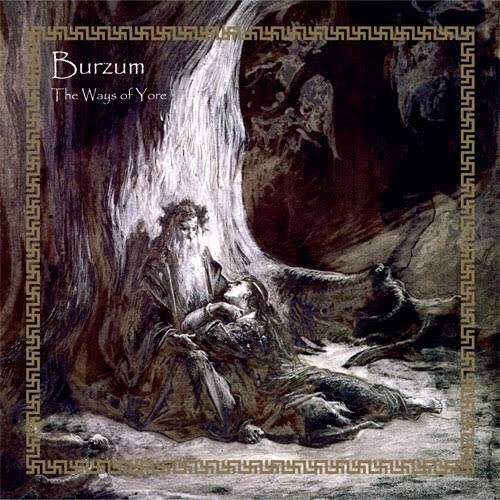
in terms of beauty:
black metal album covers > any other metal sub-genre



Mumbai, India 🇮🇳 English
Jinit Parmar
681 posts

@jinitparmar10
Journalist @outlookindia | ex-@reuters @moneycontrol | [email protected] | opinions all mine | @iijnmbangalore alum
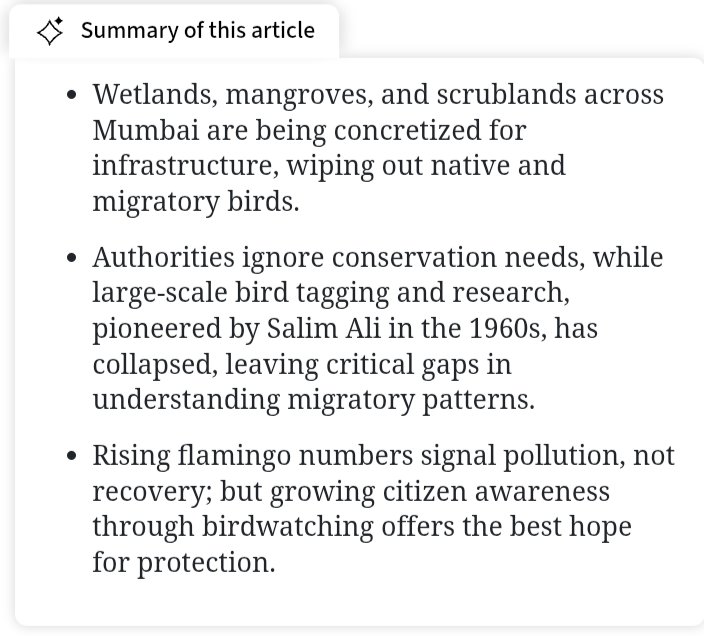
The decline of birds in Mumbai and MMR is no accident. It is the sum of all those decisions that were made, and those that were not. Jinit Parmar (@jinitparmar10) writes. #Birds #Mumbai #Flamingos #RapidUrbanisation buff.ly/kUclkyO



Statement on HDFC Bank Limited एचडीएफसी बैंक लिमिटेड संबंधी विवरण rbidocs.rbi.org.in/rdocs/PressRel…










God forbid someone posts a photo or video of the royal families of Rajasthan celebrating festivals and suddenly the self-appointed constitutional guardians descend in full force: “No royals in India! Abolished in 1971! Against the Constitution!” as if anyone missed that chapter in civics class. No one is asking you to restore privy purses or rewrite the Constitution of India. We’re celebrating heritage, lineage, architecture, rituals- the cultural continuity that predates modern political arrangements. The abolition of titles didn’t erase history nor did it outlaw memory, tradition or community pride. Customs and cultural identities still hold meaning in this country. We celebrate festivals rooted in monarchies, visit forts built by kings, admire palaces turned museums, and quote history with pride. But the moment someone appreciates Rajput heritage, it suddenly becomes a constitutional crisis? If you don’t resonate with it, that’s perfectly fine. Scroll past. Not everything is a referendum on modern democracy. At times, the outrage feels less about constitutional morality and more like an old discomfort, an inability to see others take pride in their ancestry and traditions. Heritage appreciation isn’t supremacy and cultural celebration isn’t regression. India is layered. It contains republic and royalty, constitution and custom, modern state and ancient legacy-all at once. Recognizing that complexity isn’t anti-constitutional, it’s historically honest. @KumariDiya