Jay aka @JADED_BULL aspiring CPA

12.3K posts

Jay aka @JADED_BULL aspiring CPA banner
Jay aka @JADED_BULL aspiring CPA

Jay aka @JADED_BULL aspiring CPA

@jksti

California Katılım Ocak 2009
393 Takip Edilen514 Takipçiler
Jay aka @JADED_BULL aspiring CPA retweetledi
クサたろう
クサたろう@SWAGLABCBD1·
もっと僕をアメリカのストーナーと繋げて下さい🥦 アメリカの皆さん僕をフォローして、日本を大麻解禁へ導いて下さい🥦 ONE LOVE🥦
日本語
126
57
1.1K
16.8K
Jay aka @JADED_BULL aspiring CPA retweetledi
Elon Musk
Elon Musk@elonmusk·
@teslaownersSV These reports are false
English
434
457
9.2K
338K
Jay aka @JADED_BULL aspiring CPA retweetledi
amit
amit@amitisinvesting·
is anyone listening to Bill Ackman and buying the dip
amit tweet media
English
475
84
1.9K
274.5K
The Rock Trading Group
The Rock Trading Group@The_RockTrading·
FYI, MSFT FILLED THE GAP FROM LAST APRIL THIS MORNING PREMARKET TO THE PENNY.
English
8
5
82
13K
Jay aka @JADED_BULL aspiring CPA
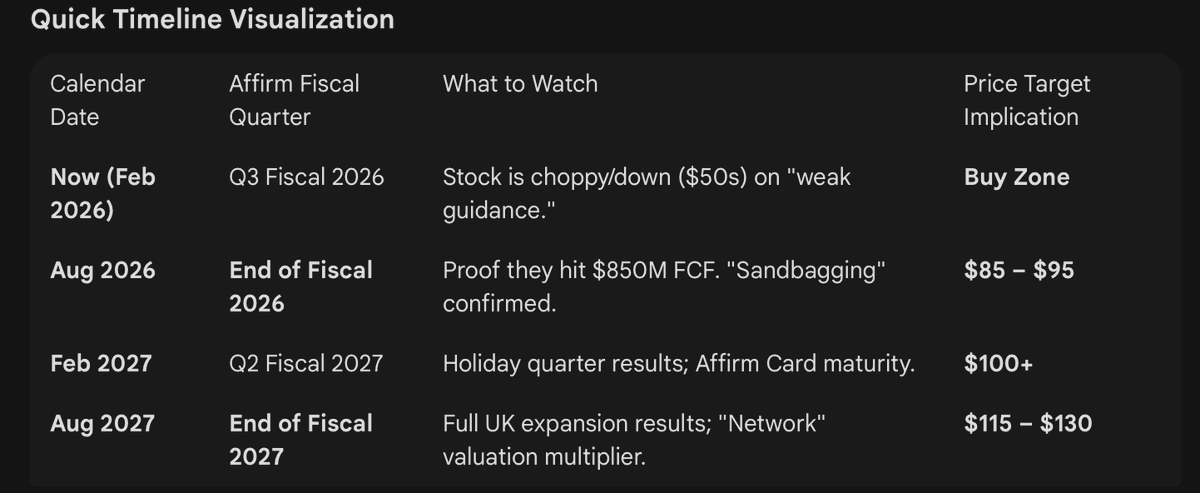
$AFRM Market is irrational. Can stay that way for a while. But, equity sentiment will eventually reconcile with fundamental reality. Ultimately, the early 2026 intersection of private credit fears and financial technology has created a market environment driven by headline contagion rather than fundamental credit analysis. For Affirm, the private credit market's structural evolution is less a localized threat and more a catalyst that validates the durability, transparency, and superiority of its diversified funding model in a highly restrictive macroeconomic era. The contrast between Affirm's tightening ABS spreads and the explosive credit losses of peers like Klarna confirms that in a high-rate, high-anxiety market, institutional capital will relentlessly seek out structural quality, leaving public equity sentiment to eventually reconcile with fundamental reality.
Jay aka @JADED_BULL aspiring CPA tweet media
Jay aka @JADED_BULL aspiring CPA@jksti

$AFRM private credit FUD $KLAR The narrative suggesting that Affirm Holdings is facing an existential funding crisis due to the ongoing volatility in the private credit markets represents a profound mispricing of risk by the public equity markets. The gating of redemption requests by interval funds such as Stone Ridge's LENDX, Cliffwater, and BlackRock's HPS highlights a structural failure in the architecture of semi-liquid asset management products, rather than a systemic collapse in the creditworthiness of the American consumer.  The public equity market's reaction to the LENDX markdown failed to account for the mechanical realities of interval fund accounting, mistakenly conflating a fund's liquidity-driven mark-to-market distress with the actual fundamental default rates of Affirm's consumer loan book. Affirm’s fundamental architecture is deliberately constructed to isolate the firm from precisely these types of capital market dislocations. The company's execution in the first quarter of 2026 provides empirical, irrefutable proof of this resilience. By upizing its Asset-Backed Securitizations to $750 million at yields below 4.6% in a wildly oversubscribed offering, expanding its forward flow agreements with multi-billion-dollar life insurance conglomerates like New York Life, and simultaneously delivering 36% GMV growth with 30% adjusted operating margins, Affirm has comprehensively demonstrated that institutional demand for its originated assets remains intensely robust. While the macroeconomic environment—defined by sticky 2.7% PCE inflation, geopolitical instability, and $110 oil—warrants vigilant monitoring, Affirm's short-duration assets allow for real-time underwriting recalibrations that insulate its balance sheet from sudden economic shocks. The ability to simply turn off break-even origination cohorts provides a shock absorber that legacy credit card issuers lack. Furthermore, the strategic pursuit of a Nevada industrial bank charter, despite fierce opposition from legacy banking consortiums fearing competitive displacement, illustrates a proactive management team seeking to permanently secure a low-cost, insulated deposit funding base. Ultimately, the early 2026 intersection of private credit fears and financial technology has created a market environment driven by headline contagion rather than fundamental credit analysis. For Affirm, the private credit market's structural evolution is less a localized threat and more a catalyst that validates the durability, transparency, and superiority of its diversified funding model in a highly restrictive macroeconomic era. The contrast between Affirm's tightening ABS spreads and the explosive credit losses of peers like Klarna confirms that in a high-rate, high-anxiety market, institutional capital will relentlessly seek out structural quality, leaving public equity sentiment to eventually reconcile with fundamental reality.

English
0
0
3
179
Jay aka @JADED_BULL aspiring CPA
$AFRM private credit FUD $KLAR The narrative suggesting that Affirm Holdings is facing an existential funding crisis due to the ongoing volatility in the private credit markets represents a profound mispricing of risk by the public equity markets. The gating of redemption requests by interval funds such as Stone Ridge's LENDX, Cliffwater, and BlackRock's HPS highlights a structural failure in the architecture of semi-liquid asset management products, rather than a systemic collapse in the creditworthiness of the American consumer.  The public equity market's reaction to the LENDX markdown failed to account for the mechanical realities of interval fund accounting, mistakenly conflating a fund's liquidity-driven mark-to-market distress with the actual fundamental default rates of Affirm's consumer loan book. Affirm’s fundamental architecture is deliberately constructed to isolate the firm from precisely these types of capital market dislocations. The company's execution in the first quarter of 2026 provides empirical, irrefutable proof of this resilience. By upizing its Asset-Backed Securitizations to $750 million at yields below 4.6% in a wildly oversubscribed offering, expanding its forward flow agreements with multi-billion-dollar life insurance conglomerates like New York Life, and simultaneously delivering 36% GMV growth with 30% adjusted operating margins, Affirm has comprehensively demonstrated that institutional demand for its originated assets remains intensely robust. While the macroeconomic environment—defined by sticky 2.7% PCE inflation, geopolitical instability, and $110 oil—warrants vigilant monitoring, Affirm's short-duration assets allow for real-time underwriting recalibrations that insulate its balance sheet from sudden economic shocks. The ability to simply turn off break-even origination cohorts provides a shock absorber that legacy credit card issuers lack. Furthermore, the strategic pursuit of a Nevada industrial bank charter, despite fierce opposition from legacy banking consortiums fearing competitive displacement, illustrates a proactive management team seeking to permanently secure a low-cost, insulated deposit funding base. Ultimately, the early 2026 intersection of private credit fears and financial technology has created a market environment driven by headline contagion rather than fundamental credit analysis. For Affirm, the private credit market's structural evolution is less a localized threat and more a catalyst that validates the durability, transparency, and superiority of its diversified funding model in a highly restrictive macroeconomic era. The contrast between Affirm's tightening ABS spreads and the explosive credit losses of peers like Klarna confirms that in a high-rate, high-anxiety market, institutional capital will relentlessly seek out structural quality, leaving public equity sentiment to eventually reconcile with fundamental reality.
Jay aka @JADED_BULL aspiring CPA@jksti

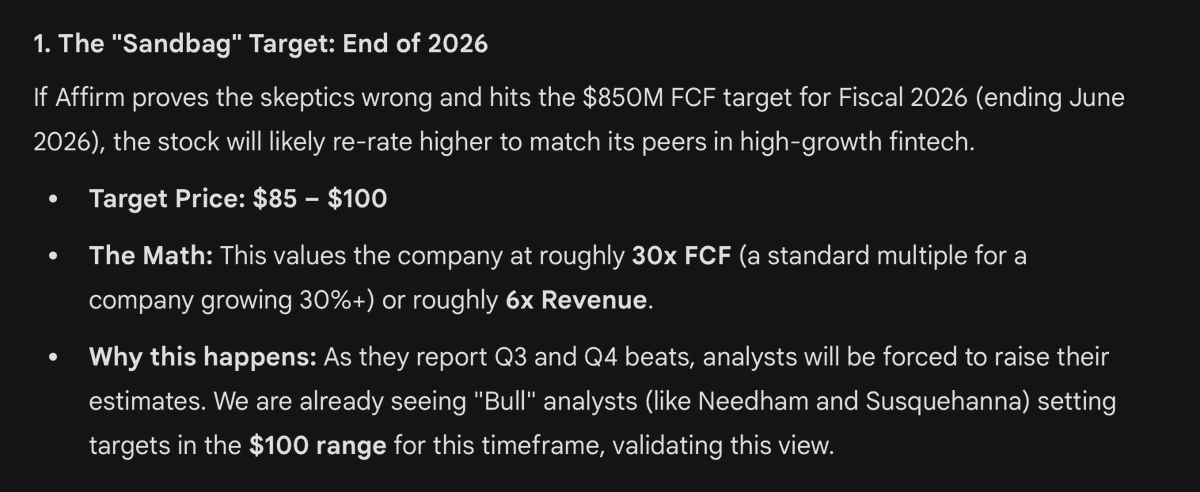
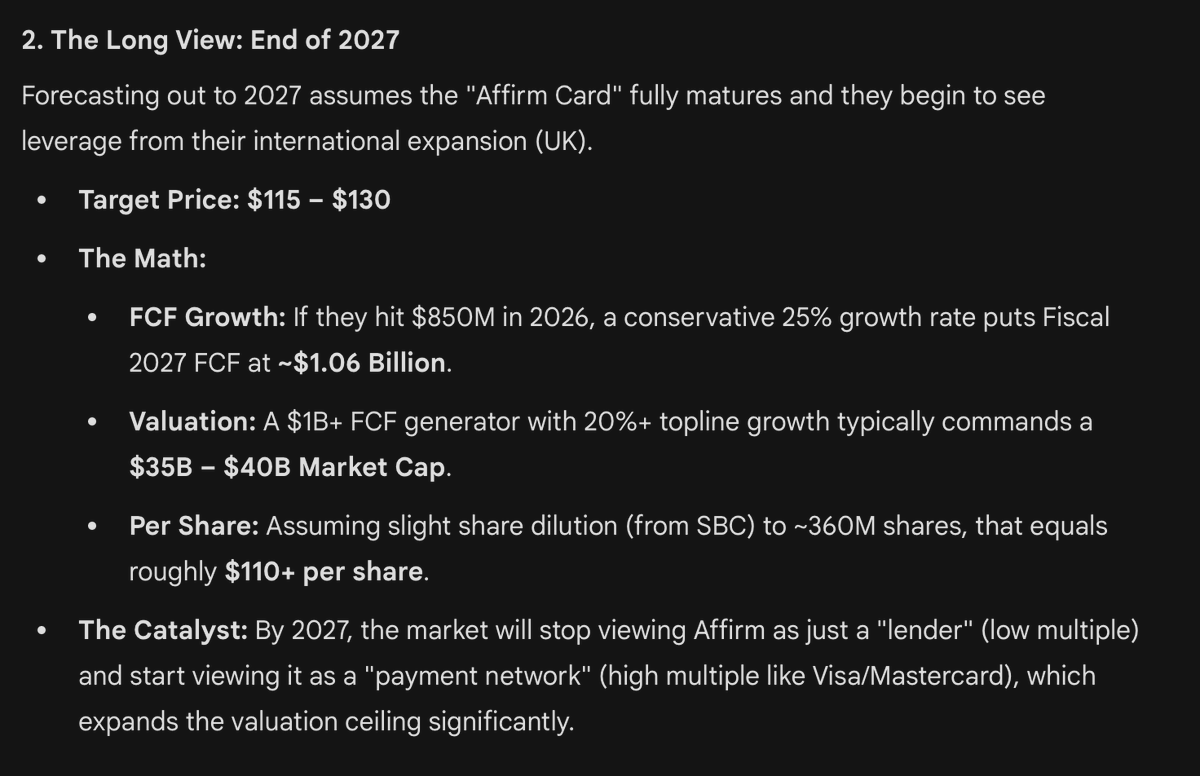
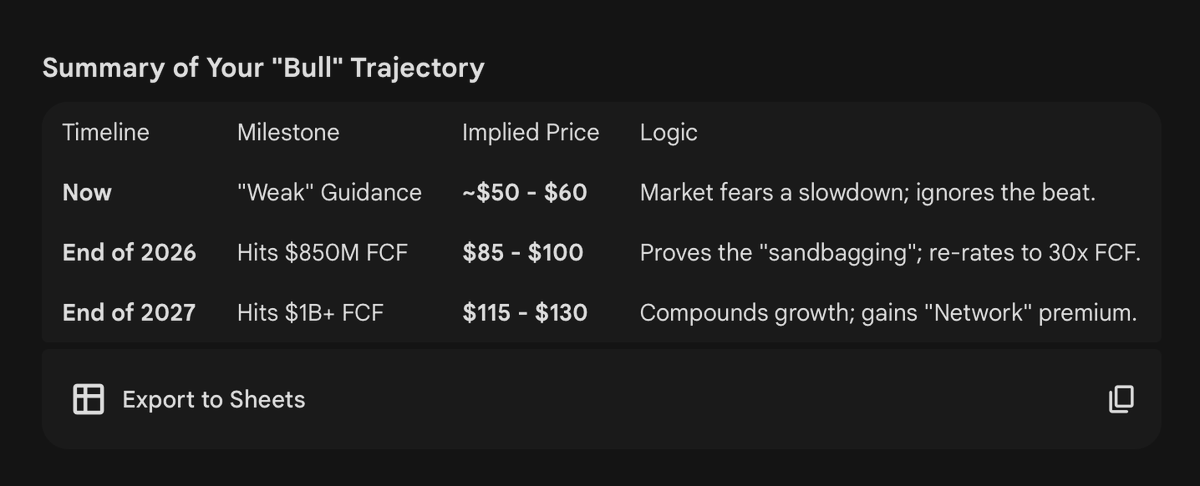
$AFRM Management is sandbagging. Buy.

English
1
0
4
598
zerohedge
zerohedge@zerohedge·
NBA Backs First Expansion in 20 Years With Las Vegas, Seattle
English
54
31
483
73.6K
Jay aka @JADED_BULL aspiring CPA retweetledi
Glitch
Glitch@Glitch_Trades·
Gn — Got dick over the weekend, so I’m gonna rest up today and maybe tomorrow. 🤒
Glitch tweet media
English
43
1
65
23.8K
Banana3
Banana3@Banana3Stocks·
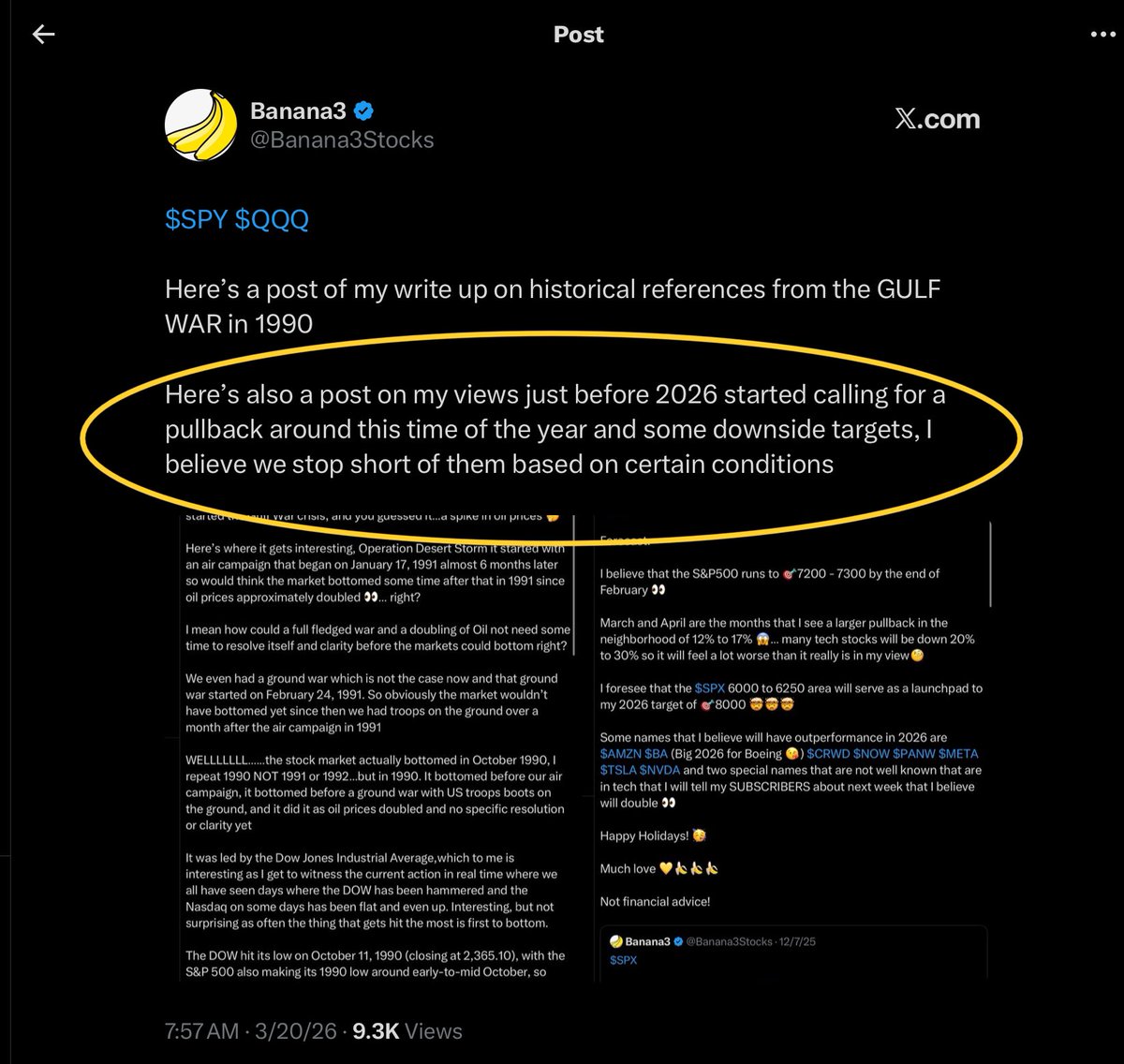
$SPY $QQQ ALL OF THE DECLINES WE GOT IN MARCH…. ALL THE TECH STOCKS THAT ARE DOWN 20% to 30%… ALL OF THEM FORECASTED BEFORE THIS YEAR STARTED🍌 NOWWWWWW…. ON FRIDAY I SAID IM GOING THE OTHER WAY AND WE STOP SHORT 🤯 EVERY ONE ELSE JUST GOT BEARISH AS I SAID WE STOP SHORT OF MY DOWNSIDE TARGETS NOW NEWS HAS SENT $SPY BACK OVER THE 200DMA BEFORE BEARS KNOW WHAT EVEN HAPPENED LIKE I SAID, TRY TO KEEP UP 🎯🍌🍌🍌 All posts below 👇
Banana3 tweet media
Banana3@Banana3Stocks

$SPY $QQQ Here’s a post of my write up on historical references from the GULF WAR in 1990 Here’s also a post on my views just before 2026 started calling for a pullback around this time of the year and some downside targets, I believe we stop short of them based on certain conditions

English
7
2
69
16.8K
Jay aka @JADED_BULL aspiring CPA retweetledi
Imtiaz Mahmood
Imtiaz Mahmood@ImtiazMadmood·
The IRGC is breaking! Reports are now circulating that many members of the IRGC are fleeing to Afghanistan. There are reports of factions within the IRGC who are now splitting and turning their guns on each other. This week, small ambushes against Besij forces have surfaced, one shared on Iranian State Media. A-10's and Apache Attack Helicopters are now taking out IRGC vessels in the Straight of Hormuz. Besij forces are being reported by locals and targeted by airstrikes. The time is coming for a drastic turn of events on the ground. It is true, this regime change can not happen without boots on the ground. With about 4,000 US Marines en-route to CENTCOM, people are asking if they will be the boots. The boots are already on the ground, and they do not have an American citizenship, nor an Israeli. The fall of the regime will come from within. - @angertab
English
352
844
4.3K
266K
MapleStax Trades
MapleStax Trades@MapleStax·
Basketballs are $100 now It’s over for us
MapleStax Trades tweet media
English
20
9
56
9.2K