
Sabitlenmiş Tweet

English
John G. Roubil, MD
327 posts

@JohnRoubil
Chief Resident (PGY-5) @VCURadOncRes via @umasschan | mostly NBA Twitter/New England Sports | Demoulas Market Basket stan



91.6% of U.S. metro areas are already highly consolidated. More striking, 56.9% of metro markets are considered a duopoly or dominant-insurer market structures where meaningful competition is structurally limited. @EdGainesIII’s post on healthcare consolidation and HHI, along with @mcubans comments, sent me down a rabbit hole looking more closely at consolidation in the healthcare space. HHI, or the Herfindahl–Hirschman Index, is the standard measure of market concentration used by the DOJ and FTC. It is calculated by summing the squared market shares of firms within a local market. Markets with an HHI above 2,500 are classified as highly concentrated, meaning additional consolidation is presumptively concerning under antitrust guidelines. HHI levels above 4,000 generally reflect markets dominated by one or two insurers. At those levels, this stops being abstract economics. High concentration shifts leverage toward insurers, weakens competitive pressure, and raises barriers to entry. Employers and patients face fewer meaningful choices, and physicians negotiate in markets where alternatives are limited in practice, even when multiple brands exist on paper. These are local market realities, not national averages. A metro area can appear competitive at a national level while functioning operationally as a one- or two-insurer market. This analysis focuses on commercial PPO markets, which remain central to employer-sponsored coverage and physician contracting, and likely understates real concentration in regions where self-insured employers rely on the same dominant insurers as third-party administrators. The takeaway is straightforward. Commercial insurance consolidation is not a future risk or a theoretical concern. It is already the baseline condition across most U.S. metro markets, well beyond the thresholds regulators themselves define as problematic. Sources: American Medical Association, Competition in Health Insurance (metro-level commercial PPO HHI); U.S. Department of Justice and Federal Trade Commission Horizontal Merger Guidelines (HHI thresholds and interpretation).

Yesterday we spent the day learning about hypofractionated prostate cancer in every setting from @NicholasZaorsky. His google doc game is unmatched 🦀☢️💪🏼

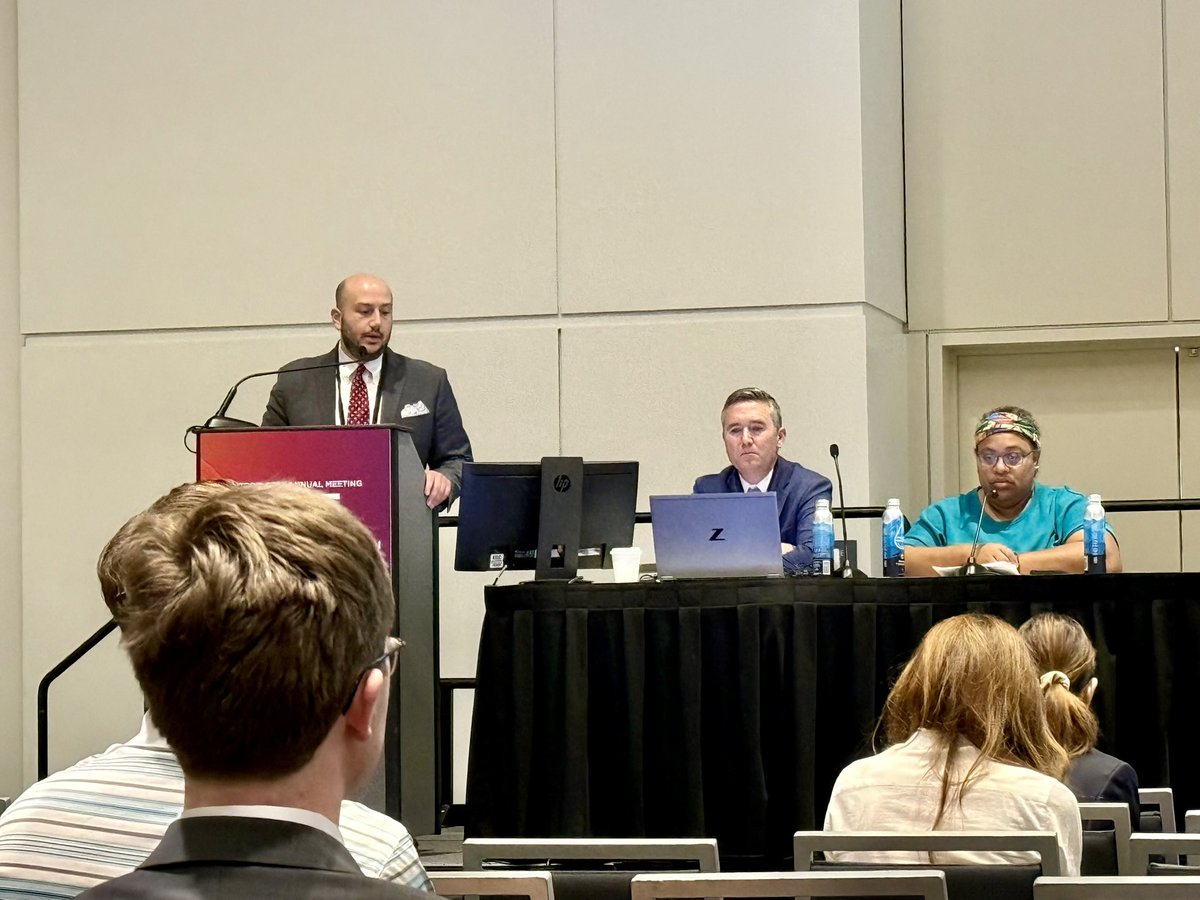
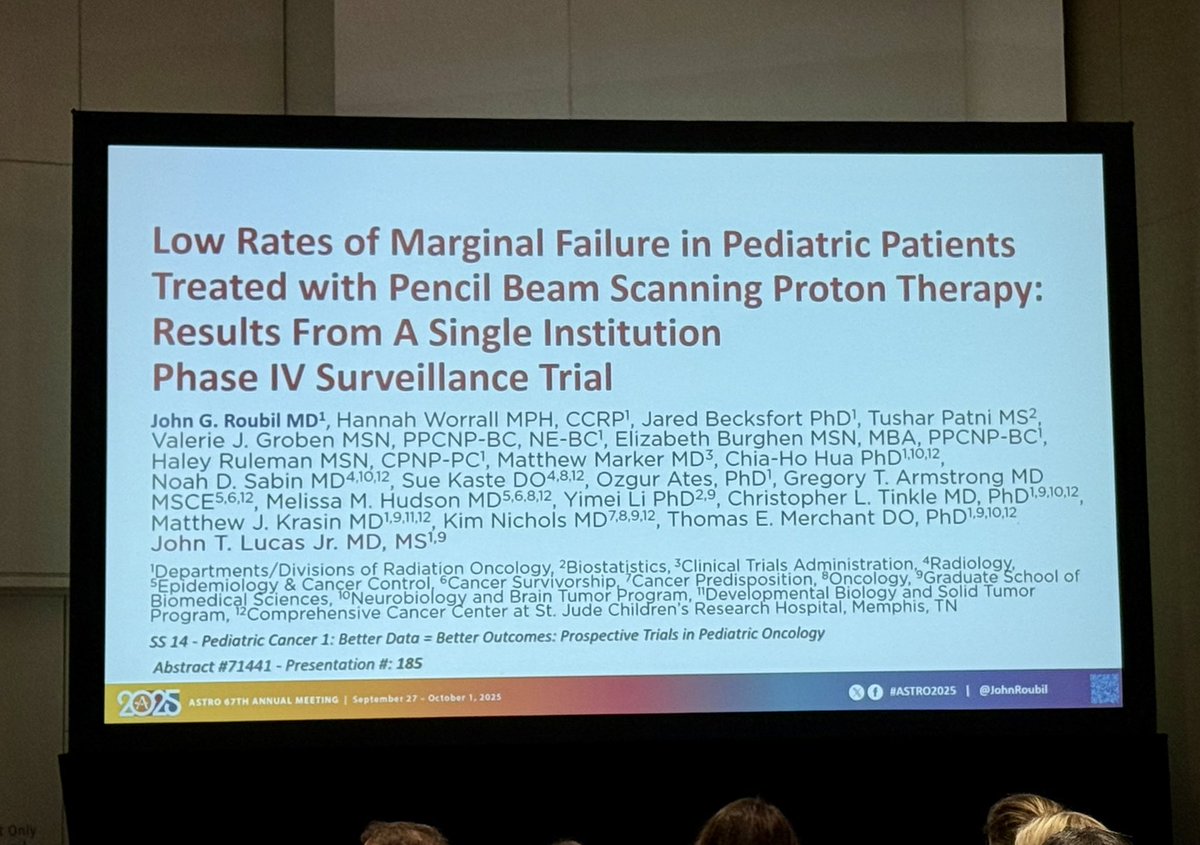


We’re so proud of @ElianeGarlock - @ACROresident Communications Committee Chair! @ACRORadOnc @VCUMassey


#Consensus guideline for the management of #colorectal #cancer with #peritoneal metastases - Schultz - 2025 - Cancer - Wiley Online Library acsjournals.onlinelibrary.wiley.com/doi/10.1002/cn… Much needed multi-D approach. #CancerResearch @AmericanCancer @VUMCDiscoveries



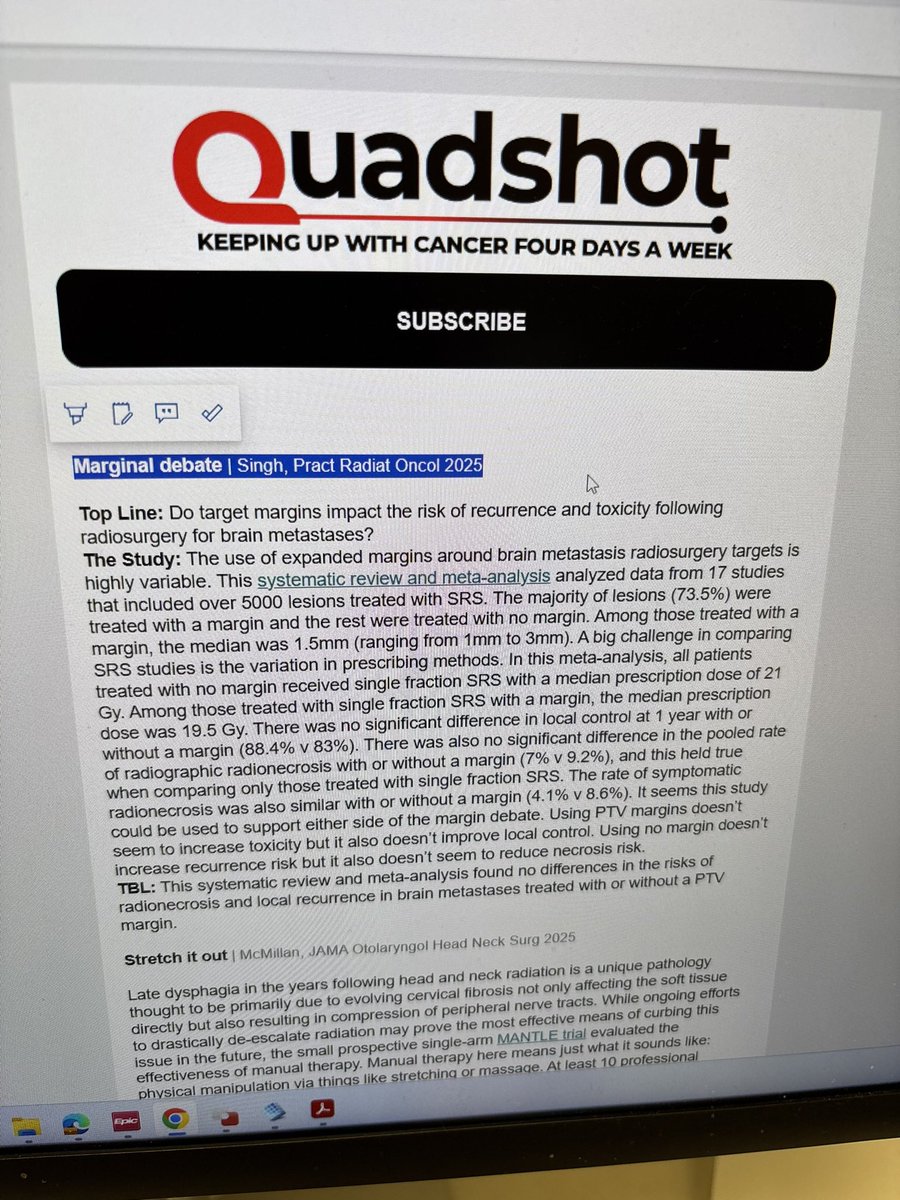
Do SRS margins really impact local control and/or radionecrosis when treating brain mets? @Raj_Singh_MD @EricLehrer @joshuapalmermd 👇🏼👇🏼👇🏼 practicalradonc.org/article/S1879-…

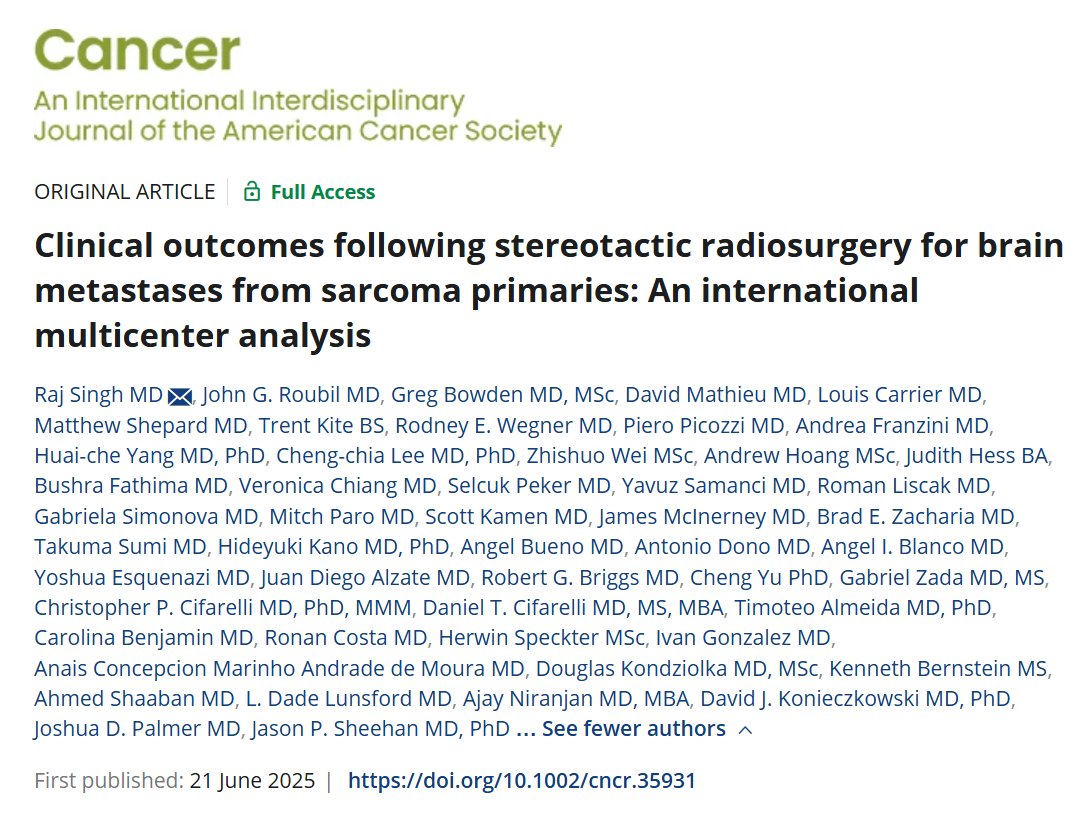
Excellent presentation @ACRORadOnc #ACRO2025 by @JohnRoubil on @IntRRF analysis on SRS for sarcoma brain metastases, showing favorable LC & OS. Leiomyosarcoma histologies and pts w/o progressive extracranial metastases had better OS
