
Marcelino Hermida López

19.7K posts

Marcelino Hermida López banner
Marcelino Hermida López

Marcelino Hermida López

@marslain

Físico, especialista en Física Médica / Clinical medical physicist. PhD.

Barcelona (Spain) Katılım Eylül 2011
887 Takip Edilen781 Takipçiler
Marcelino Hermida López retweetledi
SEOR.es
SEOR.es@SEOR_ESP·
Una de las novedades del Congreso #SEOR2025 serán los Debates pros Vs Cons interactivos con la audiencia y las mesas de tertulia. El miercoles 3 de junio tendremos a los Dres. Jordi Giralt, Cristina González del Yerro y @Antoniojconde : "Protonterapia en España: ahora o nunca"
SEOR.es tweet media
Español
0
3
5
153
Marcelino Hermida López retweetledi
J Lopez Torrecilla
J Lopez Torrecilla@JoLopTorrecilla·
¿Y si medir la calidad en Radioterapia no requiriera trabajo extra? El trabajo propone algo distinto: 🔹 Extracción automática desde (ARIA/MOSAIQ) 🔹 Solo 17 Indicadores 🔹 Ajuste por complejidad y técnica 👉 Monitorización continua. La calidad deja de ser un informe anual
Español
1
4
4
1.2K
Marcelino Hermida López retweetledi
J Lopez Torrecilla
J Lopez Torrecilla@JoLopTorrecilla·
La calidad en Oncología Radioterápica puede medirse de forma continua, automática y ajustada por complejidad real
J Lopez Torrecilla tweet media
Español
0
6
5
262
Marcelino Hermida López retweetledi
Felipe Couñago PhD
Felipe Couñago PhD@fcounago·
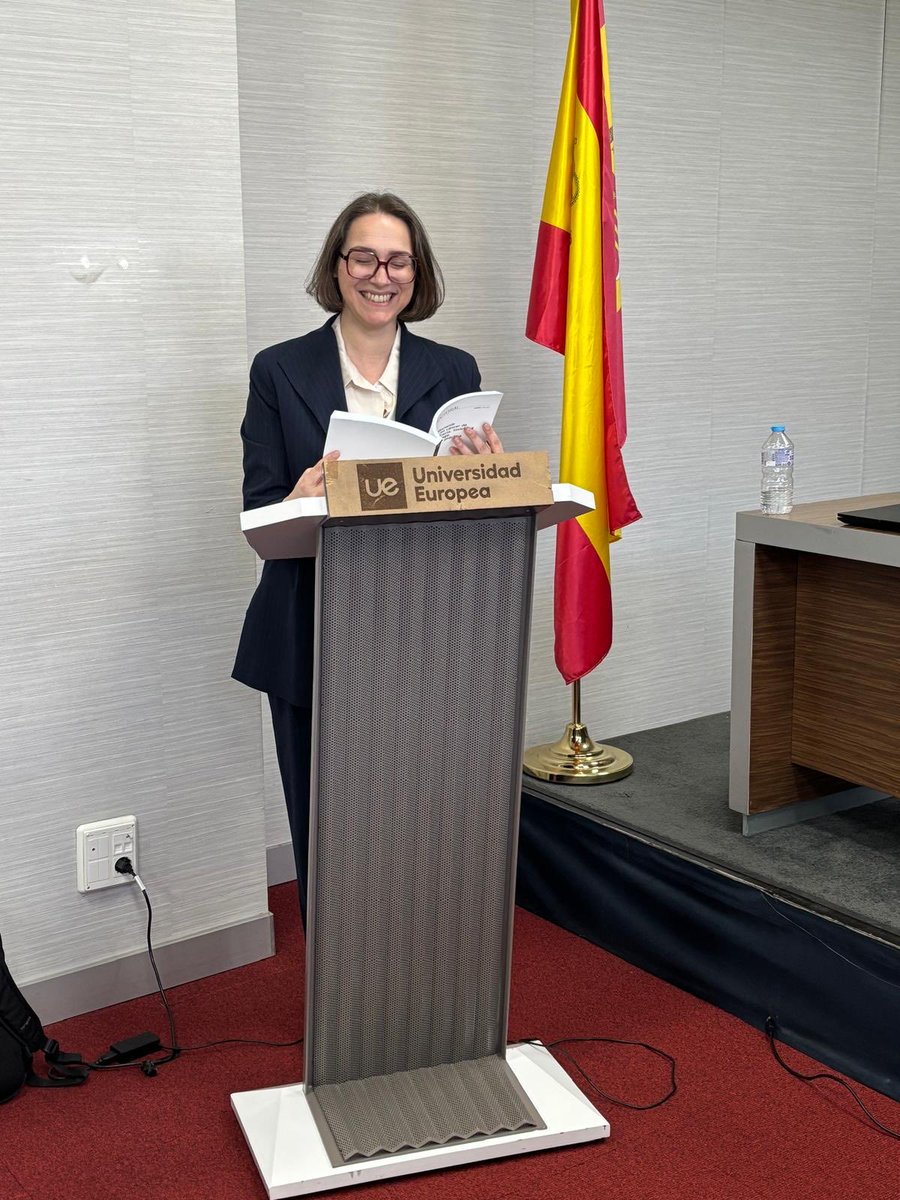
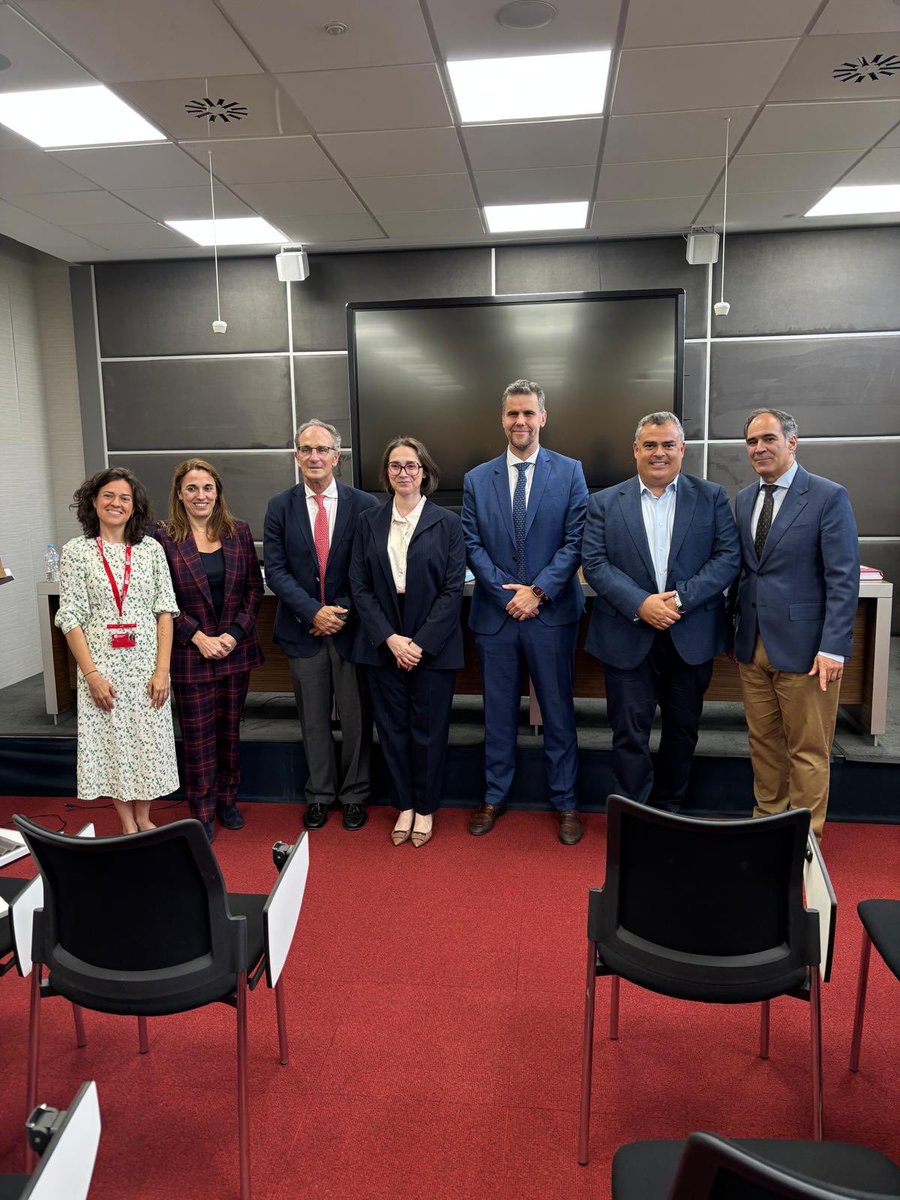
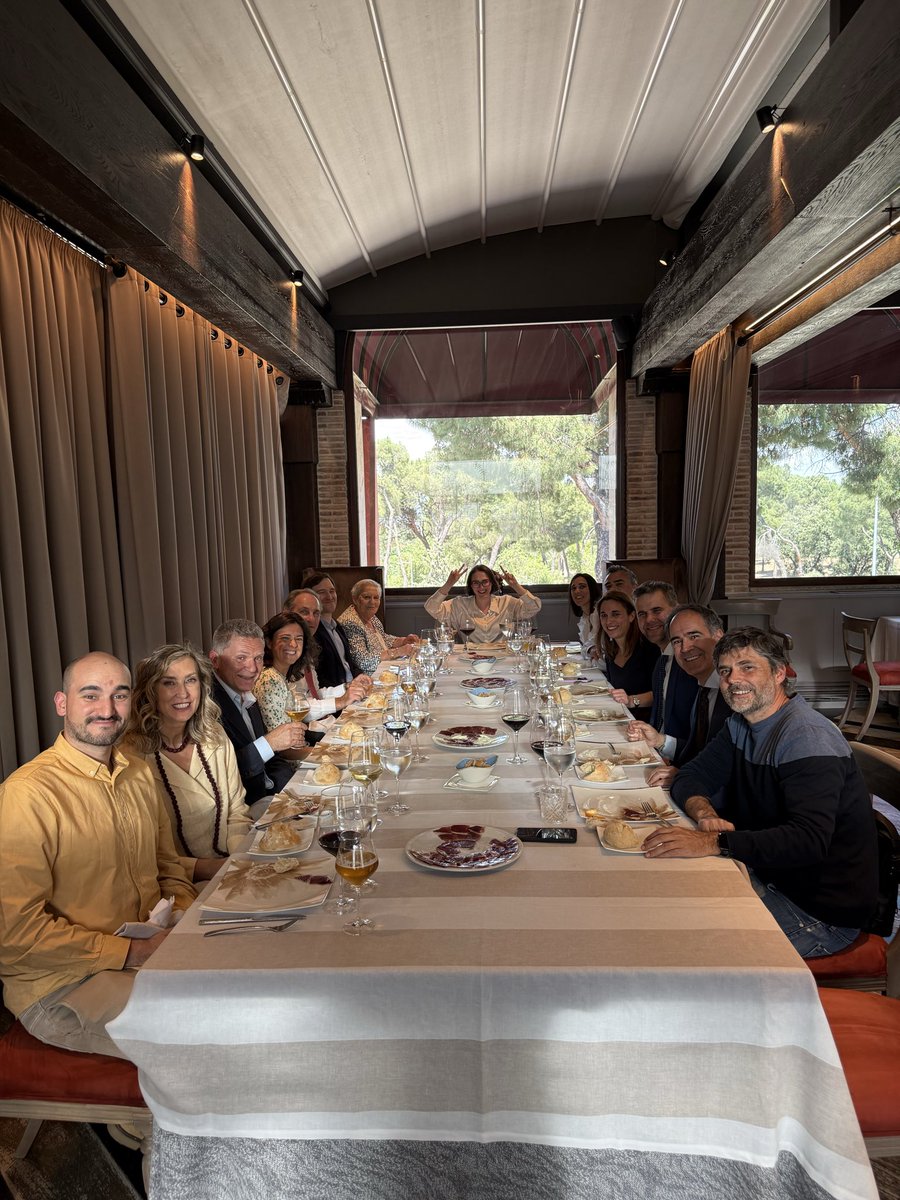
🎓 Enhorabuena a @nus_k 👏 por su tesis en la @UEuropea 🏛️ 📚 5 artículos indexados (varios Q1) 🎗️ RT hipofraccionada en mama + ❤️‍🩹 riesgo CV Un placer dirigirla junto a David Sanz y Cristina Andreu 🤝 🙏 Gracias al tribunal
Felipe Couñago PhD tweet mediaFelipe Couñago PhD tweet mediaFelipe Couñago PhD tweet mediaFelipe Couñago PhD tweet media
Español
0
2
16
608
Marcelino Hermida López retweetledi
Elyon
Elyon@ElyonMan·
Os traduzco: La nueva Fiscal General, que depende de Sánchez, le ordena al Fiscal anticorrupción que no ofrezca más incentivos al tío que está tirando del hilo, no vaya a ser que el hilo llegue hasta Sánchez.
EL MUNDO@elmundoes

#ÚltimaHora 🔴 La fiscal general ordena al fiscal Luzón no rebajar más la pena de Aldama pese a su colaboración #Echobox=1777909897" target="_blank" rel="nofollow noopener">elmundo.es/espana/2026/05…

Español
74
3.3K
8.8K
150.3K
Marcelino Hermida López
Marcelino Hermida López@marslain·
Leng S, Craft DF, Angel E, et al. AAPM Task Group Report 336: Quality assurance for 3D printing in medical imaging and radiation therapy applications. Med Phys. 2026;53:e70446. doi.org/10.1002/mp.704…
English
0
1
2
188
Marcelino Hermida López retweetledi
Christine A. Garcia, MD, MPH
Christine A. Garcia, MD, MPH@christinemphmd·
New @Nature study: >50% of lung cancer metastases are seeded by other metastases, not the primary tumor. This "seeding from seeding" reveals a complex evolutionary cascade that allows cancer to colonize the body. nature.com/articles/s4158…
English
7
179
632
58.9K
Marcelino Hermida López retweetledi
Dr. Luis A. Pérez-Romasanta
Dr. Luis A. Pérez-Romasanta@LuisAlberto3P·
Muchos residentes de EEUU no se muestran confiados a la hora de evaluar planes de tratamiento y creen que han compartido pocas evaluaciones con los adjuntos ¿pasa también en España?
Advances, an ASTRO Journal@Advances_ASTRO

Did you read get a chance to read one of our latest on 🧒🏽resident versus 👩🏽‍⚕️faculty 💭perceptions of treatment planning review🖥️ by @RachelJimenezMD & team? advancesradonc.org/article/S2452-… Once you read it 👆🏽, check out the editorial 👇🏽by our #MedEd expert @d_golden! Part 1️⃣: 🚀Congrats to Boyd et al on an important study examining how radiation oncology trainees learn radiation treatment plan (RTP) evaluation in the US. This is core competency work—and long overdue. 👏 📊 Study design: Survey of residents + faculty at 14 ACGME-accredited hashtag#radonc programs about RTP evaluation education. Survey included: ✅ multiple choice ✅ Likert responses ✅ free-text responses 📬 Survey distribution: 👩‍⚕️ 169 residents 👨‍🏫 79 faculty Response rates: 📌 Residents: 43% 📌 Faculty: 28% For this population, that’s a reasonable response rate. ⭐ Key finding: Residents report substantially less RTP education than faculty report providing. 56% of residents felt they had inadequate exposure to RTP review. Yet… 🧠 85% of faculty reported reviewing ≥50% of treatment plans with residents. That’s a striking discrepancy. 🧑‍⚕️ Important nuance: PGY5s report adequate exposure (as shown in Figure 1). So exposure may improve with seniority—but the earlier years matter too. 🧠Competency perceptions diverged as well: More than half of residents did not feel competent in RTP evaluation vs ~90% of faculty felt residents were competent That gap matters for training confidence and readiness🏃🏽‍♀️. 🧩 This isn’t unique to radonc. Similar “learners report less teaching than teachers report delivering” patterns exist across education research. This is often called a “perception gap.” Why does the perception gap happen❓ Because learners don’t always experience certain activities as “teaching,” even if educators believe they are teaching in the moment. 🔥 Key concept: Feeling of learning ≠ actual learning. Students may feel they’re not learning during active engagement—even when measurable learning improves. So subjective impressions must be interpreted cautiously. Boyd et al also identified common barriers to RTP evaluation: ⏰ time constraints 📅 schedule misalignment 📈 competing clinical demands 😐 lack of interest (either party) Classic “education vs workflow” collision. Some barriers are fixable with intentionality. Example: Faculty can set aside protected RTP review time daily/weekly. Even if a plan is already approved, reviewing it still has huge educational value. ⚠️ As with all survey studies, bias is a risk: 📌 Response bias: - Residents who feel undertaught may be more likely to respond - Faculty who value teaching may also be more likely to respond Another important limitation: social desirability bias. Faculty may feel pressure to report higher teaching engagement because “good educators teach.” This could inflate reported teaching frequency. So what can we do with these findings? 🚨First: teaching & learning is a two-way street. Faculty should be explicit about when they are teaching RTP evaluation—not just doing it. Example: Running into dosimetry, quickly reviewing a plan, then sprinting out 🏃‍♂️. …may not register as teaching to a resident. But simply reframing can change everything. Try saying: 🗣️“Let’s take 2 minutes to review this plan and discuss how we approach it.” Same activity. Totally different educational signal. ✅ Structure helps. Faculty are encouraged to use a rubric-based verbal framework (ex: FCB-CHOPS) to guide consistent plan review teaching. Consistency builds pattern recognition. Why rubrics work: 1️⃣When residents repeatedly hear a structured process, they internalize it. 2️⃣Over time they develop their own mental checklist for RTP evaluation. That translates into: 📌 competence 📌 confidence 📌 independence 🛑But it’s not all on faculty. Residents: you can also proactively engage educators. Ask for structured review: ☑️“Can we quickly walk through this plan using the rubric?” (Respectfully… and preferably not while your attending is juggling 17 fires 🔥) Residents should also seek other expert educators: 💡 dosimetrists 💡 physicists Many are thrilled to teach—and often have unique perspectives on plan quality and tradeoffs. 🎯 Bottom line: Boyd et al highlight that RTP evaluation—an essential residency skill—may be undertaught or under-recognized as being taught in many programs. Take-home message for 👩🏽‍⚕️faculty: ✅ Engage residents in plan review intentionally ✅ Label teaching explicitly ✅ Use structured frameworks consistently Take-home message for 🧒🏽residents: ✅ Be proactive ✅ Request structured review ✅ Learn from the entire team (physics/dosimetry included) 👏 Overall: Important study + actionable implications. If we want confident independent attendings, we need deliberate, visible, consistent RTP evaluation education—starting early. #RadOnc #MedEd #ResidencyTraining #RadiationOncology @ASTRO_org

Salamanca, Spain 🇪🇸 Español
0
1
1
245
Marcelino Hermida López retweetledi
Mushtaq Bilal, PhD
Mushtaq Bilal, PhD@MushtaqBilalPhD·
Major academic publishers' revenue and what they pay authors and reviewers: Revenue: Elsevier: $3.9 billion Springer Nature: $2 billion Wolters Kluwer: $1.6 billion Wiley: $1.8 billion Taylor & Francis: $800 million Sage: $500 million They pay: Authors: $0 Reviewers: $0
English
14
183
675
49.2K
Marcelino Hermida López retweetledi