Jonathan Vicente

34.1K posts

Jonathan Vicente banner
Jonathan Vicente

Jonathan Vicente

@jonathanvicent

PhD ing Climate Epidemiology and Mental Health | Biomédico e MSc em Saúde Coletiva pela FM-USP | Saude Mental & Epidemiologia Climatica 🌱 = born in 355ppm

Schweiz Katılım Aralık 2010
720 Takip Edilen39.5K Takipçiler
Sabitlenmiş Tweet
Jonathan Vicente
Jonathan Vicente@jonathanvicent·
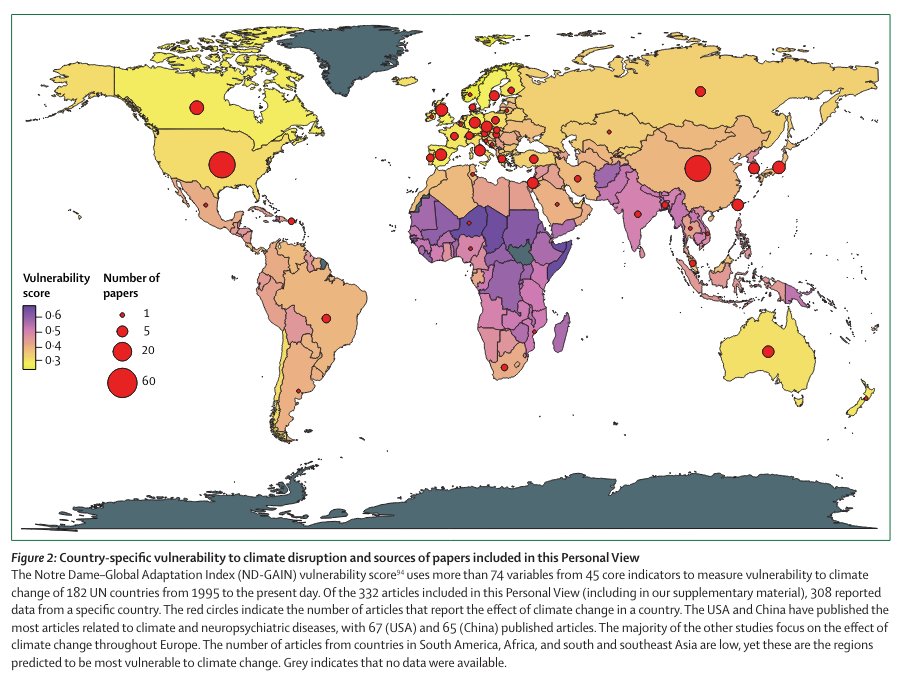
1/🧵 A mudança climática está agravando os sintomas de certas condições cerebrais, revela nova revisão. Condições que podem piorar com o aumento da temperatura e umidade incluem AVC, enxaquecas, meningite, epilepsia, esclerose múltipla, esquizofrenia, Alzheimer e Parkinson.
Jonathan Vicente tweet media
Português
8
211
791
84.5K
Jonathan Vicente retweetledi
Dr. AK 🇮🇳
Dr. AK 🇮🇳@docakx·
The average adult human body contains ≈ 5 litres of blood. During late pregnancy, blood flow to the uterus increases to 600 mL per minute. If bleeding from the uterus occurs after delivery (postpartum haemorrhage), the body’s entire blood can drain out within 10 minutes. This leaves obstetricians with very little time to intervene and stop the bleeding. They therefore act immediately by inserting a fist into the vagina to compress the uterus and stop the bleeding. Otherwise, the mother may bleed to death within minutes. Although other treatment modalities are available, manual manipulation of the uterus remains one of the fastest life-saving interventions.
Dr. AK 🇮🇳 tweet mediaDr. AK 🇮🇳 tweet media
Dr. AK 🇮🇳@docakx

Hit me with a harsh medical fact.

English
1.4K
9.6K
135.2K
24.9M
Jonathan Vicente retweetledi
Anish Moonka
Anish Moonka@anishmoonka·
A parasite that has been eating people for 3,500 years is about to be wiped off the planet. It infected 3.5 million people in 1986. Last year, it infected 10. And I have not seen it make a single front page. It is called Guinea worm. You drink contaminated water from a pond in a poor village. A year later, a worm up to three feet long starts coming out of your leg through a burning blister. There is no pill that stops it and no surgery that works. You wrap the worm around a stick and pull it out slowly, over days or weeks, inch by inch. If you rush, the worm breaks inside you and causes a fresh infection. Guinea worm is ancient. Preserved worms have been pulled out of Egyptian mummies from around 1000 BCE. The Ebers Papyrus, an Egyptian medical scroll from 1550 BCE, describes pulling the worm out with a stick. For three and a half thousand years, that was the best humans could do. Then in 1986, public health workers decided to kill the parasite off. They had no vaccine and no drug. What they had was cheap cloth water filters and a small army of volunteers willing to walk from village to village for decades. The plan was simple. Give everyone who drinks from a pond a cloth filter to strain out the tiny water fleas that spread the parasite. Then send volunteers walking house to house, year after year, teaching people how to use the filters and keeping anyone with an emerging worm out of the water. It worked. From 3.5 million cases a year to 10. Four were in Chad, four in Ethiopia, two in South Sudan. The other four countries where the worm used to be common, Angola, Cameroon, the Central African Republic, and Mali, had zero human cases for the second year in a row. The World Health Organization has already certified 200 countries as Guinea worm free. Six are left. The last hurdle is dogs. Cameroon had 445 infected animals last year and Chad had 147, so a lot of the remaining work is on animals, not humans. Strays get leashed, and crews treat ponds to kill any remaining worms. The campaign keeps watching until the number hits zero. When Guinea worm hits zero, it becomes the second human disease ever erased from the planet. The first was smallpox. It will also be the first parasite humans have ever wiped out, and the first disease ever ended without a single dose of medicine. Volunteers walked village to village with cloth filters for 40 years. Now a plague from the age of the pharaohs is about to be gone.
ً@prinkasusa

Give me the kind of good news from around the world that nobody ever talks about... but should.

English
732
20.8K
129.5K
7.9M
Jonathan Vicente retweetledi
Pedro Sánchez
Pedro Sánchez@sanchezcastejon·
Hay personas que llevan en la voz la historia de un continente. @LulaOficial es una de ellas. En un mundo que duda y se fragmenta, España y Brasil abrimos una nueva etapa convencidos de que nuestros países tienen algo que el mundo necesita: la fuerza de tender puentes donde otros levantan muros.
Pedro Sánchez tweet media
Español
3.8K
7.6K
35.3K
624.6K
Jonathan Vicente retweetledi
Drew Crawford
Drew Crawford@drewcrawford_·
Brazil just signed 15 deals with Spain in a single afternoon. The agreements cover critical minerals, satellites, and AI infrastructure built to last decades. Spain is one of the top three foreign investors in Brazil and still needed this more than Lula did. Brazil holds the world's second largest rare earth reserves on the planet. Every electric vehicle, missile, and smartphone runs on materials Brazil sits on top of. The U.S., EU, India, and China are all circling the same country right now. Brazil's new rule: you can access our minerals, but you process them inside Brazil or the deal dies. That one condition is how a raw materials exporter becomes an industrial power. Brazil has not signed with Washington yet and is using every other deal as leverage before that moment comes. The country the world called "the country of the future" for 85 years just started collecting on that debt.
English
102
1.7K
8.9K
209.9K
Jonathan Vicente retweetledi
Drew Crawford
Drew Crawford@drewcrawford_·
Most people think Brazil's economy is just soybeans and soccer. It's actually 27 economies running at the same time. Here's what each Brazilian state actually produces: NORTH Amazonas: Electronics manufacturing (the Manaus Free Trade Zone houses 600+ companies including Samsung, Honda, LG, and Panasonic, with revenue exceeding R$189 billion in the first 10 months of 2025) Pará: Iron ore mining (Vale's S11D Carajás complex, the largest iron ore operation on earth, produced 86 million tonnes in 2025 alone) Rondônia: Cattle ranching and soybean production Acre: Timber and cattle ranching Roraima: Mining and public administration Amapá: Manganese mining and public administration (government spending accounts for nearly half the state's GDP) Tocantins: Soybean and cattle production (the "T" in MATOPIBA) NORTHEAST Bahia: Petrochemicals (Camaçari complex), wind energy (#1 state in Brazil with 9.87 GW installed), soybeans, cotton, and cacao (the "BA" in MATOPIBA, also home to BYD's largest overseas EV factory) Maranhão: Aluminum processing, soybeans, and port logistics (Itaqui port handled 20.2 million tonnes of grain in 2024, the "MA" in MATOPIBA) Piauí: Soybeans, cashew nuts, and wind energy (#3 state in Brazil with 4.58 GW installed, the "PI" in MATOPIBA) Ceará: Wind energy (#4 in Brazil with 3.29 GW installed), solar energy, textiles, and footwear manufacturing Pernambuco: Oil refining (Abreu e Lima refinery), automotive (Stellantis factory in Goiana), and the Suape port-industrial complex Rio Grande do Norte: Onshore oil production (largest onshore oil-producing state in Brazil) and wind energy (#2 state with 8.33 GW installed) Paraíba: Footwear manufacturing and sugarcane Alagoas: Sugarcane and ethanol Sergipe: Oil and gas production SOUTHEAST São Paulo: Finance, automotive, aerospace (Embraer), food processing, technology. Produces 31% of Brazil's entire GDP. Rio de Janeiro: Oil and gas (Petrobras pre-salt basin), mining, tourism, and media Minas Gerais: Iron ore, niobium (CBMM in Araxá controls 80%+ of global supply), coffee (largest producing state), dairy, automotive, and lithium (Jequitinhonha Valley) Espírito Santo: Iron ore processing (Vale's Tubarão complex), cellulose and paper (Suzano), and oil production SOUTH Paraná: Soybeans, poultry processing, automotive (Renault, Volkswagen), and cooperative agriculture (Coamo, C.Vale, Cocamar, Lar, Copacol) Santa Catarina: Industrial manufacturing (WEG, Tupy), pork and poultry processing (BRF/Sadia, Aurora, Seara), textiles, and technology Rio Grande do Sul: Soybeans, rice (largest producer in Brazil), leather and footwear, machinery manufacturing (Randon, Marcopolo, Tramontina), and wine CENTER-WEST Mato Grosso: Soybeans (largest producing state in Brazil, roughly 30% of national output), corn, cotton, and cattle Mato Grosso do Sul: Cattle, soybeans, sugarcane/ethanol, and cellulose (Suzano, Eldorado) Goiás: Soybeans, corn, sugarcane, niobium (CMOC in Catalão), and rare earths (Serra Verde in Minaçu) Distrito Federal (Brasília): Federal government, technology, and services 27 states. One country. An economy so diversified that it produces airplanes and soybeans, niobium and ethanol, iron ore and fintech, smartphones and cattle, wind turbines and coffee, all simultaneously. The 8th largest economy on earth and most investors can't name a single state besides São Paulo and Rio. Save this. You now know more about Brazil than 99% of the world.
Drew Crawford tweet media
English
51
234
1.4K
101.3K
Jonathan Vicente retweetledi
Thiago Amparo
Thiago Amparo@thiamparo·
Morei 5 anos na Hungria, um país pelo qual tenho um profundo carinho. Receber mensagens de amigos húngaros emocionados com a derrota da extrema direita depois de 16 anos é lindo demais, e fruto de muito trabalho de base da sociedade civil.
Português
108
266
5.9K
65.6K
Jonathan Vicente retweetledi
Drew Crawford
Drew Crawford@drewcrawford_·
Brazil's Pix processes 6-7 billion transactions per month. Venmo, CashApp, and Zelle combined don't come close. India's UPI took six years and eight months to reach 8 billion monthly transactions. Brazil got there in five. 170 million Brazilians use Pix. That's 93% of the adult population. Merchant fees average 0.33% (cards charge 2-5%). Transactions settle in seconds. On December 20, 2024, the system processed 252.1 million transactions in a single day. That one day exceeds the entire monthly volume of most European instant payment systems. Then they built Open Finance on top of it. 60+ million active data-sharing consents. Four times the API volume of the UK's Open Banking. Nubank (built entirely on this public infrastructure) now serves 110 million customers, posted $895 million in quarterly profit, and carries an $85 billion valuation. The most valuable financial institution in Latin America was founded 13 years ago by three people with no bank. The Fed launched FedNow three years after Pix. Adoption remains minimal. The US has no Open Finance mandate. No active CBDC pilot. Brazil is two full technology cycles ahead of the United States in public financial infrastructure. The next time someone tells you Brazil is a "risky emerging market," ask them if they know what Pix is. Read more here: x.com/drewcrawford_/…
English
235
1.4K
11.4K
343.6K
Jonathan Vicente retweetledi
Saber Atualizado
Saber Atualizado@AtualizadoSaber·
🩺 Relato de caso publicado no periódico Clinical Gastroenterology and Hepatology. Uma mulher de 58 anos de idade com histórico de hipotireoidismo e ansiedade apresentou-se no departamento de emergência de um hospital com dor torácica e odinofagia (dor ao engolir) com duração de 9 horas. A dor começou imediatamente após ela tomar seus medicamentos e suplementos à noite (aspirina, óleo de peixe, bupropiona e um probiótico) e piorou ao engolir líquidos e sólidos. Ela negou histórico prévio de azia, disfagia (dificuldade de deglutição) ou odinofagia. Foi realizada uma endoscopia digestiva alta, que revelou erosões lineares no esôfago proximal e um corpo estranho retido no esôfago distal (A). Após inspeção mais detalhada, constatou-se que o corpo estranho era um comprimido probiótico em embalagem rígida de plástico e alumínio, medindo aproximadamente 2,5 cm por 2 cm. O corpo estranho foi delicadamente introduzido no corpo do estômago utilizando leve pressão do endoscópio (B) e um sobretubo foi inserido no esôfago. A embalagem foi dobrada com um laço para reduzir o diâmetro máximo e, em seguida, removida através do tubo externo utilizando o dispositivo de preensão Raptor (C). A paciente tolerou bem o procedimento e recebeu alta com prescrição de sucralfato 4 vezes ao dia por 7 dias. Ela foi orientada a remover os comprimidos da embalagem no futuro.
Saber Atualizado tweet media
Keith Siau@drkeithsiau

One example why a medication has been taken but doesn’t work. What other examples are there?

Português
37
78
1.6K
152.2K
Jonathan Vicente retweetledi
Nicholas Fabiano, MD
Nicholas Fabiano, MD@NTFabiano·
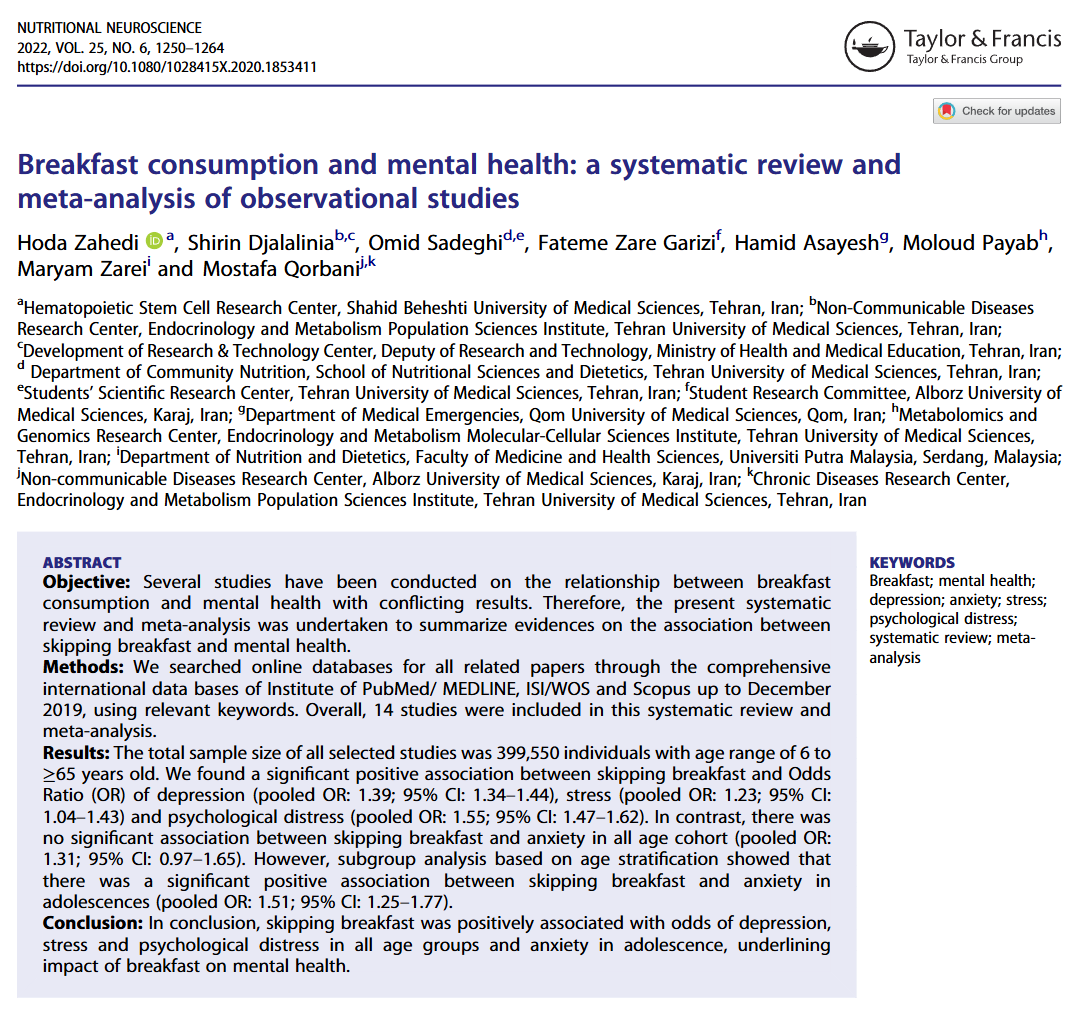
Skipping breakfast is associated with an increased odds of depression.
Nicholas Fabiano, MD tweet media
English
205
974
6.8K
3.2M
Jonathan Vicente retweetledi
Prof. Devi Sridhar
Prof. Devi Sridhar@devisridhar·
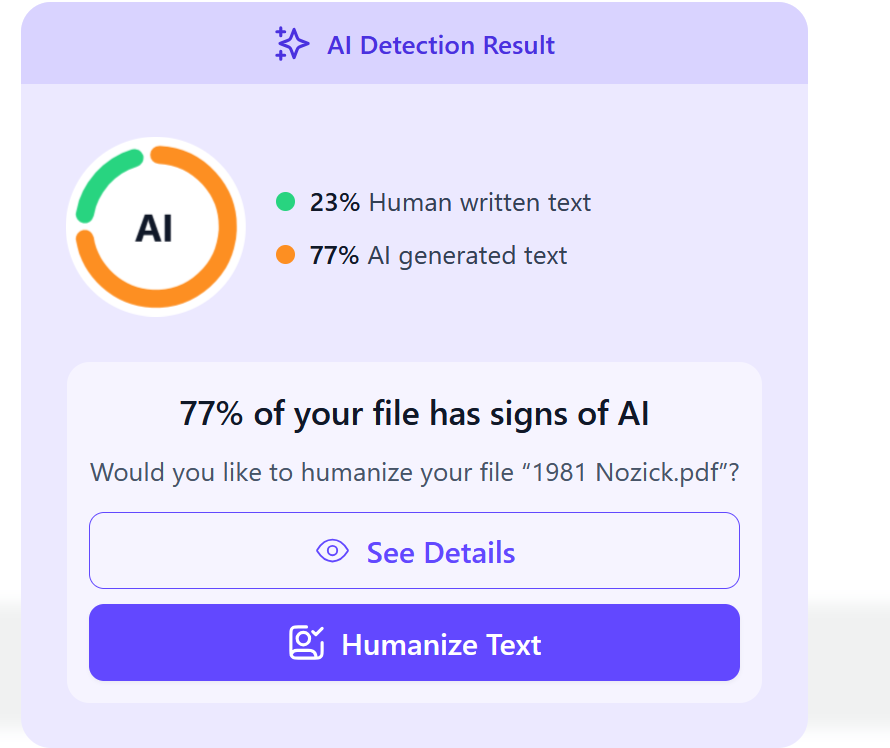
Exact same issue for me- I know my previous books and articles have been used to train AI (looking at you anthropic)- & when I run previous articles (written pre-AI) into AI checkers, they can come back as high as 90% AI. It's not artificial intelligence- it's collective human intelligence.
Adam Kay@amateuradam

I ran some of my writing through an AI checker. 29.7% robot-generated! Thing is, it obviously wasn't. Ethical and creative reasons aside, the book in question is nearly a decade old - well before technology could do this. 1/3

English
92
1.2K
7.2K
2.8M
Jonathan Vicente retweetledi
Jan Rosenow
Jan Rosenow@janrosenow·
BREAKING: The blackout in Spain and Portugal in April 2025 did NOT happen because of renewables. The final ENTSO-E report on last year's Iberian blackout is out — and it's essential reading for anyone working on the energy transition. entsoe.eu/news/2026/03/2…
Jan Rosenow tweet media
English
89
1.1K
3K
236.1K
Jonathan Vicente retweetledi
Mark Hyman, M.D.
Mark Hyman, M.D.@drmarkhyman·
A new study found that when adults blocked internet access on their smartphones for just 2 weeks, 91% improved their attention, mental health, or overall well-being Your brain recalibrates faster than you think.
English
72
592
4.8K
166.3K
Jonathan Vicente retweetledi
Timothy Snyder
Timothy Snyder@TimothyDSnyder·
If we made the green energy transition this war would be unthinkable and these authoritarians wouldn’t be in power — not in the US, not in Iran, not in Saudi Arabia, not in Russia. Hydrocarbons are killing our freedom and just plain killing us.
English
300
2.9K
9.4K
168.3K
Jonathan Vicente retweetledi
Tedros Adhanom Ghebreyesus
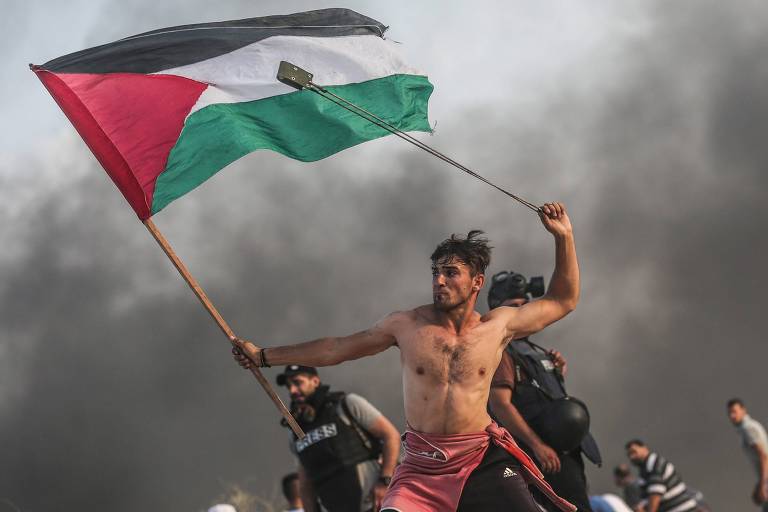
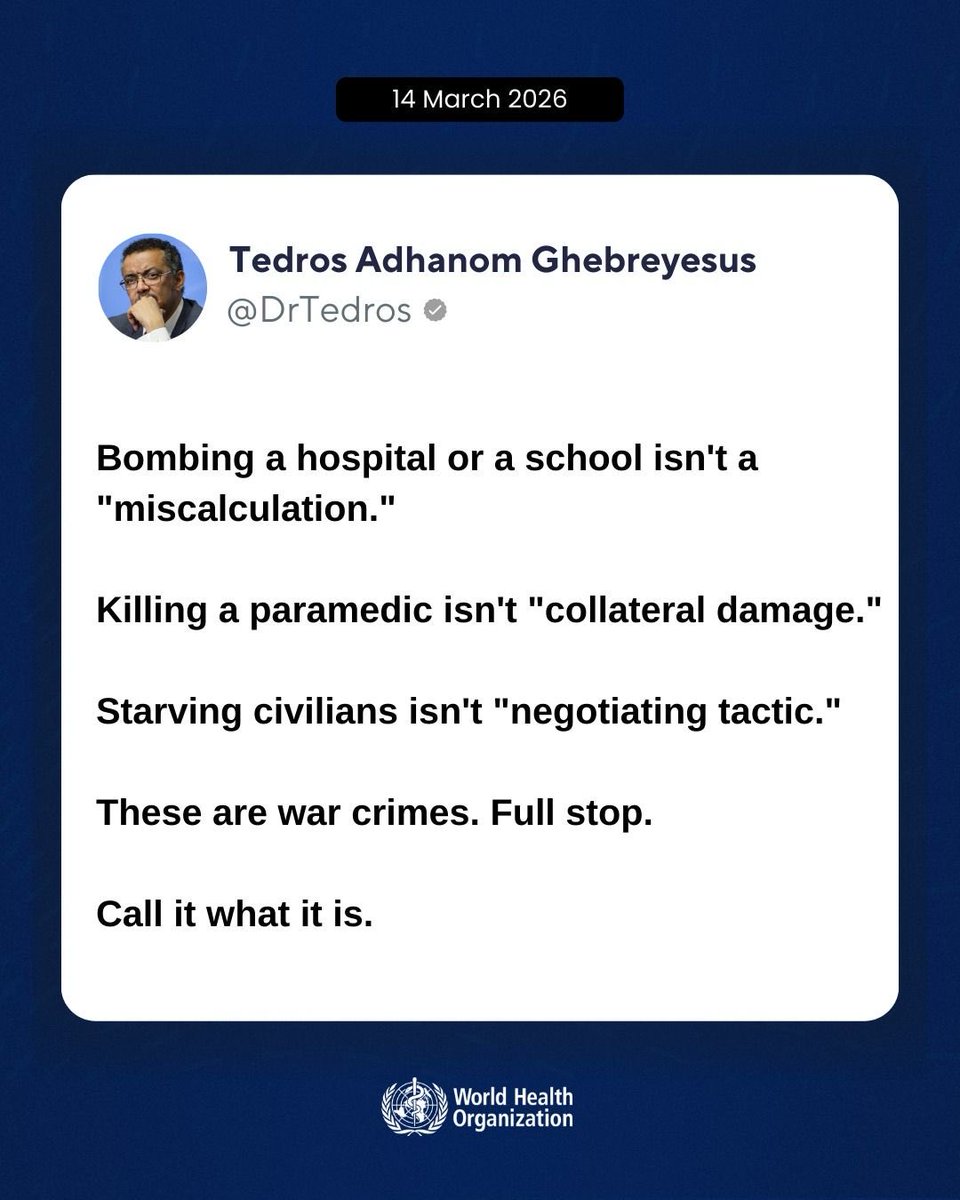
Bombing a hospital or a school isn't a "miscalculation." Killing a paramedic isn't "collateral damage." Starving civilians isn't "negotiating tactic." These are war crimes. Full stop. Call it what it is.
Tedros Adhanom Ghebreyesus tweet media
English
644
4.6K
8.9K
222.9K