
Jared Schober
253 posts
Jared Schober
@jpschober
Urologic Oncologist @UrologyUNMC - Alum @FCUroOnc @LaheyUro. Researcher. Husband. Dad. Baseball Nut. Views=Own
Omaha, NE Katılım Mayıs 2017
236 Takip Edilen352 Takipçiler

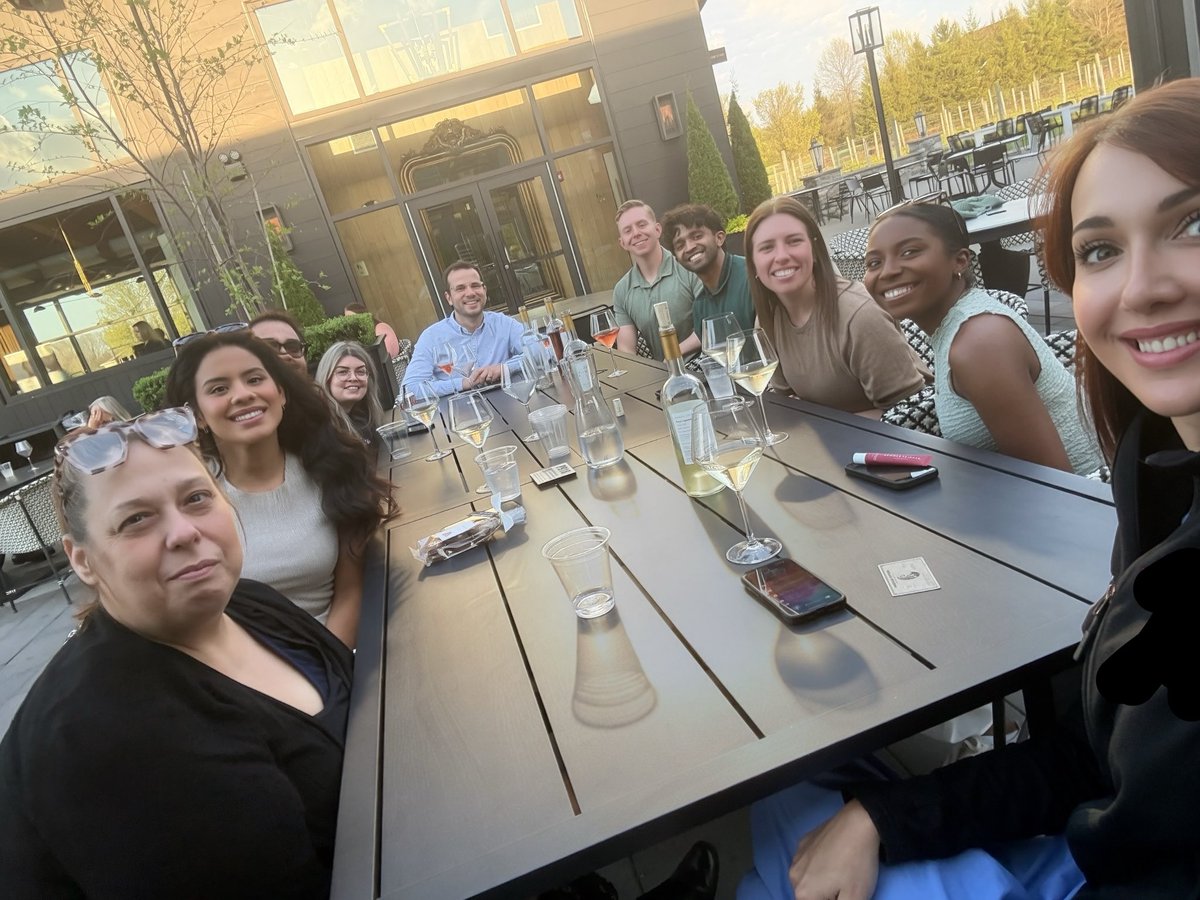
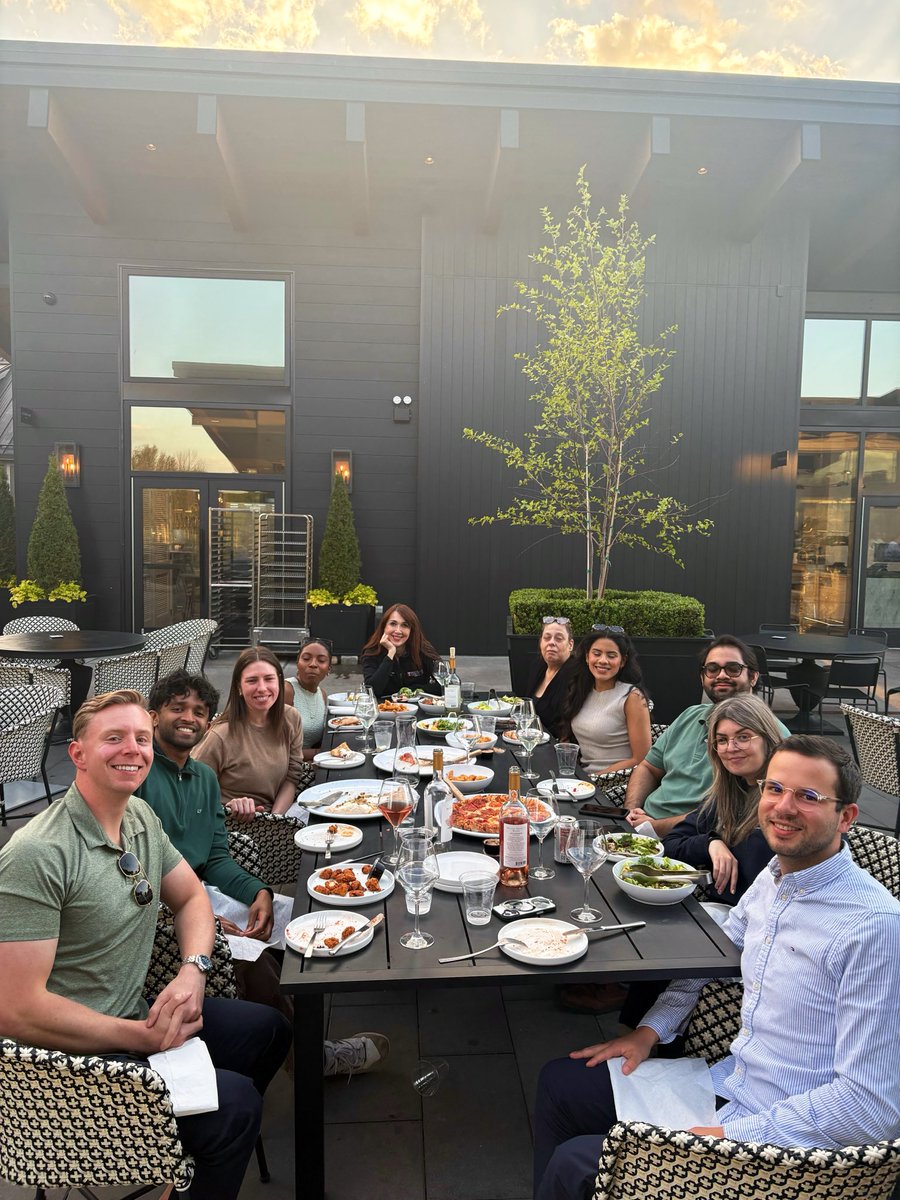
Celebrating our incredible bladder cancer team now 11 strong! Research fellows, coordinators, nurses, post-docs, and residents. Busy bees 🐝 by day. They all more than earned a night out to celebrate everything they’ve accomplished @CleClinicUro #CancerResearch
English
3/3 matched into urology positions since program inception at @UrologyUnmc unmatched medical students take note of a great program!
Society of Academic Urologists@UroAcademic
Chris Deibert from discusses a unique position for unmatched urology applicants as a urology resident associate at @UrologyUnmc
English
Jared Schober retweetledi
If looking for a productive research year with a good track record helping reapplicants match, consider our position.
Kevin Ginsburg@KBGinsburg
While match day is an exciting day for many, it can be disappointing for others. If you are someone who didn’t match, consider our research year at @WayneUrology waynestate.az1.qualtrics.com/jfe/form/SV_eU…
English
Jared Schober retweetledi
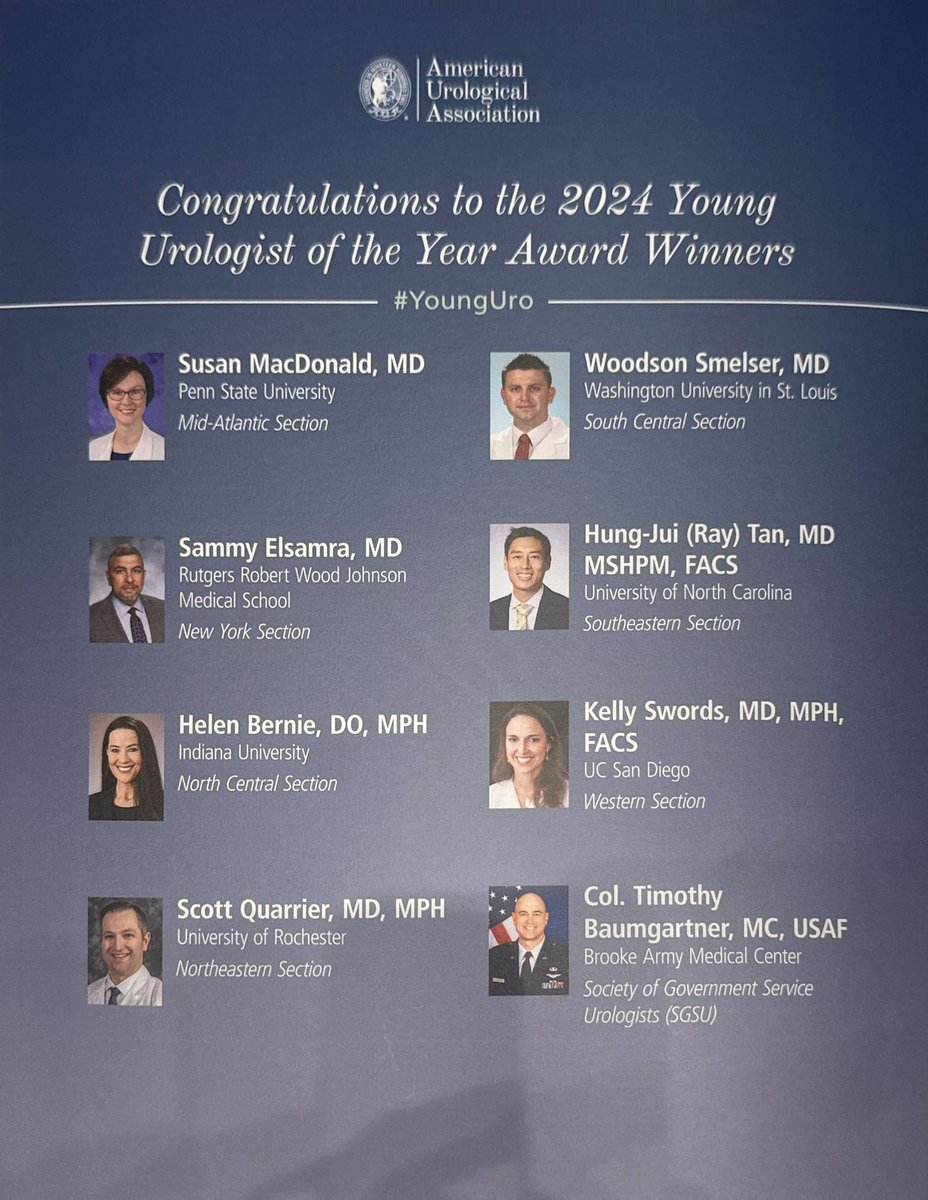
Happening now, Hemisfair Ballroom. Join us for the #YoungUro Forum. #AUA24@AmerUrological see photos for details 👍🏻🙌🏻👍🏻👍🏻 @CarmenTongGU @MCliftonMD @HVillarrealMD @drphil_urology @uretericbud @urogabe @angiesmith_uro @JenniferARegala


Amer. Urol. Assn.@AmerUrological
🚨 Happening Tomorrow! 🚨 Cultivate your passion for urology at the #AUA24 Young Urologists Forum! Join esteemed speakers for a morning of conversation AND enjoy a FREE breakfast. 🍳 Register today! ➡️ bit.ly/3wPlwAP @drphil_urology @uretericbud #AUA #YoungUro
English
@KBGinsburg @LauraBukavinaMD @d_magee22 @eys_cho You can tell it works because the non-sock puppet one is freaking out and trying to jump out of the truck
English
Jared Schober retweetledi

Jared Schober retweetledi

We are so excited to announce our next class of residents! Welcome to UNMC Jayson and Nate! #UroMatch #MatchDay2024

English
Jared Schober retweetledi
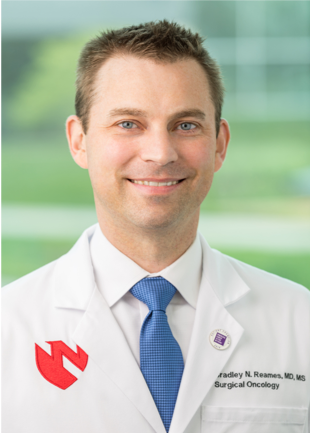
My inaugural #ThankfulThursday is the first of many.
Our @UNMCSurgery has a wonderful SurgOnc team, top to bottom, under the leadership of @joshuamammen, but today I want to single out @BradReames who we were lucky to recruit to Omaha 5 years ago.
During his time at @unmc @NebraskaMed , Brad had been a tireless advocate for innovation in surgical education and quality improvement through rigorous review of practices. Above that, he has an indefatigable dedication to patient care.
He's a perfect example of a rising tide that's raising all boats.
On a personal note, I had a difficult pancreas cancer question stemming from a close friend's family, and Brad dropped everything to lend his expertise and ease our minds.
Thank you Brad!
English
@KBGinsburg Did you take this picture while your Tesla was driving for you?
English

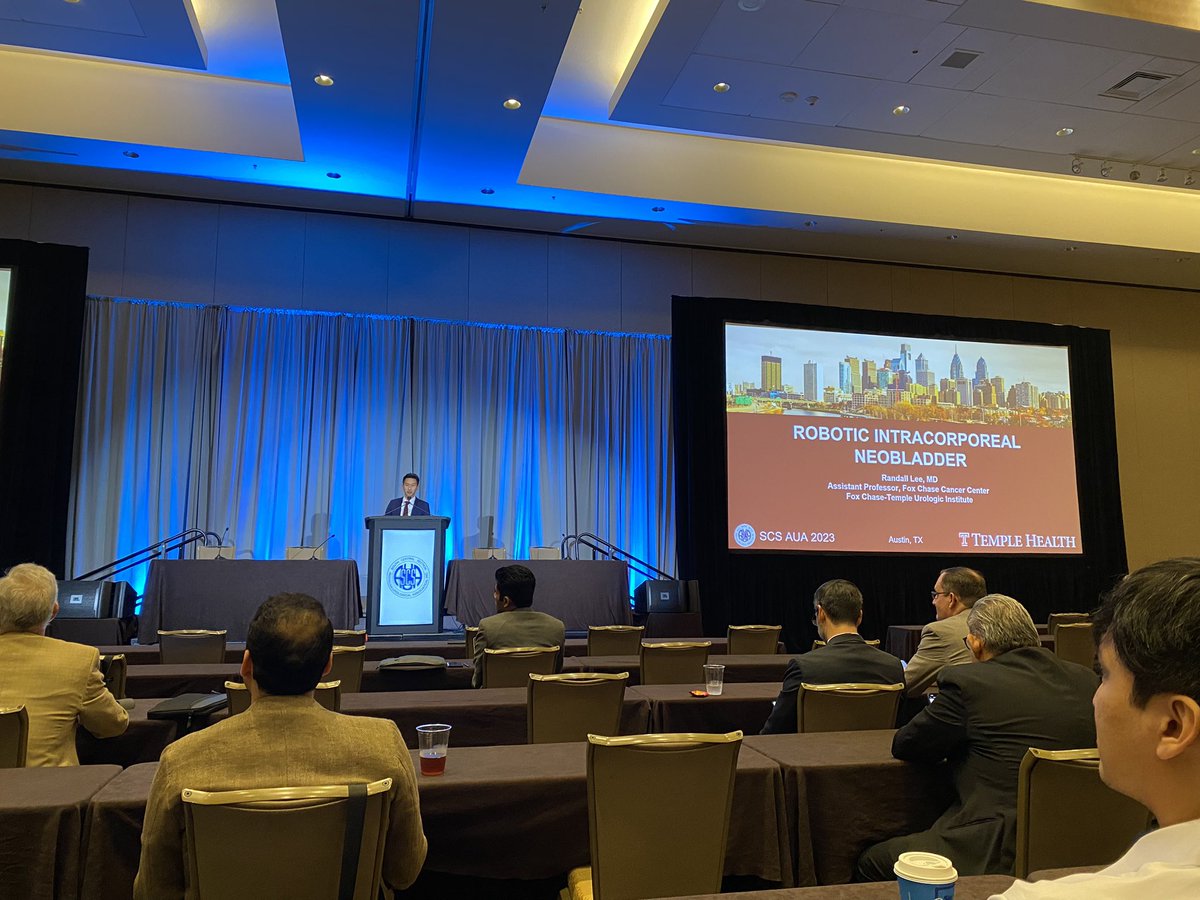
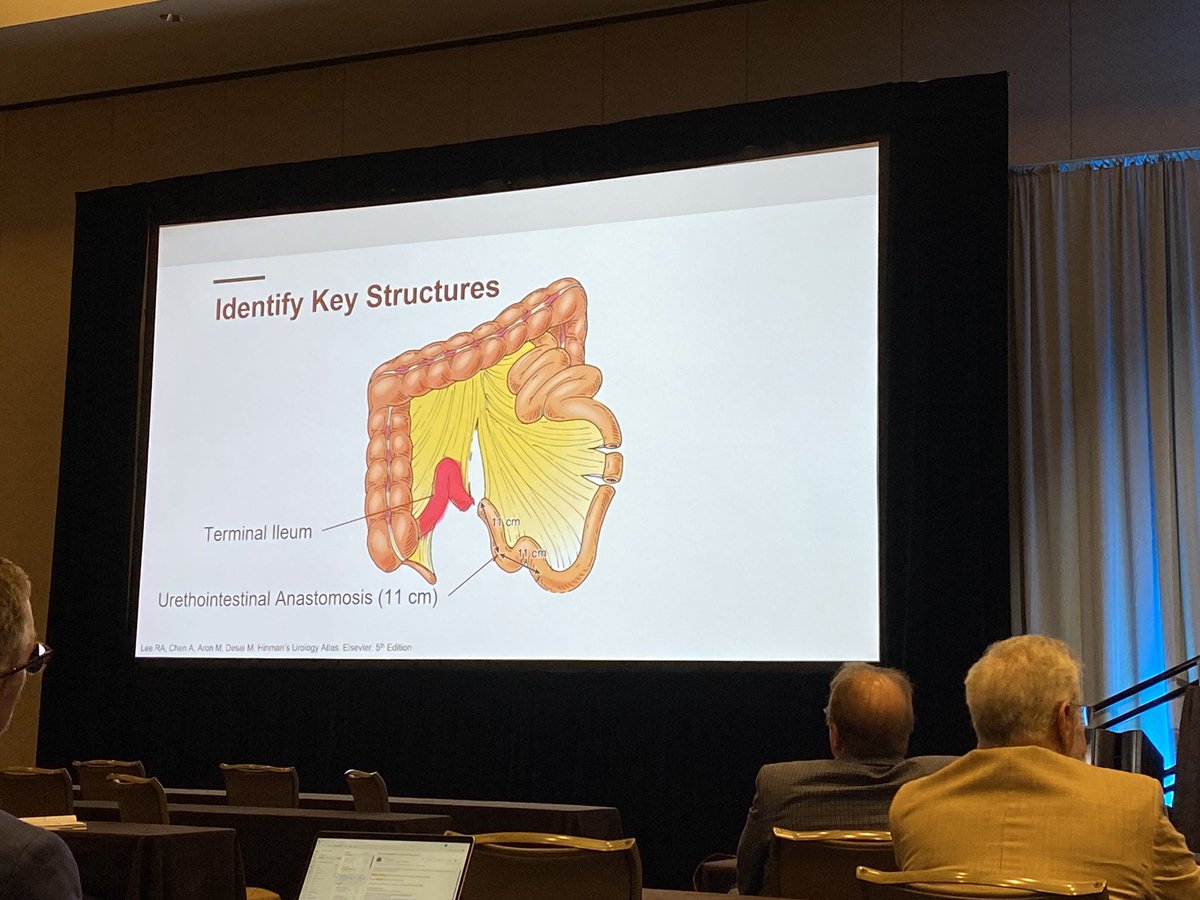
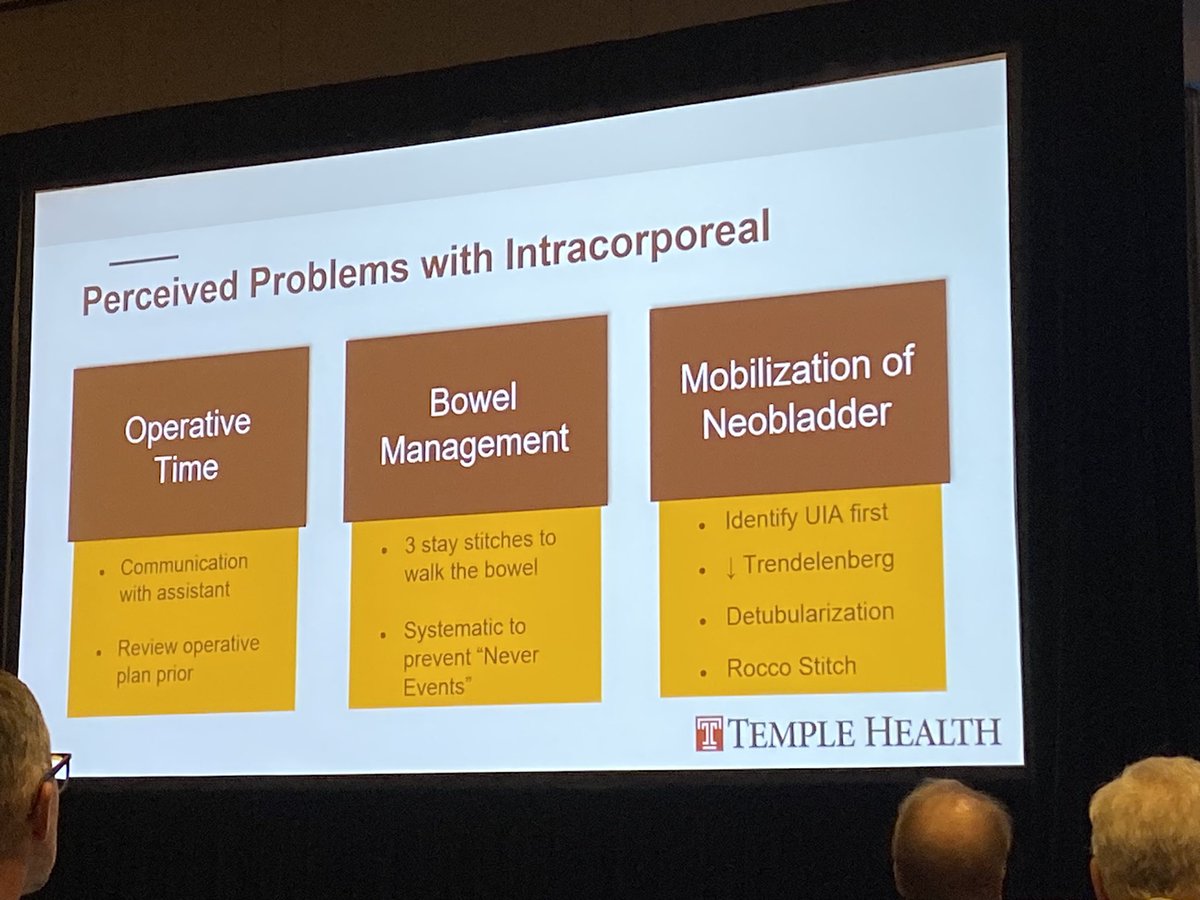
Great presentation by @TempleUrology @RandallsPlaque sharing @FCUroOnc method and tips/trips of Intracorporeal Neobladder. Also, such bravery to make a birds joke in cowboy country!
English
Jared Schober retweetledi
What can I say except these two years have been incredible . No words to describe really.. not only professionally but becoming part of @FoxChaseCancer 🦊 family that I will always cherish 💔 to leave but looking forward to bringing everything I have learned to @CaseUrology
Alexander Kutikov MD@uretericbud
What a fantastic @FCUroOnc get together today celebrating the “out of this world” @SUO_YUO @FoxChaseCancer fellowship class: @d_magee22 & @LauraBukavinaMD! What an absolute privilege it has been!
English
Jared Schober retweetledi

What a wonderful two years learning from some of the most skilled and kind urologists around! I can’t begin to thank you all enough. So happy to be a part of the @FCUroOnc 🦊family!
Alexander Kutikov MD@uretericbud
What a fantastic @FCUroOnc get together today celebrating the “out of this world” @SUO_YUO @FoxChaseCancer fellowship class: @d_magee22 & @LauraBukavinaMD! What an absolute privilege it has been!
English
Ron Hekier@ronhekier
Yesterday I completed my once every four years refresher course of ATLS (Advanced Trauma Life Support System.) I am one of over 1 million health care providers who have taken the course, a course borne of a tragic private plane crash almost 50 years ago. ATLS is systematic approach to treating injured patients when they arrive in an emergency room, whether it’s a rural hospital in Haiti or a top trauma center in Houston. It has been taught in over 65 countries. It’s a common language, a universal protocol. A method to insure that severely injured patients get the same proper care wherever they are. But care of the injured patient was not always systemized in a universal fashion. The origins of ATLS were born in Lincoln, Nebraska nearly 50 years ago. In 1976, an orthopedic surgeon from Lincoln, Dr. James Styner, was piloting his small propeller plane carrying his wife and four children back from a wedding they attended in California. As they got closer to home on their long trek, the weather deteriorated over rural parts of Kansas. With weather worsening and darkness approaching, Styner had to choose between turning around and flying away from home, landing in the middle of nowhere, or forging ahead. Styner pushed forward. After flying over 1,000 miles and only 60 miles from home, tragedy struck. With decreased visibility due to clouds, fog, and darkness, James Styner become disoriented and crashed the plane. They flew through trees at around 160 miles per hours, shredding off both wings, and crashed into a corn field. Styner survived the crash. His wife was ejected from the cockpit and died instantly when a piece of the propeller hit her head. His four children were in back of the plane and survived but three of them suffered head injuries and were unconscious. After waiting for help for hours in the desolate field, Styner decided he had to look for help. He left his oldest child behind to watch his three siblings, and walked in the direction of distantly appearing headlights from passing cars. He eventually reached a nearby road, flagged down a car for help, and they returned to the field to retrieve his children. Styner learned he had crashed near a small town called Hebron, Nebraska, a town he would soon learn which had a small hospital not well equipped to handle severely ill or injured patients. Only two doctors staffed the small hospital and they had little experience with severe trauma. House after the crash and in the Emergency Room at Hebron with his 4 injured children, Styner was shocked at the care, or perhaps better said, lack of appropriate care given to his injured children. Later he would say: “When I can provide better care in the field with limited resources than what my children and I received at the primary care facility, there is something wrong with the system, and the system has to be changed.” He demanded the he and his children be transferred out of that hospital to the the large hospital at which he practiced, 60 miles away in Lincoln, Nebraska. Over the course of time, Styner and his children had complete physical recoveries, but he remained troubled by his experience at the small hospital. Dr. Styner would vocally complain about the small town hospital. One of his medical colleagues, an ER doc, grew tired of his complaining and told him to change the system. Well in this case there was no system. As Styner said: “You have to train them before you can blame them.” So Styner together with the help of colleagues created a protocol for the treatment of severely injured patients with the goal of teaching it to health care providers in rural settings. Their system was called ATLS, and first debuted in Nebraska in 1978. Their little course was picked up the University of Nebraska, and eventually the American College of Surgeons, and by global institutions. Since it’s humble beginnings in a class in a small town in Nebraska, it was been taught in thousands of classes in over 60 countries to over 1 million providers. From a personal tragedy to a global protocol which has saved countless lives over decades, James Styner proved several things. • One person can change the world. • Humble beginnings don’t reduce the chance of massive succes. • The solution to complex problems is often to have a systemized protocol in place. • You have to train them before you can blame them. #ship30for30
English
YEEEESSSSS! The moment when prophecy becomes reality!
@dytcmd.bsky.social@dytcmd
And it happened #TheyGrowUpSoFast
English
Jared Schober retweetledi
The AUA and the Urology Care Foundation believe that using race as one of the criteria for admission to institutions of higher learning has led to a more diverse urology workforce and thereby has improved access to patient care. Read more: bit.ly/46v5yc8

English
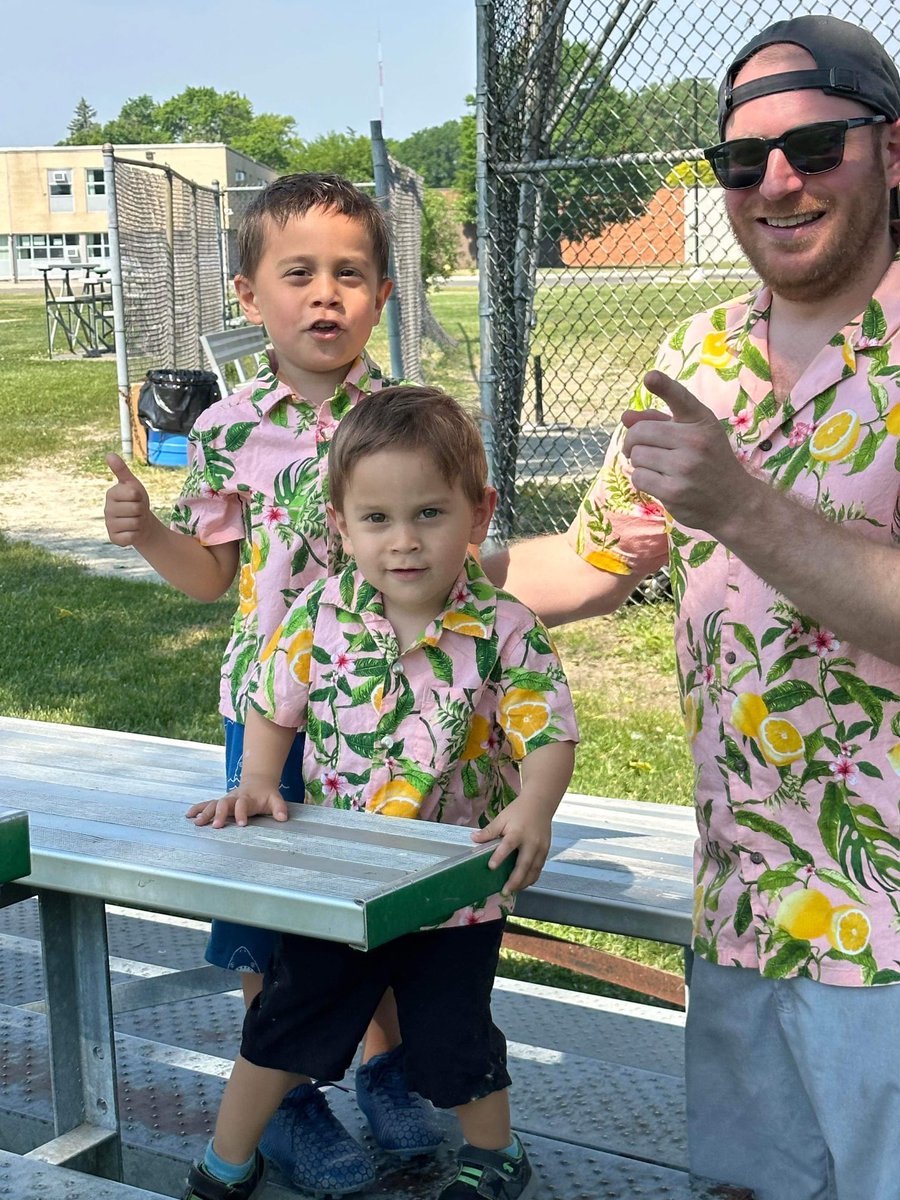
@KBGinsburg @LauraBukavinaMD @wandering_gu @dytcmd @ChapinMD @daviesbj @RobertReiterMD @uretericbud @wandering_gu not the only walking cliche. Full day of brunch, riding bikes, whiffle ball, ice cream, sprinklers, and…brisket!

English
@LauraBukavinaMD @wandering_gu @dytcmd @ChapinMD @daviesbj @RobertReiterMD @uretericbud This is something I can get behind. @jpschober @uretericbud
English
@Svet_MD @dytcmd @LauraBukavinaMD @FCUroOnc @UroOnc @SUO_YUO @btkmduro @shekabhishek @nwaingankar @ssjoshimd @benristau @MehrazinMD @FoxChaseCancer @HThompsonMD @MayoUrology @SBoorjian @AdrienBernstein @d_magee22 @selmasic @UroOncologist @MydloJack @AdrienBernstein arrived after group pic but was able to engineer a seat save and Salmon entree order via text so she could step right into the action upon her arrival!
English

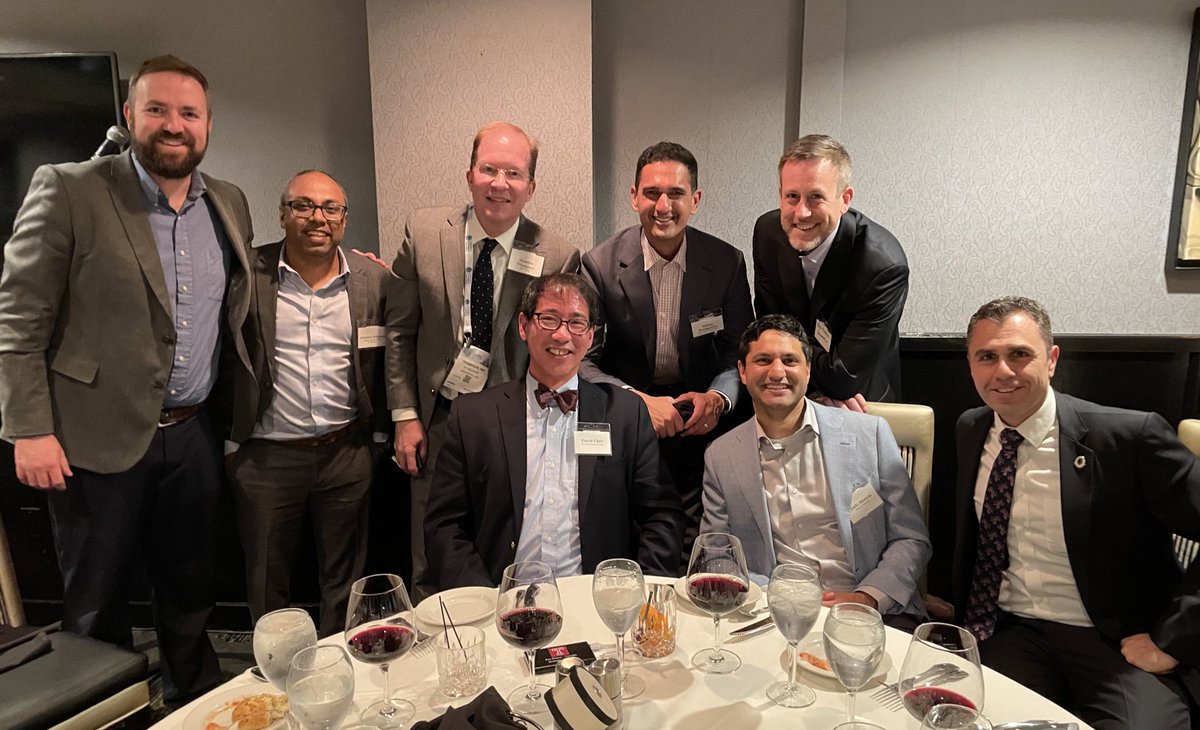
1 wk later, the @FCUroOnc reunion is the highlight of #AUA23
So proud of the fellow alums (just a few pictured here) & the scores of residents & their successes:
—PDs of 2 new @UroOnc fellowship programs
—USMART mentees
✅tomorrow’s @SUO_YUO leaders #SurgEd #WatchThisSpace
@dytcmd.bsky.social@dytcmd
All I can say is, I’m sorry if you aren’t here with us tonight as we introduce the Fox Chase-Temple Urologic Institute. And we look forward to seeing you next year. #AUA23 #winning
English
So excited for @stensy landing dream job @UMichUrology. Watching with great anticipation as your impact on the field of clinical trial research grows and looking forward to future collabs. GO BIG RED!!! and #beatmichigan
Michigan Urology@UMichUrology
It is our pleasure to announce Dr. Kristian Stensland (@stensy) is joining our faculty this July. A former @LaheyUro resident, he joins after completing his @UroOnc fellowship at @UMichUrology. He is a surgeon-scientist whose research centers on implementation and clinical trials
English
English

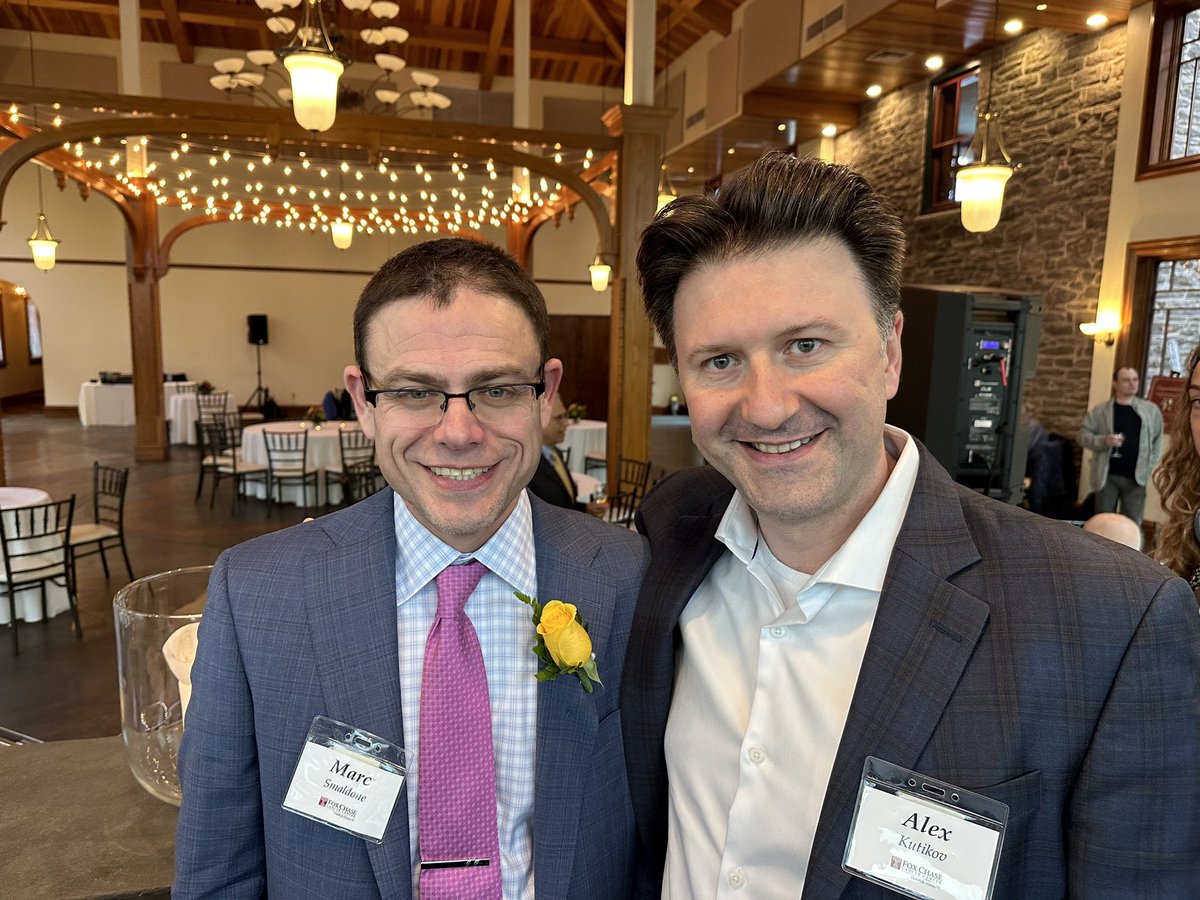
Huge kudos to my colleague and friend, Marc Smaldone, on his promotion to Professor at @FCUroOnc / @FoxChaseCancer
Could not be more privileged and proud to grow up with and be alongside him in the clinical and academic trenches!
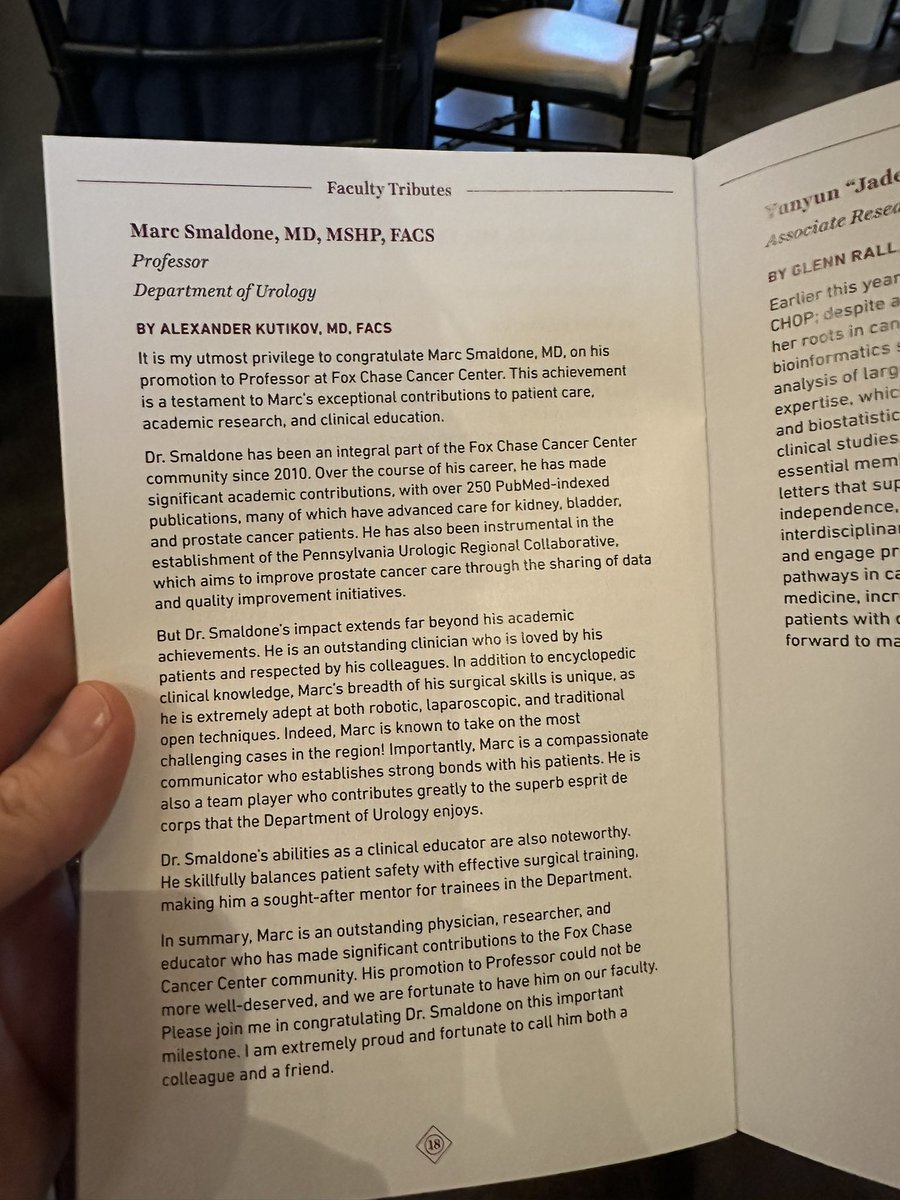
English
Excellent presentation #aua2023 by @UrologyUnmc @ThisIsAQuach on the nationwide prescribing patterns Mirabegron in patients with advanced age. Take home: GUs prescribe more beta-agonists to pts at-risk for memory s/e than other providers. Well done!

English