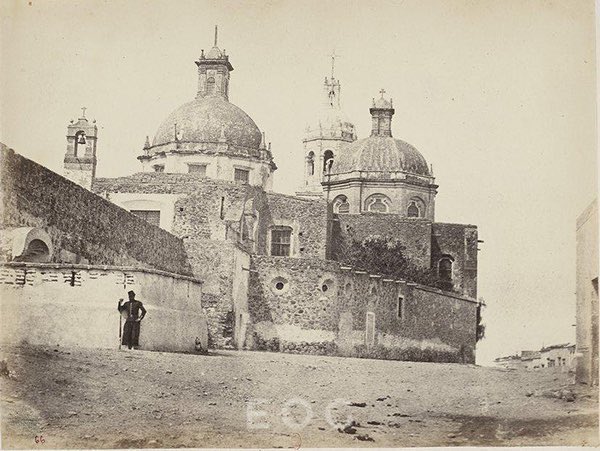
Un magnífico daguerrotipo del Segundo Imperio Mexicano, cuando nuestro país fue invadido por las fuerzas francesas de Napoleón III, para establecer la monarquía de Maximiliano.
Se trata de un soldado francés retratado en el templo de la Cruz, Querétaro,
entre 1864 y 1866 por Émile Leroy. Rescaté detalles al retocarla y darle color con IA. Y no, al parecer no se trata de un zuavo, o de un miembro de la Legión Extranjera. Pareciera ser un soldado de línea del ejército francés. Quieres ver el close up del soldado y su rostro? 👇🏼👇🏼
In 1949, Kurt Gödel did something astonishing.
The same mind that exposed the limits of mathematics found an exact solution to Einstein’s field equations in which time could curve back on itself.
His rotating universe, now known as the Gödel metric, allowed for closed timelike curves: paths through spacetime where, in principle, an observer could return to their own past.
Gödel saw this as more than a mathematical curiosity. To him, it suggested that time may not be a fundamental feature of reality, but something closer to a structure imposed by human perception.
Of course, Gödel’s universe is not ours.
It requires a globally rotating cosmos, no cosmic expansion, and a negative cosmological constant. Observations of the real universe do not support such a model.
But the idea remains one of the most haunting consequences of general relativity:
Einstein’s equations did not just bend space and time. In Gödel’s hands, they allowed time to become a circle.
"La profesión de los políticos es mentir (...) no son hombres éticos; son hombres que han contraído el hábito de mentir, el hábito de sobornar, el hábito de sonreír todo el tiempo, el hábito de quedar bien con todo el mundo, el hábito de la popularidad..."
Jorge Luis Borges
"A veces no necesitamos a alguien que nos arregle, a veces, sólo necesitamos a alguien que nos quiera mientras nos arreglamos nosotros mismos". Julio Cortázar
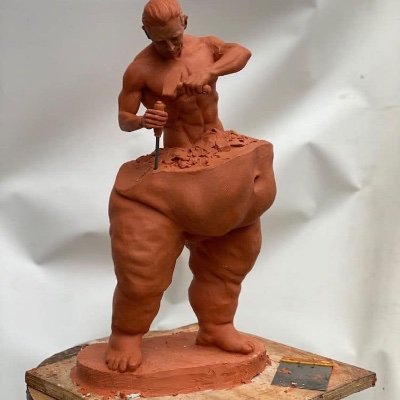
“La perfección es una locura. Toda la tiranía del cuerpo perfecto, la familia perfecta, la vida perfecta es literalmente una narrativa comercial. No tiene nada que ver con ser humano.”
Guillermo del Toro
"Buscar la serenidad me parece una ambición más razonable que buscar la felicidad. Y quizás la serenidad sea una forma de felicidad".
Jorge Luis Borges
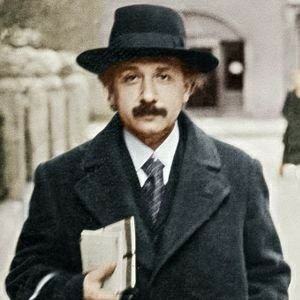
“The life of the individual has meaning only in so far as it aids in making the life of every living thing nobler and more beautiful.”
— Albert Einstein
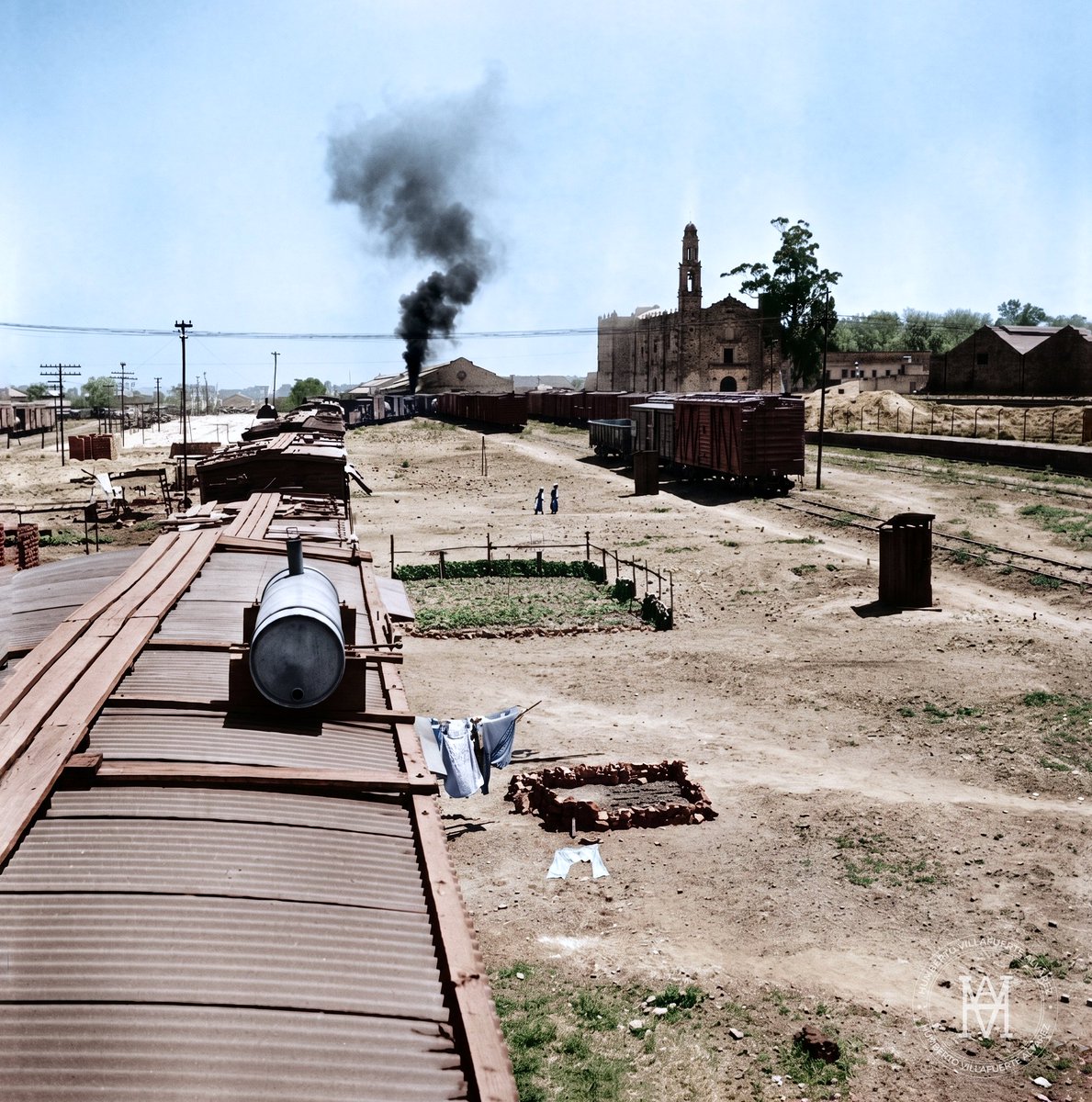
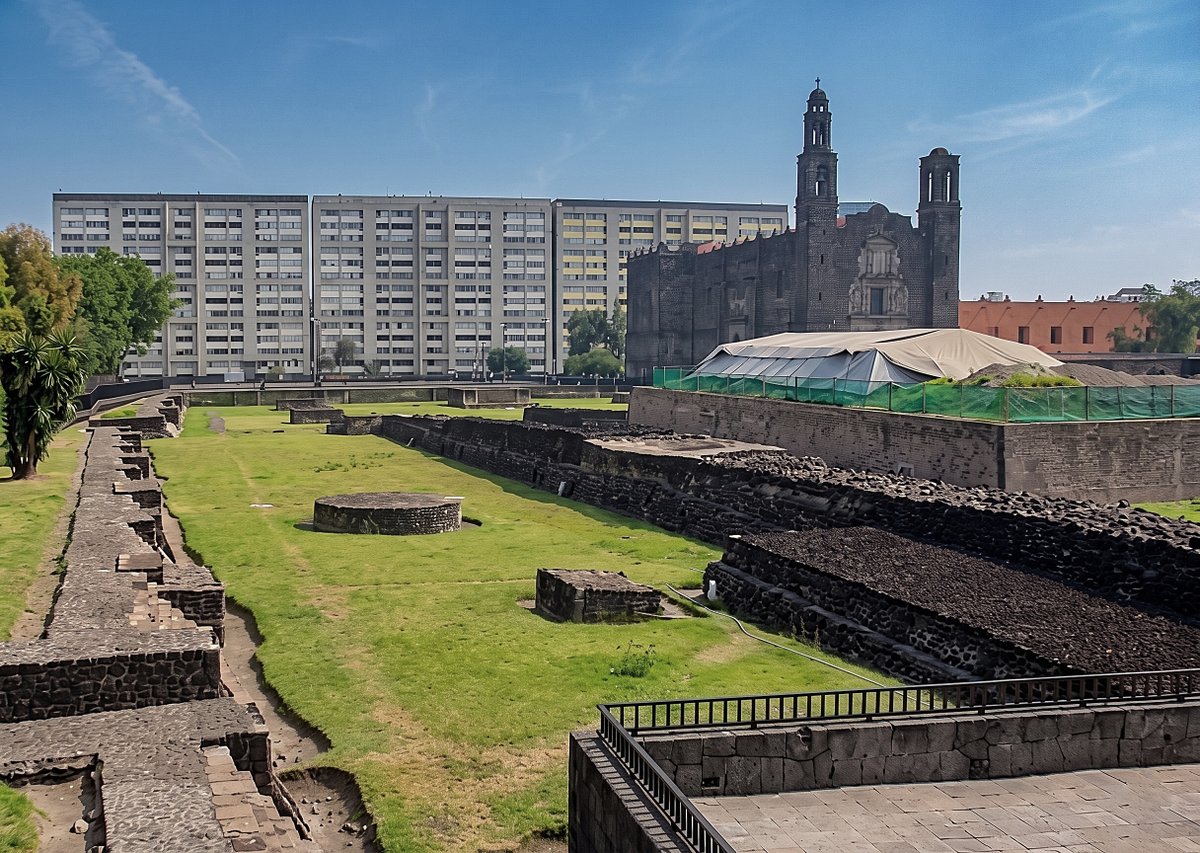
El humo espeso de una locomotora se eleva frente a la iglesia de Santiago Tlatelolco, que aparece al lado derecho de la escena. En aquellos años, todo este lugar estaba ocupado por los patios de maniobras de la Estación Santiago del Ferrocarril Central Mexicano, un paisaje que hoy parece pertenecer a otro mundo.
La fotografía fue captada por Juan Rulfo en 1938 y nos muestra un Tlatelolco muy distinto al que conocemos actualmente. La comparación con la actual Plaza de las Tres Culturas permite ver cómo el tiempo transformó por completo este rincón de la ciudad, donde aún sobreviven las huellas de aquel antiguo México ferroviario.