Krithi Irmady

204 posts

Krithi Irmady

Krithi Irmady

@k_irmady

Neurologist, Physician-scientist, Rockefeller University Movement Disorders, Parkinson’s, RNA; Tweets my own.

New York, NY Katılım Kasım 2014
480 Takip Edilen181 Takipçiler
Krithi Irmady retweetledi
Rockefeller University
Rockefeller University@RockefellerUniv·
Dana Orange’s research on rheumatoid arthritis aims to help predict flares, provide precise drug targets, and enable interventions that block symptoms before they begin. Learn more in this Q&A: rockefeller.edu/news/38188-the…
English
0
1
3
749
Krithi Irmady retweetledi
NINDS
NINDS@NIH_NINDS·
Check out the latest NINDS Director's Message, where Dr. Koroshetz highlights our progress in research and underscores the nation's commitment to understanding and treating Parkinson's Disease. Read it here: go.nih.gov/Ds008a5 hashtag#ParkinsonsAwarenessMonth
NINDS tweet media
English
0
5
7
562
Krithi Irmady retweetledi
Dr. Amy Adams
Dr. Amy Adams@NINDSdirector·
Assessing neurological status in studies requires a validated instrument backed by enough population data to determine if found differences are due to chance. The NIH Toolbox was built for this purpose. The Baby Toolbox now available on mobile app. nichd.nih.gov/newsroom/news/…
English
0
1
3
370
Ezgi Hacisuleyman
Ezgi Hacisuleyman@ezgi_hsuleyman·
Drowning in the news cycle and need a distraction? Here’s a note from my colleagues, formally requesting more Nobel time in the office. He’s currently weighing his options…🐶
Ezgi Hacisuleyman tweet mediaEzgi Hacisuleyman tweet media
English
4
0
22
1.3K
Krithi Irmady retweetledi
Xihao Li
Xihao Li@xihaoli·
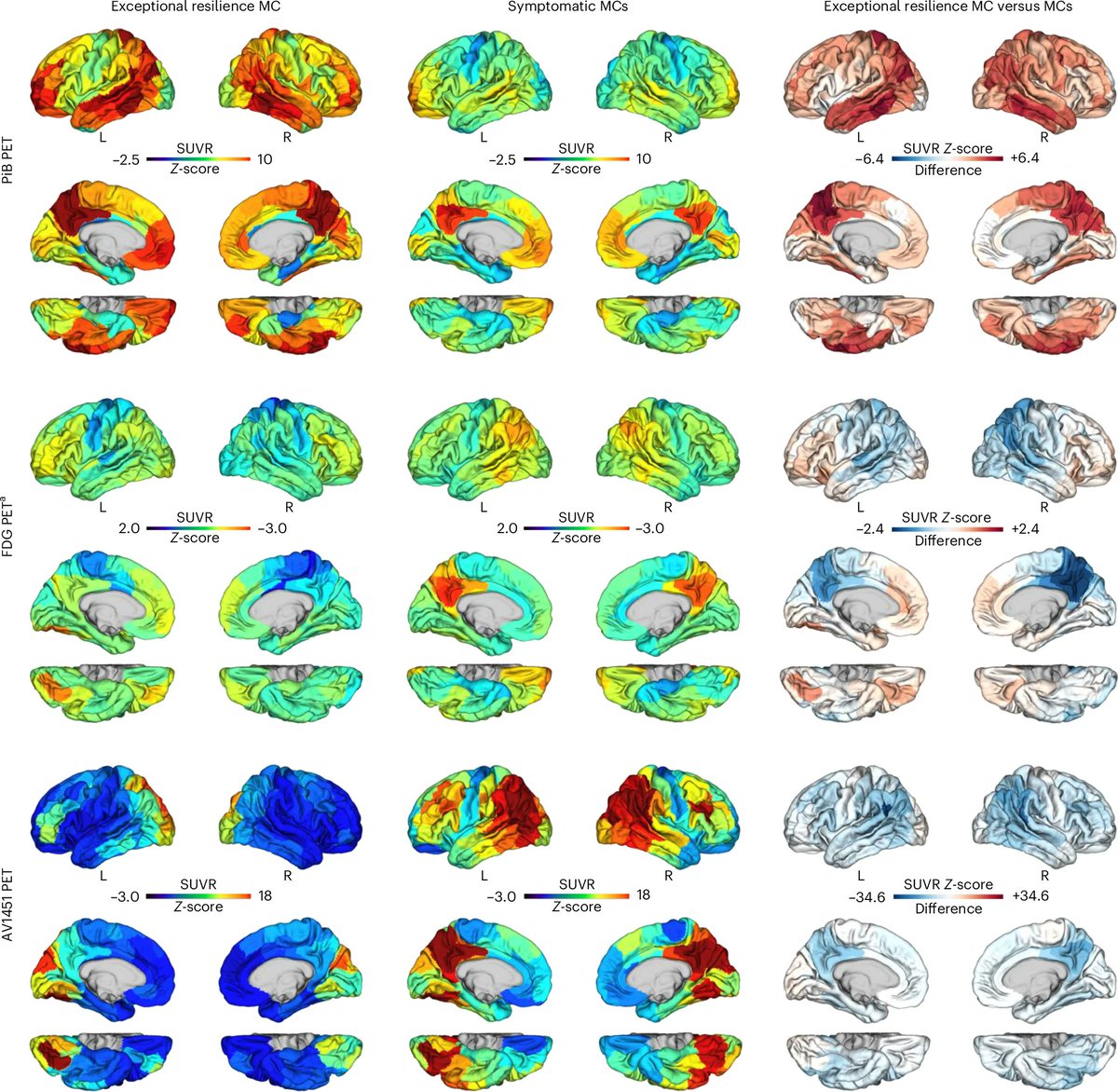
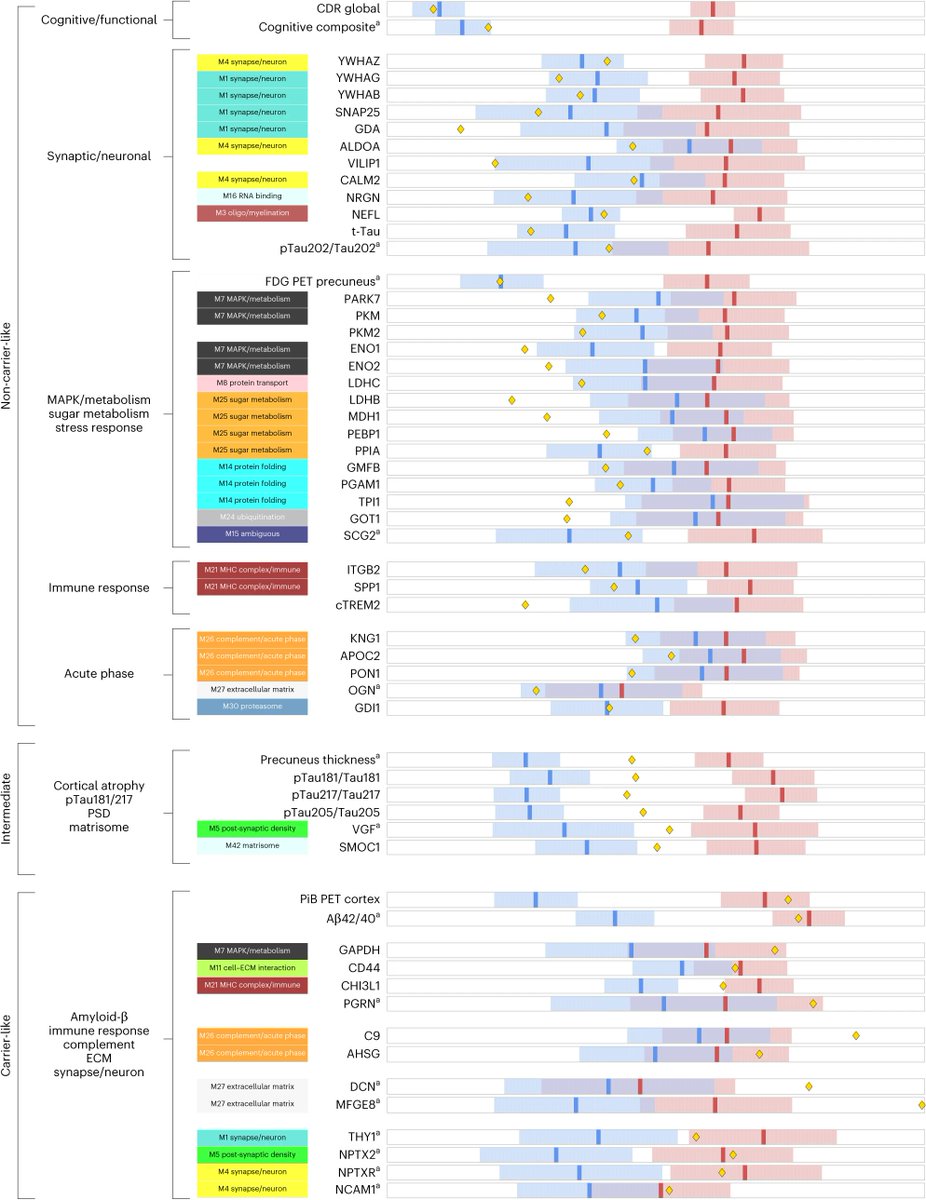
A fascinating new study just published online today in @NatureMedicine reports an extraordinary case of an individual carrying the PSEN2 (p.Asn141Ile) mutation—a known driver of dominantly inherited Alzheimer’s disease (DIAD)—who remained cognitively healthy well into his mid-70s. This is nearly 18 years past the expected age of onset. The study combines longitudinal clinical assessments, neuroimaging, genetic analysis, and proteomics to uncover the mechanisms underlying his remarkable resistance to Alzheimer’s (nature.com/articles/s4159…) 🎉🧬🧠🔍 The PSEN2 p.Asn141Ile mutation causes excessive production of amyloid-beta, resulting in amyloid plaques—one of the hallmarks of Alzheimer’s disease. While this individual’s brain was filled with amyloid deposits, the expected cognitive decline and dementia never materialized. Tau pathology, another key feature of Alzheimer’s, was restricted to the occipital lobe, a brain region associated with visual processing but not typically involved in Alzheimer’s-related cognitive decline. This rare localized tau pattern may explain the individual’s cognitive preservation and highlights the potential of tau-targeted therapies. Over the course of 10 years of follow-up, the individual’s Cognitive Dementia Rating (CDR) and Mini-Mental State Examination (MMSE) scores remained normal (CDR = 0; MMSE = 30) for the subsequent four (2014, 2016, 2018 and 2021) assessments performed over 10 years, including the most recent evaluation in 2021 at age 71. Genetic analysis in this study utilized whole-genome sequencing (WGS) and whole-exome sequencing (WES) on family members, including the exceptional resilience mutation carrier, to identify rare and common coding variants associated with resilience to Alzheimer’s disease. Segregation analysis prioritized variants that were exclusive to the resilience carrier or specific subgroups within the family. Several unique variants were identified within the 17q21.31 MAPT-H1 haplotype region, along with potential protective variants in AD-associated genes such as TREM2 and MAPT. Proteomic profiling in this study identified an abundance of heat shock proteins, suggesting a potential adaptive stress response. Remarkably, this individual had prolonged exposure to high temperatures while working as a mechanic on a naval ship, requiring frequent cooling with water to prevent overheating. The heat-shock response triggered by such extreme conditions may have contributed to his resistance to neurodegeneration. These results suggest that a combination of genetic factors, environmental exposures, and enriched biological pathways may contribute to the delayed onset of AD in this individual. The imaging data tell a powerful story. PET scans showed elevated amyloid burden with a PiB cortical SUVR (Z-scored relative to non-carriers aged 50 years old and above) of ~3.6, far above the threshold for abnormal amyloid deposition. However, tau PET imaging revealed that tau pathology remained focal and asymmetric, concentrated in the occipital lobe, rather than spreading to key regions like the medial temporal lobe or parietal cortex, which are typically affected in Alzheimer’s disease. This restricted tau spread contrasts sharply with the usual progression seen in mutation carriers, where tau accumulation is tightly linked to cognitive decline. MRI scans showed that hippocampal volume declined only modestly over the 10 years of follow-up, consistent with normal aging rather than Alzheimer’s atrophy. FDG PET scans showed localized hypometabolism in areas with focal tau deposition, yet metabolic activity remained normal in other key brain regions. From a broader perspective, this study raises questions about the amyloid hypothesis—the long-standing theory that amyloid plaques are the primary driver of Alzheimer’s. The case suggests that limiting tau deposition and spread may be more critical in preventing cognitive decline, even in the presence of substantial amyloid burden. This finding could reshape the focus of Alzheimer’s research and clinical trials, emphasizing tau-targeted therapies. The proteomic analysis further revealed significant differences in this individual’s plasma proteome and cerebrospinal fluid (CSF) compared to typical PSEN2 carriers. Notably, pathways related to protein folding, synaptic function, and oxidative stress were enriched, with multiple heat shock proteins showing elevated expression. These proteins may play a crucial role in maintaining cellular homeostasis and protecting against protein misfolding, a common feature of neurodegenerative diseases. In summary, this study opens exciting new avenues for Alzheimer’s research by identifying potential protective genetic and proteomic factors. It underscores the importance of studying rare resilience cases to uncover new therapeutic strategies. Restricting tau spread may prove to be a transformative approach in delaying or preventing dementia. The insights gained from this individual offer hope for developing precision medicine strategies for Alzheimer’s disease. Huge congratulations to the research team—Jorge J. Llibre-Guerra, M. Victoria Fernandez, Nelly Joseph-Mathurin, @shijbian, Kathleen Carter, @ccrugom, Erik C. B. Johnson, @RandallBateman3, and many others—along with the Dominantly Inherited Alzheimer Network (DIAN), the study participant and his family members, whose dedication continues to pave the way for life-changing discoveries. [About this post: this post is based on a summary of Llibre-Guerra, J.J., Fernandez, M.V., Joseph-Mathurin, N. et al. Longitudinal analysis of a dominantly inherited Alzheimer disease mutation carrier protected from dementia. Nat Med (2025). doi.org/10.1038/s41591…]
Xihao Li tweet mediaXihao Li tweet mediaXihao Li tweet media
English
4
41
150
20.9K
Triparna Sen (Sen-Lab)
Triparna Sen (Sen-Lab)@triparnasen·
Thrilled to share some exciting news – the #SenLab has secured our #secondR01 ! 🥳 This new funding will support our research of the mechanisms of #drug #resistance in #lungcancer, focusing on understanding the molecular drivers of #lineageplasticity and identifying new #therapeutic targets. 🧬💊 We’re eager to push the boundaries of what’s possible in #lungcancer #research and contribute to new strategies for tackling this challenging disease. This grant will also enable us to grow our team, so stay tuned for opportunities to join our lab! labs.icahn.mssm.edu/senlab/opportu… Grateful to the @NIH @NCI for this incredible support and to my amazing lab members and collaborators who make this work possible. Onward and upward! 🚀 @IcahnMountSinai @TischCancer #NIHfunding #R01 #LungCancerResearch #LineagePlasticity #DrugResistance #TherapeuticInnovation #TeamScience #CancerResearch #SCLC #EGFR #LUAD
Triparna Sen (Sen-Lab) tweet media
English
21
0
86
3.3K
Krithi Irmady retweetledi
Michael Okun
Michael Okun@MichaelOkun·
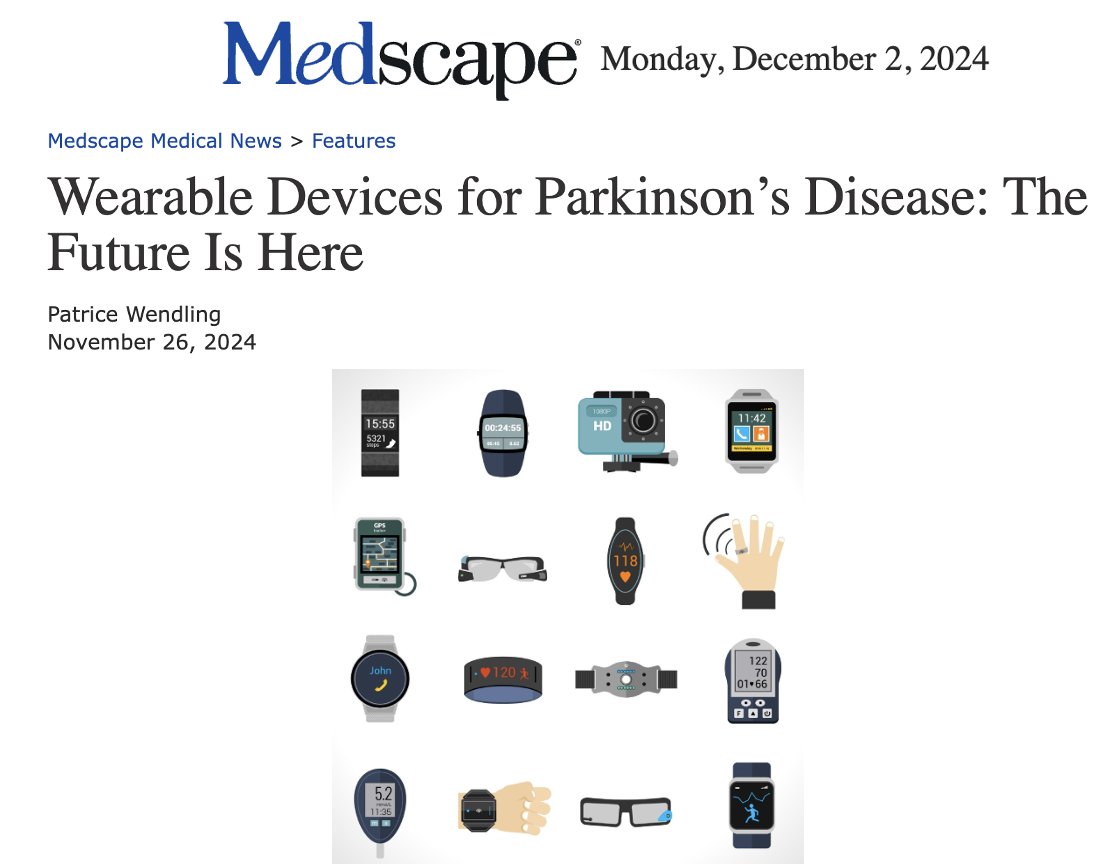
I think when it comes to wearables in Parkinson's the juice will be worth the squeeze once we find the juice we are interested in. “One of the biggest challenges for wearables has been whether the juice is worth the squeeze. Does the information provided move the needle enough to motivate folks to use them,” said Okun, with the Parkinson’s Foundation. "While wearables have many strengths, experts note several limitations exist, including patient adherence, which can affect data reliability; privacy concerns; devices may not capture the full spectrum of PD symptoms, especially nonmotor symptoms; and a lack of national or international guidelines on how best to use the devices and their scope of use." medscape.com/viewarticle/we…
Michael Okun tweet media
English
3
4
20
3.8K
Krithi Irmady
Krithi Irmady@k_irmady·
@michelle_monje This is incredible! Thank you, and congratulations to the whole team for bringing hope to such a devastating disease.
English
0
0
0
56
Krithi Irmady retweetledi
Michelle Monje 🟦
Michelle Monje 🟦@michelle_monje·
1/ This is the next chapter of a story about courageous patients and their families, of multidisciplinary teamwork, and hard-fought steps forward to effective therapy for #DIPG #DMG, a universally lethal cancer of the brain and spinal cord. 🧵nature.com/articles/s4158…
English
21
146
521
113.2K
Krithi Irmady retweetledi
Kamal Menghrajani, MD, MS
I was honored to start my new role at @WhiteHouse as Assistant Director for Cancer Innovation & Public Health by kicking off the @CancerXMoonshot Plenary Session. While we’ve made great progress, there’s still so much more to be done. Let’s go.
Kamal Menghrajani, MD, MS tweet media
English
12
5
92
5.8K
Krithi Irmady
Krithi Irmady@k_irmady·
@AdrianoAguzzi Had been wondering how you were doing for the last couple of days. So glad to hear that you are on the mend!
English
0
0
1
321
Krithi Irmady retweetledi
Abhimanyu Mahajan
Abhimanyu Mahajan@AMahajanMD·
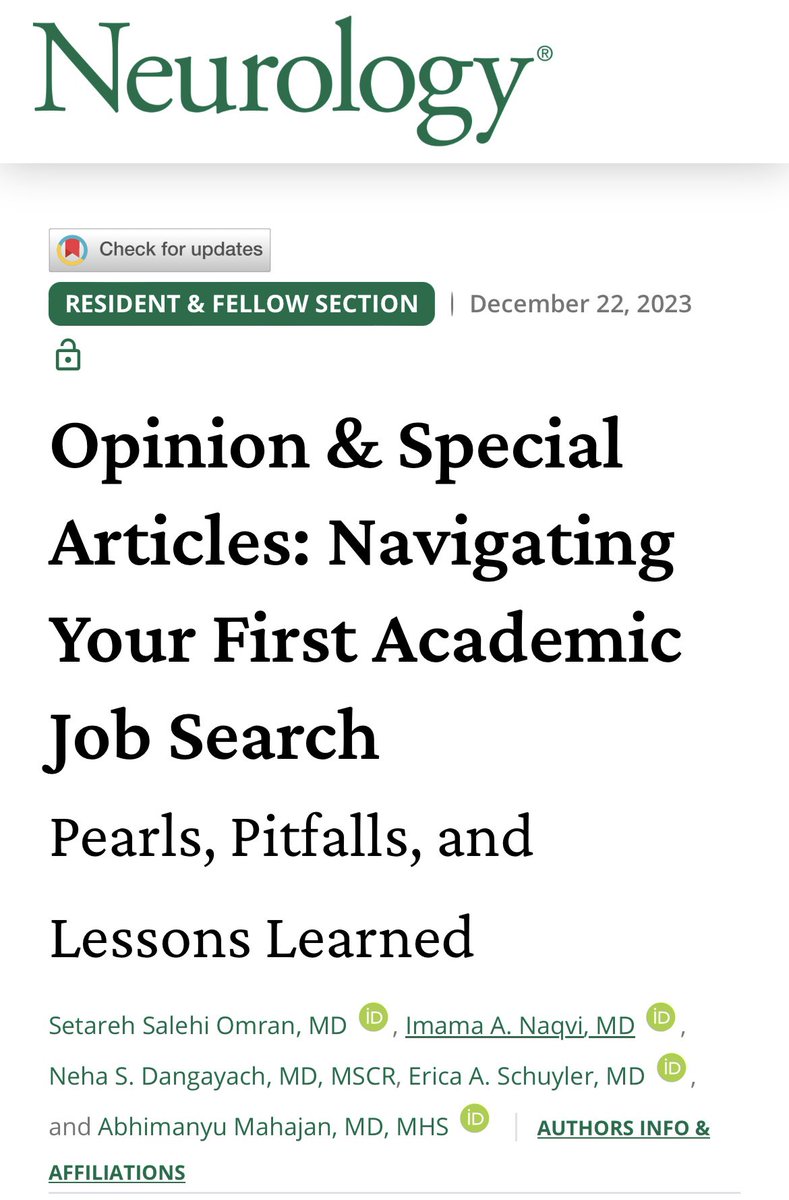
Finally at the end of training and planning to apply/ interviewing for academic jobs? Our article on the forest and the trees of an academic job search is finally out @GreenJournal. Includes approach for IMGs. P.S. Supplementary data Link: neurology.org/doi/pdf/10.121…
Abhimanyu Mahajan tweet media
English
4
18
64
19.6K
Krithi Irmady
Krithi Irmady@k_irmady·
@SSNeuroMD @LaFaverMD I just finished listening to it. Truly inspiring. Admire the strength and resilience you both had to bring forth to endure these challenges.
English
0
0
3
124
Sara Schaefer, MD, MHS, FAAN
Sometimes things don't go as expected, priorities change, timelines shift, goals get adjusted. A window into my own experience and that of @LaFaverMD as we navigated our careers and unexpected illnesses in our families.
Neurology Nuts and Bolts: Constructing Your Career@Neurobolts

Curveballs happen in life. Let's normalize this human experience. Sagari Betté discusses navigating family health issues with @SSNeuroMD @NeurologyYale and @LaFaverMD- how they impacted careers, goals, and perspectives. #neurotwitter #medtwitter neurologynutsandbolts.buzzsprout.com

English
2
3
25
4.3K