

Kaele Cooper
46 posts

Unfortunately knee injuries do increase the risk of getting OA so when working with patients make sure to increase that strength and endurance of those muscles surrounding the knee! #RP #pt582 bit.ly/2JCvQxq
English
This article states cross friction massage benefits individually isn't known, but with other treatment techniques, it has helped. The mechanism is a traumatic increase blood flow to tissue, decrease adhesions, and stimulate mechanoreceptors. bit.ly/2LwUX6I #NM #PT582
English

#KB #PT582 Pt population that is sedentary pre-surgery I would not do plyometrics. W/ active populations I would do more sport specific training later in treatment to see if they tolerate the exercises. This is a great article on running post surgery! bit.ly/2N6CQVu
English
@susansSPT I haven't gotten resistance bands as a suggestion to progress the exercises. This is great insight!
English

#KC #PT582 W/amputees, many of the same core stabilization exercises can be used w/modifications to assist pts w/balance. Reminding pts to keep their abs contracted is the main concern, but therabands can be helpful to provide the resistance during the exs bit.ly/2u3SitJ
English
@houseofstark22 @NAUPT582 This is a great article! I think starting out supine and prone is great. How would you incorporate standing exercises to improve in core stability in these patients?
English

ncbi.nlm.nih.gov/pmc/articles/P… … This article is really interesting and shows many different ways to work on core strengthening. I think I would creative with weight and they could still do a lot of work on their back. This is how I would start and progress. @NAUPT582 #PT582 #KC
English
@kegbert65 @OttobockUS_CA Wow! That is so cool! this is a great company that provides a lot of evidence based information out there. I had no idea! Thanks for sharing.
English

There exists a company based out of Germany, but also in North America called @OttobockUS_CA . They've actually developed an app for your device that demonstrates exercises for amputees, including a lot of ideas for core/trunk stability! #PT582 #KC
English
@TayKit_SPT That is ingenious! Will use in the future! Thanks for sharing!
English

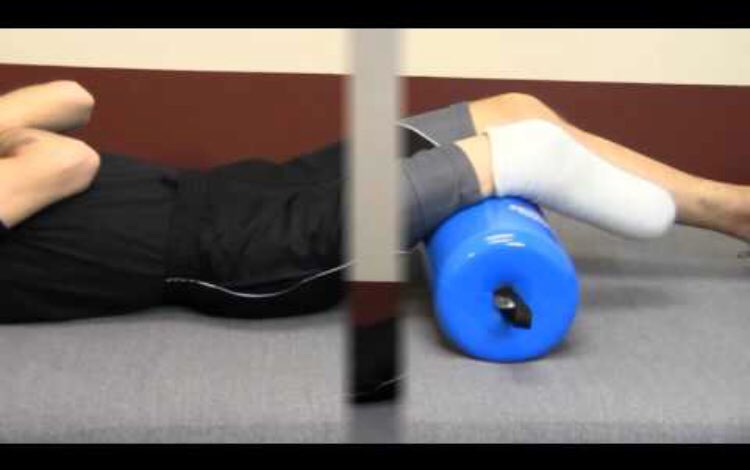
@kalechip00 Adding a bolster to assist with bridging if the are unable to perform a single leg bridge. Also can be used with double amputee so they can perform bridging as well.
English
@nutmeg91 Fantastic article! the military holds a special place in my heart too. The article states a timeline of 6-18 months of rehabilitation within the Walter Reed doors, what do you think are some of the prime exercises that PT's can do to help get these servicemen back to their jobs?
English

#PT582 #KC amputation is a very interesting dx to treat, and though not to your pt population, military personnel are near to my heart. I found an article that addresses rehab and core stabilization in pts with amputations you might find interesting! #divReadThis" target="_blank" rel="nofollow noopener">healio.com/journals/ortho…
English
English
@BarnetteKailey @NAUPT582 Wow what great exercises!! How do you feel about progression to the one and only golden squat with these patients?
English
@BarnetteKailey @NAUPT582 What exercises specifically stood out to you that you think patients with lower limb loss would benefit from, and you would use in clinical practice?
English
@AlfredoSayeg You'll find that patients with amputations or limb loss can be either really athletic or not, how would you modify the specific exercises you mentioned in order to decrease or increase dosage?
English

@yazzyfreshh @NAUPT582 This is a great resource! What exercises really stood out to you for these particular patients that you would use in clinical practice?
English

@NAUPT582 There is a German prosthetics company called Ottobock that is pretty interesting, and their website provides trunk stabilization exercises and modifications for amputees! media.ottobock.com/local-files-us… #PT582 #KC
English

@madeleinetalk This is a great article, very different approach to look at the neurological aspect of limb loss and its effects on gait abnormalities. Thanks for sharing! Very insightful.
English

#PT582 #KC This study looked at spinal stabilization and gait in patients with LE amputations. Patients completed exercises with their prostheses and included many of the same exercises and progressions we learned in class. bit.ly/2z7Uztx
English
@emilysomer93 Thanks for sharing this great article! I think for this specific example rotary stabilization is a great motion/exercise to focus on. Give me some examples of amputee athletes that could benefit from these exercises.
English

#KC #pt582 This was a great article for stabilization exercises for amputees w/ low back pain. A few exercises that stood out most were the seated resisted back extension, trunk rotary stabilization leg extensions and superman. Great question! www-ncbi-nlm-nih-gov.libproxy.nau.edu/pmc/articles/P…
English