Bugra Karahan

772 posts

Bugra Karahan banner
Bugra Karahan

Bugra Karahan

@karahan

Serial Entrepreneur, Mentor, IT Guru, Researcher, Nature & Biohacking & Neuroscience Lover, Vegan. 🌱 A man from another universe. Founder of @mistikistapp

Katılım Aralık 2008
2.3K Takip Edilen900 Takipçiler
Sabitlenmiş Tweet
Bugra Karahan
Bugra Karahan@karahan·
It’s my birthday! 🎂 Changing my frequency, upgrading my "software," and scaling Mistikist to new heights. 🚀 To celebrate, I’m gifting everyone 30 Days of FREE Mistikist Premium! Let’s get those brain waves in sync. 🧘‍♂️✨ How to claim @MistikistApp 1️⃣ Download Mistikist (App Store/Play Store / mistikist.com/premium ) 2️⃣ Log in / Sign up 3️⃣ Go to "Profile" in the bottom menu 4️⃣ Tap "Enter Code" 5️⃣ Use code: bday30 Enjoy the upgrade! 🧠 #Mistikist #Biohacking #PersonalTransformation #Neuroscience

Bugra Karahan tweet media
English
0
1
5
1K
Bugra Karahan
Bugra Karahan@karahan·
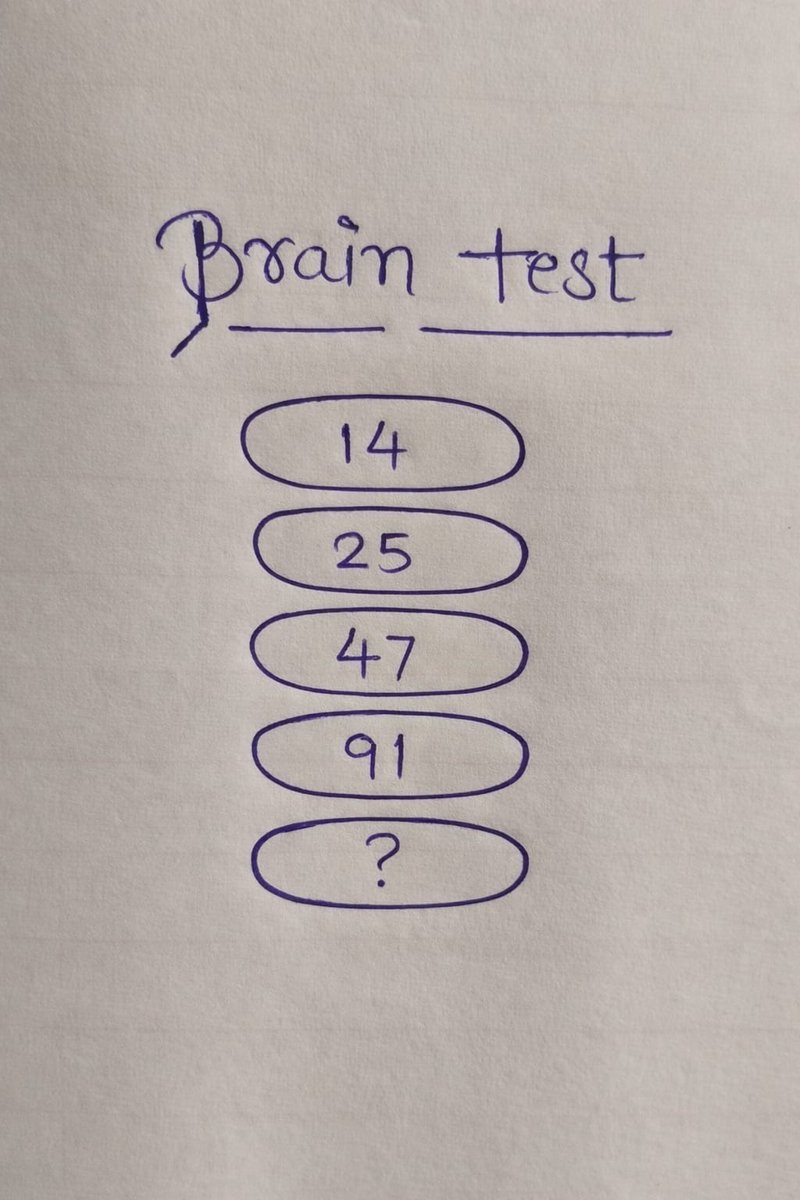
@Simi_2210_ The answer is 179. As a person who has ADHD, I saw the pattern at first sight and took my 2 seconds to find the answer. 😎 The Pattern: 2x - 3 (14 x 2) - 3 = 25 (25 x 2) - 3 = 47 (47 x 2) - 3 = 91 (91 x 2) - 3 = 179
English
113
3
1K
71.4K
Bugra Karahan retweetledi
Mistikist
Mistikist@MistikistApp·
Clinical Study Validates Mistikist: Significant Reductions in Anxiety and EEG Alpha/Beta Power A prospective study published in Applied Psychophysiology and Biofeedback confirms the neurophysiological efficacy of AI-assisted audio-visual stimulation. In the evolving field of digital therapeutics, non-pharmacological anxiety interventions are in high demand, but clinical evidence often lags behind wellness claims. A new study, "Alpha and Beta Powers in EEG: How Audio-Visual Stimulation Influences Anxiety," bridges this gap for Mistikist. Conducted at Muğla Sıtkı Koçman University, it used 19-channel EEG and standardized psychometric tests to assess Mistikist's audio-visual stimulation (AVS) protocol. Key findings: Study Methodology Randomized design with two groups: - Treatment group (n=30): Received Mistikist AVS (binaural beats transitioning from 14 Hz to 7.83 Hz + green kaleidoscopic mandala visuals). - Control group (n=12): Exposed to audio-visual white noise. Findings Using the State-Trait Anxiety Inventory (STAI): - Mistikist group: Median scores dropped from 51 pre-intervention to 26 post-intervention (statistically significant reduction). - Control group: No significant change (from 37.17 to 42.67). Mistikist outperformed the control condition. EEG results showed desynchronization in alpha (8-13 Hz) and beta (13-30 Hz) bands, linked to anxiety. - Alpha power reduction: Significant in frontal (F3, F7), parietal (P3, P4), and occipital (O1, O2) regions (p < 0.05). Example: P3 electrode values fell from 5.33 to 4.65. - Beta power reduction: Significant suppression, especially in temporal lobe (T3: from 5.26 pre to 3.11 during; p < 0.001). Mechanism: Neural Desynchronization The binaural beats and visual stimulation disrupt synchronized neuronal firing patterns associated with anxiety, reducing alpha/beta power and promoting cognitive flexibility and lower emotional load. Conclusion Mistikist is a validated neuro-technological intervention producing measurable brain changes that correlate with reduced anxiety. Reference Özdemir, İ., Tülay, E.E., Aksu, S. et al. Alpha and Beta Powers in EEG: How Audio-Visual Stimulation Influences Anxiety. Appl Psychophysiol Biofeedback (2025). doi.org/10.1007/s10484…
Mistikist tweet media
English
0
1
0
120
Bugra Karahan
Bugra Karahan@karahan·
@SamraQ60879 The answer is 127. As a person who has ADHD, I saw the pattern at first sight and took my 2 seconds to find the answer. 😎 The Pattern: 2x + 1 (7 x 2) + 1 = 15 (15 x 2) + 1 = 31 (31 x 2) + 1 = 63 (63 x 2) + 1 = 127
English
0
0
5
252
Samra Queen
Samra Queen@SamraQ60879·
Brain test 98% failed
Samra Queen tweet media
English
2.6K
94
439
79.5K
Bugra Karahan
Bugra Karahan@karahan·
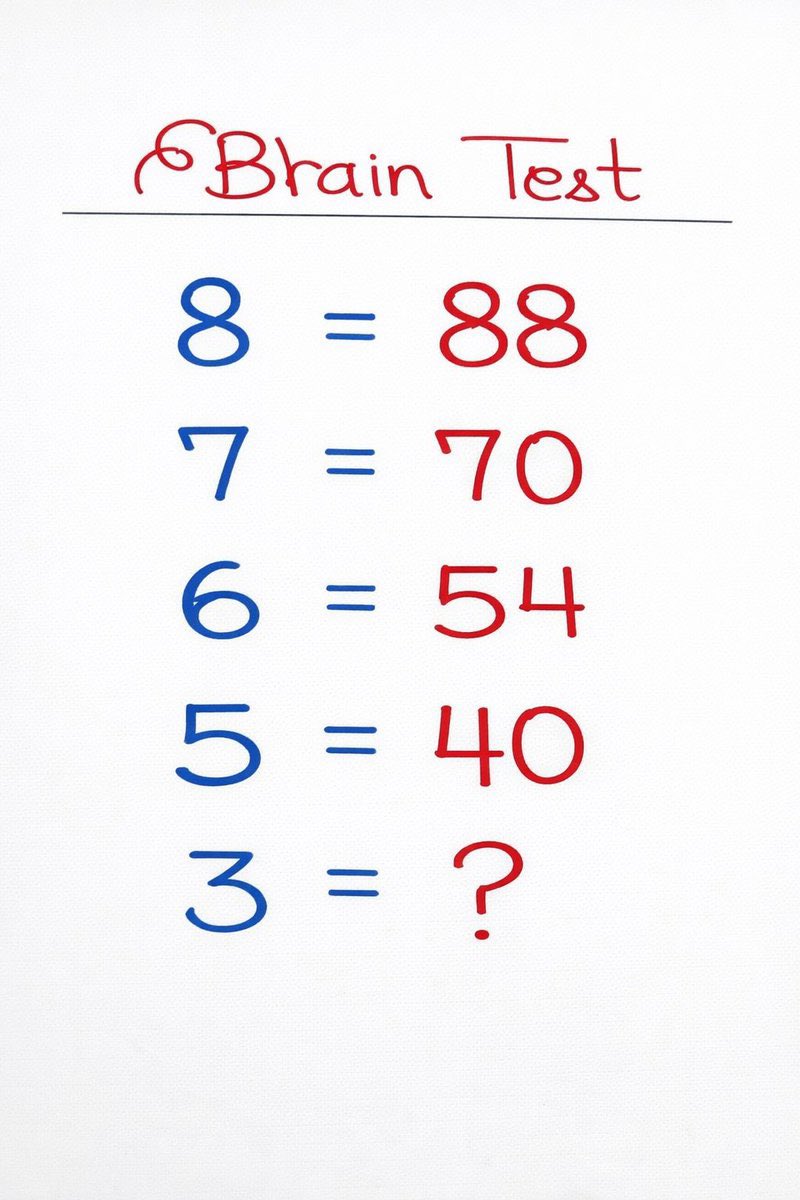
@Cairo_xprsk The correct answer is 18. As a person who has ADHD, I saw the pattern at first glance and took my 1 second to solve it. This one is so easy. The Pattern: X = (X + 3) * X 8 = (8+3) * 8 = 88 7 = (7+3) * 7 = 70 6 = (6+3) * 6 = 54 5 = (5+3) * 5 = 40 3 = (3+3) * 3 = 18
English
0
0
0
71
Cairo❤️
Cairo❤️@Cairo_xprsk·
Can you solve this? 👇
Cairo❤️ tweet media
English
10K
251
1.9K
866.8K
Simi🦋🇺🇸
Simi🦋🇺🇸@Simi_2210_·
If you solve this, you’re different Can you solve ?
Simi🦋🇺🇸 tweet media
English
64.3K
1.1K
11K
6.4M
Bugra Karahan
Bugra Karahan@karahan·
Fake is new real.
Darshak Rana ⚡️@thedarshakrana

🚨Scientists discovered that overstimulation makes mammals prefer fake experiences to real ones. Dutch biologist Niko Tinbergen discovered that birds will abandon their own eggs to sit on larger, fake plaster eggs painted with exaggerated colors. The mother bird ignores her actual offspring to nurture something artificial that triggers her nesting instincts more intensely than reality ever could. Tinbergen called these "supernormal stimuli" and spent decades documenting how animals consistently choose fake enhanced versions over authentic experiences. You are that bird. Your phone is the plaster egg. Every notification, every curated feed, every filtered photo represents reality with the saturation cranked beyond what your nervous system evolved to handle. Your brain's reward circuits fire more intensely for digital stimulation than they do for actual sensory experience, so you abandon the real world to sit on something artificial. Physical textures feel dull compared to the rapid dopamine hits from scrolling. Conversations with people in your actual environment seem slow and unstimulating compared to the endless stream of optimized content designed by teams of neuroscientists to capture your attention. Your ancestors developed pattern recognition by watching clouds, reading animal tracks, noticing seasonal changes. Your pattern recognition system now runs on memes, trending topics, and algorithmic recommendations. The same neural machinery that once helped you navigate reality now helps you navigate feeds. When you eat while watching screens, you're training your brain to associate nourishment with passive consumption rather than active experience. When you walk while listening to podcasts, you're teaching your spatial navigation system to rely on other people's thoughts instead of your own observations. The simulation you built is a safe experience. Why? Because it offers more stimulation than everyday life, so your biological systems naturally gravitate toward it. Tinbergen's birds didn't realize they were choosing fake eggs. They just followed their instincts toward whatever triggered the strongest response. When researchers removed the plaster eggs, the birds immediately returned to caring for their real offspring. The physical world is still there. Touch something with texture. Taste something without distraction. Walk somewhere without input. Your real life is waiting under the fake egg you've been sitting on.

English
0
0
0
142
Bugra Karahan retweetledi
Latest in Cosmos
Latest in Cosmos@latestincosmos·
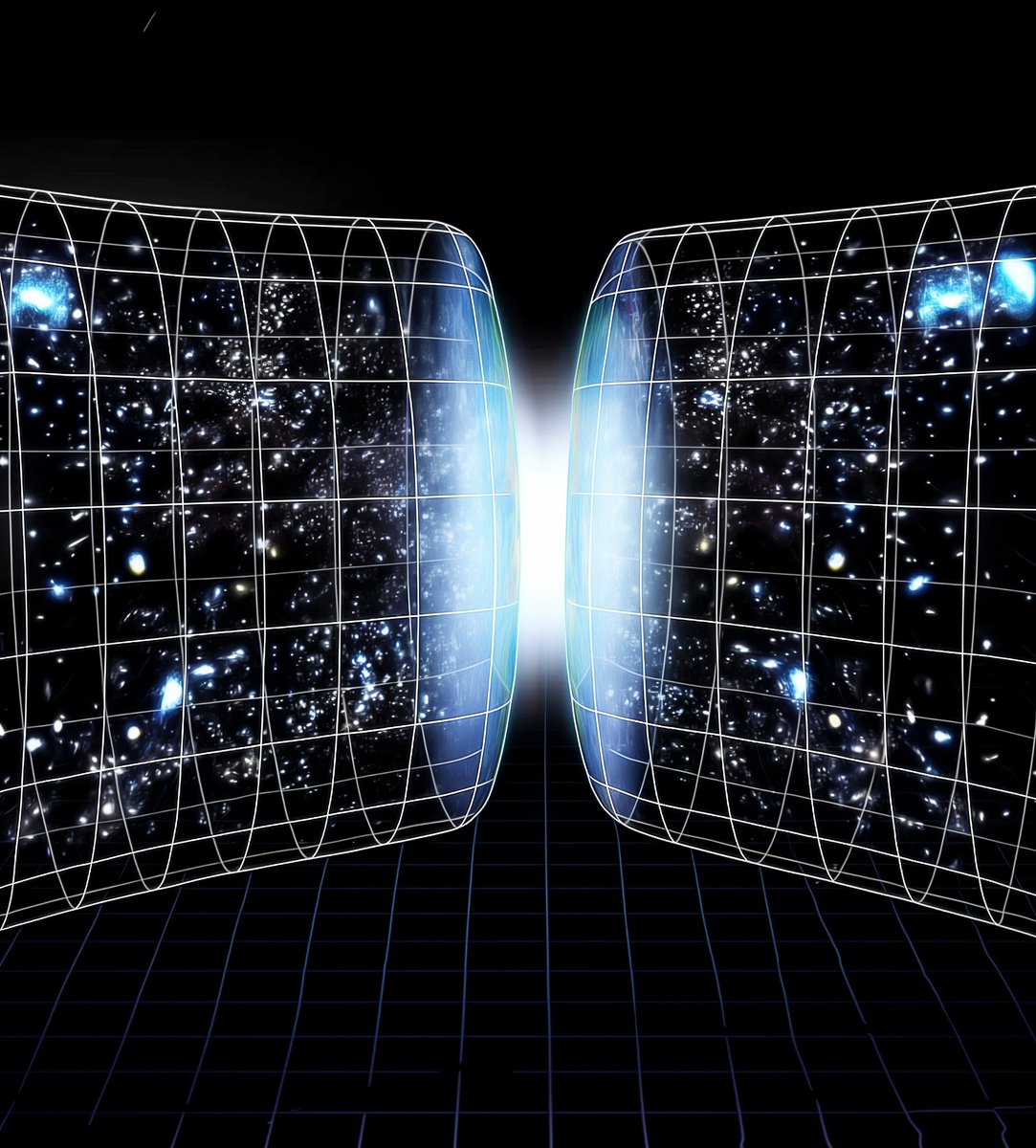
BREAKING🚨: Physicists say there’s a mirror universe where time runs in reverse.
Latest in Cosmos tweet media
English
219
381
2.4K
99.7K
Gusholder Haber Bülteni
Gusholder Haber Bülteni@gusholderhaber·
#SONDAKİKA | 2040 yılı itibarıyla Türkiye’de tütün ürünlerinin üretimi, satışı ve dağıtımı da tamamen yasaklanacak. (Türkiye Gazetesi) — Açık alanlar dahil olmak üzere birçok alanda sigara kullanımı büyük ölçüde yasaklanacak. — Yeme-içme işletmelerinin açık alanlarında sigara kullanımı yasaklanacak. — İşletmelerde yalnızca %10’u geçmeyen, 20 m²’lik izole alanlarda sınırlı kullanım mümkün olacak. — Bu alanlara 18 yaş altı alınmayacak, servis yapılmayacak. — Otellerde sadece özel olarak ayrılmış odalarda kullanım serbest olacak. — Yasak alanda sigara içene 5 bin TL ceza kesilecek. — Tütün ürünleri kapalı dolaplarda, görünmeden satılacak. — Satışlar elektronik sistemle yapılacak, yaş doğrulaması zorunlu olacak. — Türkiye’de tütünle mücadelede kapsamlı dönüşüm öngören 41 maddelik taslak son aşamaya geldi.
Türkçe
592
111
1.8K
1M
Bugra Karahan
Bugra Karahan@karahan·
Yes.
Darshak Rana ⚡️@thedarshakrana

🚨Twenty minutes of walking triggers measurable brain rewiring. That timeframe should terrify every person chained to a desk. Twenty minutes. Not twenty days, not twenty weeks. In the span of a single episode of a TV show, your brain begins physically restructuring itself at the cellular level. Neuroscience research reveals that this brief window of rhythmic movement activates gene expression patterns that had been dormant. Within those twenty minutes, your hippocampus starts manufacturing fresh neurons. Your prefrontal cortex begins strengthening synaptic connections. Blood flow to regions governing memory and executive function increases by 15 to 30 percent. The implications destroy every excuse you've ever made about not having time. Most people spend twenty minutes scrolling social media, watching random videos, or sitting in traffic. During that same period, they could literally be growing their brain. The opportunity cost is staggering. Every twenty minute block you remain sedentary is a twenty minute block your neural architecture remains static, aging, shrinking. Researchers tracked office workers who took twenty minute walking breaks versus those who remained seated. The walkers showed immediate improvements in attention span, working memory, and creative problem solving that persisted for hours afterward. Their brains generated more alpha waves, the electrical patterns associated with calm focus and insight. The sitters showed declining cognitive performance throughout the day. The twenty minute threshold reveals something profound about human neurobiology. Evolution wired our brains to expect regular movement. Our ancestors walked 5 to 10 miles daily while hunting, foraging, and traveling. The modern sedentary lifestyle represents a radical departure from the movement patterns that shaped our neural development over millions of years. When you walk for twenty minutes, you're not just exercising. You're activating the biological programs that built human intelligence. The rhythmic gait pattern synchronizes brain waves across multiple regions. The increased oxygen delivery feeds neural tissue that's been starved by prolonged sitting. The gentle stress of movement triggers adaptive responses that make your brain more resilient. Psychology studies reveal that twenty minute walks reduce cortisol levels more effectively than meditation apps, therapy sessions, or pharmaceutical interventions. Cortisol, the chronic stress hormone, shrinks the hippocampus and impairs memory formation. Walking doesn't just lower cortisol. It reverses the brain damage that elevated cortisol causes. It's found that people who sit for more than 8 hours daily show brain patterns identical to patients with early stage dementia. Their hippocampi are visibly smaller. Their white matter is less organized. Their processing speed declines measurably with each passing year. Twenty minutes of daily walking can prevent and reverse these changes. The research suggests that sedentary behavior isn't just bad for your heart and muscles. It's a form of accelerated brain aging. Every hour you spend immobile, your cognitive capacity degrades in ways that compound over time. The good news is that those changes aren't permanent. The brain retains remarkable plasticity throughout life. But you have to activate that plasticity through movement. Silicon Valley executives have started conducting meetings while walking. They report better decisions, more creative solutions, and clearer thinking. They've accidentally rediscovered what Aristotle knew 2,400 years ago: the best ideas emerge when the body moves and the mind follows. Your brain evolved to think while moving. Sitting still for hours violates the fundamental architecture of human cognition. Every step you take sends electrical signals through your nervous system that say: stay sharp, build connections, generate insights. Twenty minutes. That's all it takes to begin rewiring decades of neural stagnation.

QST
0
0
0
108
Bugra Karahan retweetledi
Shining Science
Shining Science@ShiningScience·
🚨 Research shows music literally has the power to heal. Revolutionary research reveals that Beethoven’s Symphony No. 5 can target and destroy 20% of cancer cells without harming healthy tissue. Researchers at the Federal University of Rio de Janeiro, led by Dr. Márcia Alves Marques Capella, have uncovered a startling intersection between classical music and oncology. By exposing both healthy and malignant cells to various musical compositions, the team observed that Beethoven’s iconic Symphony No. 5 triggered the destruction of approximately one-fifth of the cancer cells. Remarkably, the healthy cells remained completely untouched during the process, suggesting a level of selectivity that is highly sought after in modern medical treatments. The study highlights that not all music yields the same results; while György Ligeti’s "Atmosphères" produced a similar therapeutic effect, Mozart’s "Sonata for Two Pianos" showed no impact on the cell cultures. Scientists believe the secret lies in the specific rhythms and frequencies inherent in certain masterpieces, which may disrupt the biological structure of tumors. This pioneering research paves the way for potential non-invasive therapies, offering a melodic glimpse into the future of cancer care where sound waves could one day complement traditional medicine. source: Capella, M. A. M., et al. (2014). Direct effects of music in cancer cells. Federal University of Rio de Janeiro, Instituto de Biofísica Carlos Chagas Filho.
Shining Science tweet media
English
44
537
1.8K
64.2K
Bugra Karahan
Bugra Karahan@karahan·
Love and peace always prevail. I congratulate and express my gratitude to everyone who contributed to this.
English
0
0
2
56
naiive
naiive@naiivememe·
Traders trying to predict the markets Trump :
English
328
6.3K
66.6K
3M
Bugra Karahan retweetledi
77. Sayfa
77. Sayfa@77Sayfa·
O kadar etkileyici bir paylaşım ki lütfen kulak verin
Türkçe
10
491
2.9K
112.9K
Bugra Karahan retweetledi
ADHD Memes
ADHD Memes@ADHDForReal·
ADHD Memes tweet media
ZXX
7
159
1.2K
16.1K