Joseba Abaitua

37.3K posts

Joseba Abaitua banner
Joseba Abaitua

Joseba Abaitua

@kavango

Language Apps and Digital Humanities at Modern Languages and Basque Studies, University of Deusto. Also helping https://t.co/UQe1hio1zP
Campezo Katılım Mart 2007
1.9K Takip Edilen2.5K Takipçiler
Joseba Abaitua retweetledi
Guerra en la Universidad
Guerra en la Universidad@GuerraenlaUni·
Vayamos por partes. Para empezar fijémonos en la estructura de la tumba. Una plataforma de piedra con enterramiento en hoyo. Donde he visto yo eso?->
Guerra en la Universidad tweet media
Español
3
4
198
19.6K
Joseba Abaitua retweetledi
Jose Angel Urquia
Jose Angel Urquia@joxeanjel123456·
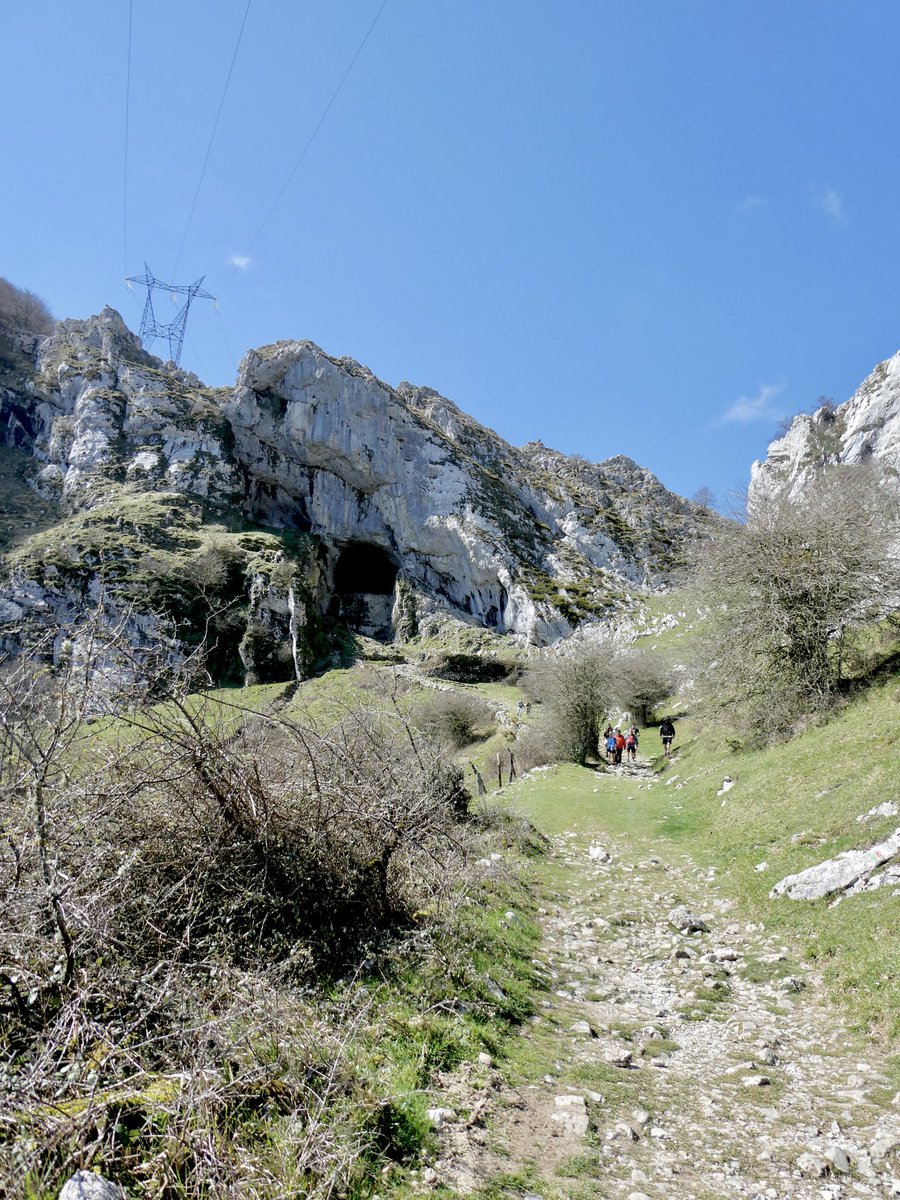
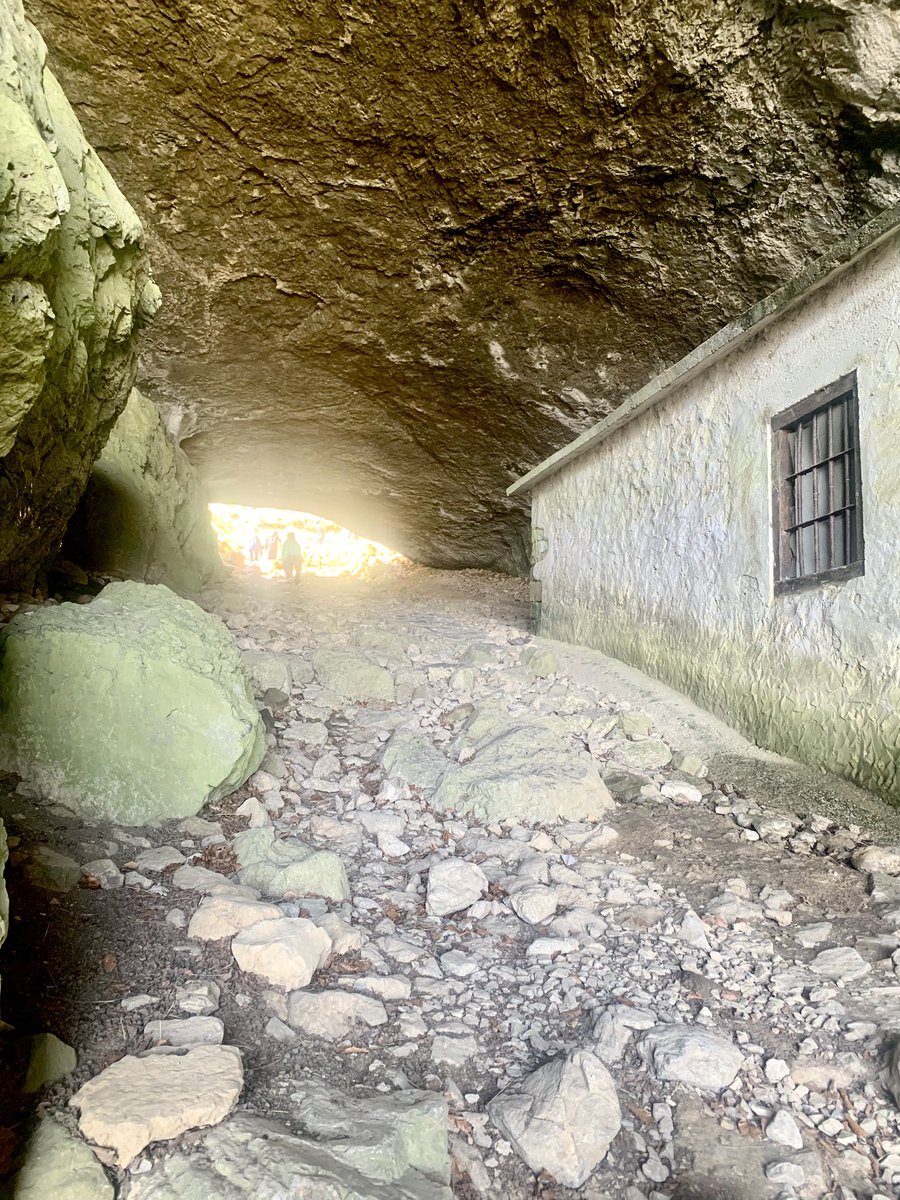
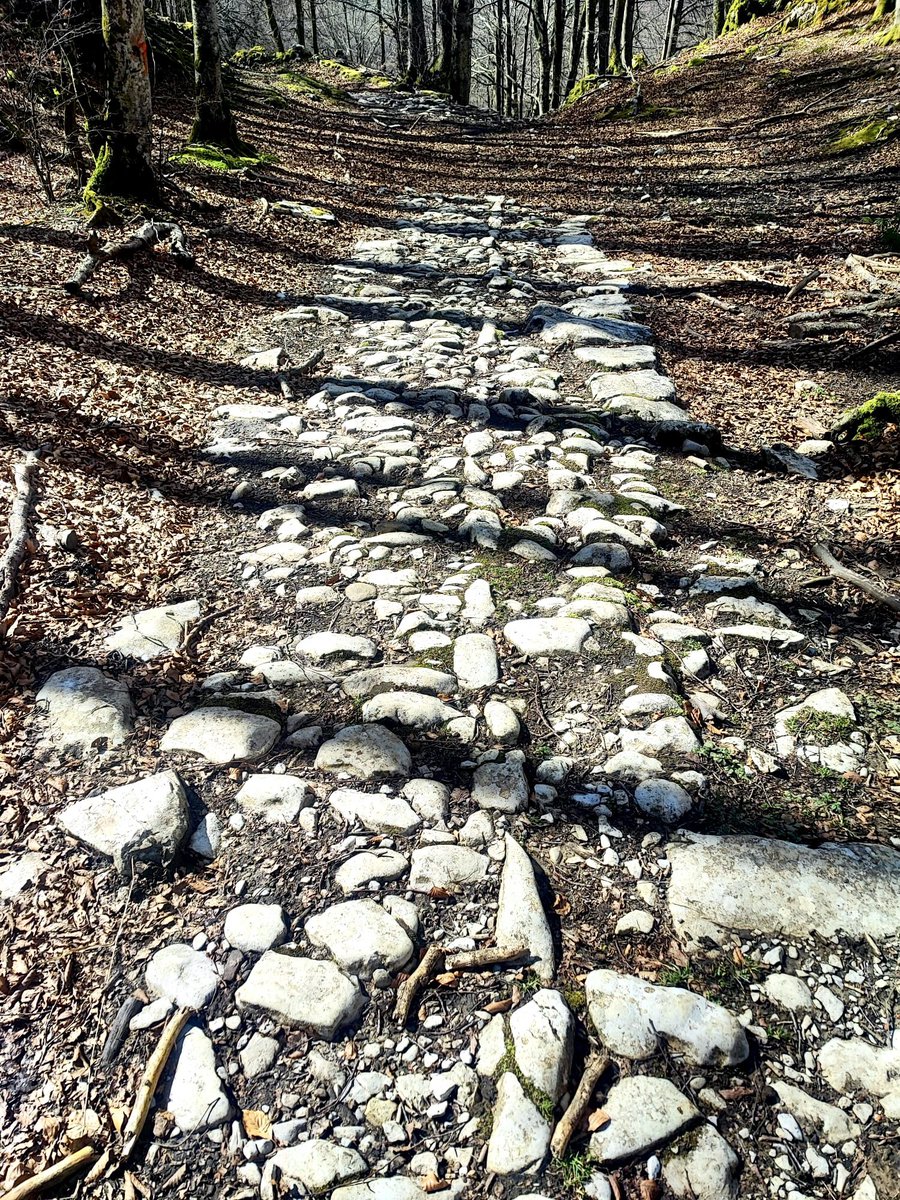
LIZARRATE edo SANDRATIKO TUNELA. Mendian zulo bat besterik ez da, baina Kantauritik Gaztelarako salgaiekin zetorrenarentzat komunikazio-azpiegitura handi bat, gutxienez Erdi Arotik erabilia. Komunikazioetarako puntu estrategikoa bihurtu zen. Argazkiak: 2026-03-19
Jose Angel Urquia tweet mediaJose Angel Urquia tweet mediaJose Angel Urquia tweet mediaJose Angel Urquia tweet media
Euskara
3
4
22
648
Joseba Abaitua retweetledi
Jose Angel Urquia
Jose Angel Urquia@joxeanjel123456·
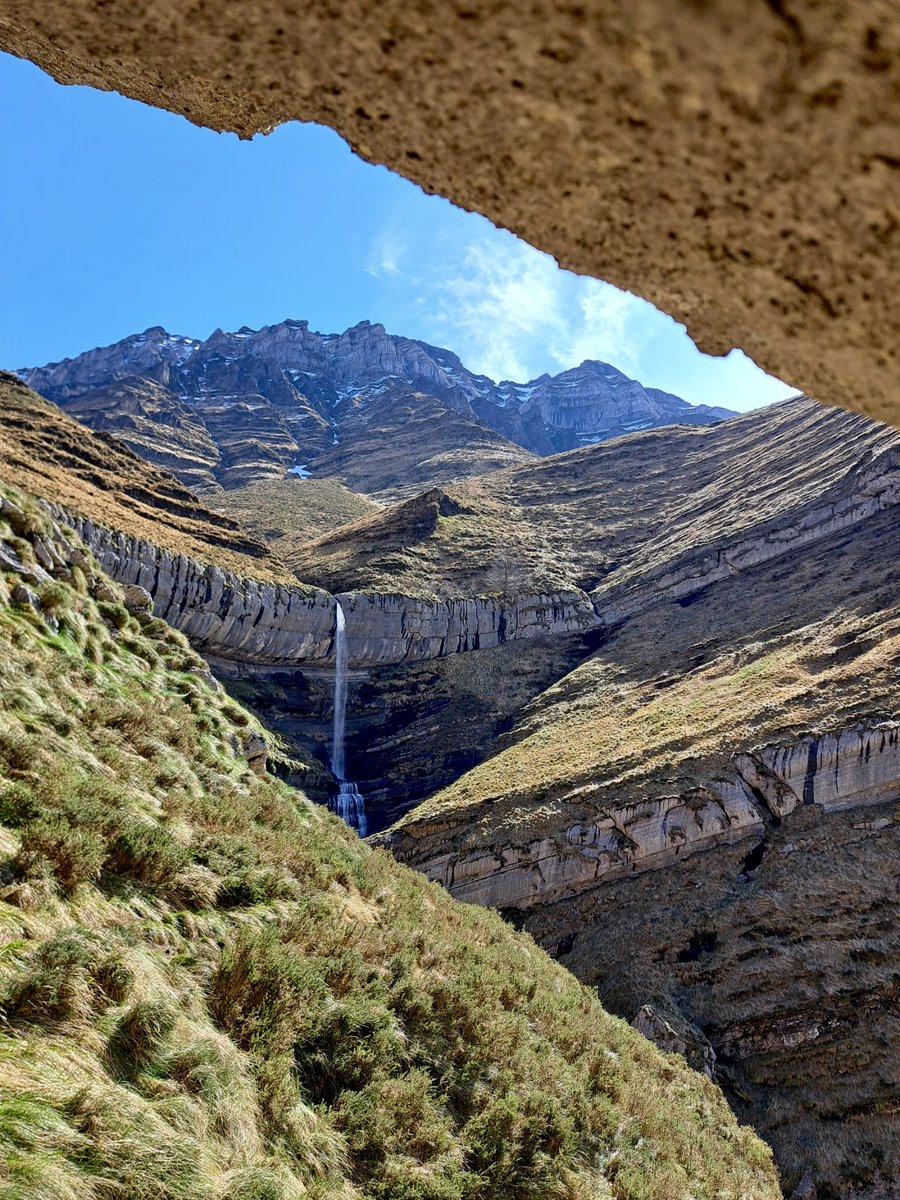
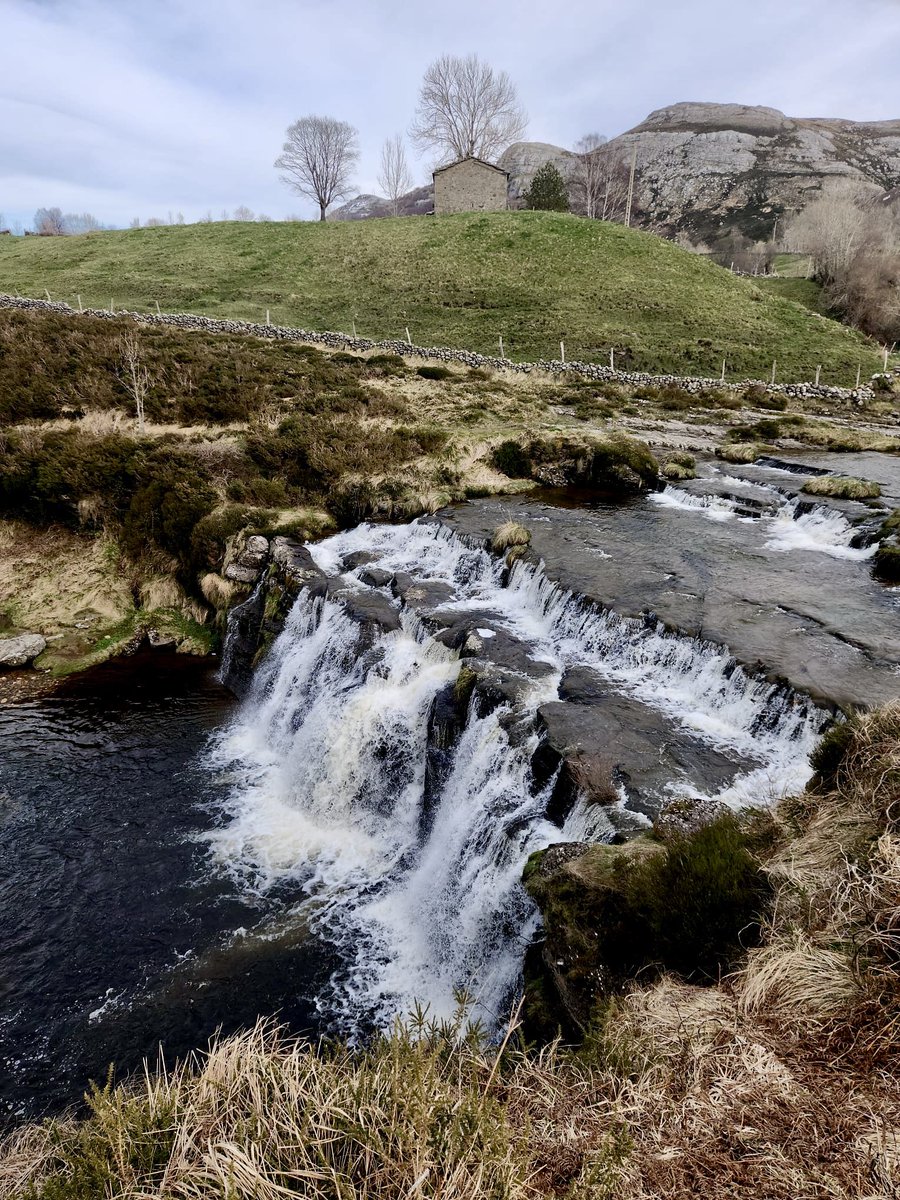
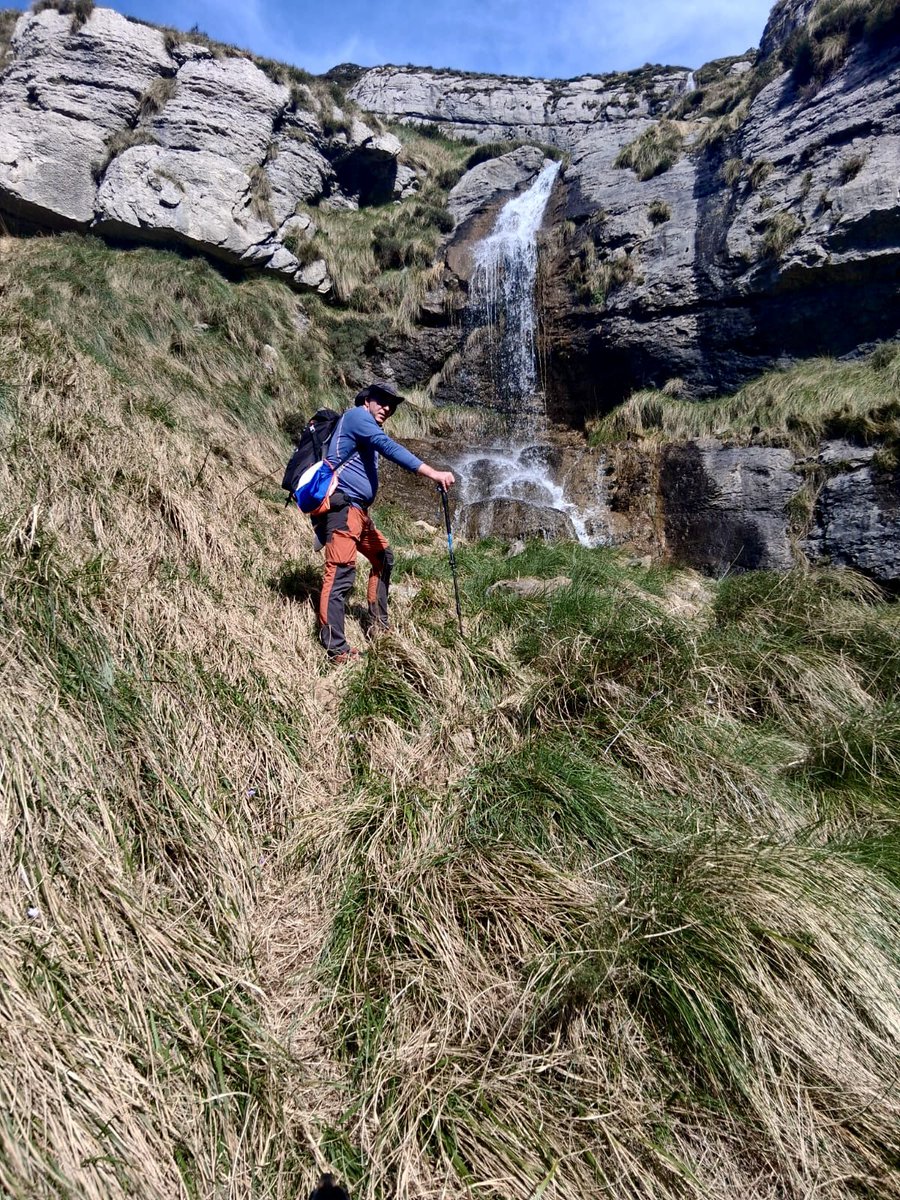
CHURRÓN DE AGUALTORAKO BIDEA (Pas ibaiaren sorrera). Juan Carlos Perezek dioenez, ibilbide erraza, laburra, malda gutxikoa eta zailtasun teknikorik gabea. Oso gomendagarria da eta ur-jauziaz eta inguratzen duen panoramika zoragarriez gozatzen da.
Jose Angel Urquia tweet mediaJose Angel Urquia tweet mediaJose Angel Urquia tweet mediaJose Angel Urquia tweet media
Euskara
1
3
21
589
Joseba Abaitua retweetledi
Civixplorer
Civixplorer@Civixplorer·
📍 The birthplace of Roman emperors in modern countries. Present-day 🇮🇹 Italy (27) and 🇷🇸 Serbia (17) have been the cradle of most of them.
Civixplorer tweet media
English
116
370
3.1K
199.9K
Joseba Abaitua retweetledi
Proto-Indo-European Lexicon
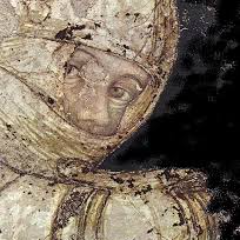
The seal Bo 99/69 with the text (MONS)tu MAGNUS REX ‘Tudaliya (II), Great King’. In the cuneiform legend he is told to be ‘son of Kantuzili’.
Proto-Indo-European Lexicon tweet media
English
0
4
16
437
Joseba Abaitua retweetledi
Los Árboles Mágicos ®️, (by Oscar Gaitan)
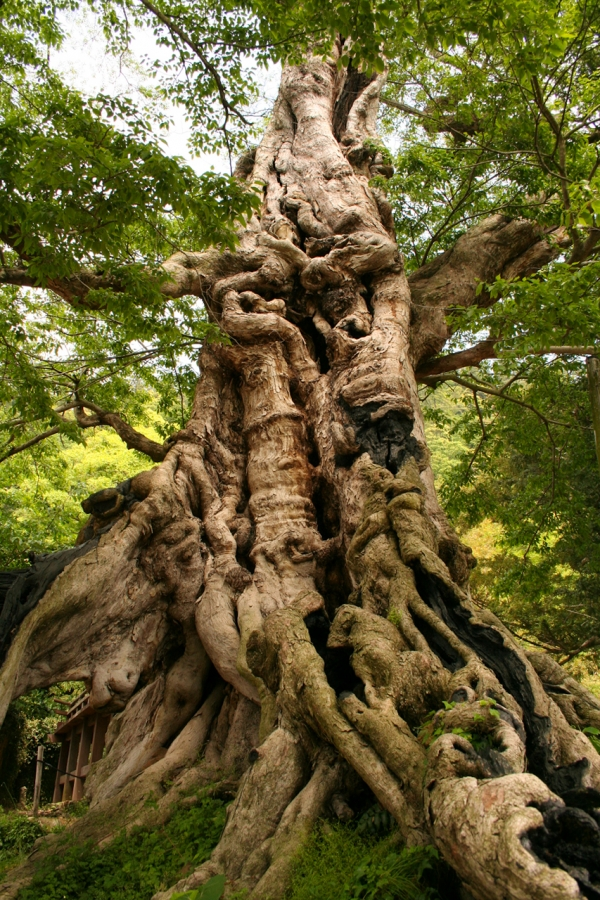
En Izumo, Japón, el "Inochinushiyashiro no Mukunoki", cuyo nombre significa el 'Árbol de la Vida del Santuario Inochinushi', es un árbol Muku (Aphananthe aspera) con una circunferencia de 5.8 m y una altura de 17, es un símbolo tradicional de la prefectura de Shimane. 📸Kanie
Los Árboles Mágicos ®️, (by Oscar Gaitan) tweet media
Español
4
86
406
13.7K
Joseba Abaitua retweetledi
Igor Santos Salazar
Igor Santos Salazar@isantossalazar·
Albarracín (Teruel) posee una historia sensacional: capital de taifa en el s. XI, pasó posteriormente bajo control de linajes cristianos que la gobernaron como un señorío hasta finales del s. XIII, cuando entró a formar parte del reino de Aragón
Español
0
11
39
2.4K
Joseba Abaitua retweetledi
Vintage Maps
Vintage Maps@vintagemapstore·
125000 year of Human Migration on Earth.
English
13
56
365
52.4K
Joseba Abaitua retweetledi
Archaeo - Histories
Archaeo - Histories@archeohistories·
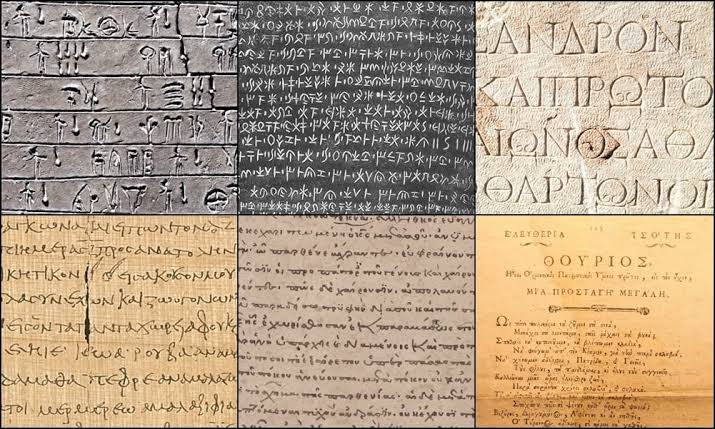
Evolution of Greek language spans thousands of years, evolving through distinct stages that reflect cultural, political, and social changes of Greek-speaking world. The development of Greek is typically divided into the following major periods: Ancient Greek, Koine Greek, Medieval Greek, and Modern Greek. • Ancient Greek (9th Century BC - 6th Century AD) : Earliest form of Greek is known as Mycenaean Greek, attested in inscriptions found on clay tablets from the ancient Mycenaean civilization (1450-1200 BC). This language was written using the Linear B script, an early form of Greek. Following the collapse of Mycenaean civilization, Greek-speaking world entered a "Dark Age," and by 8th Century BC, Greeks adopted Phoenician alphabet, leading to emergence of Classical Greek. This period saw the development of the great works of literature, philosophy, and science, such as the epics of Homer (Iliad and Odyssey), the writings of Herodotus, and the philosophical contributions of figures like Plato and Aristotle. Ancient Greek was characterized by a rich variety of dialects, including Attic, Doric, Aeolic, and Ionian, with Attic Greek becoming the dominant dialect during the classical period, especially in Athens. • Koine Greek (300 BC – 300 CE) : With the expansion of Alexander the Great’s empire and subsequent Hellenistic period, Greek became the lingua franca of a vast region stretching from Egypt to India. This resulted in the rise of Koine Greek, a simplified and standardized version of language that merged elements from various Greek dialects. Koine Greek was more accessible and practical for communication across the diverse areas of Alexander's empire. This period also marked the translation of the Hebrew Bible into Greek, known as the Septuagint, and the writings of New Testament, which were composed in Koine Greek. Though Koine was more simplified than Classical Greek, it maintained many of the core grammatical and lexical features of the earlier language. • Medieval Greek (300-1453 CE) : As Byzantine Empire rose to prominence and eventually fell in 1453, Greek language evolved into what is known as Medieval Greek. This period is marked by significant changes in phonology, grammar, and vocabulary, as Greek absorbed influences from Latin, Slavic languages, and later Turkish due to the empire's territorial expansion and encounters with various peoples. Byzantine period also witnessed the flourishing of Greek Christian texts, including theological writings, liturgical texts, and preservation of ancient Greek heritage. While Medieval Greek remained the language of Byzantine elite and intellectuals, it also began to diverge from the classical traditions in a way that made it more distinct from the earlier forms of Greek. • Modern Greek (1453 CE – present) : After the fall of Constantinople in 1453, Greek became the language of a small, largely rural population under Ottoman rule. Despite this, Greek-speaking communities continued to maintain their linguistic identity. Modern Greek began to take shape, with substantial simplifications in grammar, syntax, and phonetics compared to its classical predecessors. Evolution of Greek was influenced by centuries of Ottoman rule, which introduced Turkish loanwords and phrases. The Greek War of Independence in early 19th Century and establishment of the modern Greek state in 1830 were pivotal moments for the language. At this time, the demotic form of Greek, vernacular spoken by the majority of Greeks, gained prominence, although Katharevousa, a more archaizing form of the language, was also promoted as the standard for formal writing and government documents. Over time, Demotic Greek became the official language of Greece, and by late 20th Century, the distinction between Demotic and Katharevousa was largely eliminated, leading to a more unified Modern Greek language that closely reflects the spoken vernacular. #archaeohistories
Archaeo - Histories tweet media
English
6
88
373
12K
Joseba Abaitua retweetledi
Vintage Maps
Vintage Maps@vintagemapstore·
Bird migration tracked by GPS. Work by: Sarah Davidson & Bart Kranstauber / Movebank
English
7
73
549
47.2K
Joseba Abaitua retweetledi
iber.cat
iber.cat@iberapt·
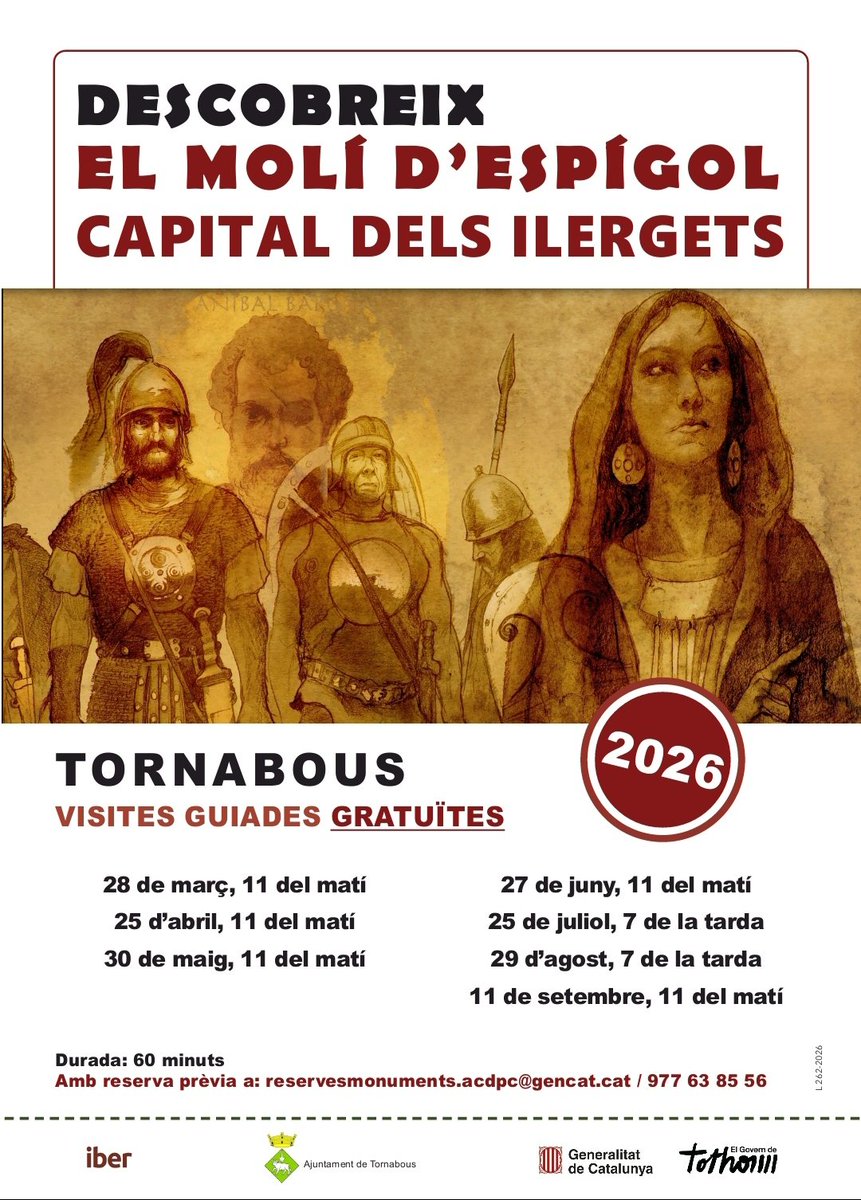
📍Descobreix el Molí d'Espígol, capital dels Ilergets ! Vine a una de les visites guiades gratuïtes programades i endinsa't en una ciutat Ilergeta que va assolir la seva màxima esplendor als segles IV-III aC. 🏺
iber.cat tweet media
Català
1
14
18
718
Joseba Abaitua retweetledi
Juan Andrés Oria de Rueda de Salgueiro
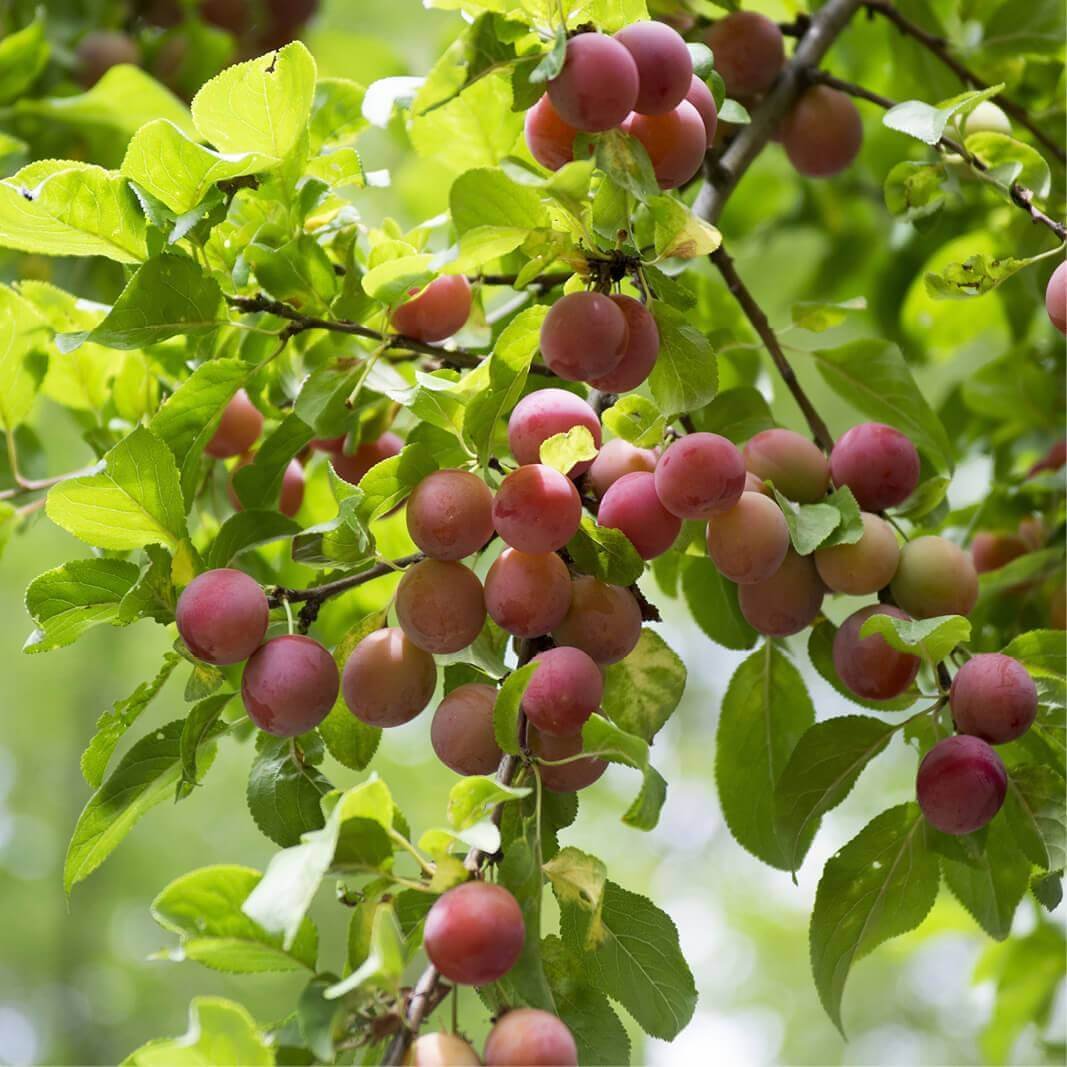
El sabroso pernil se achacaba al consumo de mil plantas silvestres, como ajos bravos (Allium, Muscari, ..), arvejas, gamones (Asphodelus), jébenas, malvas, salados.... y diversas turmas y trufas, además de frutos, como los aromáticos cascabelillos (Prunus cerasifera)....
Juan Andrés Oria de Rueda de Salgueiro tweet media
Español
1
2
12
502
Joseba Abaitua retweetledi
Joan Negre
Joan Negre@joan_negre·
Hem publicat, junt amb Ignasi Grau i Pere Roselló, un nou treball de recerca, que analitza el pes de les tradicions locals en les distintes romanitzacions que s'hi van desenvolupar a la Península. En este cas, a través de l'exemple del territori de Diània. revistascientificas.us.es/index.php/spal…
Joan Negre tweet media
Català
0
6
20
679
Joseba Abaitua retweetledi
Rule Sancheski
Rule Sancheski@_rojirin_·
No hay mejor día que hoy para recordar un hilo que escribí en recuerdo de mi padre. Nunca le agradecí lo suficiente que creyera tanto en mí. Gracias a él, me dedico a la investigación y de vez en cuando escribo hilos por aquí. ¡Te quiero, papá!
Rule Sancheski tweet media
Rule Sancheski@_rojirin_

Tal y como prometía en el tuit de más abajo, si se superaban los 50 me gusta, os desvelaba el arcetijo propuesto. Si me acompañas en este hilo te lo cuento...

Español
0
4
14
371
Joseba Abaitua retweetledi
Xusti
Xusti@MalleusRuber·
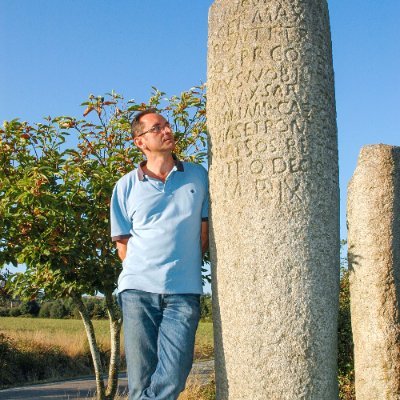
"Vigilatum" eta "begiratu" lotuta ei daude etimologikoki. Hitzaren esanahi zaharra hainbat kasutan hurgilago zegoen "zaindu"-tik, eta XVI. mendean "bigira" aldaera ere agertzen da. Beraz, baliteke berrinterpretazioz "begi"-rekin nahasita "begiratu" aldaera nagusitu izana.
Néstor F. Marqués - Antigua Roma al Día@antigua_roma

Augusto creó un cuerpo que, por sus funciones, podríamos asimilar como bomberos y policías: los vigiles. De hecho, en italiano, la palabra para bombero es vigile del fuoco (imagen Ángel García Pinto)

Euskara
2
2
10
564
Dr Tom Montgomery
Dr Tom Montgomery@DrTOMontgomery·
#Birds A shocking 10,000 seabirds—mostly puffins have died in relentless rain and storms across Britain, France, and Spain. This puffin had survived 34 years up till now. They die from starvation and hypothermia. The final death toll will likely be much higher.
Dr Tom Montgomery tweet media
English
36
334
617
8.5K