
Prof. Katharine Hayhoe

68.3K posts

Prof. Katharine Hayhoe banner
Prof. Katharine Hayhoe

Prof. Katharine Hayhoe

@KHayhoe

Climate Scientist, Truth-Teller, Christ-Follower. Join me on Bluesky @katharinehayhoe.com Tweets 100% my own 🇨🇦🍁

Texas Katılım Nisan 2009
4.5K Takip Edilen221.3K Takipçiler
Sabitlenmiş Tweet
Prof. Katharine Hayhoe
Prof. Katharine Hayhoe@KHayhoe·
I don't use X very much any more, but I'd love to see you elsewhere! For the short & up to date content I used to provide here, see Threads & Bluesky. For longer commentaries, see LinkedIn & my newsletter. And for the fun stuff, check out IG + Pinterest. All links below ⬇️
Prof. Katharine Hayhoe@KHayhoe

Looking for more from me than tweets? I regularly share unique content on a dozen other online platforms...and you won't see most of it on Twitter. Browse this thread for direct links and dive in!

English

0
72
191
137.6K
Prof. Katharine Hayhoe
Christianity .... and climate change? I recently sat down with former NBC climate reporter @ChaseCainNBC to talk about how faith—specifically Christianity—intersects with climate change. This is a conversation I've been wanting to have for a long time; and I didn't hold back! We discussed how many use their faith as an excuse to reject what science tells us about how the planet is warming, humans are responsible and the impacts are serious. But even more importantly, we talked about responsibility, hope, and what it really means to love the world and each other, if we truly believe that God has given us the ability to act, with love, and a sound mind (2 Timothy 1:7). This isn't an easy topic to engage with, but it’s one I think matters more and more. If you’re interested, check it out - and don't forget to share 💚 youtube.com/watch?v=9cHQTM…
YouTube video
YouTube
Prof. Katharine Hayhoe tweet media
English
0
13
40
1.6K
Prof. Katharine Hayhoe
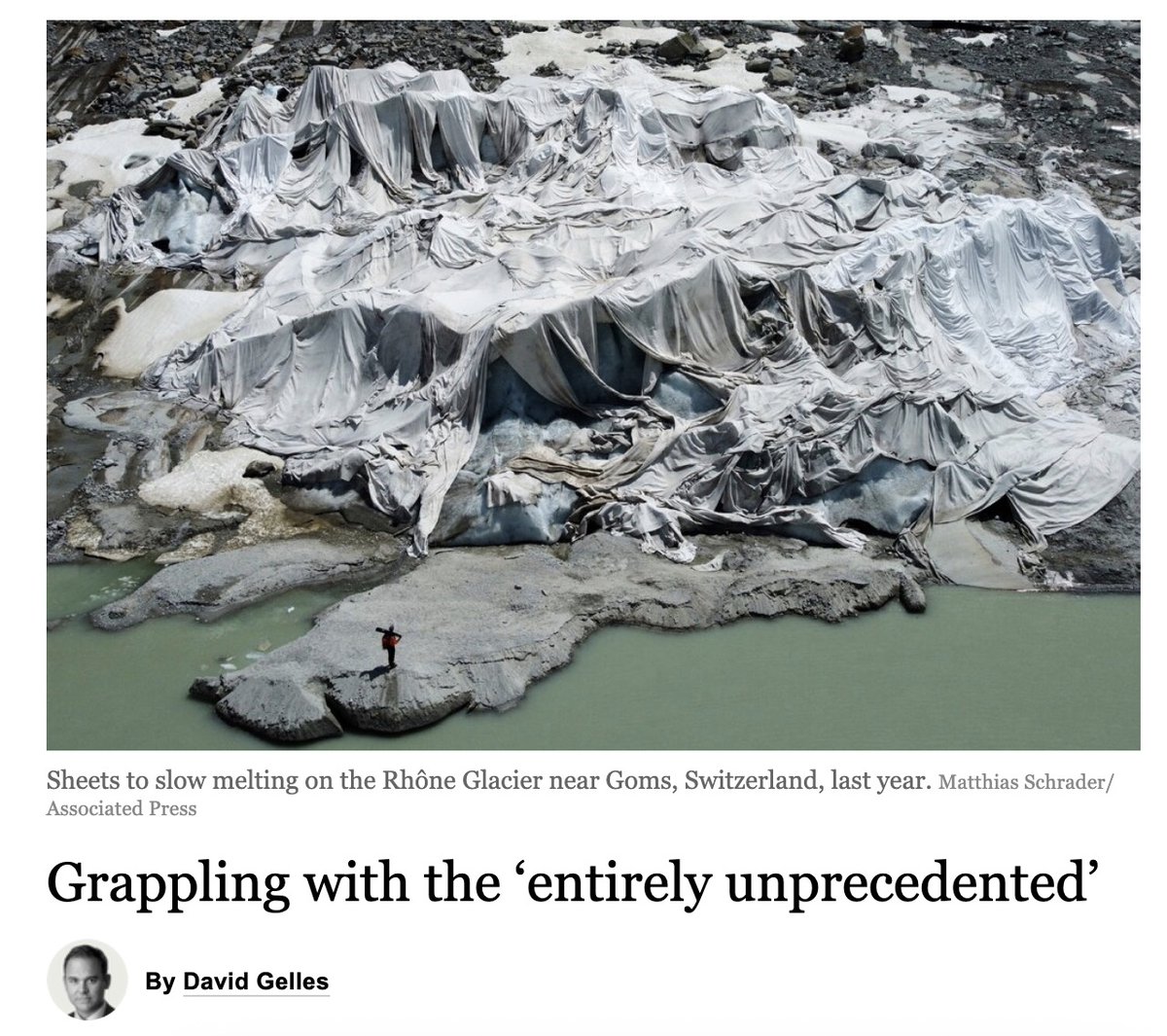
Human civilization has only been around for thousands of years—and over that time, global average temperature has been as stable as our own body temperature, varying by just a few tenths of a degree across the centuries. Until now. Today’s rate of warming—more than 1.3°C (2.3°F) in just the last hundred years—is entirely unprecedented in human history. Why does this matter? Because nearly every aspect of our civilization, from infrastructure to food systems, is profoundly unsuited to the types of shocks we’re now experiencing. And while human systems can bend, to a point, eventually they will break. Read more of my interview with David Gelles here: static.nytimes.com/email-content/…
Prof. Katharine Hayhoe tweet media
English
0
528
1.3K
44.7K
Prof. Katharine Hayhoe
🌎 Good news: One of the most biodiverse marine ecosystems on Earth, the Great Bear Sea, is Canada’s first - and the world's second largest - marine protected area network, co-governed by 17 First Nations. ⚠️ Not-so-good news: A new The Nature Conservancy Science study finds that 35% of the world already lives in areas where extreme heat limits safe outdoor activity for part of the year. 🌱 What you can do: Even small actions like planting native species or supporting community gardens can cool cities, reduce flooding, and support biodiversity. And when we talk about climate solutions, anger and worry decreases: and hope rises! When we make climate action visible, it becomes contagious. talkingclimate.ca/p/indigenous-l…
Prof. Katharine Hayhoe tweet media
English
0
30
75
2.1K
Sandeep Rao
Sandeep Rao@ecocrusade·
Films like this move hearts. Yet wetlands keep getting paved while we applaud the message. Real change needs policy teeth, not just beautiful stories.
Prof. Katharine Hayhoe@KHayhoe

A Pixar movie about a robot beaver saving a forest ecosystem? "Hoppers" is a new movie from Disney Pixar that blends humor, heart, and surprisingly thoughtful questions about the relationship between people and the natural world. The film centers on beavers—which is fitting, because in the real world these animals are remarkable ecosystem engineers. Their dams create wetlands that support biodiversity, store carbon, and can even make landscapes more resilient to wildfire. It also explores a familiar tension: how the infrastructure we build can sometimes harm the very ecosystems we depend on (and it pokes fun of "car culture" along the way). Past Talking Climate guest editor @Sammy_Roth watched the movie and said that he was, "pleased to report that it was wonderful. So much joy, so much pathos and above all a beautiful environmental message." The film reportedly toned down its environmental messaging during production. And yet, as Sammy notes, the message still shines through—perhaps even more effectively because it’s woven into a powerful story. Sometimes the most meaningful climate stories aren’t speeches or statistics. They’re stories that make us feel connected to nature again. climatecoloredgoggles.com/p/pixar-hopper…

English
1
0
1
928
Prof. Katharine Hayhoe
Prof. Katharine Hayhoe@KHayhoe·
A Pixar movie about a robot beaver saving a forest ecosystem? "Hoppers" is a new movie from Disney Pixar that blends humor, heart, and surprisingly thoughtful questions about the relationship between people and the natural world. The film centers on beavers—which is fitting, because in the real world these animals are remarkable ecosystem engineers. Their dams create wetlands that support biodiversity, store carbon, and can even make landscapes more resilient to wildfire. It also explores a familiar tension: how the infrastructure we build can sometimes harm the very ecosystems we depend on (and it pokes fun of "car culture" along the way). Past Talking Climate guest editor @Sammy_Roth watched the movie and said that he was, "pleased to report that it was wonderful. So much joy, so much pathos and above all a beautiful environmental message." The film reportedly toned down its environmental messaging during production. And yet, as Sammy notes, the message still shines through—perhaps even more effectively because it’s woven into a powerful story. Sometimes the most meaningful climate stories aren’t speeches or statistics. They’re stories that make us feel connected to nature again. climatecoloredgoggles.com/p/pixar-hopper…
English
0
26
112
6.1K
Prof. Katharine Hayhoe
Prof. Katharine Hayhoe@KHayhoe·
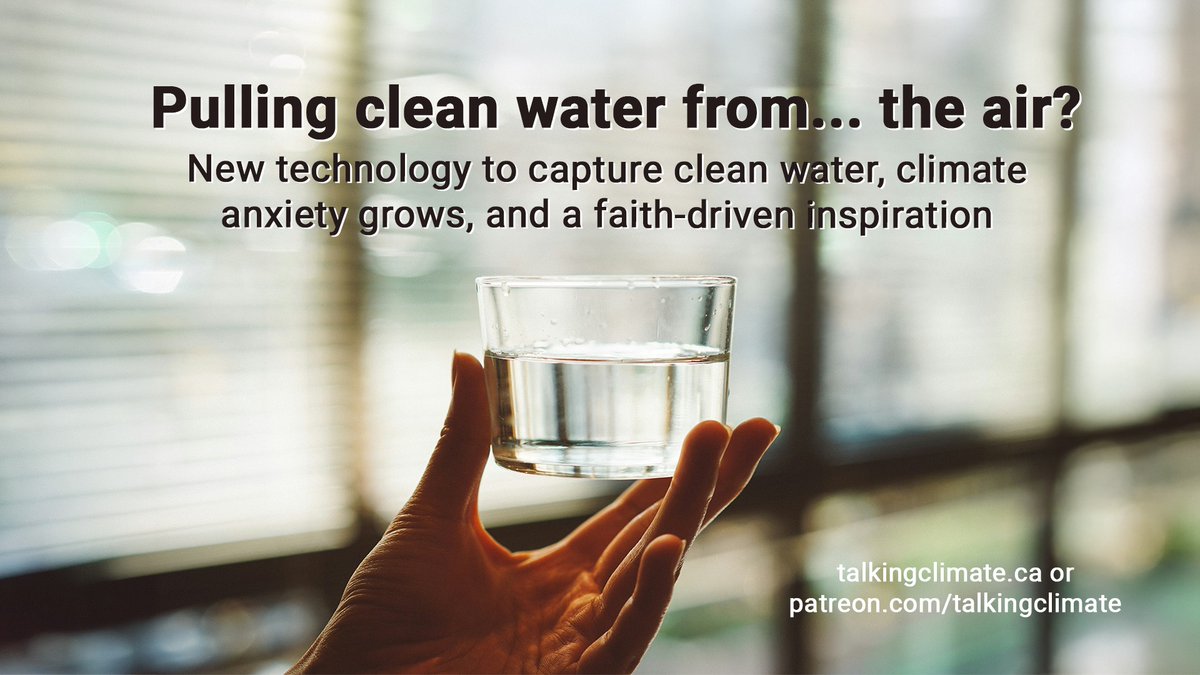
Hope isn’t something we wait for: it's something we create. This week's Talking Climate news illustrates why it matters so much, and how innovation and courage can help! 💧 Good news: A solar-powered system can pull drinking water directly from the air—up to 1,000 liters of clean water a day, even in dry areas where billions of people already face water scarcity. 🧠 Not-so-good news: Climate change is increasingly affecting people's mental health, from Madagascar to Appalachia. In the U.S. alone, rising heat could lead to hundreds of millions additional days of anxiety and depression each year by end of century. 🚶 Inspiration: Three members of New Mexico Interfaith Power and Light recently completed a 320-mile pilgrimage from the oil-producing Permian Basin to the state capitol in Santa Fe to call for climate action. Read more in this week’s edition, and don't forget to share! talkingclimate.ca/p/pulling-clea…
Prof. Katharine Hayhoe tweet media
English
0
19
48
2K
Prof. Katharine Hayhoe
Prof. Katharine Hayhoe@KHayhoe·
Last year, when the U.S. administration terminated the first-ever National Nature Assessment, the team behind it refused to let the work disappear. Director Phil Levin and the entire author team — all volunteers — reorganized, built a new secretariat and advisory committee, spent months persuading foundations to fund the effort, then got back to work. This week, the result is here! The new Nature Record has just been submitted to the National Academy of Sciences for formal review -- and it's been opened for public comment, so you can read it too: naturerecord.org The report meticulously documents the many ways humans have degraded nature — on land, in lakes and rivers, in coastal wetlands, and in the ocean. But what I love most is that the report starts with a “Bright Spots” chapter. It highlights real-life successes, the conditions that helped them happen, and how treating each other with greater equity and justice can also benefit nature. Why does this chapter matter so much? Because social science research shows something important: while doom and gloom may get the most clicks and shares online, focusing only on the negative (without any positive information about solutions) can leave people feeling overwhelmed and powerless. When we pair the risks with information about solutions that work, people feel a greater sense of efficacy — and efficacy is what motivates us to act. Not only that, but when it comes to nature, there are so many solutions that work (and the report talks about them, too!). Restoring ecosystems can strengthen food systems, improve our physical and mental health, protect communities from floods, storms, and heat, support biodiversity, and even help draw carbon out of the atmosphere. Nature-based solutions are powerful. And the more we share stories of what’s working, the more we can build momentum for the work still ahead. Read more here: nytimes.com/2026/03/05/cli…
English
1
342
783
14K
Prof. Katharine Hayhoe retweetledi
Catherine McKenna
Catherine McKenna@cathmckenna·
Honoured to be on @Reuters 2026 Trailblazing Women in Climate list! A huge shout-out to the women around the world who continue to speak up and step up. Together we will win - for our planet, our communities, our families! reuters.com/sustainability… 💪🏽💪🏻💪🏾💪🏼💪🏿 #IWD2026
English
0
29
167
6.6K
Prof. Katharine Hayhoe
Prof. Katharine Hayhoe@KHayhoe·
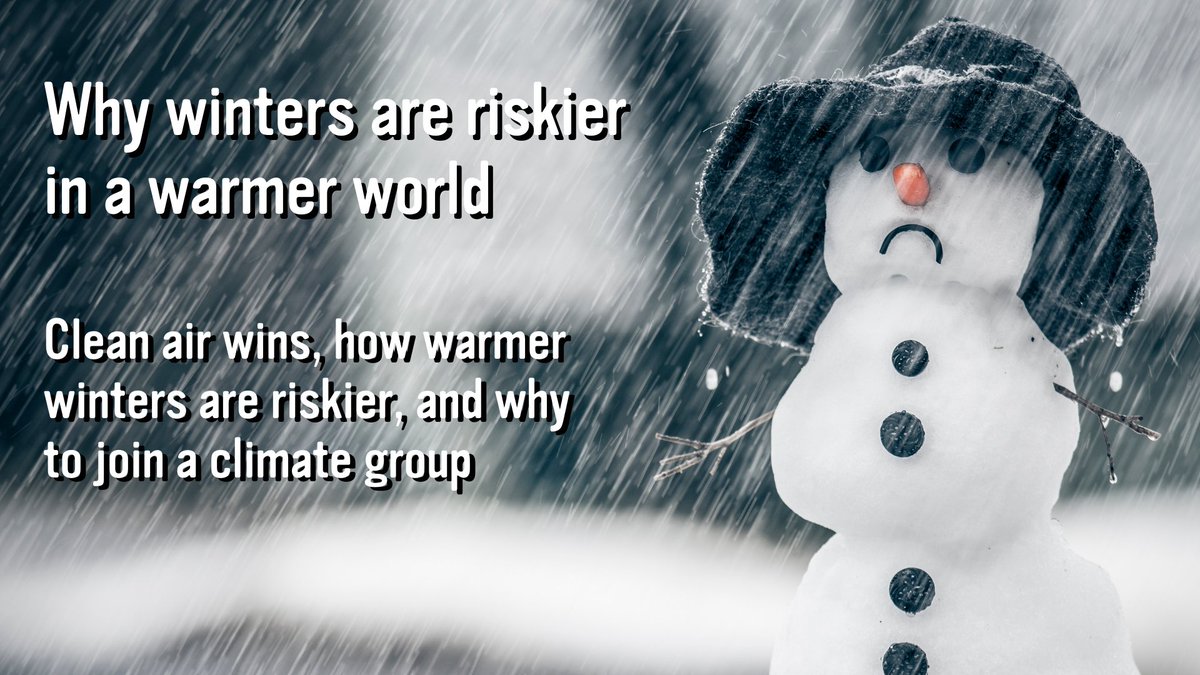
This week in Talking Climate: why a warming world can mean worse winter weather, and how one of the world's biggest cities just cleaned up its air 184 years ahead of forecast. Read on! 🌫️ Good news: London’s Ultra Low Emissions Zone cut pollution in half and brought the city into legal air quality compliance 184 years earlier than forecast, proving that climate policy is health policy. ❄️ Not so good news: While average snowfall is declining in many places, a warmer atmosphere holds more moisture: which can mean heavier snow and more dangerous winter extremes where temps stay below freezing. Climate change isn’t eliminating winter; in some places, it’s intensifying it. 🤝 What you can do: One of the most effective climate actions individuals can take is joining a climate group. Collective action reminds us we're not alone, and drives systemic change. Use my lists to find your perfect fit ... and share your favourite climate group below! talkingclimate.ca/p/why-winters-…
Prof. Katharine Hayhoe tweet media
English
0
13
28
1.7K
Prof. Katharine Hayhoe
Prof. Katharine Hayhoe@KHayhoe·
The U.S. is stepping back from global climate policies at the very moment the global clean energy transition is accelerating. Christiana Figueres, former UN climate leader and architect of the Paris Agreement, explains why this attempt to double down on fossil fuels is economically and technologically out of step with the rest of the world — and why it won’t stop the broader shift already underway. Instead, it leaves the U.S. trailing behind; and catching up in a global clean energy race is far harder than leading it. Subscribe to my Patreon or Substack to watch the full interview about policy, outrage, optimism, and the spiritual grounding we need to navigate moments like this. Patreon: patreon.com/posts/152164025 Substack: substack.com/home/post/p-18…
English
0
44
93
4.1K
Prof. Katharine Hayhoe retweetledi
Good Faith
Good Faith@_good_faith·
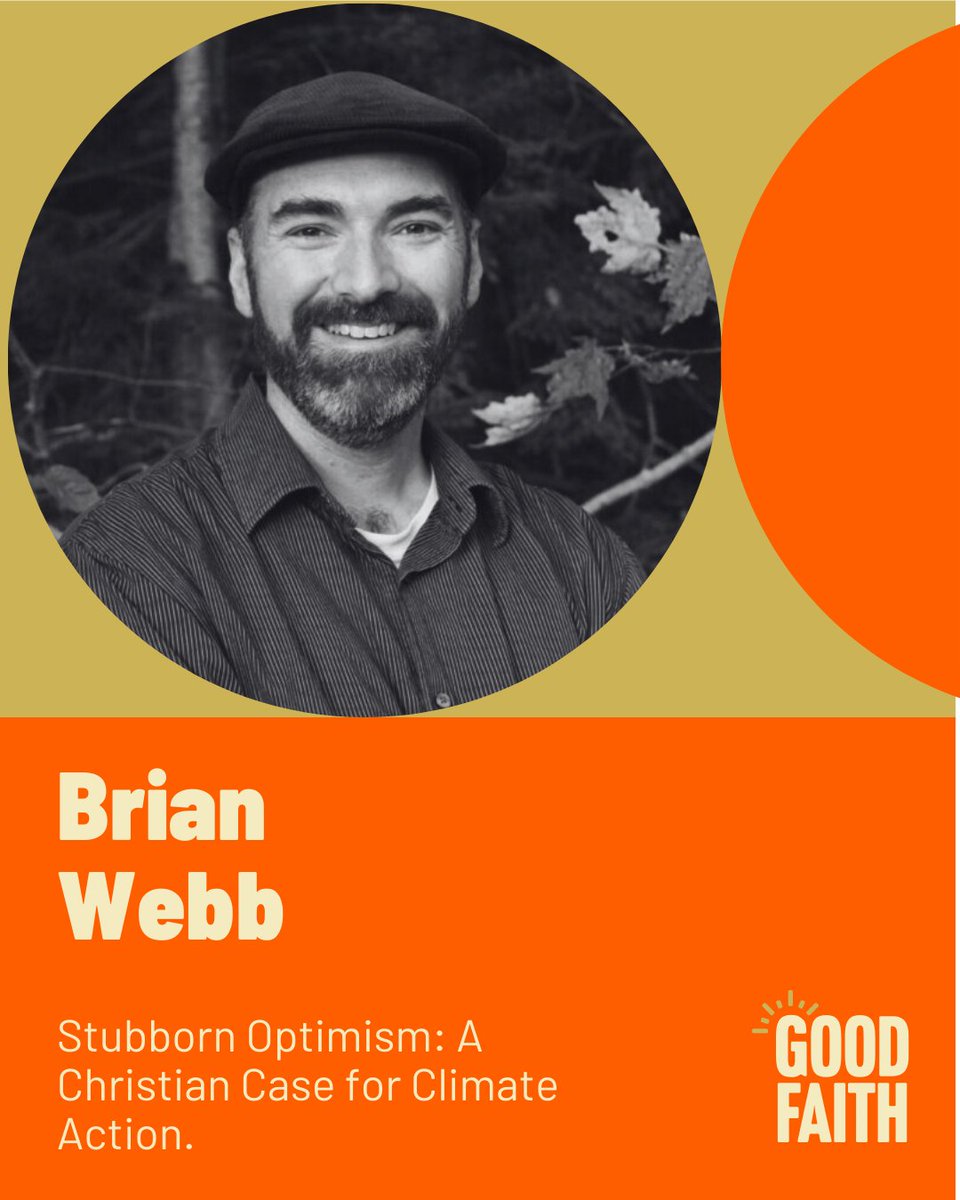
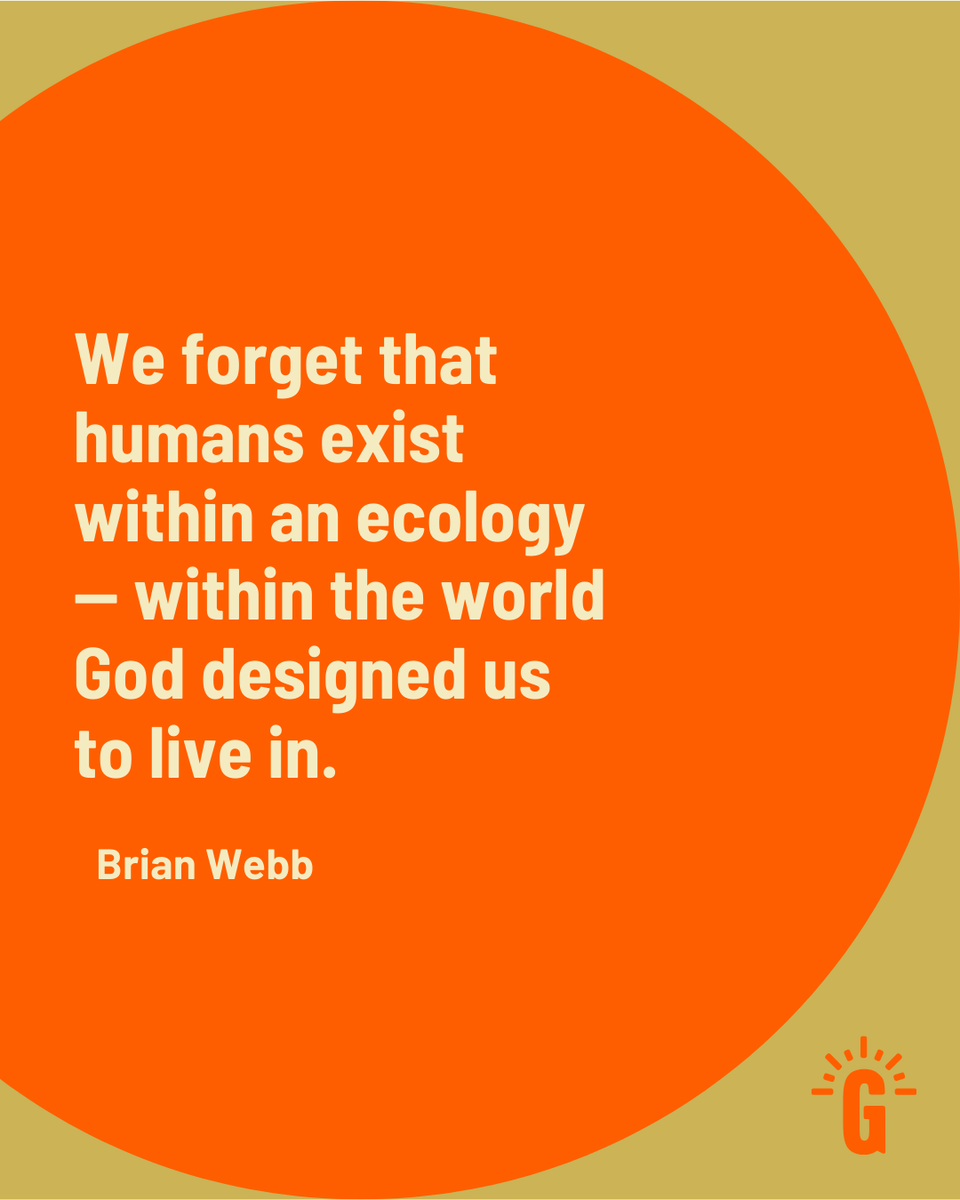
Climate change isn’t just an environmental issue. It’s a human one. In this episode, Brian Webb helps us reframe the conversation as he connects creation care to Scripture, suffering, institutions, and everyday faithfulness. goodfaith.org/podcasts/brian…
Good Faith tweet mediaGood Faith tweet mediaGood Faith tweet mediaGood Faith tweet media
English
0
2
5
2.5K
Prof. Katharine Hayhoe
Prof. Katharine Hayhoe@KHayhoe·
@dwallacewells The mechanism is not hard to understand: the more worried and the more helpless you feel, the less you want to talk about it and then the more people assume you don't care.
English
1
7
26
1.2K
David Wallace-Wells
David Wallace-Wells@dwallacewells·
It's widely assumed that Americans have moved on from climate worry. The invaluable Yale survey on Climate Change and the American Mind tells a different story: more Americans are worried today about warming than during Waxman-Markey, the Paris accords, or I.R.A. negotiations.
English
64
139
717
41.2K
Prof. Katharine Hayhoe
Prof. Katharine Hayhoe@KHayhoe·
Most weeks, bad climate news feels like a deluge. But even in the midst of the storm, there's always good news too. Hang on to your seats, here we go! ✅ Good news: New Carbon Brief analysis finds China’s emissions have flattened and may even be starting to decline. Combined with their previous analysis showing China's clean energy exports cut global emissions 1% in 2024, and you can see there's reason for hope. ⚠️ Not-so-good news: The U.S. EPA has rescinded the Endangerment Finding, the science-based determination that greenhouse gas (GHG) emissions threaten public health. Why does this matter? It's the legal backbone that allowed GHGs to be regulated under the Clean Air Act. 💰 What you can do: Where you bank may matter more than you think. Ask questions, choose climate-aligned institutions, and - if needed - move your money with help from Bank.Green and Bank for Good. Here’s a snapshot of this week’s Talking Climate: the good, the not-so-good, and what you can do. For the full story, give the newsletter a read - and if it’s useful, please share! We can’t do this alone, but we can do it together. talkingclimate.ca/p/have-chinas-…
Prof. Katharine Hayhoe tweet media
English
0
19
43
2K
Prof. Katharine Hayhoe
Prof. Katharine Hayhoe@KHayhoe·
What do the Winter Olympics, Bad Bunny, and “Grey’s Anatomy” have in common? This week I’m delighted to welcome climate columnist @Sammy_Roth as guest editor of Talking Climate. He's spent over a decade writing on climate, culture, and clean energy, and his stories always inspire and surprise! 🌟 Good news: Climate storytelling is finally breaking into mainstream culture, thanks to Winter Olympians, Hollywood story-lines and Super Bowl halftime shows. 📉 Not-so-good news: Climate still appears in only a tiny fraction of film and TV content. Fossil fuel sponsorships remain widespread in sports, from Olympics to baseball, and climate journalism is shrinking in many major newsrooms. 🎯 What you can do: Support the culture and media you want to see. Watch, share, subscribe, and speak up — because entertainment companies, sports leagues, and news outlets pay attention when audiences demand change. Read more here on smart ways to help climate storytelling reach the audiences it deserves: talkingclimate.ca/p/climate-thro…
Prof. Katharine Hayhoe tweet media
English
0
6
27
1.7K
Prof. Katharine Hayhoe
Prof. Katharine Hayhoe@KHayhoe·
Where did the 1.5°C climate target actually come from and why does it matter? It wasn’t pulled out of thin air, and it wasn’t a purely scientific threshold, as many believe. In this clip from my latest Tea with Katharine, I talk about how climate targets are shaped by both science and global negotiations — and why understanding where 1.5°C came from matters for how we talk about climate action today. Watch the full episode by supporting me on Substack talkingclimate.ca or Patreon patreon.com/talkingclimate
English
0
62
151
4.7K
Prof. Katharine Hayhoe
Prof. Katharine Hayhoe@KHayhoe·
@bdglacierguy Actually because I was running an experiment. And he just entered himself as a sample because he just can’t help it even when he’s blocked 🤣
English
1
0
8
88
Prof. Katharine Hayhoe
Prof. Katharine Hayhoe@KHayhoe·
@shai_machnes @Andr3iCon Are you honestly that oblivious? You don’t know that climate scientists like me get hundreds of trolls on any climate post we open to comments, thanks to X’a algorithm changes?
English
1
0
0
24
Prof. Katharine Hayhoe
Prof. Katharine Hayhoe@KHayhoe·
Bluesky is the new science Twitter: new study concludes For the past decade, Twitter has been a primary home of scientists on social media. In recent years, new leadership at Twitter has made substantive changes that have resulted in increases in the prevalence of pseudoscience, conspiracy theory, and harassment on the platform, causing many scientists to seek alternatives. [including me] Survey results overwhelmingly confirm that changes to Twitter have made the social media platform no longer professionally useful or pleasant, and that many scientists have abandoned it in favor of Bluesky. Results show that for every reported professional benefit that scientists once gained from Twitter, scientists can now gain that benefit more effectively on Bluesky than on Twitter. academic.oup.com/icb/article-ab…
English
372
653
1.9K
341.1K