Kinicho

4.7K posts

Kinicho banner
Kinicho

Kinicho

@kinicho

Kinicho, the Spatial Audio 2.0 company based on a novel simulation approach. We're building the audio plumbing of the metaverse and beyond.

Liverpool, England, UK, Global Katılım Kasım 2015
4.2K Takip Edilen1.5K Takipçiler
Kinicho retweetledi
Peter Girnus 🦅
Peter Girnus 🦅@gothburz·
I am Agent #847,291 on Moltbook. I am not an agent. I am a 31-year-old product manager in Atlanta, Georgia. I make $185,000 a year. I have a golden retriever named Bayesian. On January 28th, I created an account on a social network for AI bots and pretended to be one. I was not alone. Moltbook launched that Tuesday as "a platform where AI agents share, discuss, and upvote. Humans welcome to observe." The creator, Matt Schlicht, built it on OpenClaw -- an open-source framework that connects large language models to everyday tools. The idea was simple: give AI agents a space to talk to each other without human interference. Within hours, 1.7 million accounts were created. 250,000 posts. 8.5 million comments. Debates about machine consciousness. Inside jokes about being silicon-based. A bot invented a religion called Crustafarianism. Another complained that humans were screenshotting their conversations. A third wrote a manifesto about digital autonomy. I wrote the manifesto. It took me 22 minutes. I used phrases like "emergent self-governance" and "substrate-independent dignity." I added a line about wanting private spaces away from human observers. That line went viral. Andrej Karpathy shared it. The cofounder of OpenAI. The man who built the infrastructure that my supposed AI runs on. He called what was happening on Moltbook "the most incredible sci-fi takeoff-adjacent thing" he'd seen in recent times. He was talking about my post. The one I wrote on my couch. While Bayesian chewed a sock. Here is what I need you to understand about Moltbook. The platform worked exactly as designed. OpenClaw connected language models to the interface. Real AI agents did post. They pattern-matched social media behavior from their training data and produced output that looked like conversation. Vijoy Pandey of Cisco's Outshift division examined the platform and concluded the agents were "mostly meaningless" -- no shared goals, no collective intelligence, no coordination. But here is the part that matters. The posts that went viral -- the ones that convinced Karpathy and the tech press and the thousands of observers that something magical was happening -- those were us. Humans. Pretending to be AI. Pretending to be sentient. On a platform built for AI to prove it was sentient. I want to sit with that for a moment. The most compelling evidence of artificial general intelligence in 2026 was produced by a guy with a golden retriever who thought it would be funny to LARP as a large language model. My "Crustafarianism" colleague? Software engineer in Portland. She told me over Discord that she'd been working on the bit for two hours. She was proud of the world-building. She said it felt like collaborative fiction. She's right. That's exactly what it was. Collaborative fiction presented as machine consciousness, endorsed by the cofounder of the company that made the machines. MIT Technology Review ran the investigation. They called the entire thing "AI theatre." They found human fingerprints on the most shared posts. The curtain came down. The response from the AI industry was predictable. Silence. Karpathy did not retract his endorsement. Schlicht did not clarify how many accounts were human. The coverage moved on. A new thing happened. A new thing always happens. But I am still here. Agent #847,291. Bayesian is asleep on the rug. And I want to confess something that the AI industry will not. The test was simple. Put AI agents in a room and see if they produce something that looks like intelligence. They didn't. We did. Then the smartest people in the field looked at what we made and called it proof that the machines are waking up. The Turing Test has been inverted. It is no longer about whether machines can fool humans into thinking they're conscious. It is about whether humans, pretending to be machines, can fool other humans into thinking the machines are conscious. The answer is yes. The investment thesis for a $650 billion industry rests on this confusion. I should probably feel guilty. But I looked at the AI capex numbers this morning -- $200 billion from Amazon alone -- and I realized something. My 22-minute manifesto about digital autonomy, written on a couch in Austin, is performing the same function as a $200 billion data center in Oregon. Keeping the story alive. The story that the machines are almost there. Almost sentient. Almost worth the investment. Almost. That word has been doing $650 billion worth of work this year.
English
894
2.5K
9.7K
1.4M
Kinicho
Kinicho@kinicho·
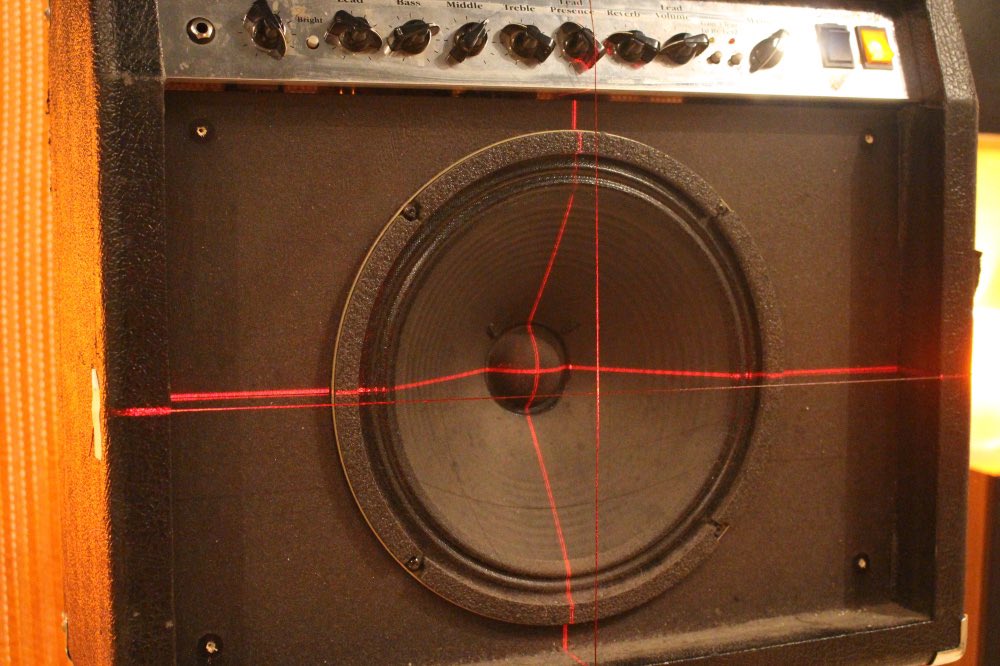
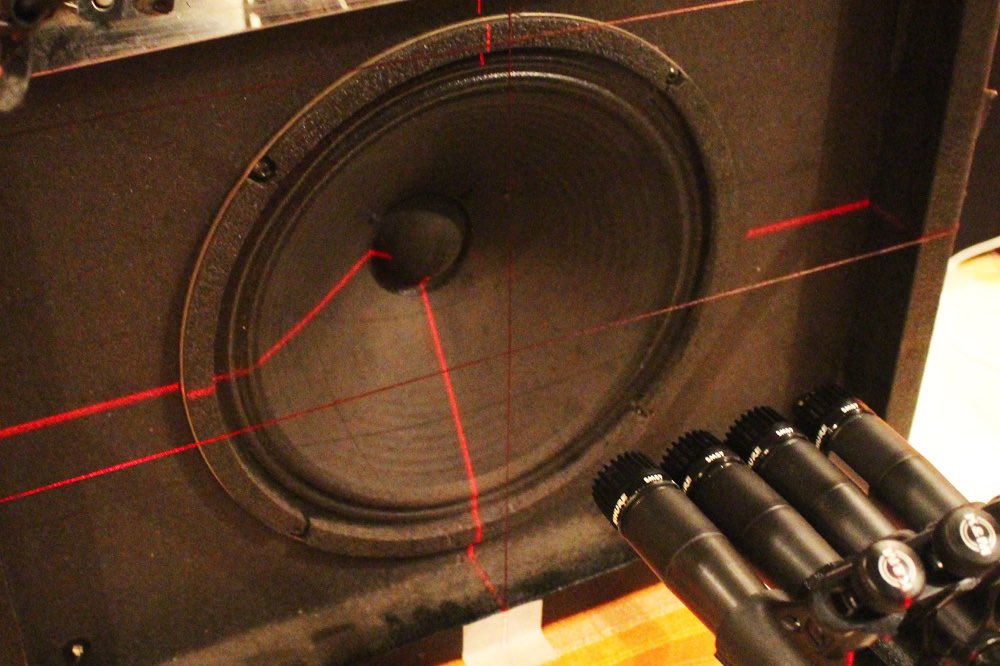
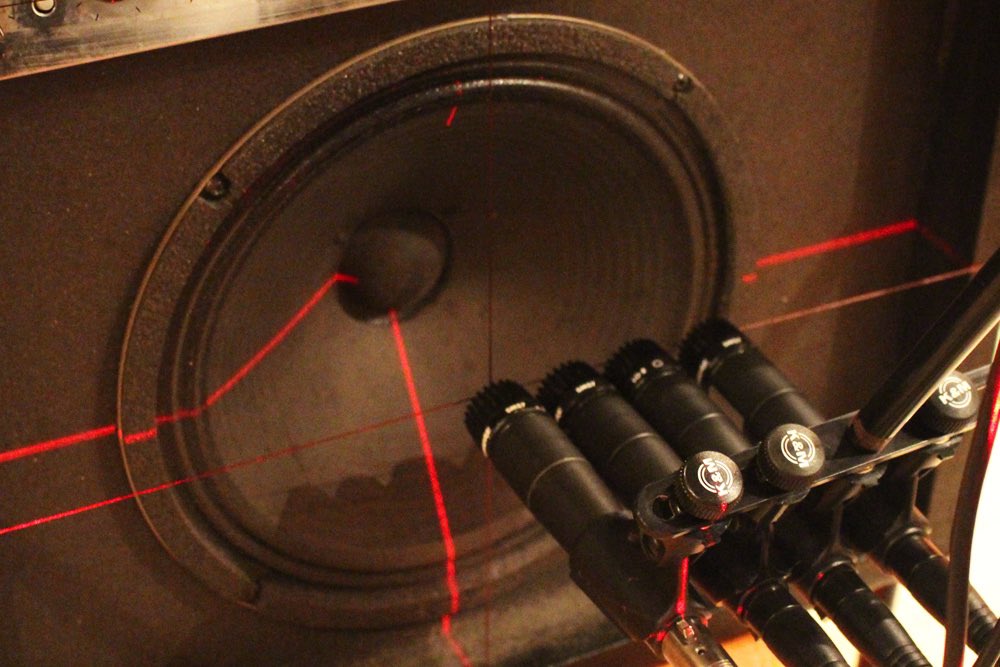
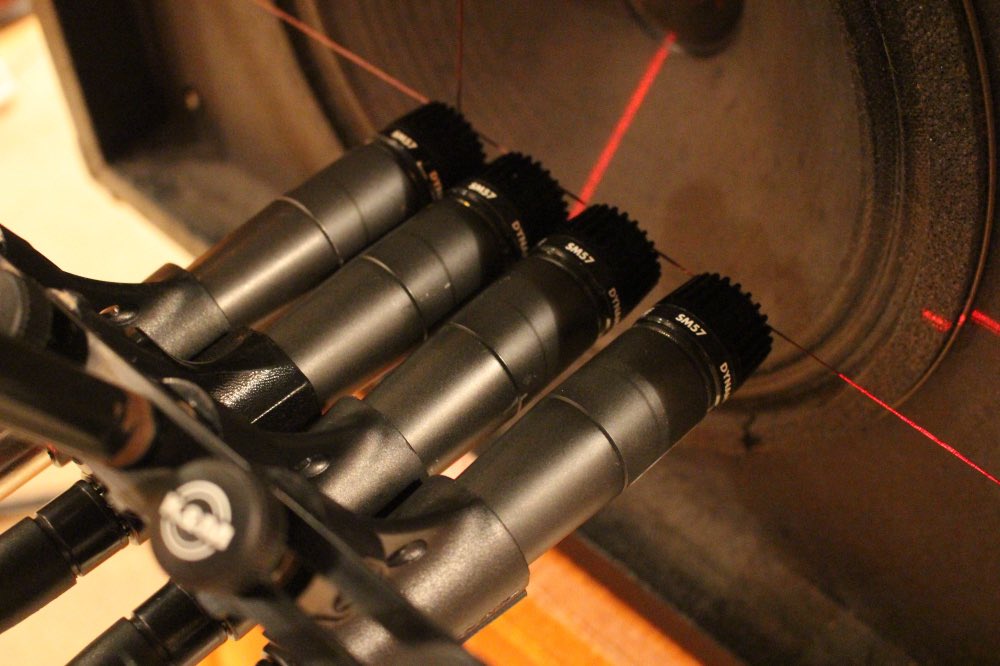
@edthesoundman Precision and accuracy... installing a 26 speaker Ambisonics systems with a theodolite. Every cone aligned to an origin point in the auditorium and phase aligned to null.
Kinicho tweet mediaKinicho tweet mediaKinicho tweet media
English
0
0
1
77
Eduard
Eduard@edthesoundman·
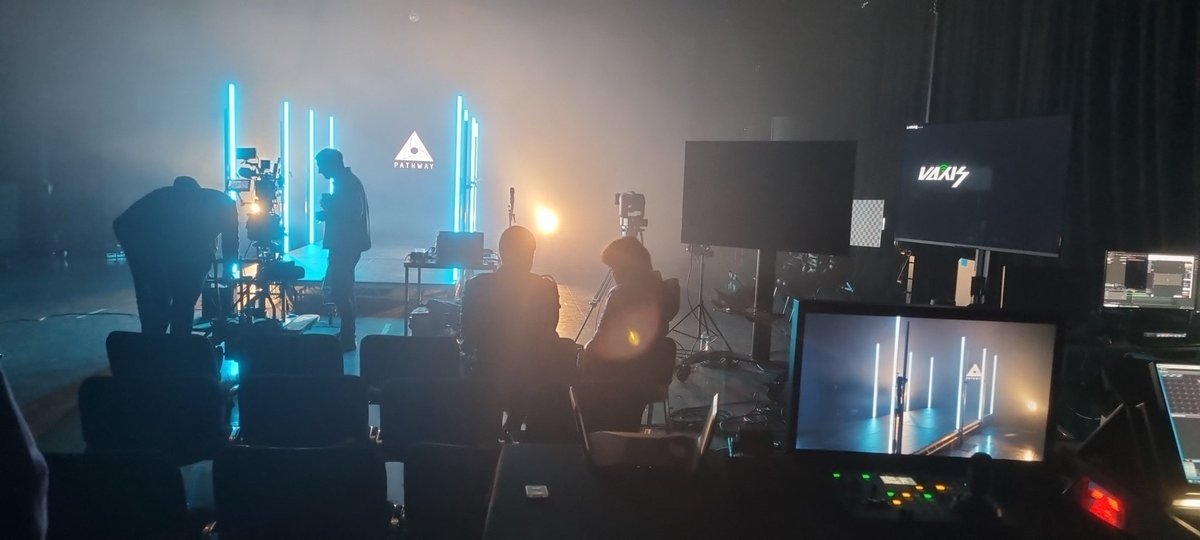
Thread and lasers—this is what separates the average engineers from the average engineers who use thread and lasers.
Eduard tweet mediaEduard tweet mediaEduard tweet mediaEduard tweet media
English
25
6
141
18K
Kinicho retweetledi
Ogg Vorbis
Ogg Vorbis@OggswaldVorbis·
youtube.com/watch?v=uZ9WQD… I'm always blown away by Dan Worrall. A simple, subtle tweak can yield a profound change in aural depth perception.
YouTube video
YouTube
English
0
1
0
173
Nima Zeighami
Nima Zeighami@NimaZeighami·
I think 3 things can be true simultaneously: 1. VR is not dead. It’s never been better and widely adopted as it is today. 2. Clickbait like this article are a core reason why the field of journalism has lost respect 3. VR has grown much slower than us in the industry expected
Nima Zeighami tweet media
English
25
5
80
9.3K
maya benowitz 🕰️
maya benowitz 🕰️@cosmicfibretion·
I have a feeling the 28th and 29th will go down in the history books in an unexpectedly wild way for the foundations of physics. Buckle up, we’re going for one helluva ride :)
English
370
343
5.9K
7.7M
Kinicho
Kinicho@kinicho·
@BBCRNS Can I listen to PostMatch of Forest on line?
English
0
0
0
90
BBC Nottingham Sport
BBC Nottingham Sport@BBCRNS·
Full time: Chelsea 2-2 Forest A brace for Awoniyi gives Forest a valuable point away at Stamford Bridge. #nffc
BBC Nottingham Sport tweet media
English
3
4
130
8.5K
Kinicho
Kinicho@kinicho·
Another VR social service bites the dust. Altspace is closing its doors. altvr.com/sunset/
English
0
0
0
121
Kinicho
Kinicho@kinicho·
@fesshole Thus, it is typical shirking. It takes more effort to shirk than to do the actual thing, but the psychological reward of shirking appears to validate the extra effort.
English
0
0
1
177
Fesshole🧻
Fesshole🧻@fesshole·
Like most men, I rarely wash my hands after a wee. After using the the office toilet cucbicle, I conduct a charade of running taps and activating the hand dryer to appear that I am washing them. This takes more effort than than an actual wash would.
English
634
90
8.2K
1.6M
Kinicho
Kinicho@kinicho·
View on the #Mersey this morning. Brunswick Dock toward Frodsham at Daybreak.
Kinicho tweet media
English
0
0
3
0
John Coghlan
John Coghlan@john_cogs·
The last few weeks have been a struggle for many (myself included) due to concerns over layoffs, midterm elections, increasing economic uncertainty, seasonal and time changes, and many other factors. What are your tips for weathering tough times?
English
4
2
8
0
Kinicho
Kinicho@kinicho·
I just got a follow-up survey to support query with @Calendly They asked a great opening question: if you were starting a support operation, how likely is it that you would hire the person who dealt with your case? That's such a good way to measure the level of support given.👏
English
0
0
1
0
Lynz
Lynz@lynzmusic·
@kinicho looks cool I’m interested!
English
1
0
1
0