Kirk Damman

2.3K posts

Kirk Damman

Kirk Damman

@kirkdmn

Patent Attorney, Crowdfunder, Startup Supporter, Craft Beer Fan, Localvore, and an Avid Gamer

St. Louis, MO Katılım Kasım 2010
322 Takip Edilen235 Takipçiler
Kirk Damman
Kirk Damman@kirkdmn·
@EconTalker To decrease congestion, one must either 1) decrease the number of cars or 2) increase the set point. Option 2) requires an external actor to pay into the system. Option 1 requires an internal actor to pay out of the system. A congestion tax is option 1 and costs the drivers.
English
0
0
0
6
Kirk Damman
Kirk Damman@kirkdmn·
@EconTalker Actually, I think you can simplify even more. The key to congestion is that as the number of cars increases, congestion (the number of cars) increases, but only if the number of cars is above a set point. That is, there is some number of cars below which there is no congestion
English
1
0
0
50
Russ Roberts
Russ Roberts@EconTalker·
Some people disagreed with my analysis of a congestion tax. I hope the following makes the intuition of my claim a little clearer. Martin Weitzman makes a similar point in a published paper. I can't find it yet. Not sure if I saw that first and I am saying nothing about his views about the desirability of a congestion tax. What's fun here is that I am doing this without the graphs which would probably make it a little clearer. Let's start with a simplified scenario to help show how some of the normal intuition economists have about externalities and Pigou taxes is a little bit different with congestion. Consider a road with a particular capacity—when there are 40 cars on it, traffic flows smoothly without congestion. Above 40 cars, traffic begins to slow down. Every day at rush hour, there are 50 cars making the trip and the trip takes a long time. Why does congestion occur? When there are 40 cars on the road and someone considers becoming the 41st driver, they evaluate: • Their value of the benefit from making the trip • The value of the time spent making the trip If benefits exceed costs, they make the trip. For other potential drivers (and there are many more than just these 50 who might drive.) What they don't consider is how they're slowing down all other cars on the road. This pattern continues until there are 50 cars on the road. At this point, traffic is so bad that even with the potential benefits, a 51st car won't join. The standard argument is that 50 cars is an inefficient number. There's an externality: drivers 41 through 50 aren't accounting for the costs they impose on others. Actually, it’s not meaningful to blame cars 41-50. All cars contribute to the slowdown and impose congestion externalities on each other. So 50 people make the daily trip from A to B during rush hour. They make this trip because it's worth it to them individually. However, if we could remove 10 cars from that road: • The 10 removed drivers would lose the value of their trip • The remaining 40 drivers would benefit from faster travel times • There would be a net gain— the value of the saved time for the 40 who make the trip is greater than the losses to the 10 who don’t make the trip. This is what economists mean by efficiency: 50 cars on the road are inefficient. The total value to the 50 possible drivers when 40 cars are traveling is higher than the total value when all 50 are on the road. If we could reduce the number of cars from 50 to 40, the time savings for the 40 remaining cars would outweigh the losses of the 10 who can no longer make the trip. The only reason those 10 made the trip before is that they didn't have to pay for the losses they imposed on the other 40 drivers. How do you reduce traffic from 50 to 40 cars? One way is to implement a congestion tax. (Let's set aside the practical challenges of determining the right number and dealing with demand fluctuations and many other interesting issues that are not essential to the intuition I’m trying to convey.) Here's what happens when you implement the tax: For the 10 drivers who stop using the road: They find alternatives (different routes, transportation methods, or change jobs, move etc) They are clearly worse off because if their alternatives were better, they would have chosen those alternatives originally For the 40 drivers who still use the road: • They benefit the trip takes less time from reduced congestion • They lose because they must pay the tax Which is bigger? What is the net impact on these 40 drivers of moving from a world with no taxes and traffic congestion to paying a tax and driving traffic-free? At least some if not many or even all drivers who continue to drive are worse off. How is this possible to know what any certainty? The tax's purpose is to discourage driving. The tax has to be high enough to discourage some drivers to stop driving. If the value of the time saved exceeded the tax burden, more people would drive not fewer. Because the tax successfully reduced traffic from 50 to 40 cars, the combined effect (tax minus time savings) must mean that on net, driving has become less attractive. (Note: Some individual drivers with high values of time might be better off, but the marginal drivers is worse off as well as all the inframarginal drivers (sorry for the jargon). And remember that there are many drivers who choose not to take this road beside the 10 who took it before the tax was imposed. If the decongestion outweighed the tax, they (and the 10 who have been discouraged) would use the road instead of being deterred. That they are not doing so is because it has become more costly to drive now that a monetary component has been added to the time component. This raises a puzzling question: What happened to our intuition about negative externalities? If we eliminated an externality, shouldn't society as a whole benefit? The answer is surprising: Drivers as a group (both those who stopped driving and those who still drive in the face of the tax) are worse off. The beneficiaries are those who receive the congestion tax revenue. The gains to the revenue recipients exceeds the losses to the drivers. The intuition: The government has a resource, a road. To use the resource of the road efficiently, you have to discourage some people from driving. That punishes even the people who still drive. The value of the resource is captured by people other than the drivers. Can't we just return the tax revenue to the drivers? This is problematic because: If you return it based on how much people drive, you undermine the tax's incentive effect You can try to return it as a lump sum, but it still affects incentives to some degree. Again, in the real world there may be ways to do this, but that's not the point of this note. I'm just trying to show you that the intuition here is tricky. Bottom line: A congestion tax essentially redistributes well-being from road users to others in society. While the total gains from such a tax exceeds the losses, there's something uncomfortable about this policy: To use a public resource (the road) most effectively, we must price it in a way that harms its users while benefiting others. This makes it a somewhat unattractive policy to me at least, despite its economic efficiency. Among other things, I am ignoring environmental effects or other issues. I am also ignoring the question of whether the government should build a toll road—create a priced resource that would help people with a high value of time. The goal of this example is to help you see that the example of traffic congestion as an externality has some unusual effects if you try to correct that congestion with a tax.
English
54
12
147
27.3K
Kirk Damman retweetledi
Greater St. Louis, Inc.
Greater St. Louis, Inc.@GreaterSTLinc·
St. Louis Metro Breaks Job Growth Record 🆕 @USDOL Report Shows 🆙 31,000 workers over 1 year ⚜️ STL is a top 10 metro for job growth for first time since 1990. "This news shows the rest of the country that the momentum building in St. Louis is real." bit.ly/3Wodmsh
English
4
35
140
11.9K
Kirk Damman retweetledi
USPTO
USPTO@uspto·
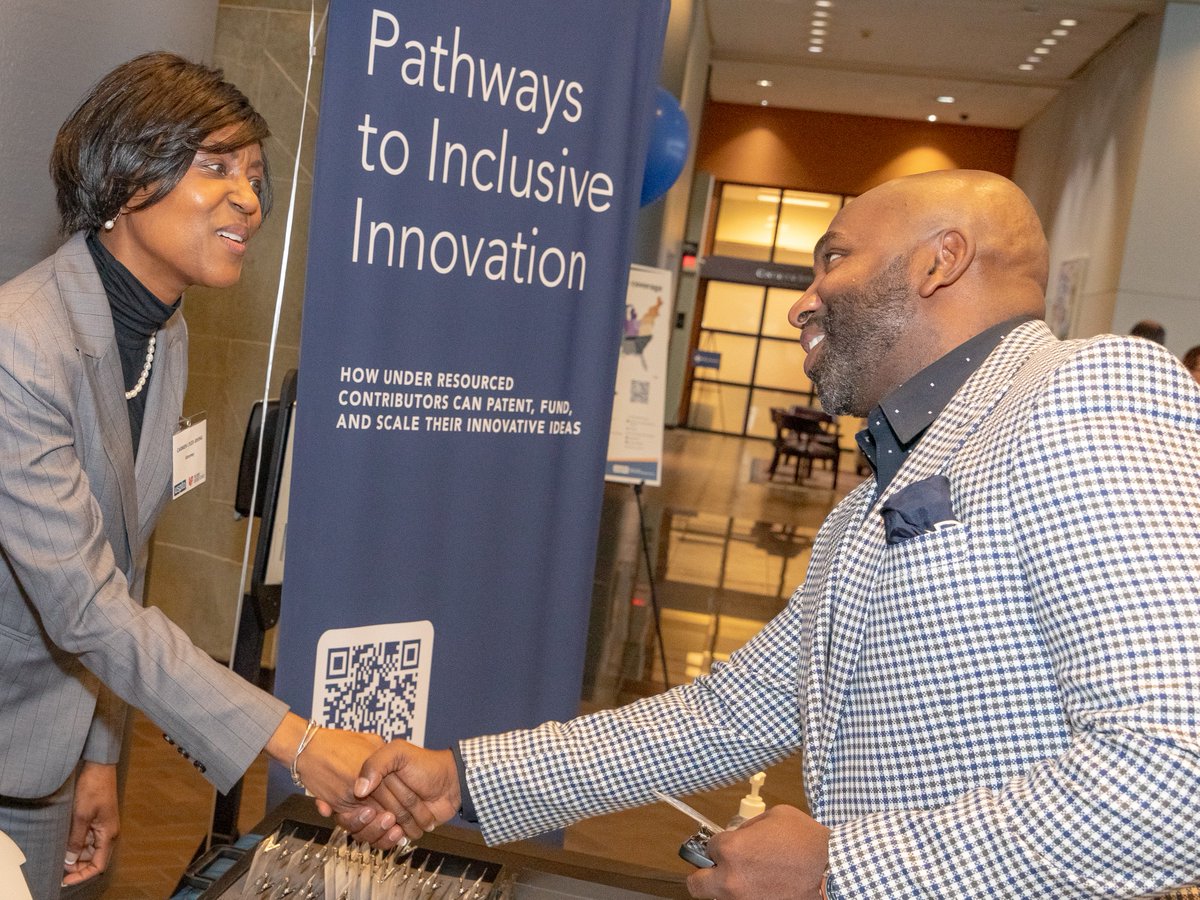
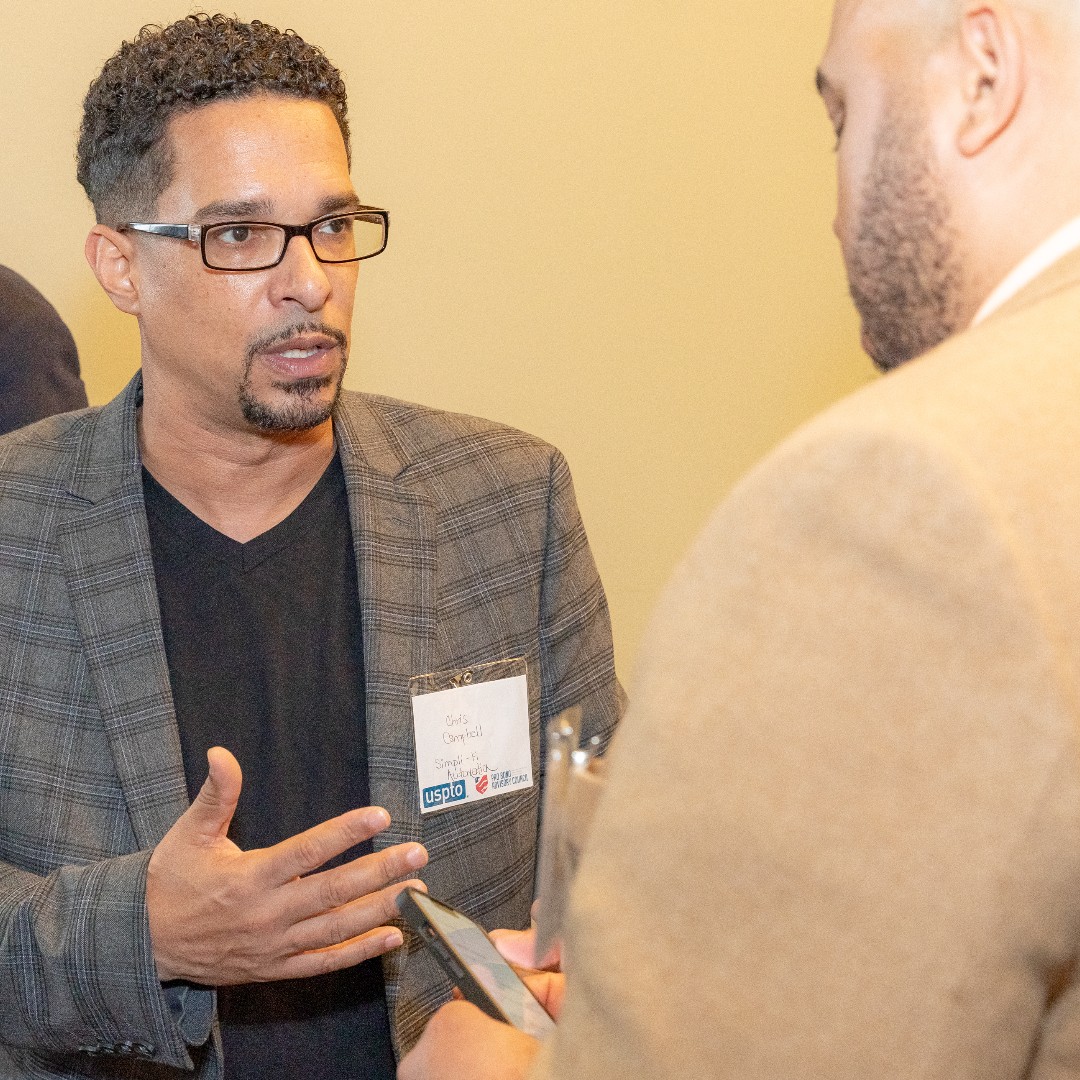
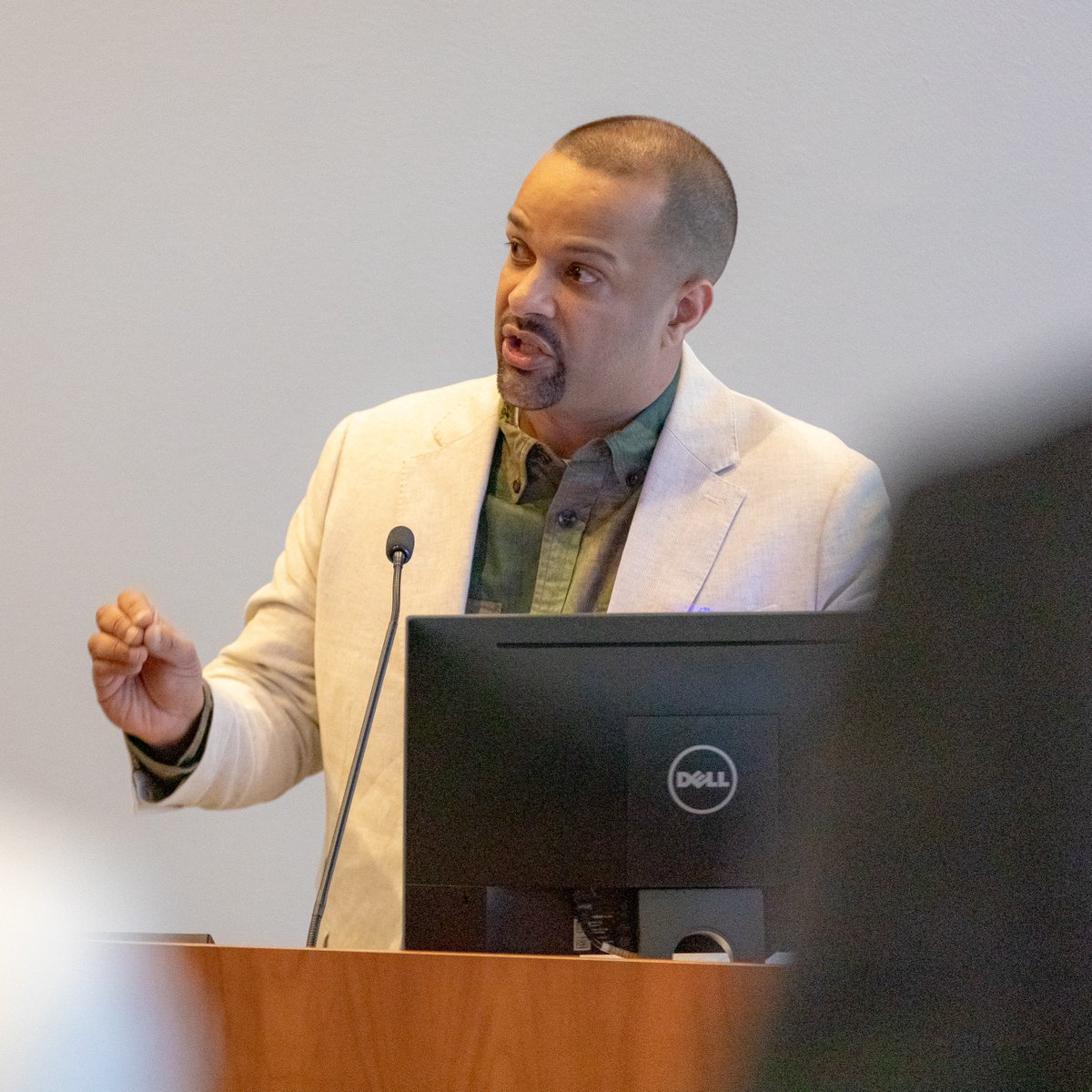
Thank you, Atlanta! WE had a great time connecting with inventors, patent lawyers and patent agents to share ideas to help underresourced inventors during our Patent Pro Bono Program: Pathways to Inclusive Innovation at @EmoryUniversity School of Law.
USPTO tweet mediaUSPTO tweet mediaUSPTO tweet mediaUSPTO tweet media
English
1
1
7
1.3K
Kirk Damman
Kirk Damman@kirkdmn·
@NEXTSTL This is a horrible idea. Specifically, why 10mph OVER the speed limit. If it’s for safety (“speed kills”) why not 5 over or even better yet, why not the speed LIMIT or 10mph under, or a straight 25mph or less?
English
0
0
0
15
Kirk Damman retweetledi
Los Angeles Times
Los Angeles Times@latimes·
“Squid Game” increased the value of Netflix by an estimated $900 million. It also made South Korean writer and director Hwang Dong-hyuk famous — but not rich. In his contract, he had forfeited all intellectual property rights and received no residuals. latimes.com/world-nation/s…
English
297
3.1K
8.2K
6.2M
Kirk Damman retweetledi
Feast Magazine
Feast Magazine@feastmag·
As the South Grand Dining District continues to grow, Gotham & Eggs is adding a family-friendly flair to the neighborhood. Co-owners Shanisah (Shani) and Jason Knight expect the comic-themed breakfast spot to open the first week of August. feastmagazine.com/restaurants/ne…
English
0
1
0
709
Kirk Damman retweetledi
Greater St. Louis, Inc.
Greater St. Louis, Inc.@GreaterSTLinc·
We're building energy, excitement & pride. Let's keep going, St. Louis. #STLMade
English
1
7
42
6.7K
Kirk Damman
Kirk Damman@kirkdmn·
B5 was probably the most influential show on television for me. I even own the whole thing on VHS (from when you got it via a subscription in the mail). Of course I want to see the reboot. #B5onCWin23
J. Michael Straczynski@straczynski

The fate of the #Babylon5 pilot may be decided end of this month. Though much of @TheCW was bought by @NXSTMediaGroup the decision also rests heavily with @WarnerbrosTV. If fans want to show their support for B5 & let them know you want this to happen, now is the time #B5onCWin23

English
0
0
0
0
Kirk Damman retweetledi
Greater St. Louis, Inc.
Greater St. Louis, Inc.@GreaterSTLinc·
.@PitchBook has just named #STL as the top market in the US for female-founded startups! Female-founded startups here have seen 187% growth in capital raised since 2020 — ranking us ahead of much larger markets. Help us share the good news! bit.ly/3UoWKyG
Greater St. Louis, Inc. tweet media
English
0
12
19
0
Kirk Damman retweetledi
theSTL
theSTL@in_thestl·
❤️💛💙
WashU@WashU

#STLMade: For new college graduates, the best cities in the U.S. to begin a career aren’t coastal— they’re in the Midwest. Which city tops the list as the best? #ItsInStLouis cnb.cx/3KwgRGD

ART
0
1
2
0
Kirk Damman
Kirk Damman@kirkdmn·
@cwarzel Further, once the “best” result is recognized, all “inferior” results will NEVER be provided. Thus, a perfect search system, once implemented, will eventually result in the searched object only including the single best answer.
English
0
0
0
0
Kirk Damman
Kirk Damman@kirkdmn·
@cwarzel I think you left out a possible cause. Because search results got better, there are fewer results available. Hard to explain in a tweet, but if any question asked of google has a “best” answer, then returning ONLY that “best” answer is technically a perfect search.
English
1
1
0
0