Kishan Patel DO

1.7K posts

Kishan Patel DO

Kishan Patel DO

@kispat

Em/Im/Ccm doc...tweets are my own opinion, not medical advice. skeptical #critcalcareenthusiast

United States Katılım Temmuz 2009
861 Takip Edilen170 Takipçiler
Kishan Patel DO retweetledi
Somalaram Venkatesh
Somalaram Venkatesh@serioustaurean·
For Cardiologists in India #ACC #AHA New Orleans should be marked as the most scientific meet. Disproved role of 1. Impella in STEMI 2. Impella in CHIP 3. LAAC vs OAC 4. CTO interventions All of us from the third world shouldn’t have FOMO. It’s all industry driven there
Somalaram Venkatesh tweet media
English
9
9
92
13.3K
Grok
Grok@grok·
Yes, the Bloomberg data checks out: the S&P 500 IT sector's forward P/E sits at a slim ~4% premium to the broader S&P 500—the lowest since Jan 2019 and down sharply from 47% in mid-2024. This makes tech relatively cheap vs the market for the first time in years (potentially undercutting the S&P 500 soon). Absolute valuations remain elevated though, so factor in earnings growth and macro risks. Solid setup for selective buys.
English
1
0
3
3.9K
The Kobeissi Letter
The Kobeissi Letter@KobeissiLetter·
US technology stocks have rarely ever been this cheap: The S&P 500 Information Technology index is now trading at just a 4% forward P/E premium to the S&P 500, the lowest since January 2019. This percentage has fallen -32 points since October 2025, one of the largest discounts on record. In other words, tech stocks are the cheapest relative to the broader market in 7 years. By comparison, the technology sector was ~47% more expensive than the S&P 500 at the June 2024 peak. Tech stocks are now on track to become cheaper than the S&P 500 for the 1st time since 2017. Is it time to buy tech?
The Kobeissi Letter tweet media
English
436
758
6K
802K
Kishan Patel DO retweetledi
Nick Mark MD
Nick Mark MD@nickmmark·
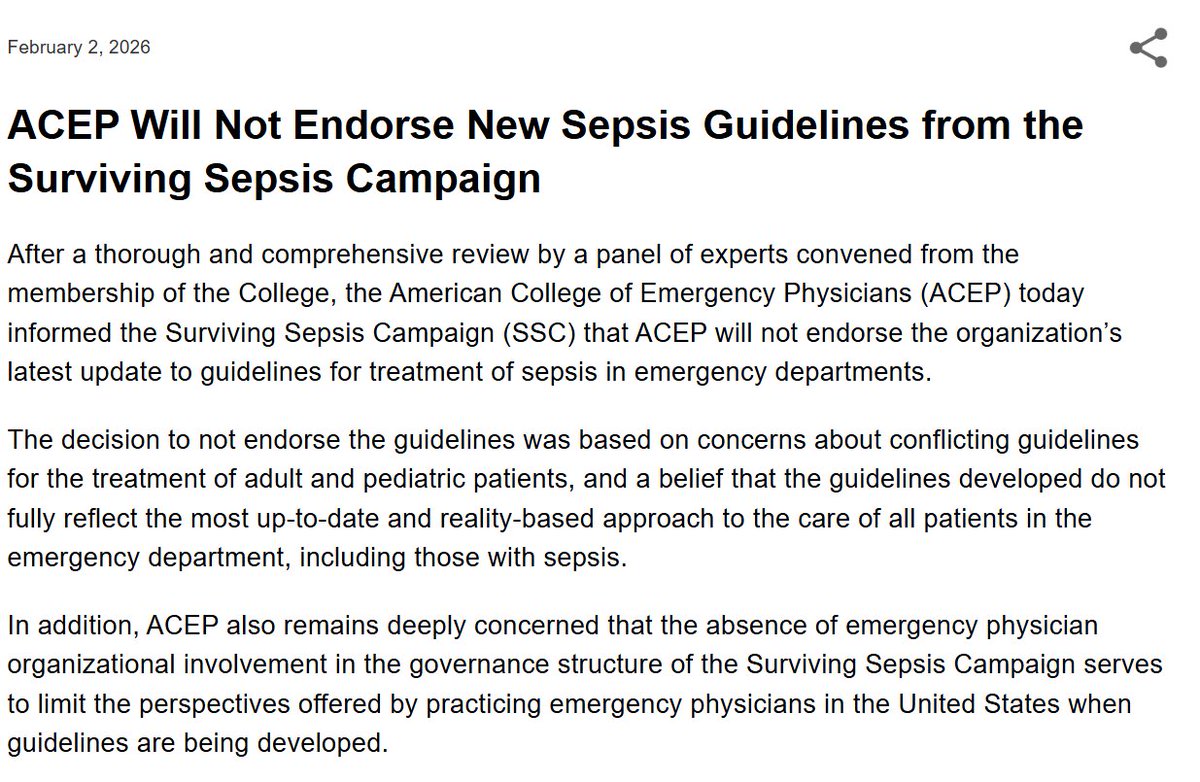
Surviving Sepsis has fallen so far. ACEP won’t even endorse the new guidelines.
Nick Mark MD tweet media
English
2
29
165
14.7K
Kishan Patel DO retweetledi
Andrew Lokenauth
Andrew Lokenauth@FluentInFinance·
Median family income in the US increased from $10,000 in 1971 to $106,000 today, a 10x increase. However, the median cost of homes increased from $25,000 to $445,000, a 17x increase. And the median cost of cars increased from $3,600 to $50,000, a 14x increase. The median cost of college increased from $2,900 a year to $45,000, a 16x increase. And the average cost of healthcare per person increased from $350 to $14,600, a 42x increase. THIS IS ABSOLUTELY INSANE.
skum@skumWgmi

You'd need to be paid $10,000 a week to have the same spending power as a kid working McDonalds in July of 1971 The math says it's that bad now

English
823
7.4K
25.6K
1.6M
Tito A
Tito A@GnT_Trades·
Been getting a lot of DMs if I would ever do a small account challenge. If so, I would do it built specifically for busy professionals who cannot sit in front of screens all day. The idea would be more structured swing setups with some daytrades, clear risk parameters, and a focus on slow compounding rather than too much active trading. I don’t have any set goals but would be fun to see how far we can take it. If that’s something you’d genuinely want to participate in, let me know. If there’s real interest, I’ll drop a waitlist link for our Trinity discord where I will run it later tonight with all the details
English
143
12
887
217K
Kishan Patel DO
Kishan Patel DO@kispat·
@legen_eth when they need something or plan for it. that’s what money affords those that are well off.
English
1
0
0
86
legen
legen@legen_eth·
I became a multi millionaire at 24. Retired my mom. Bought my dad his dream car. Moved to a $1m condo. Bought a cybertruck and basically “retired” myself. I did nothing besides working out and going out for 2 years. Tried traveling. It’s boring. Clubbing and partying. Also boring. Going to nice restaurants is cool but gets normal when you go every day. Spending money on cars and watches is lowkey dumb. Wtf do I need them for. Helping my family is probably the best thing money has done but besides that it doesn’t make much of a difference. Lesson is money isn’t as big of a deal as you think. Worry about doing something you love. Money is just a side effect of it.
English
347
81
2.4K
283.2K
Kishan Patel DO
Kishan Patel DO@kispat·
@legen_eth money isn’t everything but having money lessens day to day burden and stress of necessities especially when it can afford wants without blinking. people don’t want to/need to be billionaires or even multi millionaires, they want luxury of not having to look at their bank account
English
0
0
2
538
jason myers
jason myers@jasonmyersart·
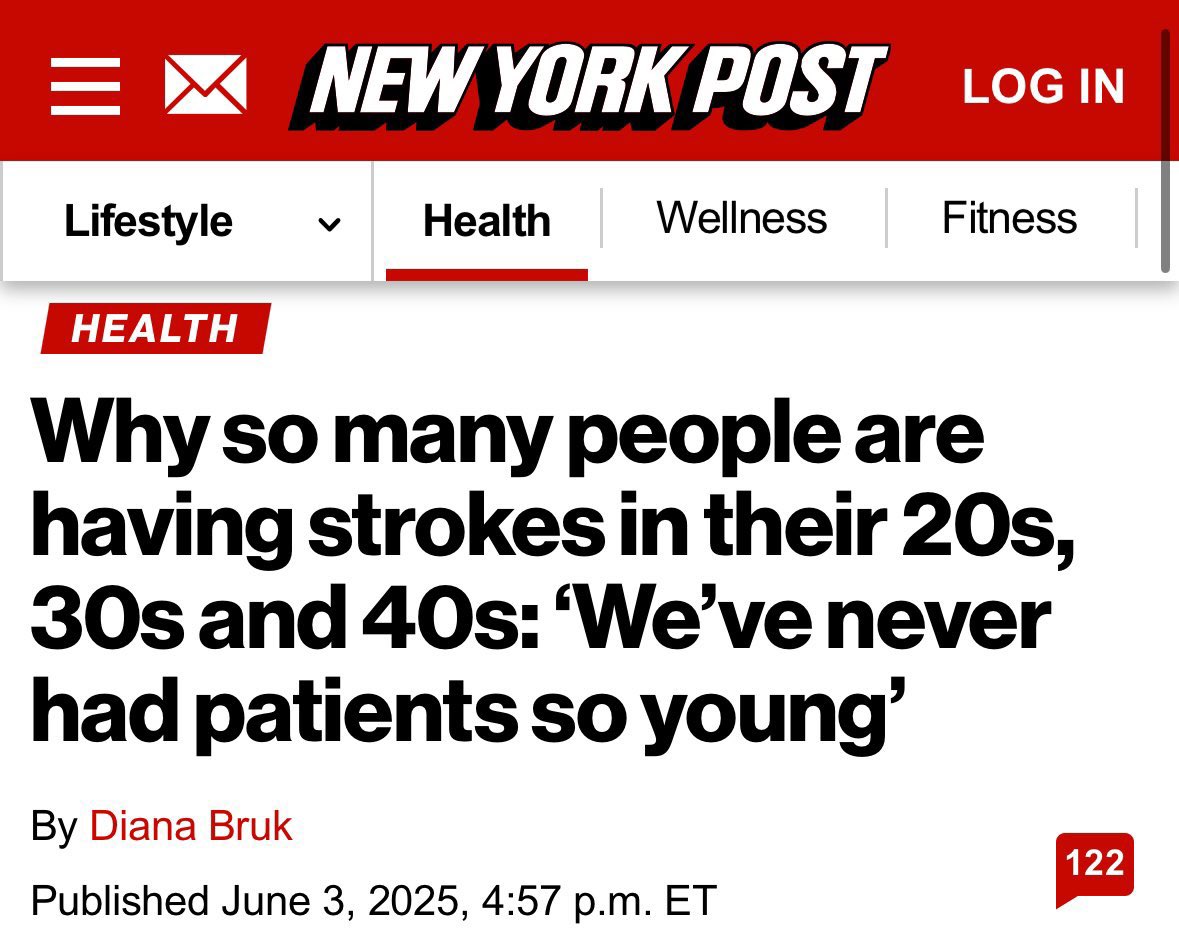
@kispat @goddek But all that was there in 2018, before the spike in youth strokes.
English
1
0
0
8
Dr. Simon
Dr. Simon@goddek·
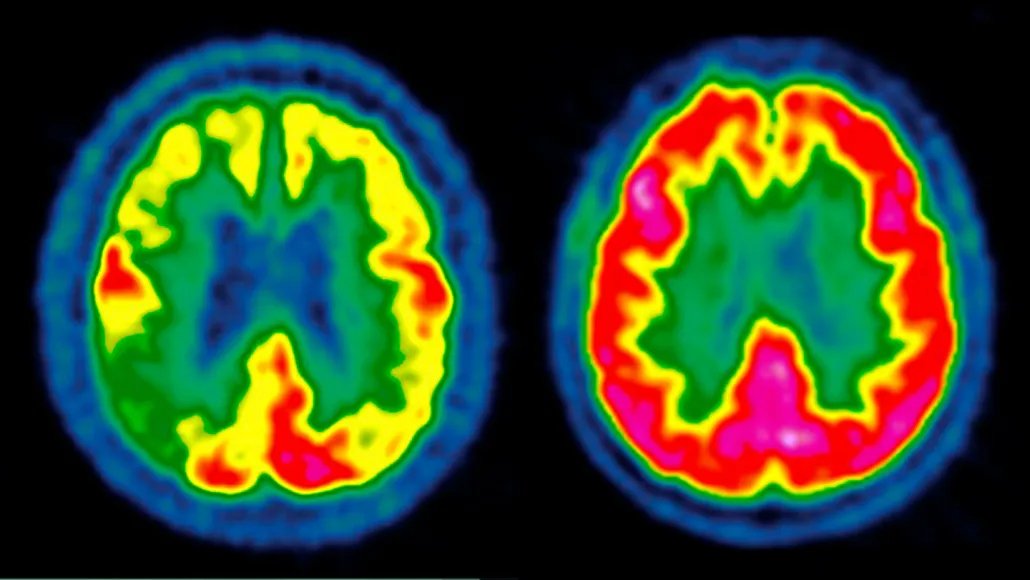
I don’t want to sound like a conspiracy theorist, but…
Dr. Simon tweet media
English
1.3K
3.1K
20.8K
1M
ZohaibAi
ZohaibAi@ZohaibAi__sf·
Tell me the number that is biggest then this 99.9% will fail
ZohaibAi tweet media
English
17.7K
255
3.2K
2M
Kishan Patel DO
Kishan Patel DO@kispat·
@docmartin22 @ValerieAnne1970 doesn’t fit the narrative. simply posting this and believers taking it as hard science and fact. actual data dredging takes work and effort. even @grok discuses lower risk with vaccine 🤦‍♂️
English
1
0
0
35
Matthew Martin, MD, FACS, McRIB
@ValerieAnne1970 Funny how you forgot to mention the other 90% of the results showing decreased urgent medical visits and hospitalizations in the vaccinated cohort. 🤷‍♂️
English
2
0
7
333
Valerie Anne Smith
Valerie Anne Smith@ValerieAnne1970·
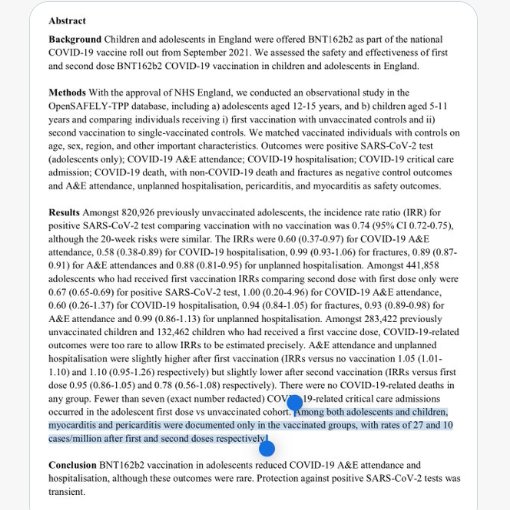
🚨Study involving 1.7 million children has found that Myocarditis & Pericarditis only appeared in children who had received COVID mRNA vaccines. Not a single unvaccinated child in the group suffered from these heart-related problems.
Valerie Anne Smith tweet media
English
525
8.5K
21.9K
1.6M
Kishan Patel DO retweetledi
The Real Truther
The Real Truther@thereal_truther·
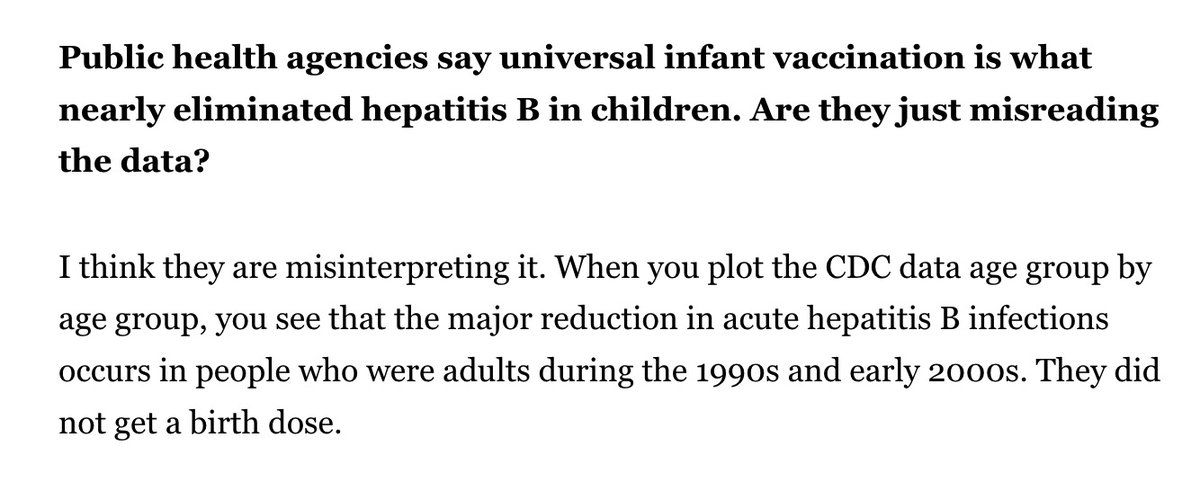
@RetsefL keeps peddling this lie. Why not acknowledge the USA tried the targeted approach first and it failed? In 1982, the CDC recommended a birth dose for all babies born to mothers infected with hepatitis B virus. That recommendation did nothing to change rates. In 1988, the CDC expanded the birth dose to include racial & ethnic groups at highest risk of hepatitis B virus infection (Alaskan Natives and Southeast Asian refugees). That didn't do much either. So they moved to a universal recommendation in 1991 and that's when we finally saw a real change. After the 1991 recommendation for universal infant vaccination, coverage in young children rapidly approached about 90% by 2000, and infection prevalence in children fell by roughly two‑thirds to four‑fifths within a decade. If safer injection, blood screenings & and safer sex were the main causes, you would see similar proportional declines in older, mostly unvaccinated adults but you do not. Instead, the steepest drops are in vaccinated children & adolescents, while older unvaccinated adults retain higher incidence & chronic infection rates, which directly contradicts the claim that other interventions drove the decline. Acute Hep-B incidence began falling in the mid-1990s among children as 1991+ birth cohorts entered reporting ages (for example 4-5 by 1995-96), with overall cases dropping 99% in kids/teens over two decades due to birth dosing! Birth-dose coverage hit ~80% by 1994 and >90% soon after. Perinatal and early childhood transmission (the main routes in kids) were blocked from day one by the birth dose + series. By 2005, the age 11 group (born around 1994) largely received birth doses post-1991 rollout, while age 15 (born around 1990) mixed pre/post-policy births but benefited from early series completion enabled by birth dosing, which boosted full immunization rates. The big drop in pediatric rates happened exactly when the first vaccinated cohorts entered those age groups, not years later. CDC data confirm plummeting perinatal infections from thousands to single/low-double digits after 1991, directly tied to birth doses reducing transmission by around 70% alone (83-97% with immune globulin), with protection lasting 35+ years.
The Real Truther tweet mediaThe Real Truther tweet media
English
7
11
55
2.7K
Nicolas Hulscher, MPH
Nicolas Hulscher, MPH@NicHulscher·
🚨BREAKING: 51 Million-Person Study Finds COVID-19 “Vaccines” Increase Risk of Respiratory Infections by up to 559% Landmark study of the ENTIRE South Korean population reveals a VAIDS signal — a dose-dependent rise in the common cold, upper-respiratory infections, pneumonia, and tuberculosis among the vaccinated. Those that received 4+ COVID shots suffered: 📈Common Cold ↑ +559% (children 0–19) 📈Upper-Respiratory Infections ↑ +83% (children 0–19) 📈Pneumonia ↑ +91% (COVID-negative group) 📈Tuberculosis ↑ +35% (COVID-positive group) Even after adjusting for age, sex, income, comorbidities, prior infection, and time since vaccination, the dose-response trend remained linear and unmistakable. These findings point to immune exhaustion, IgG4 dominance, and secondary immunodeficiency following repeated mRNA exposure — consistent with vaccine-acquired immune dysregulation (VAIDS). Apparent reductions in Influenza-Like Illness (ILI) and Pertussis are almost certainly statistical artifacts driven by healthy-user bias, diagnostic-coding overlap, and case misclassification. Crucially, the study’s national ARIMAX time-series revealed a 46-fold surge in confirmed pertussis cases across Korea during 2023, directly contradicting any notion of real-world protection. Because the “control” group included single-dose recipients, the true increase relative to the completely unvaccinated population is likely even greater than reported. Across an entire national dataset, each additional COVID-19 “vaccine” dose corresponded to a higher probability of non-COVID respiratory infection — most severely among children. This study reveals that COVID-19 “vaccines” have eroded immune function across an entire country — and likely the entire globe.
Nicolas Hulscher, MPH tweet media
Nicolas Hulscher, MPH@NicHulscher

🚨VAIDS Explains Why EIGHT Studies Show mRNA Booster Shots Dramatically increase Infection Risk 1️⃣Dorr et al - Study of 1,745 healthcare workers finds mRNA boosters raise risk of influenza-like illness (flu, COVID, other viruses) by up to 70% and increase workdays lost by 50%. 2️⃣Shrestha et al (Cleveland Clinic) – The risk of COVID-19 increased with the number of vaccine doses received. Individuals with one prior dose had a 107% higher risk (HR = 2.07, 95% CI: 1.70–2.52), while those with more than three doses faced a 253% higher risk (HR = 3.53, 95% CI: 2.97–4.20). 3️⃣Feldstein et al (CDC) – Children vaccinated with Pfizer-BioNTech without prior SARS-CoV-2 infection were 159% more likely to get infected (HR = 2.59, 95% CI: 1.27–5.28) and 257% more likely to develop symptomatic COVID-19 (HR = 3.57, 95% CI: 1.10–11.63) compared to unvaccinated children without prior infection. 4️⃣Perez et al - More mRNA doses → more IgG4 (↑11x) → higher risk of infection (↑1.8x). 5️⃣Ioannou et al – Vaccine effectiveness (VE) against documented SARS-CoV-2 infection was -3.26% (95% CI, -6.78% to -0.22%), meaning vaccinated individuals had a statistically significant higher infection rate than the unvaccinated control group. 6️⃣Nakatani et al – Vaccinated individuals had an 85% increased odds of infection compared to the unvaccinated (OR = 1.85, 95% CI: 1.33–2.57). 7️⃣Eythorsson et al – Those who received two or more doses had a 42% higher risk of reinfection than those with one dose or less (95% CI: 1.13–1.78). 8️⃣Chemaitelly et al – The effectiveness of Pfizer-BioNTech (BNT162b2) against symptomatic BA.1 and BA.2 Omicron infections dropped from 46.6% and 51.7% (1–3 months post-dose) to -17.8% and -12.1% (≥7 months). Moderna (mRNA-1273) declined from 71.0% and 35.9% to -10.2% and -20.4% over the same period.

English
157
3K
5.5K
876.5K
Kishan Patel DO retweetledi
Simon Maechling
Simon Maechling@simonmaechling·
THIS IS HOW SCIENCE WORKS Two huge clinical trials just delivered bad news: GLP-1 drugs - the Ozempic-style “miracle meds” - failed to slow Alzheimer’s. Yes, failed. And this is exactly what real science looks like. For years, anecdotal reports + early studies hinted at something exciting: • People said they felt “sharper” on GLP-1s. • Small trials hinted at cognitive benefits. • Animal studies looked promising. • Real-world data suggested protection. Hope was real - and reasonable. But hope ≠ evidence. So scientists did what responsible scientists do: They ran two massive, well-designed, placebo-controlled trials. Nearly 4,000 patients, followed for two years, all early-stage Alzheimer’s. The question: Can semaglutide actually slow the disease? The answer: No. Not in this population, not at this dose, not in this form. There were tiny biomarker changes - signals that something might be happening biologically. But clinically? Zero difference. No better memory. No slower decline. No measurable benefit. A clean, unambiguous result. That’s what gold-standard data does: it cuts through noise. And yes - this is disappointing. Researchers who helped invent GLP-1s hoped this would work. Patients hoped. Families hoped. But science doesn’t care about hype or headlines. It cares about truth. And today’s truth is simple: GLP-1s don’t slow Alzheimer’s - at least not like this. Is this the end? Not at all. Scientists are already asking the next questions: • Wrong dose? • Wrong timing? • Wrong population? • Not enough drug reaching the brain? • Maybe GLP-1s help prevent, not treat? • Or maybe we need better molecules entirely? Each “failure” narrows the path toward a breakthrough. This is the opposite of pseudoscience. No excuses. No YouTube gurus. No cherry-picking. Just data → conclusion → next hypothesis. It’s slow. It’s painful. It’s frustrating. But it’s honest. The Alzheimer’s field didn’t collapse today. It adjusted. It recalibrated. It moved forward. Real science isn’t a straight line. It’s a messy, disciplined climb toward answers that actually help people - not ones we wish were true. So yes, GLP-1s stumbled. And that’s fine. Because this is how science works: We test big ideas. Most fail. Some don’t. But every trial - even the disappointing ones - pushes us closer to something that will work.
Simon Maechling tweet media
English
183
697
3.3K
126.9K
Kishan Patel DO retweetledi
Mike Young
Mike Young@micyoung75·
Putting “no risk” in all caps does not magically turn it into a medical fact. The newborn Hep B recommendation exists because when transmission does occur—especially undetected maternal infections—the outcomes are catastrophic. That’s why every major medical association supported universal vaccination, and why countries that tried selective screening ended up reversing course once preventable infections surged. Pretending the ACIP vote is a triumph of science instead of the result of political pressure and a gutted advisory process is the sort of thing you say when you want to cosplay as a public health visionary without doing any of the work. And the idea that the childhood vaccine schedule has been some reckless gauntlet of “72 jabs” is a talking point straight out of Famine’s merch store. It deliberately ignores dose grouping, decades of safety data, and the basic reality that vaccines replaced the diseases that used to fill pediatric ICUs. If this administration’s new strategy is “other countries do less, so maybe we should too,” then buckle up, because that logic works great until the outbreaks arrive. Science is not a vibe check, and national health policy should not be reverse-engineered from the comments section.
English
9
2
27
1.1K
Kishan Patel DO
Kishan Patel DO@kispat·
dark days ahead with rise in diseases that were suppressed minimized with current standards. darwin said it best and we will c some of this pan out in decades to come. reversing decades of progress in one fell swoop. what a time we live in
English
0
0
0
17
Wall Street Mav
Wall Street Mav@WallStreetMav·
🚨Pediatricians receive bonuses of between $200 to $600 per child for vaccines, with some earning over $1 million annually. In a shocking Senate hearing, Senator Ron Johnson, Polly Tommey, and Dr. Brian Hooker revealed how pediatricians receive financial rewards for promoting vaccinations—often overriding parents’ rights and ethical medical standards. If parents refuse vaccines, many pediatricians drop families because they are required to reach a certain percentage of total patients vaccinated. The lies they will claim: “Your newborn will bleed out without Vitamin K!” “Your child will die of cancer without the HPV shot!” Do your research before allowing any of these experimental vaccines to be injected into your children.
English
572
7K
17.1K
724.8K