Karl Krispin

35.8K posts

Karl Krispin banner
Karl Krispin

Karl Krispin

@kkrispin

Escritor. Liberal. https://t.co/1ljcetrN1P. IG: @karlkrispin Escribo en @zendalibros y @culturalestilo Elon Musk me arrebató la verificación azul.
Katılım Haziran 2009
2.8K Takip Edilen14.1K Takipçiler
Karl Krispin
Karl Krispin@kkrispin·
@Juanegron Qué equivocados están con ese discurso racista y despreciable.
Español
0
1
10
256
Juan Pablo González 🇻🇪
ATENTOS | Desde Madrid se escucha fuerte y claro lo que queremos todos los venezolanos: “Fuera la mona, fuera la mona” Que buen sábado.
Español
908
1.4K
5.1K
1M
Karl Krispin retweetledi
James Martin, SJ
James Martin, SJ@JamesMartinSJ·
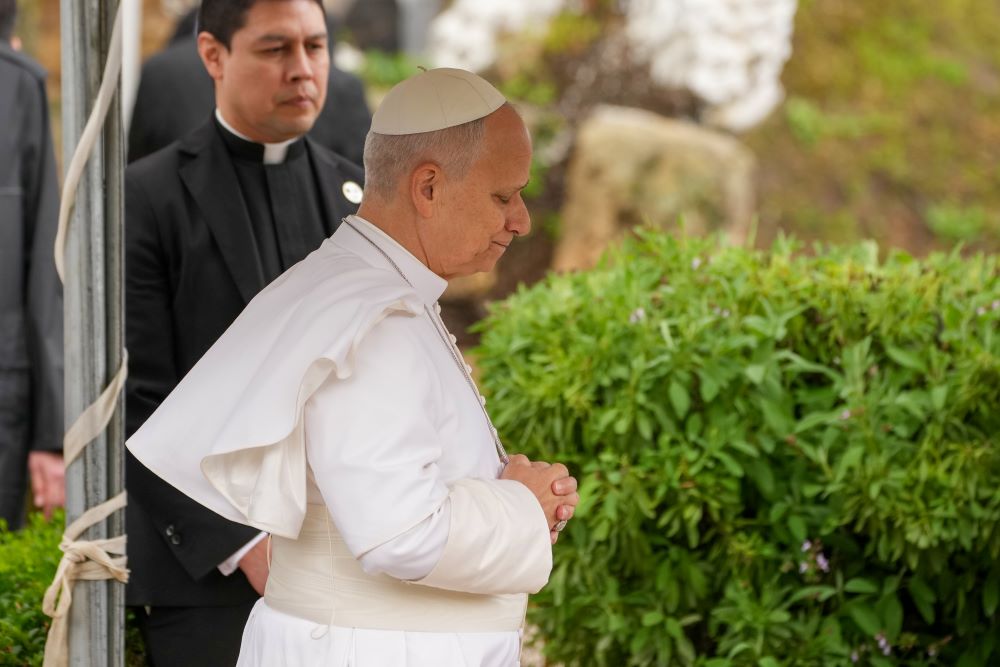
Yes, he really said that. Yesterday Vice President JD Vance criticized Pope Leo XIV for not knowing enough theology: "I think it's very, very important for the pope to be careful when he talks about matters of theology ... If you’re going to opine on matters of theology, you’ve got to be careful, you’ve got to make sure it’s anchored in the truth," he said, at a Turning Point conference. One of the many, many, ironies about that statement is that it came in response to Pope Leo's comments about war and peace and, specifically, the concept of "just war," which originated with St. Augustine. As many have already noted, when the Vice President was making his comments, Pope Leo XIV, a member of the Augustinian Order, and twice Prior General of the Augustinians before his election as Pope, was visiting the hometown of St. Augustine, then called "Hippo," now in Annaba, a town in modern-day Algeria. For good measure, Pope Leo XIV, the man critiqued for insufficient theological education, earned not only a master's degree in divinity, but also licentiate and a doctorate in canon law from the Pontifical University of St. Thomas Aquinas in Rome. JD Vance's recent conversion to Catholicism is beside the point, because many converts are of course not only highly intelligent (and learned in theology) but faithful and energetic Catholics. We rejoice over everyone entering the church. What most of us do not rejoice over, however, is a deadly combination of inaccuracy and hubris. Pace, Vice President Vance, but the current war in Iran is not a just war under Catholic doctrine. You can hear that from church leaders from across the theological spectrum, from Archbishop Timothy Broglio, the head of the military vicariate and former head of the @USCCB, to Cardinal Robert McElroy, Archbishop of Washington who holds doctorates in both theology and political science. You can look all that up online. Suffice to say, the Vice President doesn't seem to understand the tenets of just war. Nor does he seem to understand the fundamental position of the church, which is for peace. "War is always a defeat for humanity," as St. John Paul II said. If that authority isn't enough, then turn to Jesus who said, "Blessed are the peacemakers," not "Blessed are the warmongers." And after the Resurrection, the Risen Christ says to the frightened disciples not "Vengeance is mine" but "Peace be with you." Incidentally, the day before, the Vice President said that the Pope (and the Vatican) should stick to teaching about morality, also seeming to forget that war and peace are profoundly moral issues. For his part, Pope Leo was focused yesterday on his spiritual father, St. Augustine. After what seemed like an emotional visit to Hippo, he celebrated Mass at the Basilica of St. Augustine in Annaba. During his homily he said, "The primary task of pastors as ministers of the Gospel is therefore to bear witness to God before the world with one heart and one soul, not permitting our concerns to lead us astray through fear, nor trends to undermine us through compromise." Amen. Let's all continue to pray for the Holy Father as he works for peace. (Image: Pope Leo XIV prays at the archeological ruins of Hippo, home of St. Augustine, in current-day Algeria. CNS photo).
James Martin, SJ tweet media
English
775
2.4K
9.1K
554.5K
Karl Krispin
Karl Krispin@kkrispin·
@Juanmanuelmaci Maravilloso tuit. Nos aleja del ruido contemporáneo para dejarnos en la orilla de un rumor antiguo. Muchas gracias.
Español
1
0
2
127
Juan Manuel Macías
Juan Manuel Macías@Juanmanuelmaci·
Ignoramos cómo sonaba el hexámetro antiguo. Hemos perdido para siempre su latido, su respiración y su tacto y nos ha quedado un simple esquema gráfico, un arquetipo o un esqueleto. Por supuesto, podemos sospechar que un verso nacido para las largas narraciones y esas noches interminables que prefería el rey Alcínoo tendría que ser de todo menos monótono. Pensemos en el rumor del mar, la lluvia amartillando el tejado o el viento caprichoso moviendo las ramas. El oído parece percibir ciertos patrones que se van sucediendo bajo la prosa de la naturaleza. Así el auditorio de Homero, probablemente (y subrayo esto, porque aquí sólo podemos divagar), sentiría un ritmo soterrado bajo el flujo de una prosa hipnótica y envolvente. El hexámetro entonces tendría un aire más cercano a los versículos de Saint John Perse que a esas imitaciones acentuales modernas, la cuales, en el mejor de los casos, sólo producen versos discernibles a partir de nuestra propia prosodia, sin necesidad de invocar nincún plus de emulación. Una cosa creo que tenemos clara. El ritmo de la poesía o es natural y emana de la fonología y la prosodia de la lengua, o no es ritmo ni es poesía ni es nada. No sabemos qué entendían los griegos y romanos antiguos por sílabas largas y breves. Es decir, no tenemos clara la duración. Desde luego, no resultaría en una aritmética perfecta: los antiguos no eran secuenciadores andantes, pero sí está claro que podían distinguir una sílaba larga de una breve, de la misma forma que nuestro oído distingue "canto" de "cantó". Asimismo su oído entendería como algo natural que las dos sílabas breves del tiempo débil del dáctilo pudieran resolverse en una sílaba larga, que producía una variación en el ritmo. Para mi traducción de la Odisea (La Oficina 2024) sentí que nuestro octosílabo ibérico era el perfecto heredero del hexámetro, al menos para cumplir esa misma función expansiva y así adaptarse a las largas narraciones, como lo prueba con creces nuestro rico romancero. El octosílabo, en efecto, es natural a la lengua hablada y admite incontables variaciones. Igualmente, es muy cercano a la prosa (sobre todo sin el cascabeleo de las asonancias), pero el oyente vuelve a percibir por debajo un ritmo vertebral. No me limité, sin embargo, a una simple tirada de octonarios castellanos (8 + 8 con cesura). A veces necesitaba modular y adaptarme al oleaje de Homero, a sus sosiegos y a sus marejadas. Así que también eché mano a demanda de otros versos: decasílabos, dodecasílabos, octosílabos puros, incluso formas más libres de octonarios "imperfectos" o versos de arte mayor asimétricos (10 + 5 con cesura, entre otros), con un ojo puesto en la métrica irregular del Poema de Mio Cid. Pero volvamos al hexámetro. El vídeo es un pequeño experimento que hice el otro día con un secuenciador digital. Usé el sonido de un bajo con notas largas y breves para intentar representar el ritmo original del primer verso de la Odisea (repetido tres veces). También añadí una pausa para marcar la cesura "femenina" tras la palabra Mοῦσα en el tercer pie. No lo vean en términos de fidelidad (ya dije que el hexámetro no es aritmética) sino más bien como un ejemplo de percepción: cómo se sentiría *tal vez, de forma aproximada* la duración frente a la intensidad de nuestros versos. De todas formas lo intensivo podría jugar cierto papel enfático en los hexámetros, si bien no sabemos a qué nivel. Todo lo dicho es con trazo grueso, claro, y pasar lista a las diferentes teorías e hipótesis nos llevaría más allá de los límites de este post.
Español
16
82
381
23.1K
Karl Krispin retweetledi
Cayetana Álvarez de Toledo
Cayetana Álvarez de Toledo@cayetanaAT·
Las culpas no son colectivas ni retroactivas. Sobre España y el perdón. Sesión de control, 12.11.25
Español
125
883
2.6K
62.9K
Karl Krispin
Karl Krispin@kkrispin·
@gash276 Y si a esto le agregamos todos los que escuchan sus celulares a todo volumen …
Español
2
0
1
62
Karl Krispin
Karl Krispin@kkrispin·
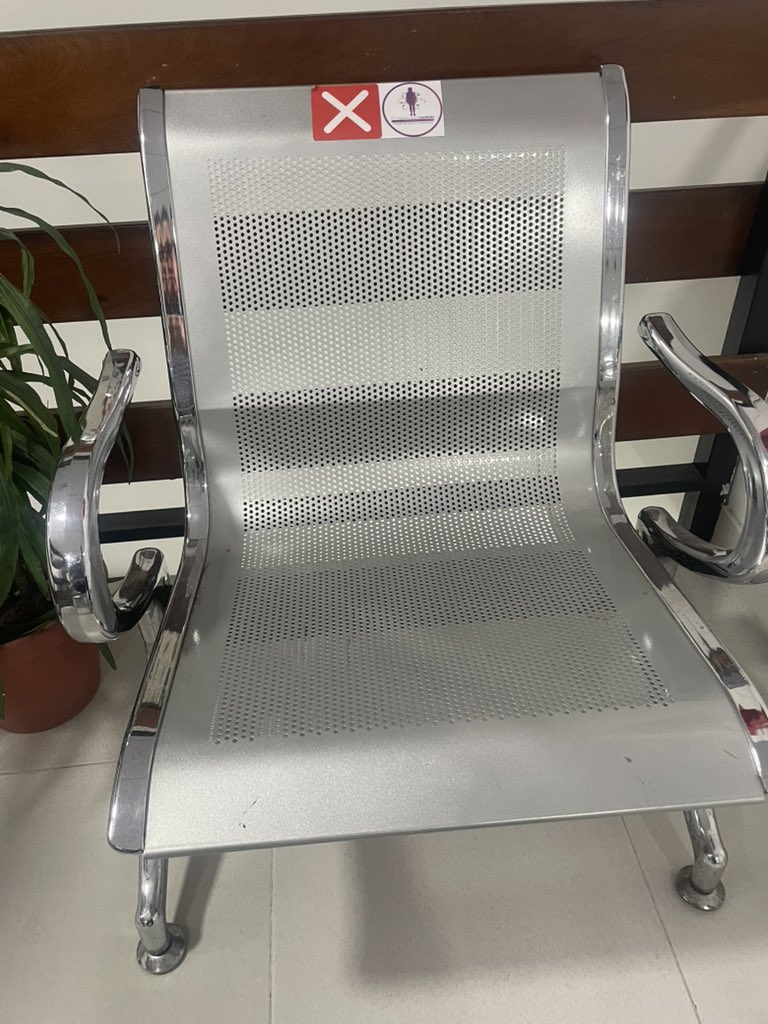
¿Qué clase de torturadores y enemigos del bienestar han diseñado, fabricado y escogido estas anti sillas para los consultorios o sitios de espera?
Karl Krispin tweet media
Español
2
0
18
1.2K
Karl Krispin
Karl Krispin@kkrispin·
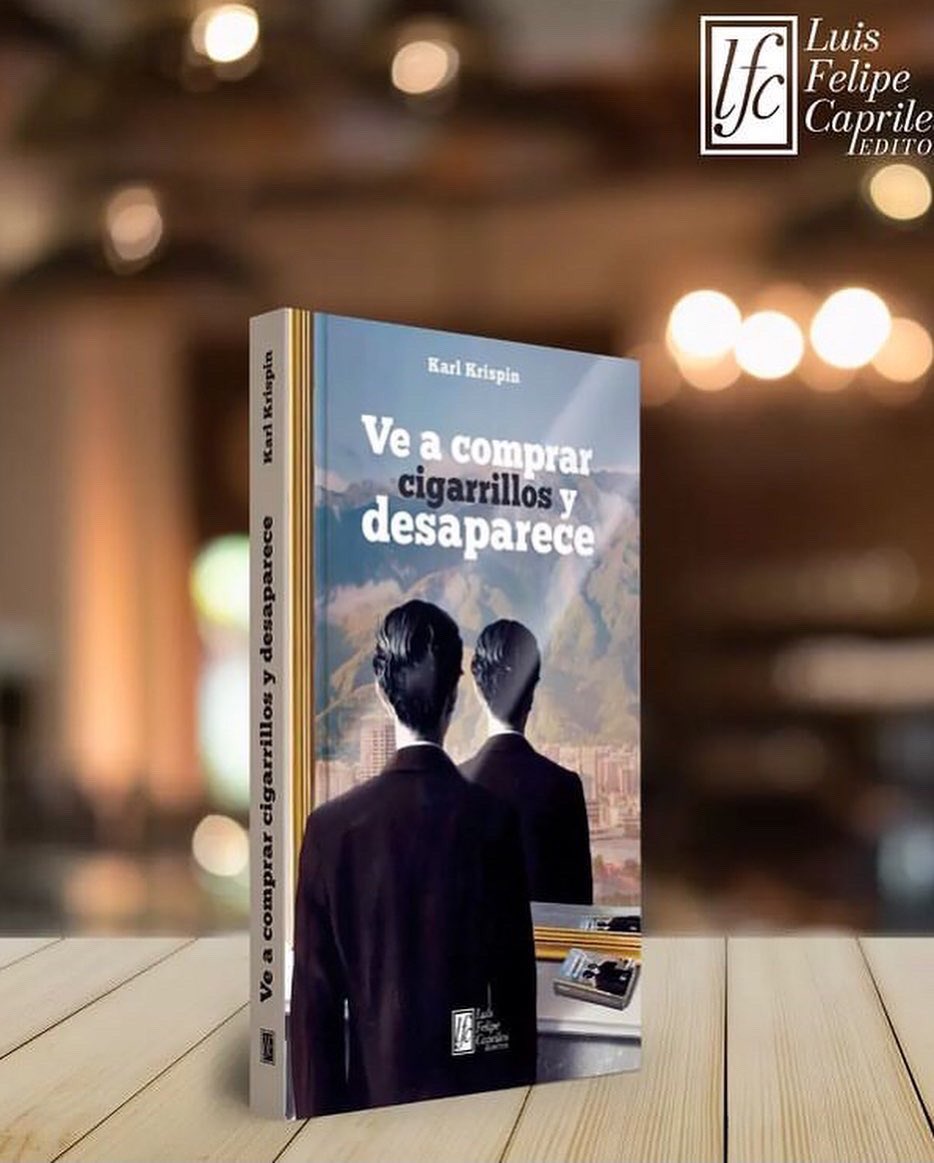
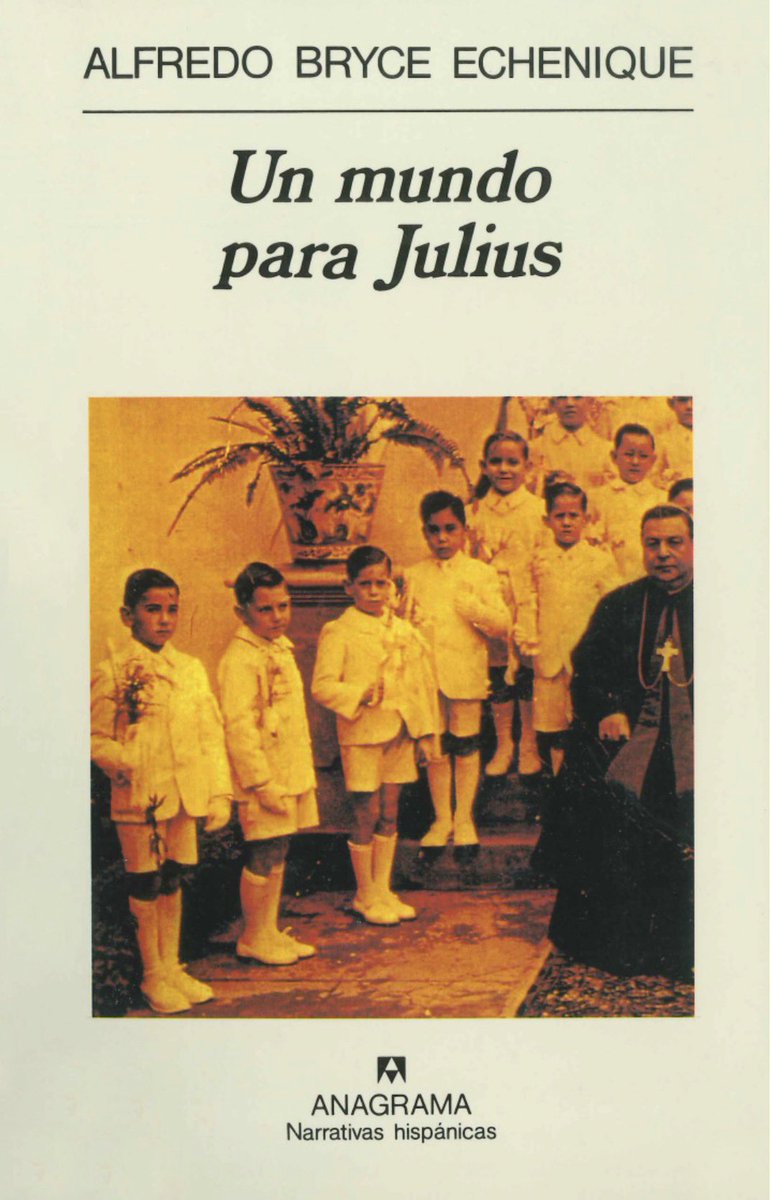
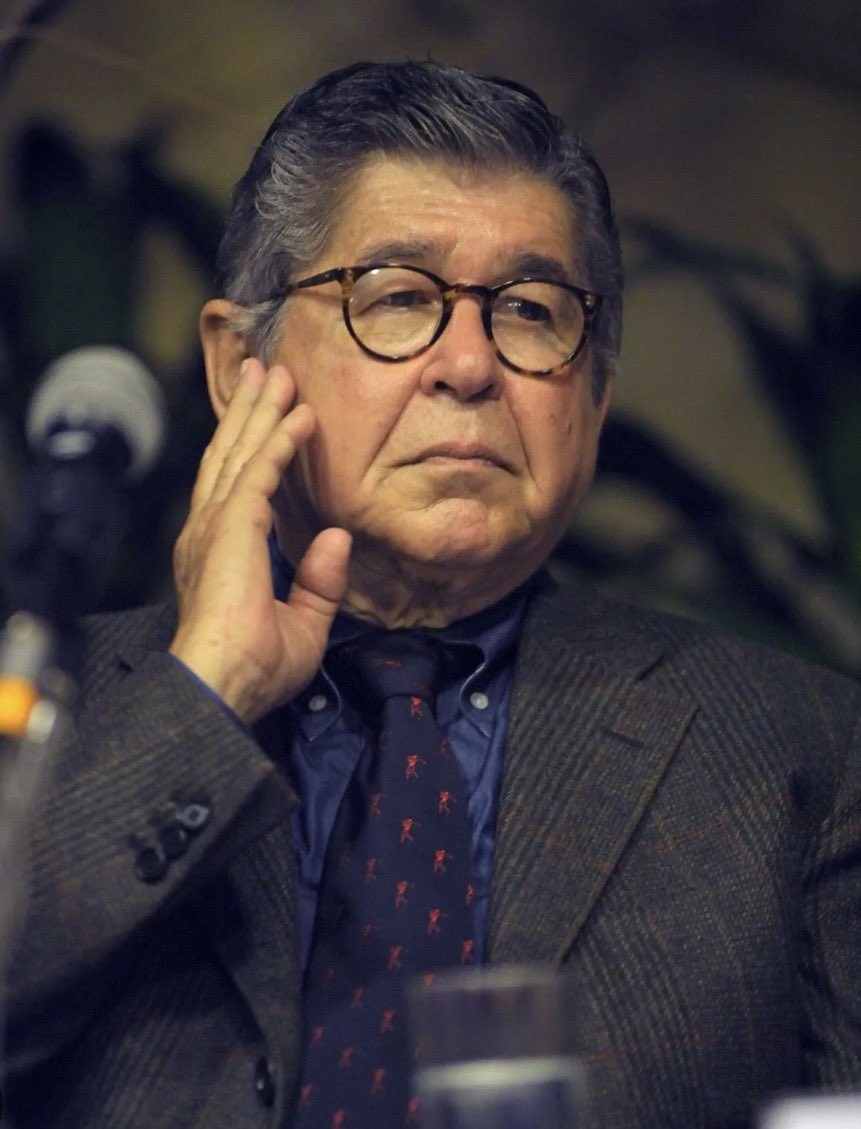
Se fue el gran Alfredo Bryce Echenique (1939-2026), entrañable creador de Julius y Juan Lucas, del colchón con la hondonada de Martín Romaña. Qué broma, maestro, usted tan sabio, viejo, buen escritor y se nos viene a morir.
Karl Krispin tweet mediaKarl Krispin tweet media
Español
1
9
20
1.2K
Karl Krispin
Karl Krispin@kkrispin·
@AAAD25 Todos tenemos nuestro sillón Voltaire y el cuaderno azul de anotaciones.
Español
0
1
5
172
Alejandro Armas Díaz
Alejandro Armas Díaz@AAAD25·
A veces, cuando termino mi día en la sala del apartamento, entre lecturas y con la vista de la ciudad a mi mano izquierda, yo también me siento en un sillón Voltaire. Quienes conocen la obra de Bryce Echenique entenderán la referencia.
Karl Krispin@kkrispin

Se fue el gran Alfredo Bryce Echenique (1939-2026), entrañable creador de Julius y Juan Lucas, del colchón con la hondonada de Martín Romaña. Qué broma, maestro, usted tan sabio, viejo, buen escritor y se nos viene a morir.

Español
1
1
13
454
Roger Stone
Roger Stone@RogerJStoneJr·
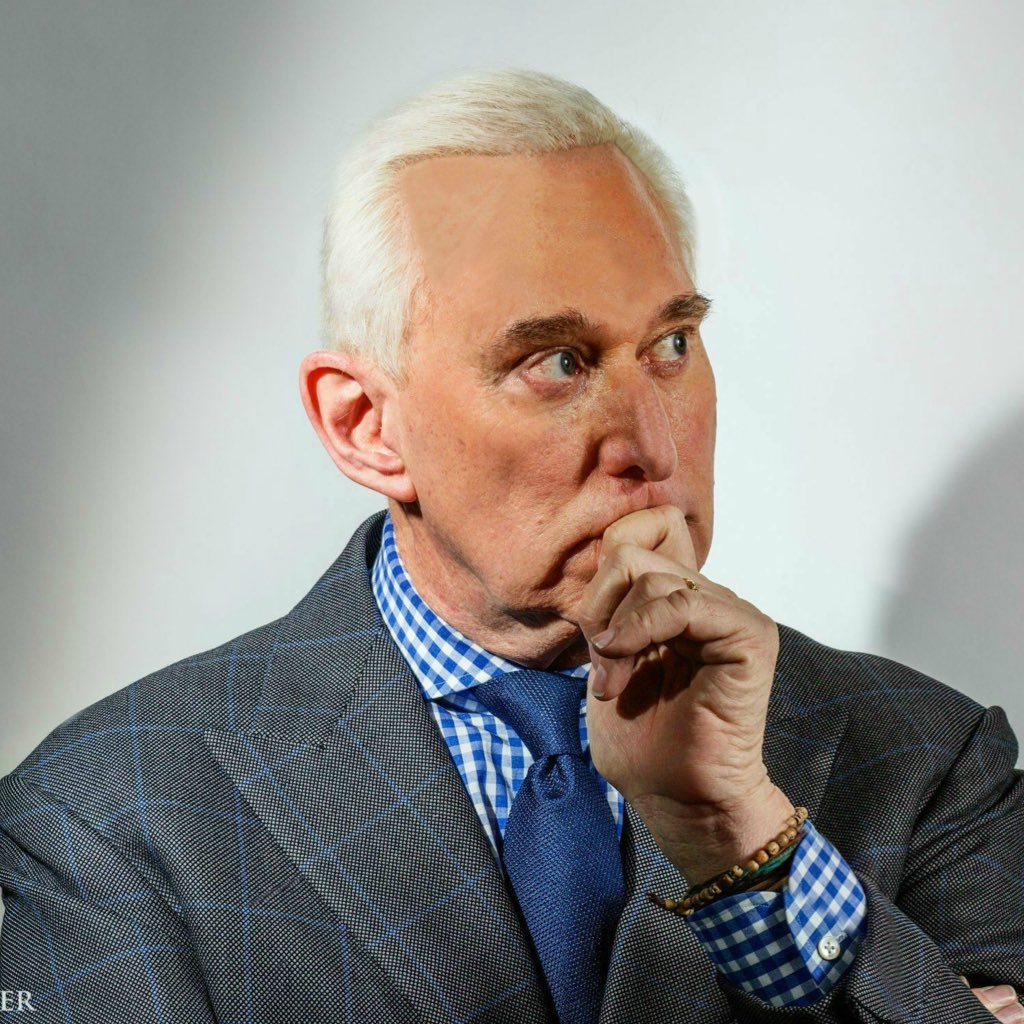
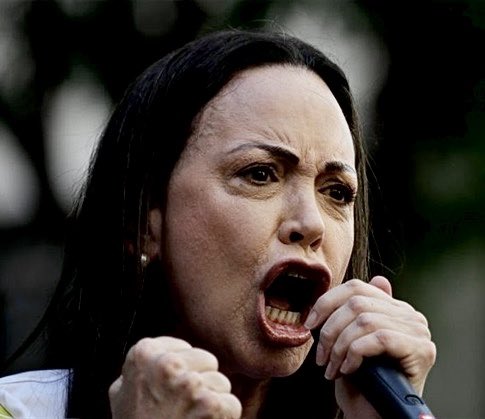
I have been criticized for saying in The Wall Street Journal that Maria Cochina Machado is “false opposition.” I have systematically and meticulously laid out the proof of Machado’s history as a socialist, globalist, and chavista. Machado is simply not who she says she is—she is therefore false opposition. If anything I have presented is incorrect or false, I invite her to sue me. I don’t expect to be hearing from her.
Roger Stone tweet media
English
455
574
1.5K
197K