andrea carmel
15.2K posts

andrea carmel
@kosmikossa
i discover Tara in my Path of Prayer. Her name means Star, and like the North Star in the SKY guiding lost travelers, Tara appears to us when is dark.


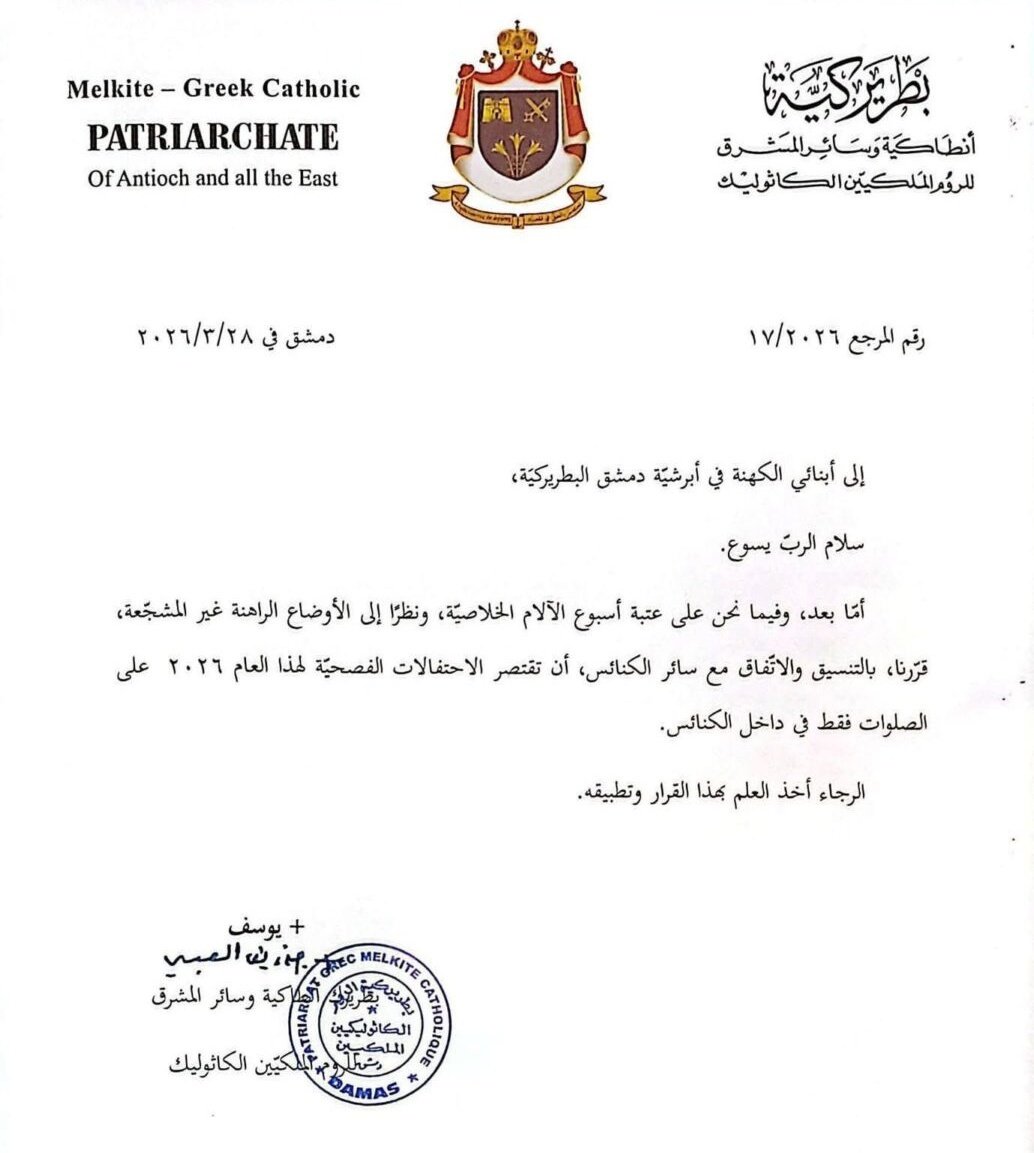
Following a productive meeting between the Israel Police and Latin Catholic Cardinal Pierbattista Pizzaballa, a mutual framework has been established for upcoming Easter ceremonies. Due to the complex security reality of Operation “Roaring Lion,” ceremonies including the “Holy Fire” will be held in a symbolic, limited format. This coordination ensures that freedom of worship is maintained alongside our shared, primary duty: the protection of human life. In the past few weeks, Iranian missiles and debris have impacted within the Old City. These life-saving restrictions are a direct response to a real and present danger to all worshippers

@SpencerGuard Good article apart from the fact that I think you should discuss if an attack on Iran's energy infrastructure would be a war crime

WAR CRIMES!! They say. Attacking Iran's power plants is a War Crime they say... I want to thank this journalist, listed as Chief Correspondent for @welt , one of Germany’s largest and most influential publications, for highlighting a massive problem: journalists declaring, adjudicating, and issuing verdicts on war crimes while demonstrating little understanding of the law of armed conflict or military history. This is not a small issue. It is global. And it should concern anyone who cares about journalism, fact-checking, and the integrity of the law of armed conflict. No, it is not explicitly unlawful or automatically a war crime to attack an enemy’s electricity grid. Under the law of armed conflict, such targets can be lawful if they provide a military advantage and strikes meet proportionality, distinction, and precaution. Under the law of armed conflict, such targets can be lawful if they provide a military advantage. Every strike must still be judged under proportionality, distinction, and precaution. That is where the real legal debate belongs. We can argue effectiveness. But history is clear. This has been done repeatedly, each case shaped by its own context: Korea (1950–1953): U.S. forces attacked hydroelectric facilities in North Korea late in the war to pressure the regime. 1991 Gulf War: Coalition air forces deliberately targeted Iraq’s national electrical grid to disrupt command and control, air defenses, and military logistics. The grid was largely incapacitated within weeks. Kosovo (1999): NATO struck Serbia’s electrical system, including using graphite bombs to disrupt transmission. Iraq War (2003): The approach was different from 1991, but the U.S./Coalition was more restrained on the national grid to avoid humanitarian collapse. It still selected and struck electrical and dual use nodes tied to military systems, especially early in the campaign.