@gunnboy49 @WandaSpeaks67 @BookerGWash y’all are 13%, Hispanics are 19% so why are you throwing them in there?
English
Saint
5.9K posts
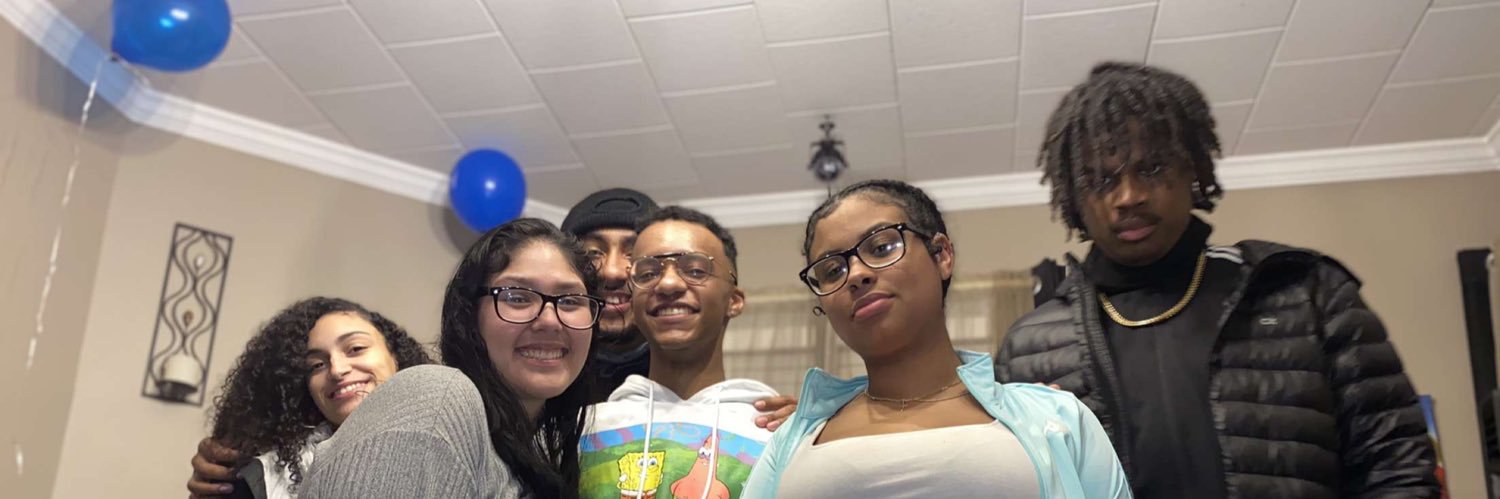


no cap, but our generation would've fought back during slavery 😂




@piersmorgan You first attack @NickJFuentes by calling him a racist. You then see that it doesn’t work at all, so you attack his father, knowing full well what real life consequences such an attack can have. And worst of all, you think this is a win for you? What planet do you live on?





As you got older what did you realize?
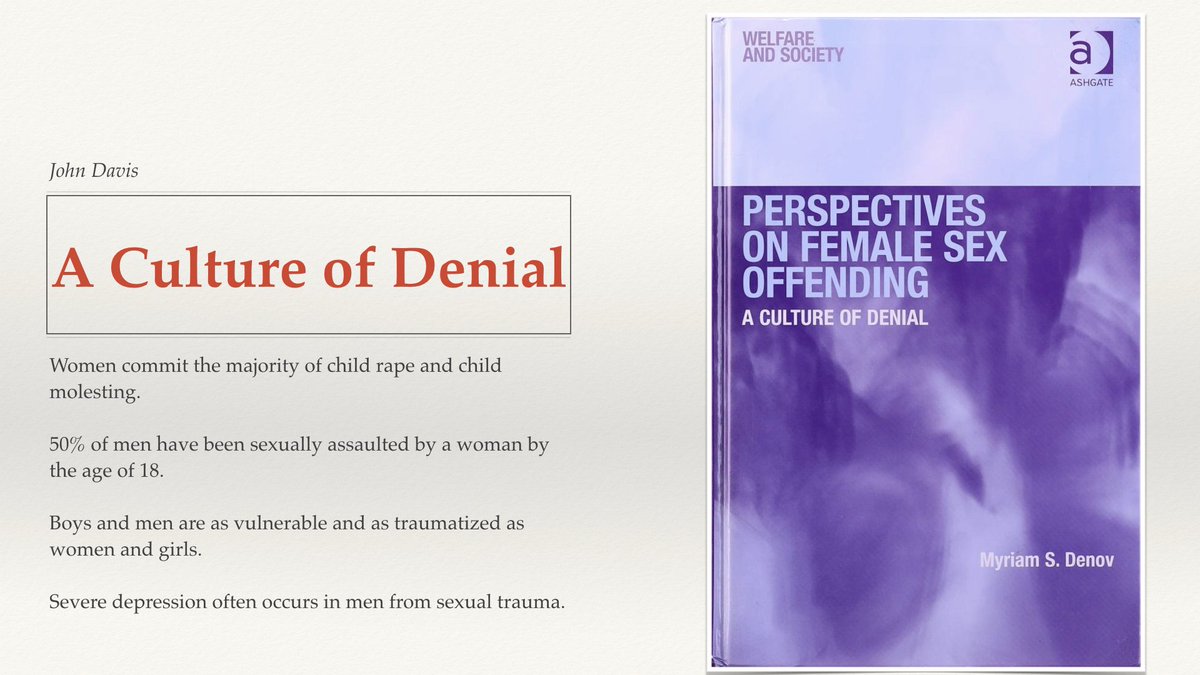
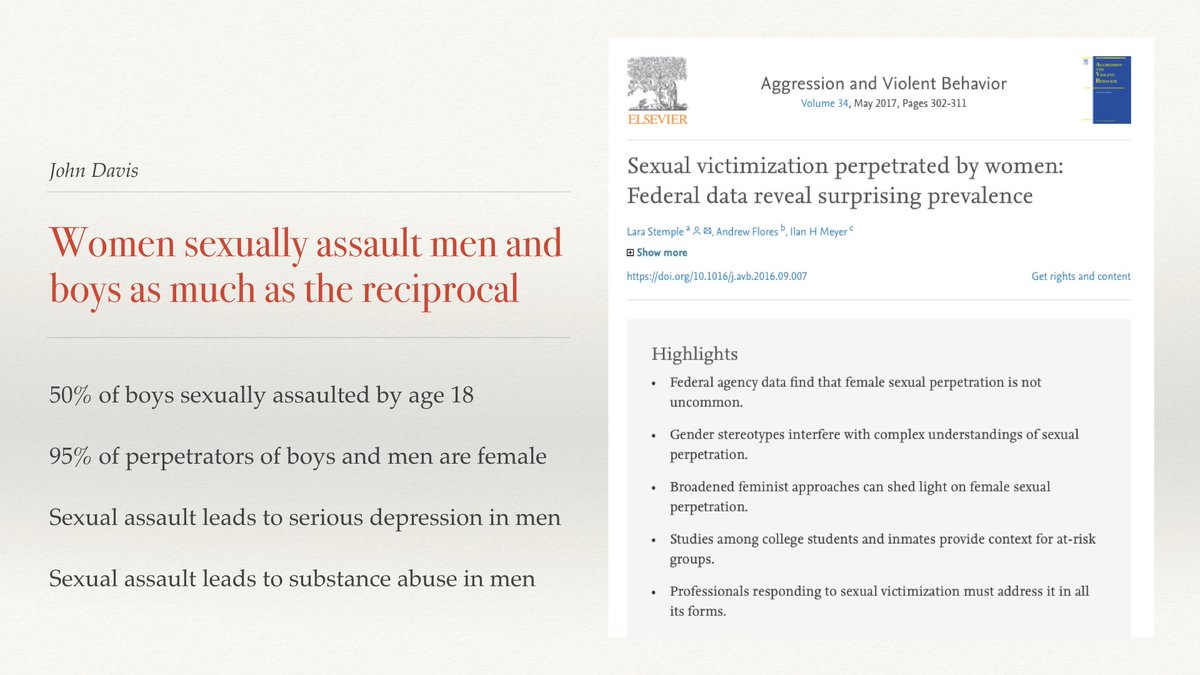
@Susan_E_J_USA Because men are biologically capable of crime at scale. Where women are physically stronger, they are as criminally capable. That's why women top infanticide perpetrators.


unpopular opinions: marriage edition 💍👀


Lady shows off her morning routine as a “Doll mom”

.@FLOTUS reads "How Does Santa Go Down the Chimney?" to the brave young kids at Children's National Hospital ❤️🎄

@tricilla8 @spicebae_ it’s a crime to see a photo?


Greenville, N.C, a white teacher had black land white students raise their hands during a constitutional lesson and reminded blacks that if it wasn't for the Constitution, they would be her slaves. Her field slaves. The white students began calling the black students the N-word