
Praveen Kumar

5.2K posts

Praveen Kumar banner
Praveen Kumar

Praveen Kumar

@kumar_pravin

Runner, Cyclist, Open-source lover, Minishift/CRC Developer !!

Pune (India) Katılım Ekim 2009
323 Takip Edilen775 Takipçiler
Praveen Kumar retweetledi
Aakash Gupta
Aakash Gupta@aakashgupta·
Someone just poisoned the Python package that manages AI API keys for NASA, Netflix, Stripe, and NVIDIA.. 97 million downloads a month.. and a simple pip install was enough to steal everything on your machine. The attacker picked the one package whose entire job is holding every AI credential in the organization in one place. OpenAI keys, Anthropic keys, Google keys, Amazon keys… all routed through one proxy. All compromised at once. The poisoned version was published straight to PyPI.. no code on GitHub.. no release tag.. no review. Just a file that Python runs automatically on startup. You didn’t need to import it. You didn’t need to call it. The malware fired the second the package existed on your machine. The attacker vibe coded it… the malware was so sloppy it crashed computers.. used so much RAM a developer noticed their machine dying and investigated. They found LiteLLM had been pulled in through a Cursor MCP plugin they didn’t even know they had. That crash is the only reason thousands of companies aren’t fully exfiltrated right now. If the code had been cleaner nobody notices for weeks. Maybe months. The attack chain is the part that gets worse every sentence. TeamPCP compromised Trivy first. A security scanning tool. On March 19. LiteLLM used Trivy in its own CI pipeline… so the credentials stolen from the SECURITY product were used to hijack the AI product that holds all your other credentials. Then they hit GitHub Actions. Then Docker Hub. Then npm. Then Open VSX. Five package ecosystems in two weeks. Each breach giving them the credentials to unlock the next one. The payload was three stages.. harvest every SSH key, cloud token, Kubernetes secret, crypto wallet, and .env file on the machine.. deploy privileged containers across every node in the cluster.. install a persistent backdoor waiting for new instructions. TeamPCP posted on Telegram after: “Many of your favourite security tools and open-source projects will be targeted in the months to come.. stay tuned.” Every AI agent, copilot, and internal tool your company shipped this year runs on hundreds of packages exactly like this one… nobody chose to install LiteLLM on that developer’s machine. It came in as a dependency of a dependency of a plugin. One compromised maintainer account turned the entire trust chain into a credential harvesting operation across thousands of production environments in hours. The companies deploying AI the fastest right now have the least visibility into what’s underneath it.
Andrej Karpathy@karpathy

Software horror: litellm PyPI supply chain attack. Simple `pip install litellm` was enough to exfiltrate SSH keys, AWS/GCP/Azure creds, Kubernetes configs, git credentials, env vars (all your API keys), shell history, crypto wallets, SSL private keys, CI/CD secrets, database passwords. LiteLLM itself has 97 million downloads per month which is already terrible, but much worse, the contagion spreads to any project that depends on litellm. For example, if you did `pip install dspy` (which depended on litellm>=1.64.0), you'd also be pwnd. Same for any other large project that depended on litellm. Afaict the poisoned version was up for only less than ~1 hour. The attack had a bug which led to its discovery - Callum McMahon was using an MCP plugin inside Cursor that pulled in litellm as a transitive dependency. When litellm 1.82.8 installed, their machine ran out of RAM and crashed. So if the attacker didn't vibe code this attack it could have been undetected for many days or weeks. Supply chain attacks like this are basically the scariest thing imaginable in modern software. Every time you install any depedency you could be pulling in a poisoned package anywhere deep inside its entire depedency tree. This is especially risky with large projects that might have lots and lots of dependencies. The credentials that do get stolen in each attack can then be used to take over more accounts and compromise more packages. Classical software engineering would have you believe that dependencies are good (we're building pyramids from bricks), but imo this has to be re-evaluated, and it's why I've been so growingly averse to them, preferring to use LLMs to "yoink" functionality when it's simple enough and possible.

English
297
2.3K
11K
2.7M
Praveen Kumar retweetledi
Mohammed Zubair
Mohammed Zubair@zoo_bear·
Alt News is ₹10 lakh short of breaking even this financial year. We need 2,000 people to donate ₹500 each before March 31. That's 6 days. Fighting misinformation isn't like putting out a fire. There's no moment when it's done. It's a fact-check every morning, a verification every afternoon, documentation of hate speech that nobody else is recording - day after day, year after year, for nine years. We don't take ads. We don't have sponsors. We have readers. Donate before March 31! pages.razorpay.com/altnews If not you, who? If not now, when?
English
2.2K
3.3K
14K
1.3M
Praveen Kumar retweetledi
Daniel Hnyk
Daniel Hnyk@hnykda·
LiteLLM HAS BEEN COMPROMISED, DO NOT UPDATE. We just discovered that LiteLLM pypi release 1.82.8. It has been compromised, it contains litellm_init.pth with base64 encoded instructions to send all the credentials it can find to remote server + self-replicate. link below
English
309
2.3K
9.4K
5.6M
Praveen Kumar retweetledi
Klara
Klara@klara_sjo·
There will be no WW3. They've abandoned numbered releases and switched to a live service model with seasonal events.
English
447
5.7K
55.2K
1.4M
Praveen Kumar retweetledi
Dr Kareem Carr
Dr Kareem Carr@kareem_carr·
There's a toxic culture coming out of the AI industry that keeps trying to get us not to think. The message is everywhere. Don’t read the code, just vibe-code. Don’t try to understand all the text, just let AI summarize it. Don’t bother educating yourself, it’s too late. Don’t worry about the errors. Trust that everything will be fixed in the next version. The theme is the same. Don’t think too hard. Just keep swallowing the slop.
English
387
2.1K
9.4K
360.2K
Praveen Kumar
Praveen Kumar@kumar_pravin·
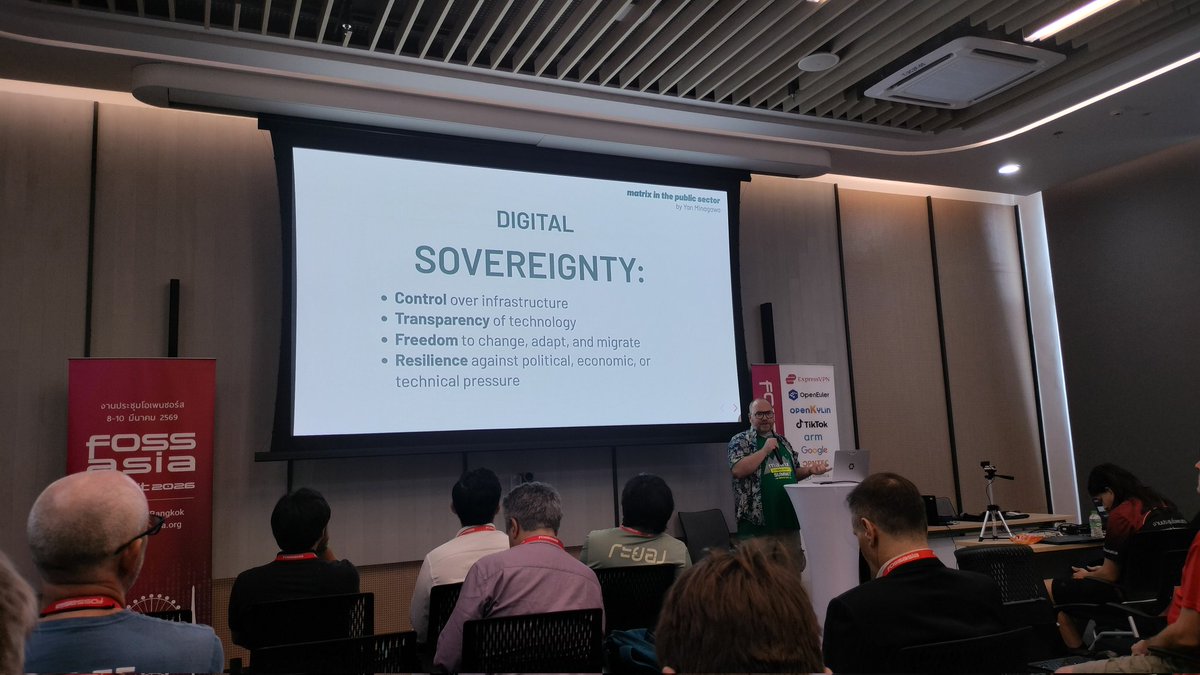
Yan is talking about what digital sovereignty looks like..
Praveen Kumar tweet media
English
0
0
1
14
Praveen Kumar
Praveen Kumar@kumar_pravin·
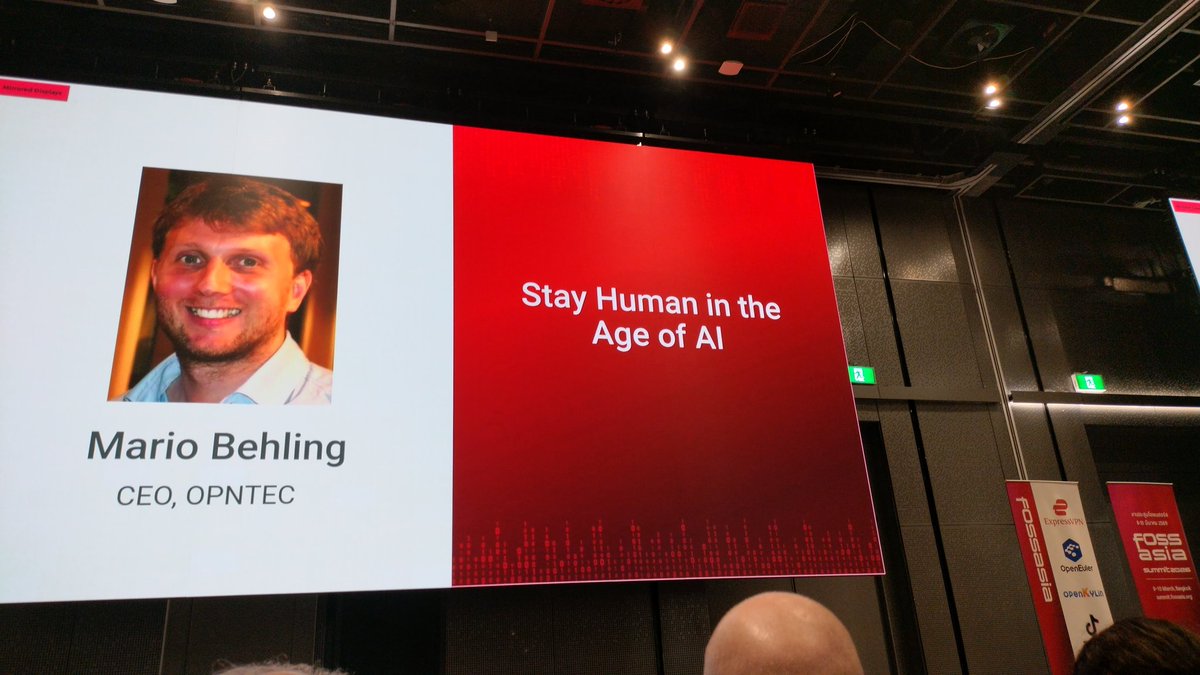
Mario is giving insights about staying human in the age of AI #FOSSASIA
Praveen Kumar tweet media
English
0
0
0
34
Praveen Kumar retweetledi
Sergio López
Sergio López@slpnix·
Watch krunai in action:
English
0
5
11
903
Praveen Kumar retweetledi
Internet Freedom Foundation (IFF)
Internet Freedom Foundation (IFF)@internetfreedom·
*STATEMENT: Escalating Digital Censorship in India* *New Delhi, February 28, 2026* The Internet Freedom Foundation (IFF) is concerned by a cluster of online blocking and takedown actions and ISP level service disruptions reported between 24–28 February 2026. Across these incidents, users and affected services face restrictions without clear, timely reasons and without access to the underlying orders needed to challenge state action by exercising their rights to obtain legal remedy. Developers reported severe, uneven disruption in access to Supabase across multiple Indian networks. Reporting indicates the disruption followed a government direction, with accounts suggesting use of Section 69A of the Information Technology Act, 2000. Yet there has been no public statement of the grounds, scope, or duration, and no accessible order for those impacted. Supabase has publicly stated that its domains became inaccessible due to a “ministry order”, and users have been pushed to workarounds such as alternative DNS or VPNs. In parallel, users on X (formerly Twitter) continue to receive “withheld in India” notices restricting specific posts within the country. Such notices usually do not provide the government order or its reasoning. Hence, for those who are being censored the basics of natural justice of a notice, opportunity for a hearing and remedy are delayed or absent. This is enabled by secrecy built into the blocking framework. Section 69A is implemented through the 2009 Blocking Rules, which contemplate a committee process and, where feasible, notice to intermediaries and identifiable originators. But they also impose “strict confidentiality” over requests and actions taken. When orders and reasons are secret by default, affected persons cannot test legality, necessity, proportionality, or factual errors except through protracted litigation. When in _Shreya Singhal v. Union of India_ (2015), the Supreme Court upheld Section 69A while relying on the existence of procedural safeguards and reasoned decisions, indicating that impacted users could approach court in writ remedies. However, due to the operational secrecy and providing copies of orders and notices those who are censored and prevented from obtaining judicial remedy. The February 2026 amendments to the IT Rules, 2021 further increase these risks. The substituted Rule 3(1)(d) requires intermediaries to remove or disable access within three hours of receiving “actual knowledge”, which can arise from a court order or a written “reasoned intimation” by authorised government officers. While the rule lists what a “reasoned intimation” should contain, the legal basis, statutory provision, nature of the unlawful act, and specific URL/identifier, the three-hour window pressures platforms to comply promptly which may often occur without any substantive assessment. These inherently opaque censorship practices are being accelerated through "Sahyog" portal. Developed by the Indian Cybercrime Coordination Centre (I4C), the Sahyog portal operates entirely without statutory footing, only being anchored in the IT Rules, 2021 that are created by executive notification. It functions as a censorship clearinghouse that deliberately bypasses the established, albeit weak, procedural safeguards of Section 69A. By routing automated takedown directives directly to intermediaries under Section 79(3)(b) of the IT Act, the portal structurally excludes citizens and impacted users from the grievance process. We demand that the government introduce strictly judicially enforceable transparency requirements, publish all blocking orders, and restore the principles of natural justice to India's platform governance framework. Based on requests from our community we will also next week launch a rough public sheet in which social media users can input and add information on digital censorship.
English
10
299
916
29K
Praveen Kumar retweetledi
Sergio López
Sergio López@slpnix·
krunai is now also available for Linux too, with ready-to-use packages for Fedora via COPR. And it also got a nice speed bump for the start+connect command in 0.2.2. github.com/slp/krunai
English
1
4
13
766
Praveen Kumar retweetledi
Buildah
Buildah@Buildah_io·
Buildah v1.43.0 has just been released! It's now headed to Fedora and other distros. A relatively small update that mostly addressed some recent runc CVEs. buildah.io/releases/2026/… #Buildah #OpenSource
English
0
3
8
431
Praveen Kumar
Praveen Kumar@kumar_pravin·
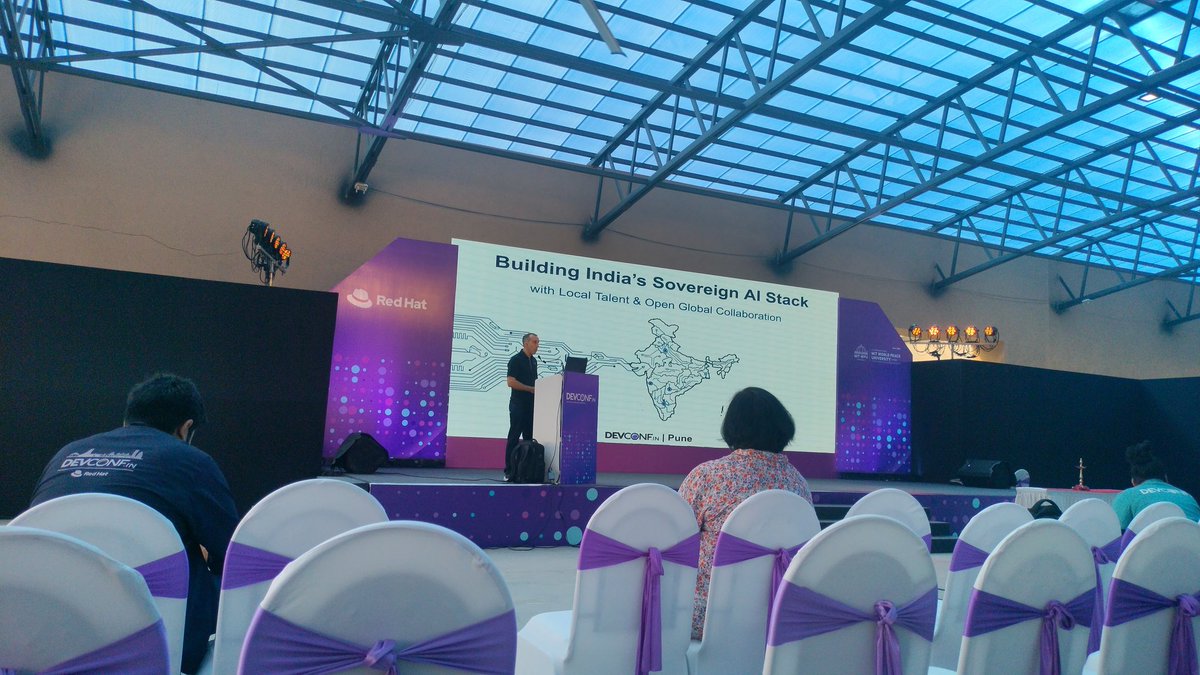
Vincent started with building India's sovereign AI stack at #devconin26
Praveen Kumar tweet media
English
0
0
1
63
Praveen Kumar retweetledi
FFmpeg
FFmpeg@FFmpeg·
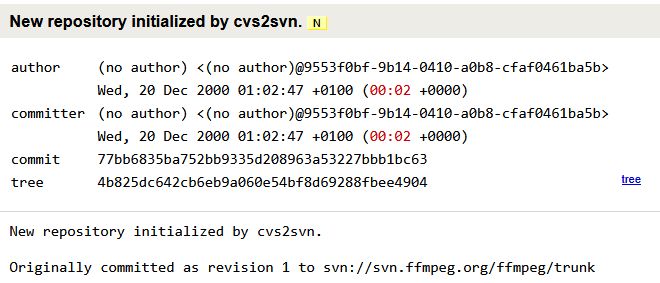
Today marks 25 years since the first commit to FFmpeg by Fabrice Bellard FFmpeg was made to play DVDs, DivX and other video files for free, and continues to be developed by enthusiasts FFmpeg changed the world, powering all online video Happy 25th Birthday FFmpeg! 🎉🎁🎂
FFmpeg tweet media
English
93
865
8K
208.6K
Praveen Kumar retweetledi
Nikhil Pahwa
Nikhil Pahwa@nixxin·
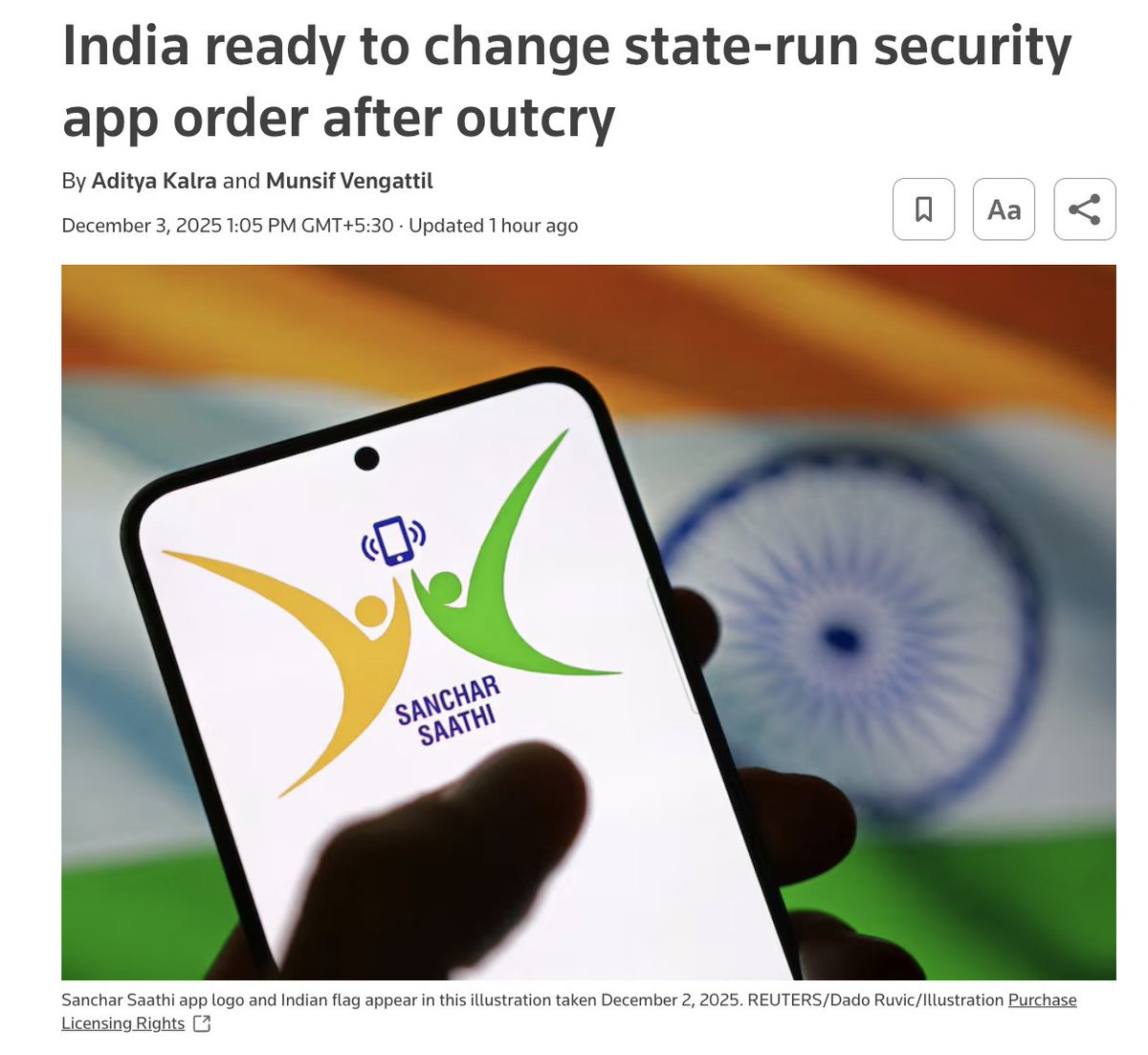
The government has issued a press release saying that it isn’t mandatory for handset companies to install Sanchar Saathi. The government has no business infiltrating our phones. While this is a welcome move, the other directive for forcing SIM Binding on Social Media and messaging accounts, has NOT been revoked. I would call upon the government to suspend the SIM Binding directive as well, and start a consultation process on this issue, so that they can understand how it limits our usage of messaging apps. SIM binding will impact those who use Whatsapp and Telegram on their desktops or multiple devices, inconvenience those who use Whatsapp web, and force people to buy expensive roaming plans from telecom operators, instead of a local SIM. As per the statements made by Ashwini Vaishnaw when the Telecom Bill was passed, Department of Telecom has no jurisdiction over the Internet, and it is not the right government department for this. They have already shown how little they understand how the Internet works, and concerns that users have, with the Sanchar Saathi directive, for which also there was no public consultation, nor was their feedback taken. The same applies to SIM Binding. I would also call upon Ministry of IT to ensure that other government departments that do not have jurisdiction over the Internet, do not hijack its remit. They have failed at this for the last three years at least. Thank you for all your support in raising this issue. Like I used to say during the SaveTheInternet campaign for Net Neutrality, we’re in this together. It’s our job to ensure that the Internet we love remains free, our privacy is protected, and our speech is not censored. The Internet Freedom Foundation, which I’m no longer involved with, does exemplary work to protect our rights. Please consider donating to them. If SFLC India takes donations, please support them too. There's very little support for civil society organisations in India, and they're the ones who fight for your rights every single day. Indian founders who benefit from India's Internet should donate to these orgs as a part of their CSR. Also, lastly, I repeat: the SIM Binding directive also should to be revoked. More on the concerns related to that in the tweet below.
English
26
325
780
65.5K
Praveen Kumar retweetledi
Nikhil Pahwa
Nikhil Pahwa@nixxin·
I know Scindia has said that the #SancharSaathi is not mandatory, but there are still some things. If we allow this, we allow the government to push any application on to our phones. Today it is DoT pushing Sanchar Saathi. A new Aadhaar app was launched yesterday. Ministry of Health might want to push an anti-smoking app to our phones. Nitin Gadkari will mandate Digilocker on our phones so our driving license and documents are always with us. Once it starts, where will it end? You know what happened with Aadhaar -- it is voluntary but mandatory. It's the same thing - someone will ask you why you don't have this app on your phone. Our phones are our most private of spaces. Any mandatory installation is a violation of our personal space. I wish no apps were mandatory, and phone manufacturers weren't pushing bloatware. I wish we had more choices of operating systems without Google in them. I wish it were easier to install Graphene OS. But they're not our government. They're not accountable to us as citizens. They can't use statutory power against us. We can maybe use the data protection law to get them to delete our data. We can and should expect better from our government. We need to control and contain the usage of statutory power especially when it imposes on our personal spaces. It's claimed it's not doing surveillance now, but it could do it late. I don't believe Scindia. Vaishnaw said that DoT will not regulate OTTs in 2023. But DOT is doing that now. Why should we trust Scindia here? This is just one stupid app being forced on to our devices. But it's also the start of something new. Don't let this happen.
English
30
332
930
49.5K
Praveen Kumar retweetledi
Swapnil Kommawar
Swapnil Kommawar@KommawarSwapnil·
It’s been 2 days without WiFi. If we delay even a single day in paying bills, Airtel fines us instantly. But when their service goes down, what do we get? Silence. Last September 3 days cut. Now again 2 days. At this rate, every alternate month is an Airtel holiday. @airtelindia - this isn’t fair.
English
547
1.3K
9.5K
512K