
Sabitlenmiş Tweet
Dr. Kate Quigley
4.7K posts


Dr. Kate Quigley
@la__cientifica
Molecular Ecologist Principal Research @minderoo ARC DECRA Fellow @jcu @uwaoceans @natgeo Explorer A.Ed. @MethodsEcolEvol @Peacecorps @TEDx
Wulgurukaba & Bindal land, Qld Katılım Mayıs 2016
2.9K Takip Edilen4K Takipçiler
Dr. Kate Quigley retweetledi

The smarter women are, the more hostility they face.
In the U.S. & China, the higher women’s IQs, the less they're liked—and the more they’re undermined by coworkers. Men pay no price for being bright.
It's long past time to recognize female intellect as an asset, not a threat.


English
Dr. Kate Quigley retweetledi

A great opportunity for a PhD at Griffith University, working on a project supported by the Threatened Species Initiative 🦋. Information and contacts in the attached advertisement.

English
Dr. Kate Quigley retweetledi
The list of Ecology/Evolution/Marine Bio Labs recruiting grad students for Fall 2027 is live! PIs enter your position info here: forms.gle/MAGd4ohyPeoYme… students (and PIs not recruiting) share the composite list: docs.google.com/spreadsheets/d… Please share widely!
English
Dr. Kate Quigley retweetledi

Most experiments fail, and negative results rarely get published. This means LLMs are unaware of the outcomes of most experiments.
English
Dr. Kate Quigley retweetledi

An eagle made from logging debris in Tasmania’s Central Highlands, where Forestry Tasmania is right now destroying vital wildlife habitat. Today, activists took action to halt the destruction, building this powerful sculpture. #Politas
bobbrown.org.au/premier-can-an…

English
Dr. Kate Quigley retweetledi
Some of Australia's largest mining companies receive hundreds of millions in diesel fuel tax credits - BHP alone received $622 million last financial year.
At a time when the budget is under pressure and Australians are feeling huge cost of living pressures, these subsidies need to end.
We should be capping fuel tax credits to look after farmers and small miners but make the biggest miners pay the full price for diesel like everyone else.
theguardian.com/world/2026/may…
English
Dr. Kate Quigley retweetledi

New @jcu research has found that some reefs play host to heat-tolerant corals, highlighting the importance of identifying and protecting these reefs as an insurance policy against future bleaching.
“There was no to little sign of bleaching ...”
👉tinyurl.com/mrxs8k2m

English
The JCU-based team for the Climate Vulnerability Index of Professor Scott Heron and Dr Jon Day) have won the Landscape category at the 2026 Queensland Heritage Awards. 📣🥂🏆
Read more here 👉📰 bit.ly/4eTWcNY


English
Dr. Kate Quigley retweetledi
HUGE NEWS! This morning, the owners of Newcastle Waters instructed management to immediately cease plans for the culling of 20,000 native corellas & galahs. When thousands of Australians speak up for our iconic nature, the world listens. From the bottom of our hearts, thank you.

English
Dr. Kate Quigley retweetledi
Iceland—previously the only Arctic nation without mosquitoes—no longer holds that distinction.
"The detection of mosquitoes just north of Reykjavík in 2025 reflects an ecological shift already underway," write Amanda M. Koltz and Lauren E. Culler in a new #ScienceEditorial.
Read more: scim.ag/4u9EBqd

English
Dr. Kate Quigley retweetledi

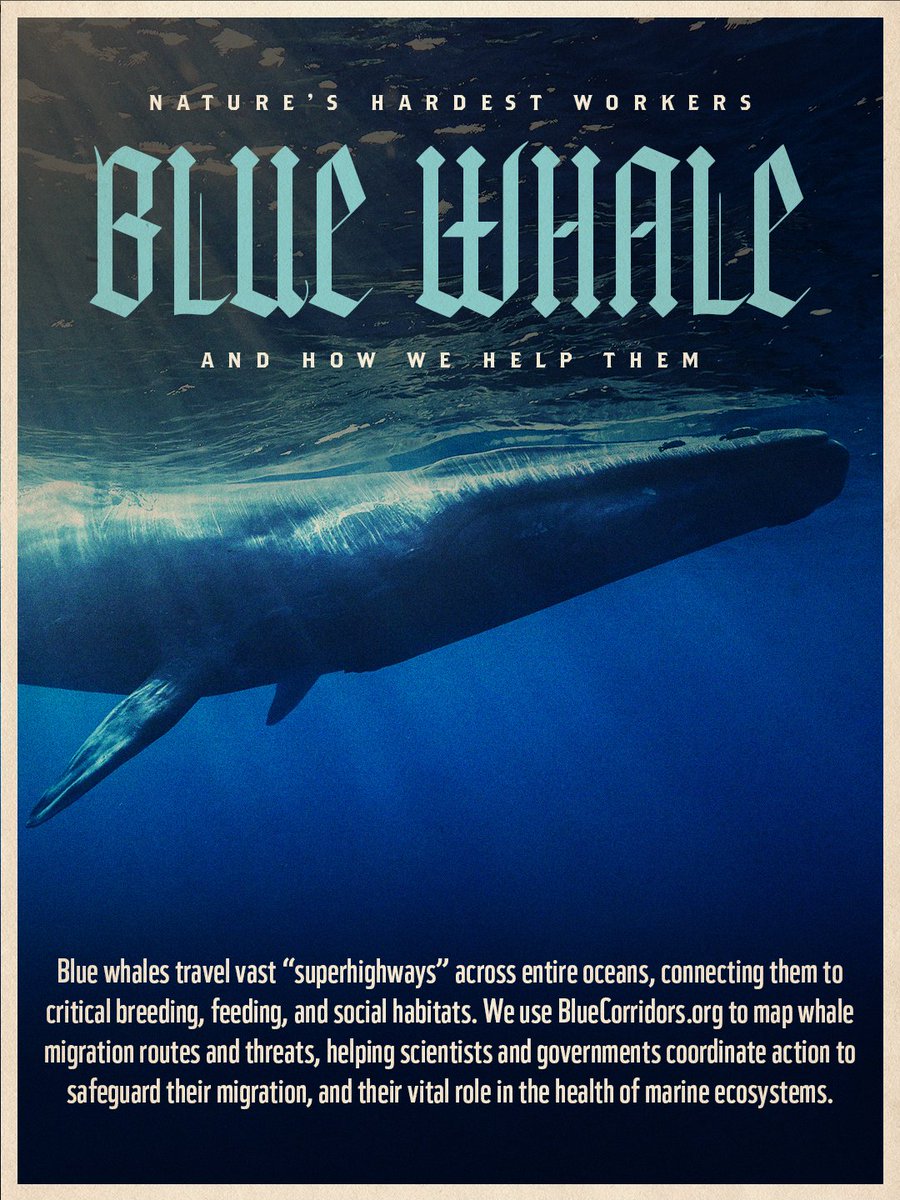
Nature is constantly clocking in for work, with every species playing a role in keeping our planet thriving.
We’re proud to support their habitats so they can keep doing what they do best 🐝🐠🪸
Swipe to meet nature’s hardest workers this #InternationalWorkersDay 💚



English
🌟A Beacon of Hope: Corals that Defy the Odds🌟
High coral thermal tolerance at a potentially climate-resistant reef
sciencedirect.com/science/articl…
@uwanews @CurrentBiology
This study was supported by the Jock Clough Marine Foundation and @arc_gov_au
English
Dr. Kate Quigley retweetledi
The Roderick Centre for Australian Literature and Creative Writing JCU has announced the winners of the 2026 Writers on the Reef residency. 📖✍🏖
Read the full story here 👉📰 bit.ly/4mVpXjo

English
Dr. Kate Quigley retweetledi

🌿keynote by Maria Dornelas. Maria using BioTIME and global syntheses, she will show how communities reorganize through time and what these trajectories mean for stability, turnover, and conservation.
📅 April 24 | 🕘 9:00 - 9.30 AM
📍 Cosmos Cloud #SOTM2026


English
Dr. Kate Quigley retweetledi

OPEN CALL FOR EDITORS @ESAMonographs !!!
STILL ACCEPTING APPLICATIONS!
PLEASE RTW
Ecological Monographs@ESAMonographs
The Ecological Monographs editorial board is growing! We're now accepting applications from ecologists interested in serving as subject-matter editors🙋 Visit our website for more information: esa.org/publications/e… And fill out this form to apply: surveymonkey.com/r/P8R8CTX
English
Dr. Kate Quigley retweetledi

Connectivity isn't a nice-to-have for coral reefs – it's their lifeline. And now scientists know which reefs serve as vital 'stepping stones' for coral larvae. @la__cientifica @jcu theconversation.com/coral-reefs-ar…
English
Dr. Kate Quigley retweetledi

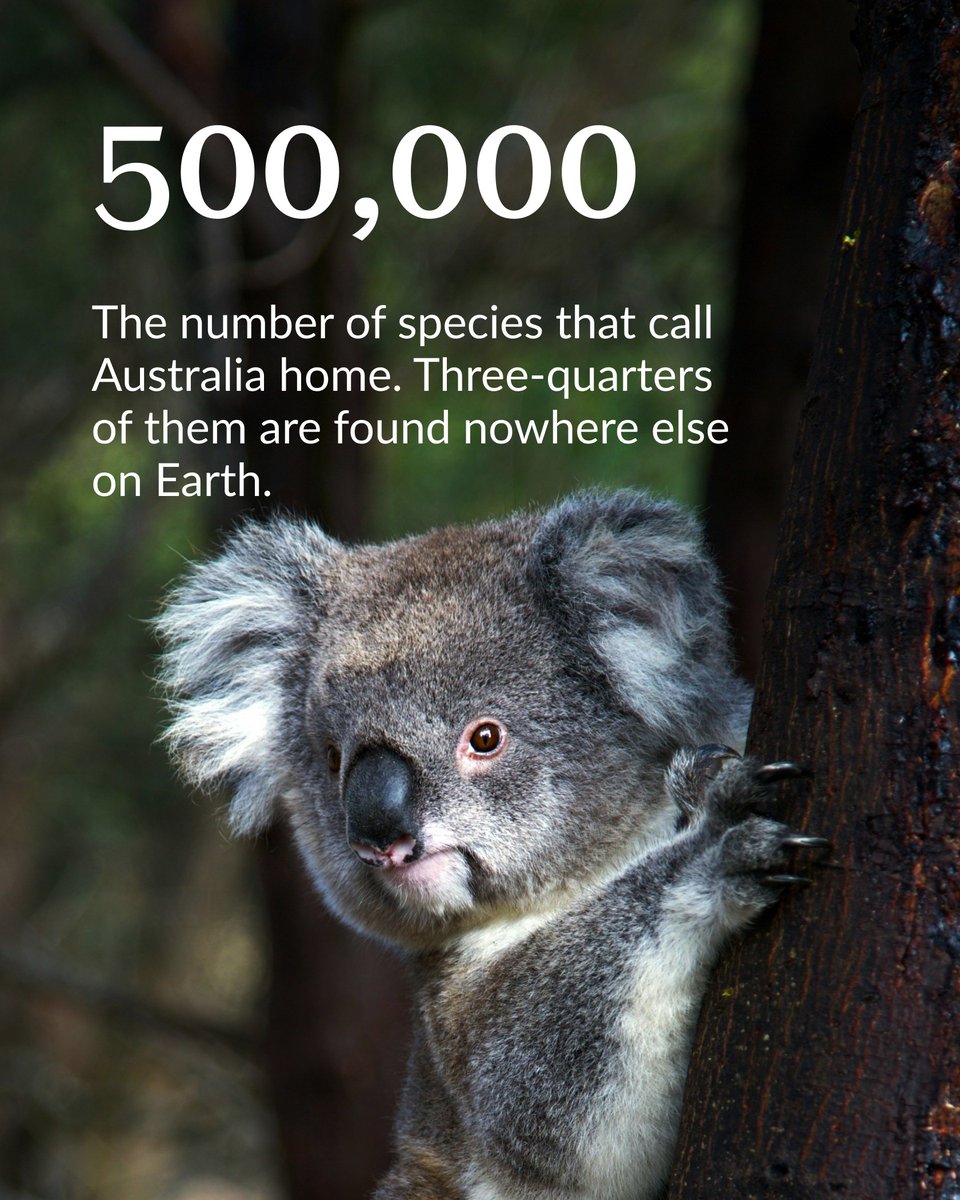
“Despite the scale and urgency, biodiversity loss remains severely under-recognized,” says our Tim Nicol.
The new Nature Media Centre in Australia is closing the gap between the need for conservation and the lack of urgency for it.📸Vince Russell/Unsplash pewtrsts.org/407BVvO
English
Two positions open focussing on World Heritage Ningaloo Reef👇
(1) Fully funded PhD scholarship
Scaling Resilience- Molecular High-Throughput Adaptation Strategies
lnkd.in/gBSZSZH5
(2) Casual Lab Assistant lnkd.in/gMZTGBGk
English
Dr. Kate Quigley retweetledi

Wildlife trade drives animal-to-human #pathogen transmission over 40 years @ScienceMagazine science.org/doi/10.1126/sc…
English
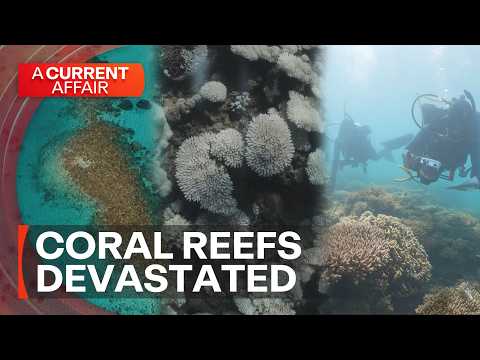
A milestone for #Ningaloo: Despite marine heatwaves, we’ve successfully completed the first-ever cryopreservation of WA corals with @TarongaZoo.
A "biological insurance policy" for our reef. It’s time to stand up for our oceans. 🌊
📺: youtube.com/watch?v=Kg_y0I…
#ClimateAction
YouTube
English