Luke Davies, PhD

254 posts

Luke Davies, PhD

Luke Davies, PhD

@ldavies_physio

Post Doctoral Researcher I Project Manager I Physiotherapist (DPT)

Melbourne, Victoria Katılım Ağustos 2020
115 Takip Edilen176 Takipçiler
Luke Davies, PhD retweetledi
JOSPT Community
JOSPT Community@JOSPT·
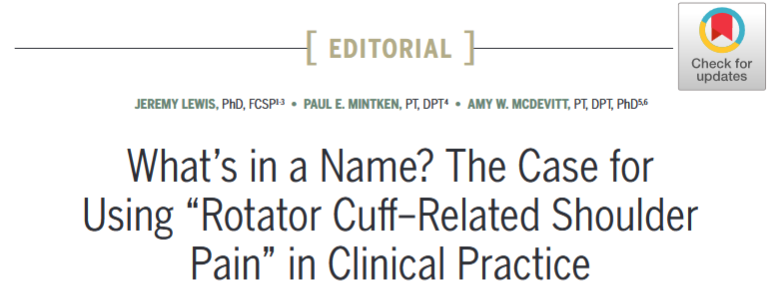
#TerminologyMatters Our July editorial argues for using "Rotator cuff-related shoulder pain" instead of terms that may lead to a sense of false precision when diagnosing shoulder pathology Editorial 👉 ow.ly/cJLQ50WoBRK Let us know your thoughts using @JOSPT #yourJOSPT
JOSPT Community tweet media
English
1
14
49
3.9K
Luke Davies, PhD
Luke Davies, PhD@ldavies_physio·
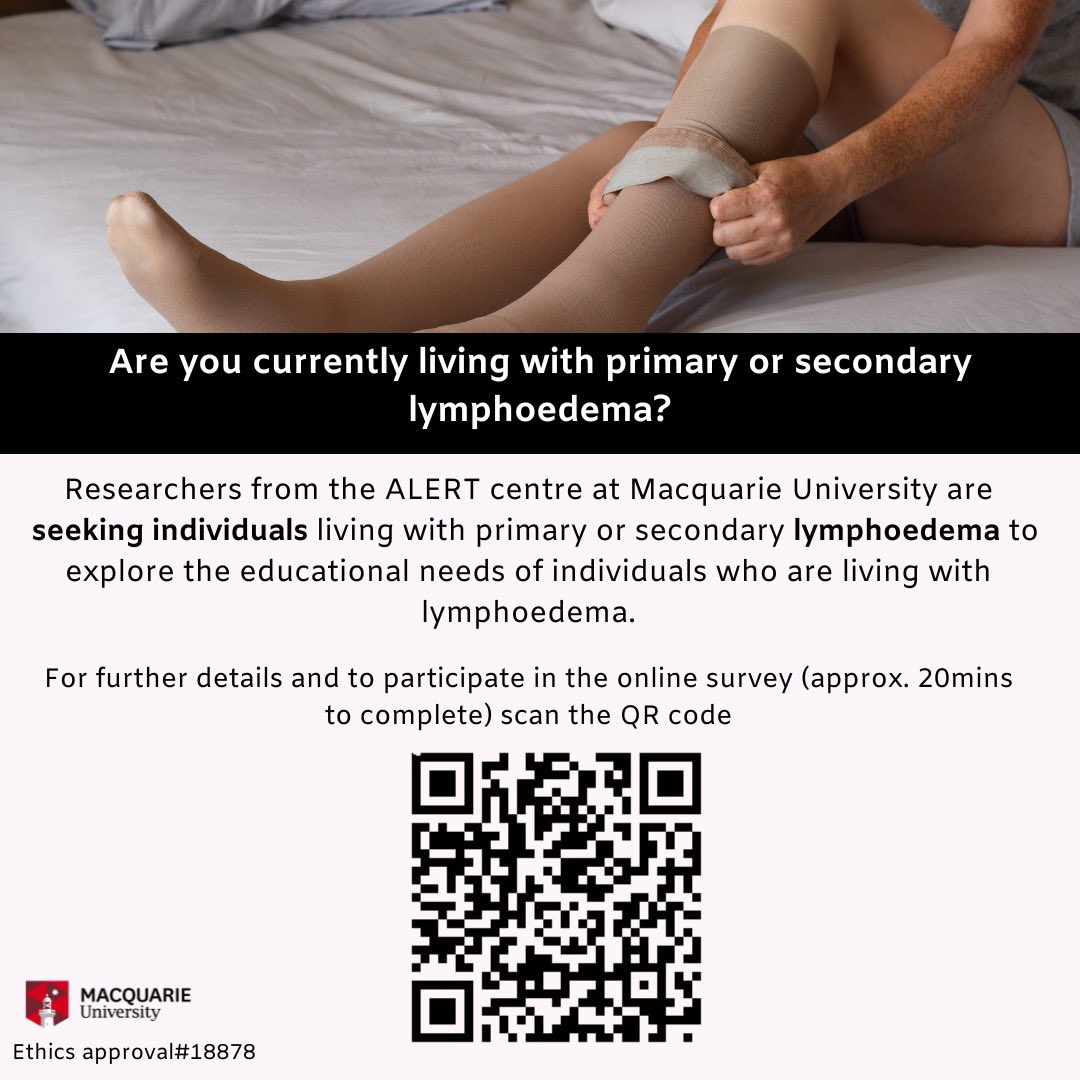
We are currently conducting a study exploring the educational needs of individuals living with #lymphoedema please share with your networks.
Luke Davies, PhD tweet media
English
1
0
1
41
Luke Davies, PhD
Luke Davies, PhD@ldavies_physio·
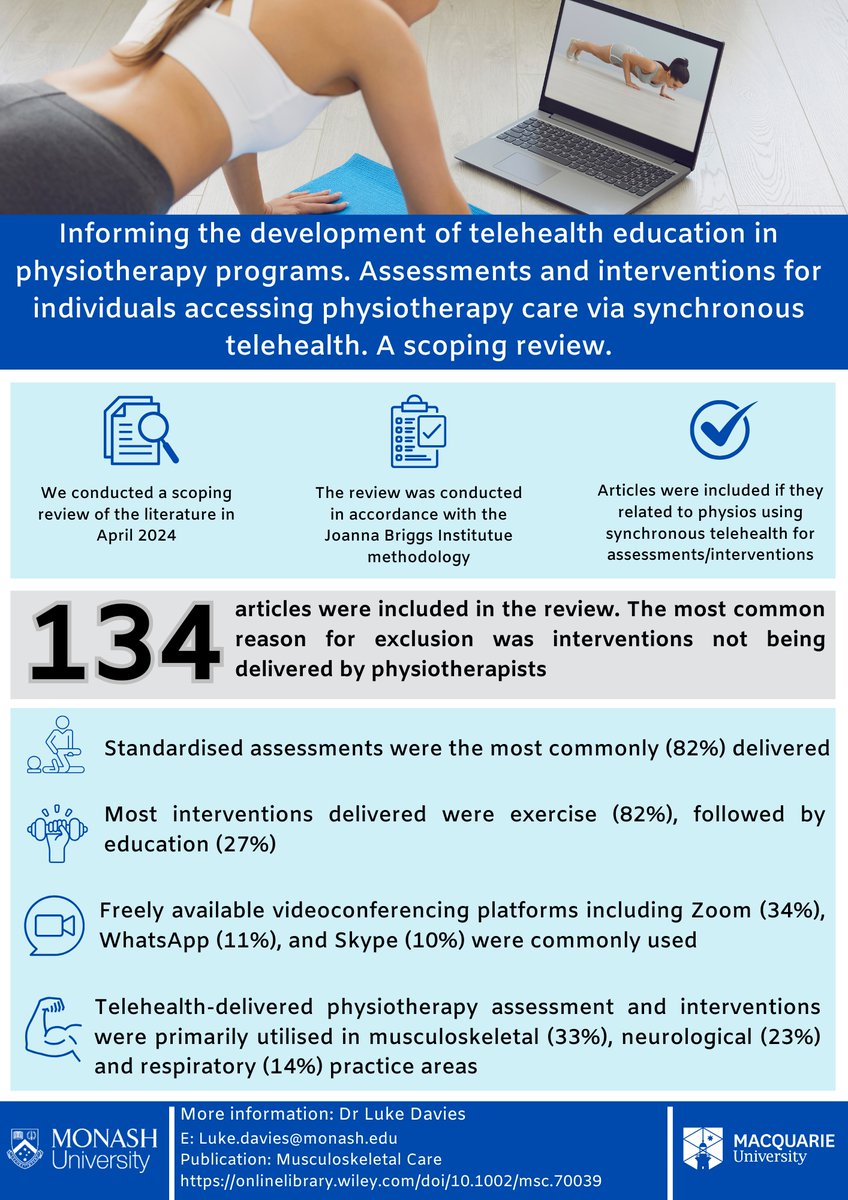
Our recently published scoping review “Informing the Development of Education in Physiotherapy Programs. Assessments and Interventions for Individuals Accessing Physiotherapy Care via Synchronous Telehealth” is available open access. onlinelibrary.wiley.com/doi/full/10.10…
English
0
1
1
77
Luke Davies, PhD
Luke Davies, PhD@ldavies_physio·
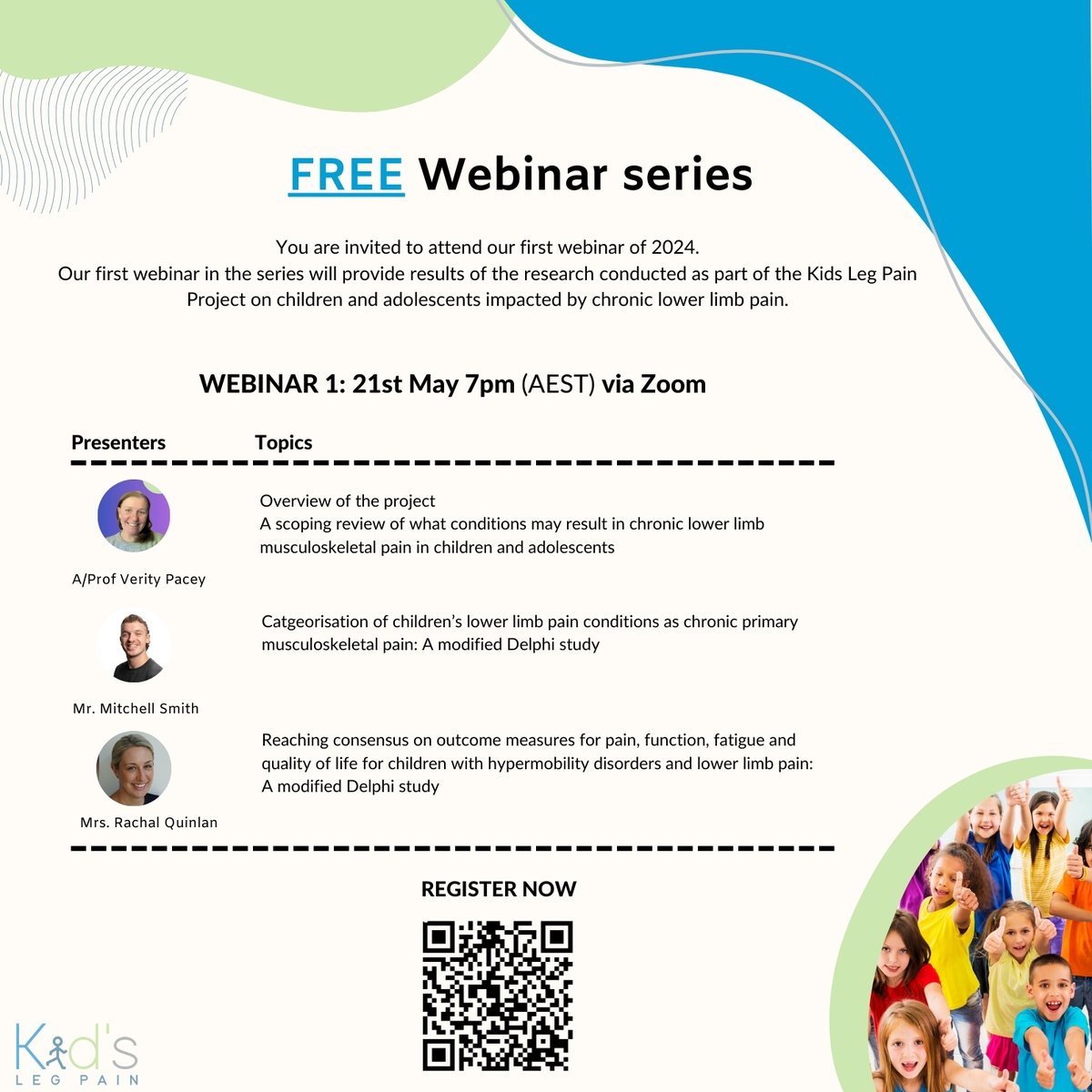
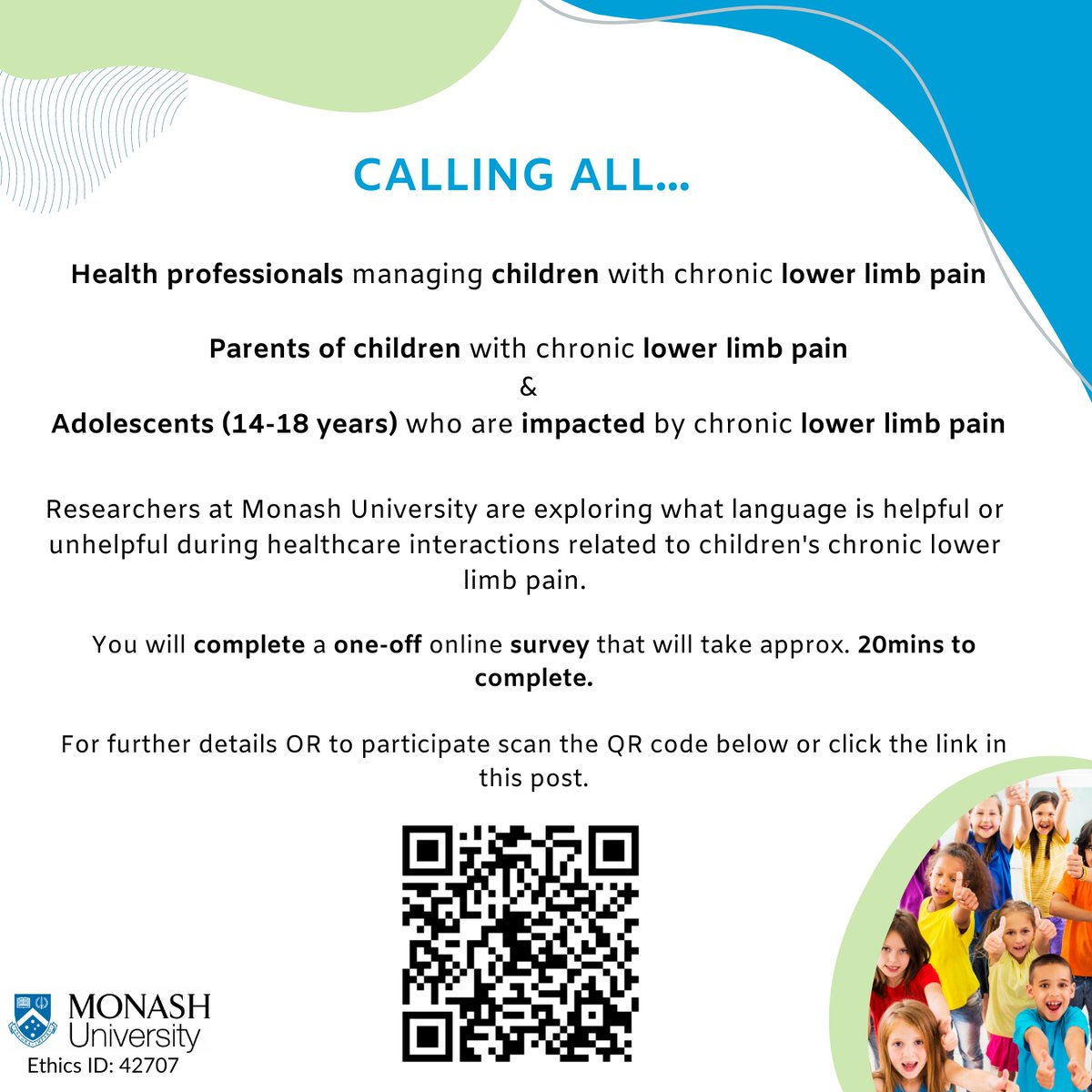
Our recent scoping review identifying the types of conditions reported in peer-reviewed literature that result in chronic musculoskeletal lower limb pain in children and adolescents. Open access: bmjopen.bmj.com/content/14/10/…
English
0
1
2
189
Luke Davies, PhD retweetledi
Aspetar سبيتار
Aspetar سبيتار@Aspetar·
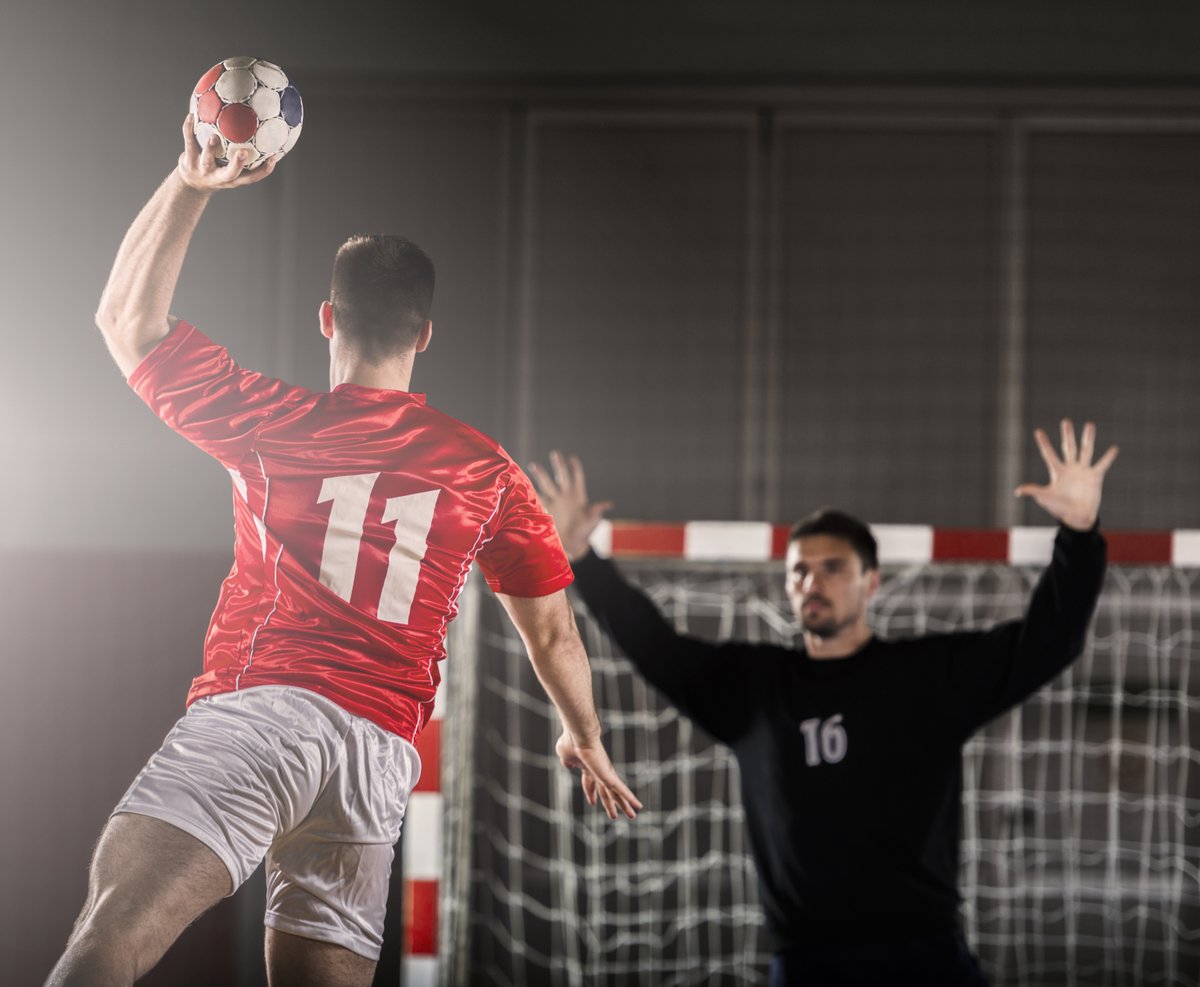
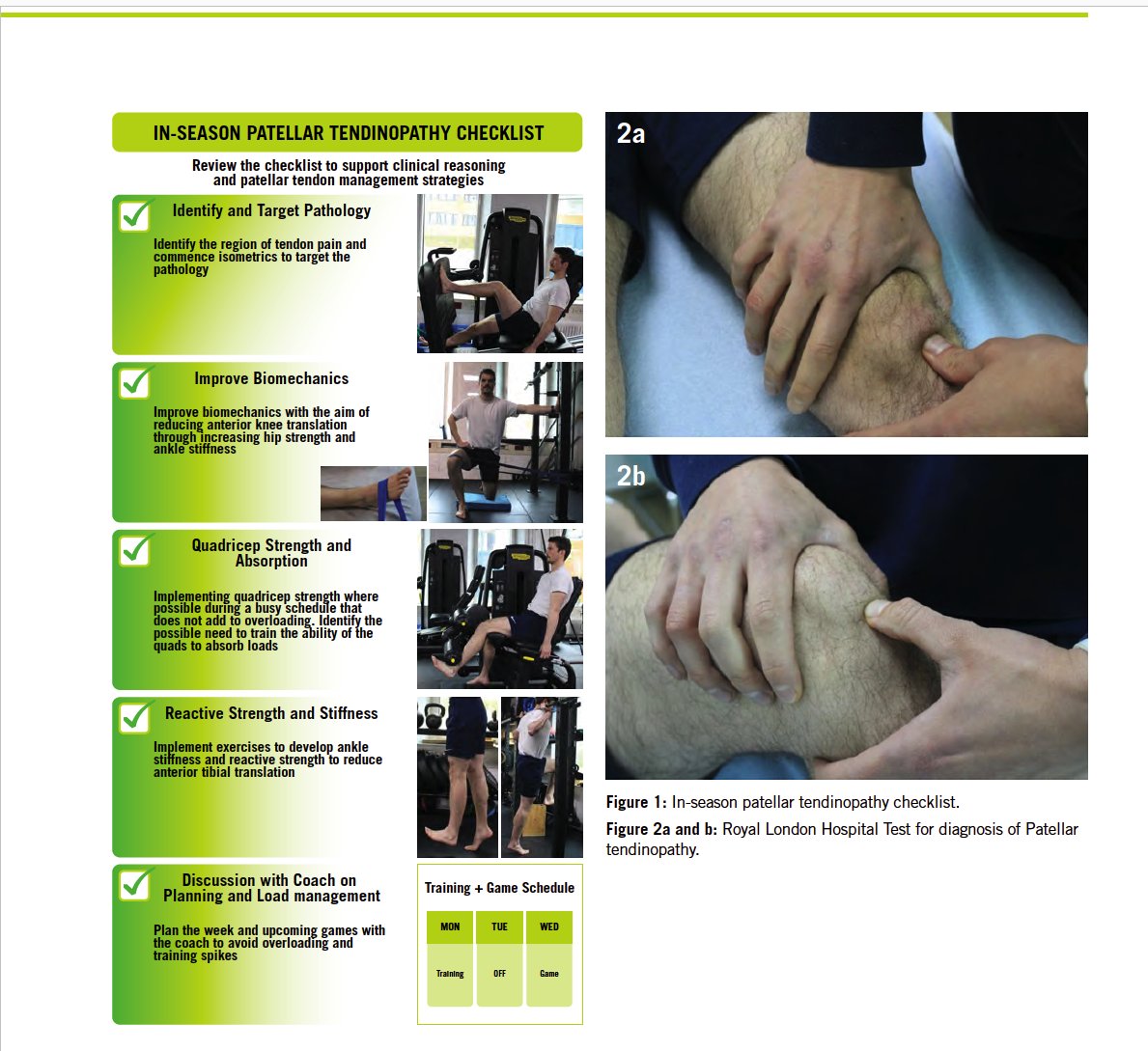
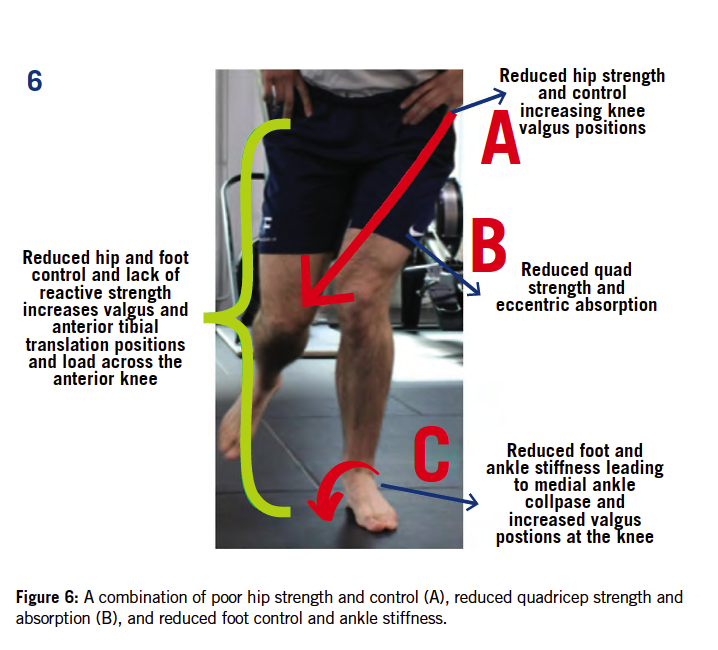
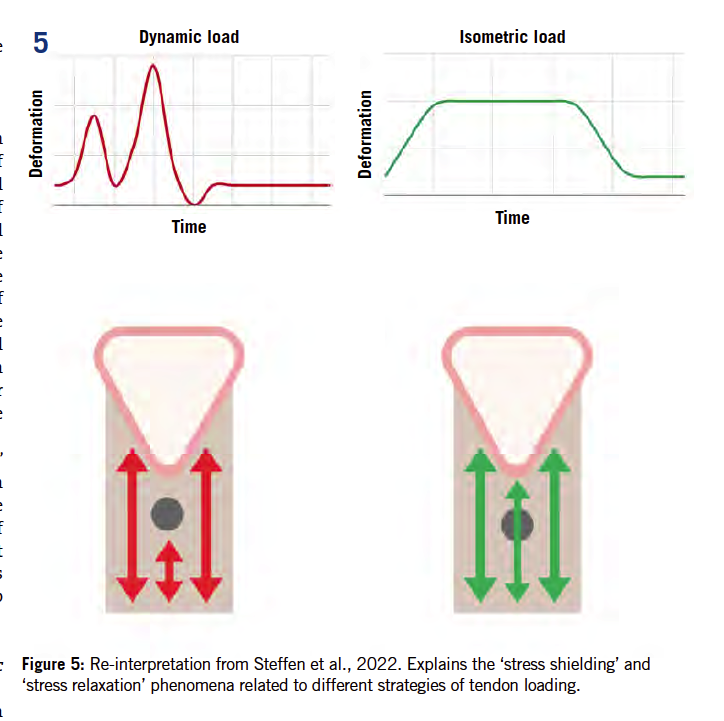
#OpenAccess Managing Patellar Tendinopathy In-season Patellar Tendinopathy (PT) in court-based sports is a condition in which athletes often try to ‘get comfortable with being uncomfortable’. This condition mainly affects athletes involved in repetitive movements involving the stretch-shortening cycle such as jumping and landing, making it also known as ‘jumper’s knee’ A review by Nutarelli et al., which included 8684 athletes from a variety of sports demonstrated that around 1589 (18.3%) suffered from PT. Of these symptomatic athletes, about 731 (46%) were playing a court-based sport. In running based sports, such as football, where jumping demands are much lower, only 95 athletes experienced similar complaints. PT issues are common in handball players due to the nature of the game requiring numerous accelerations/decelerations, changes of direction and jumping and landing activities involving one or both lower limbs. Physiotherapists understand that rest can help reduce symptoms, but this often comes with the cost of missing game time. The return to play time for court-based athletes suffering from PT has been shown to be on average 60 days, greatly varying depending on the severity of symptoms. This often leads to difficult discussions with team managers who understand players missing game time can have an impact on overall team standings Athletes who suffer from PT can be difficult to manage during a competitive season. Reviewing the athlete’s strength and power capabilities, the biomechanical characteristics of specific landing and jumping activities and his/her plyometric capacity should help clinicians identify the possible causes of the PT symptoms. 🔗Full article 👉 journal.aspetar.com/en/archive/vol… ✍️– Written by @BrendanButler4 & Claudio Palumbo
Aspetar سبيتار tweet mediaAspetar سبيتار tweet mediaAspetar سبيتار tweet mediaAspetar سبيتار tweet media
English
0
37
159
12.5K
Luke Davies, PhD retweetledi
CHESM
CHESM@CHESM_unimelb·
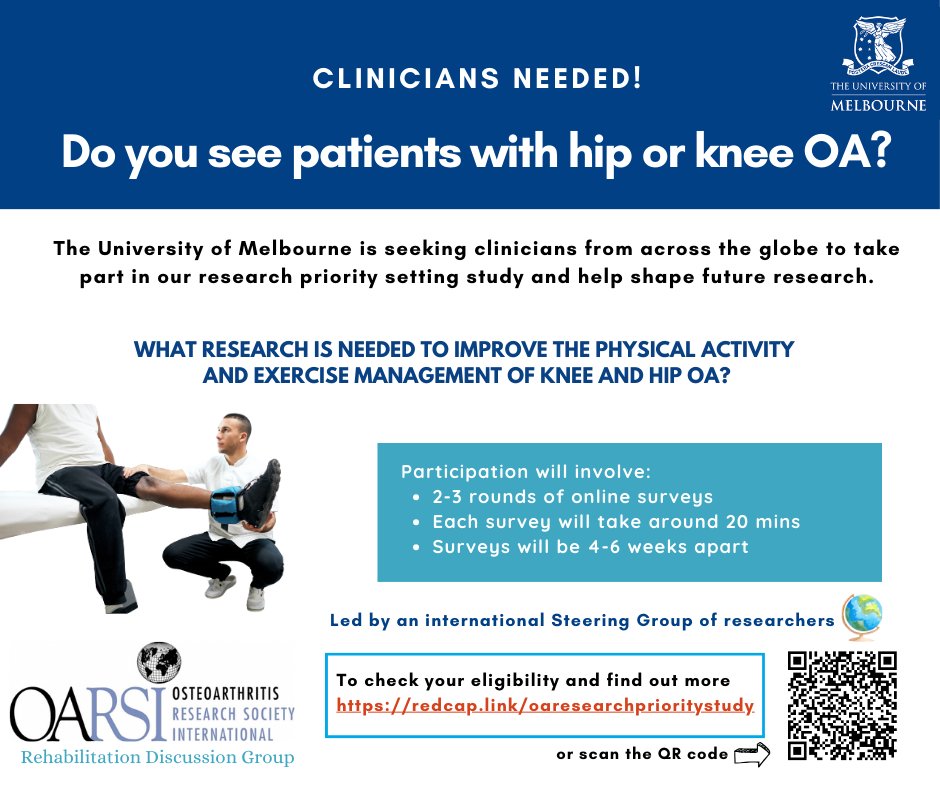
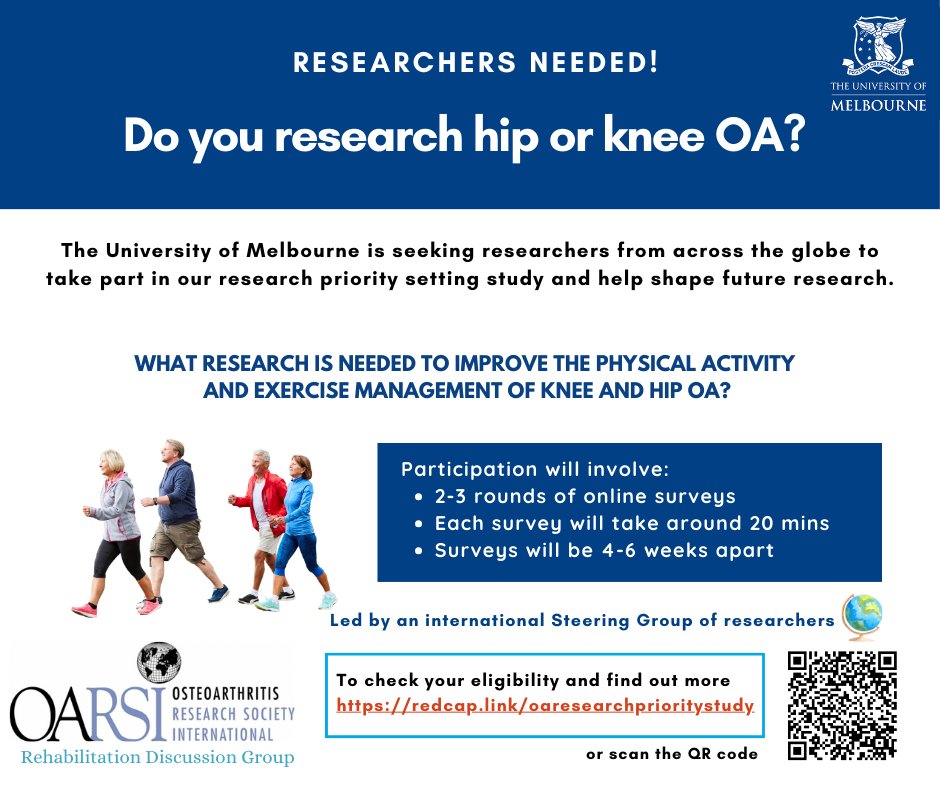
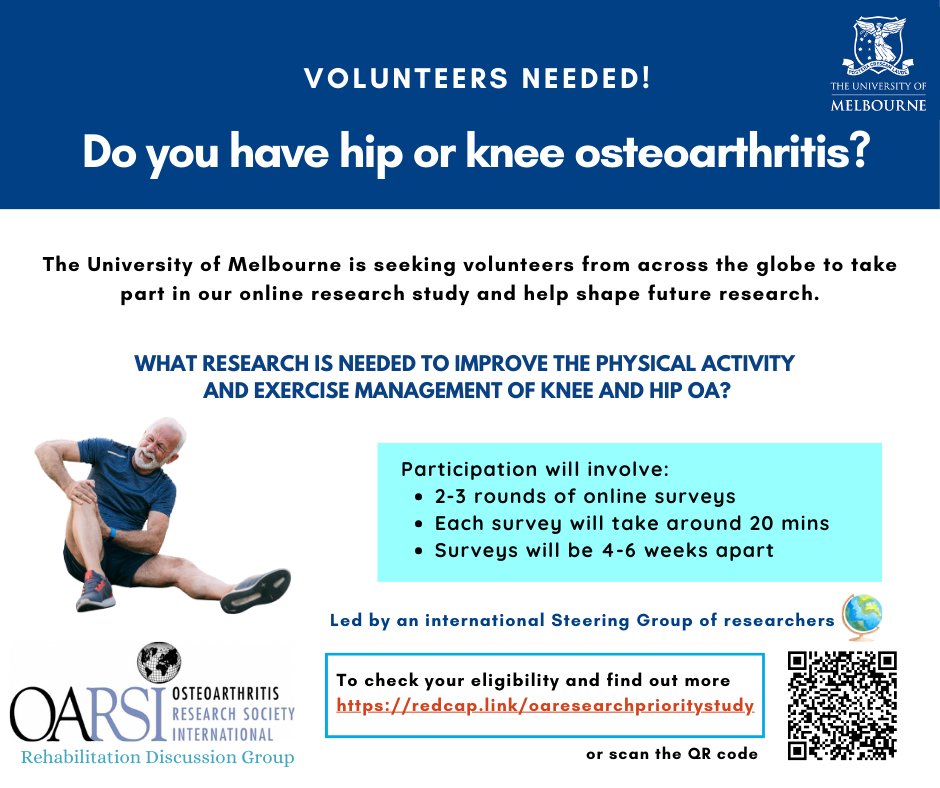
📢 Last Call - Have your say in shaping future research directions for hip & knee osteoarthritis Further input is needed from clinicians, researchers and people with OA globally. Complete the short survey at: redcap.link/oaresearchprio… ✍️
CHESM tweet mediaCHESM tweet mediaCHESM tweet media
English
1
13
17
2.6K