Learn Logic

11.3K posts

Learn Logic banner
Learn Logic

Learn Logic

@learn_logic

Capacity and better jobs in the age of intelligent machines | L&D | KM | Workforce development

Australia | Canada | Indonesia | UK Katılım Ağustos 2010
1.1K Takip Edilen918 Takipçiler
Learn Logic retweetledi
Fast Company
Fast Company@FastCompany·
"What we’re facing isn’t a lack of evidence. It’s a classic knowing-doing gap." f-st.co/SyX3aMj
English
0
4
1
1.6K
Learn Logic retweetledi
Justin Skycak
Justin Skycak@justinskycak·
People don't hate math; they hate the feeling of being lost. They hate the compounded debt of unlearned prerequisites.
English
89
405
3.5K
88.4K
Learn Logic retweetledi
Jaikaran
Jaikaran@drakmog·
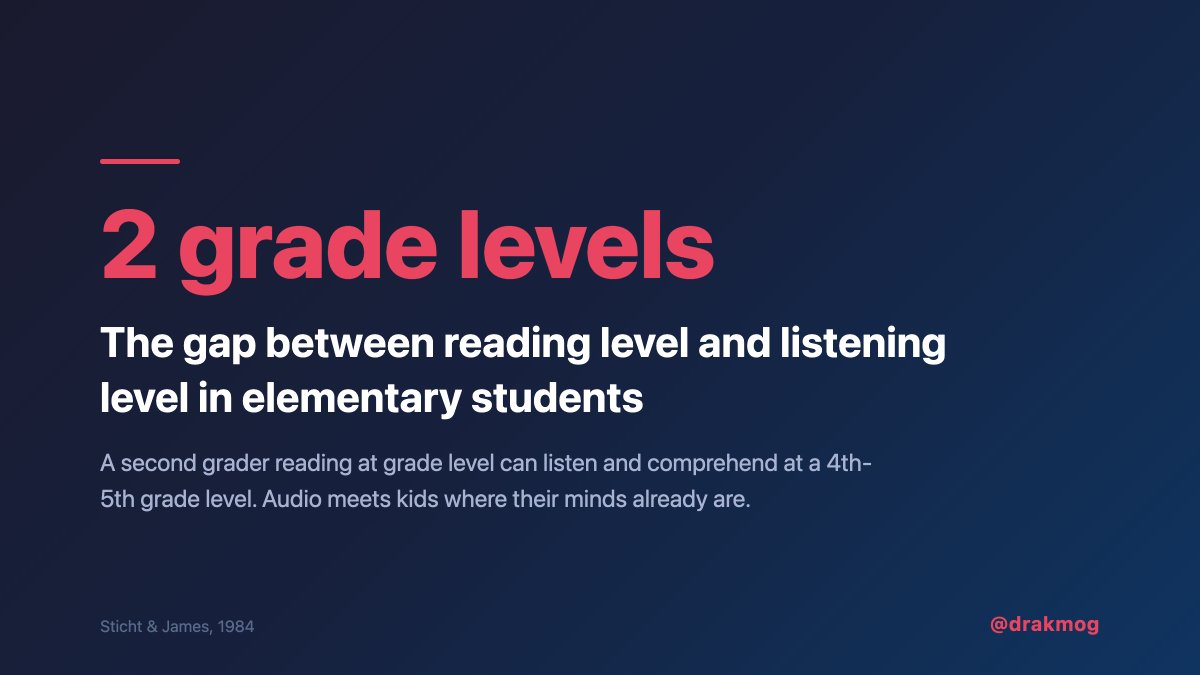
a second grader who reads at grade level can listen and comprehend at a fourth or fifth grade level. Sticht and James (1984) documented a consistent two grade level gap between reading ability and listening comprehension throughout elementary school. this means audio content lets
Jaikaran tweet media
English
2
8
67
11.4K
Learn Logic retweetledi
SoL in the Wild
SoL in the Wild@SoLInTheWild·
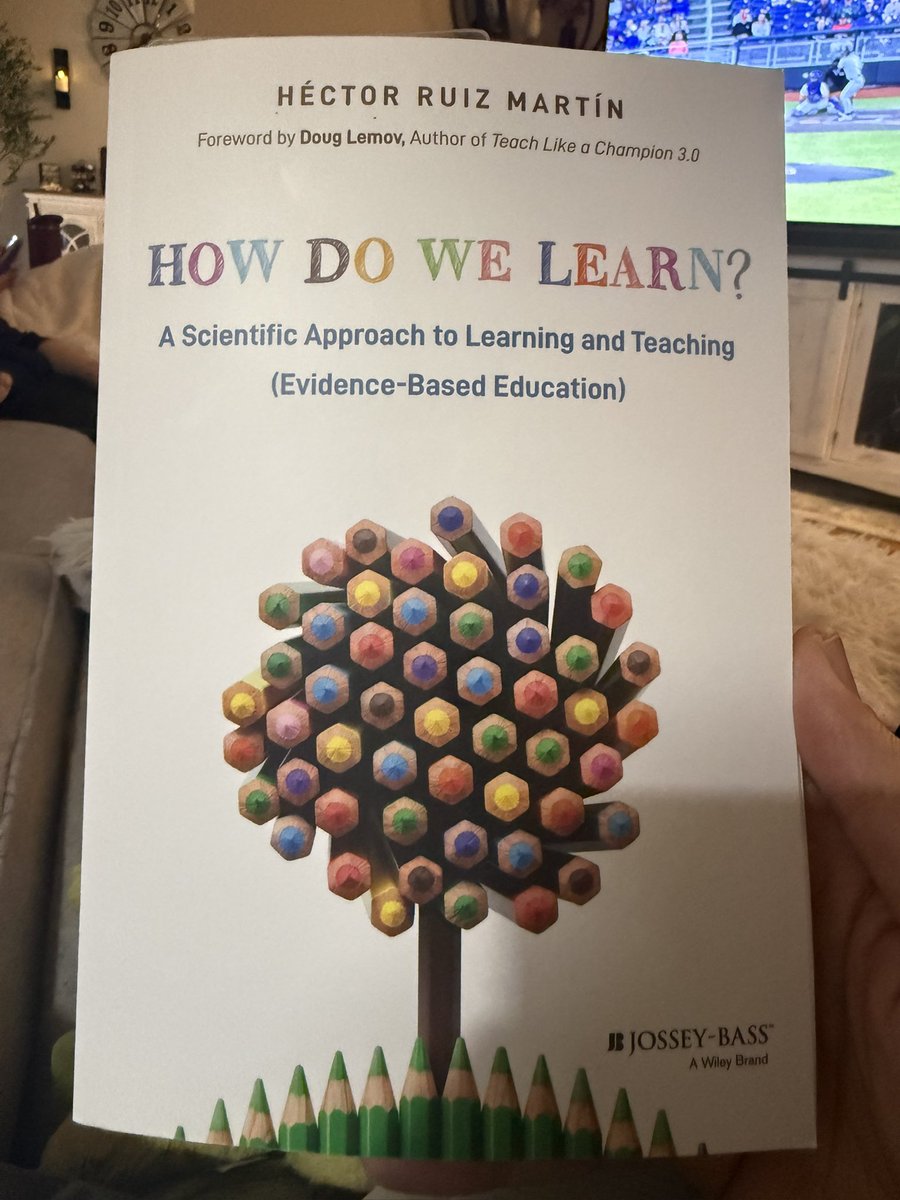
I’ve been wanting to get to this one for a while. This line from @Doug_Lemov foreword summarizes with remarkable precision why I read books like this: “In many ways the greatest form of equity lies in whether students get access to teaching that applies the science of learning as well as it can be by teachers who understand it well enough to make decisions to adapt and adjust their lessons for maximum benefit.”
SoL in the Wild tweet media
English
8
21
148
7.7K
Learn Logic retweetledi
James Clear
James Clear@JamesClear·
Nobody is rooting for you to fail. Maybe you’ll succeed. Maybe you’ll fail. For the most part, nobody cares one way or the other. This is a good thing! The world is big and you are small, and that means you can chase your dreams with little worry for what people think.
English
0
595
3.9K
101.4K
Learn Logic retweetledi
OECD Economics
OECD Economics@OECDeconomy·
How much does family background shape economic outcomes? New @OECD research shows strong intergenerational persistence in earnings, education & women’s labour participation. Education matters but parental background influences outcomes in many countries. brnw.ch/21x0PMz
OECD Economics tweet media
English
0
3
6
1.4K
Learn Logic retweetledi
David Perell Clips
David Perell Clips@PerellClips·
A Little-Known Fact about Stories In every story, there's a tension between three things: (1) what the author knows, (2) what the reader knows, and (3) what the character knows. It's a three-sided knowledge structure. "For example, with unreliable narrator stories, your character has a whole lot of stuff that they know that they're not saying, and then you'll get to a bit where the reader realizes that they've not been given the full story. The other way that triangle of information can go is that when the author and the reader are sharing knowledge that the characters don't have. The main character explores the world. He doesn't particularly understand a lot of the things he finds, but the reader can pick up the clues and stay a step ahead of what the character understands. In my book, Dogs of War, the main character, Rex, is a bioengineered dog who's being used as a military asset. It becomes apparent to the readers that what Rex is doing is war crimes, but Rex has no understanding of that because he doesn't have the context. As he goes out into the world, he understands more and starts making his own value judgments about what is right and wrong. That isn't just 'my master has told me to do this thing,' but in those early sections, you as the reader have a lot of perspective and knowledge, even based on Rex's own account, that Rex doesn't have."
David Perell@david_perell

Adrian Tchaikovsky is one of the best fantasy & science fiction writers alive today. What's crazy is that he's kept quality so high while writing ~5 books per year, and this interview is about how he does it. One guy on Reddit said: “Probably the best Sci-Fi/Fantasy author interview I’ve ever seen. Gives great insight into how Adrian Tchaikovsky approaches his novels." Timestamps: 0:35 How to plan a novel 2:27 The two types of outlining 7:07 What makes for a good idea? 8:09 Dragons 14:07 Building good characters 20:02 World building 25:09 A guide to science fiction 33:46 Fantasy vs. science fiction 36:38 How magic works in Sci-Fi 42:04 Writing good fight scenes 50:15 Avoiding writing ruts 59:07 How to improve your writing 1:03:07 Writing a good ending I've shared the full conversation with Adrian Tchaikovsky below. If you'd rather watch it on YouTube, or listen on Apple / Spotify, check out the reply tweets.

English
1
5
40
6.5K
Learn Logic retweetledi
Dr. M.F. Khan
Dr. M.F. Khan@Dr_TheHistories·
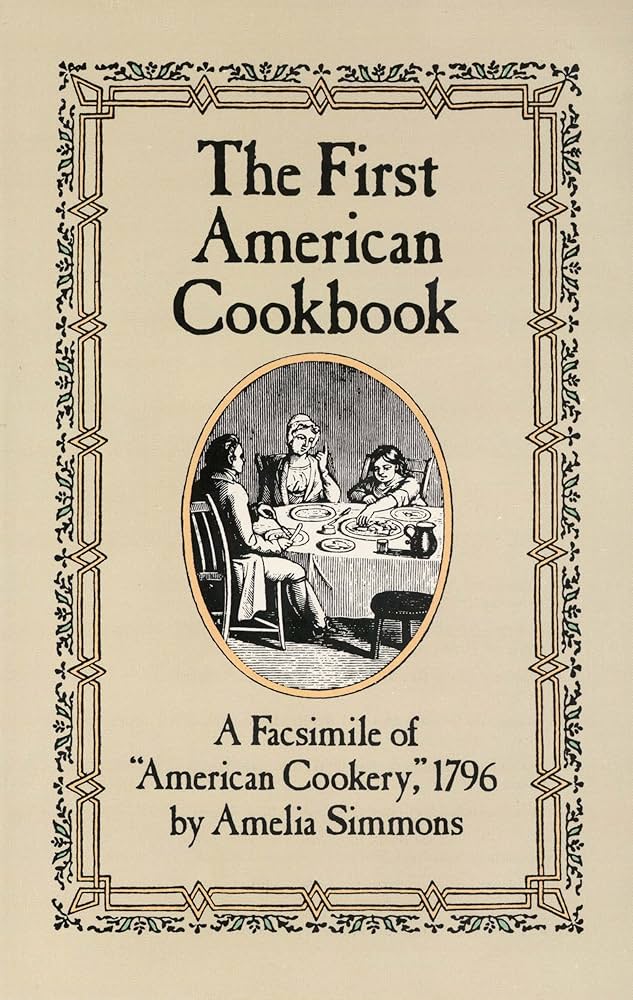
In 1796, a woman who described herself only as "an American Orphan" published the first cookbook ever written by an American. Nobody truly knows her full story. No biographical records survive. The only thing history kept is the book itself and 47 pages of recipes that quietly changed how an entire country cooked. Her name was Amelia Simmons, and her book was called American Cookery. Before it was published, every cookbook used in the thirteen colonies had been imported from Britain, full of ingredients Americans had trouble sourcing, techniques that assumed kitchens that didn't exist here, and measurements calibrated for a country they had just broken from. Simmons sat down and wrote the first one that actually reflected the country people were living in. She was the first person to put cranberry sauce with turkey in print. The word "cookie" appears in published form for the first time in her book, borrowed from Dutch settlers in New York. So does the word "slaw." Two words that now define American food culture made their first appearance on the page because one orphaned domestic worker decided to write down what she actually cooked. What makes Simmons remarkable is not just what she wrote but who she was writing for. She addresses the book directly to American women, and particularly to women like herself, those without parents or brothers or wealth, who had to work in other people's households and make do with what was available. The book sold for over thirty years and then disappeared entirely, replaced by newer editions and imported British volumes that had caught up with American tastes. Simmons herself vanished from the record the moment the last edition went out of print. But the words cookie and slaw are still in every American kitchen, and there is still a turkey on every Thanksgiving table with something made from cranberries beside it. She put those things in the American culinary vocabulary, and nobody remembers her name. © Eats History #drthehistories
Dr. M.F. Khan tweet media
English
13
208
757
14.8K
Learn Logic retweetledi
Luiza Jarovsky, PhD
Luiza Jarovsky, PhD@LuizaJarovsky·
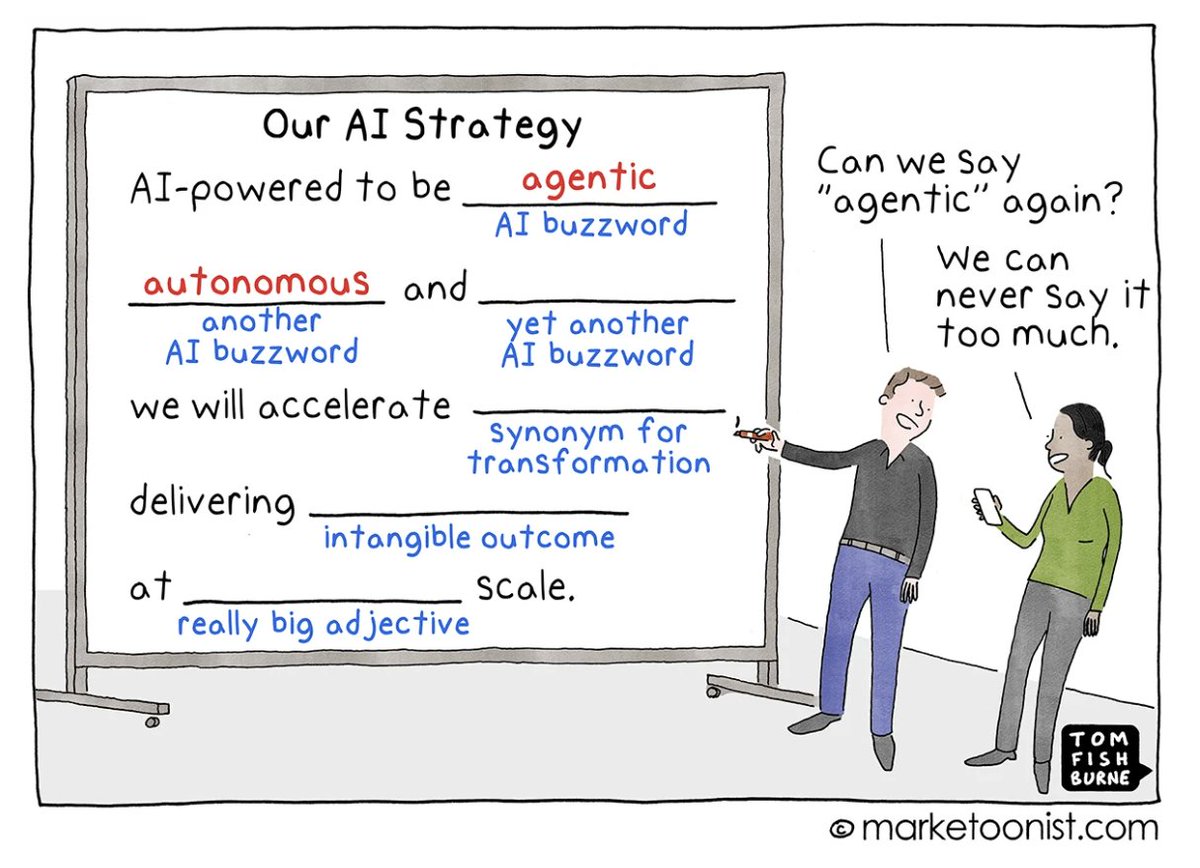
Every "AI strategy" meeting in 2026: [Cartoon by Tom Fishburne]
Luiza Jarovsky, PhD tweet media
English
21
147
586
23.5K
Learn Logic retweetledi
Scholarship for PhD
Scholarship for PhD@ScholarshipfPhd·
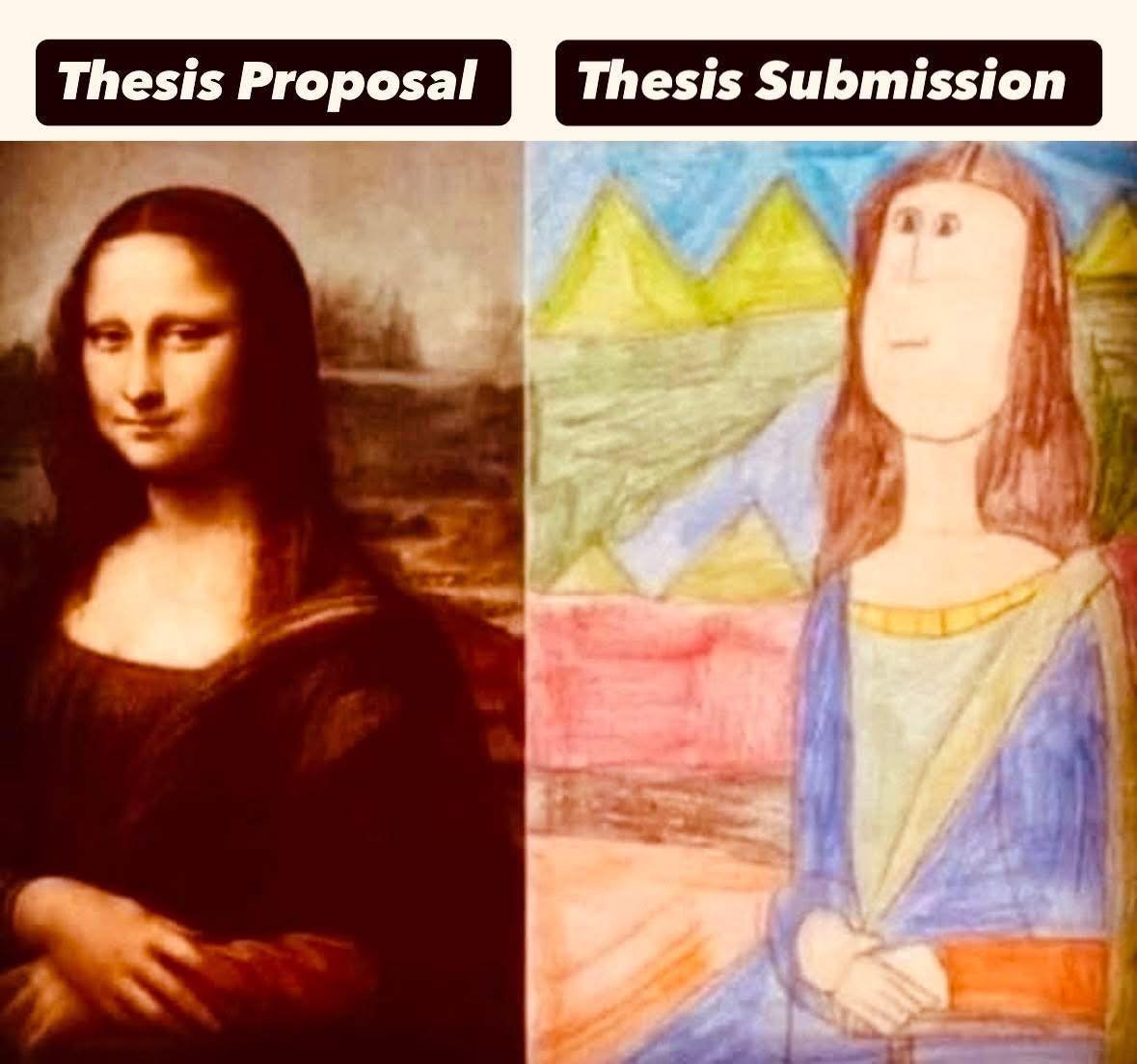
Proposal vs Submission
Scholarship for PhD tweet media
English
19
363
2.6K
70K
Learn Logic retweetledi
Dave Kline
Dave Kline@dklineii·
Most people overcommunicate. They ramble. The dive into the weeds. They lose their audience. And in doing so, lose their credibility. Change how you think and you'll change what you say. And how you say it. Headlines. Punchlines. Here's my 5-step formula to find your voice:
English
9
25
343
67.6K
Learn Logic retweetledi
Helen Reynolds MBE
Helen Reynolds MBE@helenrey·
FASCINATING post about working memory... at first I thought 'I don't think of WM as a store', but then I realised I did, and now I have a much more useful idea about what is going on. The pyramid model is so effective. Brilliant - thanks @EfratFurst . open.substack.com/pub/efratfurst…
Helen Reynolds MBE tweet media
English
3
5
23
1.1K
Learn Logic retweetledi
Hargraves Institute
Hargraves Institute@HargravesInst·
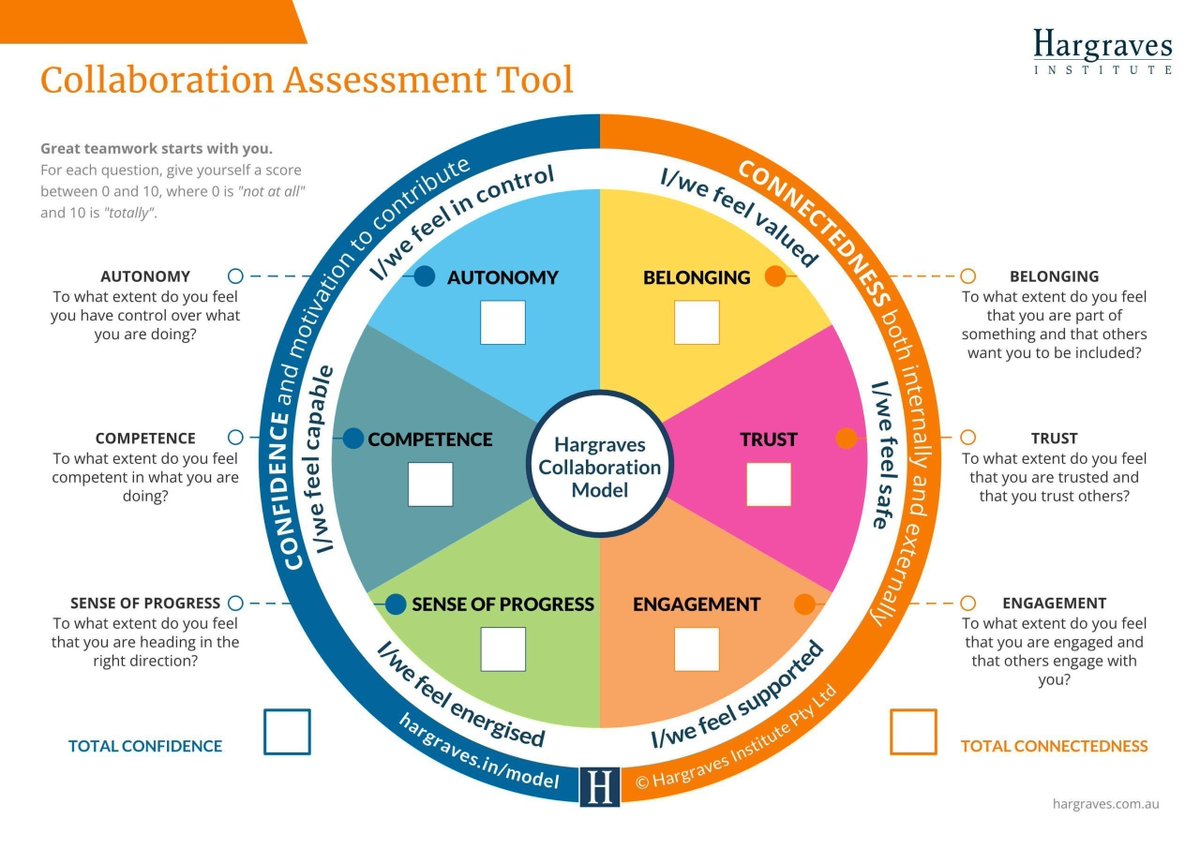
Leaders tell us they want to “build trust.” But what they often notice first is hesitation in meetings, commitments slipping, or decisions landing without clarity. 🔍️ What’s one small action you could take today to strengthen trust? hargraves.in/working-collab… #trust #friction
Hargraves Institute tweet media
English
0
1
1
16
Learn Logic retweetledi
Luca Repetto
Luca Repetto@luca_repetto_c·
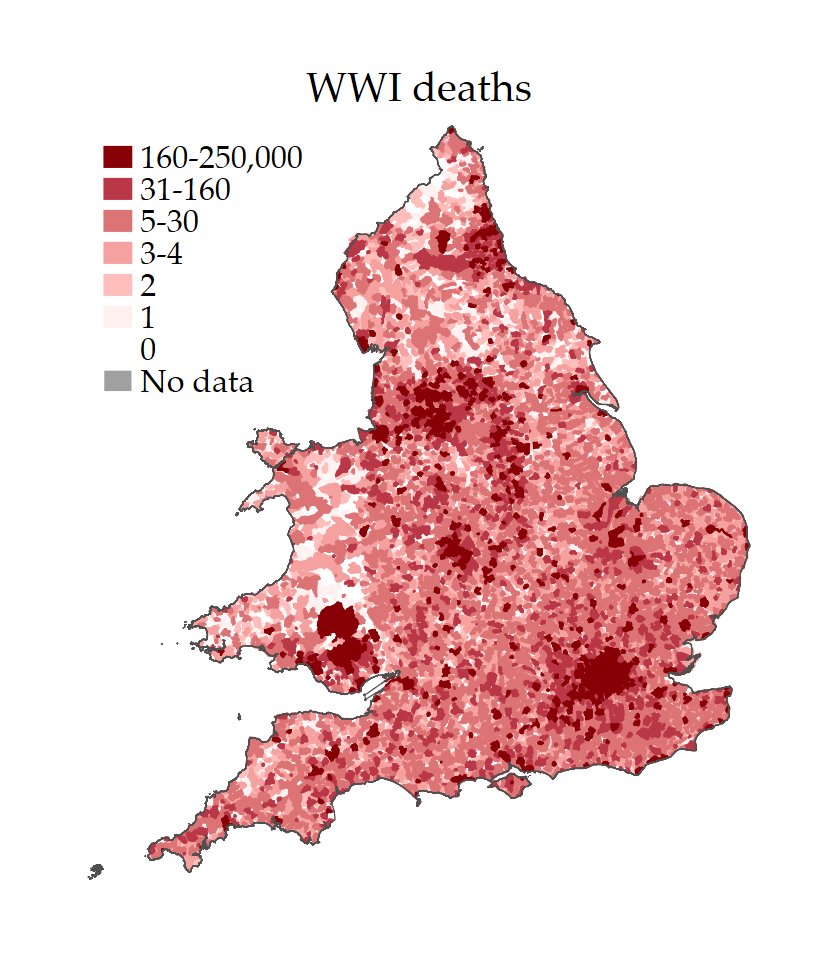
What are the effects of large human-capital shocks on innovation? In a new paper, we study how WWI military deaths across British communities affected local invention over the next decades. We find that places that lost more young men became persistently less innovative. (🧵1/11)
Luca Repetto tweet media
English
44
317
1.6K
297.3K
Learn Logic retweetledi
Reads with Ravi
Reads with Ravi@readswithravi·
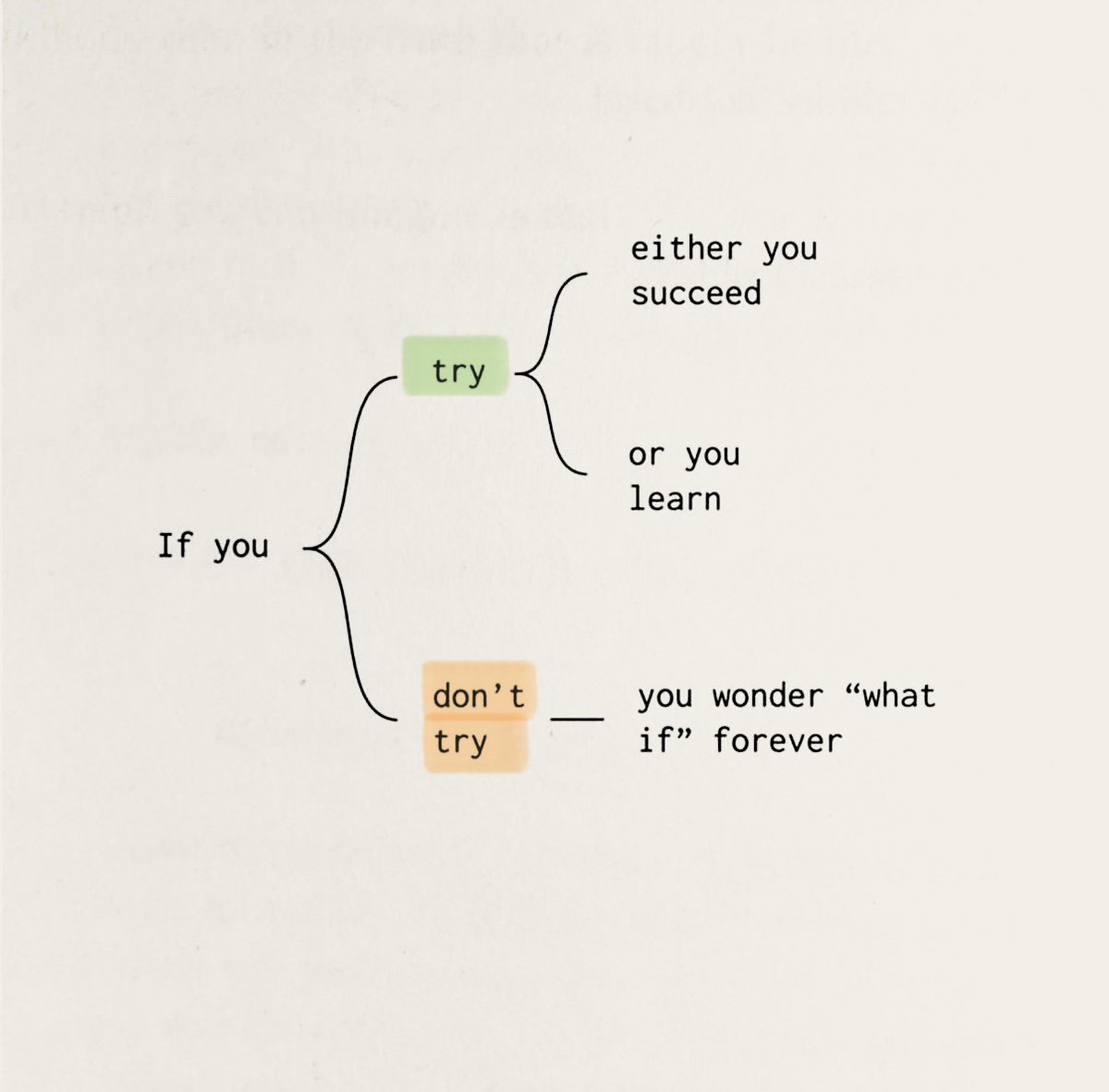
Take the risk.
Reads with Ravi tweet media
English
30
1K
3.8K
96.6K
Learn Logic retweetledi
CooperBaggs 💰🍞
CooperBaggs 💰🍞@edgaralandough·
Something I noticed about genuinely happy people: They're doing less than you. They have fewer goals. Fewer appointments. Fewer obligations. They've learned that addition by subtraction is real. While you're optimizing every minute, they're sitting on their porch drinking coffee. They're not lazy. They just figured out that most of what we chase doesn't matter. Busy is a choice. Peace is too. One looks successful. The other actually is.
English
86
417
3.7K
156K
Learn Logic retweetledi
Wylfċen
Wylfċen@wylfcen·
I love how Icelanders make new words for modern concepts instead of taking words from other languages. For example, they call a galaxy a stjörnuþoka or ‘star fog’, and a computer a tölva or ‘number prophetess’.
English
33
60
837
11.2K
Learn Logic retweetledi
James Clear
James Clear@JamesClear·
You are not your grand plans. You are your daily patterns.
English
1
6.9K
38.5K
861K