
lhamo ལྷ་མོ་/champions momager retweetledi
lhamo ལྷ་མོ་/champions momager
30.6K posts


lhamo ལྷ་མོ་/champions momager
@lhaping
བོད་པ/20s/she/her/ follow @champscharge /header edit by @isaacikeda
Katılım Eylül 2018
564 Takip Edilen493 Takipçiler

lhamo ལྷ་མོ་/champions momager retweetledi


lhamo ལྷ་མོ་/champions momager retweetledi
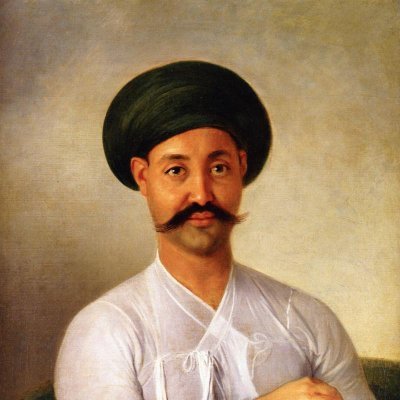
Does it remind anyone else of Yedigei Kazak and his massive Bactrian Camel Kara Nar, in Chingiz Aitmatov's "The Day Lasts More than a Hundred Years".
Federico Italiano@FedeItaliano76
A man poses in front of the Soyuz rocket monument, Baikonur, Kazakh SSR, 1980s
English
lhamo ལྷ་མོ་/champions momager retweetledi

lhamo ལྷ་མོ་/champions momager retweetledi

I Am trying to raise $1,100 right now for two families in Gaza one needs to pay rent and the other medical treatment! chuffed.org/project/waterm…
English
lhamo ལྷ་མོ་/champions momager retweetledi


lhamo ལྷ་མོ་/champions momager retweetledi


lhamo ལྷ་མོ་/champions momager retweetledi


lhamo ལྷ་མོ་/champions momager retweetledi
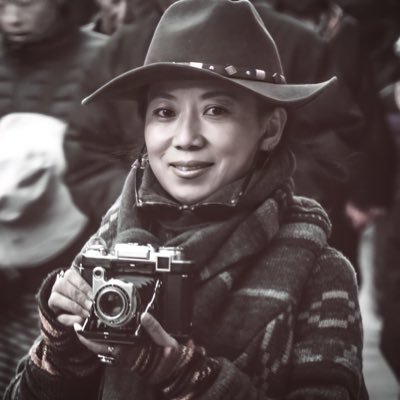
This post is incorrect. The so-called “butter churning dance” is not a traditional Tibetan dance. While making butter tea is indeed part of daily life in Tibet, there has never been a tradition of turning this labor into a dance, nor is it part of any customary festival performance.
What is being shown here is a highly exaggerated performance developed in recent years by state dance troupes, restaurants, and tourist entertainment venues. The earliest choreographers were not Tibetans. This form does not originate from folk tradition and does not belong to Tibetan cultural heritage.
More importantly, these performances often deliberately exaggerate bodily movements, transforming an ordinary and practical activity into something with clear sexualized undertones in order to attract audiences and tourists. This is not preservation of culture—it is distortion.
Such practices represent not only a misunderstanding of Tibetan culture, but also its commodification and theatrical reconstruction. They strip everyday Tibetan life of its context and turn it into a consumable spectacle, creating the illusion of something “traditional” where none exists.
Calling this a “traditional Tibetan dance” is therefore inaccurate and irresponsible. It is, quite frankly, a vulgarization. Please do not repeat or spread this misinformation.
In addition, historically, tea in Tibet did not come only from China; there were also tea trade routes from India.
Archaeo - Histories@archeohistories
Tibetan Butter Churning Dance, a traditional folk performance that honors the daily, labor-intensive process of making yak butter, a crucial element of Tibetan life. Originating from daily household chores, the dance mimics rhythmic churning motions, symbolizing prosperity, unity, and communal joy, often performed during festivities like Losar... The dance stems from the traditional method of making yak butter using a long wooden churn, a task requiring thousands of strokes. Yak butter is not only food but also used for fuel and in butter lamps at monasteries to symbolize wisdom. Dancers in colorful attire, often in a circle, use choreographed, energetic movements to simulate the pushing and pulling of the plunger in a butter churn. It is widely performed during the Tibetan New Year (Losar) and other celebrations, representing gratitude and the preservation of culture. It represents the blending of daily survival with art, focusing on community spirit and harmony. Yak butter is essential for making traditional Tibetan Butter Tea, made from tea leaves, yak butter, water, tsampa (roasted barley flour) and salt. The history of tea in Tibet dates back to 7th Century CE, during Tang dynasty. However, butter tea did not become popular in Tibet until about 13th Century, time of the Phagmodrupa dynasty. According to legend, a Chinese princess married a king of Tibet which later helped establish trade routes between China and Tibet. These trade routes brought tea into Tibet from China. Later, butter was added to the tea that was brought from China as butter is and was a staple in Tibetan cuisine. By the 8th Century, it was common to drink tea in Tibet. In 13th Century, tea was then used in Tibetan religious ceremonies. Today, butter tea is still prevalent in Tibet, and Tibetans can drink up to 60 small cups of the tea every day. Today, this ceremonial dance based off of Tibetan tea culture. It also may speak to the lesser known Butter Tea Ceremony. While the ceremony is rarely practiced anymore it still takes place in a handful of monasteries, including one in Gomar Gompa in eastern Amdo (“Butter Tea Ceremony”). While the ceremony is not widely spread, it is still an important ritual for some Tibetans. During the ceremony, Tibetans gather in the courtyard while the tea is being prepared. Local boys often stand on the edge of roofs surrounding the courtyard and throw down bags of candy and treats, although this is not necessarily part of the ritual. Once the tea is ready, wooden buckets of butter tea are carried into the courtyard by back, each bucket holding nearly 30 liters of tea. Once the buckets are placed on the ground, individuals use ladles to distribute the butter tea to members of the community. This particular dance is so interesting because it seamlessly integrates these three practices in a modern context. The act of dancing is in itself a ritualized and sacred practice. Thus, creating a dance based on the preparation and uses of Butter Tea—a quintessential element of Tibetan culture—only further heightens the significance of tea customs by ritualizing the practice by means of dance. Drinking butter tea is a regular part of Tibetan life. Before work, a Tibetan will typically enjoy several bowlfuls of this beverage, and it is always served to guests.[citation needed] Since butter is the main ingredient, butter tea provides plenty of caloric energy and is particularly suited to high altitudes. The butter may also help prevent chapped lips. According to the Tibetan custom, butter tea is drunk in separate sips, and after each sip, the host refills the bowl to the brim. Thus, the guest never drains his bowl; it is constantly topped up. If the visitor does not wish to drink, the best thing to do is leave the tea untouched until the time comes to leave and then drain the bowl. In this way, etiquette is observed and the host will not be offended. © Discover Tibet #archaeohistories
English
lhamo ལྷ་མོ་/champions momager retweetledi



lhamo ལྷ་མོ་/champions momager retweetledi

lhamo ལྷ་མོ་/champions momager retweetledi

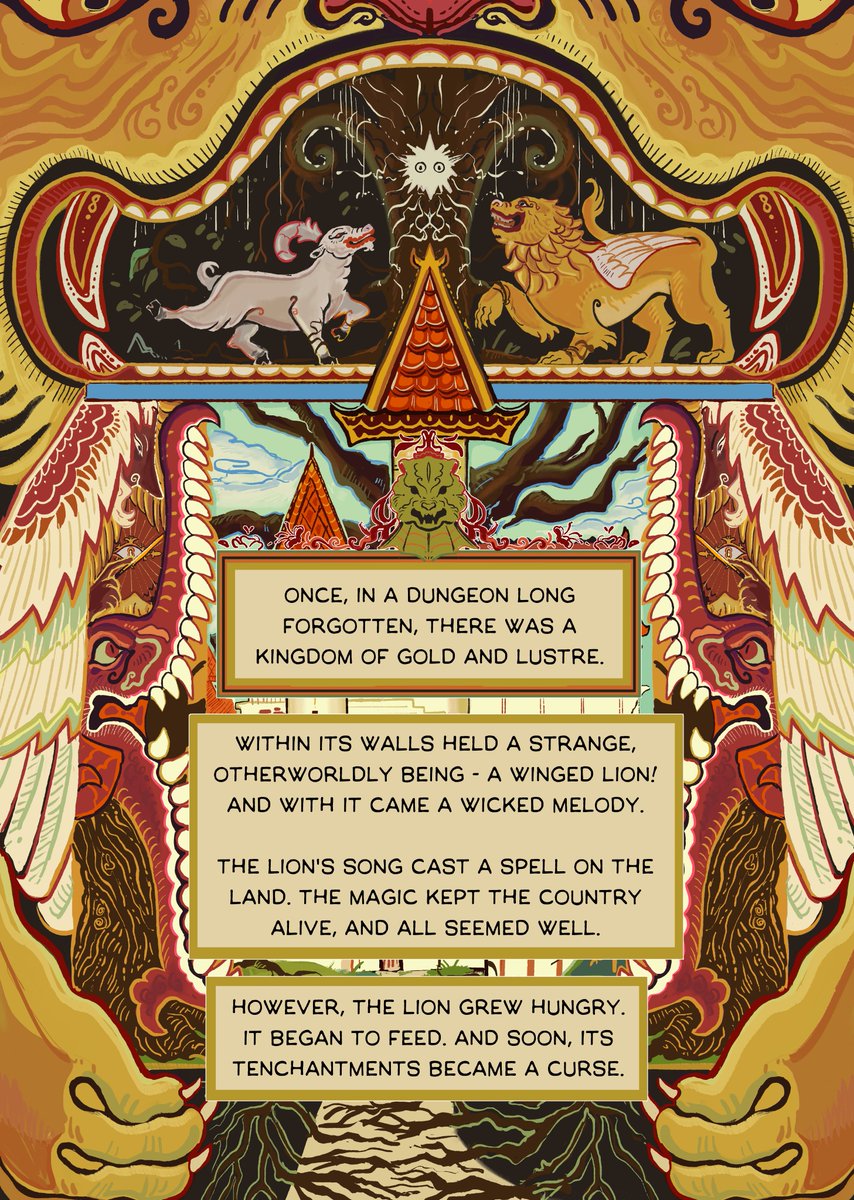
watching indians finding out about caminho das índias is probably gonna be my biggest entertainment for the night
९-१-१ लॉकडाउन@CelibateCare
This got me crying vro
English
Sucks that the character writing was p good though I still have takes abt it and this like weird toxic relationship with it bc of childhood nostalgia
English
Why was the entire air nation monks and nuns. How on earth can a society function economically without laymen. Why did the writers vilify the idea of indigeneity and respectfully preserving cultures that experience genocide throughout the franchise (I know why)
English
I vowed to never acknowledge atla years ago after being shat on for publically critiquing their portrayal of tibetan culture on tumblr dot com in front of their rabid fandom but I can’t deny it even now I’m still confused by the implications of their sloppy centrist worldbuilding
English
lhamo ལྷ་མོ་/champions momager retweetledi

This is probably the best manga published in Jump Plus for me, so if you haven't already and you like realistic Slice of Life, check it out. It's well written, believable and touching. Not nearly enough people talk about it.
Manga Mogura RE (Anime & Manga News)@MangaMoguraRE
The excellent Slice of Life Youth Drama "Home at the Horizon" is getting a FRENCH RELEASE according to the author Watabe Taiyo Youth Drama set in a small public bathhouse in a seaside town following a loner high school boy who finds out his late dad has another son. Two completely different half brothers are starting to live together, willing to learn and become family for each other. (You can read it in english on Manga Plus!)
English
lhamo ལྷ་མོ་/champions momager retweetledi


lhamo ལྷ་མོ་/champions momager retweetledi

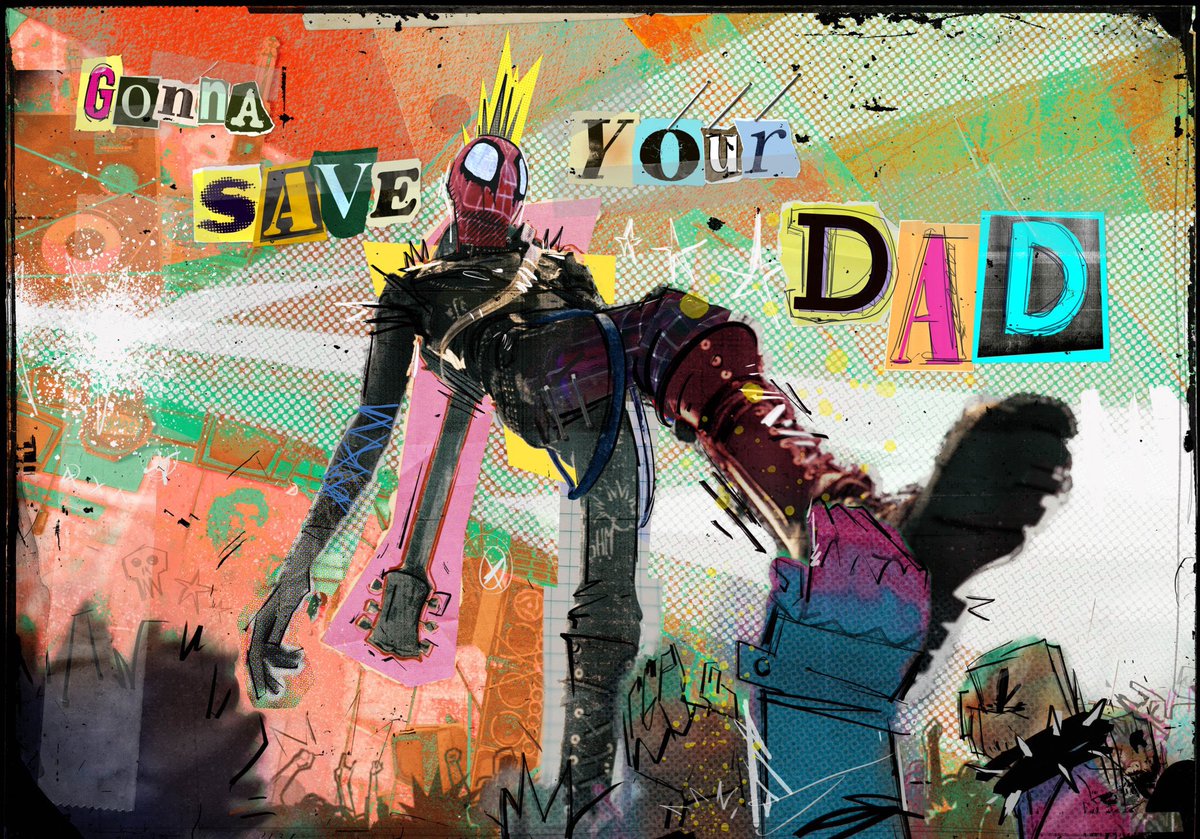
New images from ‘BEYOND THE SPIDER-VERSE’.
In theaters on June 18, 2027.



English
lhamo ལྷ་མོ་/champions momager retweetledi

For Palestinians who use paypal:
I was #told there will be upcoming changes to PayPal policies required by a new Israeli law that will start in June of this year. Anyone in “Israel” that exceeds a per-transaction amount (send or receive) or receives more than a certain amount in six months will be locked out of their PayPal account & lose access to their money unless they upload Israeli ids & do a facial recognition scan. Also if they receive money from most arab or Muslim countries directly to their PayPal. I’m trying to spread the word so people in Gaza know to be careful & to split up transactions & avoid receiving money from the wrong people.

English