Lincoln
150 posts


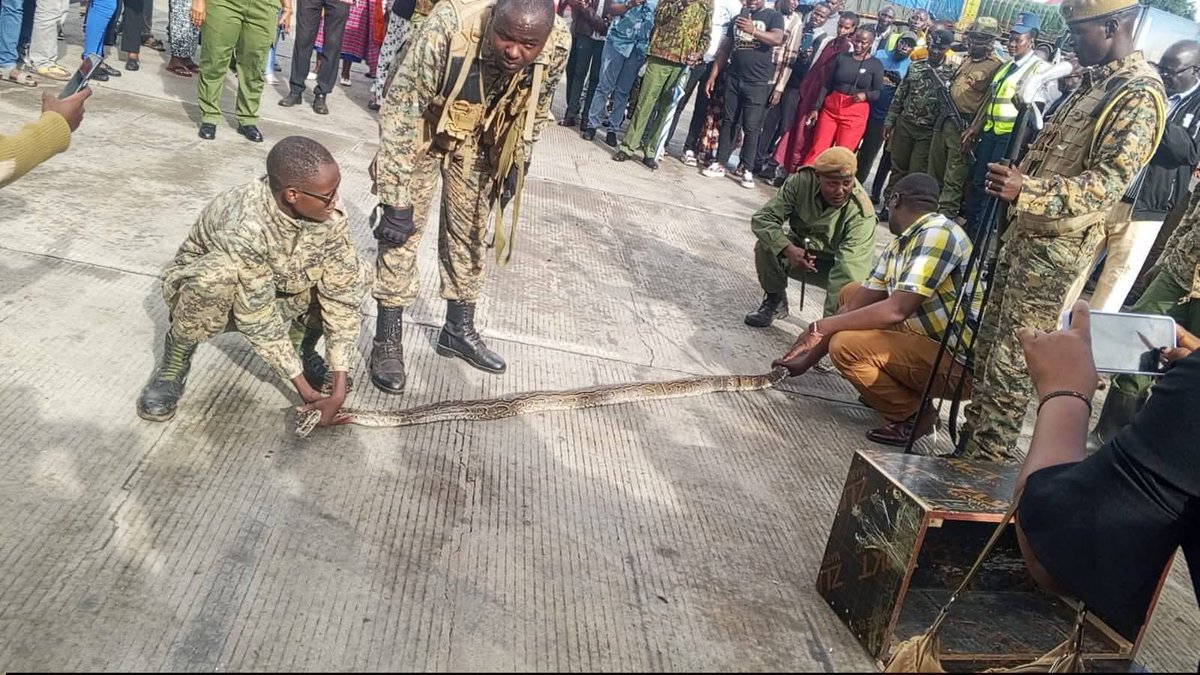
At the Namanga Border, a routine inspection took an unexpected turn. Officers flagged a Tanzanian bus headed for Nairobi, on board, an unusual and ‘illegal passenger’: a rock python, hidden in transit.
Within moments, the Kenya Wildlife Service team stepped in. With practiced ease, KWS officers handled and safely secured the snake without harm. It was a quiet but powerful display of skill, training, and respect for wildlife, expertise you don’t often get to witness up close.
But this wasn’t a solo effort. Behind the scenes was a strong multi-agency operation, with KWS working side by side with the National Police Service, Kenya Revenue Authority, and the Directorate of Criminal Investigations; highlighting the critical role of collaboration in conservation efforts.
If you see or suspect any wildlife crime, speak up. Report via our 24/7 toll-free hotline 0800 597 000 or the nearest KWS station for immediate intervention. Every voice matters.
#PartnershipsForWildlife #TunzaMaliYako



English
@mansang29 There was a proposal to expand the road through kapsabet upto chavakali, some people might sleep on that road.
English

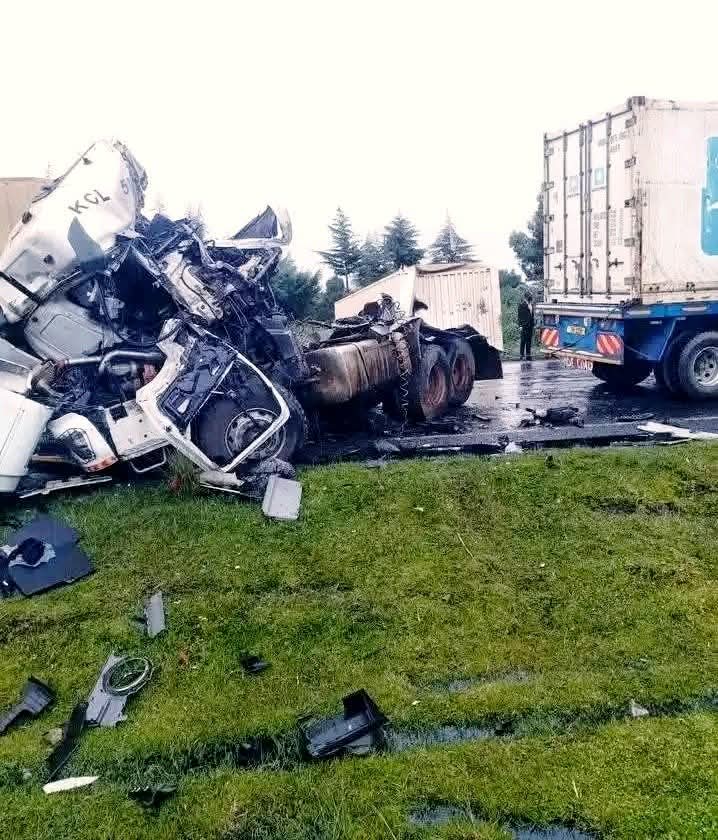
A terrible head-on collision involving two trailers at mlango 4 Eldoret- Nakuru highway.


English
@SokoAnalyst Do a research on the amount of cargo from the Kisumu rail to mwanza, Jinja,portbell, rail transport are designed to ease pressure from the roads that are expensive to maintain and accident prone,profits come last
English

The Standard Gauge Railway (SGR) should have retained the original northern corridor alignment. The Eldoret–Webuye–Bungoma–Busia–Malaba axis is not just a line on a map; it is the spine of Kenya’s most productive trade and agricultural belt.
Eldoret alone anchors the North Rift economy, contributing significantly to Kenya’s maize, wheat, and dairy output, while also serving as a logistics hub for Western Kenya. Bungoma and Busia sit at the heart of cross-border trade with Uganda—Kenya’s largest regional export market—where bilateral trade exceeds KSh 120 billion annually.
Malaba and Busia border points handle over 60 percent of road cargo transit into Uganda, Rwanda, South Sudan, and eastern DRC, forming a critical segment of the Northern Corridor that moves more than 30 million tonnes of cargo per year.
Routing the SGR through this corridor would have directly tapped into high-volume freight flows: agricultural produce, fuel, manufactured goods, and transit cargo destined for the Great Lakes region. This is where rail delivers the highest economic returns—moving bulk goods efficiently, lowering logistics costs by up to 30–40 percent, and easing pressure on road infrastructure like the Eldoret–Malaba highway.
Instead, the revised route sacrifices this dense economic corridor for a politically convenient alignment with significantly lower immediate freight demand and weaker integration into regional trade flows. The result is a railway that struggles to maximize cargo uptake, limiting its ability to generate sufficient revenue to offset its construction cost—estimated at over KSh 600 billion for the existing SGR phases.
In economic terms, the original route was demand-driven: it aligned with production zones, trade corridors, and export markets. The current alignment is supply-driven: built first, with demand expected to follow. That is a far riskier proposition.
Put simply, the initial route would have connected the SGR to where the economy already works. The new route asks the economy to reorganize itself around the railway.
English
@EngJohnMachari1 I'm a field person and I know every sub county there but which part of nyandarua should deserves hardship privileges surely.
English
BREAKING!!
The government of Kenya has finally categorized hardship areas into two categories of Extreme and Moderate. The new renumeration hardship rates has been revised by SRC and will be implemented in July this year. Here are the categories and respective zones.
EXTREME
1. Mandera county
2. Garissa county
3. Turkana county
4. Wajir county
5. Tana River county
6. Marsabit county
7. Some parts of Lamu
8. West Pokot
9. Some parts of Baringo
10. Isiolo County
MODERATE
1. Narok West, South and Loita
2. Samburu
3. Parts of Suba South and Suba North
4. Some parts of Kitui County
5. Some parts of Makueni
6. Some parts of Kajiado
7. Some parts of Kilifi
8. Nyando and Nyakach in Kisumu county.
9. Some parts of Laikipia
10. Some parts of Nyandarua
English

Safaricom wamekuongezea limit ya ngapi hapo fuliza ama wewe bado kuongezwa?
Indonesia

You can only pick one-
1. 100k per day
2. 100m at once
3. 10k per minute
4. 1k per second.
Let me see how smart you all are 😂😂
English

Guys, I need your help. Which business can I start without capital? 🥹
English
@cleopha_muriuki @StandardKenya You have not factored those employed in our villages to pluck tea leaves and other menial jobs Kenyans have refused
English


Banyamulenge and Tutsi communities protest in Nairobi, accuse DR Congo government of discrimination and killings
Video by Jonah Onyango
English
@stats_feed I thought power producers and energy distributors will make the top ten.its a top necessity
English
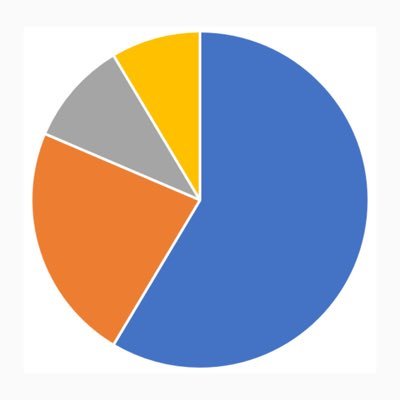
U.S. industries with the highest profit margins 💰👇
1.Tobacco - 32.0%
2.Entertainment Software - 27.4%
3.Retail REITs - 25.5%
4.Diversified - 25.2%
5.Rail Transportation - 24.3%
6.System & App Software - 22.9%
7.Financial Services - 22.3%
8.Water Utilities - 21.3%
9.Semiconductor Equipment - 20.1%
10.Semiconductors - 20.0%
11.Oil & Gas Production - 19.5%
12.Asset Management - 17.6%
13.Computers & Peripherals - 16.8%
14.Oil & Gas Distribution - 16.2%
15.General Utilities - 15.5%
A 100-year-old product still leads the market.
English
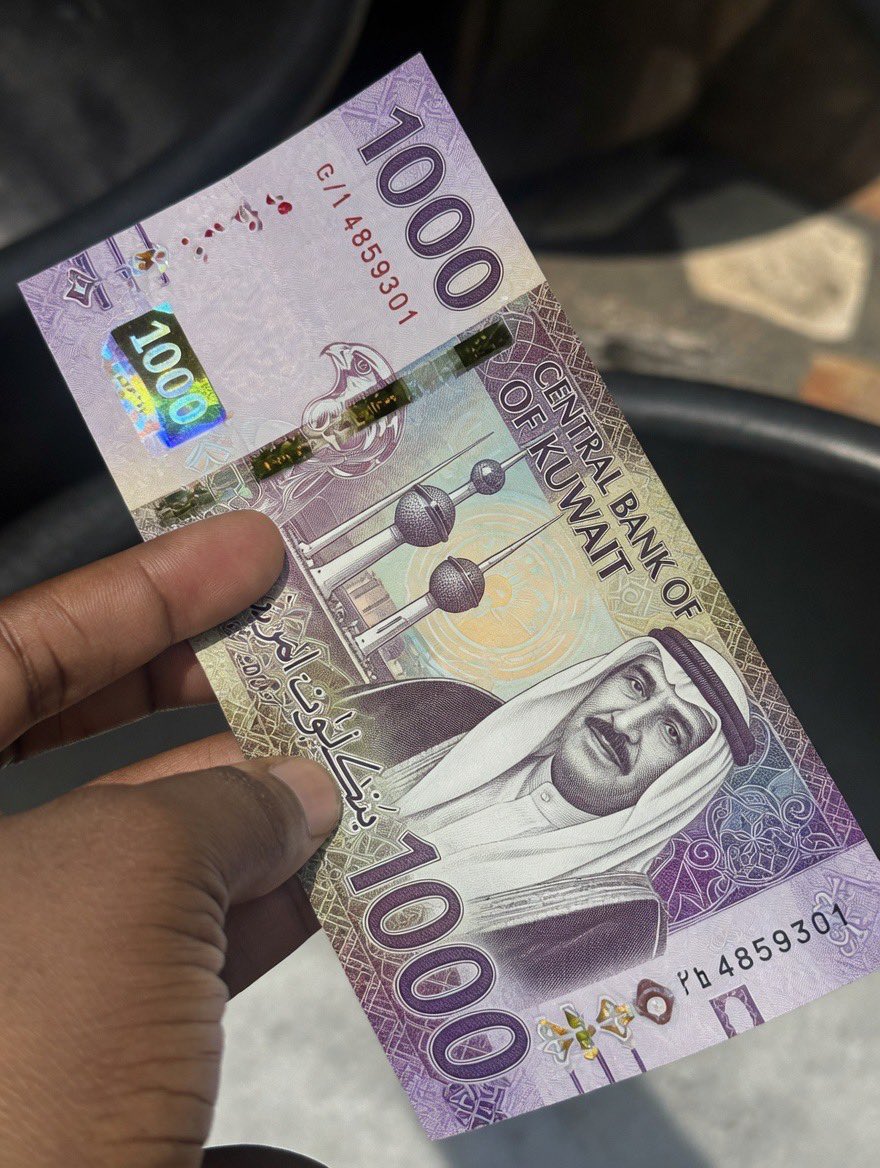
Iran wanted to blackmail Trump with their shenanigans around the Strait of Hormuz.
But they forgot that Trump's always standing on business.
Despite Iran's emotional blocking the Strait of Hormuz,
Trump's blockade is still in full effect and as at yesterday, the blockade turned back 23 vessels coming from Iranian ports.
This is the 6th day of the war and no ship has entered or left any Iranian ports. The regime is reportedly losing over $450 million dollars every day because of the blockade.
English

His exellensiiii did not believe his ears Jana,Mandera people walimwambia Wantam😂😂😂👍this time no one is joking with their future!!
English

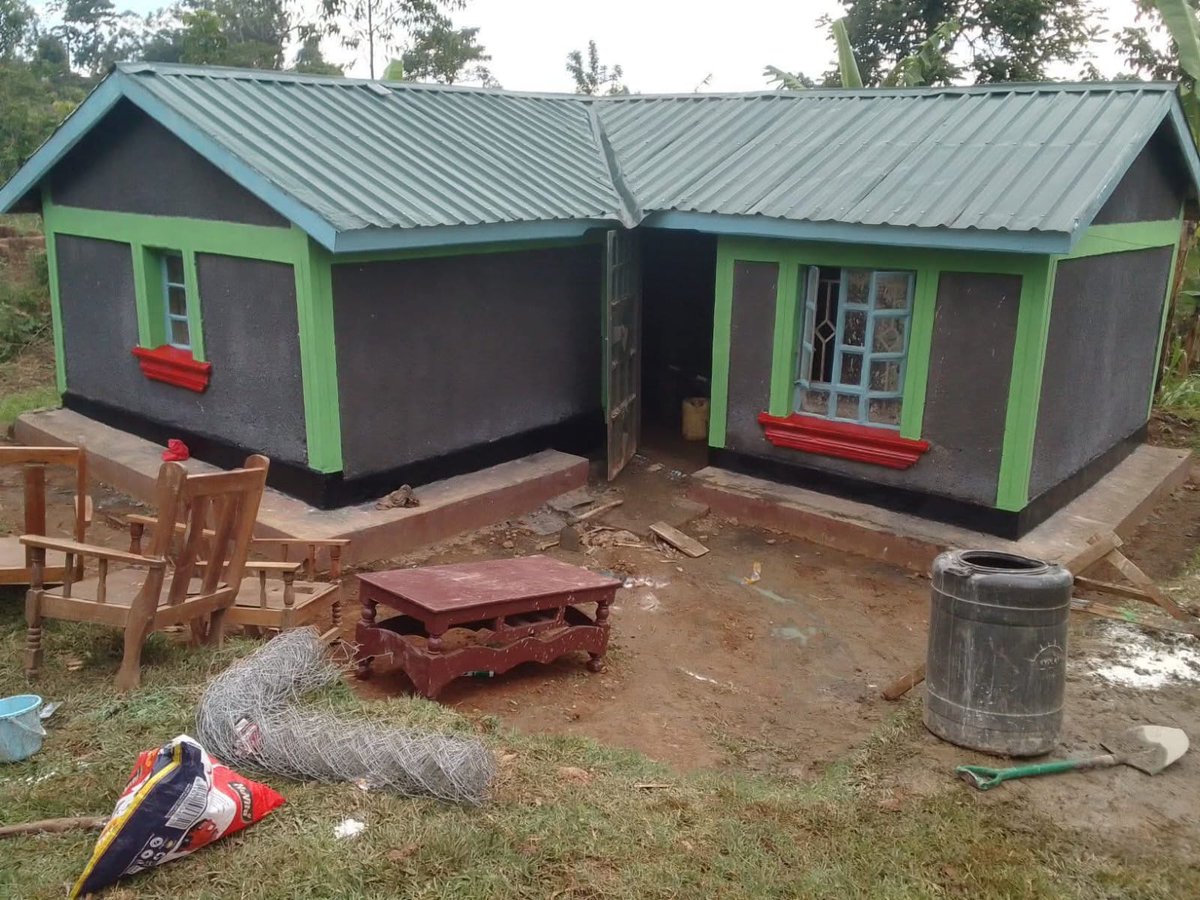
Nyumba ya Mabati 30. Semipermanent. Total cost 230K.
My local fundi anajua kazi yake vizuri Sana.
Indonesia
@DazylingQueeen Look for one maid and subject her to a 5 year fp injection,HIv test be a must.
English

My husband keeps dating every maid we hire. What can I do to stop this?¿ I’ve already fired my ninth maid.😭💔
I need your opinion.
English
@ChrisObore1 Merchandise will never be returned, their goal is to make sure you never rise again, akin to killing the snake with its eggs.
English

Take the kiosk. Return her merchandise. Law enforcement should not be theft. The town clerk of this area must act and return the merchandise to this lady.

English