
Jiten De La Ilustración retweetledi
Jiten De La Ilustración
4.3K posts

Jiten De La Ilustración
@listojiten
However vast the darkness, we must supply our own light. That which liberates is knowledge. Fallibilist. Hispanofilo.
Secret location on Earth Katılım Şubat 2009
132 Takip Edilen260 Takipçiler
Jiten De La Ilustración retweetledi

You cannot hate this man enough. We don’t stand a chance with him in charge.
Sedd 🇬🇧@SeddSezz
Keir Starmer received Syrian President Ahmad al-Sharaa in London This man is a former fighter linked to Al Qaeda. Hardline Labour Islamists will cherish this photograph! Starmer is NOT my PM.
English
Jiten De La Ilustración retweetledi

In my series of politically incorrect adverts this is the Carling ad where our hero races the Germans to the sunbeds. His can is wrapped up in his towel & turns it into a Barnes-Wallis bouncing bomb.
Raising a toast he says "turned out nice again".
English
@helloKi30596224 Yes, but she resigned 36 years ago so what are expected to do now?
English

Idiots, bots and traitors.
The vast majority of intelligent UK citizens are grateful to finally have a decent, hardworking Prime Minister.
Georgia Mae@GeorgiaMaeCole1
Who agrees that Keir Starmer is the worst PM we've ever had?
English

@ToKTeacher @peterrhague Well I love beaches, mountains, trees and lakes and I’m staying right here on this planet. We can send AGIs to the galaxy in our stead.
English

@peterrhague Peter, “Our brains run at the same frequencies as the ionosphere”. Case closed.
GIF
English
@DavidDeutschOxf @PessimistsArc The program (the mind) starts getting corrupted and error correction starts failing?
English
@PessimistsArc As people get older, they have increasing difficulty distinguishing fantasy from reality.
English

20 years ago today.
Amusing that adults now treat flip phones and iPod as virtues rather than vices.

English

I'm a physician, and before COVID, I held public health on a pedestal.
I thought it had done more to save lives than the rest of medicine through vaccines, anti smoking campaigns, and public sanitation.
But in early COVID, I was surprised to see NYC dept of public health be cavalier about the virus, and then shocked to see the CDC botch the test, leaving us flying blind right at the outset.
At first I attributed these to just errors because we hadn't seen a real pandemic in so long. But then subsequent errors revealed public health to be an authoritarian, safetyist, politicized, and ideological group that was openly hostile to critical discussion (science) and had a very low priority for health and flourishing. It was stunning, and enraging, to see this revealed.
Here's a standard list of examples:
- they didn't allow private groups to develop their own COVID tests (!!!)
- they reversed on lockdowns
- they denied natural immunity (!!!)
- they slow-rolled the vaccine until after the election (!!!)
- they smeared critics who I had greatly admired before the pandemic, like John Ioannidis and @DrJBhattacharya
- they smeared lab leak, showing they didn't care about where the virus came from (!!!)
- ignored/blocked innovative ideas from ppl like @ATabarrok like first doses first and volunteers who wanted to be infected with virus to test the vaccine
- mocked Operation Warp Speed
- masked kids for years
- ignored Sweden
- ridiculed Americans skeptical of an experimental vaccine
This is just a partial list.
The most revealing was how susceptible public health was to the woke hysteria. They prioritized taking power to fight anything Trump or MAGA and aligned more with the Democratic party and teacher's union than with health and flourishing.
In the end, if you remove the vaccine production process, public health was far more harmful than helpful. And its bloated bureaucracy had to be actively fought in order to bring the vaccine out as soon as it did.
Oh, I forgot the fact that they didn't allow loved ones to visit the dying in hospitals. Unforgivable.
The black pill from all of this: Pre COVID, I would have said public health was one of our best institutions, because it's mainly smart people who are committed to the greater good and informed by decent science and tradition of civic engagement. Wow, was I wrong. And if public health is this bad, other institutions are probably worse.
English

A question for everyone: survey data suggests that by the end of the Covid-19 emergency trust in public health institutions had decreased significantly. If you are among the people who reacted that way, why specifically? I'm hoping for long, diverse, individualized answers.
English
@DavidDeutschOxf @sharavana_rao Ah yes the overriding purpose being the legitimacy of hurting Jews for being Jews. The thing that needs an explanation.
English
@listojiten @sharavana_rao They think. A lot. But 1, 2 and 3, for them, are not ideas about reality. They are utterances with a purpose. An overarching, overriding purpose.
English
Have you ever wondered why virtually all the world's dictatorships, caliphates, tyrannies, kleptocracies, absolute monarchies etc pretend to have elected parliaments?
English
Jiten De La Ilustración retweetledi

90% of all the Africans that were enslaved were raided, captured, and delivered to the Europeans BY AFRICANS.
Before that, Africans had sold 10 million Africans to the Arabs during the Trans-Saharan Slave Trade.
The Arabs castrated their slaves.
Holding Europeans “accountable” for slavery is gravely misguided, and another attempt to fabricate an illusion of existential excuse for the consistent self-inflicted failure of Africans to self actualize.
Europeans didn’t invent slavery. Humans invented slavery.
Egyptians had slaves.
Babylonians had slaves.
Persians had slaves.
Greeks had slaves.
Romans had slaves.
The English had slaves.
Africans had slaves.
Humans were the first exchanged good amongst humans.
But slavery didn’t remain after the Europeans. Britain abolished slavery.
Britain lost around 2,000 naval officers on the sea enforcing abolition laws on African rulers who kept enslaving.
Britain paid around 20 million pounds to free all slaves. The only fully paid the loan this 2015.
No one should pay reparations for slavery. It is not the sin of any one group.
Africans shouldn’t use an event that occurred 400 years ago as an excuse for lack of self actualization.
Claudia Webbe@ClaudiaWebbe
Today at the UN, 123 nations named the Transatlantic slave trade as humanity’s gravest crime. Britain abstained A Labour government! heirs to an empire that trafficked 3 million Africans, could not say yes to truth The abstention IS the verdict. Starmer, history has clocked you
English
@DavidDeutschOxf @sharavana_rao How can anybody hold 1 and 3 at the same time? Do they not stop to think for a moment?
English
@sharavana_rao Have you ever wondered why vast numbers of people (1) Idolise the Nazis, specifically for what they did to Jews, AND (2) Call Jews Nazis, AND (3) Deny the Holocaust happened? What links these three evil impulses?
English
@vlada_mc @dchackethal @beauzo55 @astupple @knosciwi No one is using the word “instinct”. To eat when you’re hungry is an instinct. And it’s possible to override it.
English

@dchackethal @beauzo55 @astupple @listojiten @knosciwi Breathing is another compulsion much faster to test. It takes less than a minute to be sure it's not voluntary at all.
English
Social media is not even a slot machine.
Imagine if all the accounts on facebook were replaced with bots, and users knew it.
Would they still seek likes and comments knowing that there were no humans involved? Or would the "addiction" evaporate?
Jonathan Haidt@JonHaidt
The jury in Los Angeles will soon return its verdict on whether social media is addictive. Meta's own researchers said it is. See this quote, and many others, in my new review paper laying out 7 lines of evidence: worldhappiness.report/ed/2026/social…
English

There’s not so much a British monarch can do, but the King has done something fabulous here
Well done King Charles
Jewish News@JewishNewsUK
King Charles to become Community Security Trust patron jewishnews.co.uk/king-charles-t…
English
Jiten De La Ilustración retweetledi

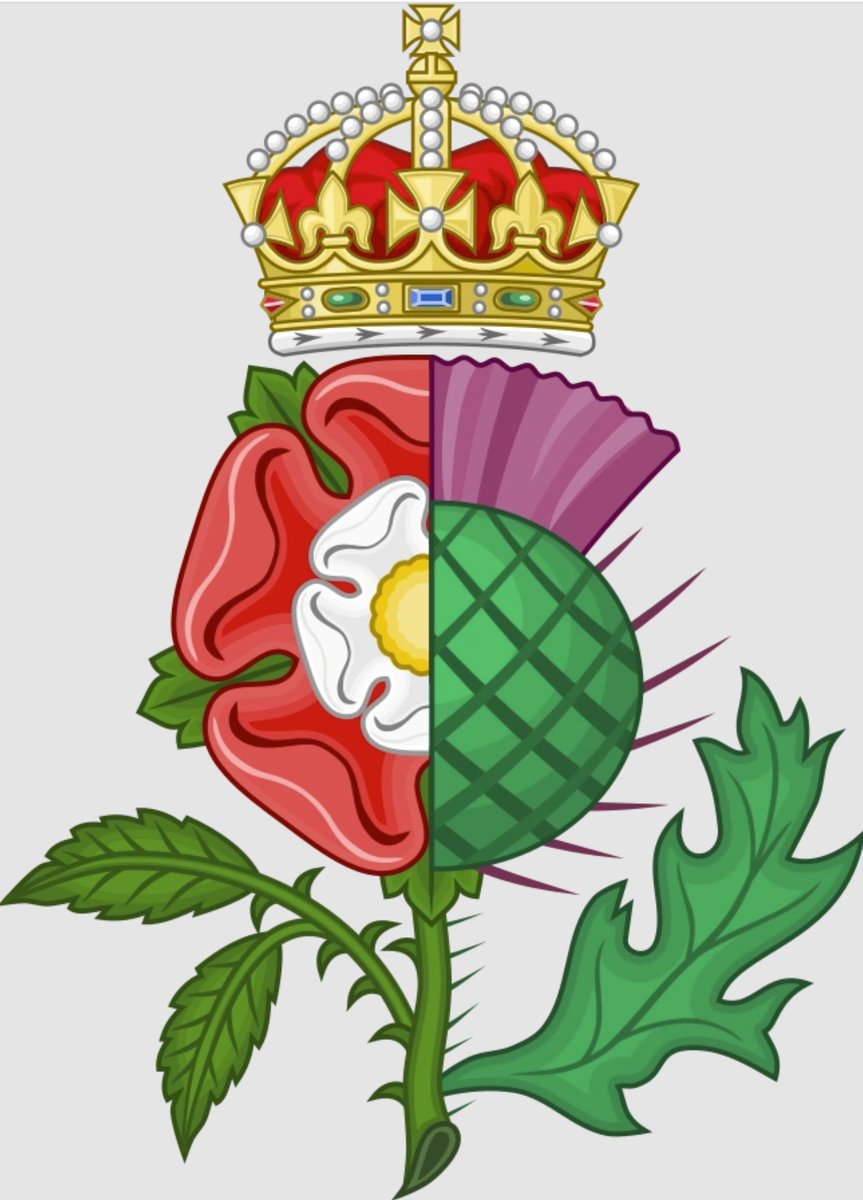
Today (24 March) is the anniv. of the Union of the Scottish & English Crowns in 1603, when James VI of Scotland also became King James I of England (France and Ireland)
Never forget: Scotland wasn't colonised by England (as the SNP claim)
It was a Scottish king who united the Crowns in 1603 and it was Scotland that first called for a union with England (1690s), resulting in the Act of Union in 1707, which created Great Britain and a single parliament. 🏴🏴
English
@astupple @knosciwi @dchackethal Sugar is real like morphine. You can give up sugar easier than giving up morphine. Why’s that then?
English
@knosciwi @dchackethal Compulsion is common. It’s not addiction.
Compulsions are ideas.
Morphine isn’t an idea.
English
Jiten De La Ilustración retweetledi


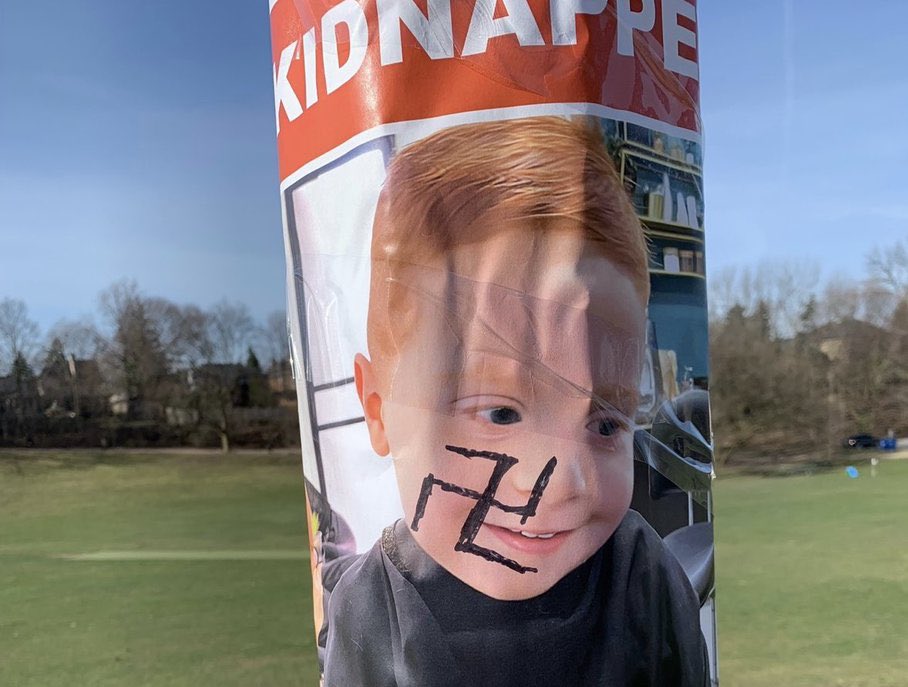

@astupple You got both book first and movie first answers. Now what? You back where you started 😂.
English
Andy Weir enthusiasts - Should I watch Project Hail Mary first or read the book?
English
@Shoshana51728 We’ll continue winning …with a smile on our faces?
English

The more Israel keeps winning, the more unhinged the Jew haters become. 😂
Stay mad, bitches. We'll continue winning. 🇮🇱🇺🇸

English
@NoaMagid @__Injaneb96 The regime is utterly barbaric beyond the imagination of the anyone who has grown up in the west.
English

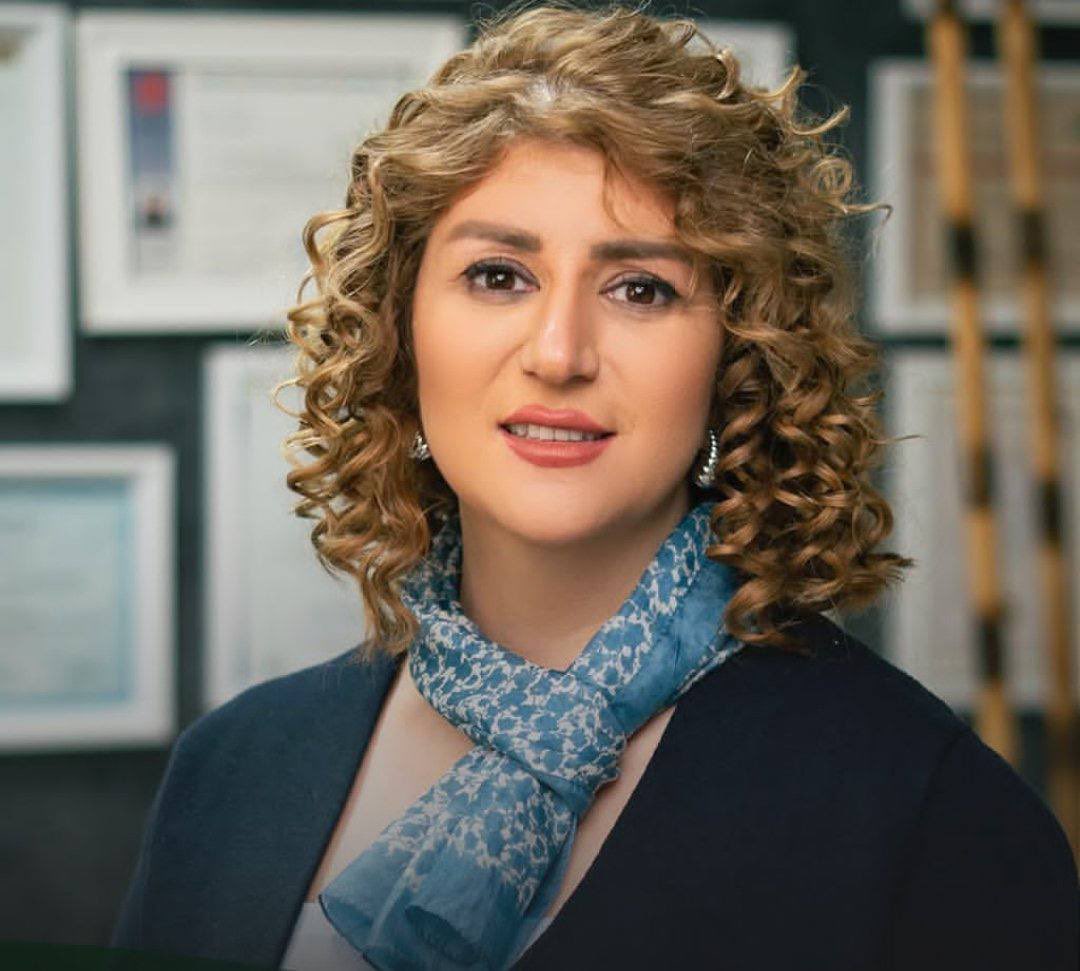
Ameneh Soleimani
A doctor.
Sentenced to death on charges of "enmity against God" for treating wounded protesters.
English
Crimes Against Humanity 🧵
This thread documents innocent people detained by Islamic regime terrorists - with no information about their fate.
Under the cover of the internet blackout and war, these people could disappear without a trace.
According to testimonies, detained women are subjected to gang rape and severe abuse. Men and children are also suffering brutal harm - torture and systematic abuse.
Feel free to add names of those you know and share any relevant updates.
English