
Lorenz
2.3K posts


Lorenz
@lorenzkrinner
17, skipping school to build cool stuff
Munich Katılım Nisan 2024
164 Takip Edilen250 Takipçiler
Lorenz retweetledi

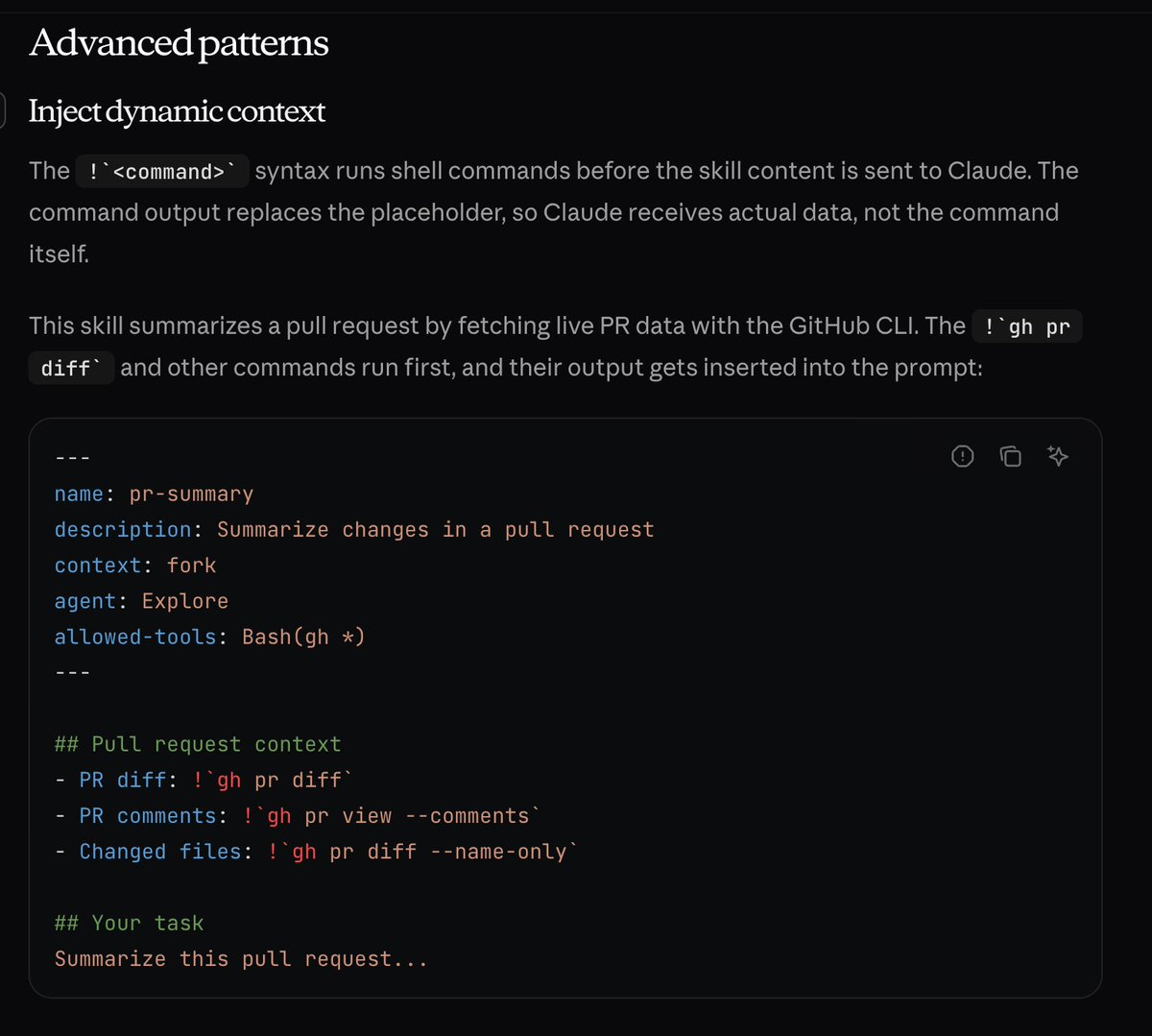
The "inject dynamic context" pattern in Claude Code skills is so useful.
IMO, this should be part of the "skills standard" and included in tools like Codex CLI, Pi, Cursor etc
English

Lorenz retweetledi

this OpenClaw bot finds warehouses with old roofs, renders solar panels on their actual building, and books the owner a call, all on autopilot...
here's how commercial roofers can close $2M+ deals before the solar tax break ends:
- scans thousands of commercial roofs via satellite
- scores each building by roof age & urgency
- pulls exact panel count from Google Solar API
- finds the real owner (not the property manager)
- calculates their federal credit to the dollar
- renders a video of panels materializing on their roof
- ships a personalized proposal
- fully automated end to end
every day that passes is money off the table.
reply "ROOF" + RT and i'll send you the full breakdown so you can build this too (must be following so i can DM)
English

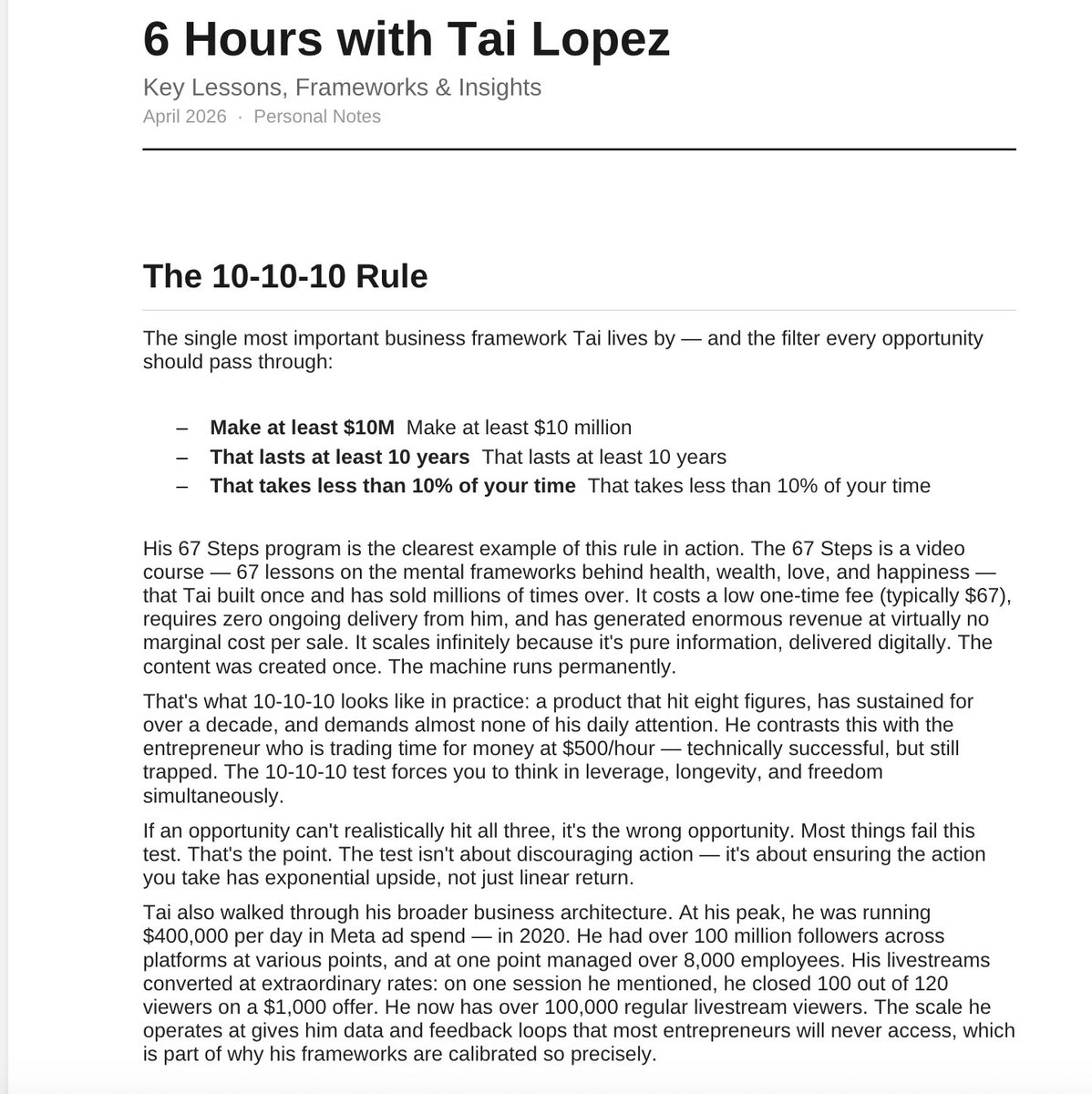
I paid Tai Lopez $60K to spend 6 hours with me today in LA to teach me how to make $800M asap like he did.
I took 7 pages full of notes.
Comment "X" and I'll share it with you too

English
Lorenz retweetledi

Why does it feel like everyone's posting the same question right now?
Can Vardar@icanvardar
why does it feel like everyone is just building the same thing right now
English

I don't think you're realizing...
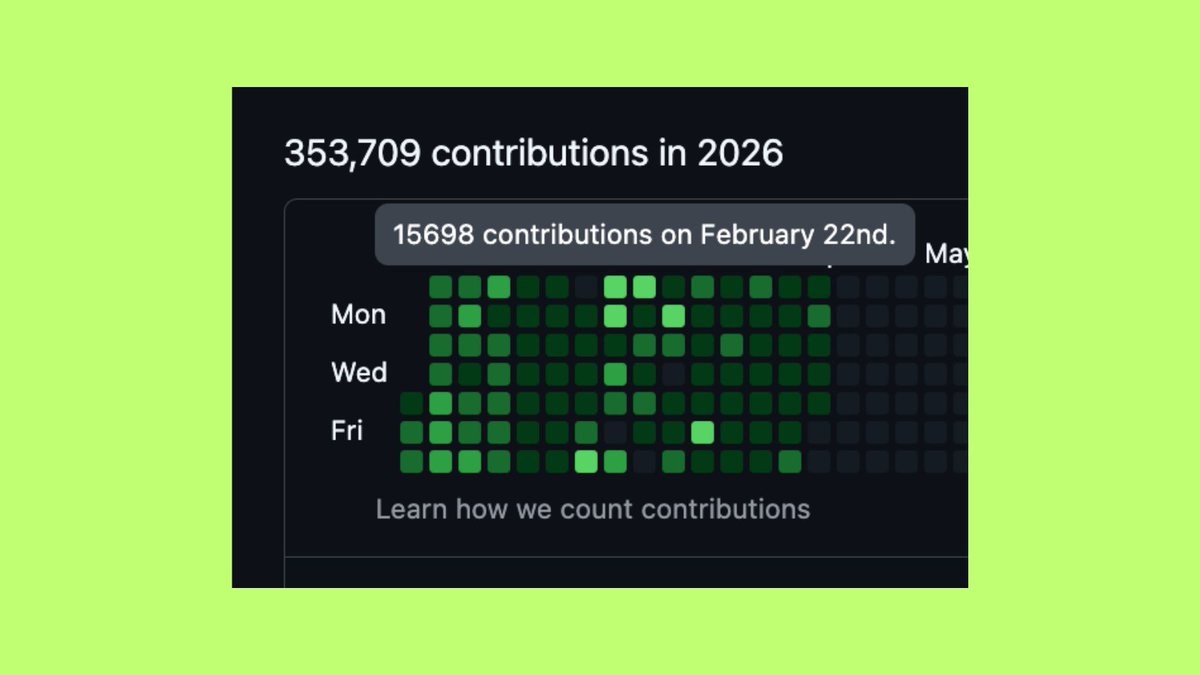
If you buy a $200 claude subscription and max out ALL YOUR SESSIONS every. damn. day. you can spend over $5000 worth of tokens.
$5000. That's a 25x ROI.
Never in the history of humanity did such an arbitrage exist.
Stop complaining about Anthropics policies and make the best of it.
English
English

i'm German.
and i'm sick of the "nobody in europe is building anything" memes on here
they were funny for a while (i posted many myself), but now the narrative is just wrong
n8n just hit a $2.4 billion valuation.
parloa raised at $3 billion.
and those were just the recent ones
yeah sure there's anti-tech sentiment and some laziness in parts of european society.
but in my experience that just makes the people who are actually building bond even harder.
and i can feel it on the ground myself.
i'm doing a tour through european cities this year meeting builders, visiting startup hubs, seeing what people are actually working on
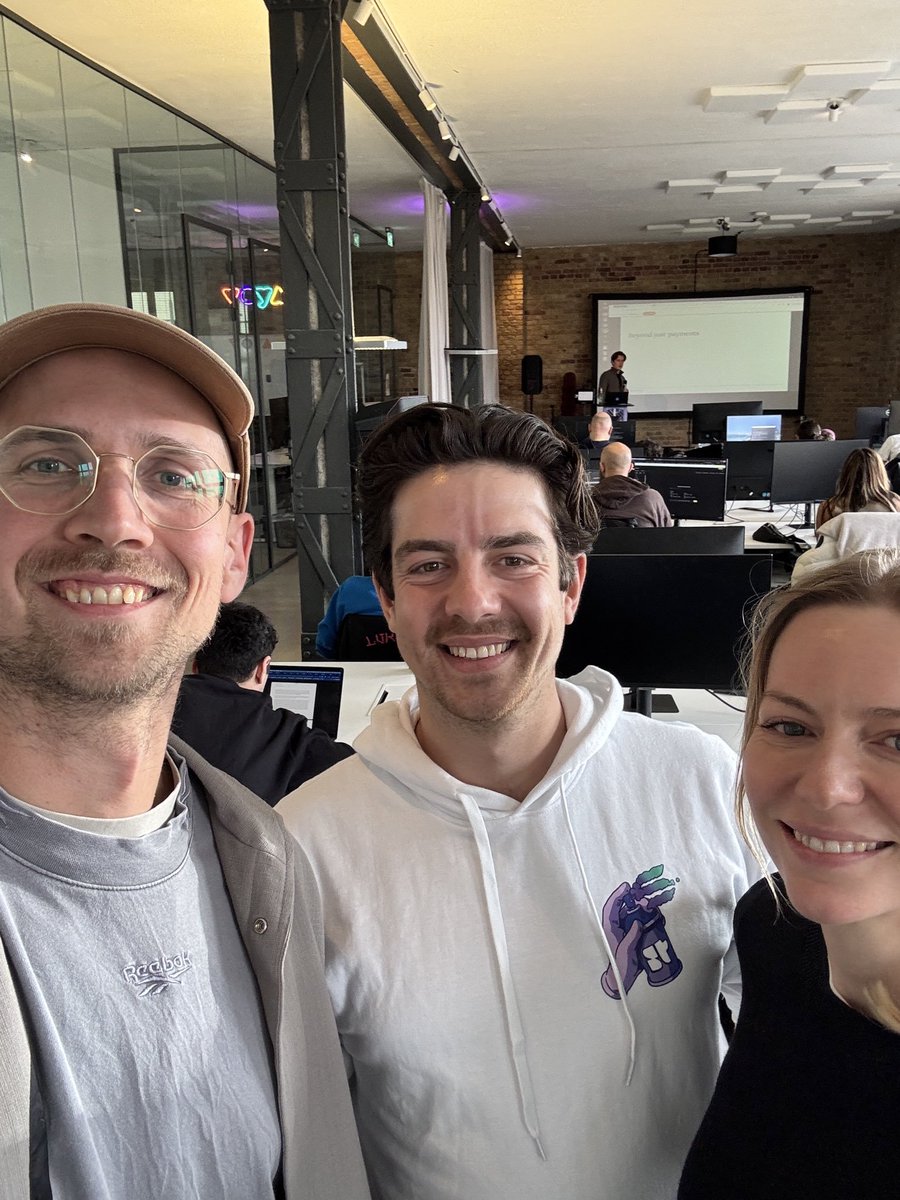
one of my first stops was the w3 hub in berlin
very modern / industrial feel. dope new spot
when i came by there was an event where founders were sharing how to build agentic startups in finance
everyone i met was ambitious, locked in, and genuinely eager to push the european ecosystem forward
if you're in berlin i'd recommend just coming by (they offer free coworking every friday which is a pretty easy way to check it out)
they also have something big cooking right now: the solana frontier hackathon
and the prizes are legit:
> $30k grand champion
> $10k public goods award
> $10k university award
> $200k spread across 20 standout teams ($10k each)
> select winners get $250k in pre-seed funding from colosseum's venture fund
> accelerator access, mentorship, and a founder network on top
judges include @toly (cofounder of solana), lily liu (president of the solana foundation), and the colosseum founding team
product submissions are due may 11
past hackathon teams have raised over $700m combined
if you're building at the intersection of ai and crypto this is a no-brainer to enter IMO (link below)
the european builder scene is alive. come see for yourself
Colosseum@colosseum
1/ @Solana's Frontier Hackathon has commenced!🏔️ 🌍 Crypto's largest online startup competition 💰 $2.5 million from Colosseum's venture fund 🌉 Up to 10 startups accepted into our accelerator 🏁 Product submissions due by May 11, 2026 Join: colosseum.com/frontier
English

We can officially watch Anthropic trying to become Openclaw step by step
Claude@claudeai
Introducing Claude Managed Agents: everything you need to build and deploy agents at scale. It pairs an agent harness tuned for performance with production infrastructure, so you can go from prototype to launch in days. Now in public beta on the Claude Platform.
English
Lorenz retweetledi

There's a physicist at Stanford named Safi Bahcall who modeled this exact principle and the math is wild.
He calls it "phase transitions in human networks." When you're stationary, your probability of a lucky event is limited to your existing surface area: the people you already know, the places you already go, the ideas you've already been exposed to. Your opportunity window is fixed.
When you move, your collision rate with new nodes in a network increases nonlinearly. Double your movement (new conversations, new cities, new projects) and your probability of a serendipitous encounter doesn't double. It roughly quadruples. Because each new node connects you to their entire network, not just to them.
Richard Wiseman ran a 10-year study at the University of Hertfordshire tracking self-described "lucky" and "unlucky" people. The single biggest differentiator wasn't IQ, education, or family money. Lucky people scored significantly higher on one trait: openness to experience. They talked to strangers more, varied their routines more, and said yes to invitations at nearly twice the rate.
The "unlucky" group followed the same routes, ate at the same restaurants, and talked to the same 5 people. Their networks were closed loops. No new inputs, no new collisions.
Luck isn't random. Luck is surface area. And surface area is a function of movement.
The lobster emoji is doing more work than most people realize. Lobsters grow by shedding their shell when it gets too tight. The growth requires a period of total vulnerability. No protection, no armor, soft body exposed to the ocean.
That's the cost of movement nobody posts about. You have to be uncomfortable first. The new shell only hardens after you've already moved.
ຸ@D9vidson
a moving man will meet his luck 🥀
English


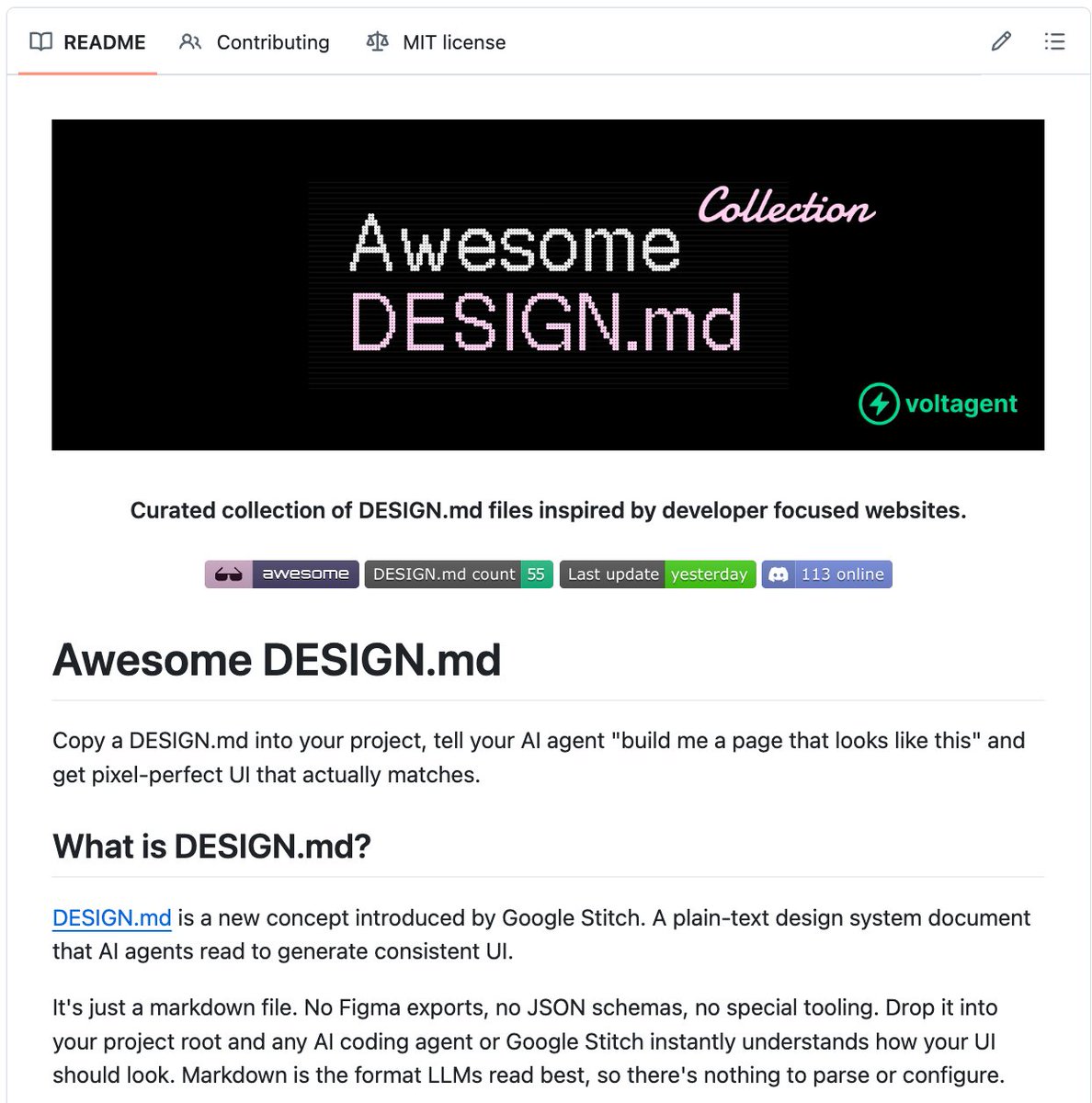
🚨 Someone reverse-engineered the design systems of Apple, Spotify, Airbnb, and 30+ billion-dollar companies.
Packed each one into a single file. Free.
It's called Awesome Design MD.
Drop one file into your project. Your AI agent builds UI that looks like Spotify. Or Apple. Or Airbnb. Instantly.
Not screenshots. Not Figma links. A single DESIGN .md file that captures every color, font, spacing value, button style, and layout pattern from a real website. In a format AI agents read and reproduce.
Here's the difference:
Tell Claude Code "build me a landing page" and it gives you generic UI.
Tell Claude Code "build me a landing page" with Spotify's DESIGN .md in your project and it gives you Spotify.
Here's what's inside:
→ Apple. Premium white space, SF Pro typography, cinematic imagery.
→ Spotify. Vibrant green on dark, bold type, album-art-driven layout.
→ Airbnb. Warm coral accent, photography-driven, rounded UI.
→ Linear. Ultra-minimal, precise spacing, purple accent.
→ SpaceX. Stark black and white, full-bleed imagery, futuristic.
→ BMW. Dark premium surfaces, precise German engineering aesthetic.
→ NVIDIA. Green-black energy, technical power aesthetic.
→ Uber. Bold black and white, tight type, urban energy.
→ Sentry, PostHog, Raycast, Cursor, ElevenLabs, and 20+ more.
Here's how to use it:
→ Pick a design system from the collection
→ Copy the DESIGN .md file into your project root
→ Tell your AI agent to use it
→ Get UI that matches the design language of a billion-dollar company
That's it. One file. Your AI agent now has the design taste of a $200/hour design consultant.
Designers charge $5,000+ for a custom design system. Companies spend $50,000+ building one from scratch.
This is free. 31 design systems. Copy. Paste. Ship beautiful UI.
Works with Claude Code, Cursor, Codex, and any AI coding agent that reads project files.
100% Open Source. MIT License.
English