
Sabitlenmiş Tweet
Lotus.
11.3K posts


Lotus.
@lotus44094697
Vitamin D regulates people's moods, reduces depression, and helps prevent crime or violent behavior by controlling emotions.
Katılım Mart 2022
7.7K Takip Edilen7K Takipçiler
GrassrootsHealth@Grassroots4VitD
Vitamin D may play a meaningful role in supporting individuals living with inflammatory bowel disease (IBD), offering more than just basic nutritional value. Emerging research suggests that vitamin D helps regulate the immune system, improve gut immune tolerance, and reduce inflammation, key factors in restoring balance within the digestive system. By supporting a healthier interaction between the immune system and the gut microbiome, it may contribute to improved well-being and quality of life. As we approach Sunshine Month, this serves as a gentle reminder that sunlight and the vitamin D it helps our bodies produce, has far-reaching benefits that extend beyond bone health, influencing immune resilience and whole-body balance. Take a moment to explore the growing science behind vitamin D. Learn more: buff.ly/XIbIHjo #VitaminD #GutHealth #IBD #Inflammation #ImmuneHealth #Microbiome #SunshineMonth #HealthAwareness
ZXX
Vitamin D May Help Calm Inflammatory Bowel Disease by Improving Gut Immune Tolerance grassrootshealth.net/blog/vitamin-d…
English
Lotus. retweetledi

Vitamin D may play a meaningful role in supporting individuals living with inflammatory bowel disease (IBD), offering more than just basic nutritional value.
Emerging research suggests that vitamin D helps regulate the immune system, improve gut immune tolerance, and reduce inflammation, key factors in restoring balance within the digestive system. By supporting a healthier interaction between the immune system and the gut microbiome, it may contribute to improved well-being and quality of life.
As we approach Sunshine Month, this serves as a gentle reminder that sunlight and the vitamin D it helps our bodies produce, has far-reaching benefits that extend beyond bone health, influencing immune resilience and whole-body balance.
Take a moment to explore the growing science behind vitamin D.
Learn more: buff.ly/XIbIHjo
#VitaminD #GutHealth #IBD #Inflammation #ImmuneHealth #Microbiome #SunshineMonth #HealthAwareness

English
Periodontal Disease Can Indicate a Higher Risk of Other Diseases
Published on March 20, 2024 @wbgrant2
grassrootshealth.net/blog/periodont…
English
Periodontal Disease Can Indicate a Higher Risk of Other Diseases
Published on March 20, 2024 @wbgrant2
grassrootshealth.net/blog/periodont…

English
Periodontal Disease Can Indicate a Higher Risk of Other Diseases
Published on March 20, 2024 @wbgrant2
grassrootshealth.net/blog/periodont…
English
Lotus. retweetledi

Lotus. retweetledi

Periodontal Disease Can Indicate a Higher Risk of Other Diseases
Published on March 20, 2024 @wbgrant2
A diagnosis of periodontal disease may be reason to worry more about other linked systemic diseases and to take steps necessary to decrease the risk of those diseases while also caring for your oral health
Key Points
Periodontal disease has been linked to an increased risk of over 57 other systemic diseases
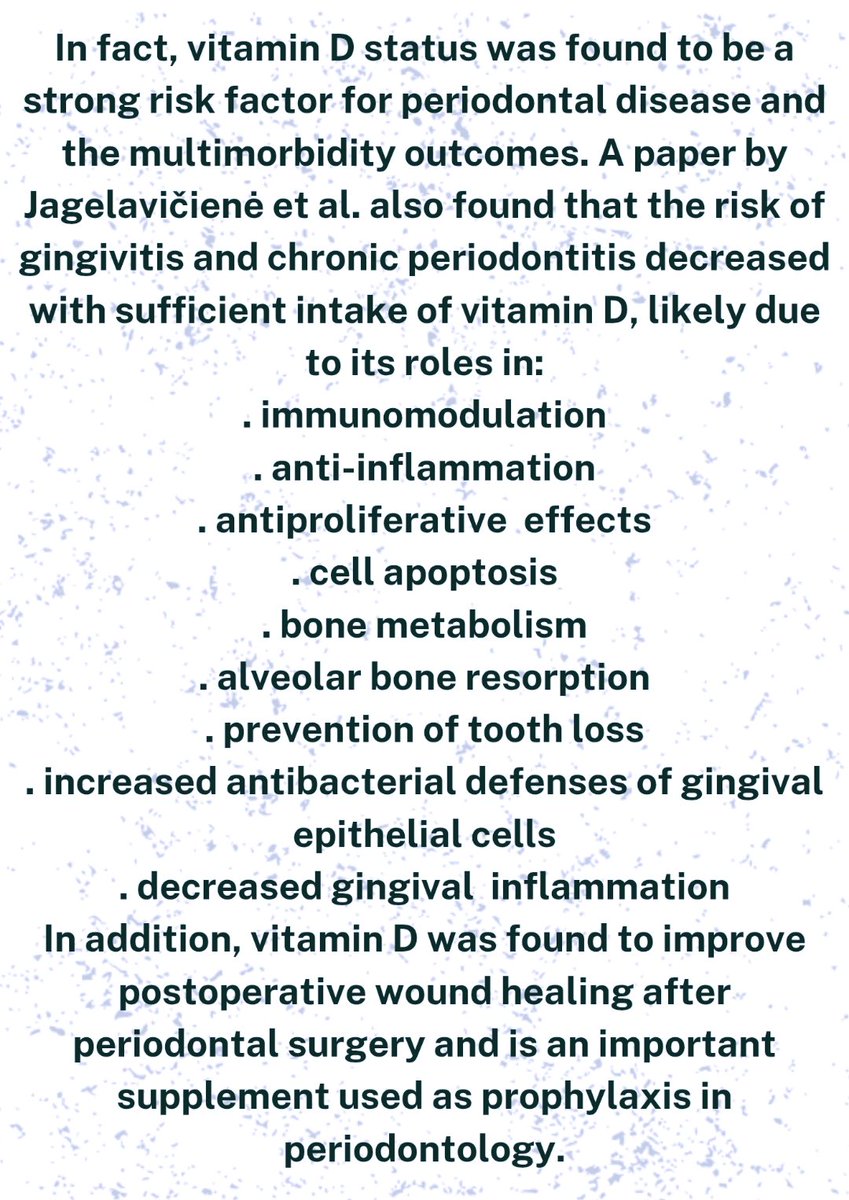
The easiest change to incorporate that would affect periodontal disease and the associated adverse health outcomes would be to increase vitamin D levels; in fact, vitamin D status was found to be a strong risk factor for periodontal disease and the multimorbidity outcomes
Measuring levels of CRP, omega-3s, magnesium and vitamin D may give additional insight to how preventing and healing periodontal disease could be addressed for each individual, while also decreasing the risk of other linked diseases.
Periodontitis is a common, severe gum infection that can lead to tooth loss, with more mild symptoms including swollen, red, and tender gums. Research continues to link periodontal disease with an increased risk of many other diseases – including cardiovascular disease, diabetes mellitus, and respiratory diseases, as well as adverse pregnancy outcomes, and many more. Shared modifiable risk factors are associated with each of these conditions, including low vitamin D levels, smoking, obesity, poor diet, and low levels of physical activity.
Periodontitis is Linked to 57+ Other Systemic Diseases!
This short video discusses several of the more than 57 diseases that are related to periodontal disease. An increased amount of these diseases are seen among patients who have gum disease, which is an indication that, with a diagnosis of periodontal disease, there may be reason to worry more about other potential diseases and to take steps necessary to decrease the risk of those as well as caring for your oral health.
A review by Grant et al. 2023 outlines several actions that individuals with periodontal disease can take to help improve their periodontal health and decrease their risk of other adverse health outcomes. This video interview with two of the study’s authors, William B. Grant, PhD and Barbara van Amerongen, PhD, DDS, summarizes the findings and the importance of this paper.
Watch the interview here or read the full transcript at vitamindwiki.com.
grassrootshealth.net/blog/periodont…

English
Lotus. retweetledi

✅ Scientific Opinion on the Tolerable Upper Intake Level of calcium
⚛ The Panel on Dietetic Products, Nutrition and Allergies was asked to reassess calcium safety and to determine whether the 2003 SCF Upper Intake Level of 2,500 mg/day—based on long‑term studies showing this intake from food and supplements caused no adverse effects—remains appropriate.
⚛ Total calcium intakes of 2,500 mg/day from "food and supplements" are tolerated without adverse effects. The Panel (quite correctly) finds no evidence that long‑term calcium intake at this level increases the risk of nephrolithiasis, cardiovascular disease, or prostate cancer.
⚛ The current highest calcium intakes in infants, children, and adolescents have shown no identified risk, but available data are insufficient to set a UL for these age groups (ESFA).
✅ What is not in the discussion and vital:
Vitamin D markedly increases intestinal absorption and retention of calcium and other minerals.
Therefore, people taking vitamin D₃ at ≥6,000 IU/day (or 50,000 IU/week) have no rationale for adding calcitriol, because the enhanced intestinal absorption makes extra calcium intake unnecessary. For them, regular fermented foods (prebiotics) or supplemental K2 (MK‑7) is reasonable to prevent unwanted extra‑skeletal calcium deposition.
Whereas non‑obese individuals taking pharmacological vitamin D doses (e.g., >15,000 IU/day) should avoid extra calcium and should take K2.
Biomedicines 2023, 11(6), 1542; doi.org/10.3390/biomed…
efsa.onlinelibrary.wiley.com/doi/10.2903/j.…
English
Lotus. retweetledi
Periodontal Disease Can Indicate a Higher Risk of Other Diseases
Published on March 20, 2024 @wbgrant2
A diagnosis of periodontal disease may be reason to worry more about other linked systemic diseases and to take steps necessary to decrease the risk of those diseases while also caring for your oral health
Key Points
Periodontal disease has been linked to an increased risk of over 57 other systemic diseases
The easiest change to incorporate that would affect periodontal disease and the associated adverse health outcomes would be to increase vitamin D levels; in fact, vitamin D status was found to be a strong risk factor for periodontal disease and the multimorbidity outcomes
Measuring levels of CRP, omega-3s, magnesium and vitamin D may give additional insight to how preventing and healing periodontal disease could be addressed for each individual, while also decreasing the risk of other linked diseases.
Periodontitis is a common, severe gum infection that can lead to tooth loss, with more mild symptoms including swollen, red, and tender gums. Research continues to link periodontal disease with an increased risk of many other diseases – including cardiovascular disease, diabetes mellitus, and respiratory diseases, as well as adverse pregnancy outcomes, and many more. Shared modifiable risk factors are associated with each of these conditions, including low vitamin D levels, smoking, obesity, poor diet, and low levels of physical activity.
Periodontitis is Linked to 57+ Other Systemic Diseases!
This short video discusses several of the more than 57 diseases that are related to periodontal disease. An increased amount of these diseases are seen among patients who have gum disease, which is an indication that, with a diagnosis of periodontal disease, there may be reason to worry more about other potential diseases and to take steps necessary to decrease the risk of those as well as caring for your oral health.
A review by Grant et al. 2023 outlines several actions that individuals with periodontal disease can take to help improve their periodontal health and decrease their risk of other adverse health outcomes. This video interview with two of the study’s authors, William B. Grant, PhD and Barbara van Amerongen, PhD, DDS, summarizes the findings and the importance of this paper.
Watch the interview here or read the full transcript at vitamindwiki.com.
grassrootshealth.net/blog/periodont…

English
Lotus. retweetledi
Clarifying Misleading Information in a Vitamin D Web Post
A very high "Relative Dose" of Vitamin D is used in Rat Poison (Equivalent to a 21 million IU dose in humans):
From time to time, a few writers and journalists attempt to attract attention by publishing superficial or misleading commentary on micronutrients such as vitamin D, using rat poison as an example.
These pieces often recycle the same gross misconceptions and reveal a limited understanding of the underlying biology and physiology of complex nutrient systems. As a result, their conclusions frequently go astray. These are harmful as government agencies that used to discredit ivermectin and vitamin D during COVID.
✅ In medicine and pharmacology, any substance can be toxic—the determining factor is dose and concentration. It is a matter of the dose! Even water, aspirin, acetaminophen, warfarin, etc., can be lethal when consumed in excess.
✅ Many commonly prescribed medications, when taken chronically, reduce absorption, increase metabolic consumption, or interfere with the activation of essential micronutrients. Even when given high doses of vitamin D, it reduces vitamin K2 and magnesium via reducing absorption and increasing consumption, and can cause deficiencies of these cofactors.
✅ This can lead to deficiency states that present as clinical symptoms or biochemical abnormalities. Long‑term use of proton pump inhibitors, antiretroviral agents, and antiepileptic medications is well documented to lower circulating vitamin D levels.
✅Here is a calculation illustrating the vitamin D content in rat poison [750 µg/g] and the theoretical human‑equivalent amount [21 million IU of vitamin D = 525 mg].
Vitamin D3, 1 microgram = 40 IU, so 0.75 mg = 750 micrograms = 30,000 IU
Rat poison contains 750 µg/g (per 1 g pellet) = 30,000 IU (= 0.75 mg)
(assume eat one pellet, usually eat more)
Products 0.075% cholecalciferol (0.075% = 0.75 mg/100 g);= 7.5 mg/kg body weight
0.075% = 0.75 mg/g = 750 µg/g = 30,000 IU/g
(100 g rat = gets 30,000 IU = per 1 kg basis, getting 300,000 IU = 7.5 mg/kg)
7.5 mg/kg = 7,500 µg/kg = 300,000 IU/kg
70 kg human equivalent at 7.5 mg/kg = 525 mg total = 21,000,000 IU total
1 IU vitamin D = 0.025 micrograms = 0.000025 mg,
so 21,000,000 × 0.000025 = 525; 21,000,000×0.000025 = 525 mg.
Dose calculation of 0.075% cholecalciferol in 1g rat pellet is equivalent to a 70 kg human consuming 21 million IU of vitamin D = 525 mg.
So, numbers speak for themselves.
⚛ Educated idiots are more harmful than uneducated idiots!
⚛ x.com/SJWimalawansa/…
⚛ linkedin.com/posts/sunilwim…
English
Lotus. retweetledi
Periodontal Disease Can Indicate a Higher Risk of Other Diseases
Published on March 20, 2024 @wbgrant2
A diagnosis of periodontal disease may be reason to worry more about other linked systemic diseases and to take steps necessary to decrease the risk of those diseases while also caring for your oral health
Key Points
Periodontal disease has been linked to an increased risk of over 57 other systemic diseases
The easiest change to incorporate that would affect periodontal disease and the associated adverse health outcomes would be to increase vitamin D levels; in fact, vitamin D status was found to be a strong risk factor for periodontal disease and the multimorbidity outcomes
Measuring levels of CRP, omega-3s, magnesium and vitamin D may give additional insight to how preventing and healing periodontal disease could be addressed for each individual, while also decreasing the risk of other linked diseases.
Periodontitis is a common, severe gum infection that can lead to tooth loss, with more mild symptoms including swollen, red, and tender gums. Research continues to link periodontal disease with an increased risk of many other diseases – including cardiovascular disease, diabetes mellitus, and respiratory diseases, as well as adverse pregnancy outcomes, and many more. Shared modifiable risk factors are associated with each of these conditions, including low vitamin D levels, smoking, obesity, poor diet, and low levels of physical activity.
Periodontitis is Linked to 57+ Other Systemic Diseases!
This short video discusses several of the more than 57 diseases that are related to periodontal disease. An increased amount of these diseases are seen among patients who have gum disease, which is an indication that, with a diagnosis of periodontal disease, there may be reason to worry more about other potential diseases and to take steps necessary to decrease the risk of those as well as caring for your oral health.
A review by Grant et al. 2023 outlines several actions that individuals with periodontal disease can take to help improve their periodontal health and decrease their risk of other adverse health outcomes. This video interview with two of the study’s authors, William B. Grant, PhD and Barbara van Amerongen, PhD, DDS, summarizes the findings and the importance of this paper.
Watch the interview here or read the full transcript at vitamindwiki.com.
grassrootshealth.net/blog/periodont…
English
GrassrootsHealth@Grassroots4VitD
☀️ Sunshine Month is coming… a timely reminder that your relationship with the sun should be personal, informed, and intentional. Sunlight is one of the most natural ways to support vitamin D levels, but how your body responds to it depends greatly on your unique skin type. Melanin, the pigment that gives skin its color, also influences how efficiently your body produces vitamin D. Those with darker skin may need more time in the sun, while those with lighter skin may produce vitamin D more quickly, but must be especially mindful to avoid overexposure. This is why personalization matters. There is no universal “right” amount of sun, only what is appropriate for your skin, your environment, and your health goals. As we approach Sunshine Month, take this opportunity to: ✨ Better understand your skin type ✨ Practice safe, sensible sun exposure ✨ Align your daily habits with your body’s natural needs Because when approached with awareness, sunshine becomes more than just light—it becomes a powerful, accessible tool for whole-body health and well-being. 🌞 Learn how to determine your ideal sun exposure: buff.ly/iDjpGLZ #SunshineMonth2026 #VitaminD #SafeSunExposure #KnowYourSkin #SunlightForHealth #PreventiveHealth
ZXX


I still can’t believe we all just went along with this.
Looking back now, it feels crazy how quickly everyone bought into the fear, lockdowns, masks everywhere, school closures, endless rules that kept changing. We were told two weeks to flatten the curve, and it turned into years of this crap.
I’m so glad I woke up to it sooner than most and started thinking for myself instead of just following the crowd.
🐑
English
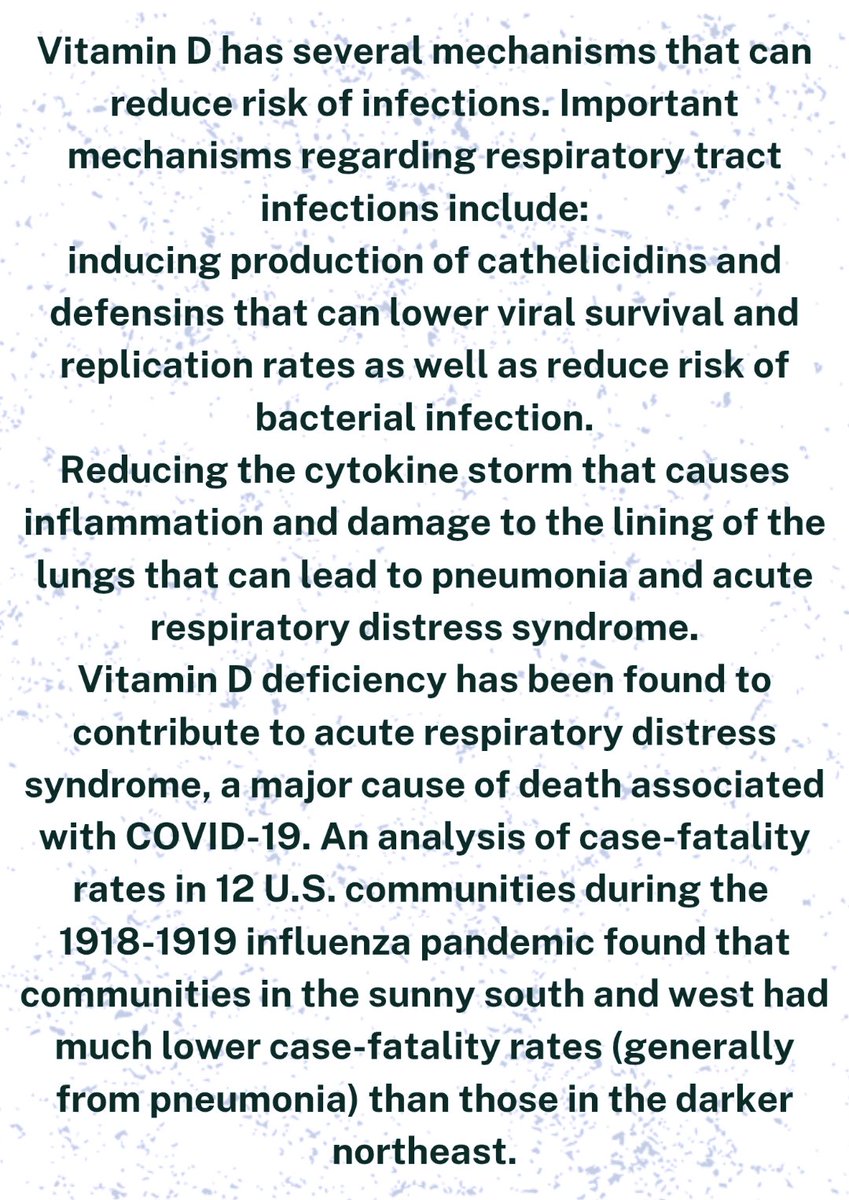
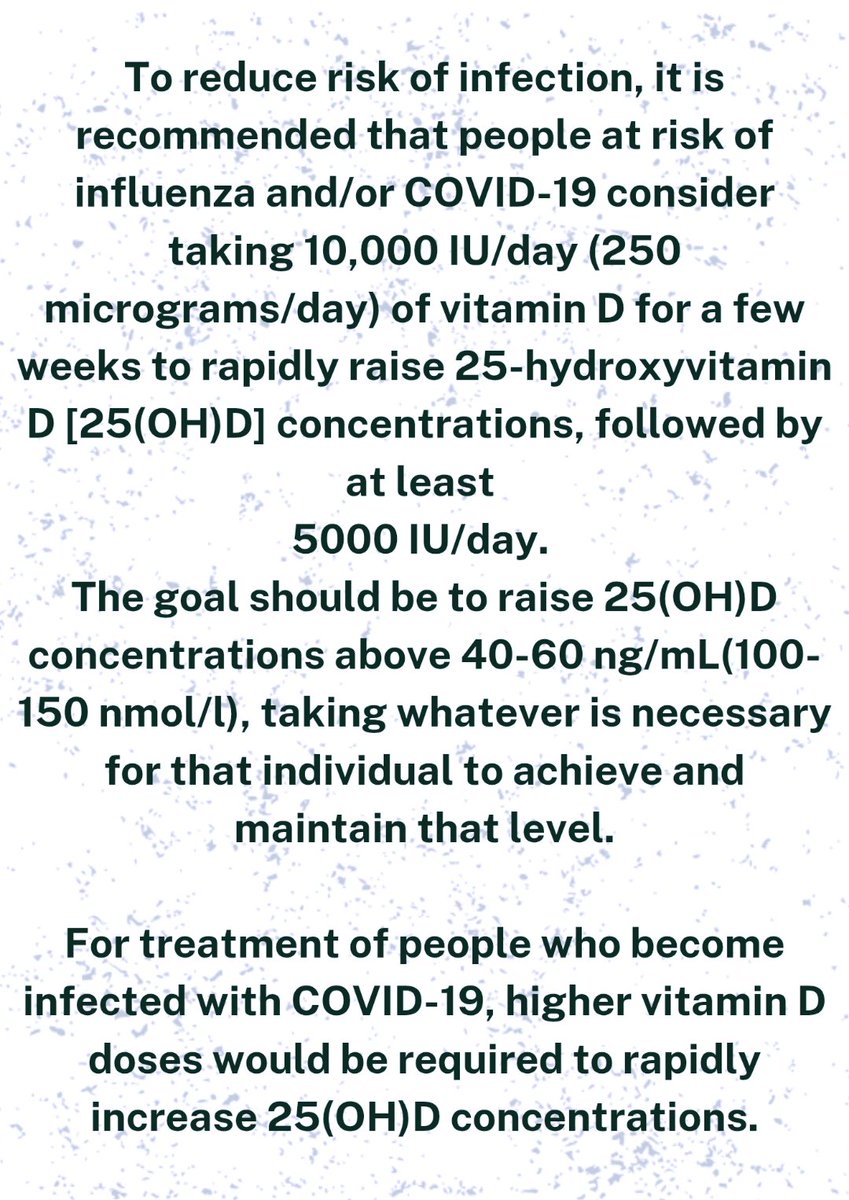
@CarabatIl @Diana90907748 @Hurricane72747 @chetempochefa Vitamin D Supplements Could Reduce Risk of Influenza and COVID-19 Infection and Death.
FOR IMMEDIATE RELEASE
Orthomolecular Medicine News Service, Apr 9, 2020
by William B. Grant, PhD @wbgrant2 and Carole A. Baggerly.
grassrootshealth.net/vitamin-d-supp…
English

"Sento sempre dire che gli autistici in Italia sono 600.000, che sono già tanti: l'1% circa. Ma io penso che siano molti di più, perchè sappiamo per certo da fonti scientifiche che l'incidenza cresce: si parla di un nuovo caso ogni 70 nati. Non si può stare fermi, bisogna inventarsi delle cose in assenza di iniziative istituzionali"
Elio a #CTCF
Italiano
@Mirwurscht7_ Vitamin D Supplements Could Reduce Risk of Influenza and COVID-19 Infection and Death.
FOR IMMEDIATE RELEASE
Orthomolecular Medicine News Service, Apr 9, 2020
by William B. Grant, PhD @wbgrant2 and Carole A. Baggerly.
grassrootshealth.net/vitamin-d-supp…

English

WHO kündigt Influenza-Pandemie an – Warnung oder perfides Drehbuch?
report24.news/who-kuendigt-i…
Deutsch
@SHomburg @benfire71 @SitSilver Vitamin D Supplements Could Reduce Risk of Influenza and COVID-19 Infection and Death.
FOR IMMEDIATE RELEASE
Orthomolecular Medicine News Service, Apr 9, 2020
by William B. Grant, PhD @wbgrant2 and Carole A. Baggerly.
grassrootshealth.net/vitamin-d-supp…

English

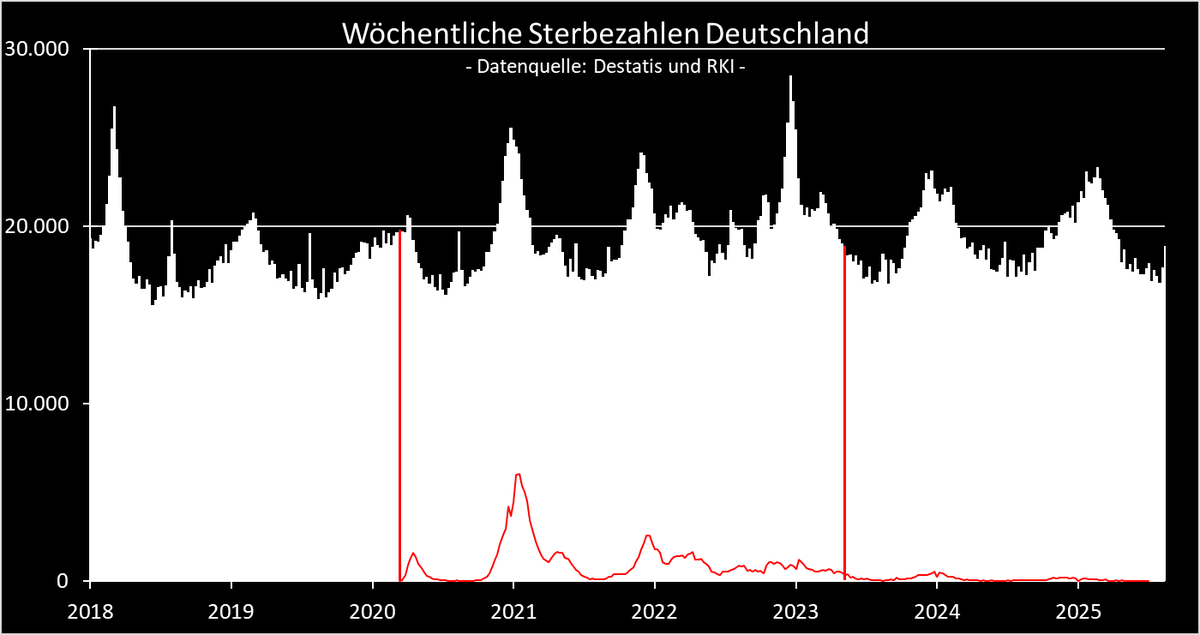
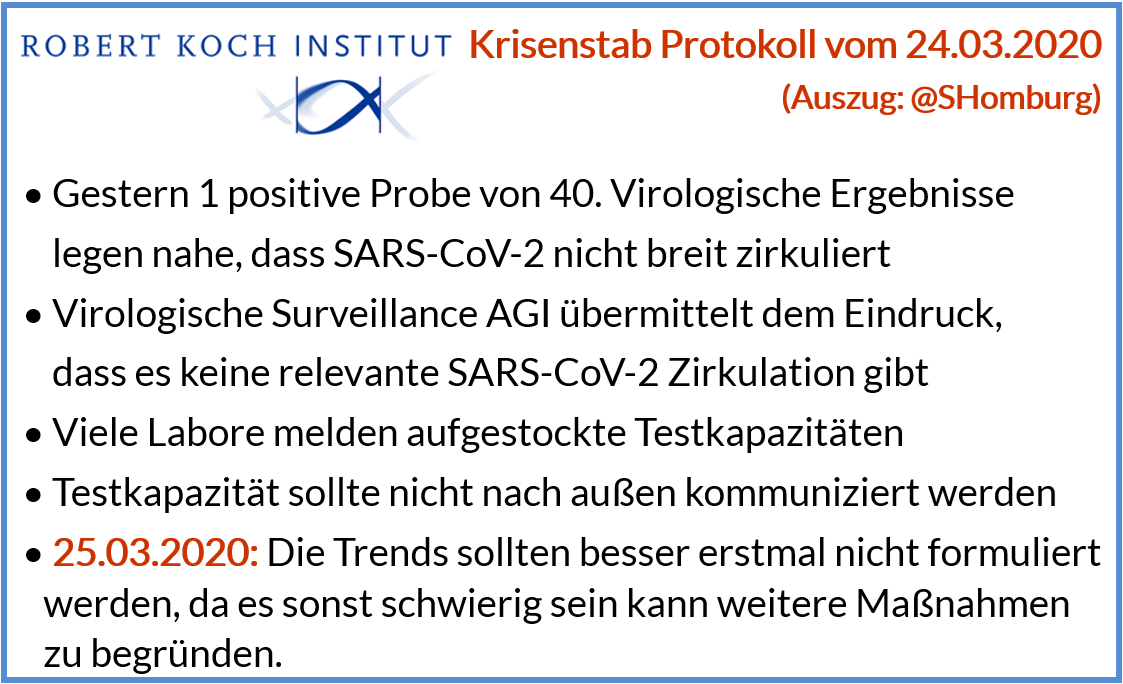
Als Deutschland im März 2020 erstmals in seiner Geschichte heruntergefahren wurde, entschied das RKI, die Bevölkerung zu täuschen statt zu informieren.
Ist dies erstaunlicher - oder der Umstand, dass die Täuschung bis April 2023 aufrechterhalten wurde, also volle drei Jahre?
Hintergrund: Impfluenzer und rotgrüne NGOs wollen Ihnen bis heute weismachen, diese Protokolle seien nicht echt. In Wahrheit wehrten sich Regierung und Behörden zwar mit aller Macht, Unterlagen herauszugeben, weil diese an Hunderten Stellen den Covid.Betrug dokumentieren.
Als aber ein Whitstleblower alles durchstach, zog das RKI nach. Sie finden meine Protokollauszüge daher alle auf den amtlichen Seiten mit Hilfe der Suchfunktion:
rki.de/DE/Themen/Infe…
Deutsch