Louise Roddon

3.6K posts

Louise Roddon

Louise Roddon

@louiseroddon

Travel writer for Times, Telegraph + more. Interested in travel trends, activity breaks, writing, cruises, food, books

Brighton Katılım Kasım 2012
2.7K Takip Edilen3K Takipçiler
Louise Roddon retweetledi
Nicole Walsh
Nicole Walsh@nicolejwalsh·
Thanks ⁦⁦⁦@louiseroddon⁩ for this tasty feature in today’s Observer from our recent gourmet trip to Hauts-de-France: Bon appétit: savouring the gastronomic highs of Hauts-de-France | France holidays | The Guardian theguardian.com/travel/2023/ju…
English
0
1
1
256
Louise Roddon
Louise Roddon@louiseroddon·
@AlexandraPring Thank God (are we allowed to say that?) someone has the balls to say this... And "North Korea of the mind" - genius!
English
0
0
1
62
Alexandra Pringle
Alexandra Pringle@AlexandraPring·
This is my tonic for the day.
Hanif Kureishi@Hanifkureishi

RUDE I had the good fortune earlier this week to be visited here in Rome by an ex-student who was brought up in Nigeria and has been working on a novel set there. I’ve only read the beginning of the book and have been unable to read more. (At the moment I can’t read much because I haven’t figured out how to scroll down though documents without the help of Isabella.) Anyhow, when the student had written a considerable amount of the book, she decided to show it not to an editor, friend, publisher or agent, but to a so-called ‘sensitivity reader’. She was concerned about whether her work would be politically correct or considered offensive to some or other reader; she was worrying about whether the book would even get past an agent, let alone to a publisher. This is a trend I’ve noticed with other students and also with editors at publishing houses: whether their work will be condemned for sexism, racism, cultural appropriation and so on. This is the contemporary anxiety for young writers today. Some people are turned on and excited by the power of controlling others’ speech and freedoms. There is an element of the left which is bursting with aggressive self-righteousness and is puritanical and self-defeating. The writers I prefer, the ones I grew up with, are the wild ones, the demented ones, the rude ones who don’t give a damn. I can give some names and will present a mere handful: Shakespeare, Dostoevsky, Plath, Rhys, Celine, Burroughs, Miller, Baldwin. I could add many more and it would be a list of some of our greatest and most admired writers. They are artists who write without fear or inhibition; writers who may or may not be offensive to someone or other, writers who have been condemned or even prosecuted for their work. Think of what the great Salman Rushdie has been through in the name of free speech. The fatwah, in February 1989, was the first time I was aware that there could be real-life consequences for attacking tyrannous institutions and regimes. After the fatwah I know there were writers who were afraid to speak freely about the politicised version of Islam, or even about Muslims in general. It has to be part of the writer’s job to be offensive, to blaspheme, to outrage and even to insult. I believe Kafka says in one of his notebooks that ‘Art should be an axe to smash the sea frozen inside us’. Art should not be safe or complacent; it should frighten, alarm and make us want to throw the book across the room. I don’t want to live in an atmosphere of fear and inhibition where writers are afraid of expressing their true selves for fear of offending someone or other. It is the work of great writers to turn the world upside down, to present opinions which go against the prevailing trends. It is not our job to please but to challenge, to make us think differently about our bodies our sexuality, politics and normativity. Would these writers have passed the test today when it comes to political correctness? What would a ‘sensitivity reader’ have made of the work of D.H. Lawrence or William Burroughs? One of the things I’ve noticed about my students is that they are already inhibited. A student of mine wrote a good thriller from the point of view of a promiscuous American lesbian and was thoroughly criticised by his tutor for even thinking from this angle. How could he imagine for a moment that he was American, let alone a lesbian? The writer then got himself into a terrible tangle about who can write what and from which perspective. He re-wrote the book and made it much worse having been made to believe he was committing a literary crime by entering the mind of someone other than himself. When I began my first novel, The Buddha of Suburbia, I was determined to write the book with as much disinhibition and freedom as possible. I would make it as dirty and funny as I felt my mind to be. I wouldn’t hold back or hesitate to say anything I truly felt. It wasn’t my job to deliberately shock but to tell the story in the most candid way. Before this I can recall working on the script of My Beautiful Laundrette in the early Eighties with my friend the director Stephen Frears. Stephen is not keen on script development but his note to me when I began the rewrites was to make it ‘dirtier, outrageous and more shocking’. I felt liberated by his remarks and this script was the first thing I felt I had written in my own voice, something that was truly my own. I wonder with these early works of mine – My Beautiful Laundrette, Sammy and Rosie Get Laid, The Black Album and Intimacy – what a ‘sensitivity reader’ would have made of them and what butchery would have gone on; whether I would even have a career now. I’m relieved not to be a young writer today working in this atmosphere of self-consciousness and trepidation, this North Korea of the mind. The Buddha is full of racial insults and lewd, politically incorrect language, it being written from the point of view of a dirty minded seventeen-year-old mixed-race kid. My youngest son, who is twenty-four, tells me of what an environment of apprehension and reserve he lives in when it comes to speaking and creativity. We should not forget that the insult can be an indication of friendship and admiration; that we call one another cunts and arseholes out of fondness rather than cruelty. I believe this over-corrected behaviour has been created by the right to make us lefties and liberals seem foolish and petty with our silly disputes about language and point of view. The work of those of us in political opposition is not to fight amongst ourselves but to create a world in which there is no inequality or structural racism. Our business is not to provide fuel to the right over minor disagreements but to continue as artists who are brave, bold and push the boundaries of what can be said and thought.

English
3
1
14
2.1K
Hanif Kureishi
Hanif Kureishi@Hanifkureishi·
RUDE I had the good fortune earlier this week to be visited here in Rome by an ex-student who was brought up in Nigeria and has been working on a novel set there. I’ve only read the beginning of the book and have been unable to read more. (At the moment I can’t read much because I haven’t figured out how to scroll down though documents without the help of Isabella.) Anyhow, when the student had written a considerable amount of the book, she decided to show it not to an editor, friend, publisher or agent, but to a so-called ‘sensitivity reader’. She was concerned about whether her work would be politically correct or considered offensive to some or other reader; she was worrying about whether the book would even get past an agent, let alone to a publisher. This is a trend I’ve noticed with other students and also with editors at publishing houses: whether their work will be condemned for sexism, racism, cultural appropriation and so on. This is the contemporary anxiety for young writers today. Some people are turned on and excited by the power of controlling others’ speech and freedoms. There is an element of the left which is bursting with aggressive self-righteousness and is puritanical and self-defeating. The writers I prefer, the ones I grew up with, are the wild ones, the demented ones, the rude ones who don’t give a damn. I can give some names and will present a mere handful: Shakespeare, Dostoevsky, Plath, Rhys, Celine, Burroughs, Miller, Baldwin. I could add many more and it would be a list of some of our greatest and most admired writers. They are artists who write without fear or inhibition; writers who may or may not be offensive to someone or other, writers who have been condemned or even prosecuted for their work. Think of what the great Salman Rushdie has been through in the name of free speech. The fatwah, in February 1989, was the first time I was aware that there could be real-life consequences for attacking tyrannous institutions and regimes. After the fatwah I know there were writers who were afraid to speak freely about the politicised version of Islam, or even about Muslims in general. It has to be part of the writer’s job to be offensive, to blaspheme, to outrage and even to insult. I believe Kafka says in one of his notebooks that ‘Art should be an axe to smash the sea frozen inside us’. Art should not be safe or complacent; it should frighten, alarm and make us want to throw the book across the room. I don’t want to live in an atmosphere of fear and inhibition where writers are afraid of expressing their true selves for fear of offending someone or other. It is the work of great writers to turn the world upside down, to present opinions which go against the prevailing trends. It is not our job to please but to challenge, to make us think differently about our bodies our sexuality, politics and normativity. Would these writers have passed the test today when it comes to political correctness? What would a ‘sensitivity reader’ have made of the work of D.H. Lawrence or William Burroughs? One of the things I’ve noticed about my students is that they are already inhibited. A student of mine wrote a good thriller from the point of view of a promiscuous American lesbian and was thoroughly criticised by his tutor for even thinking from this angle. How could he imagine for a moment that he was American, let alone a lesbian? The writer then got himself into a terrible tangle about who can write what and from which perspective. He re-wrote the book and made it much worse having been made to believe he was committing a literary crime by entering the mind of someone other than himself. When I began my first novel, The Buddha of Suburbia, I was determined to write the book with as much disinhibition and freedom as possible. I would make it as dirty and funny as I felt my mind to be. I wouldn’t hold back or hesitate to say anything I truly felt. It wasn’t my job to deliberately shock but to tell the story in the most candid way. Before this I can recall working on the script of My Beautiful Laundrette in the early Eighties with my friend the director Stephen Frears. Stephen is not keen on script development but his note to me when I began the rewrites was to make it ‘dirtier, outrageous and more shocking’. I felt liberated by his remarks and this script was the first thing I felt I had written in my own voice, something that was truly my own. I wonder with these early works of mine – My Beautiful Laundrette, Sammy and Rosie Get Laid, The Black Album and Intimacy – what a ‘sensitivity reader’ would have made of them and what butchery would have gone on; whether I would even have a career now. I’m relieved not to be a young writer today working in this atmosphere of self-consciousness and trepidation, this North Korea of the mind. The Buddha is full of racial insults and lewd, politically incorrect language, it being written from the point of view of a dirty minded seventeen-year-old mixed-race kid. My youngest son, who is twenty-four, tells me of what an environment of apprehension and reserve he lives in when it comes to speaking and creativity. We should not forget that the insult can be an indication of friendship and admiration; that we call one another cunts and arseholes out of fondness rather than cruelty. I believe this over-corrected behaviour has been created by the right to make us lefties and liberals seem foolish and petty with our silly disputes about language and point of view. The work of those of us in political opposition is not to fight amongst ourselves but to create a world in which there is no inequality or structural racism. Our business is not to provide fuel to the right over minor disagreements but to continue as artists who are brave, bold and push the boundaries of what can be said and thought.
English
303
1.5K
6.2K
2.4M
Gary Bembridge
Gary Bembridge@garybembridge·
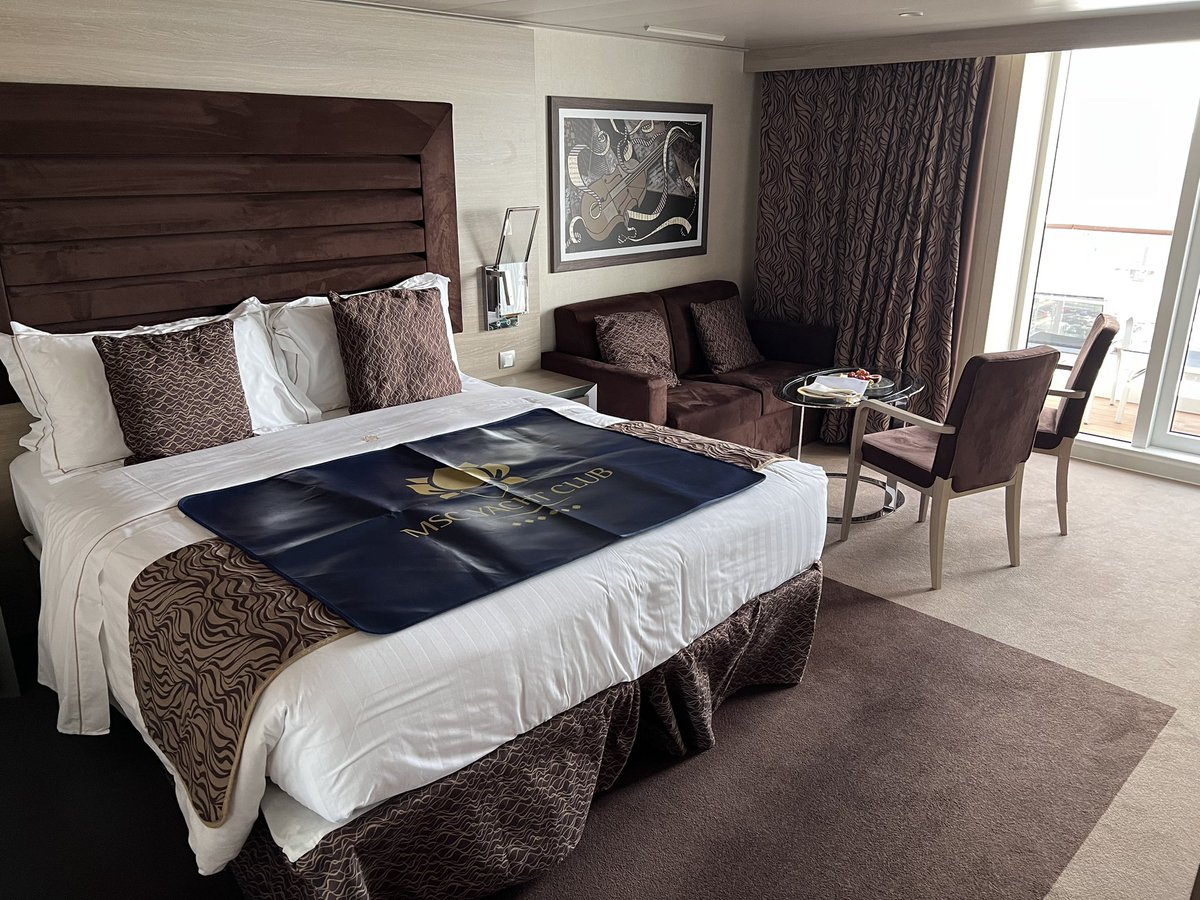
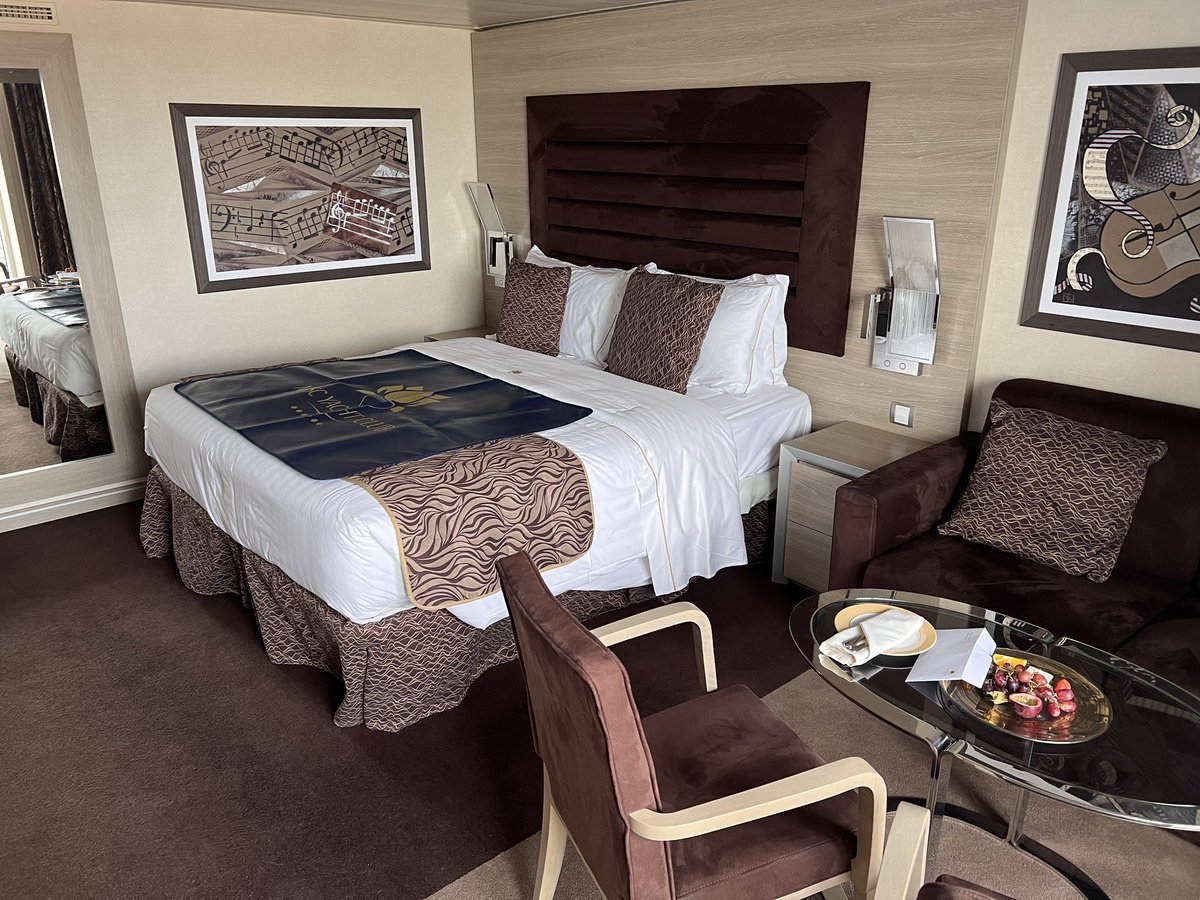
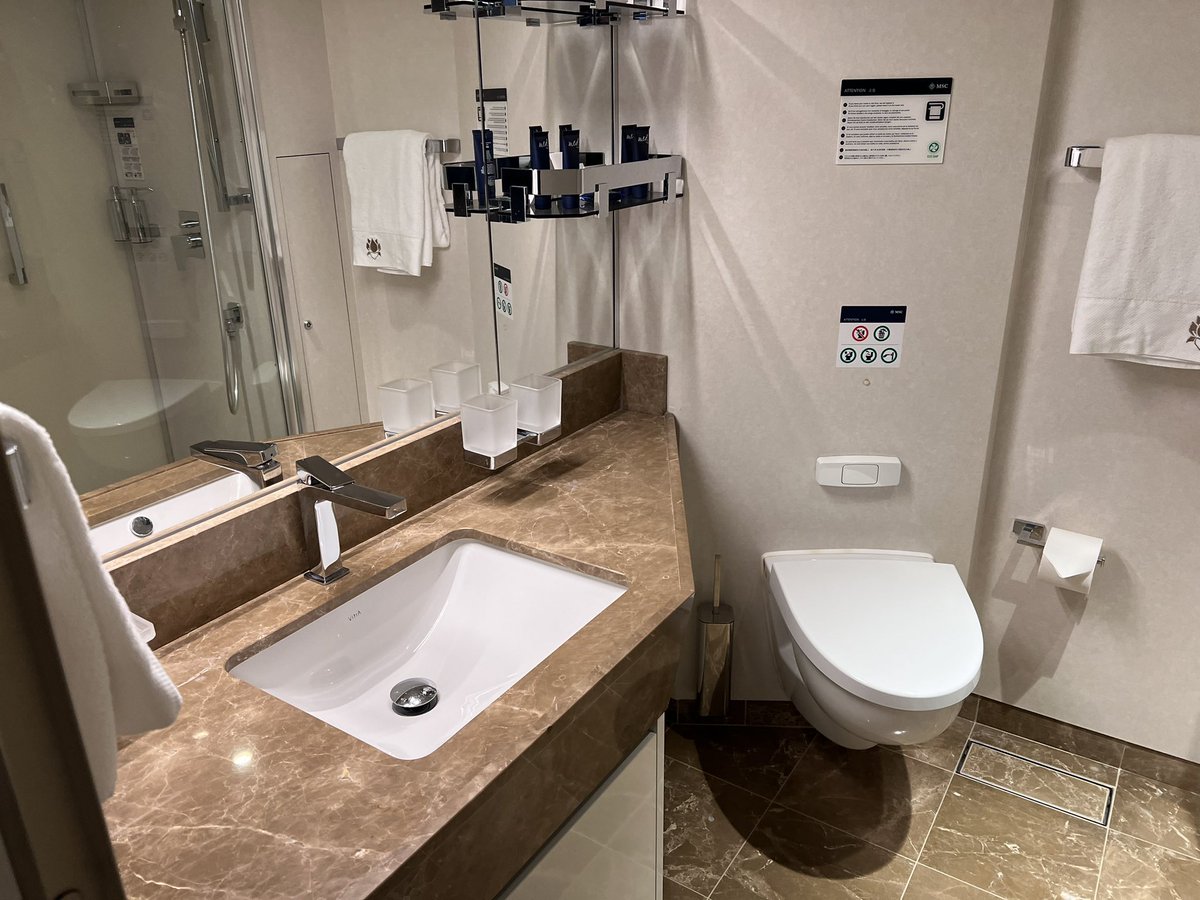
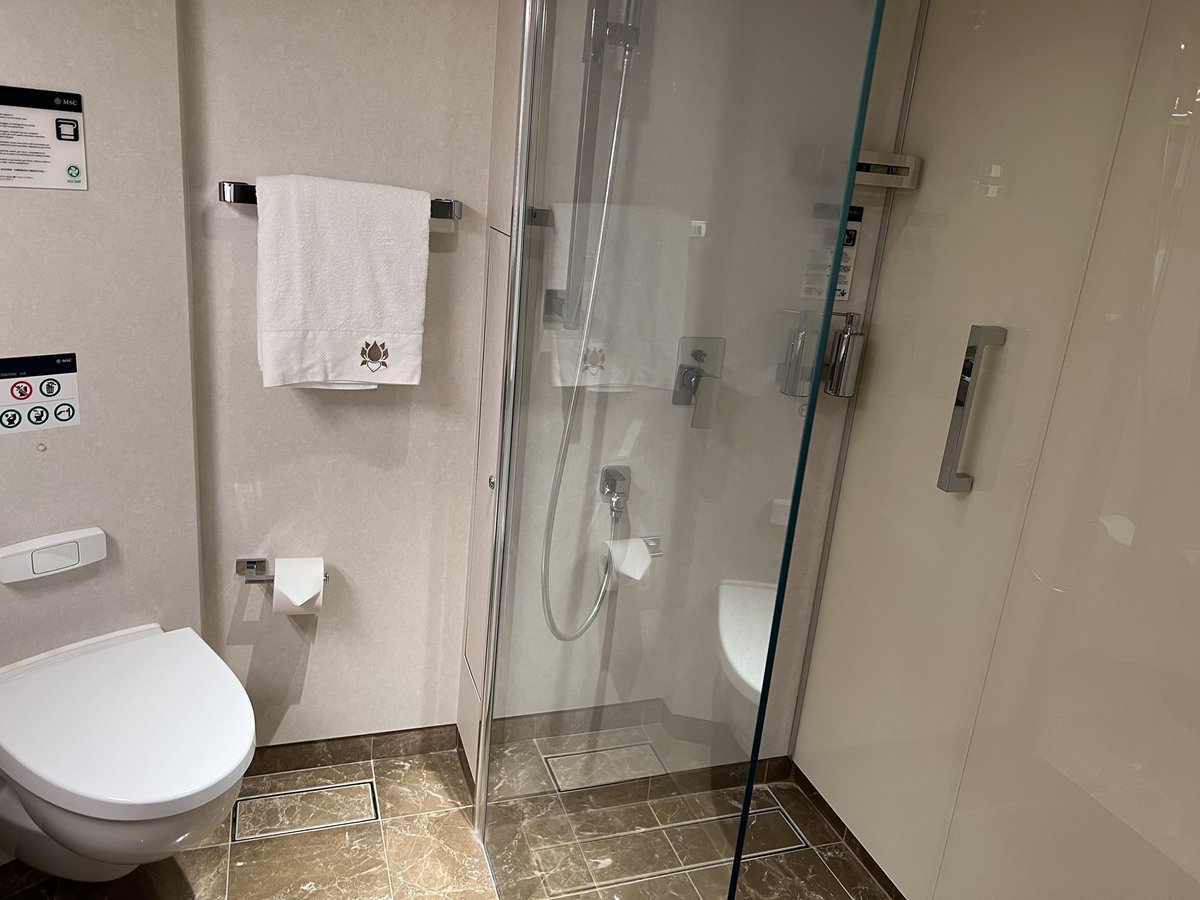
Took a while (until noon) after that fast boarding to get in my cabin on #MSCVirtuosa. I’ve booked the main type of cabin in Yacht Club. It’s pretty good. Ceiling feels lowish. Balcony doors not full width of room. But comfy & spic & span! Sure I’ll have a great stay. Thoughts?
Gary Bembridge tweet mediaGary Bembridge tweet mediaGary Bembridge tweet mediaGary Bembridge tweet media
English
29
1
99
13.6K
Louise Roddon
Louise Roddon@louiseroddon·
@Willhide Smiths is the pits. Remember when it was considered a pillar of the community? On a par with the doctor, the WI and the Midland bank??
English
0
0
1
89