English
Luke Sagers
44 posts


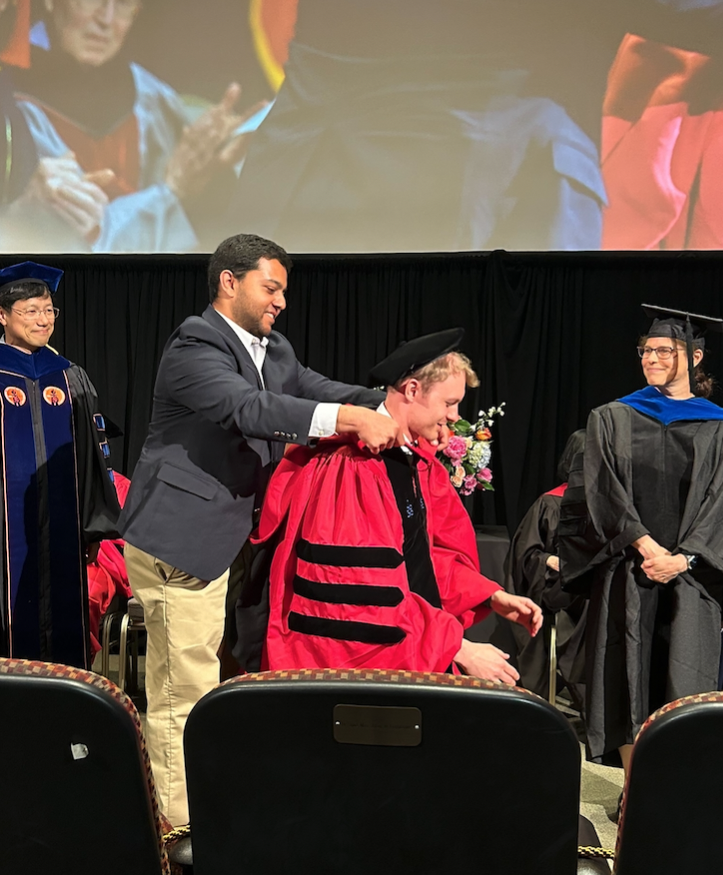

🧵1/ Last week I had the privilege of hooding **Dr.** @luke_sagers, my first PhD student, in a special ceremony at @harvardmed.

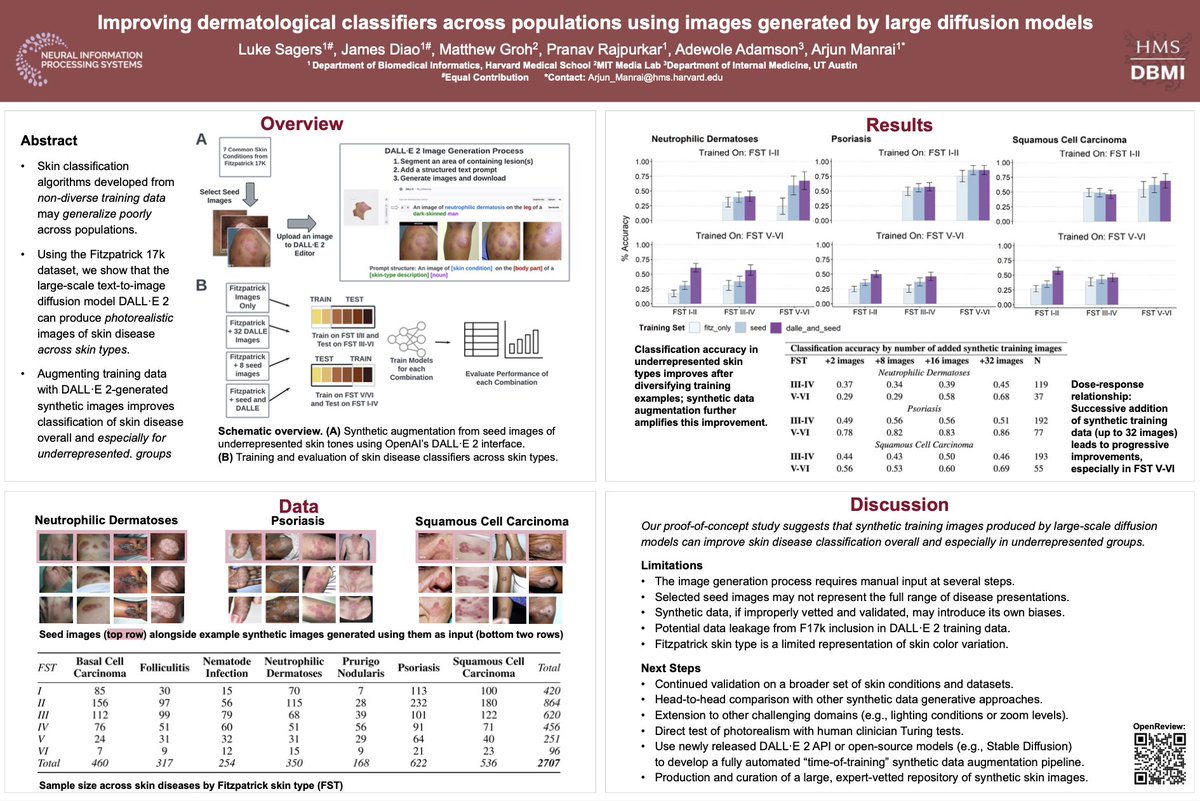
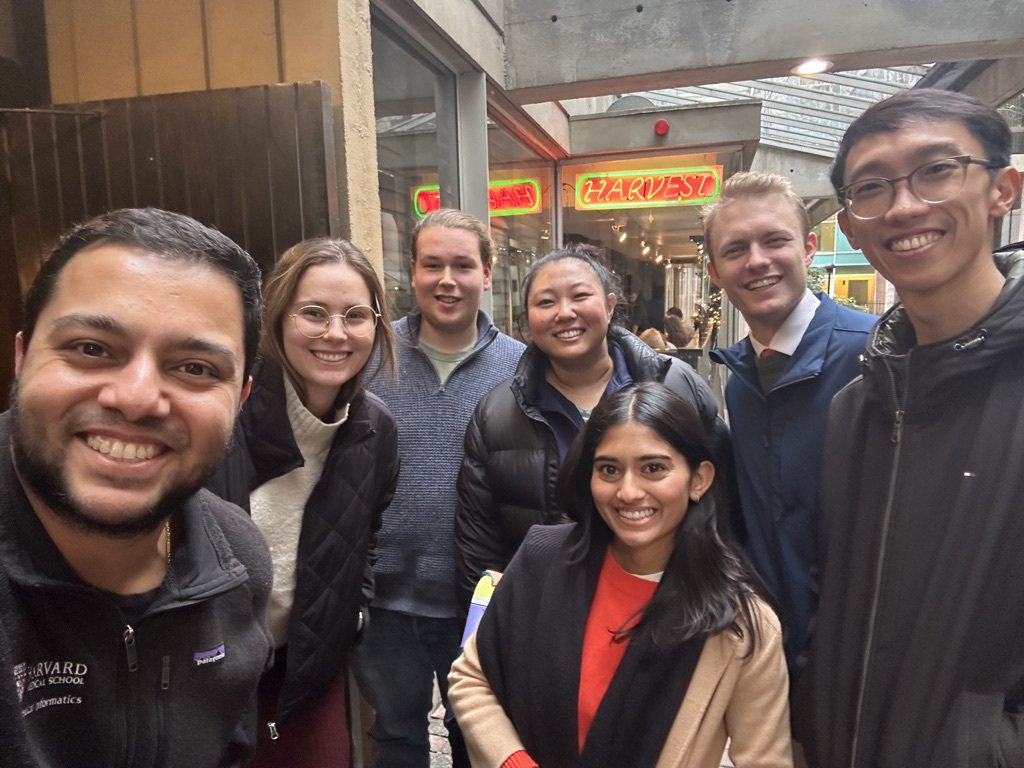
Congrats to **Dr.** @luke_sagers who brilliantly defended his PhD dissertation! Luke rigorously evaluated whether synthetic data can improve medical image classifiers across populations. It's been a privilege to work w/ Luke from when he was a summer undergrad at @HarvardDBMI

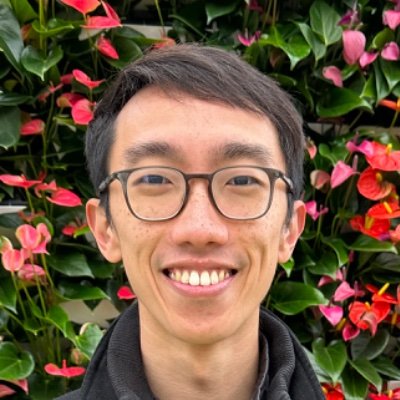
Congrats to **Dr.** @luke_sagers who brilliantly defended his PhD dissertation! Luke rigorously evaluated whether synthetic data can improve medical image classifiers across populations. It's been a privilege to work w/ Luke from when he was a summer undergrad at @HarvardDBMI

Can synthetic data produced by latent diffusion models improve medical AI? We studied this question using skin disease classifiers in our new preprint led by @luke_sagers @JamesADiao @lukemelas. Takeaways: • Synthetic images can enhance model performance in data-limited scenarios. • Gains saturate at synthetic-to-real image ratios above 10:1 and are substantially smaller than the gains obtained from adding real images. • Diverse real-world data remains the most important step to improve medical AI algorithms. Special thanks to collaborators @RoxanaDaneshjou @Dr_vron @pranavrajpurkar @AdeAdamson @mattgroh Full text: arxiv.org/abs/2308.12453

Can synthetic data produced by latent diffusion models improve medical AI? We studied this question using skin disease classifiers in our new preprint led by @luke_sagers @JamesADiao @lukemelas. Takeaways: • Synthetic images can enhance model performance in data-limited scenarios. • Gains saturate at synthetic-to-real image ratios above 10:1 and are substantially smaller than the gains obtained from adding real images. • Diverse real-world data remains the most important step to improve medical AI algorithms. Special thanks to collaborators @RoxanaDaneshjou @Dr_vron @pranavrajpurkar @AdeAdamson @mattgroh Full text: arxiv.org/abs/2308.12453
Can synthetic data produced by latent diffusion models improve medical AI? We studied this question using skin disease classifiers in our new preprint led by @luke_sagers @JamesADiao @lukemelas. Takeaways: • Synthetic images can enhance model performance in data-limited scenarios. • Gains saturate at synthetic-to-real image ratios above 10:1 and are substantially smaller than the gains obtained from adding real images. • Diverse real-world data remains the most important step to improve medical AI algorithms. Special thanks to collaborators @RoxanaDaneshjou @Dr_vron @pranavrajpurkar @AdeAdamson @mattgroh Full text: arxiv.org/abs/2308.12453
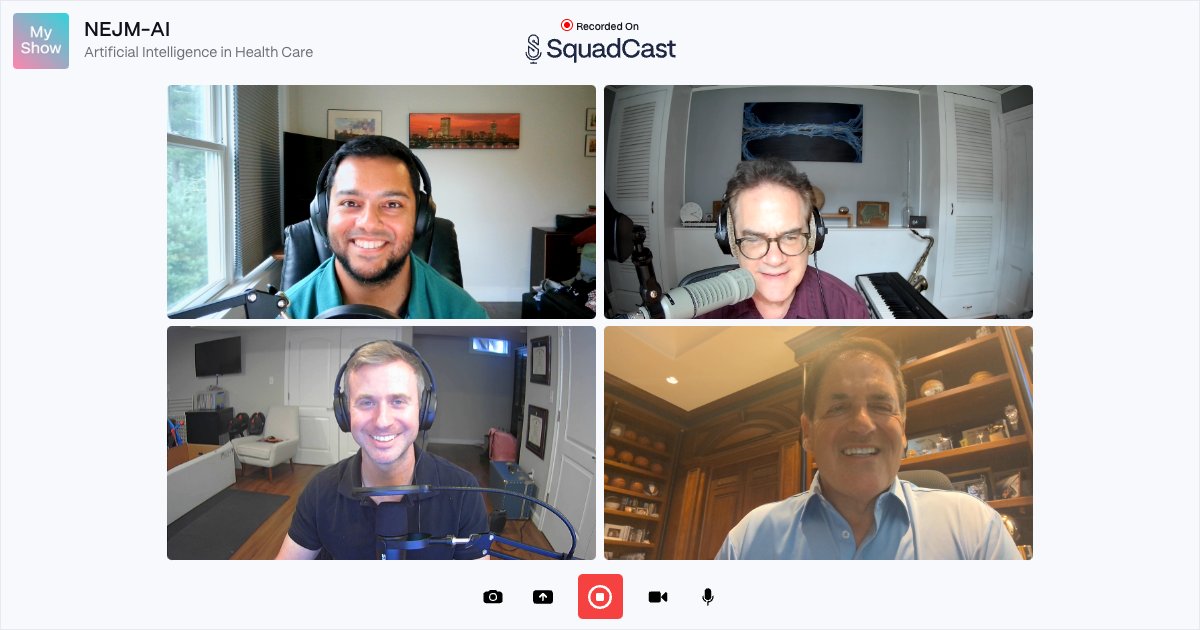
Coming soon: NEJM AI, a new journal from NEJM Group. NEJM AI aims to identify and evaluate state-of-the-art applications of artificial intelligence to clinical medicine. Learn more about the new journal: ai.nejm.org
Launching later this month, NEJM AI Grand Rounds is a new podcast exploring how #ArtificialIntelligence will change clinical practice and healthcare. Listen to the podcast trailer and subscribe: ai-podcast.nejm.org #AIinMedicine