
Lux
16 posts




Today, while discussing investment research within our team, we realized something important: the more investment research an average user thinks they have done, the easier it is for them to get “reverse-rugged.” This is a critical pitfall you must avoid. Whether you are a retail investor, operating as a team, or running a studio, if you want to avoid being exploited in 2026, remember this clearly: 👉 Do not rely on X (Twitter) as your primary or single source for understanding a project. You might respond: “Of course I don’t only use X. I also check the website, whitepaper, KOL content, project discovery platforms, fundraising data, and founder backgrounds to make a comprehensive judgment.” That’s exactly what we did last week. And that’s how you’ve already made this well-known mistake. Why do we say this? Our team has previously worked on project promotion and operated as a marketing agency. We understand very well: - How KOL posts are coordinated and produced Where fundraising and investment information actually comes from - How SEO works - How whitepapers are packaged and “polished” Here is the uncomfortable truth: 👉 More than 90% of the information from the channels mentioned above can be fabricated. Yes—you read that correctly. Ninety percent. If you want to truly research a project, here is what you should be doing instead: 1. Deep-dive into the founders’ past projects Investigate what the founders have built before. Use your network, resources, and private channels to understand: - What good things they have done - What unethical or questionable things they may have done Do not get fooled by “pig-butchering” projects that constantly rebrand and change skins. Ironically, the information channels mentioned earlier are exactly what these projects are best at manipulating. 2. Analyze on-chain data yourself Go directly to tools like Dune, Bubble Maps, and similar platforms to analyze addresses and summarize real data. You may think everything you see is real—but on-chain data is much harder to fake. 3. Stop being airdrop-driven in the early stage Do not rush to farm or spam interactions just for airdrops. Instead, deeply experience the product: Is it usable? Does it actually work? Is it genuinely useful? My belief is simple: What Web3 needs now is long-term thinking and real utility—not short-term speculation.


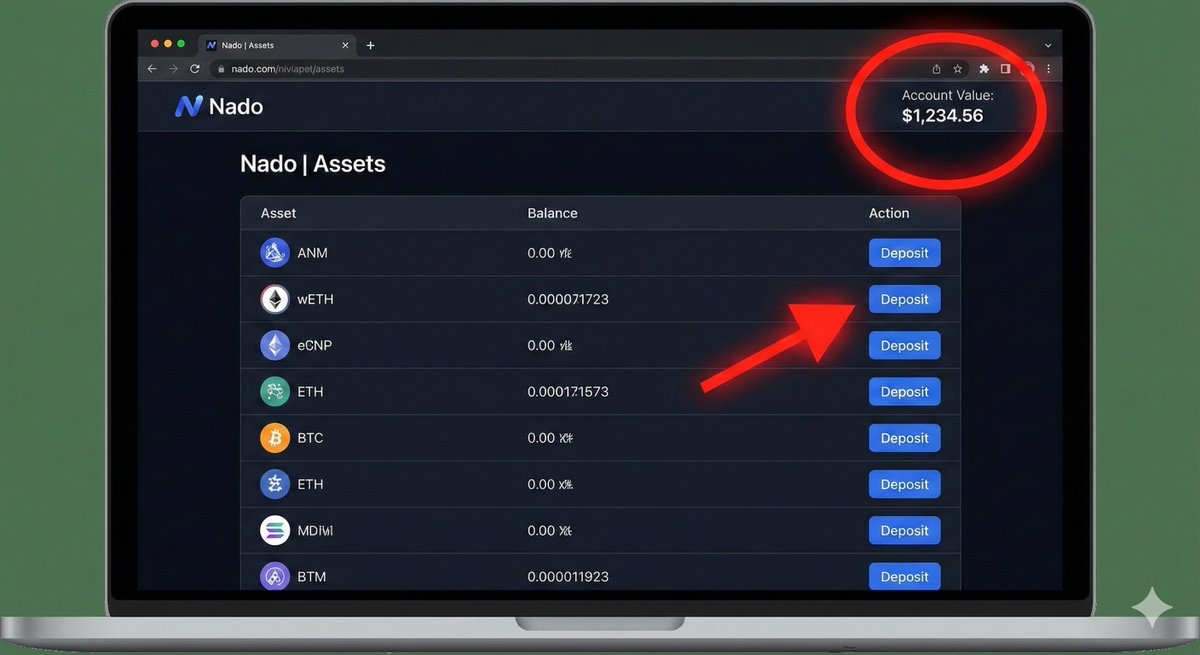


《未发币 Perp DEX 龙头二选一?成年人我全都要!》 📝 教程正文:Nado & Variation 双向对冲实操指南@KaitoAI 欢迎走何总@hebi555 的链接:omni.variational.io/?ref=OMNIHEQGZ… 1. 核心逻辑:我们到底在赚什么? 很多小白不敢刷交易量,怕方向买反了亏本金。 对冲策略就是:我们在 A 平台买涨,在 B 平台买跌。 不管比特币涨还是跌,两个平台的盈亏会相互抵消。 我们唯一的成本就是“手续费”,而换来的是两个顶级项目的巨额交易量空投积分。 左手 Nado (Kraken 亲儿子) 右手 Variation (未发币龙头) 目标: 用最小的磨损,刷最大的量。 2. 准备工作 资金准备: 2000 USDT(建议两边各充 1000 U)。 工具准备: 电脑端操作,浏览器开两个窗口,或者使用分屏插件,必须保证能同时看到两个平台的下单按钮。 标的选择: BTC/USD(波动虽然大,但深度最好,滑点最小)。 3. 关键参数设置(小白必看,设错必亏) 🔴 杠杆倍数:死守 5 倍 (5x) 为什么不是 10 倍? 10 倍杠杆只要波动 10% 就会爆仓。 现在的行情,比特币一天波动 5-8% 很正常,稍有插针你就“毕业”了。 为什么是 5 倍? 5 倍需要波动 20% 才会爆仓。这是一个极厚的安全垫,让你晚上能睡得着觉。 4. 实操步骤:3-2-1 开火! 第一步:开仓 左边 Nado 界面:选择 BTC,杠杆调至 5x,方向选 做多 (Long),金额 $1000。 右边 Variation 界面:选择 BTC,杠杆调至 5x,方向选 做空 (Short),金额 $1000。 神操作: 鼠标快速在两边点击“Open/Buy”。(手速要快,尽量让成交价格一致)。 此时状态: 你持有名义价值 1万 U 的仓位。 无论 BTC 怎么飞,你的总资产基本不变(除了扣掉的手续费)。 第二步:平仓 策略 A (快进快出): 也就是刷单。开仓后 1-2 分钟,直接两边同时平仓。 优点: 极低风险,不管行情。 缺点: 累一点。 策略 B (吃资金费): 观察两边费率。 如果有一边是“负费率”(做空给做多钱),你可以多拿一会儿,用费率补贴手续费。 (小白建议选策略 A,简单粗暴) 5. 算细账:这波操作要花多少钱? 目标:刷 100,000 U (10万刀) 的总交易量 你的成本账单如下: 1️⃣ 交易手续费 (给平台的过路费) 费率预估:0.05% 你的支出:50 U 2️⃣ 价差磨损 (买一卖一的隐形差价) 费率预估:0.02% 你的支出:20 U 总计成本 (你的总票价) 费率合计:0.07% 总支出:70 U 结论: 你花 70 U 的成本,在两个顶级项目里各刷了 5万 U 的真实交易量(合计 10万)。 如果未来空投单个账号价值超过 35 U,你就回本了;超过 350 U,你就赚了 10 倍! 6. 进阶风控:如何处理“一边赚翻,一边亏光”? 这是小白最容易翻车的地方! 场景: 你开单后,BTC 突然暴涨。 Nado (做多): 赚了很多,账户变成了 1500 U。 Variation (做空): 亏了很多,账户只剩 500 U。 ❌ 错误操作: 继续按 5 倍杠杆开单。 Variation 那边没钱了,开不出大单;Nado 那边钱闲着。会导致你两边仓位不匹配,对冲失效,变成裸奔! ✅ 正确操作(再平衡 Rebalancing): 一旦某一边本金亏损超过 30%(比如从 1000 跌到 700): 立刻双边平仓,停止交易。 资金搬砖: 从赚的那边(Nado)提币出来,充值到亏的那边(Variation)。 恢复平衡: 确保两边账户又回到 1000 U vs 1000 U。 重启机器: 继续下一轮刷量。 7. 最后 不要上头: 刷量是枯燥的体力活,不要因为看着一边赚了钱就想“平掉亏的,拿住赚的”,那一瞬间你就变成了赌徒,不再是刷子。 关注磨损: 偶尔看一眼账单,如果发现某天滑点很大,磨损超过了 0.1%,就停一停,等人少的时候再刷。 各刷各的: 建议用指纹浏览器多开,不要用大号关联所有小号。
How Perpetual Futures and AMMs Turn Tiny Liquidity into Massive Price Manipulation 🧵$LIGHT was launched on December 10, marketed as a “Bitcoin ecosystem project.” Within a few days, the price increased dozens of times. Then, in less than one hour, it fell from $4.8 to $0.8. This was not an accident, and it was not rare. It followed a pattern that has already played out many times.The core issue is not speculation, sentiment, or bad timing. It is the interaction between thin spot liquidity, AMM pricing, and perpetual futures.
Gm Traders While the market screams, our data whispers. Day 2 at Binance Blockchain Week was electric. The energy with the Hyperliquid community is unmatched. But while high volatility is the norm elsewhere, Akka sits at just 0.39% drawdown, the lowest in the ecosystem. Most vaults eventually lose half your capital. Yesterday, our Head of Strategy took the stage to demonstrate what happens when you combine quant-grade AI with hyper efficient execution. The next era of vaults isn’t human managed. It’s AI native. #BinanceBlockchainWeek
我和 @Sparks__Li 在 @BNBCHAIN 的黑客松一起做了这个demo: 当一个人发推的时候,自动监控他的推文并且用ai去做分析找到对应可能影响的市场自动下注。 时间来不及,只做了去 @opinionlabsxyz 的预测市场bet这一个资产类别的demo,(光是这一个use case就有巨多巨多需要打磨琢磨甚至思考合理性的事情),但是现在已经在 @HyperliquidX 上上线了,未来还可能去搞其他的perpdex(@Aster_DEX ) 我们的观点是 @the_nof1 真正适合用在 workflow generation(工作流生成)、code generation(代码生成)、sentiment analysis(情绪分析)——而不是直接拿来做交易本身。 这里面基于几个判断是: 1. 在交易场景中,AI 必须是“可控、可审计”的; 2. 区块链本质上就是乐高世界,每个协议都可以被打包成3. 一个 node 拼进我们的 workflow; 可视化的工作流,是设计、监控和理解自动化策略更好的方式。 我们已经onboard了一些来自Citadel/RenTech/jump trading等量化交易员合作一起开发产品,欢迎各位老板们一起来聊!


