Mohammad Alaggan, Ph.D.

50.2K posts

Mohammad Alaggan, Ph.D. banner
Mohammad Alaggan, Ph.D.

Mohammad Alaggan, Ph.D.

@m_aggan

Sr. Software Development Engineer at @AWSCloud (CloudFront). Opinions are my own.

Toronto, Canada Katılım Ekim 2009
4.6K Takip Edilen1.7K Takipçiler
Mohammad Alaggan, Ph.D. retweetledi
Boost C++ | Open Source Libraries
Boost Blueprint 054: Boost.Sort spreadsort is a hybrid radix/comparison sort that exploits key type to hit near-linear complexity. Same interface as std::sort, measurably faster Also in the box: pdqsort for pathological distributions, spinsort for nearly-sorted data, flat_stable_sort for stable sorting with minimal memory One header. Four algorithms. Pick the one your data needs Level up your C++ architecture. Follow @Boost_Libraries for the #BoostBlueprint series #cpp
Boost C++ | Open Source Libraries tweet media
English
2
1
36
2.6K
Mohammad Alaggan, Ph.D. retweetledi
Aliaksandr Valialkin
There is a solution against slow syscalls - to convert your service into a unikernel similar to @nanovms ( nanovms.com ) or unikraft ( unikraft.org ). Then syscalls are replaced with regular function calls with the minimum overhead. This allows achieving significant performance boost in busy services - hackernoon.com/faster-than-li… . If you aren't familiar with unikernels, I suggest practicing the following great tutorial - labs.iximiuz.com/tutorials/unik…
Aliaksandr Valialkin@valyala

Curious what is a system call and why it takes much more CPU time comparing to a regular function call (1000x more)? Then read this article. Then you'll understand why it is better to use read/write buffers in order to minimise the number of syscalls in hot paths when working with network and filesystem.

English
1
12
117
7.6K
Mohammad Alaggan, Ph.D. retweetledi
Kiran
Kiran@kirancodes·
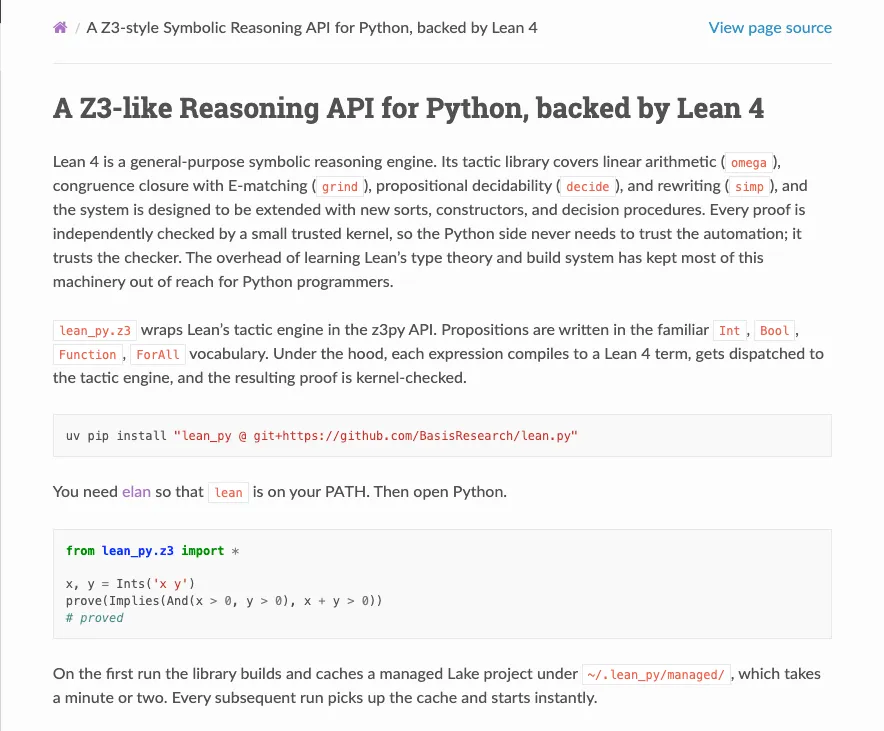
Z3! You're on WATCH! Latest update to lean.py is a drop in replacement for Z3py! Everyone's trying to put SMT solvers in their proof assistant, how about putting a prover in your solver? here's the crazy thing: if you know Z3, you KNOW lean.py.
Kiran tweet media
Kiran@kirancodes

ML researchers know Python. Proof engineers know Lean. Never the two should meet.. Until now! Announcing Lean.py, effortless Lean to Python and Python to Lean bindings! - Write Lean tactics in Python - Access the Python ecosystem in Lean github.com/kiranandcode/l…

English
3
7
68
6.9K
Mohammad Alaggan, Ph.D. retweetledi
Dmitrii Kovanikov
Dmitrii Kovanikov@ChShersh·
C++23 introduced 'deducing this'. It means I can fully use my 10 years of accumulated FP knowledge and finally write self-recursive lambdas easily. The world is not ready for the kind of FP I'm going to unleash.
Dmitrii Kovanikov tweet media
English
26
20
416
48.5K
Mohammad Alaggan, Ph.D. retweetledi
Mahmoud Youssef
Mahmoud Youssef@mahyoussef_·
بفضل الله أطلقنا مجرّة على الـ IOS والـ Android 🚀 أول منصة وتطبيق عربي للمطوّرين لمتابعة أخبار البرمجة والتقنية من المصادر العربية والعالمية وكمان مشاركة وتبادل الخبرات! الفكرة ببساطة إننا نستحق إن يكون عندنا منصة عربية مبنية خصيصًا لاحتياجتنا وبتسهل علينا الوصول للمستجدات اللي بتطرأ في المجال بشكل سريع وبسهولة، خصوصًا إن البدايل المتاحة غير مرغوبة بالمرة! مجرّة بتجمع أخبار وأدوات ومقالات من +80 مصدر عربي وعالمي في خلاصة يومية مخصّصة لاهتماماتك. ومدعومة بأدوات الذكاء الاصطناعي علشان تساعدك تطلع بأكبر استفادة ممكنة ⚡ طب ايه اللي بيميّزها؟ 🎯 تقدر تبني مجرتك بالشكل اللي يناسبك وتشوف المقالات اللي تهمّك فعلاً من المصادر المتاحة والوسوم 🤖 أكتر من +5 أوامر مدعومة بالذكاء الاصطناعي بالعربي — تلخيص، وتبسيط، وأمثلة عملية وتطبيقية من أي مقال، ونقد بنّاء بضغطة واحدة 🌟 الكوكبات — أكتر من +25 كوكبة في مجالات مختلفة متخصّصة للمطوّرين (تقدر تفكر فيها كـ subreddits للمطوّرين العرب) لمشاركة وتبادل الخبرات 🔥 سلسلة القراءة — حافظ على عادة القراءة اليومية بالإضافة لنظام Gamification للتحفيز و Reputation Scores 🏆 لوحة الصدارة والإنجازات 💳 بطاقتك المجرّية — بطاقة هويتك كمطوّر ، وتقدر تشاركها على GitHub و X 💎 تجربة استخدام مميزة للمطورين ومدعومة بالكامل بالعربي بالإضافة لإنكوا تقدروا تحولوا كل tap في المتصفح بتاعكوا لصفحة مليانة بآخر المستجدات من خلال Chrome Extension 🎁 المنصة والتطبيق مبنيين لدعم المجتمع التقني العربي وكلهم مجانيين بالكامل، وإن شاء الله فيه أفكار كتير للتطوير منهم ، بالإضافة لإننا فتحنا باب الشراكات والرعاة فاللي حابب يشاركنا ويكون جزء من رحلة مجرّة هنكون سعداء جدًا بده .. هستنى أعرف رأيكوا خصوصًا بعد ما تجربوا التطبيق على الموبايل .. وطبعًا ده هيساعد باننا نحسن للأفضل 💪 تقدروا دلوقتي تنضموا لأكتر من +2,350 مطور عربي .. ساعدونا في نشرها علشان مجرتنا تكبر والفايدة تعم على الجميع 💜
Mahmoud Youssef tweet media
العربية
2
6
16
3.7K
Mohammad Alaggan, Ph.D.
Mohammad Alaggan, Ph.D.@m_aggan·
This makes me think of Chess vs Computer Vision. For computers, chess was thought of as hard, and computer vision as easy, but it turned out to be the opposite for similar reasons as the feedback hypothesis.
Marc Brooker@MarcJBrooker

New blog post, with a hypothesis about the long-term future of software development. Coding agents will find tasks with effective feedback ‘easy’, and tasks without effective feedback ‘hard’. The availability of accurate feedback will determine the limits on their capabilities.

English
0
0
0
53
Mohammad Alaggan, Ph.D. retweetledi
Marc Brooker
Marc Brooker@MarcJBrooker·
When I publish a piece of writing under my name (e.g. in my blog, or a document at work), I want the reader to know that I deeply understand and own what I wrote. That I respect their time and effort. In exchange, I want them to be fully and deeply engaged with reading.
English
2
7
108
5.4K
Mohammad Alaggan, Ph.D. retweetledi
井上秋(偽物)
井上秋(偽物)@i_n_o_u_e_a_kki·
圏論的量子力学のいい点をあげるとたくさんあると思うけど、 パッと思い浮かぶのは ←これ が これ→ になるところですかねぇ
井上秋(偽物) tweet media井上秋(偽物) tweet media
日本語
2
81
540
63K
Mohammad Alaggan, Ph.D.
Mohammad Alaggan, Ph.D.@m_aggan·
@EnricPastor4 @TrisH0x2A I didn't claim it's new. I personally taught using PintOS when I was an assistant professor 14 years ago. I did my own from-scratch kernel 23 years ago. Your point being?
English
1
0
1
99
Mohammad Alaggan, Ph.D. retweetledi
trish
trish@TrisH0x2A·
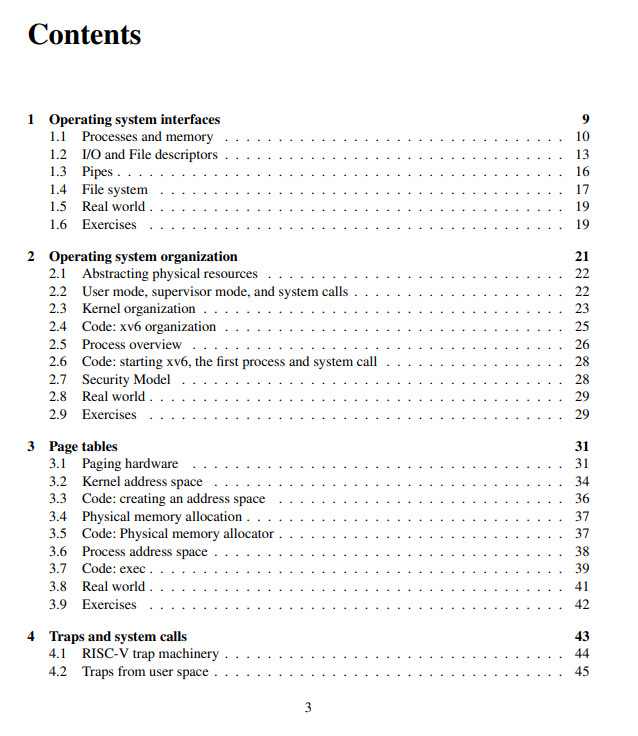
MIT teaches operating systems by giving students a complete Unix like kernel and asking them to modify it it is called xv6 and is about 6000 lines of C a reimplementation inspired by Unix Version 6 from 1975 rewritten in modern C for x86 multiprocessor processes system calls virtual memory and filesystem are all there and small enough to read end to end in a weekend this is what you study to understand how operating systems actually work not just how they are described
trish tweet media
English
68
568
5K
337.2K
Mohammad Alaggan, Ph.D. retweetledi
Simon Willison
Simon Willison@simonw·
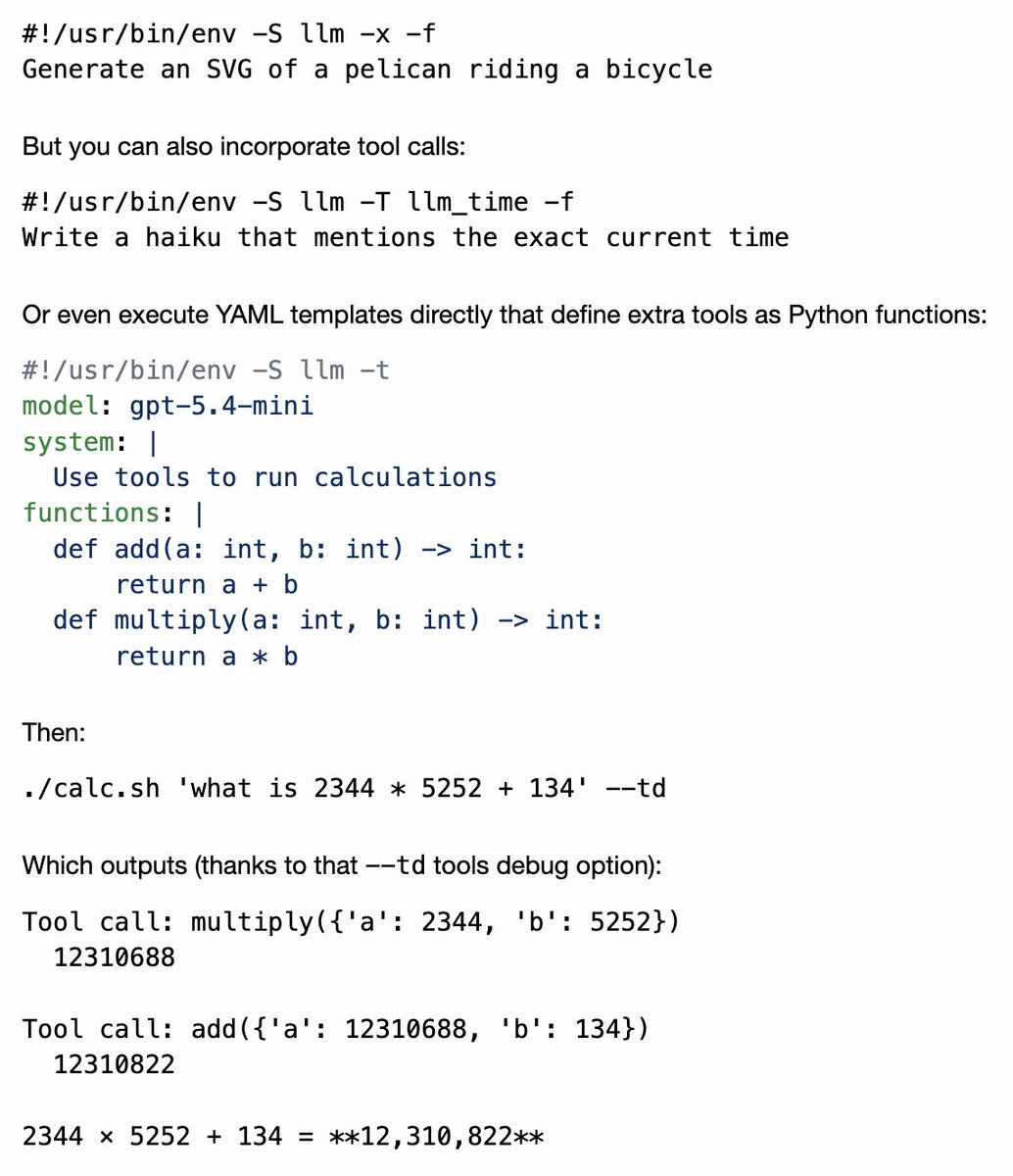
New TIL: I figured out how to use my LLM CLI tool in a shebang line, which means you can write executable scripts in English, or hook up more complex scripts with a snippet of YAML template
Simon Willison tweet media
English
47
25
370
27.1K
Mohammad Alaggan, Ph.D. retweetledi
Taelin
Taelin@VictorTaelin·
To whom it may concern NanoProof.hs: the smallest viable proof checker I posted something similar before, but it was more of a research experiment with weird λ-encoded shit, than something usable. This new repo contains a tiny, 1000-LOC Haskell self-contained proof checker that you can actually use to prove arbitrary theorems. The language has just 6 base types: → Empty (`⊥`): type with 0 elems → Unit (`⊤`): type with 1 elem (`()`) → Bool (`𝔹`): type with 2 elems (`0 | 1`) → Sigma (`ΣA.B`): dependent pairs (`(x,y)`) → Pi (`ΠA.B`): dependent functions (`λx.f`) → Equal (`a==b`): propositional equality (`{==}`) That's all you need. Each of these is needed, as it introduces something fundamental. The file includes a parser, stringifier, equality, a bidirectional type checker, and a simple CLI. It also includes first-class reduction relations, which allow us to pretty print goas just like Lean. You can place '()' in a position to inspect the current context and goal there. I also include a demo proof for the commutation of multiplication.
English
12
11
278
17.4K
Mohammad Alaggan, Ph.D. retweetledi
lcamtuf
lcamtuf@lcamtuf·
The most challenging part of writing "The Secret Life of Circuits" wasn't the writing process. It was crafting over 290 full-color illustrations on my own design. I think they set the book apart. For a no-strings-attached sample chapter, check out: lcamtuf.coredump.cx/electronics/pr…
lcamtuf tweet medialcamtuf tweet medialcamtuf tweet media
English
19
123
1.2K
49.8K
Mohammad Alaggan, Ph.D. retweetledi
Kiran
Kiran@kirancodes·
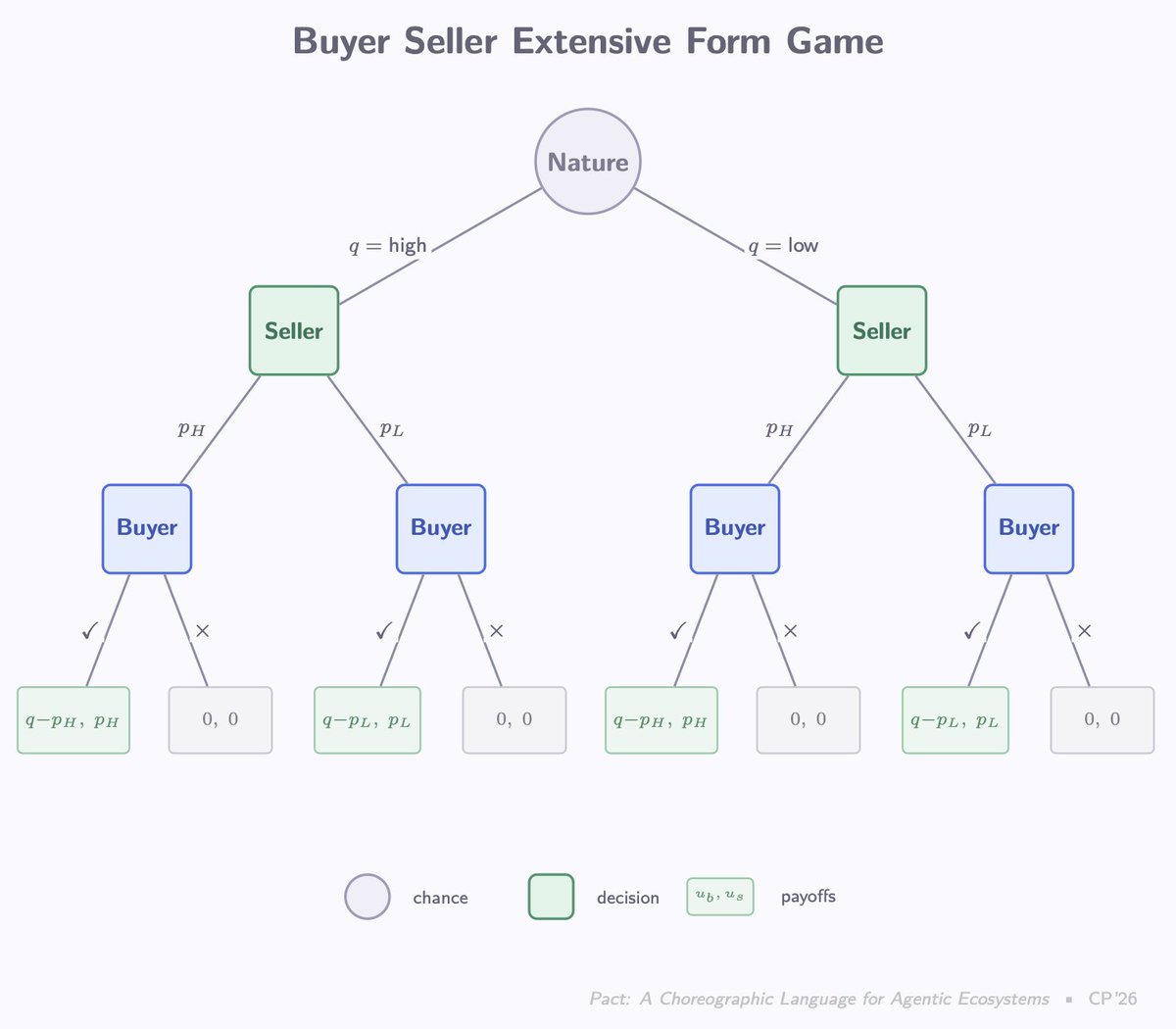
5 lines of python. an economic game with complex equilibria. Our new language Pact uses Choreographies with game theory, allows expressing economic transactions in lines. So simple an agent could write it Claude? make me some money. and make no mistakes arxiv.org/abs/2605.03143
Kiran tweet mediaKiran tweet media
English
3
12
71
5.6K
Mohammad Alaggan, Ph.D. retweetledi
Kiran
Kiran@kirancodes·
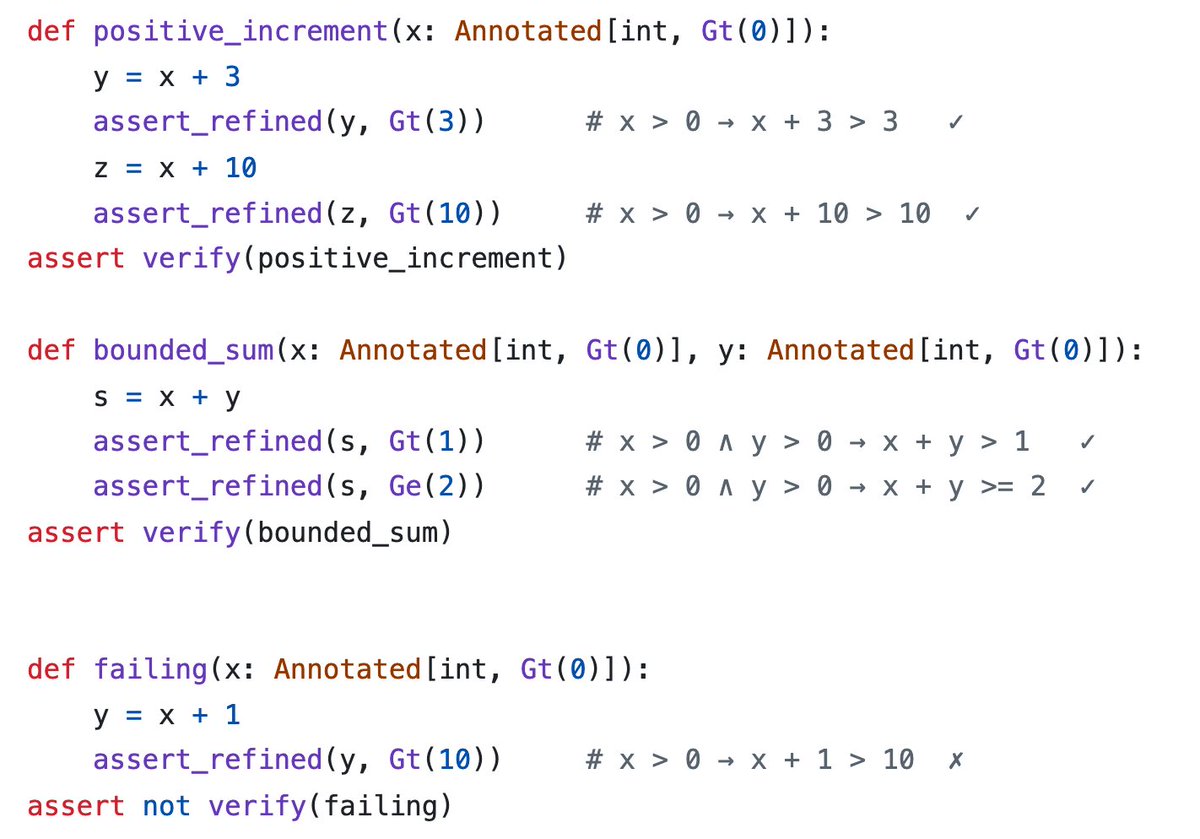
Python doesn't have a refinement type system--except now it does! Combining Lean with @BasisOrg's effectful library for algebraic effects in Python, we can easily verify real code. Python constructs a symbolic expression and sends it to Lean to check. Proof done? Code verified.
Kiran tweet media
Kiran@kirancodes

ML researchers know Python. Proof engineers know Lean. Never the two should meet.. Until now! Announcing Lean.py, effortless Lean to Python and Python to Lean bindings! - Write Lean tactics in Python - Access the Python ecosystem in Lean github.com/kiranandcode/l…

English
3
23
109
10.9K
Mohammad Alaggan, Ph.D. retweetledi
Lean
Lean@leanprover·
Many #LeanLang users were first introduced to Lean via the Natural Number Game, a gamified approach to learning mathematical proofs developed by Kevin Buzzard. The Lean Game Server now hosts 8 games, including real analysis, linear algebra, and introduction to proofs. Open source, so educators can build their own too. Explore: adam.math.hhu.de #FormalMathematics #MathEducation #OpenSource
Lean tweet media
English
2
70
364
46.9K
Mohammad Alaggan, Ph.D. retweetledi
priyanshu.sol
priyanshu.sol@priyanshudotsol·
someone wrote a 680 page interactive book on cs algorithms
English
99
1.7K
16.2K
960.9K
Mohammad Alaggan, Ph.D. retweetledi
LaurieWired
LaurieWired@lauriewired·
There’s a famous Usenet story about a programmer (Mel) who refused higher level abstractions. It was the late 1950s, and even in that era, Mel was…well today we’d call him a boomer. Mel only wrote in raw hexadecimal. He didn’t approve of compilers, and refused to use optimizing assemblers. "You never know where it's going to put things”, he said. Everyone else in the company was moving on to FORTRAN, and they didn’t understand why Mel was so stubborn about using new tools. He *loved* self-modifying code. “If a program can’t rewrite its own code”, he asked, “what good is it?” Mel eventually left the company, and other engineers were tasked with understanding what was left. Mel’s hand-optimized routines always beat the assemblers; but some of it looked absolutely bizarre. One engineer took ~2 weeks to understand why there were loops with no exit condition…yet the program worked fine. I won’t spoil all the details, you should really read it, it’s short. But it’s a fantastic piece on “what defines a real programmer?”…which is becoming increasingly relevant in this vibe-coded era. I strive to understand computers as deeply as Mel! If we aren’t careful, we’re going to lose the “Mels” of this world to time. That’s part of why I go so deep in my youtube videos. I hope that younger viewers are genuinely fascinated by the inner workings of our machines, instead of handing everything off to higher abstractions.
solst/ICE of Astarte@IceSolst

Interesting article on treating agent output like compiler output (and why) skiplabs.io/blog/codegen_a…

English
200
722
8.8K
584.4K