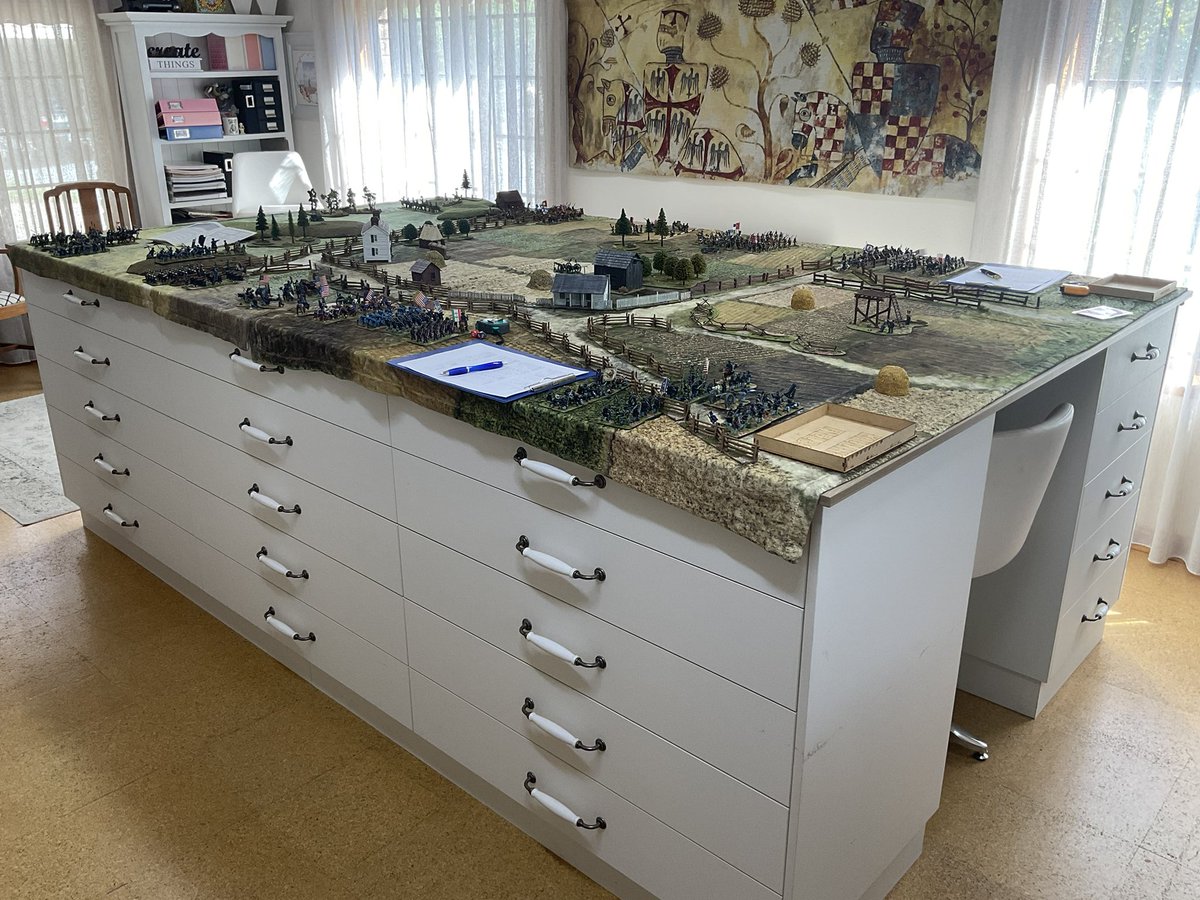
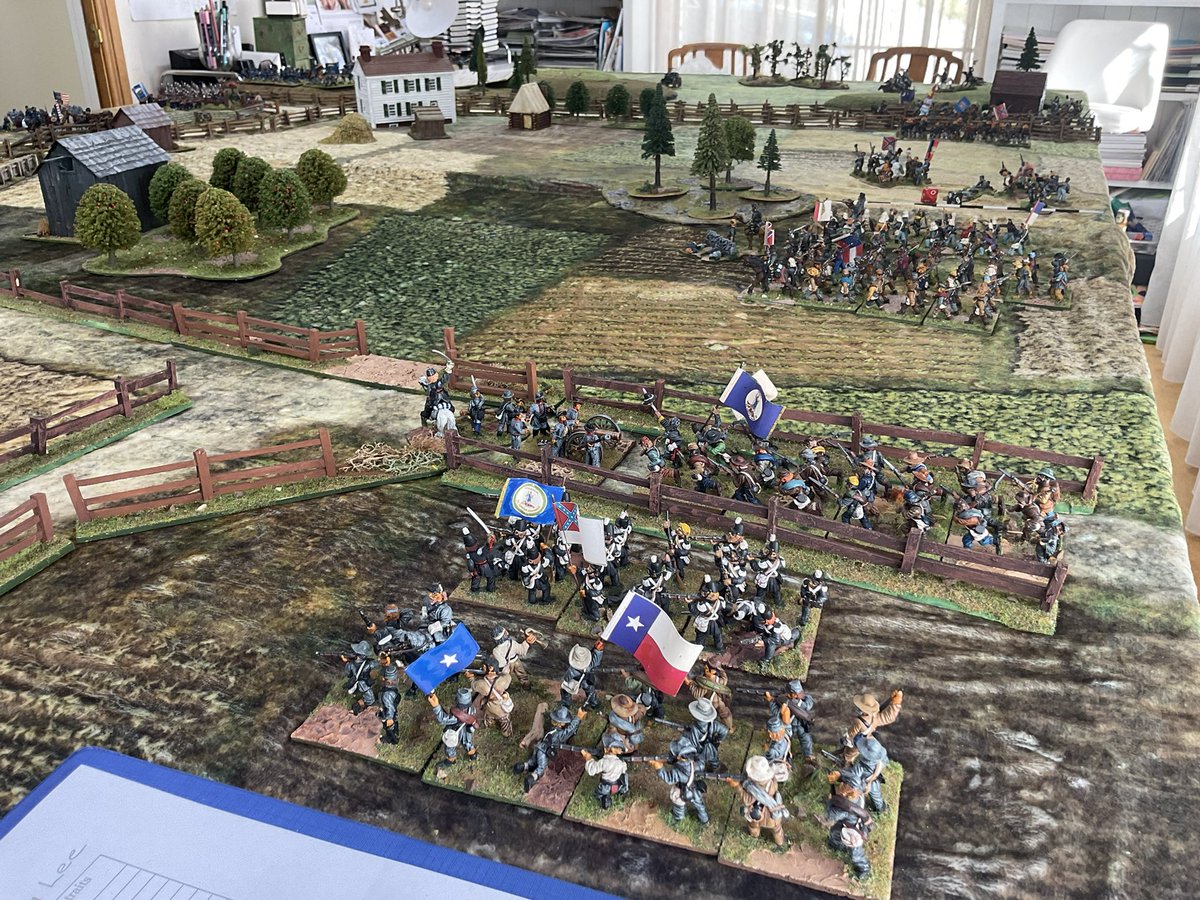
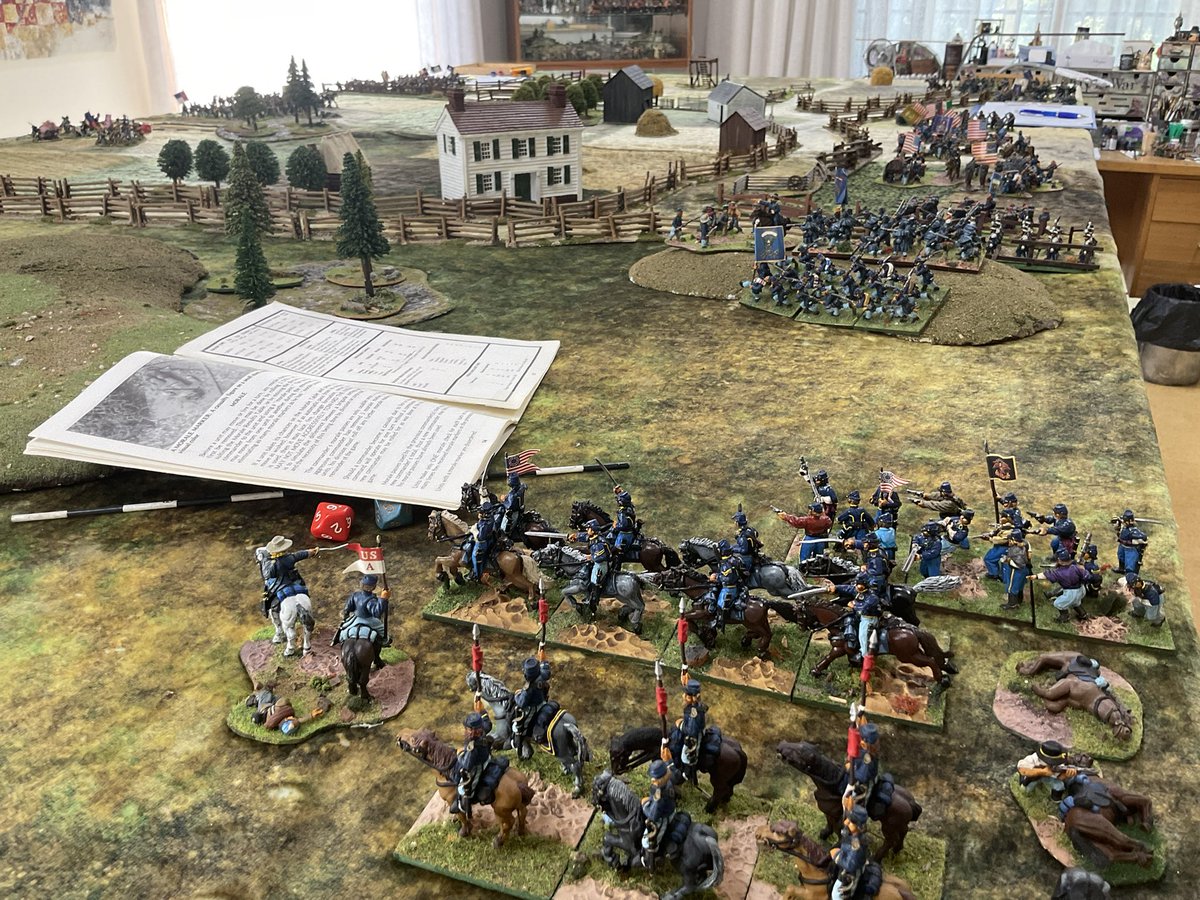
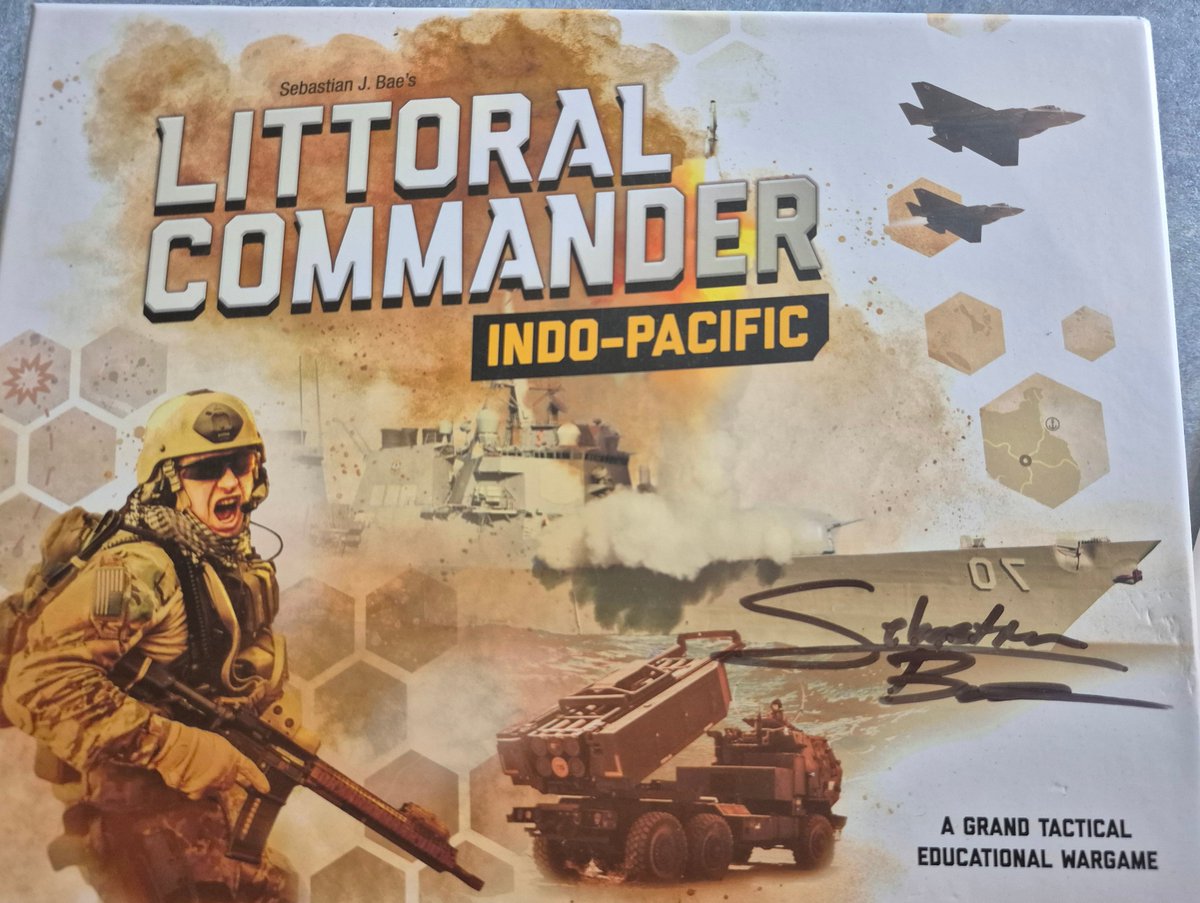
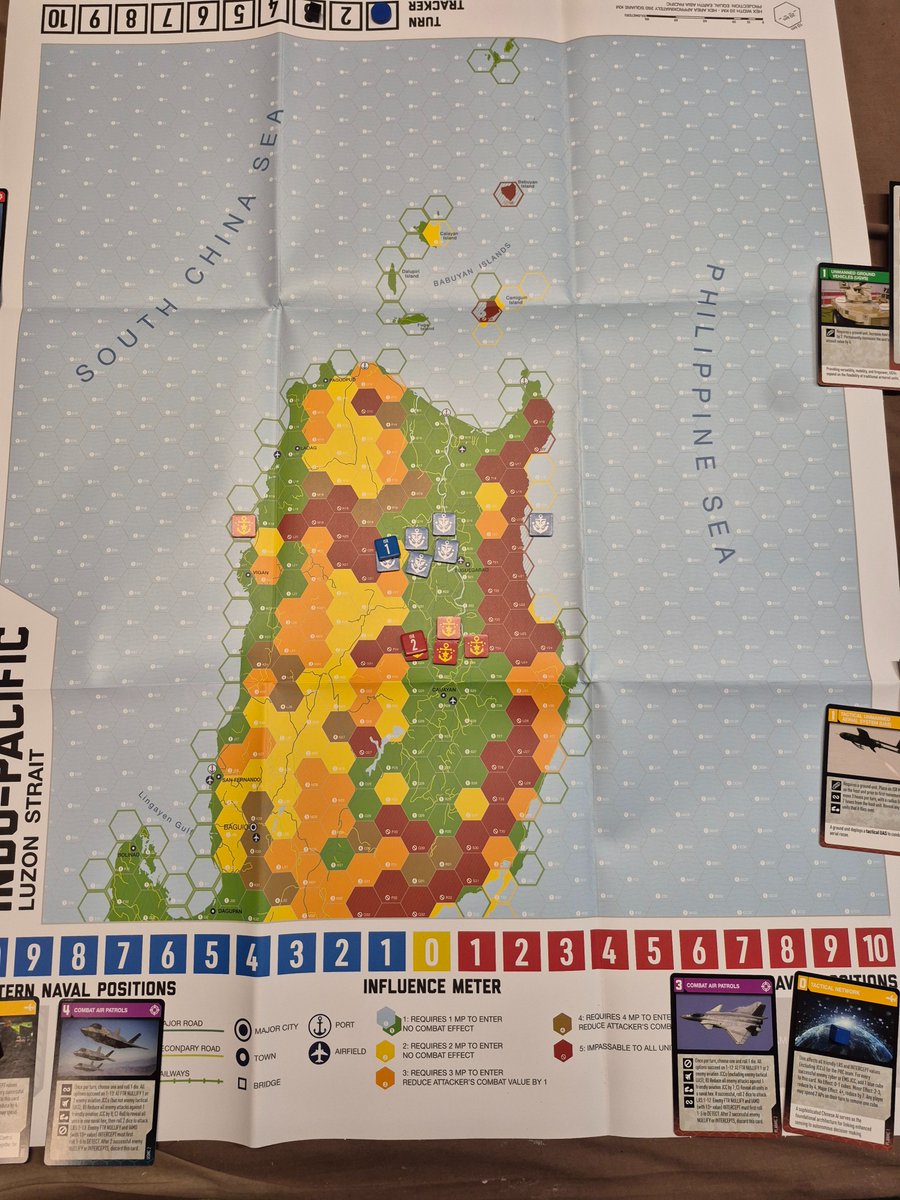
I've finished playing the introductory scenario for @SebastianBae's Littoral Commander.
It's a company-scale meeting engagement between the USMC and the Chinese PLANMC.
This scenario involves only 6 units per side, but it introduces you to most of the rules and unit types you will encounter in the game: logistics and resupply, ground assault, long range strikes, naval units, ISR units, SOF units, degradation of your tactical network and a huge variety of JCC's.
I have a few observations:
-The educational quality of the game is clear. Even in this introductory scenario I learnt a ton about how the USMC and the Chinese PLANMC operate. I could see the need to deploy IAMD (Integrated Air and Missile Defence) units within range of my ground forces to protect them from enemy long range fires. I saw the need to place logistical units just behind the lines and rotate units in and out of the front to resupply them. I could see the paramount importance of getting off a "first strike" but also the difficulty in actually locating the enemy in the first place. Perhaps the biggest lesson was how much planning is required to pull off a successful military operation in a modern environment. Sure, any wargame can show you that planning is important. But Littoral Commander makes it more specific, especially the phases of an operation. For example, let's say you're trying to take a specific hex on the map. You have infantry close enough to attack it with ground assault. Should you just send them in? Absolutely not! You need to locate/reveal the target. You need to soften it up with long range fires. But before you launch your missiles, you need to disable the enemy IAMD. Maybe you open with a Tactical Cyber Attack as your first action, purely to deny the enemy IAMD units. Then you fly an ISR drone over the target to reveal it. Then you fire your missiles. Then, after all that, you send in your men for ground assault. But you also need to plan for the inevitable enemy response. Make sure your own IAMD units are within range to cover your infantry. Make sure another combat unit is nearby to take over the fighting once the first unit is exhausted. And have a logistics unit ready to resupply the me when they fall back. To further clinch your control of the hex, you might drop an aerially inserted SOF team. But the enemy might nullify this with their own air cover. So you use your own Combat Air Patrol card to try and nullify the enemy Combat Air Patrol card. But then again, your own planes could also be used to take out the enemy naval escort.
This little thought process I've described is what you will need to do when attempting any attack. It's frustrating and challenging but also brain-ticklingly interesting. I'd hate to be real regimental commander fighting a hot war over the Luzon Straits and having to factor all of this into my planning. Looking at the cards and knowing that they represent real soldiers in real countries that could conceivably be fighting these exact scenarios within the next decade is chilling. But as a game it's fun and it teaches you a whole lot about the integrated complexity of modern combat operations.
-The "user interface" of the game is very straightforward. Having a separate unit card to track supply expenditure, hits, attached JCC's and other information is essential. Having all that stuff on the board would be impossible. The scenarios are very clearly explained and the rulebook has plenty of examples to show you how to resolve ambiguous situations. I have one gripe with this aspect of the game - I believe the units should have been upright wooden blocks and not counters. This is because you frequently have units face down to show that they are concealed, so unless your memory is perfect you will have to constantly flip over counters to remember where everything is. Upright blocks would avoid this issue and maintain the fog of war aspect much more easily. Now, looking into the back story of the game's development I can see that it was originally envisaged as a block game. I also see that Dietz Foundation now offers an upgrade pack for the game with wooden blocks instead of cardboard counters - a great idea. Considering the success of this game, I would not be surprised if another edition is released using wooden blocks as part of the base game. But I will leave that decision to Sebastian and Jim!
-The system is flexible enough to include a wide variety of other settings, units, scenarios and cards. Combat is based on rolling D20's to score hits, and having 20 numbers on the dice means there's room for considerable granularity and differentiation between unit types. I imagine it would be near impossible to include all the varieties of weapon types with just a D6 as the main method of resolving combat. Like, infantry hit on a 6 while intercontinental ballistic missiles hit on a 2+. The D20 means you can have this huge range of outcomes. It makes me reconsider some of my own design prejudices - for example, I tend to avoid dice entirely or only use 6-sided dice. The JCC cards (which represent all of your higher-level assets and specialised weapons or support units) also offer a dizzying variety of options. I looked through most of them and the mind-boggling number of potential combinations was truly impressive. In the introductory scenario you are just fighting the enemy conventionally. But in subsequent scenarios there is an influence track that measures the diplomatic and political support for your cause in the region - and there are a ton of JCC's that can be used to manipulate this track in various ways. There are also lots of ways to reveal enemy units, disrupt their tactical network, allow for long range strikes across the map, insert special forces behind enemy lines, cut their supplies off, conceal your own units, lay minefields, deploy hidden submarines and much much more. It is no surprise that fans of the original game have taken it upon themselves to create sequels and expansions like those dealing with the Baltic and Australia. It's a very flexible system with lots of room for movement.
Overall, my limited exposure to LC has still shown me how solid it really is. Sebastian has crammed a lot of stuff into this system without the wheels falling off, and I think all wargamers (whether hobby gamers or professional military types) should check it out.
UKRAINE SIMPLIFIED:
You see an old lady getting mugged in the street... Do you:
A) Help because it's the right thing to do.
B) Try to broker a deal where the mugger gets half her cash if you can get half her monthly pension from now, telling her to be grateful.
It's not hard.
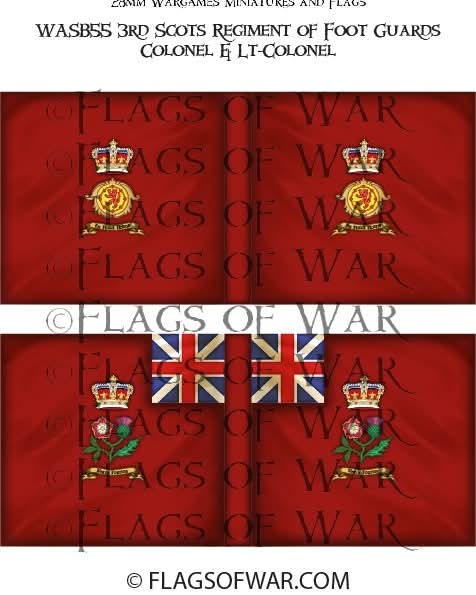
New Flags!!!!
The first new flags of 2025 include the British Guards for the War of Austrian Succession, also suitable for the Seven Years' War.
“Gentlemen of the French Guards, fire!”
flagsofwar.com/collections/wa…
@monicabyrne13 I read it and was so disturbed my wife thought I was ill. Amanda Palmer’s behaviour was disappointing- hard to judge her atm because her role as another victim has not been fully explored.
I knew this piece about Neil Gaiman was in the works, and still, I felt sick reading it.
TW: rape, abuse, coercion, and child abuse.
vulture.com/article/neil-g…
Samarkand bread is from Uzbekistan, its roots are in the region of Samarkand, it has a distinctive cake-like shape with a thinner centre and a pleasantly soft crust. Its preparation involves baking it in traditional well shaped oven
x.com/visualfeastwan…
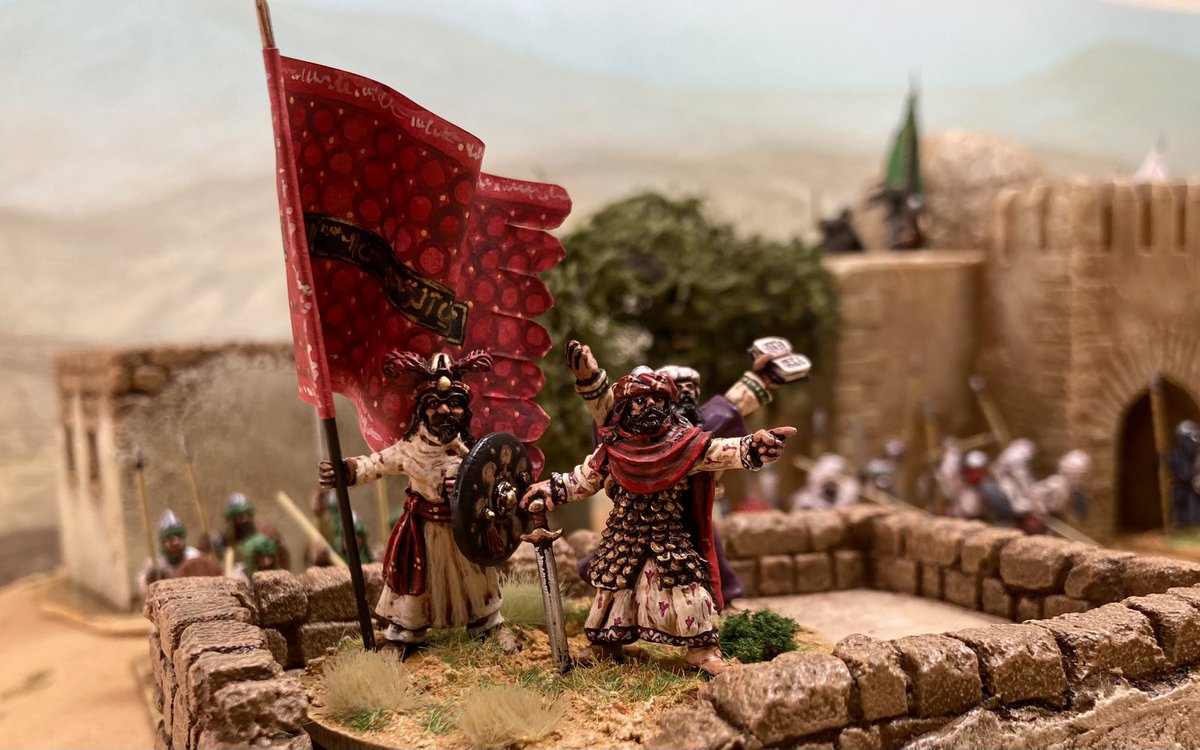
The forthcoming Midgard Heroic Battles covers historical as well as fantasy settings. Here we see on old friend - Al-Mutamid, Emir of Seville - who made his way into yesterday’s photo shoot. He’s a kitbash of 4 metal minis and would certainly be easier in plastic nowadays!