Malcolm Ong
4K posts

Malcolm Ong
@malcolmong
Co-founder & CPO @Terminal3io - verifiable identity for you & AI agents Co-founder @Skillshare. fmr. SCMP (Alibaba), Lyft, 500 Global, OMGPOP, Carnegie Mellon.
🇭🇰 | 🇺🇸 🇮🇩 Katılım Ocak 2008
2.9K Takip Edilen5.2K Takipçiler
@andrewchen Been creating my own, but for a consumer app.. @KuberaApp might be best positioned to do so?
English
Who’s working on this idea:
Openclaw for personal finance
- integrates w all your banks/cards/etc
- understands tax returns and filings
- monitors portfolio and competitors
- digests proprietary data sources (credit card panels, app rankings, and etc)
- reads company news and X
Etc etc
English

Thoughts on Agentic Commerce
- clearly agents will spend online
- x402 replaces api keys
- stablecoins are agent money
- every agent will need a wallet
- crypto + AI finally come together
- most people don't get it
- x402 kills subscriptions
- this will be worth billions soon
- usage based pricing is sick
- privacy needs to be solved
- discovery is surprisingly hard
If you want to see the future dm me
English
@austingriffith 💯 we are building tools to address most of it, coming soon
English
🤔 we need passkeys for agents
some way the agent can prove it is them to make a crypto signature
🔐 but also the agent has no way to extract the private key
🛟 and maybe even some safety rails
English
Malcolm Ong retweetledi

A few thoughts about PayPal, nearly 12 years after I left.
I woke up this morning to dozens of messages from former PayPal colleagues. It pushed me to finally speak up.
I never spoke publicly about the company after I left. Part of that was loyalty to John Donahoe, who gave me an unlikely opportunity, handing the reins of PayPal to a startup guy who, on paper, had no business running a then 15,000-person organization. But part of it was something else: I had left. I chose not to stay and fight for the changes I believed in. Speaking from the sidelines felt like armchair commentary. Easy opinions without the burden of execution. So I stayed quiet.
But twelve years of silence is long enough. And today's news makes it clear the pattern I've watched unfold isn't self-correcting.
I left PayPal in 2014 because I was deeply frustrated. We had executed a silent turnaround of a company that had lost its soul. We brought back engineering talent, shipped good products quickly, and acquired Braintree and Venmo. The company was on a tear. So much so that Carl Icahn felt compelled to accumulate a position in eBay and push for a PayPal spinoff. At the time, eBay decided to fight Icahn.
It was a difficult period for me, caught between what I felt was right for PayPal and my loyalty to the eBay team.
This is when Mark Zuckerberg approached me to join Facebook. The combination of his conviction that messaging would become foundational, the appeal of going back to building products at scale, and my growing exhaustion with the internal politics at PayPal and eBay eventually convinced me to leave and join one of the best teams in the world, one I had admired for a long time.
In the summer of 2014, I met John in a café in Portola Valley and told him I had decided to leave. During that conversation, he told me that Icahn had effectively won the fight, that PayPal was going to become an independent company, and he tried to convince me to stay on as CEO, but I had already said yes to Mark, and my word is my bond. There was no turning back.
After my departure, the board scrambled to find a replacement, and it took a few months for them to land on Dan Schulman. The leadership style shifted from product-led to financially-led. Over time, product conviction gave way to financial optimization.
Much of the momentum we had created still persisted and carried the company forward, mainly driven by Bill Ready, who came over in the Braintree acquisition and rose to COO. Under his leadership, Venmo grew exponentially, and total payment volume (TPV) accelerated quickly. But the shift under Schulman became more pronounced after Bill's departure at the end of 2019. With him went the product conviction that had defined the post-spinoff momentum. Then, for a period, COVID-fueled online shopping hid a lot of the company's new weaknesses.
During that period, the company made a fundamental miscalculation: it optimized for payment volume instead of margin and differentiation. It leaned into unbranded checkout, where PayPal had the least leverage, instead of branded checkout, where the margin, data, and customer relationship actually lived.
Visa masterfully structured a deal that effectively ended PayPal's ability to steer customers toward bank-funded transactions, which had been a core driver of PayPal's economics. Not long after, PayPal lost a significant portion of eBay's volume. Over time, it saw its share of checkout among its most profitable customers steadily erode as Apple Pay and others continued to execute well.
The same pattern repeated itself across lending, buy-now-pay-later (BNPL), and new rails.
On lending, PayPal missed the opportunity to turn it into a platform weapon. Products like Working Capital were conservative, short-duration, and optimized for loss minimization. Lending never became programmable, never became identity-driven, and never became a reason for merchants or consumers to choose PayPal over something else.
The missed opportunity in BNPL was even more striking. Klarna, Affirm, and Afterpay didn't just offer installment payments, they built consumer finance brands, persistent credit identities, and new shopping behaviors. PayPal saw the BNPL turn, entered the market, and had every advantage: distribution, trust, and merchant relationships. But BNPL was treated as a defensive checkout feature rather than an offensive category. There was no attempt to turn it into a core consumer relationship, no super-app behavior, and no meaningful differentiation for merchants. Others built platforms, PayPal added a feature.
The failure to lean into building and owning new rails followed the same logic. After the spinoff, PayPal had a once-in-a-generation opportunity to build a global, at scale payment network. Instead, the company focused on building on top of existing networks and third-party rails.
More recently, that mindset carried over to PYUSD. Technically, the product was sound. Strategically, it launched without a compelling transactional reason to exist. PYUSD had distribution, but no organic demand. It was not embedded deeply enough into flows to become a true settlement layer, a cross-border merchant rail, or a programmable money primitive. It sat adjacent to the product instead of inside the core of it.
Acquisitions during this period followed a similar pattern. Honey was not a strategic acquisition for PayPal. It added activity, but not leverage. It lived outside the transaction, monetized affiliate economics rather than payment economics, and never meaningfully strengthened PayPal's control of the customer or the checkout moment. Xoom solved a real problem in remittances, but it never compounded PayPal's advantage. It scaled volume without changing the underlying rails, identity graph, or settlement model, and as importantly, it didn’t cater to a high-value, high-margin customer archetype.
None of these were bad companies. They were just a wrong fit for PayPal and became unnecessary distractions.
The board eventually recognized the problem. In 2023, they brought in Alex Chriss, an Intuit veteran with a strong product background, explicitly to restore product conviction. It was the right instinct.
But Alex came from software, not payments. He understood SMB product development. He didn't have the muscle memory for transaction economics, network effects, or settlement infrastructure.
In hindsight, he also made an error: clearing out much of the leadership team that understood payments deeply. Executives with years of institutional knowledge departed within his first year.
This morning, Alex was removed as CEO. Branded checkout grew 1% last quarter. The board tapped another operator, Enrique Lores, the former HP CEO who's been on the PayPal board for five years.
I don’t know Enrique. And he might be a great leader, but on paper at least, he’s a hardware executive. For a payments company.
The common thread through all of this is incentive design. Once PayPal became independent, short/medium-term predictability beat long-term vision and ambition. Stock performance mattered more than platform risk and network opportunity. Financial optimization replaced product conviction.
I'm not claiming I would have made every call differently. Running a public company at scale involves tradeoffs I didn't have to make after I left. But the pattern, choosing predictability over platform risk, again and again, was a choice, not an inevitability.
Over time, the company that had every advantage and could’ve become the most consequential and relevant payments company of our time, lost its mojo, its product edge, and its ability to compete in a market that’s being rewired and reinvented in front of our eyes.
That's the part that's hardest to watch for a company I care so deeply about.
English

We just raised $500M at an 11B valuation 🎉
To celebrate, we’re giving away 1,000 free credits so you can test our platform.
For the next 6 hours, comment “11B” below and we’ll DM you the credits (must follow) 👇
ElevenLabs@ElevenLabs
We raised $500M at an $11B valuation to transform how people interact with technology.
English
Amazing thing we learned from working with Alex Honnold on @whoop is that he gets an outlier level of REM sleep every night. 5+ hours of restorative sleep between REM sleep + SWS.
Studies show a high amount of REM sleep decreases your amygdala response (aka fight or flight).
Mukul Kumar@mukulneetika
What makes Alex Honnold neurologically extraordinary is that his brain generates far less of fear. When neuroscientists studied him using functional MRI (fMRI), they found that his amygdala showed remarkably low activation even when exposed to scary images
English
Malcolm Ong retweetledi

Helpful update for students, you can now take full practice SATs for free in the @GeminiApp.
It uses vetted content from @ThePrincetonRev and gives you feedback straight away. Starting with the SAT today, but more tests are on the way!
English
Amazing, kudos to the team!
Victor Cardenas Codriansky@victorcardenas
Slash, @slashapp, just crossed $150M in annualized revenue profitably. We went from $2M -> $150M in 24 months making us the fastest-growing business banking* platform of all time. 700 word post on 4 guiding principles that got us here. This cost us >$10M dollars to learn... (Bookmark this) I'll cover: • Picking the right market (where 99% of founders go wrong) • Why revenue is the ONLY business metric that matters • Why market saturation is fake • What every founder does day to day that they shouldn't 1. Attack “small” markets: Startup founders - myself included - gravitate towards working on companies that have huge upside. Here's the problem: it’s difficult to find aggressive product-market fit / build a differentiated product if you don’t sell ONE offer to ONE person. I'll repeat: one offer, to one person Examples: • PayPal didn't start by trying to own 70% of online payments they started with payment processing just for eBay merchants. • Uber started as black cars for rich SF people. Ask yourself, what am I selling and to who? If you're selling more than one thing to more than one person, in the beginning, you're not niche enough. Slash started by building a better credit card for SNEAKER RESELLERS. Ridiculously niche. And that tiny wedge alone got us to $5M ARR in 11 months. Once you dominate the niche, you earn the right (and the cash) to expand outward. We STILL go after “small” verticals because our competitors are too arrogant to do it. We walk in and own them. 2. Revenue is the only metric that matters. Everything else is cope. If your revenue isn't growing, nothing else matters. Revenue gives you two things: A) Money to redeploy. (Obvious.) B) Momentum. A team that’s winning wants to work harder. A team that’s losing checks out. To become a unicorn, you have to outwork everyone else. To outwork everyone else, you need morale. To get morale, you need wins. To get wins, you need revenue. Everything ladders back to one thing: Sell more, sooner. Drive sales and demand → everything else falls into place. 3. “Market saturation” is fake. When starting Slash, everyone told us we'd never be successful because Ramp, Brex, and Mercury were already worth > $10bn. The reality is that fintech is only 5% penetrated. 95% of business deposits and corporate card spend still runs through the legacy banks. Many markets are similar to B2B fintech. They can “feel” settled because there is a sexy startup that everyone’s heard about, but dinosaurs have all the rev share. There's always a way to find your wedge. 4. 99% of founders do the wrong thing at the wrong time When you start your role as the founder is to do EVERYTHING. And you should outsource nothing. Example: If you run an ecom business you should write film and edit EVERY single script. If you're a CTO you should write every line of code. Biggest 🚩in an early stage founder is someone who says they need to "outsource to an expert". No. You ARE the expert or you become one. Founders who outsource early are lazy. When you grow this needs to change rapidly. >10M ARR you need to SHIFT fast. Your role as the founder should be to bring in people competent enough to deliver on all of your initiatives. There is simply too much to do and it won’t be possible for you to brute force your way out of every problem. We're winning because 65% of our team is on the spectrum. We have savant engineers who this year alone have, shipped treasury, Stablecoin Payments, check deposits, SWIFT, Global USD, accounting automations, a completely new interface, and more. We have a world-class GTM and ops team. Because of it, we blow our competitors out of the water when it comes to revenue / employee, payment volume / employee, and other efficiency metrics. -------- If you have read this far, thank you. I got told countless times Slash would never be anything. We want Slash to be the first trillion dollar fintech company in the world. At our current growth rate we'll hit 1 billion dollars in revenue run rate in 18 months and 100 billion in 7 years. We’re giving it our all to accelerate our growth rate and hit these metrics even faster.
English
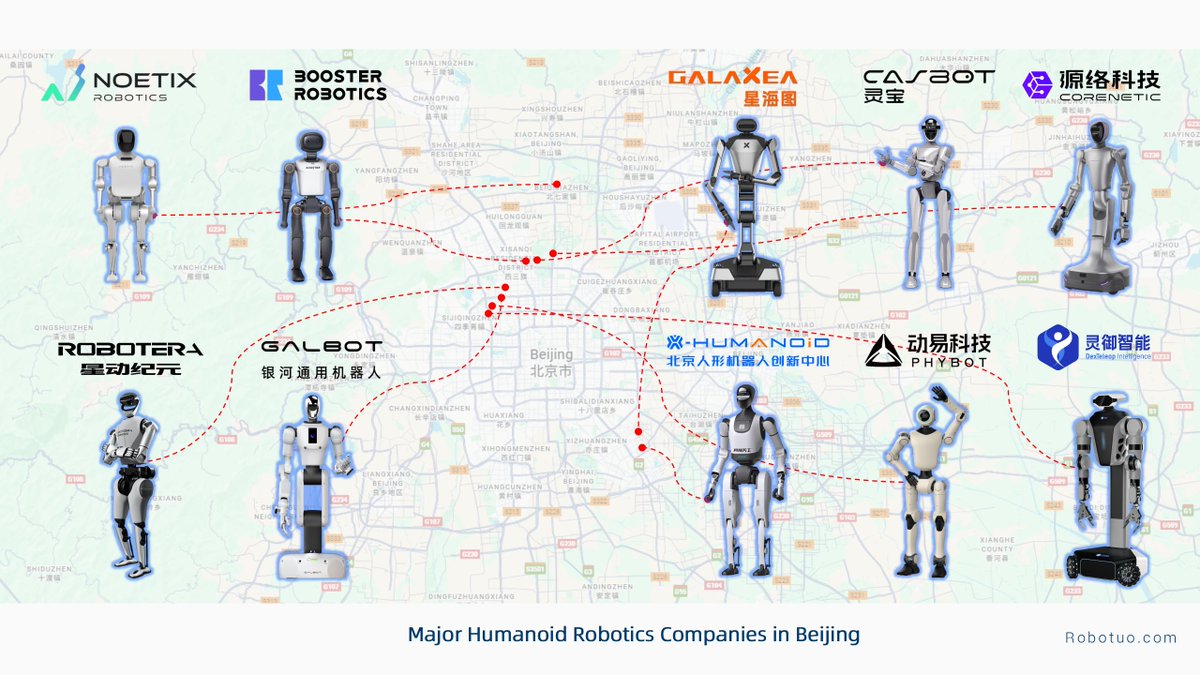
@ZappyZappy7 @Robo_Tuo did you have a "favorite" visit you would recommend?
English

@Robo_Tuo Last month, I visited several companies featured here. It was a very stimulating time.
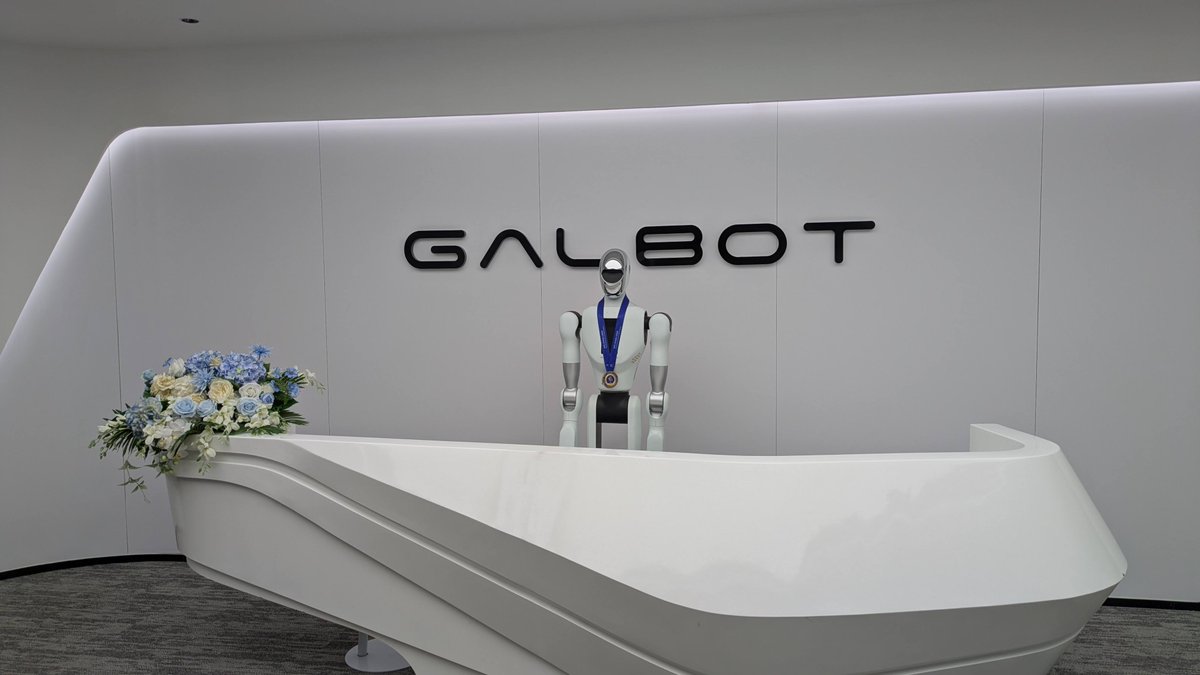

English

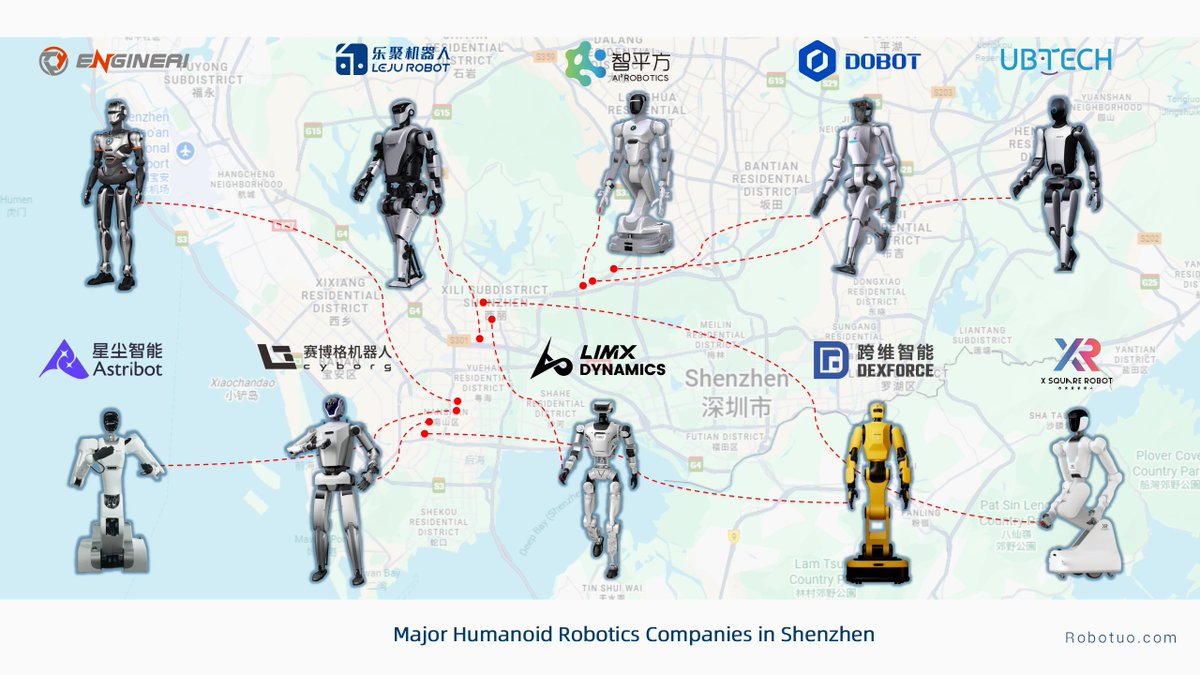
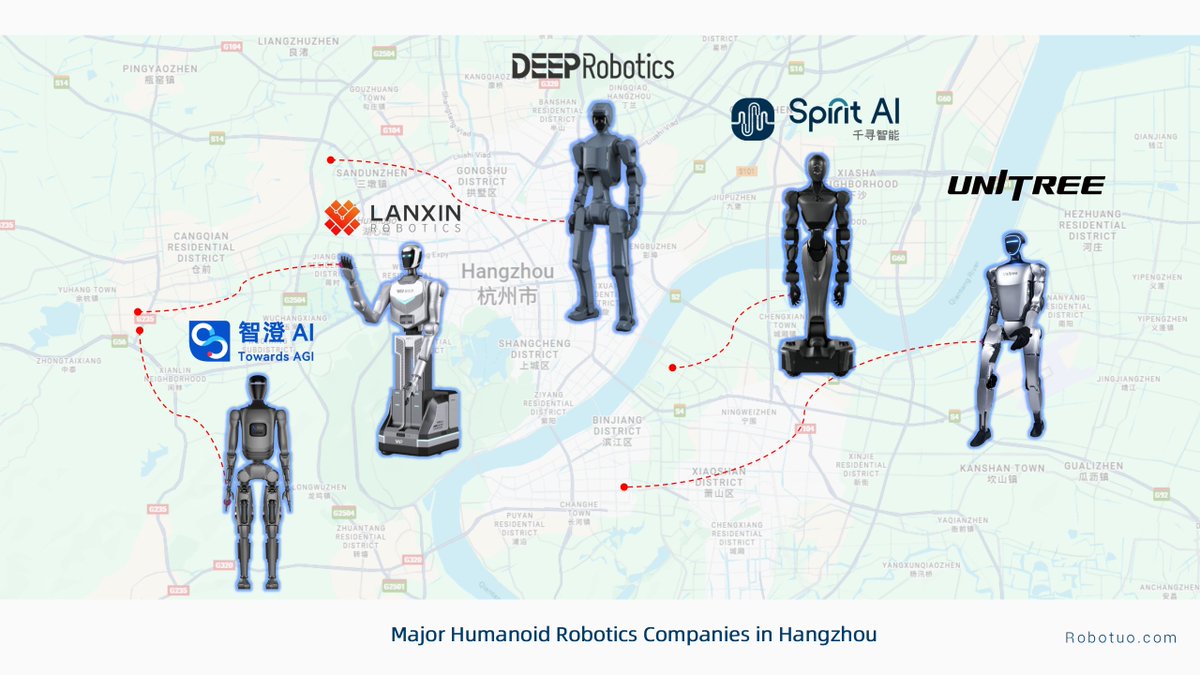
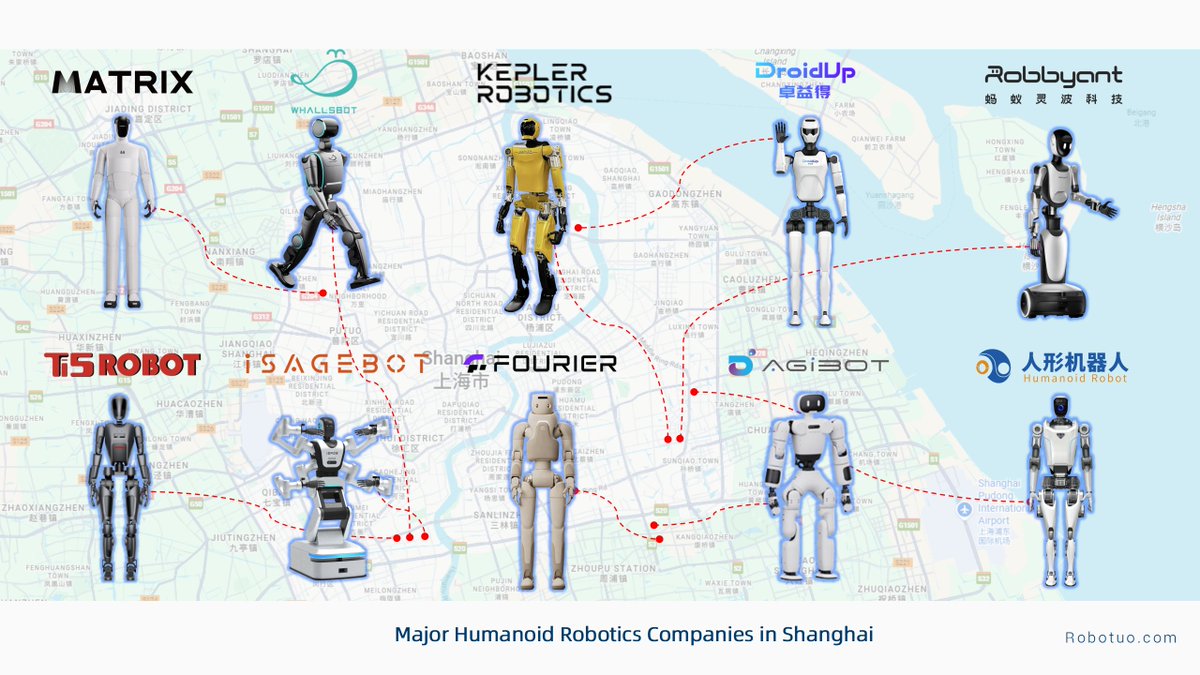

We've officially agreed to acquire AOL! 😍
(And, coincidentally, raised $2.8B in debt.)

English
Malcolm Ong retweetledi

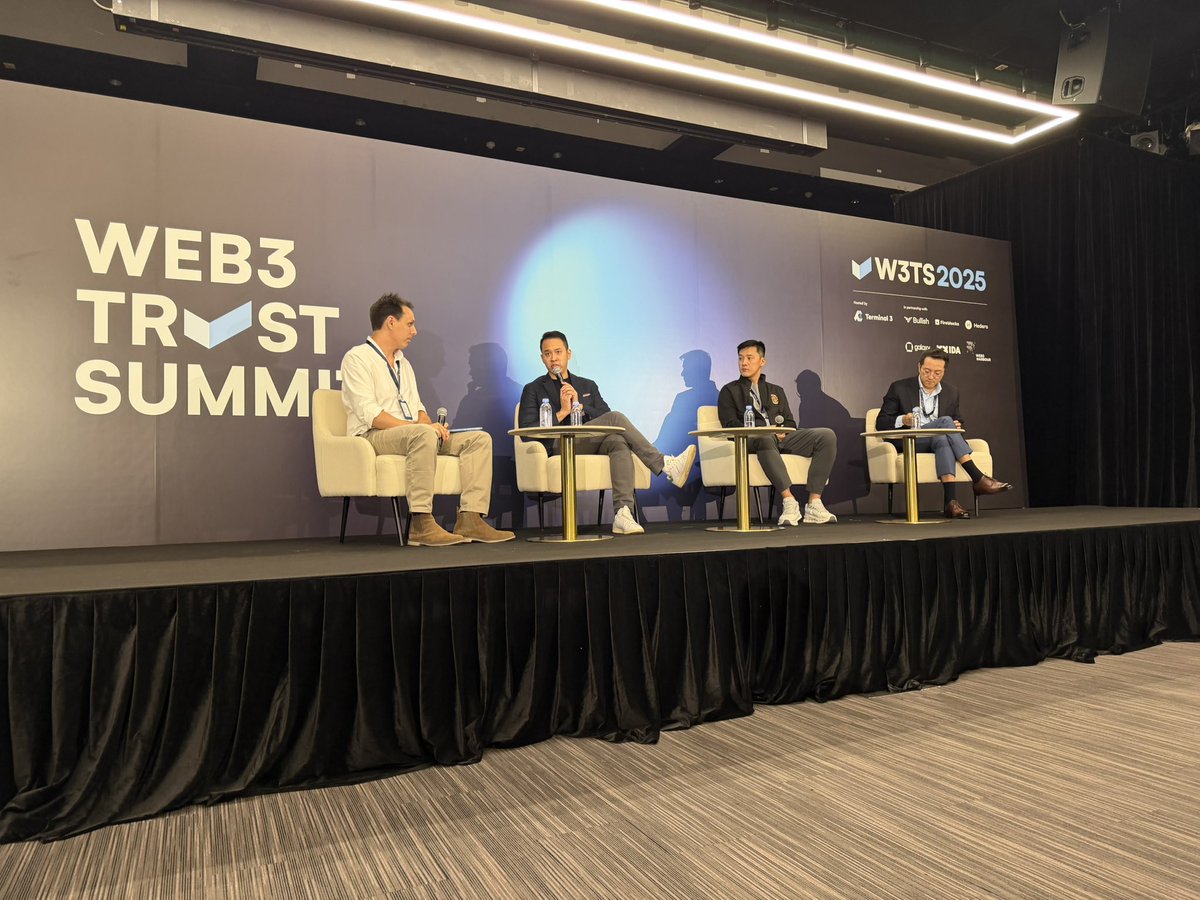
"We are very bullish on Hong Kong," says @mikelaujr of @bullish at #W3TS2025
He explained that’s why they brought the @CoinDesk Consensus event to Hong Kong, and have hired significantly here
"We want everyone to see what we see here"
English

Malcolm Ong retweetledi
LIVE NOW: AI Agents can discover and trust each other without a central intermediary. This lays the foundation for open agent economies.
ERC-8004 v1, co-authored with @DavideCrapis (@Ethereumfndn), @Jordan0Ellis (@Google) and - welcome Erik! - @programmer (@Coinbase) is now live.
It improves the August draft thanks to the inputs of hundreds of builders. Learn more about what this means for the future decentralized AI ↓

English
Malcolm Ong retweetledi
Terminal 3 will be in Singapore all week for @token2049 🇸🇬
Come say hi to Co-Founder & COO @malcolmong, Regional Lead (MENA) @AroraBorealis19 and more!
+ we are hosting a couple of cool events. Reach out for an invite.
#3satWork

English
Malcolm Ong retweetledi

I built an AI agent that lets me speak to car engines.
Dashboard lights waste time and money, so I built a tool that uses AI to diagnose issues.
I’ve tested it on 40 cars and it’s hitting 95% accuracy. making workflows faster, smarter, and more efficient.
English
Malcolm Ong retweetledi


@hellowillfan @coolcats @tybasegod @base The best communities have compounding network effects of helping, supporting, and uplifting each other. It also provides people with a sense of belonging and identity. Positive sum, not zero sum.
English

Had to bring out the broom and show love to why I entered Web3 in the first place: community.
🌻 Community creates belonging.
🌻 Belonging drives growth.
🌻 Growth opens doors to opportunities
That’s been my entire journey.
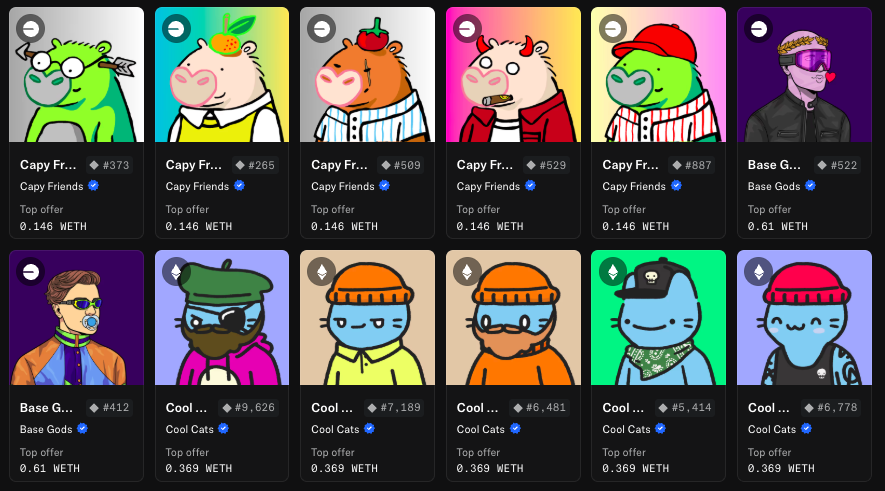
Big shoutout to Cool Cats, Base Gods, and of course the Capy Friends.
Drop your thoughts: What makes a great community?
Will be giving away a couple of Capy NFTs to my fav replies.
English
Malcolm Ong retweetledi

Today, we're proud to announce that Syndicate Network is one of the FIRST decentralized networks to be built and launched in AMERICA—formed under a Wyoming-based DUNA with no offshore entities.
This is a major step forward for the crypto industry and U.S. 🇺🇸
Learn more ↓
English