
Manasseh retweetledi
“A MAN FOR THE AGES”
By Sam Omatseye
It was a gathering of memory but also for memory because it was a time to toast an icon. Who better to do that than the people who fought with him, hoped with him, hid fears and cradled courage. Men who looked gun in the eye and underwrote death.
It was in honour of Gani Fawehinmi. His daughter, Basirat Fawehinmi-Biobaku, was presenting a book, Gani Fawehinmi and The Nigerian Press, to mark his birthday. And in attendance, of course, were the members of the two divisions of his soldiery: the media and civil rights. Media fighters from the Tell magazine and The News were like ghosts in the Abacha era.
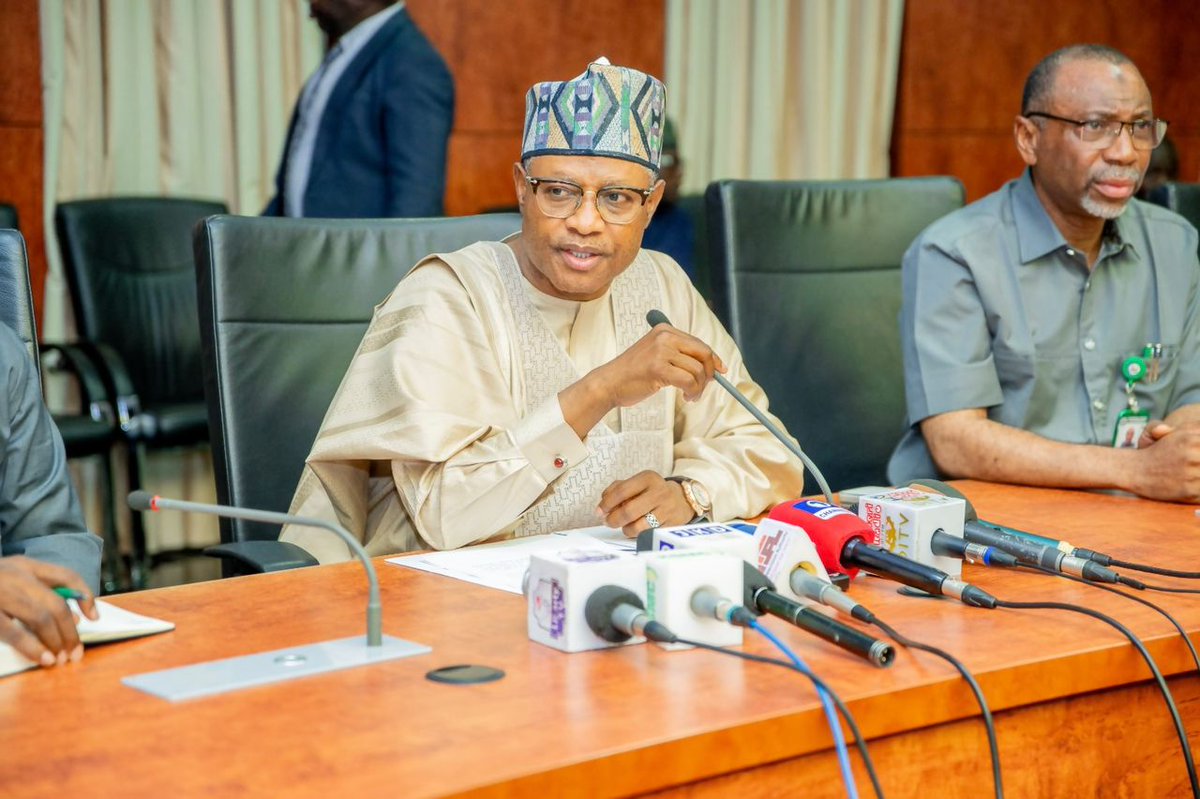
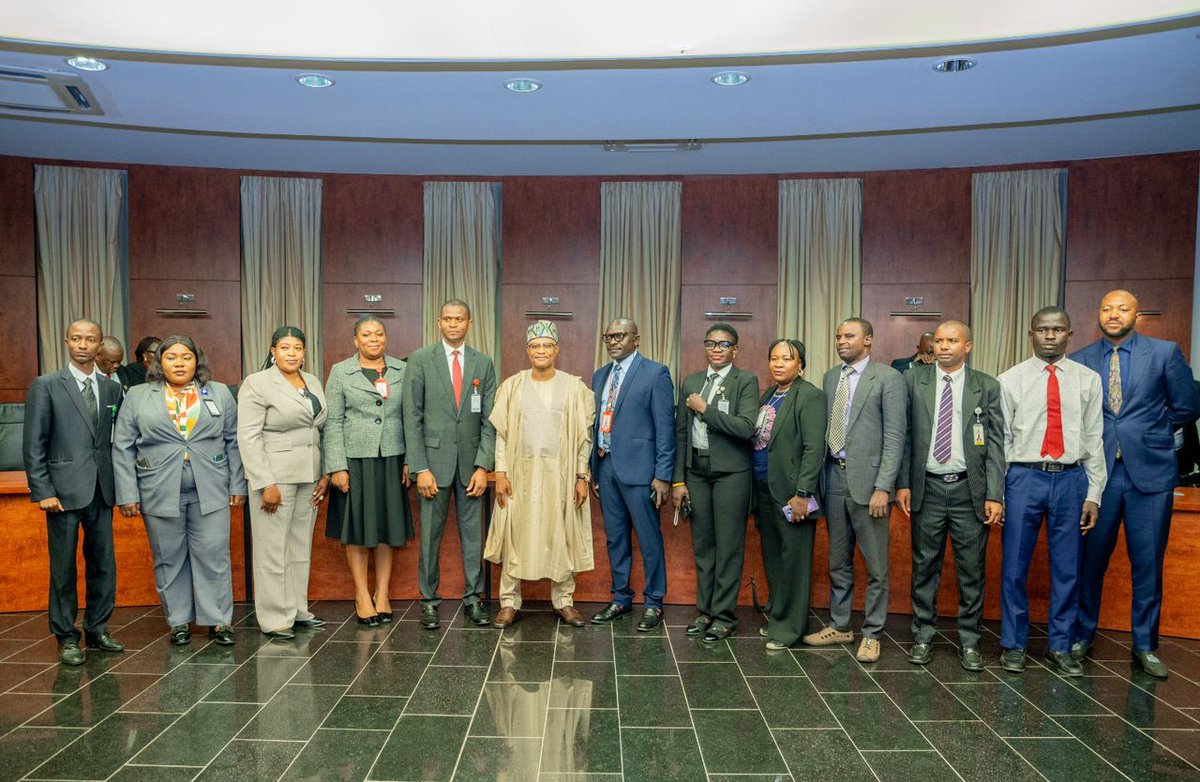
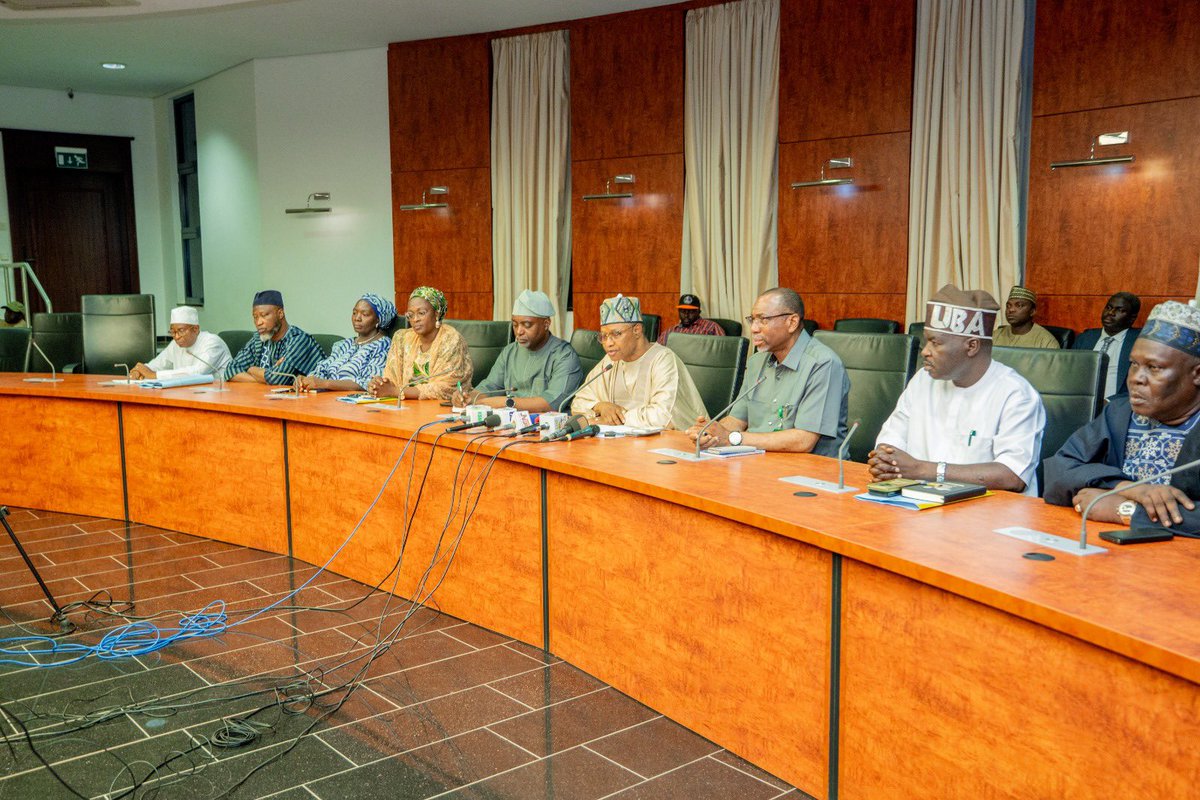
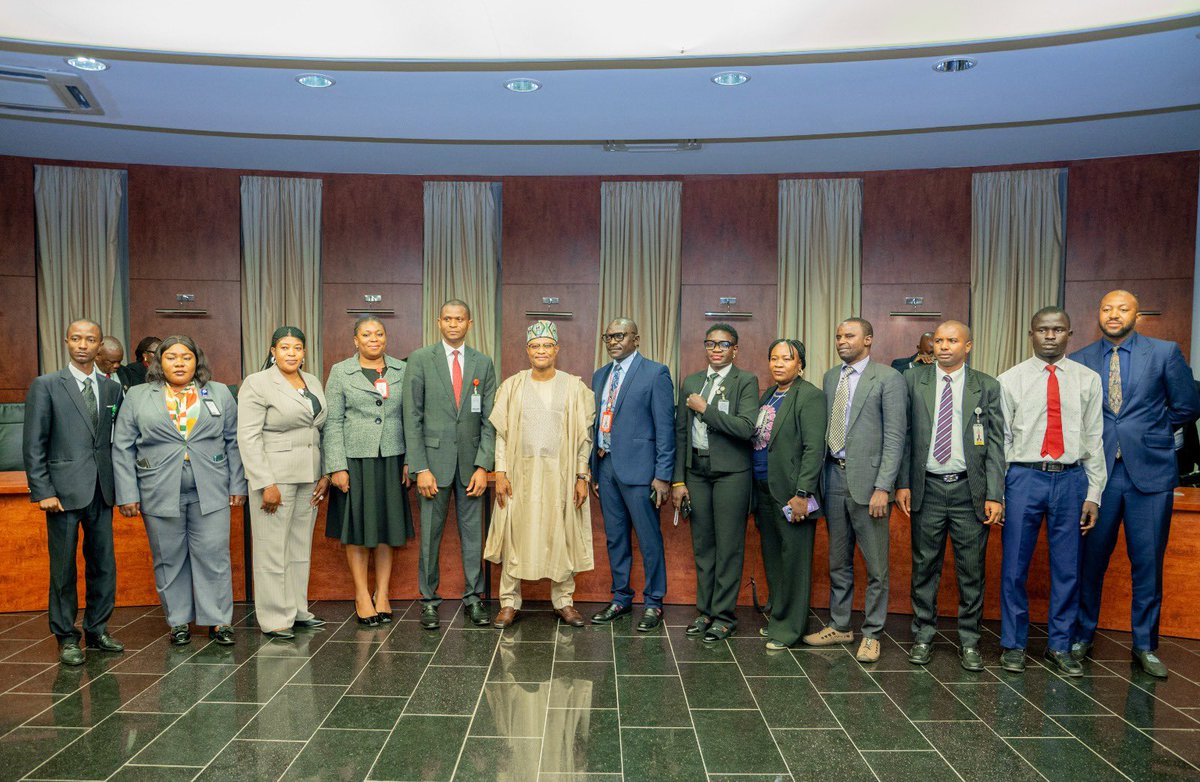
They unleashed salvos but were not seen. So unseen were they that the goons besieged the American embassy in Lagos to confiscate copies of the magazines. They were matadors in the shadows. The goons thought they printed the subversive literature in the entrails of a foreign house. Their unfledged intelligence did not know, as Femi Falana mocked, that they might have unveiled them in the dingy lair of Mushin. In the hall were Kunle Ajibade, Nosa Igiebor, Dare Babarinsa, Onome Osifo-Whiskey. Femi Falana, Shehu Sani and a few others clocked in for civil rights. There was a lone politician and former governor in Iroko, that is Olusegun Mimiko. But the cynosure of all eyes was from the civil rights but also a member of the Fawehinmi family. He is the Kaduna State Governor, the ebullient Uba Sani. He told three stories that few knew. One, that he lived with the lawyer. “My room was next to that of Mama,” he says. Basirat also recalls her father often asking if Sani had eaten and if he was feeling at home. “He only allowed two people to live in his house. Myself and Femi Aborisade,” he recalled.
The other story was Gani’s scholarship scheme. He was one of the selection judges for the scheme to fund indigent students through the university. Yours Truly was once a judge under Itse Sagay as chairman. Governor Sani said over three hundred youths benefited. “Gani asked me what I thought about the exercise. I told him I was not happy,” he replied. The reason was that only about 20 of the recipients were from northern Nigeria. Fawehinmi then commissioned him to set up a panel to interview potential candidates. He went to Zaria, and Gani flew over with two hundred cheques. There were over four hundred students eligible for the scholarships, and Comrade Sani persuaded him that all should benefit, and Fawehinmi obliged.
This story underlined the humanity of the man beyond his public image as a pugilist for justice and the law
Sani also told the story of his role in opening the political space for a truly multi-party democracy. In 1998, after the death of Sani Abacha, the Abdulsalam Abubakar transition regime decided to register only three political parties, the PDP, APP and AD. Fawehinmi had tried to persuade them to register others, including his Nigerian Conscience Party. Sani asked him if they should organise protest. Gani said no. We were now in a democracy, and he would entrust the matter to the outraged majesty of the courts. The matter was a three-year slog in the court. But he prevailed in 2002. That is why we have so many parties today in the country. Fawehinmi saw, as in the words of the Prophet Isaiah, that the children came to the birth but there was no strength to deliver them. Gani pulled it off with the law. He demonstrated, as Governor Sani stressed, that the court have saved justice for democracy and democracy for justice.
Gov Sani wanted the world to know that he is one of the sons of the civil rights man of war, who turned the law into a document of justice. He gave plaudits to those who soldiered for democratic justice, including some of the Tell and The News stars. He witnessed the Bagauda Kaltho’s hour of expiry who perished in a bomb. He and Shehu Sani might have walked into smithereens that hour. They were a few metres away from Kaltho’s martyr’s flesh. thenationonlineng.net/a-man-for-the-…
English