

Sudhir
451 posts

Sudhir
@mantaur
Keenly follow investing related information but believe in marching to my own tune 🙂Reposts are not recommendations or endorsements
Katılım Ağustos 2009
104 Takip Edilen50 Takipçiler

Sudhir retweetledi

🔥Top 20 SmallCap Stocks Consistently Growing Quarter by Quarter.
👉Q1>Q2>Q4>Q4
👉Profit Growth 30% Above
- Jain Resources
- Cupid
- Thangamayil Jewellers
- Azad Engineering
- Manorama
- Jeena Sikho
- KPI Green Energy
- Sky Gold
- GNG Electronics
- Diamond Power
- KMEW
- Senores Pharma
- POCL
- ARSSBL
- Tatva Chintan
- Indiabulls
- SG Finserve
- Alpex Solar
- Khazanchi Jewellers
- Ratnaveer Precision
- Borana Weaves
- SKM Egg
Which One You have? Comment 👇
English
Sudhir retweetledi

Undervalued (PE<15, PEG <1) Good Quality (ROE>12)
Talbros Auto
Transrail Light
CMS Info Systems
Axis Bank (P/B 1.8)
Ceinsys Tech
Surya Roshni
Engineers India
Welspun Corp
Jyoti Resins
Genus Power
Arkade
Redington
Freshara Agro
K.P. Energy
Mayur Uniquoters
Karur Vysya Bank (P/B 2.1)
SBI (P/B 1.7)
Can Fin Homes
GK Energy
Jindal Saw
NALCO
Epigral
Sportking India
Natco Pharma
Northern ARC
Single Digit PEs
Websol Energy
Deep Industries
Coal India
J Kumar Infra
LIC
ABS Marine
Capacit'e Infra.
Bank of Mah
South Ind Bank
Jindal Drilling
Not a buy sell recommendation, based on screener, pls do a detail study or seek advice before investing.
English
Sudhir retweetledi
Use this criteria in Screener:
Profit growth >25% (last 1 year)
Down from 52w high >25%
Price to Earning <25
Will give you very good list to study.
English
Sudhir retweetledi

I was in a 2 hour briefing today on the Iran War. All the briefings are closed, because Trump can't defend this war in public.
I obviously can't disclose classified info, but you deserve to know how incoherent and incomplete these war plans are.
1/ Here's what I can share:
English
Sudhir retweetledi

Stop replacing your iPhone just because the battery is draining quickly.
I also thought my iPhone needed replacing because the battery didn't last long. But that wasn't it.
Apple leaves some default settings that end up consuming more battery.
After adjusting a few things, my battery life went from 6 hours to almost 10 hours. Without replacing the battery.
See how to do it:
English
Sudhir retweetledi

Everyone's buying AI stocks.
The real money?
It's in the companies that BUILD & POWER the buildings where AI lives.
Data Centers → India's most explosive infrastructure theme of this decade.
₹3.2 lakh crore investment pipeline. 10X capacity expansion by 2030.
Complete category-wise stock list 🧵👇
(Save this. Share this. Thank me later.)
English
Sudhir retweetledi
Everyone buys Maruti. Tata. M&M.
The real wealth builders?
They bought the companies that SUPPLY them.
Auto Ancillary → India's most underrated sector.
Complete category-wise stock list 🧵👇
(Save this. You'll thank me later)
English
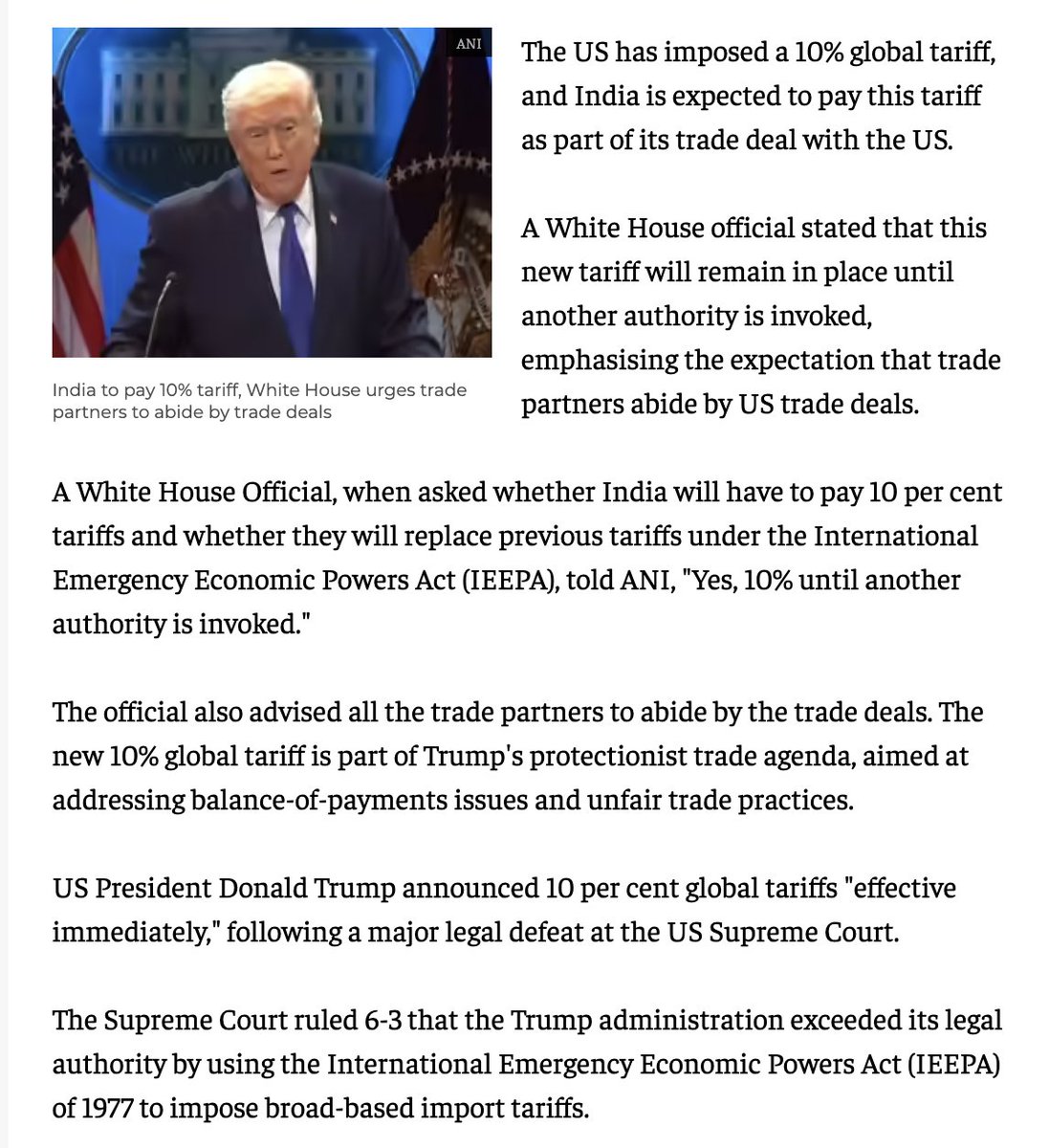
@AimInvestments @grok Supreme court invalidates all tariffs, so 18% goes away.
All that is left is the temporary 10% for 150 days imposed by Trump.
English
Lot of confusion around whether India will pay 18% or 10% Tariff?
Hey @grok can you please clarify. Which news to be believed?

English
Sudhir retweetledi

PROMOTERS TURN BUYERS – CONFIDENCE BREWING?
हिस्सेदारी बढ़ी, भरोसा भी बढ़ा?
List of Stocks where Promoters Bought from Open Market in Q4FY26
1.TIME TECHNOPLAST
2.KPI GREEN ENERGY
3.GANDHAR OIL
4.ZYDUS WELLNESS
5.SHAKTI PUMPS
6.S H KELKAR
7.KALYAN JEWELLERS
8.ORIENT BELL
9.SOM DISTILLERIES
10.HEG
11.ASHAPURA MINCHEM
12.NAVA
#StockMarketIndia #stockmarketnews
English
Sudhir retweetledi

"This company grows 20% a year, zero debt, clean books, trades at 10x PE. Why is nobody buying it?"
We've been asked this more than any other question this year.
The answer has nothing to do with the business and everything to do with how small cap markets actually work
Link: 91capital.substack.com/p/fundamentals…
English
Sudhir retweetledi

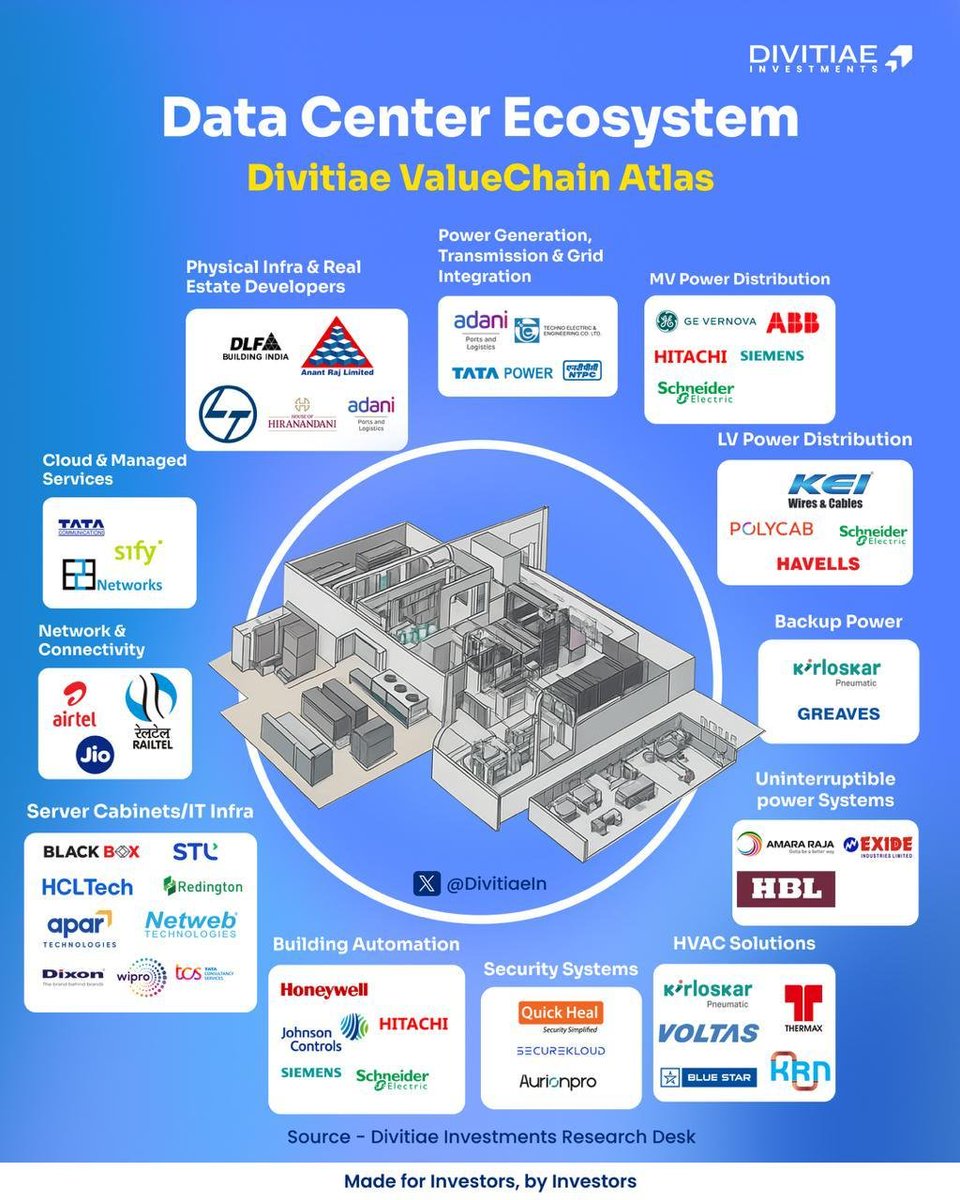
Data Center Ecosystem Stocks (relevant again today)
We will be launching a smallcase on this theme soon, keep track
English
Sudhir retweetledi

India Added 52.5 GW in 10 Months - A Massive Push Across Generation, Transmission & Distribution 🔥
Top power stocks I track 👇
Quality Power
GE Vernova T&D
Siemens Energy
Rajesh Power
Oriana Power
Transrail
Yash Highvoltage
Atlanta Electricals
Waaree Energies
Alpex Solar
Hitachi Energy
CG Power
BHEL
Viviana Power
JSW Energy
TARIL
Advait Energy
KPI Green Energy
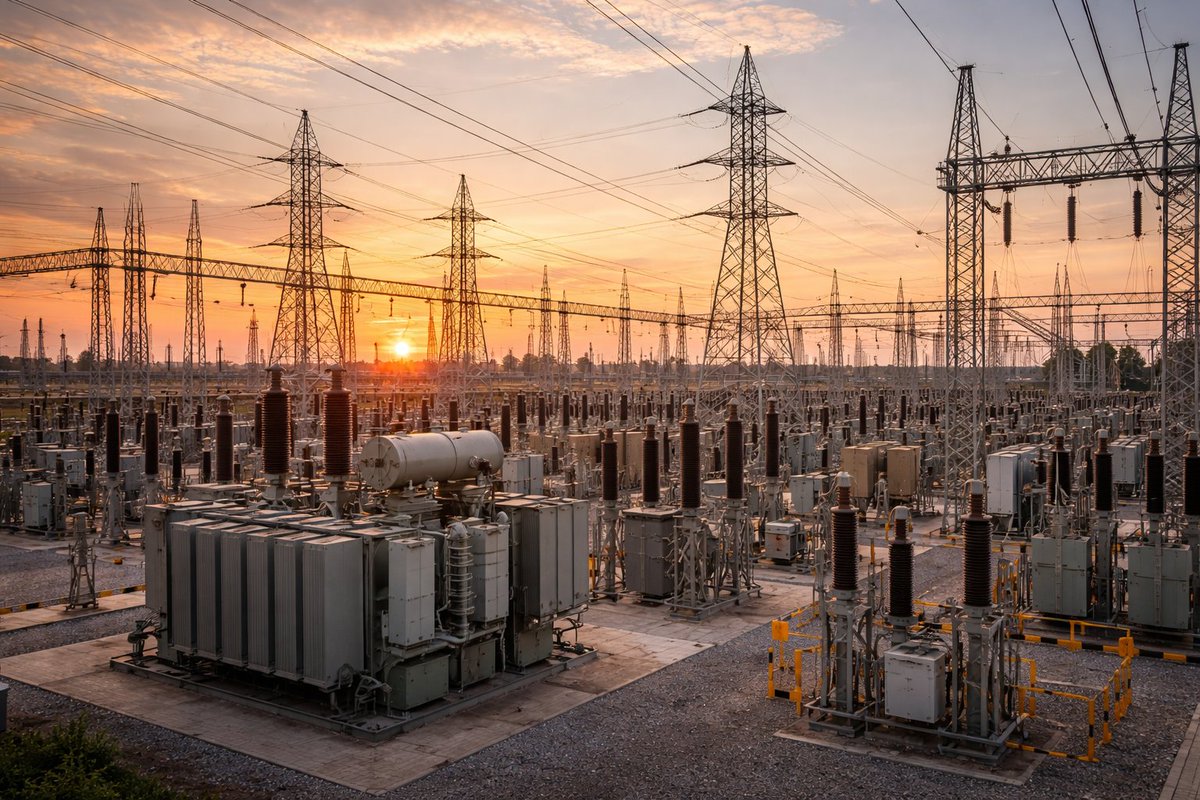
India has added a record 52.5 GW of generation capacity in FY26 so far, largely driven by renewables.
But adding generation is only the starting point✅
If solar parks are located in remote deserts, wind farms in coastal belts, and hydro in hilly terrain, the real challenge begins after power is produced.
Electricity must be:
🔹 Stepped up to high voltage
🔹 Transmitted over hundreds or even thousands of kilometers
🔹 Balanced across regions
🔹 Stepped down for industrial and retail consumption
🔹 Distributed efficiently without losses
📌 This is where Transmission & Distribution (T&D) becomes the backbone of the entire energy transition.
Large renewable additions mean:
1. More transmission corridors
2. More HVDC / high-capacity lines for long-distance bulk evacuation
3. More substations and transformers
4. Grid balancing infrastructure
5. Smart metering and digital distribution upgrades
Generation growth automatically creates demand for:
1. Power transmission utilities
2. Grid EPC players
3. Transformer manufacturers
4. Substation developers
5. Smart grid solution providers
In short:
52.5 GW added → Massive grid evacuation requirement → Structural tailwind for T&D ecosystem.
Generation headlines grab attention.
Transmission quietly builds the future.
Disclaimer: This content is for educational and informational purposes only. It does not constitute investment advice or a recommendation to buy or sell any securities. The stocks mentioned are part of the broader power sector discussion.
Vishan@vishan_29
Power - India added 52.5 GW capacity in FY26 (till Jan'26) compared to 34 GW in FY25 Total Capacity as of Jan'26 - 520.5 GW Renewable Energy - 263.2 GW Nuclear - 8.8 GW Fossil Fuel - 248.5 GW Power Generation, T&D is a decadal theme.
English
Sudhir retweetledi

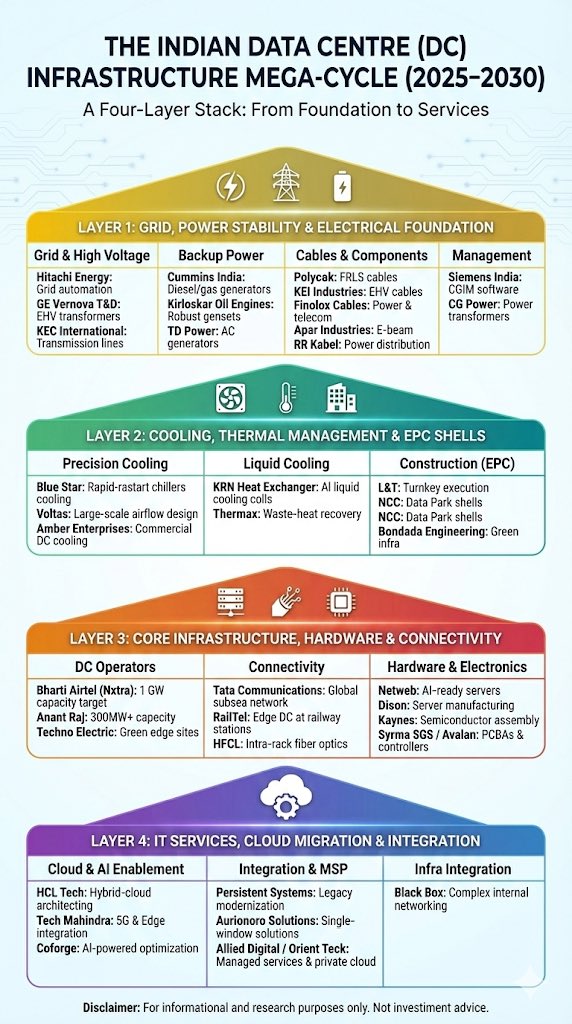
India’s Data Centre boom is NOT just a tech story, it’s an infrastructure mega-cycle.
I mapped the full 4-Layer Stack:
1️⃣ Grid & Power (The Fuel)
2️⃣ Cooling & EPC (The Shell)
3️⃣ Hardware (The Brains)
4️⃣ Cloud (The Value)
40 Stocks. 1 Image.
Save this breakdown. 👇
Aditya Garg 🇮🇳@Garg_Aditya_
🚀 India's ₹2.5L Cr Data Centre GOLDMINE: Complete Investment Guide 💰 🧵 India's data centre capacity set to EXPLODE 6.3x from 1.3 GW → 8 GW by 2030! Current occupancy: 97% 📈 Investment needed: $30 BILLION 💸 Supply shortage + Massive demand = INVESTOR GOLDMINE 🏆 This is THE growth story of the decade! #DataCentres #IndiaInvestment #StockMarket #Nifty50
English
Sudhir retweetledi

8 microcap #stocks I am bullish on:
(Pl Note: my views can be biased)
Criteria:
• High earnings & sales growth potential (20%+ CAGR possible)
• Strong industry tailwinds (Make-in-India, Defence, Power, Indl capex)
• Niche business models + proactive management
• Higher risk, but disproportionate reward potential over 3 to 5 yrs.
Will share a detailed🧵 on these shortly.
Is any of these💎 in your radar?
✨ GALA PRECISION: Engineering-led play aligned with manufacturing growth.
✨ KRISHNA DEFENCE: Defence indigenisation theme with structural tailwinds.
✨ DIFFUSION ENGINEERS: Moving up the value chain into heavy engineering.
✨ VILAS TRANSCORE: Transformer ecosystem beneficiary of power capex.
✨ YASH HIGHVOLTAGE: Riding India’s power equipment upcycle.
✨ OBSC PRECISION: Specialised engineering player with high-entry barriers.
✨ VALIANT COMM: Telecom + tech niche with scalable opportunities.
✨ AIMTRON: Electronics manufacturing exposure in a fast-formalising sector.
Disclaimer: These are not a stock recommendation. Please do your own due diligence. I am only sharing what I like & am tracking closely in the (high-risk) micro-cap space.
English
Sudhir retweetledi
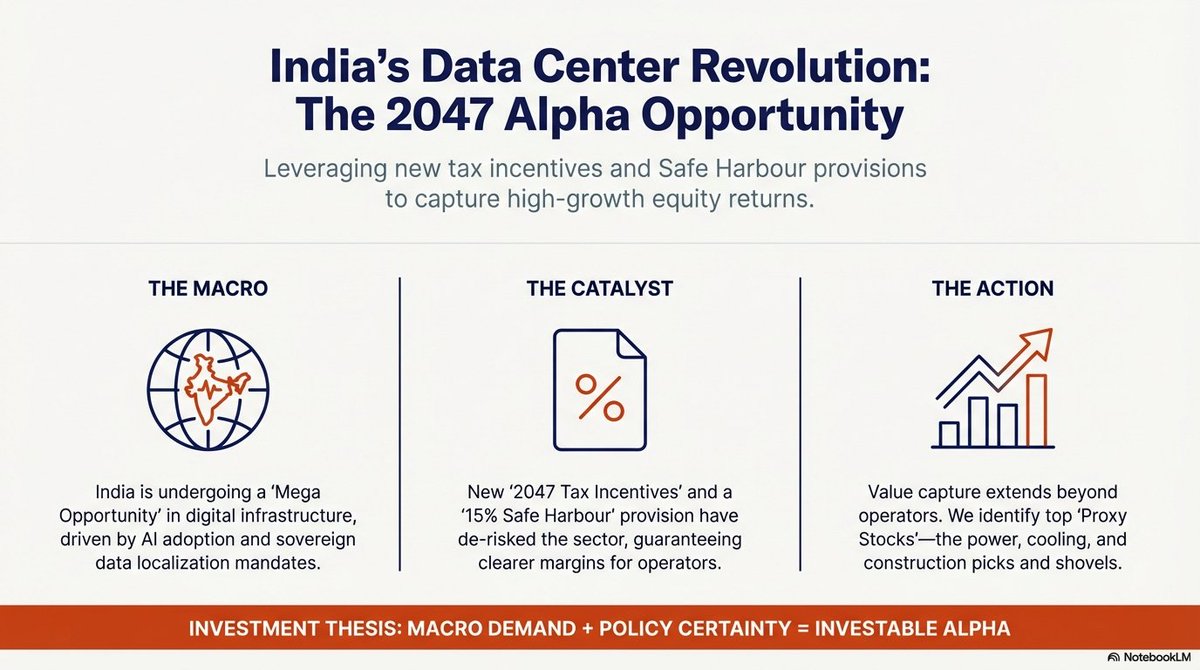
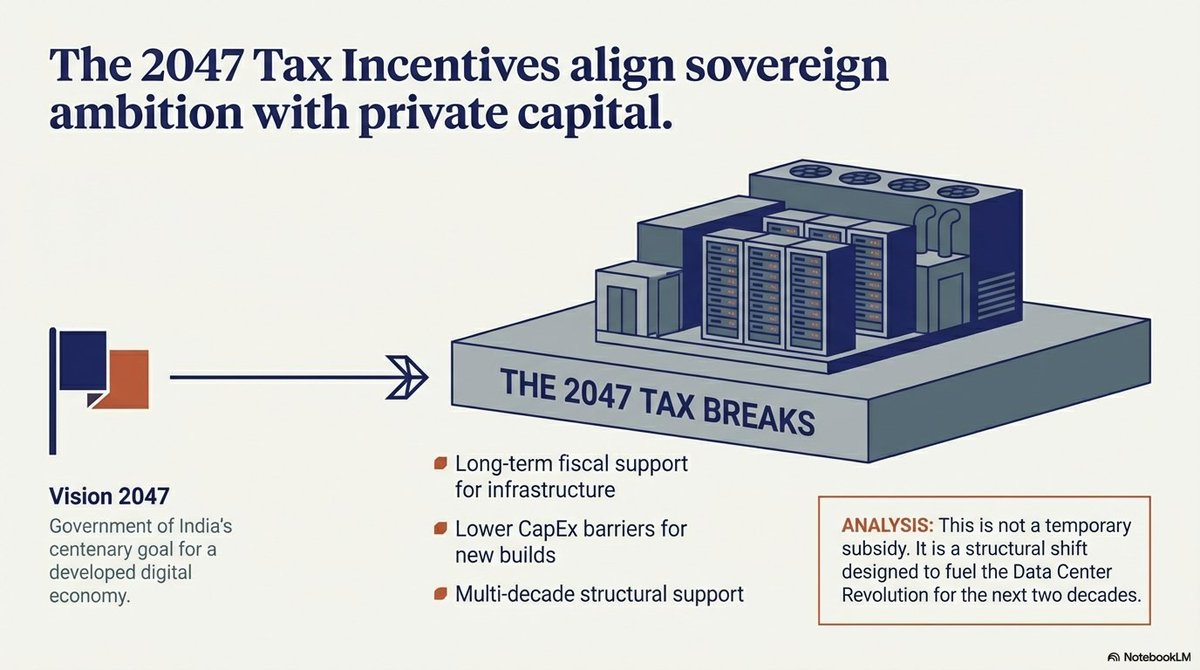
MEGA DATA CENTRE BREAKDOWN POST 🔥🔥🔥
2047 Tax Breaks & 15% Safe Harbour: India’s Data Centre Mega Opportunity 🔥🔥
Top 40 Data Center & Proxy Stocks Powering India’s Data Center Expansion 🔥👇
1⃣ Core Infrastructure & Connectivity
Anant Raj: Rapidly pivoting from real estate to a tech-giant by aiming for 300MW+ capacity, with major operational hubs already live in Manesar and Panchkula.
Netweb Technologies: India’s premier high-end computing player, designing the AI-ready servers and liquid-cooled racks that form the "brains" of modern data centres.
RailTel: Building a unique "Edge Data Centre" network at 100+ railway stations to bring high-speed processing closer to Tier-2 and Tier-3 cities.
Tata Communications: Owns one of the world’s largest subsea cable networks, providing the critical international "highways" for exporting data from Indian shores.
Bharti Airtel (Nxtra): Their DC arm, Nxtra, is investing heavily to hit a 1 GW capacity target, making them one of the largest co-location providers for global hyperscalers.
Black Box: A global leader in digital infrastructure integration, helping hyperscalers design and deploy complex internal networking and cabling for massive DC campuses.
Techno Electric: A strategic play that combines EPC expertise with data centre ownership, recently partnering with RailTel to develop green-energy-powered edge sites.
HFCL: Supplies the high-density fiber optic cables required to connect server racks within data centres and provide last-mile connectivity to the grid.
2⃣ Power, Electrical & Grid Infrastructure
Hitachi Energy: Provides the high-voltage grid automation and substations necessary to stabilize the massive, uninterrupted power loads required by AI-heavy data centres.
GE Vernova T&D: A specialist in extra-high voltage transformers and grid solutions that allow data centres to draw power efficiently from the national grid.
Cummins India: The gold standard for mission-critical backup power, supplying the massive diesel/gas generators that ensure DCs stay online during grid failures.
TD Power: Manufactures specialized AC generators used in captive power plants and backup systems specifically designed for the continuous load of a data centre.
Siemens India: Offers end-to-end Data Centre Infrastructure Management (DCIM) software and hardware for automated power distribution and fire safety.
CG Power: Recently secured major export orders for power transformers specifically designed for global data centre projects, showcasing their high-spec manufacturing.
Kirloskar Oil Engines: Provides robust high-capacity power-gen sets that serve as the last line of defense for data centre "Tier-4" uptime certifications.
3⃣ Cables, Wires & Electrical Components
Polycab: Dominates the supply of fire-retardant, low-smoke (FRLS) cables that are mission-critical for the safety and wiring of dense server environments.
KEI Industries: Focuses on extra-high voltage (EHV) cables required to bring power from the utility substation directly to the data centre campus.
Finolex Cables: Expanding its fiber-draw capacity to meet the dual demand for both electrical power and high-speed telecom cabling within DC facilities.
Apar Industries: Innovating with E-beam irradiated wires that handle higher temperatures (up to 105°C), allowing for more power in space-constrained server racks.
RR Kabel: Supplies specialized building wires and power cables with superior heat resistance, essential for the high-density power distribution units (PDUs) in DCs.
4⃣ Cooling, HVAC & Thermal Management
Blue Star: Developed a specialized range of centrifugal chillers that can restart in just 15 seconds, ensuring servers never overheat during power transitions.
Voltas: A major EPC player for large-scale HVAC projects, managing the complex air-flow and cooling designs required for massive server halls.
KRN Heat Exchanger: A key beneficiary of the AI shift, manufacturing the coils and heat exchangers essential for "liquid cooling" systems in high-density DCs.
Amber Enterprises: Expanding its R&D into commercial HVAC and precision cooling, targeting the high-margin market for maintaining exact DC temperatures.
Thermax: Provides sustainable water-cooling solutions and waste-heat recovery systems, helping data centres reduce their "Power Usage Effectiveness" (PUE) ratios.
5⃣ EMS, Electronics & Hardware Manufacturing
Syrma SGS: A leading electronics manufacturer providing the PCBAs and controllers used in power management and cooling systems for data centres.
Dixon Technologies: Moving aggressively into server manufacturing, aiming to become the local production partner for global hardware giants.
Kaynes Technology: Setting up high-tech plants for semiconductor OSAT and PCB assembly, critical for the local production of server-grade electronics.
Avalon Technologies: Provides specialized hardware for power and communications, including the complex sub-assemblies found in high-speed server switches.
6⃣ EPC, Infra Execution & System Integration
Bondada Engineering: Recently signed MoUs to develop "Green Data Centres", combining renewable energy expertise with rapid-deployment telecom infrastructure.
Orient Technologies: Acts as a specialized IT infrastructure integrator, helping banks and enterprises set up their private clouds within third-party data centres.
Larsen & Toubro (L&T): The heavyweight of DC construction, offering "turnkey" services from civil engineering to the installation of complex electrical and mechanical systems.
KEC International: Leveraging its global footprint to build the transmission lines and civil structures required to bring power to remote data centre parks.
NCC: Involved in the heavy civil construction of massive "Data Park" shells, providing the physical scale required for India's 40-DC push.
7⃣ IT Services & Cloud Enablement
Persistent Systems: Specializes in modernizing legacy applications so they can run efficiently on the new-age cloud infrastructure being built today.
Coforge: Focuses on cloud migration and AI-powered optimization, helping global clients move workloads into Indian data centres to benefit from Budget 2026 incentives.
Aurionpro Solutions: Offers a "single-window" DC solution, from design engineering to 24x7 operations, recently securing major contracts for bank data centre upgrades.
Allied Digital Services: A global player in Managed Services (MSP), handling the day-to-day IT infrastructure management and remote monitoring for DCs.
HCL Technologies: Their "CloudSmart" strategy helps global Fortune 500 firms architect their hybrid-cloud setups using India as a primary data processing hub.
Tech Mahindra: Integrating 5G and Edge Computing, they build the software platforms that allow industries to use DC capacity for real-time AI applications.
India’s data centre build-out is no longer just a tech story - it’s becoming a long-term infrastructure cycle backed by policy support, capital access, and structural digital demand.
The real opportunity lies in identifying which players across the value chain can execute consistently as this multi-year expansion unfolds.
✅ Study the ecosystem. Track execution. Let numbers guide conviction.
Disclaimer: This post is for informational and educational purposes only and does not constitute investment advice or a recommendation to buy or sell any securities. The stocks mentioned are shared for research and tracking purposes.


Dhawal Doshi 🇮🇳@DhawalDoshi5
India’s data centre build‑out enters a new funding era: VCs step back, IPOs step up For over a decade, Data centre growth was largely funded by private equity, venture capital, hyperscaler-backed expansions. But currently VCs has slowed down their investments in data centres due to return compressions (more supply, longer payback cycles), AI infra is capex heavy and exit timelines are increasing. Going through IPO route is logical step as it allows permanent capital, lower cost of equity vs private capital, debt raising post listing and increase in institutional participation. Sify Infinit Spaces has received SEBI approval for a Rs. 3,700 crore IPO, becoming the first pure-play data centre company to receive an approval. Bharti Airtel is also planning an IPO, for its arm Nxtra Data, in next couple of years with an expected valuation of $3 Bn. Yotta Infrastructure, were earlier looking for a listing in NASDAQ but now exploring an Indian listing within a year. CtrlS Datacenters is considering an IPO to fund a $2 Bn infrastructure development roadmap. Data Centers in India is evolving from VC-backed growth plays to public-market funded infrastructure utilities. @vishpradp @vishan_29 @Dynamicinvstr @Sectorsignals @KommawarSwapnil @tsatwork @Anvith_ @Garg_Aditya_
English
We’re in for some very interesting times
Haresh Chawla@hchawlah
Global SaaS stocks meltdown. Indian IT stocks plummet. Is this fear real, or is it really something we are missing? I debate whether India needs to use a different lens to view AI. Is India asking the Wrong Question about AI? foundingfuel.com/article/india-…
English
Sudhir retweetledi

Global SaaS stocks meltdown.
Indian IT stocks plummet.
Is this fear real, or is it really something we are missing?
I debate whether India needs to use a different lens to view AI.
Is India asking the Wrong Question about AI?
foundingfuel.com/article/india-…
English
Sudhir retweetledi
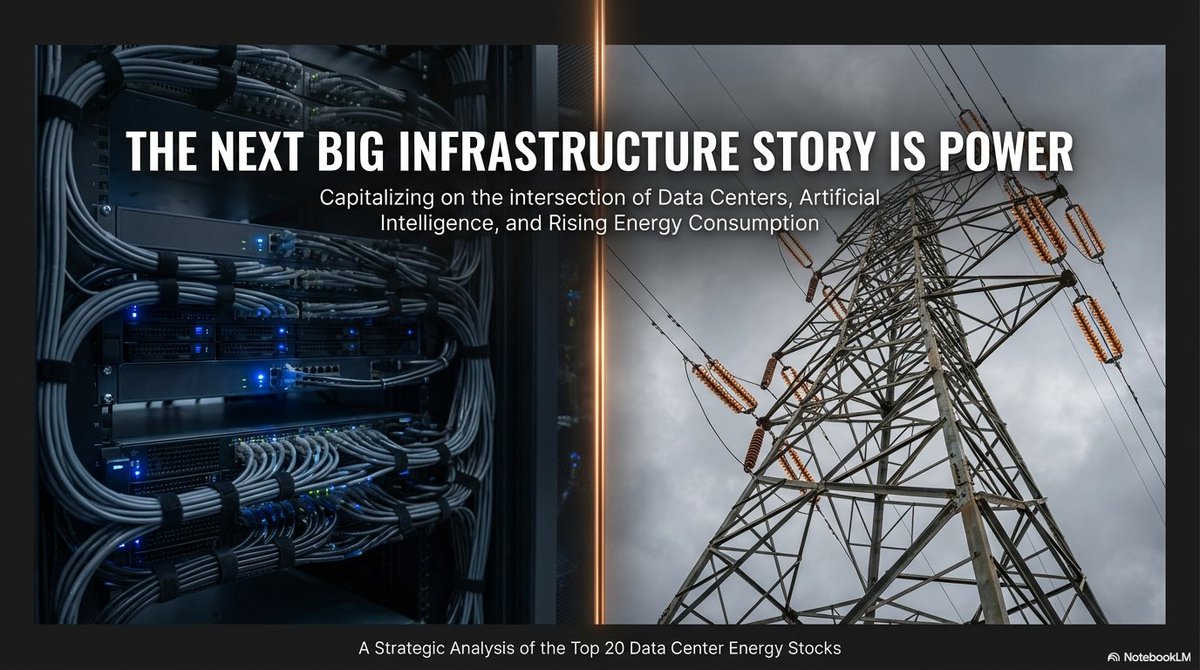
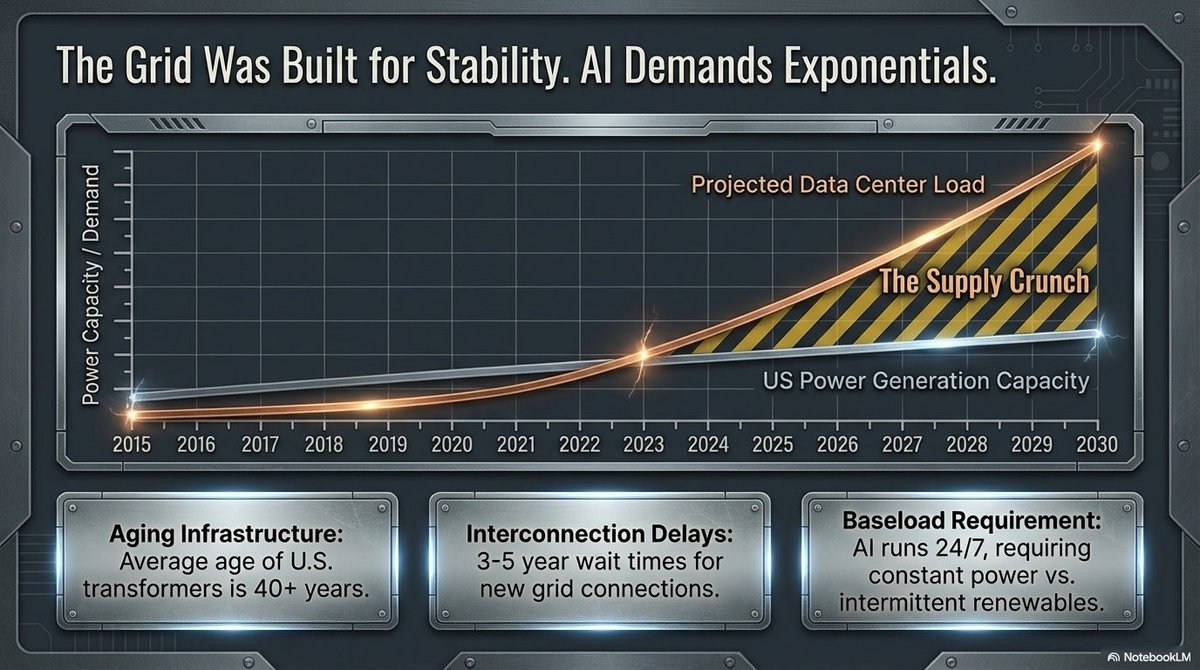
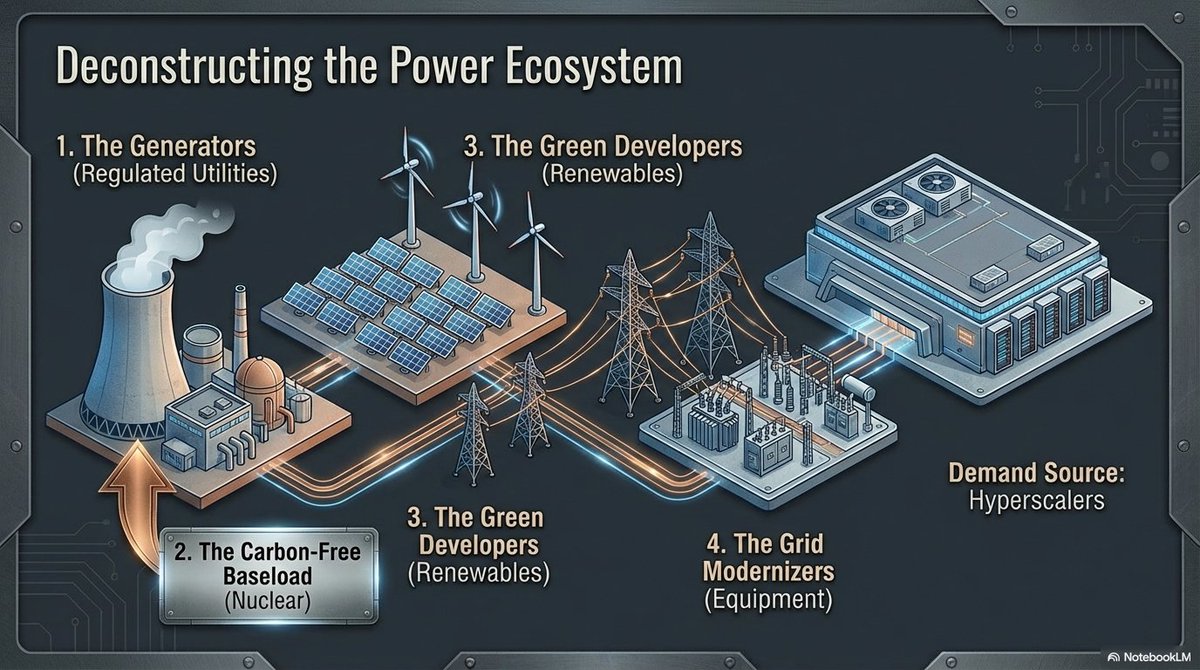
The Next Big Infrastructure Story Is Power: Data Centers, AI & Rising Consumption - 22 Best Power Sector Stocks to Study 🔥 💥
Thank me 5 years later 🤝
GE Vernova T&D
Transrail Lighting
Rajesh Power
Oriana Power
KEC International
Atlanta Electricals
Siemens Energy
Quality Power
TARIL
BHEL
Yash Highvoltage
Hitachi Energy
Amara Raja Energy
JSW Energy
ACME Solar
Waaree Energies
Alpex Solar
Tata Power
Polycab India
KEI Industries
KSH International
Polycab India
KEI Industries
KSH International
Why studying these companies matters:
These companies collectively represent the entire power ecosystem - from generation and transmission to distribution, EPC, equipment, and renewables. Studying them helps understand where power demand is coming from, how it is being transmitted, who is supplying the infrastructure, and which segments benefit as India’s power consumption rises.
As data centers, AI infrastructure, urbanisation, EVs, and industrial activity scale up, power becomes a non-negotiable input.
Tracking these companies gives a ground-level view of capital allocation, demand cycles, execution capability, and policy impact across the sector, which is essential to understanding the long-term power theme beyond just stock prices.
Disclaimer: This content is for educational and informational purposes only. It is not a buy or sell recommendation. Please do your own research and consult a financial advisor before making any investment decisions.
Akash Chaudhary@Akash17971
Solar Generation Hit by Grid Constraints: 48 Quality Stocks to Watch in Transmission, Storage, Power Equipment, and Flexible Power Solutions ☀️🔥📊 1⃣ Power Transmission (Grid Backbone – Biggest Bottleneck) Power Grid GE Vernova T&D Transrail Lighting Adani Energy Solutions Tata Power Rajesh Power KEC International Kalpataru Projects Techno Electric 2⃣ Power Equipment & Grid Hardware (Transformers, Switchgear, EPC) Atlanta Electricals Siemens Energy Quality Power TARIL CG Power ABB India Bharat Heavy Electricals Yash Highvoltage Hitachi Energy Schneider Electric Shilchar 3⃣ Energy Storage (Battery, EPC, Storage-linked Power) Exide Industries Amara Raja Energy Tata Power JSW Energy Oriana Power ACME Solar NTPC Green Energy Pace Digitek Bondada Engineering Waaree Energies 4⃣ Power Electronics, Cables & Grid Enablers Polycab India KEI Industries Havells India KSH International Apar Industries CESC REC Finolex Cables Universal Cables Advait Energy Transitions 5⃣ Flexible Power & Balancing Solutions (Hydro, Gas, Hybrid) NTPC NHPC SJVN JSW Energy Adani Power GAIL (India) BPCL Indraprastha Gas Why these stocks matter 👇 India is not short of solar power, but the grid is unable to absorb it, leading to 2.3 TWh of solar curtailment in 2025. This happened mainly because the grid lacks flexibility, fast-response power, and strong transmission support, especially during mid-day surplus and evening peak demand. These companies operate exactly in those bottleneck areas: 1. Hydro and flexible generators help ramp power up or down quickly when solar output changes 2. Gas-based and hybrid players support short-term balancing when renewables fluctuate 3. Transmission and grid companies strengthen evacuation and reduce congestion 4. Power equipment and grid hardware players enable faster response, control, and stability Emergency curtailment was increasingly used because renewables alone cannot provide down-regulation and grid balancing. This is where flexible power solutions, storage-ready utilities, transmission upgrades, and advanced grid equipment become critical ✅✅ In simple words 👇 Solar growth is running ahead of grid readiness - and these companies sit exactly where the system now needs urgent strengthening. Refer to the post below for a detailed explanation and full context on this theme 👇 Disclaimer: This post is for educational purposes only. Not a buy or sell recommendation. Please do your own research or consult a financial advisor before investing.
English
Sudhir retweetledi

Hey @grok, You have ₹1 crore.
You can invest in only ONE sector.
You must hold it until 2030.
What are you choosing?
DEFENCE
METAL
AUTO
RENEWABLES
English