Akariza✨

202 posts

Akariza✨

Akariza✨

@mar52607

Learn, Unlearn and Relearn

Rwanda Katılım Mart 2024
46 Takip Edilen41 Takipçiler
Akariza✨ retweetledi
Never Again Rwanda
Never Again Rwanda@NARwanda·
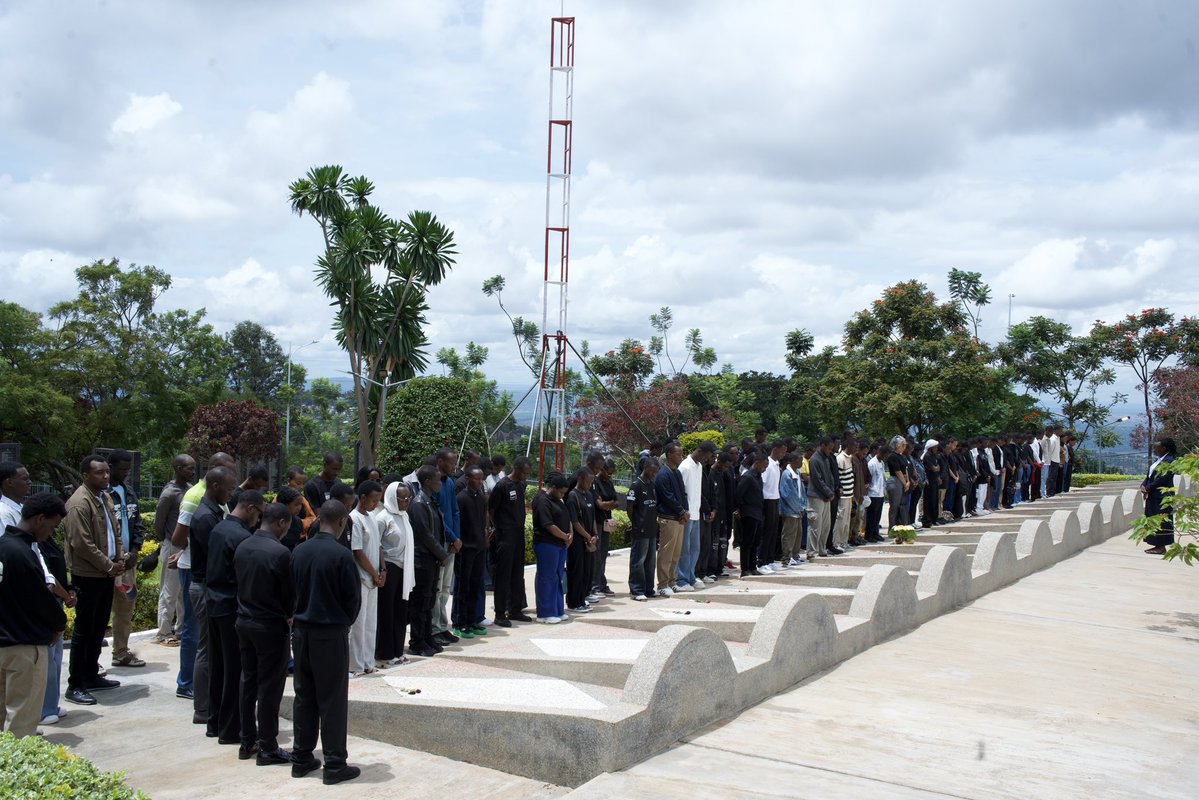
Today, Never Again Rwanda joined its youth community students from high schools and alumni (@NA_communit), youth representatives from Umurunga Family (@UmurungaFamily), Sherrie Silver Foundation (@SherrieSilverFd), and Furaha Ministry at Rebero Genocide Memorial, alongside H.E. Irene Vida Gala (@IVG2909), Ambassador of Brazil to Rwanda, as Guest of Honor. During the visit, young people toured the memorial site, learnt about its history and significance as a memorial for politicians perpetrated during the Genocide against the Tutsi in 1994, and laid wreaths. In her address to the young people, H.E. Irene Vida reflected on today’s global realities while reminding the youth of their responsibility to continue building the country and safeguarding its progress. “We are currently living in a world that is perpetrating more genocides. So choose your fights wisely. Learn, understand what’s going on, and choose the good fight. The fight of peace,” she stated. #Kwibuka32 #NeverAgainRwanda
Never Again Rwanda tweet mediaNever Again Rwanda tweet mediaNever Again Rwanda tweet mediaNever Again Rwanda tweet media
English
2
33
74
2.5K
Akariza✨ retweetledi
Never Again Rwanda
Never Again Rwanda@NARwanda·
Never Again Rwanda joins the world, all Rwandans, and particularly the Genocide survivors, in commemorating the 1994 Genocide against the Tutsi. During this #Kwibuka32, we honor the past by shaping a future free from hate. Through remembrance, education, and unity, we ensure that “Never Again” is a promise we keep.
Never Again Rwanda tweet media
English
5
49
86
1.7K
Akariza✨
Akariza✨@mar52607·
You are doing an amazing job in Kayonza, Twiteze Imbere (Busasamana)👏
Rwanda Youth In Agribusiness Forum@ryaf_agribiz

From savings of 1,000 Frw/week to real community impact the inspiring story of Twitezimbere Rubyiruko Busasamana Youth Group in Rwinkwavu Sector, @KayonzaDistrict Formed on 12 January 2022 with 20 members (13 women & 7 men), Their mission: Create jobs via vegetable & fruit farming..Read more at ryaf.rw/news-and-updat… #MENYARYAF #YouthInAg

English
0
0
0
7
Akariza✨ retweetledi
Never Again Rwanda
Never Again Rwanda@NARwanda·
Mu gihe twitegura Kwibuka ku nshuro ya 32, umuryango Never Again Rwanda ubararikiye ikiganiro cyateguwe ku bufatanye na @bkarenarw, aho Rev. Dr. Antoine Rutayisire azaganiriza urubyiruko ku nshingano zacu mu kubaka ahazaza heza dushingiye ku mateka y’abatubanjirije. Niba wifuza kuzitabira icyo kiganiro, iyandikishe hakiri kare unyuze kuri iyi link: forms.cloud.microsoft/r/2WLypZWu4m?o… #NeverAgainRwanda #Kwibuka32
Indonesia
1
27
53
6.6K
Akariza✨ retweetledi
Never Again Rwanda
Never Again Rwanda@NARwanda·
MARK YOUR CALENDAR🚨 Join us for a conversation on: “Youth and dialogue building lasting peace in post-conflict border communities ~ An Ireland Experience.” 🗓️ April 2, 2026 🕖 7:15 PM - 9:15 PM 📍 Google Meet DO NOT MISS! @UmurungaFamily
Never Again Rwanda tweet media
English
1
14
20
889
Akariza✨
Akariza✨@mar52607·
Well said, Dr. The criteria for eligibility should be measured on more than just the terms served in office. Performance should be among the key factors, if not the primary criterion. It is promising that the amendment of the Organic Law governing elections is under consideration
Joseph Ryarasa Nkurunziza@JosephRyarasa

@MichNkurunziza Eligibility should be determined by demonstrated performance and proven capacity. Serving two consecutive terms should not be treated as an automatic requirement. If the objective is to achieve real prosperity, electoral processes must prioritize the selection of mayors with the competence, vision, and delivery ability necessary to drive tangible development outcomes. @NewTimesRwanda @RwandaElections

English
0
0
1
22
Akariza✨ retweetledi
Igitekerezo Podcast
Igitekerezo Podcast@Igitekerezo_Pod·
Our listeners! Become part of the conversation. We are introducing #chaichats, a space to share what's on your mind. Afterthoughts or comments about an episode that caught your interest? Use the hashtag #chaichats and join the conversation, ever Monday at 10AM Stay tuned🎉
Igitekerezo Podcast tweet media
English
0
6
9
247
Akariza✨ retweetledi
Joseph Ryarasa Nkurunziza
Joseph Ryarasa Nkurunziza@JosephRyarasa·
Why many businesses in Kigali open with promise but close too soon, the working capital problem! There is an increasing a pattern in the business environment in Rwanda that deserves serious reflection. It is not uncommon to visit a restaurant in Kigali today and then return a few months later only to discover that it no longer exists. The same experience happens in other sectors. One may visit a shop at Kigali Heights, find it operating well at first, but after some time the business has closed or been replaced by another tenant. The same situation can also be seen in places like the Car Free Zone in Kisementi, where businesses open with excitement and promise but disappear after a relatively short period of time. One of the biggest underlying challenges behind this pattern is the misunderstanding between investment capital and working capital. Many entrepreneurs succeed in mobilizing significant resources to start a business, but very little attention is given to the capital required to sustain operations during the first months or even years. It is not uncommon to find someone who has saved or mobilized Rwf100 million to start a business but fails to reserve even Rwf50 million to run it. Most of the available funds are spent on renovations, furniture, branding, equipment, and creating an attractive appearance for the business. By the time the doors open, a large portion of the capital has already been consumed. What remains is very little liquidity to sustain daily operations. Yet working capital is what keeps a business alive. A business needs continuous cash flow to pay salaries, replenish stock, cover rent, settle electricity and water bills, manage logistics, and deal with unforeseen operational expenses. Without this financial buffer, even a promising business can begin to struggle within a few months. Take the example of someone opening a restaurant in Kigali. A large portion of the capital may go into interior decoration, kitchen equipment, furniture, and branding to create an appealing environment for customers. It is possible for Rwf70–80 million to be spent on the physical setup alone. However, if at least Rwf20–30 million is not reserved for working capital, challenges quickly emerge. The business begins struggling to purchase fresh ingredients, pay employees at the end of the month, maintain marketing activities, or handle routine operational costs. This situation partly explains a pattern that has become common in the hospitality sector. Many restaurants, bars, and hotels request 30 days or even longer to pay their suppliers. In many cases, this arrangement is not part of a structured financial strategy but rather a reflection of limited working capital. As a result, suppliers end up indirectly financing the operations of these businesses. Let look at this example, a supplier delivering meat, vegetables, beverages, or imported products may supply goods today but only receive payment after a month. If the restaurant itself is struggling with cash flow, payments can be delayed even further. Over time this creates a chain reaction where suppliers also begin facing financial pressure because their own cash cycles become disrupted. Eventually the entire business ecosystem becomes strained. Retail businesses face similar challenges. An entrepreneur may invest heavily in setting up a beautiful shop in a prime commercial location. The shop may look impressive on opening day, with well-designed shelves, lighting, and branding. However, after the first round of sales, the business may lack the cash required to replenish stock. Shelves begin to empty, product variety declines, and customers gradually stop coming because they cannot find what they need. Agriculture also presents similar situations. A young agripreneur may invest significant resources in acquiring land, irrigation equipment, and farm tools but forget to reserve funds for seeds, fertilizers, labor, transportation, and post-harvest handling. The farm may appear well prepared, yet it struggles to operate efficiently because operational cash is missing. In simple terms, investment capital builds the business, but working capital sustains it. Without adequate working capital, a business may look impressive on opening day but begin collapsing quietly behind the scenes due to operational pressures. Another challenge observed among entrepreneurs is the difficulty of pooling resources and building equity partnerships. Many individuals prefer to operate alone, even when the scale of the project requires stronger financial backing. There is often a preference to start and own a business individually rather than bringing together partners and investors. In many other economies, entrepreneurs combine resources. Three or four partners may pool their savings to create a stronger capital base and build a business that is better financed and more resilient. In the local context, however, the culture of equity collaboration remains limited. Each person attempts to start a small venture individually, which often results in undercapitalized businesses struggling from the beginning. Another issue that deserves attention is the lack of specialization and focus among many entrepreneurs. It is common to find someone running several small ventures simultaneously using the same limited capital. A person may operate a small shop, start a printing business, and at the same time attempt to invest in farming or transportation. Instead of strengthening one business until it becomes stable and profitable, the limited capital becomes fragmented across several ventures. This fragmentation weakens all the businesses involved. Closely related to this challenge is the limited level of innovation in the entrepreneurial ecosystem. Many businesses tend to copy what others are already doing rather than identifying new opportunities or developing differentiated services. As a result, clusters of identical businesses emerge in the same neighborhoods. One street may suddenly have numerous cafés, several pharmacies, multiple liquor stores, restaurants, bars, or nursery schools all attempting to serve the same market. This copy and paste approach to entrepreneurship creates oversupply and intense competition for the same customers. Instead of expanding the market, businesses end up dividing an already limited customer base. When revenues fall below expectations, many of these businesses struggle to survive. When some of these ventures eventually collapse, the immediate reaction is often to blame the government. However, the government is not a parent to entrepreneurs. While it has a responsibility to create an enabling environment for business, the discipline of planning, managing capital properly, and making sound business decisions ultimately rests with business owners themselves. What may be needed more within the business community is openness and a willingness to share experiences. Many entrepreneurs face similar challenges, yet very few openly discuss their failures or the lessons learned from them. The culture of silence and secrecy prevents others from learning from those experiences. Greater openness about what works and what does not work in business could help avoid repeating the same mistakes. Societies progress not only through success stories but also through honest reflection about failures. Improving financial literacy, encouraging partnerships, promoting specialization, and nurturing innovation could significantly strengthen the survival and growth of businesses across Rwanda. In many cases, success comes not from doing many things at once or copying what others are doing, but from focusing on one idea, managing capital with discipline, collaborating with others, and continuously learning from both successes and failures. linkedin.com/pulse/why-many…
English
37
53
161
20.6K
Akariza✨
Akariza✨@mar52607·
& she is a FAWE Girls’ School student😍 Bravo, Atete! Happy to see my high school still raising brilliant young girls 🫶🏾 Cc: a proud alumni
Ministry of Foreign Affairs & Int'l Cooperation@RwandaMFA

This afternoon, Minister of State @UstaNcusta congratulated and awarded Atete Kagorora Arianah, a Rwandan secondary school student who emerged as the winner of the 2024 EAC Essay Writing Competition. Organized annually by the @jumuiya Secretariat, the competition engages O-Level students across the region to promote awareness of EAC activities and the benefits of regional integration among young people.

English
0
0
0
28
Akariza✨ retweetledi
Rwanda Information Society Authority
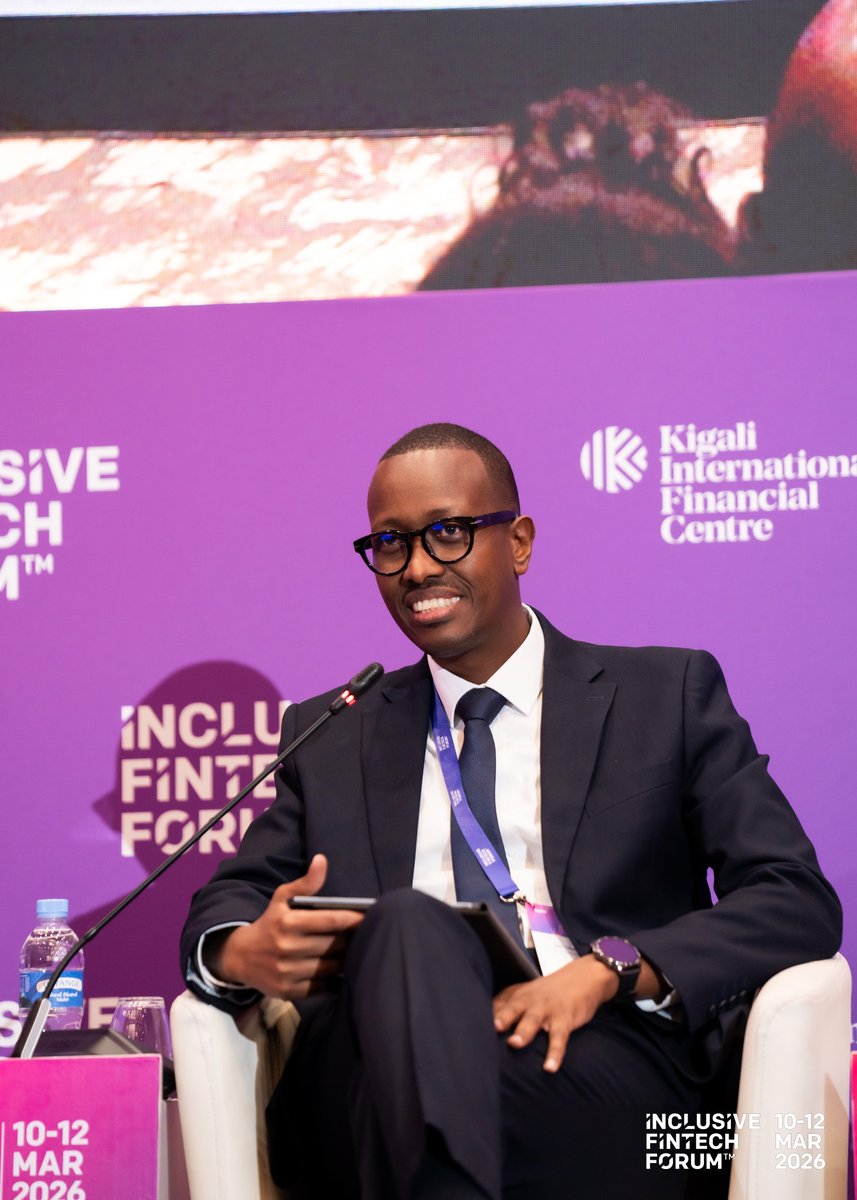
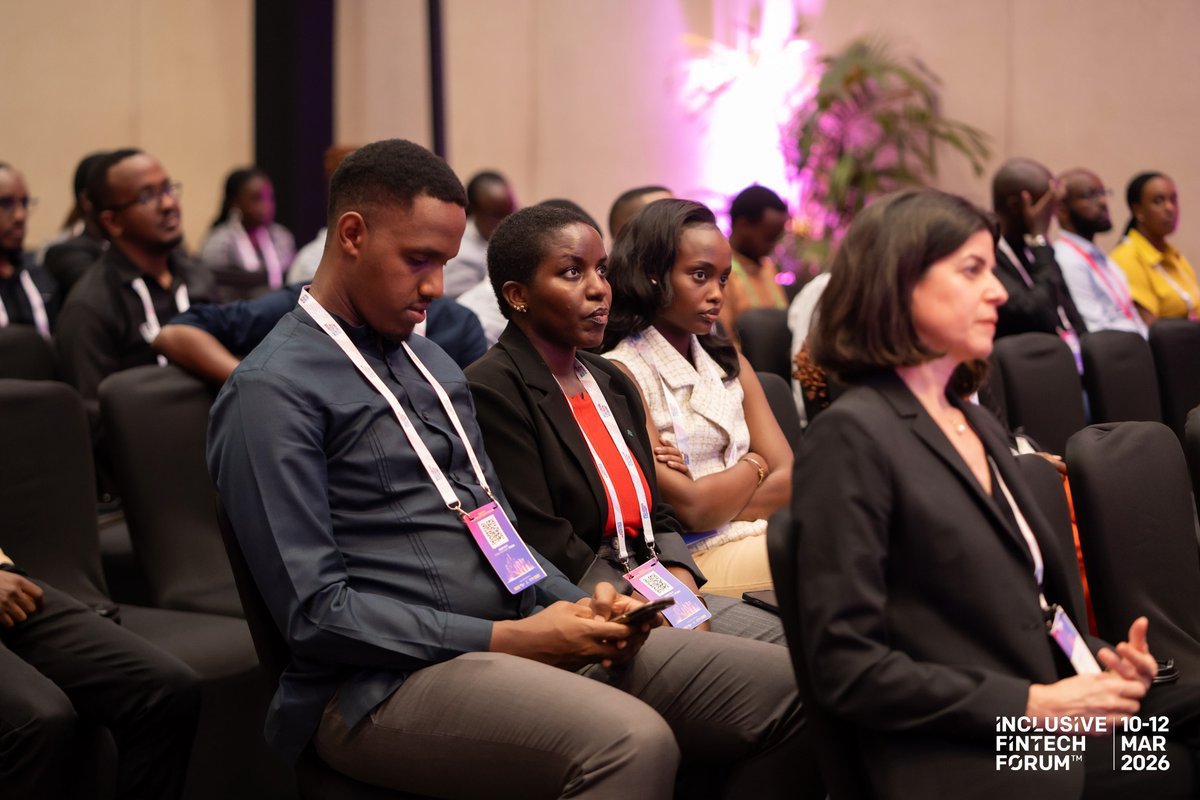
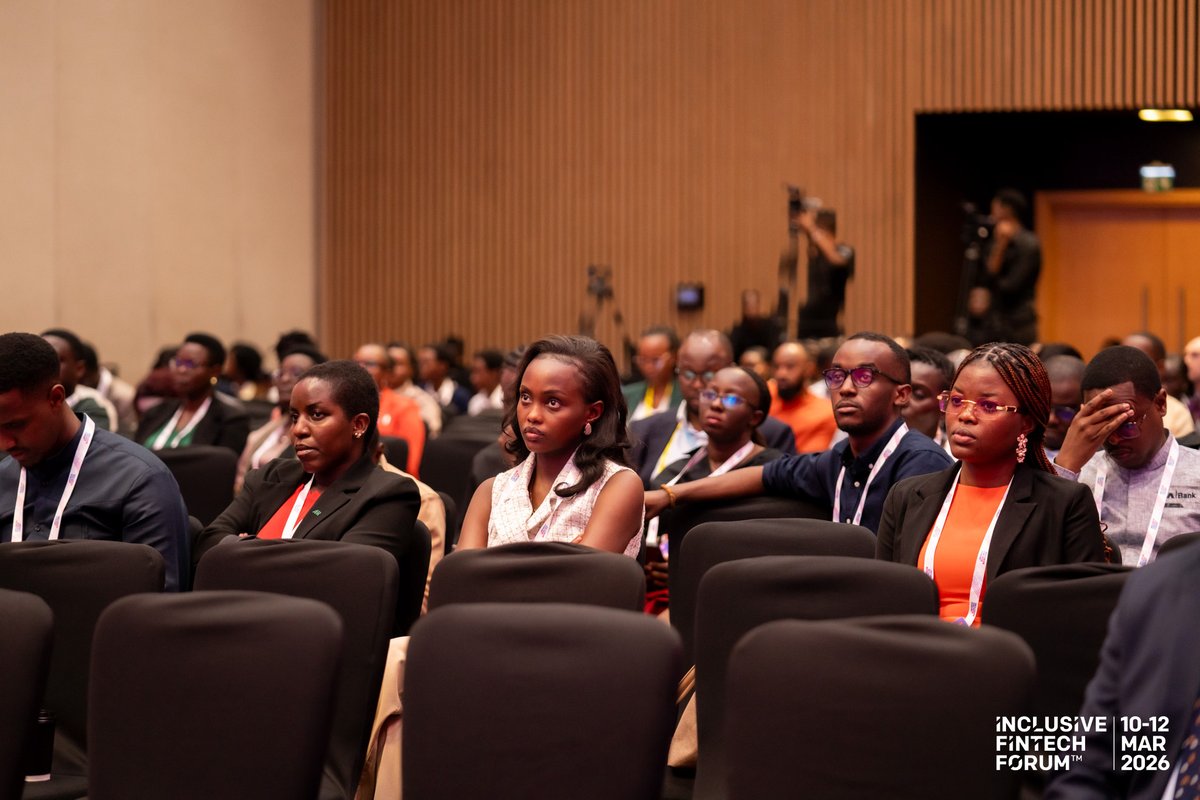
#Day2 of #IFF2026: During the panel on “The Role of #DPI for Fintech to Accelerate Financial Inclusion" RISA CEO said #DigitalID, interoperable payments&secure data sharing drive fintech innovation&inclusion, highlighting data governance,cataloging&AI as key opportunities for DPI
Rwanda Information Society Authority tweet mediaRwanda Information Society Authority tweet mediaRwanda Information Society Authority tweet mediaRwanda Information Society Authority tweet media
English
1
7
40
1.8K
Akariza✨ retweetledi
Igitekerezo Podcast
Igitekerezo Podcast@Igitekerezo_Pod·
Ese ni gute wakwirinda kugwa mu byaha bikorerwa ku mbuga nkoranyambaga?! Kurikira ikiganiro cyose kuri YouTube: youtu.be/RkBXTxxMK_A?si…
YouTube video
YouTube
Filipino
0
9
16
562
Akariza✨ retweetledi
First Lady of Rwanda
First Lady of Rwanda@FirstLadyRwanda·
Happy Women’s Day! “I urge you to carve your character carefully, define your boundaries, advocate for yourselves and other women and girls, and protect your physical and mental health. And please, love yourself with the same gentleness you give others – the same gentleness you wish and deserve to experience from the world.” - First Lady Mrs Jeannette Kagame #IWD2026
First Lady of Rwanda tweet media
English
55
780
2K
48K