@JoshBoersen@MfgTrailer That is well cleaned out, we just purchased a set of B-trains from @MfgTrailer to use for grain and fertilizer, i think it is one of the cleanest built trailers out there. Exited to go pick them up in a few weeks. Good luck with the rest of harvest Josh
Severe Capsizing Risk Recalls ALL Sea-Doo Switch Models Produced watercraftjournal.com/severe-capsizi… via @The Watercraft Journal | the best resource for JetSki, WaveRunner, and SeaDoo enthusiasts and most popular Personal WaterCraft site in the world!
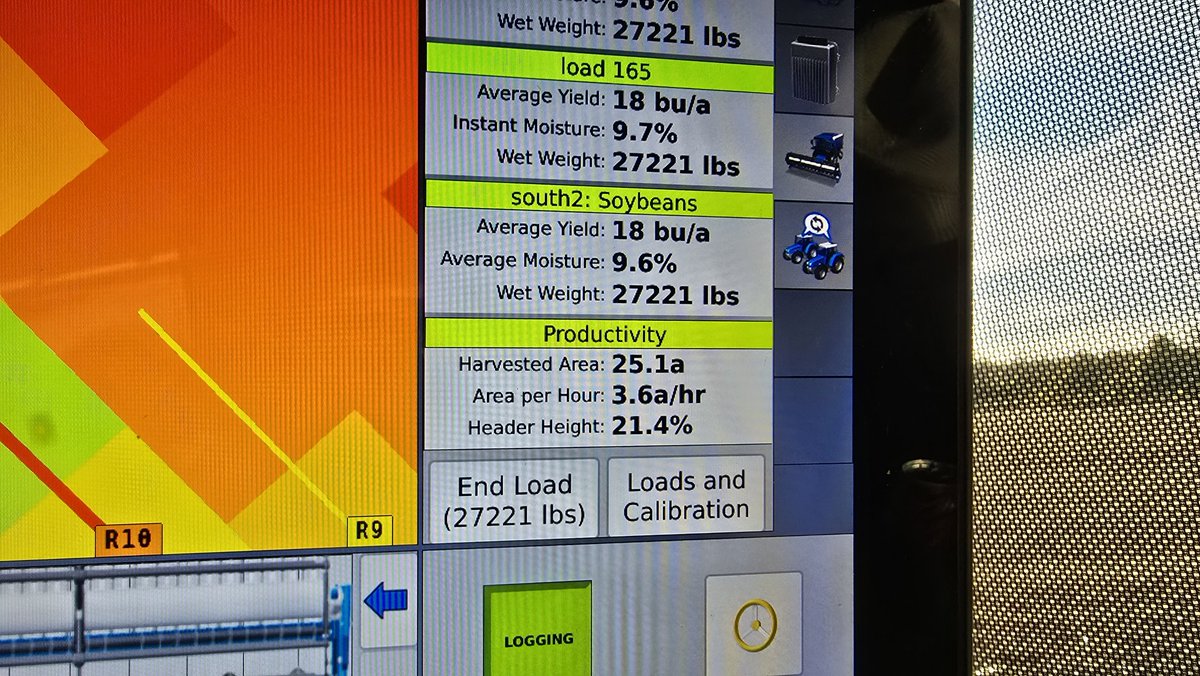
@farmerschneck Stalks are the problem in some fields even a small cob has something on it that will pay some bills , we are taking everything off as it comes ASAP
@buperac My grand parents bought from the Berkley family that bought from the Barkley family that will owned land on our road until the 90s.
Thanks so much for this map!
Probably one of the coolest Interactive maps I have seen. Shows all the original farms in Ontario from 1855-1869. If you zoom in you can even see who the original land owners are. So awesome.
In 1871 there were 172,258 farms while in 2025 there are 48,346 farms. In the 19th Century in Ontario the standard farm size was 100 acres, versus 160 in the western prairies.
In the earliest surveys (pre-1815), the grants were often 200 acres (measuring about 20 chains by 100 chains).
The Division: The 200-acre lot was later often divided into two 100-acre parcels. This 100-acre size became the typical unit granted to settlers.
The Grid System: These rectangular lots were grouped into Concessions (strips of land running the length of the township, facing the main road) and separated by Side Roads. This efficient, rectangular system was a key component of British colonial policy to promote orderly settlement and was influenced by systems used in the U.S. and Europe.
The "Why": The 100-acre size was considered the minimum viable size for a family farm in the 19th century that was expected to clear the land, grow enough food for subsistence, and produce a surplus to sell (commercialization).
I put a link to the map in the next post:
@farmerschneck I guess it is the phone picking up the trany noise a bit because it is so quiet in the cab. We run engine only at 1000 rpm for that job so the cvt comes out more in noise
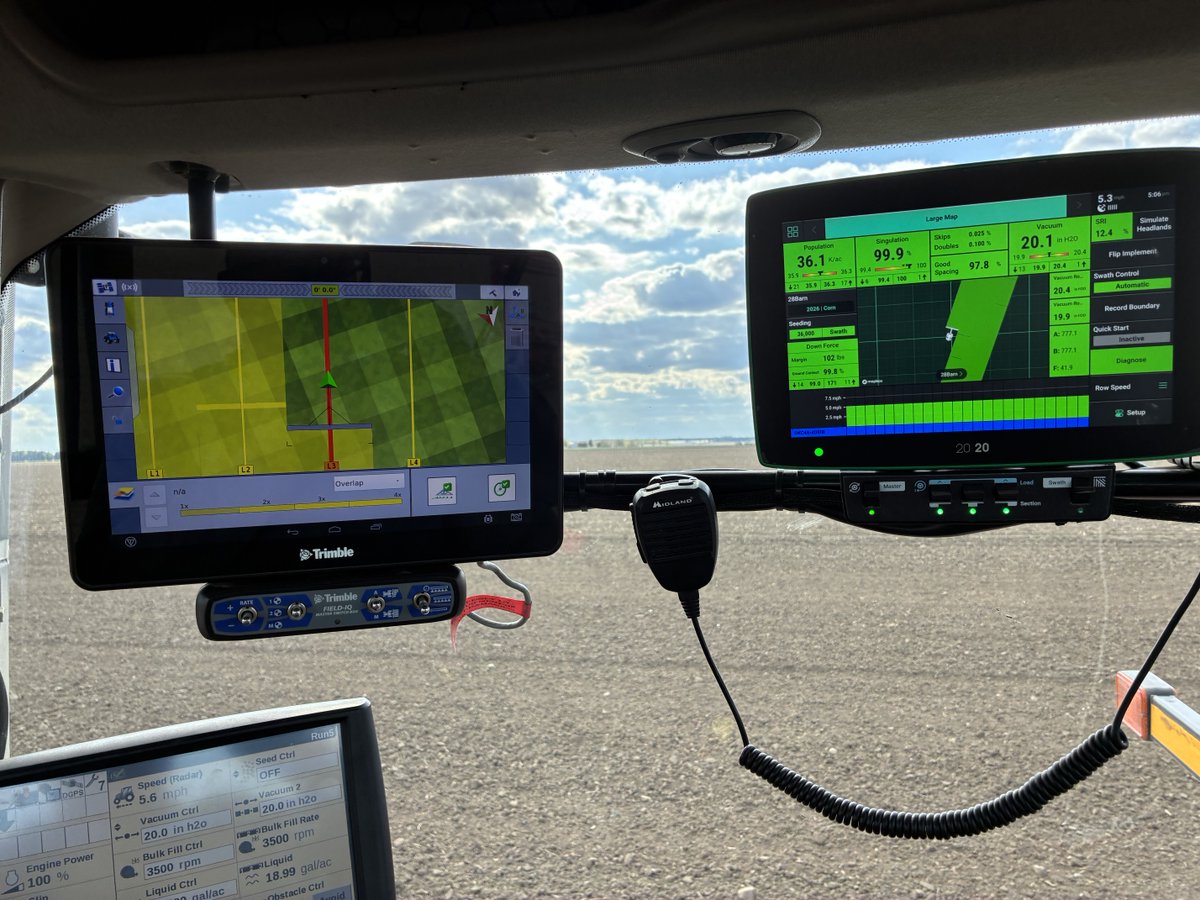
My office for a few days. Who would think you need pipe in the ground when there is no moisture in the ground to be removed but we all know the day will come for this investment to be useful #ontag
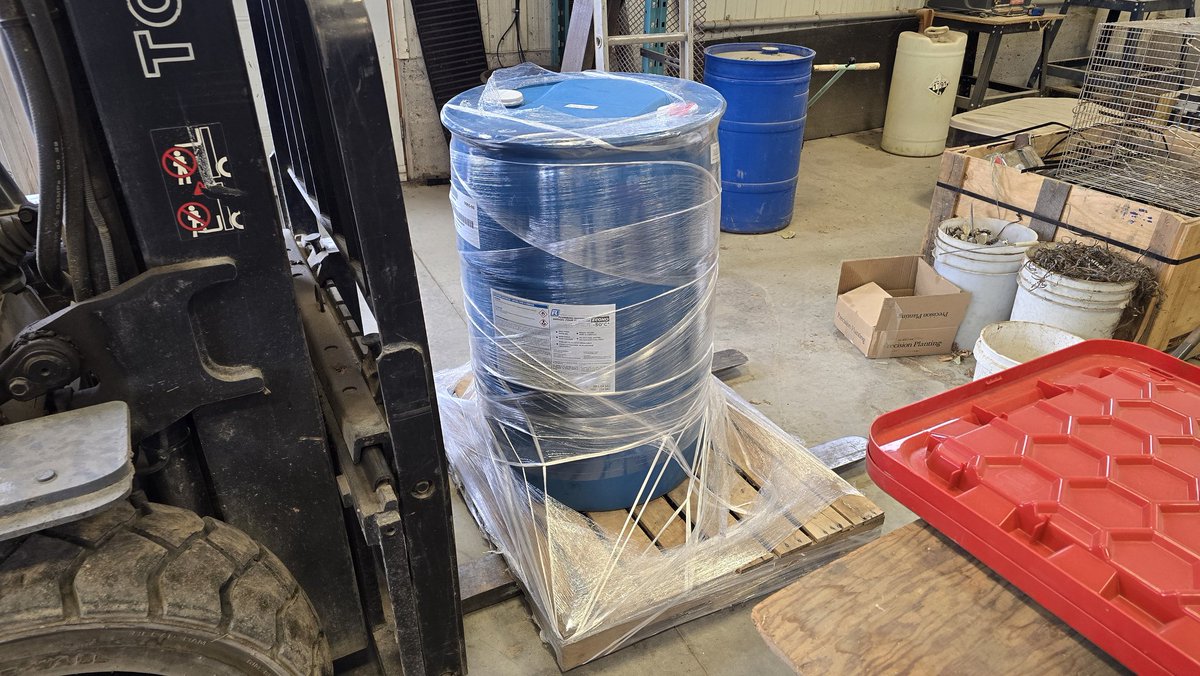
I remembered to order plumbing antifreeze before I needed it this year. It's also significantly cheaper than 2 years ago. Got 55gal for 4 dollars more than 30gal in 2023.
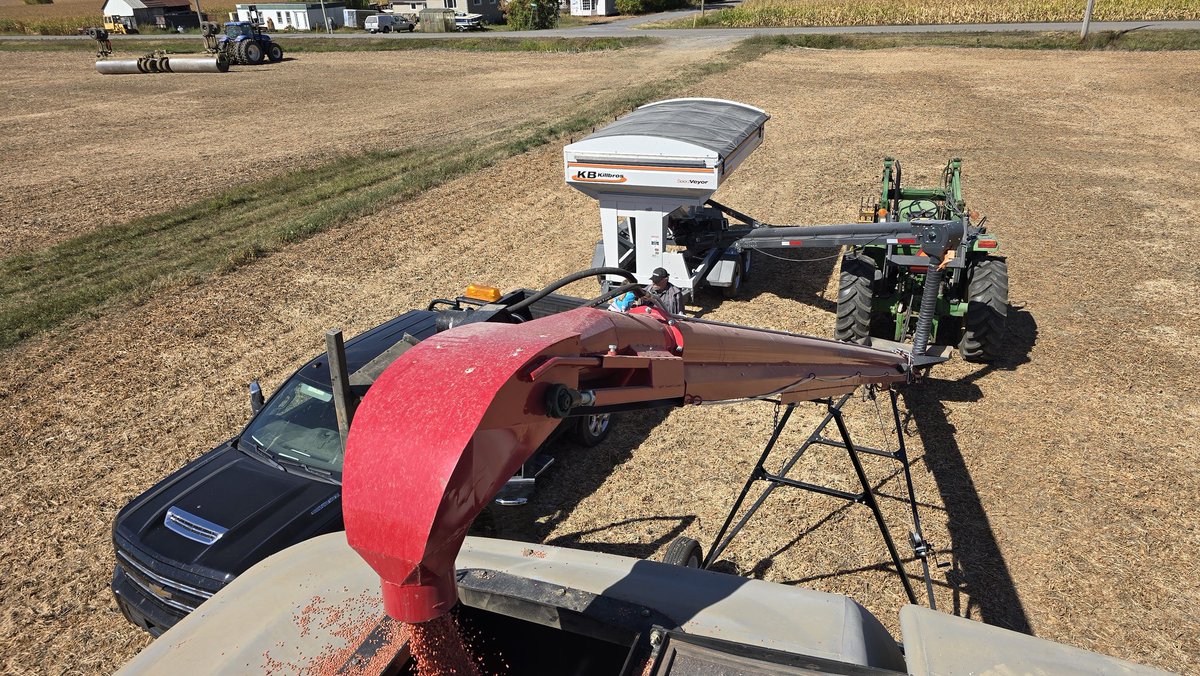
Another couple loads of wheat going in the ground. Nicely, at 1.5 inches after the roller. I've stopped looking at the forecast for Monday evening since it seems to change by the minute. If it rains, great. If not ok. Either way it won't grow in the box. #ontag
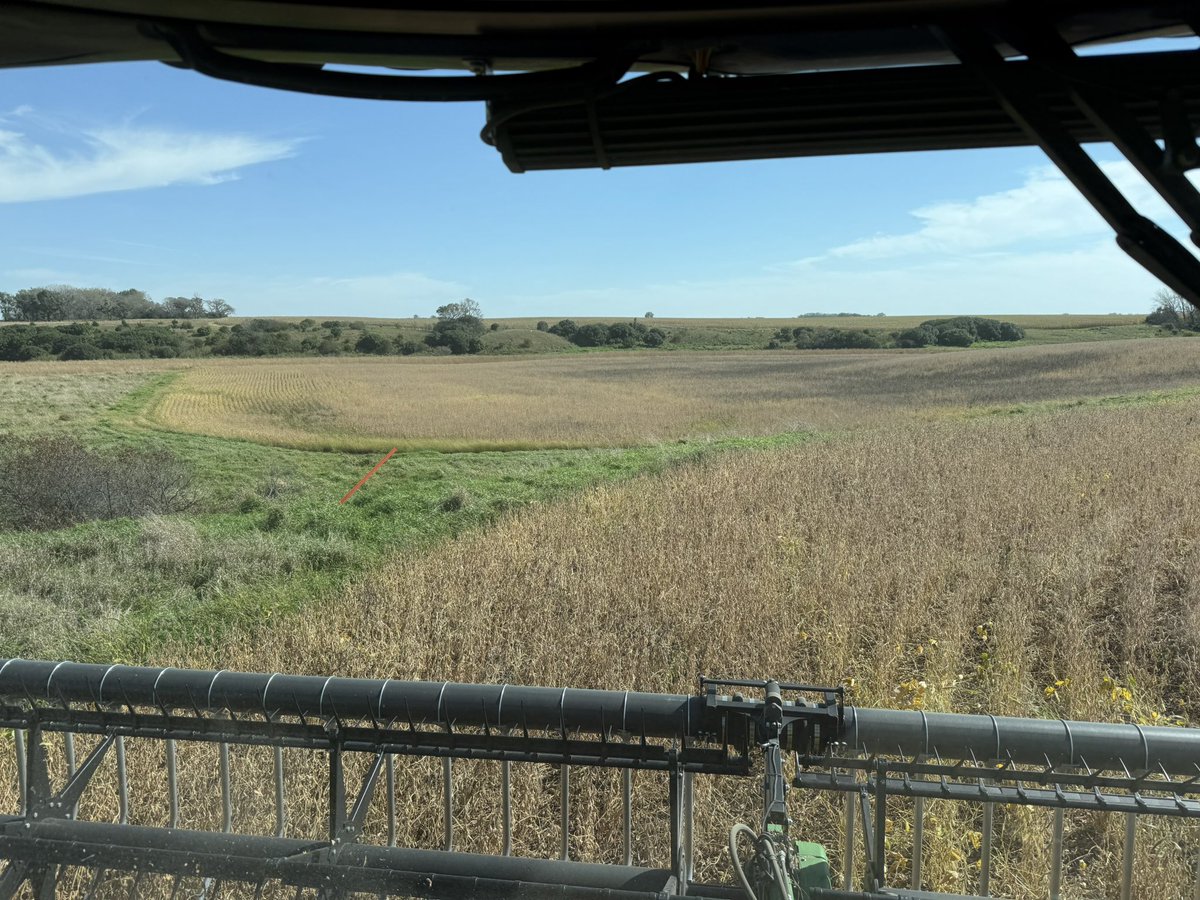
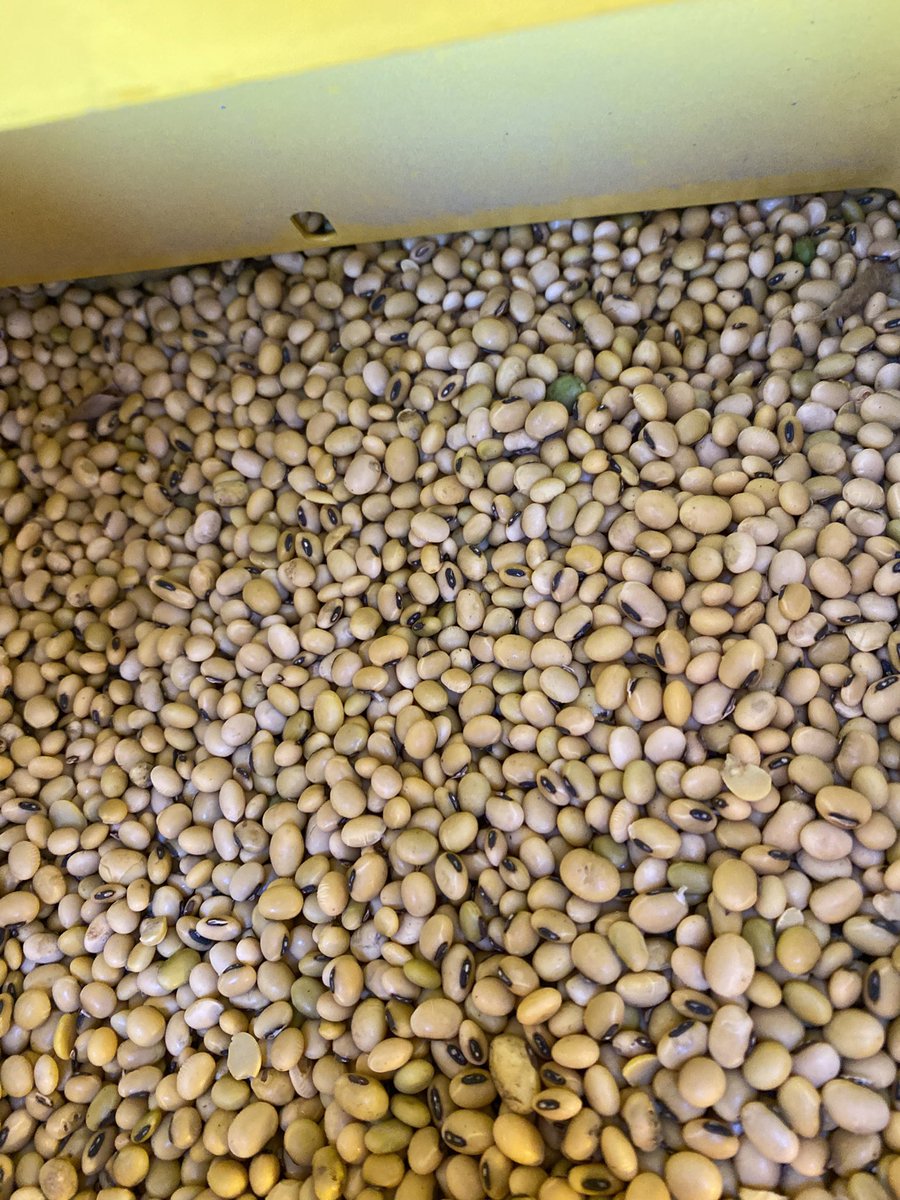
@phhermans@SullivanAgro Here is a picture of our beans and it is self explanatory in our case , no water small beans and plant shut down to early #ontag#crapyield25
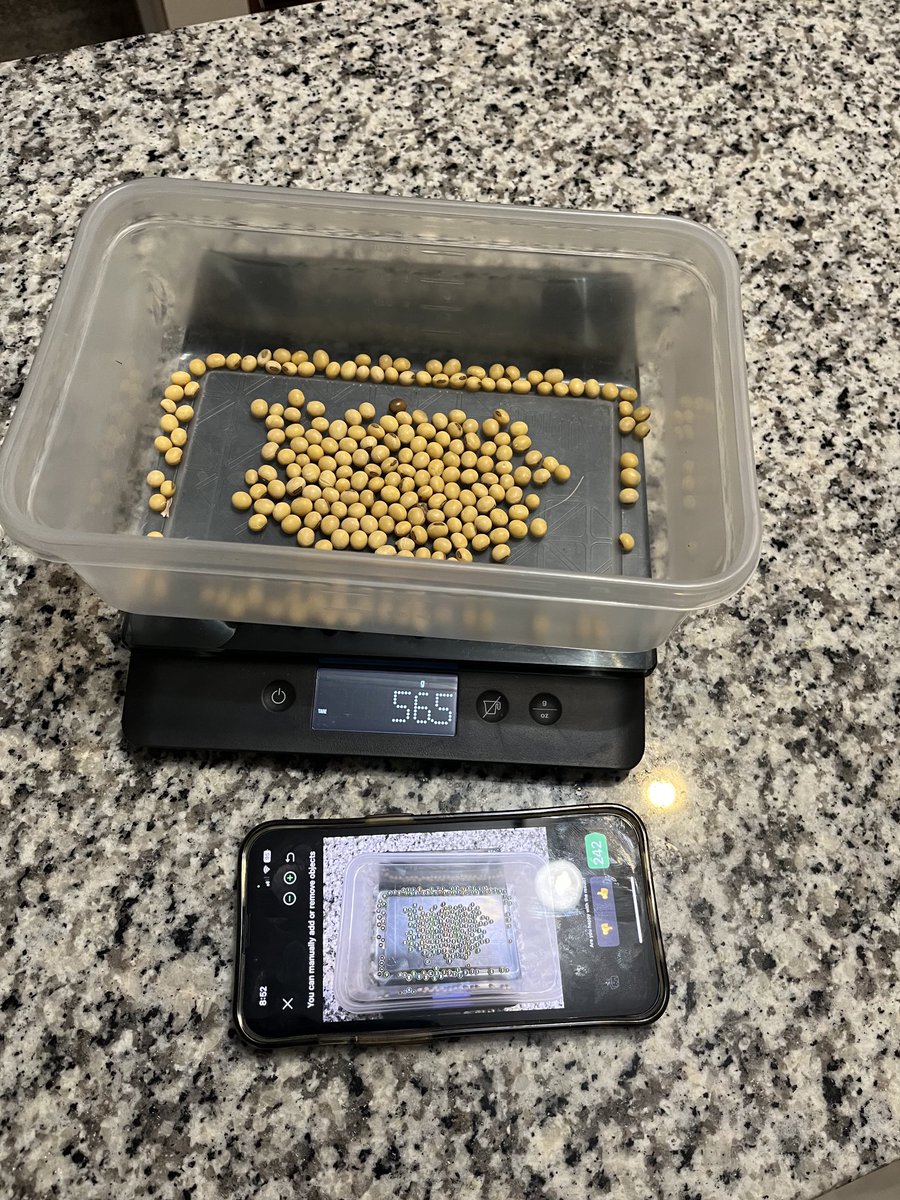
Doing some seed per pound data on local plots in soybeans to get a sense on where yield came from or was lost. Chatted with @SullivanAgro today on this to get ideas on yield components. Anyone else looking at this ? #ontag#AgronomyLearnings#KitchenFun
Seadoo Switch alert!!! If you want to have a boat, don’t get one of those #brpseadooswitch , we had ours sink in the front and putting life in danger , not a good feeling when you see it all happen in front of you. Look at video and stay away from these boats.