Mark Jabbal

6.4K posts

Mark Jabbal banner
Mark Jabbal

Mark Jabbal

@markjabbal

Aerospace Engineer | Associate Professor & UG Course Director @UoNAerospace | Vice Chair Aerodynamics Specialist Group @AeroSociety | Runs @AeroWomen |

Nottingham, via Stoke-on-Trent Katılım Mart 2009
718 Takip Edilen1.7K Takipçiler
Mark Jabbal retweetledi
Calum E. Douglas FRAeS
Calum E. Douglas FRAeS@CalumDouglas1·
Today might be the 90th Anniversary of the first flight of the Spitfire (not all sources agree exactly). Setting aside nitpicking over dates, was it actually any good ? Rather than go for all the usual approaches to attempting to quantify the performance, I thought looking at a lesser appreciated aspect of its design and development would be good. Which helps illustrate its greatest attribute, which was it, and its engines` wholly unexpected development potential. Its probably the most globally famous fighter aircraft of all time, which colours its reputation somewhat, but when it was made, it was just another plane in many respects, and no the test pilots reports were not awash with delerious amazement when they flew it. In fact, by about 1937-ish both the Spitfire and Hurricane were both expected to be OBSOLETE by about the first year of WW2, it was never even intended to exist as a primary interceptor fighter much beyond about 1941. The Hawker Typhoon (earlier known as the Tornado), was NOT supposed to be a heavy ground assault fighter/bomber at all, (which it became known for in service eventually), but a TOTAL replacement for the Hurricane AND Spitfire by about 1941 as a high speed interceptor. The Tornado/Typhoon (actually code names for the Vulture or Sabre engine versions) were supposed to be the next generation of fighters, powered by engines with nearly twice the power of the little Merlin in the late 30s, over 2000hp. There was just one... small.. problem when time came for the Spitfire to be retired, neither engine for its replacement worked properly, and, Camm had got his design wrong, the very thick wing caused severe performance deficit at high altitude and speed over that hoped for, and the Tornado/Typhoon was in NO state to take over as the premiere interceptor fighter. To say it was a disaster was an under-statement, in 1941, we were left with the Hurricane, which was too heavy, and too slow, with poor high altitude performance to deal with the new Luftwaffe fighters, and the Spitfire too was in trouble, the prototype and tooling for the much improved Mk 3, with a much better engine, new wings, better radiators and retractable tail wheel had been ruined in a bombing raid on the Supermarine works. However, the excellent wings of the Spitfire locked in vast development potential, as the super thin wings had outstanding high speed characteristics, and maintained controllability to any altitude the engine would take it to. Something had to be done, the Me 109F was excellent at high altitudes, and the Fw190 (a true next-gen aircraft, fully automated, with brutal armament and yet nimble as a dancer - utterly lethal at low and medium altitude) was not far behind it. Rolls-Royce, having been unable to deliver the next-generation powerplant, the Vulture, of over 2000hp, were asked to somehow coax more power from the little Merlin, which could struggle its was to 1300 hp for a few minuites at emergency boost of +12lbs. Rolls, quickly designed a much better supercharger entry, and stuffed the biggest supercharger they had onto the back of the Merlin. This was the Merlin-45, and with the ultimate single-stage supercharger, turned the obsolescent Spitfire Mk 1 into the Mk V, a total emergency stop-gap aircraft cobbled together out of what was available at the last minuite. The Mk V, ended up being THE most prolifically produced Spitfire of WW2, and enabled RAF pilots to meet the very good Bf 109 F on roughly even terms. Getting us through 1941, when the Spitfire was supposed to be phased out. Rolls meanwhile had developed a huge supercharger for the Merlin, and installed a water cooled chargecooler for it, which is what is to be found on current Formula One engines. This kept the highly boosted air cool, and increased power and kept dangerous engine detonation at bay. When the Fw190 was encountered, it was clear that the Spitfire V, had been totally outclassed. But what to do ? Rolls, and Supermarine, quickly managed to stuff the much longer 2-stage supercharged Merlin into the Spitfire V, which was itself a cut-and-shut Mk 1 spitfire. The result utterly transformed the fighter into something so good it was like another totally new aircraft all together. It was not just that the new Merlin could fly even higher, it had more power available at nearly all altitudes, this surplus, dramatically increased its "climb power", and the Mk 9 spitfire could climb at a stupefying rate from altitudes which previously it would have been rather Asthmatic with its old engine, and the surplus power made it extremely responsive and flyable up to even 43,000 feet. Once again, the RAF was safe for another couple of years, and the Spitfire soldiered on through 1942 and 1943, years after the retirement date envisaged for it. When yet more pressing needs for improvements appeared, Rolls and Supermarine managed somehow to install the huge Griffon engine into the Spitfire, so large that the whole fuselage and wings needed to be heavily re-worked and enlarged. This is where the original Mitchell Spitfire began to dissapear, the new Spitfire was the Mk 14, and it was an utter brute, a violent thug, brimming with menace even when static. The Mk 14 was without any question the most lethal short range interceptor and point defence fighter of WW2, unbelievable climb-rate, 450mph top speed, outstanding high altitude pace, four cannon and still a fantastic dogfighter. The German ace Adolf Galland remarked of the Mk 14, that the only good thing about it was that there were so few of them. So was the Spitfire the greatest aircraft ever made? Hardly, it was never even meant to fight through WW2, rather it was like an aging prize fighter, refusing to die and consantly coming back for more, and somehow holding its own with all the young fighters coming up the ranks. Its a story of endurance and persistence, most of which can be credited to its wonderul wings, extremely thin, and with very low induced drag thanks to the elliptical profile. This really enabled it to reinvent itself, over and over again. For which, we owe the Canadian aerodynamicist, Beverly Shenstone thanks. Really, the best way to think of the Spitfire is not that it was ready for retirement in 1941, but that when it was desiged in 1936, it was just dramatically "under-engined". Rolls-Royce deserve half the credit too, for managing to keep the little Merlin competive when nobody expected it to be. Dont think of the Spitfire as a perfect fighter, its a story about development, surprises and stubbornly refusing to die, over and over again. Below, the Mk 8 "tavern thug", which became in production form, the feared Mk 14.
Calum E. Douglas FRAeS tweet media
English
38
46
372
25.8K
Mark Jabbal retweetledi
Tim Robinson
Tim Robinson@RAeSTimR·
RAeS Education & Skills Committee Team Award to @markjabbal Julian Mitchell & Stoke-On-Trent's Operation Spitfire #avgeek
Tim Robinson tweet media
English
0
2
7
762
Mark Jabbal retweetledi
BBC Lincolnshire
BBC Lincolnshire@BBCRadioLincs·
Lancaster flypast mirrors replica sculpture - full story ⬇️ bbc.in/3IeSqAE
English
2
3
7
1K
Mark Jabbal retweetledi
FischerKing
FischerKing@FischerKing64·
They killed a 31 year old father of two whose only crime was to go to university campuses and engage in good faith with people who disagreed with him. If this isn’t a wake up call then we’re never going to wake up.
English
1.5K
24.5K
166.6K
3.2M
Mark Jabbal retweetledi
SpaceX
SpaceX@SpaceX·
View of Starship landing burn and splashdown on Flight 10, made possible by SpaceX’s recovery team. Starship made it through reentry with intentionally missing tiles, completed maneuvers to intentionally stress its flaps, had visible damage to its aft skirt and flaps, and still executed a flip and landing burn that placed it approximately 3 meters from its targeted splashdown point
SpaceX tweet mediaSpaceX tweet media
English
1.6K
6K
29.5K
5.1M
𝐏𝐞𝐫𝐜𝐲
𝐏𝐞𝐫𝐜𝐲@percy_denise·
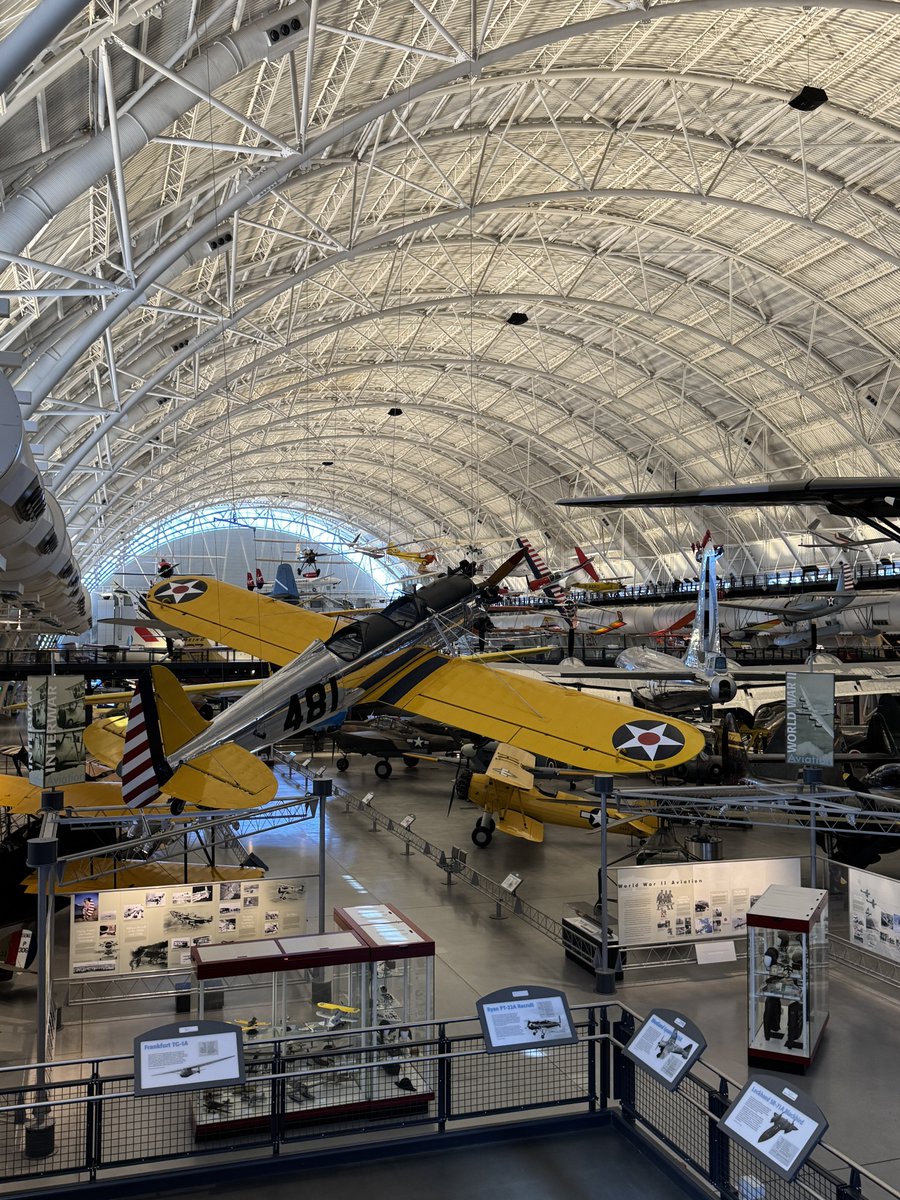
Exploring the legends of flight and the frontiers of space at the National Air and Space Museum in Washington 🇺🇸 ✈️ Morning with various aircraft, from Wright brothers to stealth bombers - a deep dive into aviation history. Building up for Space this afternoon! 👏 🚀
𝐏𝐞𝐫𝐜𝐲 tweet media𝐏𝐞𝐫𝐜𝐲 tweet media𝐏𝐞𝐫𝐜𝐲 tweet media𝐏𝐞𝐫𝐜𝐲 tweet media
English
11
2
67
2K
Mark Jabbal
Mark Jabbal@markjabbal·
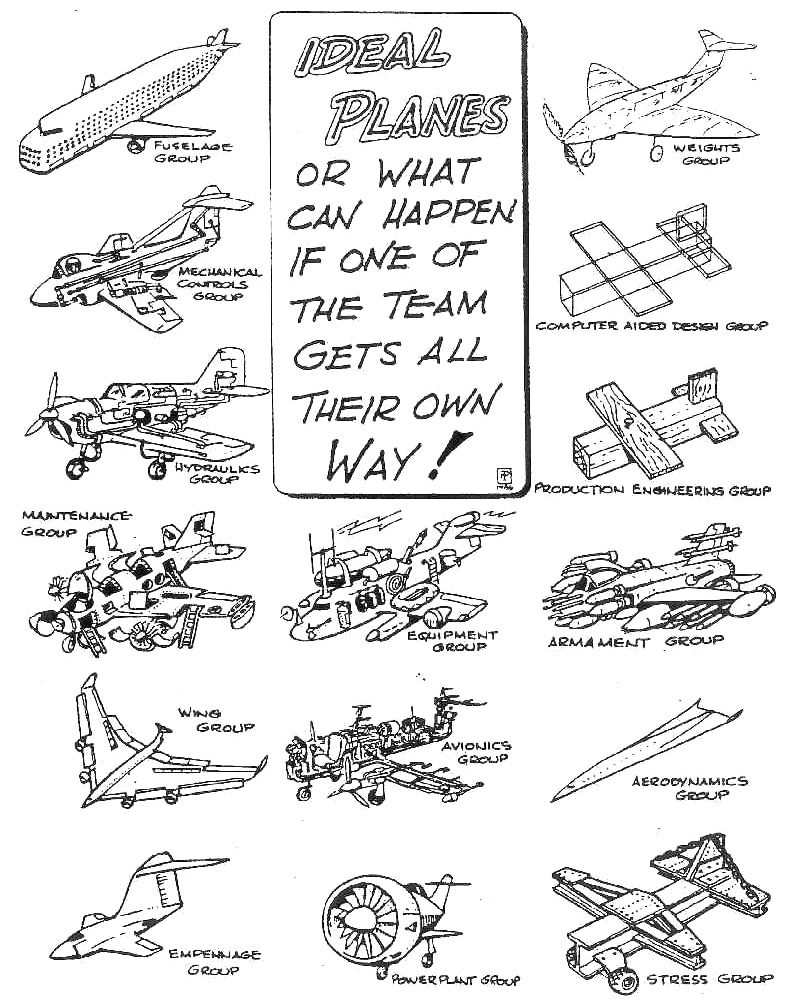
@DrChrisCombs I'm always reminded of this cartoon when I see this aircraft
Mark Jabbal tweet media
English
0
2
19
573
Mark Jabbal retweetledi
Combat Learjet
Combat Learjet@Combat_learjet·
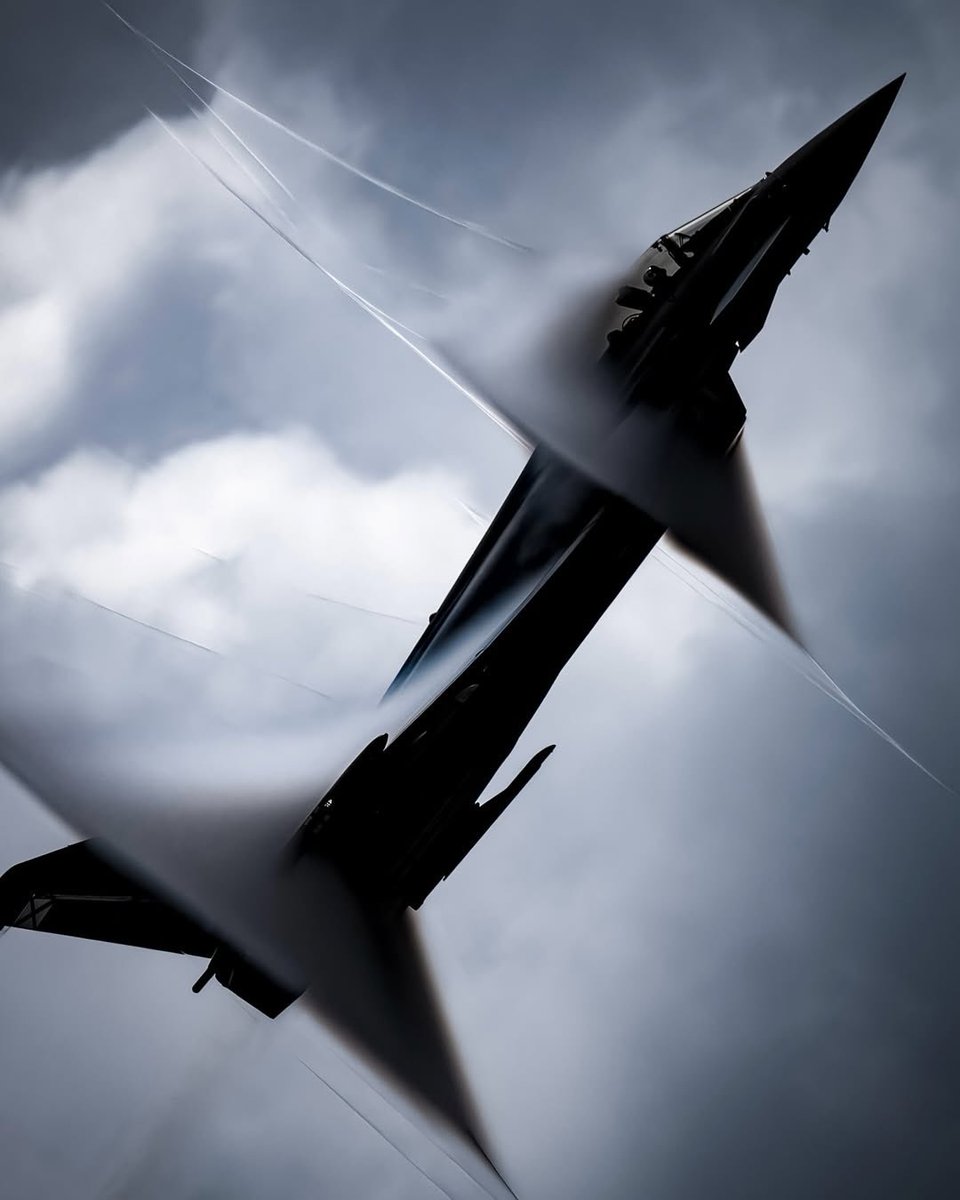
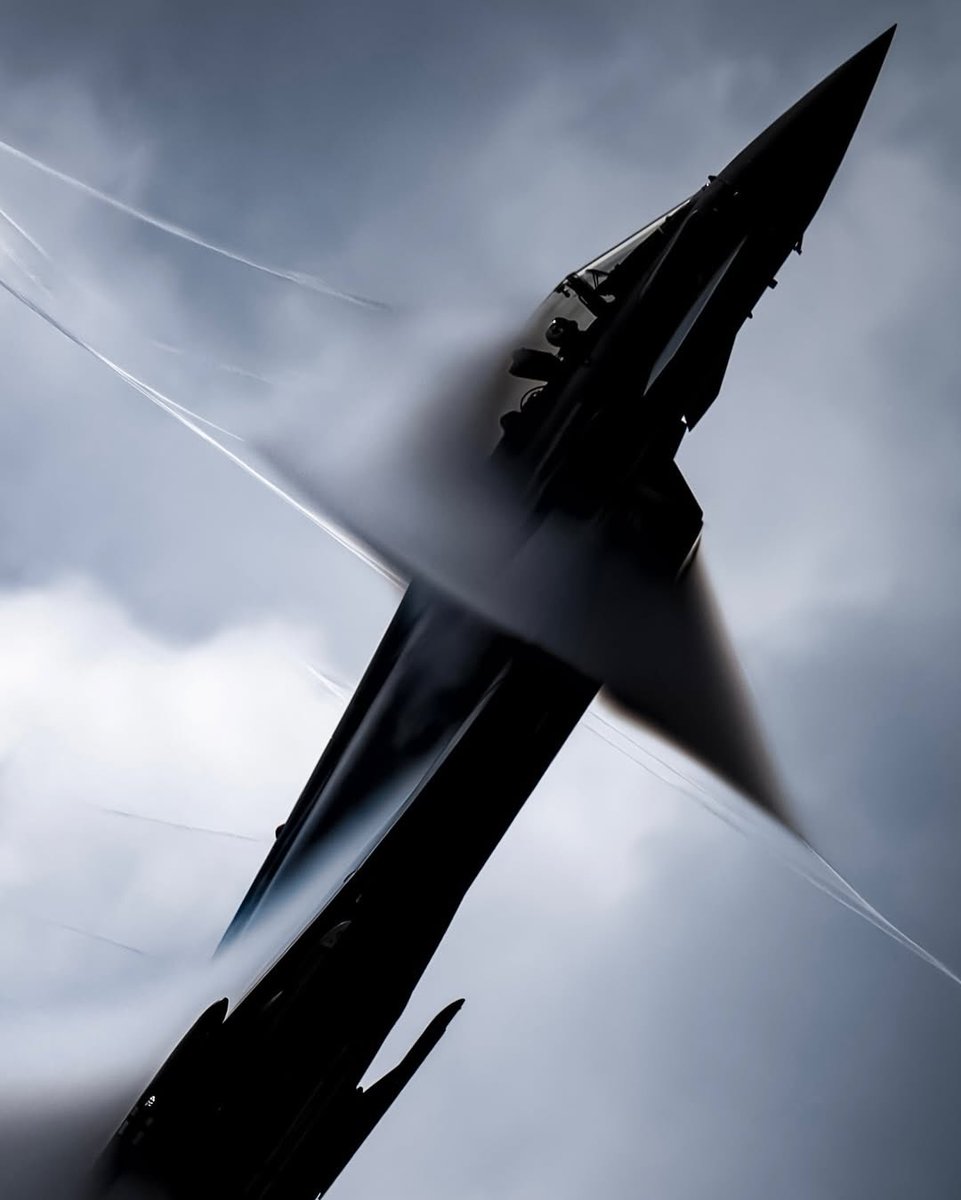
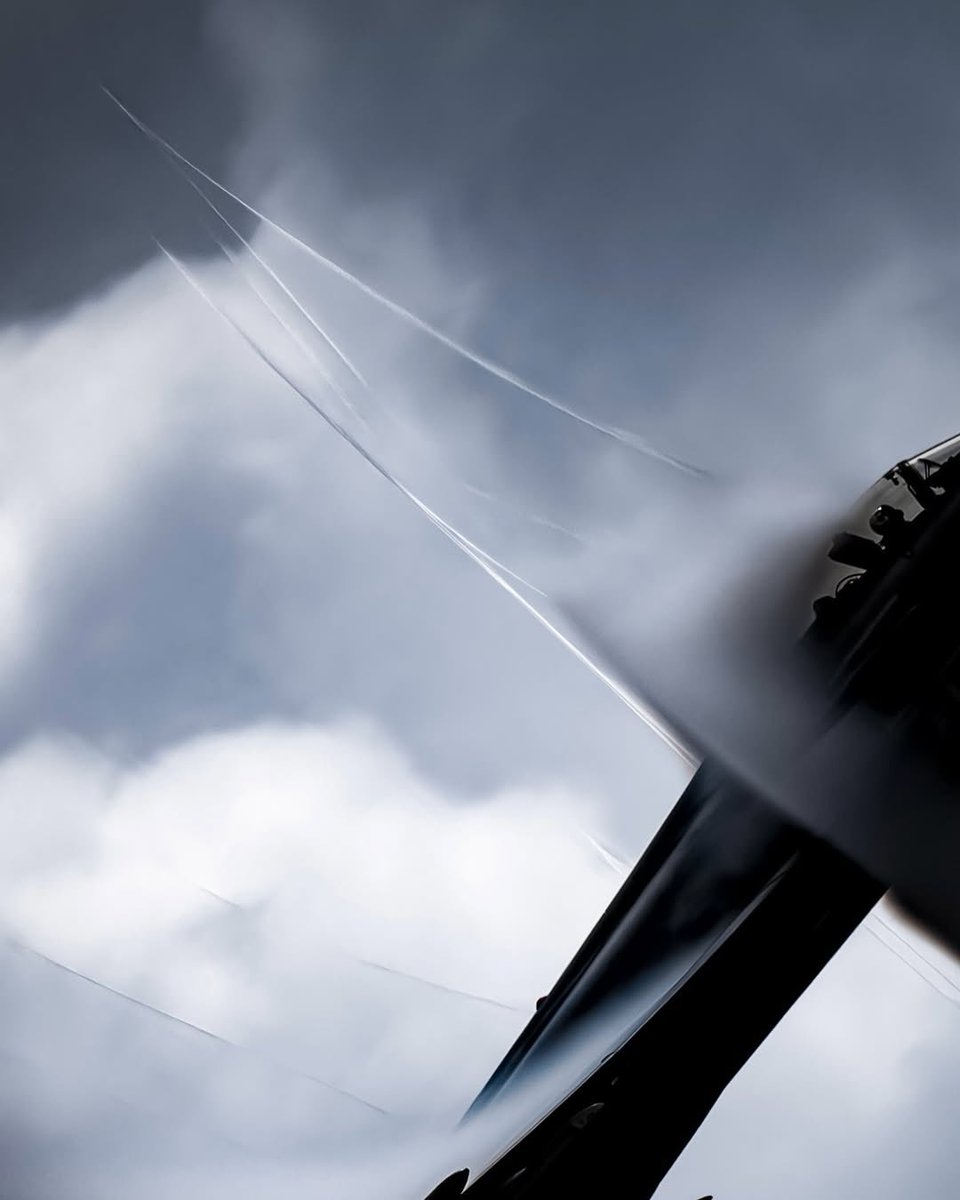
INCREDIBLE capture @ rein_aviationphotography
Combat Learjet tweet mediaCombat Learjet tweet mediaCombat Learjet tweet mediaCombat Learjet tweet media
English
26
174
1.6K
108.5K
Mark Jabbal retweetledi
Hucknall Flight Test Museum
Hucknall Flight Test Museum@HUFTM1916·
Good afternoon and welcome all, the good news is we’re open at the museum and back on X , lots of updates and news to follow very soon.
English
2
2
23
1.5K
Mark Jabbal retweetledi
Operation Spitfire
Operation Spitfire@opspitfire·
Tomorrow we say goodbye to our dear friend Neil Gilson, he has been an inspiration to us all and without him many of the things we have achieved simply wouldn’t have happened. Neil’s funeral will be held at Carmountside Crem at 1pm followed by a burial at Brown Edge Cemetery
Operation Spitfire tweet media
English
0
1
1
149
Mads
Mads@MadsPosting·
Mads tweet media
ZXX
454
7.9K
145.4K
6.3M