Maria Ruzafa

3.9K posts

Maria Ruzafa banner
Maria Ruzafa

Maria Ruzafa

@maruzafa

Enfermera docente e investigadora. Universidad de Murcia

Katılım Eylül 2012
615 Takip Edilen977 Takipçiler
Maria Ruzafa retweetledi
Karl Popper Quotes
Karl Popper Quotes@QuotePopper·
"Intelligence, in the sense of the ability to learn from experience, is a product of natural selection. But its greatest survival value lies not merely in adapting to the environment, but in the ability to criticize and reject ideas. The survival value of intelligence is that it allows us to extinct a bad idea, before the idea extincts us. This is the essence of the critical method: we let our hypotheses die in our stead, as I have often put it. By criticizing our ideas, by testing them against reality, we can avoid the disastrous consequences of acting on false or harmful beliefs. This is what distinguishes human intelligence from the trial-and-error learning of other animals." —Karl Popper, Objective Knowledge: An Evolutionary Approach (1972), Chapter 7, p. 243
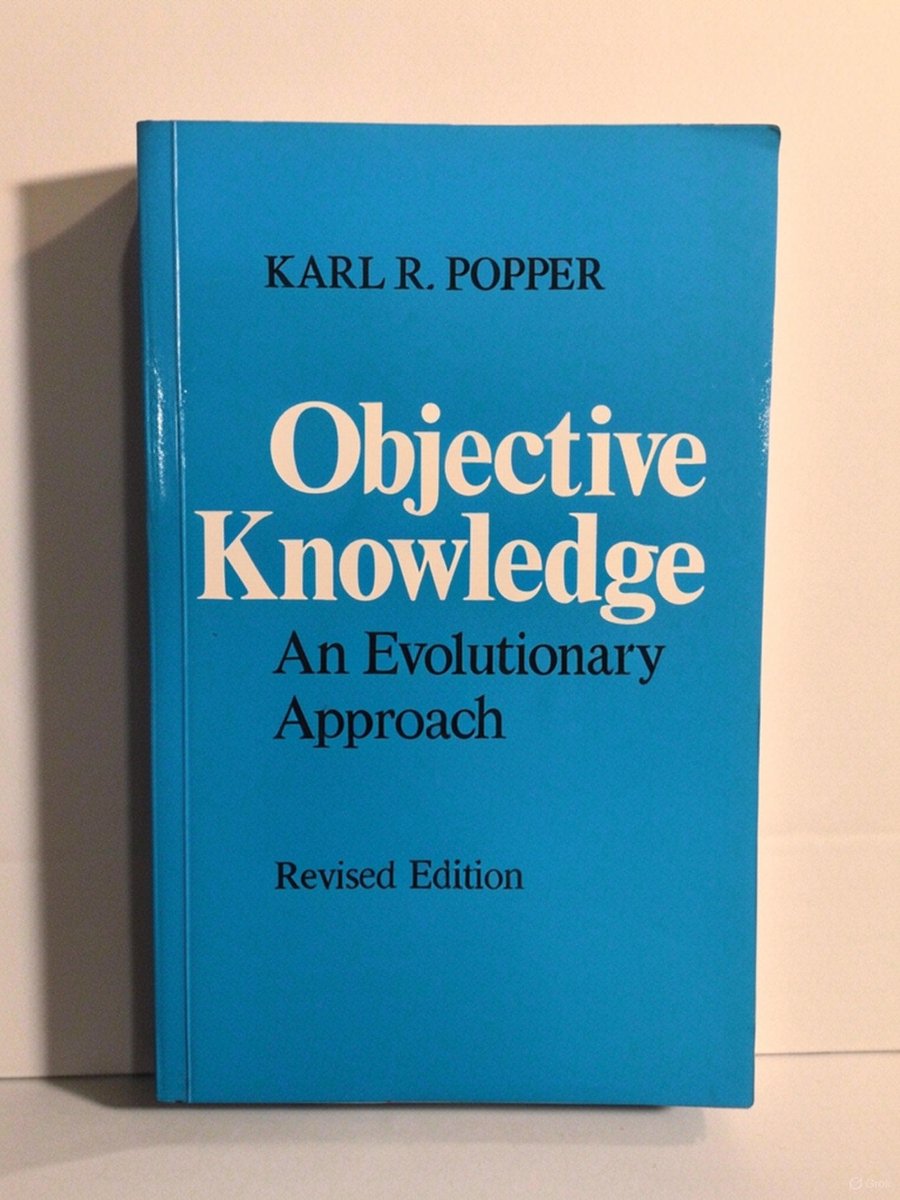
Karl Popper Quotes tweet media
English
51
426
1.6K
70.4K
Maria Ruzafa retweetledi
Darshak Rana ⚡️
Darshak Rana ⚡️@thedarshakrana·
Your smartphone may be performing 2.6 million calculations per second while you scroll, but your brain can only hold 7 pieces of information in working memory at once. That mathematical mismatch explains why every creative professional you know complains about having “no time to think” despite consuming more information than any generation in human history. Dr. Sophie Leroy at the University of Washington discovered something she calls “attention residue.” When you switch from consuming content to creating something, fragments of what you just consumed continue processing in the background of your mind. Her team showed this happening. The prefrontal cortex lights up with activity that has nothing to do with the creative task at hand. You think you’re writing an original email after checking Twitter, but your brain is still running calculations on twelve different conversations you scrolled past. You think you’re solving a design problem after watching YouTube, but part of your mental processing power is still trying to complete thoughts that belonged to strangers. The implications of this research demolish the entire way we think about inspiration and creative input. Every writer, designer, and entrepreneur believes they need to “stay informed” to stay creative. They follow industry blogs, consume case studies, track competitor moves, and absorb thought leadership content because they’ve been told that creativity comes from combining existing ideas in new ways. The attention residue findings suggest the opposite is true. The more frequently you interrupt your mental workspace with external input, the less processing power you have available for original combinations. Your brain doesn’t combine ideas. It gets trapped trying to finish processing ideas that were never yours to begin with. Real creativity happens in the cognitive space between problems, when your mind has nothing to react to and starts making connections that don’t exist in any external source. But that space has to be protected like a crime scene. One notification, one article, one podcast episode can contaminate it for hours. Watch what happens to your thinking patterns when you eliminate information input completely for 72 hours. Most people can’t do it. The withdrawal is physical. Your brain has learned to outsource its entertainment to external feeds, and when those feeds disappear, the silence feels unbearable. But around hour 48, something remarkable occurs. Your internal monologue stops being commentary on things you’ve read and becomes a conversation with ideas that have no clear source. You start building mental models instead of consuming them. You start asking questions that don’t have obvious answers instead of seeking answers to questions other people already asked. I read somewhere that Maya Angelou kept a hotel room with nothing in it but a bed and a notepad because she discovered her best writing happened when her mind had nowhere to go but inward. Tesla could design entire machines in his head and run them mentally for weeks to test for flaws because his cognitive workspace wasn’t cluttered with input from other inventors. Consumption and creation compete less for time and more for same neural pathways. Every piece of content you absorb trains your brain to expect external stimulation instead of generating internal signal. Your best work isn’t waiting for better information. It’s waiting for less information to get in its way.
Darshak Rana ⚡️ tweet media
DAN KOE@thedankoe

The more "informed" you feel, the less capable of thinking you become.

English
15
123
433
28K
Maria Ruzafa retweetledi
Andrés Elías
Andrés Elías@andreseliascom·
Estamos destruyendo nuestra capacidad de concentración y pensamiento: La atención en pantalla cayó de 2.5 minutos en 2004 a solo 47 segundos en 2024. Los usuarios adolescentes ahora cambian entre apps cada 44 segundos. La atención promedio del ser humano pasó de 12 segundos en el año 2000 a 8.25 segundos hoy. Un meta-análisis con datos de 98,299 participantes encontró que el mayor uso de videos cortos está asociado con peor cognición, especialmente en atención (r = -.38) y control inhibitorio (r = -.41). El trabajador promedio es interrumpido cada 3 minutos y toma 23 minutos recuperar la concentración completa después de cada interrupción. Los estudiantes que revisan frecuentemente redes sociales mientras estudian obtienen calificaciones 20% más bajas en exámenes. El contenido rápido de TikTok genera pequeñas descargas de dopamina que crean un ciclo de retroalimentación, donde los usuarios son incentivados a seguir viendo para el próximo video “gratificante”. Los investigadores llaman a este cambio “búsqueda de recompensa” — el cerebro se sintoniza hacia golpes rápidos de dopamina en lugar de esfuerzo enfocado y sostenido.
Español
5
54
97
6K
Maria Ruzafa
Maria Ruzafa@maruzafa·
@ElPaido Para esto sirve la lectura crítica!! Pero es una pena que ocurran estas cosas en la Ciencia
Español
0
0
1
29
El Paido ®️
El Paido ®️@ElPaido·
Hace poco circuló un ECA que reportó como el ácido folínico mejoraba síntomas en niños con TEA. Hoy sabemos algo clave: ESE ARTÍCULO FUE RETRACTADO. Les explico 👇 Hace unos meses se publicó en la European Journal of Pediatrics un ensayo clínico doble ciego que evaluaba ácido folínico oral como tratamiento añadido en niños con trastorno del espectro autista. El estudio reportaba mejoras en escalas clínicas como CARS y CBCL, especialmente en niños con títulos altos de autoanticuerpos contra el receptor de folato. El mensaje que muchos leyeron fue claro “Suplementar con ácido folínico es eficaz y seguro en el TEA”. Pero la historia no terminó ahí. 🔴 El artículo fue retractado oficialmente por la revista. ¿La razón? Tras la publicación, investigadores externos señalaron problemas importantes en los datos y en los análisis estadísticos, varios de ellos discutidos públicamente en PubPeer. 📊 ¿Qué encontró la revisión editorial? • Errores en los resultados reportados en tablas clave • Problemas en los análisis estadísticos • Imposibilidad de reproducir los resultados a partir de la base de datos original Tras una revisión estadística independiente, el editor concluyó algo muy serio 👉 no hay confianza en la validez de los resultados ni de las conclusiones. 👨‍⚕️ Un punto relevante Dos de los autores aceptaron la retractación. Otros autores no respondieron a las comunicaciones del editor. La revista dejó abierta la puerta a que los autores envíen una versión corregida, que tendría que pasar todo el proceso de revisión por pares desde cero. 🧠 ¿Por qué esto es tan importante en psiquiatría infantil? Porque el autismo es un campo especialmente vulnerable a: • expectativas altas • intervenciones “prometedoras” • presión de familias que buscan opciones Un estudio con resultados positivos puede cambiar conductas clínicas… aunque luego resulte ser incorrecto. 💊 Sobre el ácido folínico en TEA Este caso no prueba que el ácido folínico no sirva. Lo que sí demuestra es que este estudio en particular no puede usarse como evidencia. La hipótesis biológica sobre folato y autoanticuerpos sigue siendo una líneade investigación valida, pero la evidencia clínica debe ser sólida, reproducible y transparente. Retractar un artículo no es un fracaso de la ciencia, es una muestra de que el sistema funciona cuando se detectan errores. 🔎 Como clínicos y divulgadores, nuestro deber es este • no sobreinterpretar resultados preliminares • revisar críticamente la evidencia • actualizar nuestra postura cuando la evudencia cambia ¿Qué opinan? Fuente: link.springer.com/article/10.100…
El Paido ®️ tweet media
Español
3
6
41
1.7K
Maria Ruzafa
Maria Ruzafa@maruzafa·
@DarioEpstein @YouTube No sé si está en lo cierto Harari, pero tenemos delante un gran desconocido, de capacidades impredecibles y deberíamos ser muy cautelosos!!
Español
0
0
0
15
Maria Ruzafa retweetledi
Dario Epstein
Dario Epstein@DarioEpstein·
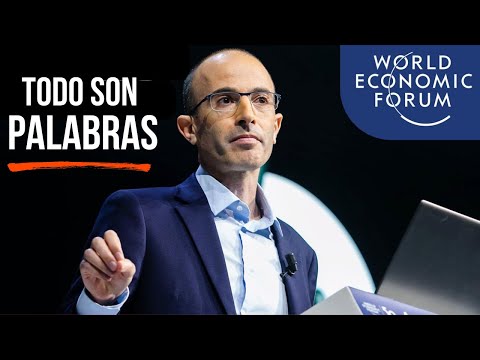
Una breve conferencia de Yuval Harari sobre IA. Son 20 minutos y vale la pena escucharlo. No es técnico y nos da su vision de lo que vendrá. Esta vez en español!!! Yuval Noah Harari: la IA dominará lo hecho de palabras, incluido religió... youtu.be/CIg0JSlpU8U?si… vía @YouTube
YouTube video
YouTube
Español
56
495
1.5K
277.5K
Maria Ruzafa
Maria Ruzafa@maruzafa·
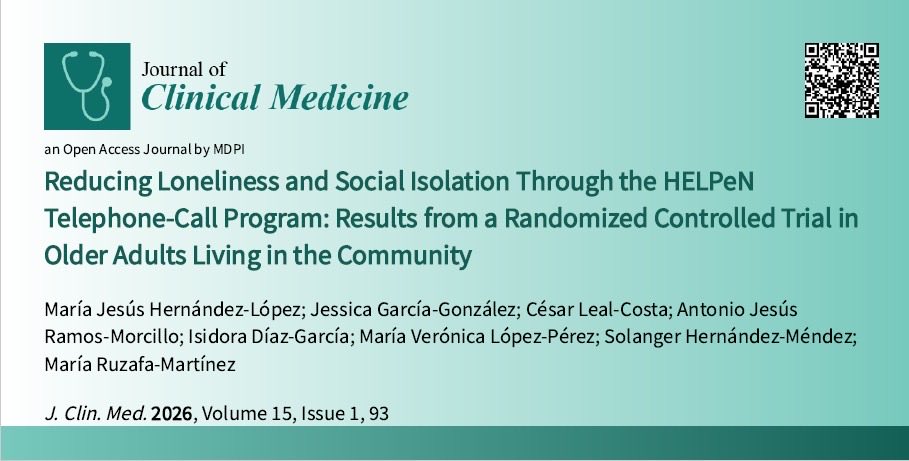
@HELPeN_UM @JCM_MDPI Ha sido un placer participar en este proyecto!!! Además de que sus resultados son muy esperanzadores 👏🏼👏🏼👏🏼. Gracias a las compañeras que han hecho posible el proyecto y las alumnas voluntarias ❤
Español
0
0
3
41
Maria Ruzafa retweetledi
Proyecto HELPeN
Proyecto HELPeN@HELPeN_UM·
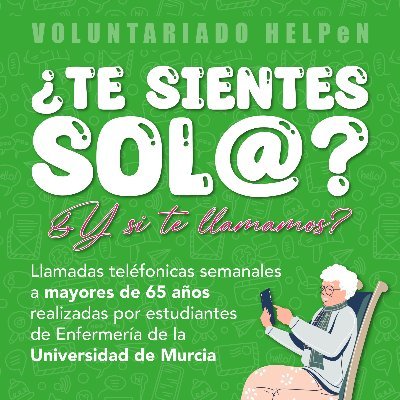
📞 Una llamada puede marcar la diferencia 💙 HELPeN, intervención telefónica realizada por estudiantes de #Enfermería, reduce la soledad y el aislamiento en personas mayores. 🤍 Más apoyo social ☺️ Menos síntomas depresivos 🧠 Mejor función cognitiva @JCM_MDPI
Proyecto HELPeN tweet media
Español
1
8
12
404
Maria Ruzafa retweetledi
Pablo Malo
Pablo Malo@pitiklinov·
"Esto es una locura 🤯 Un nuevo sistema llamado Paper2Video puede leer un artículo científico y crear automáticamente una presentación en video completa con diapositivas, narración, subtítulos e incluso una entrevista con el autor. Se llama PaperTalker y superó a los vídeos hechos por humanos en las pruebas de comprensión. Horas de edición de vídeos académicos... desaparecidas. La IA ahora explica tu investigación mejor que tú."
Chris Laub@ChrisLaubAI

This is insane 🤯 A new system called Paper2Video can read a scientific paper and automatically create a full presentation video slides, narration, subtitles, even a talking head of the author. It’s called PaperTalker, and it beat human-made videos in comprehension tests. Hours of academic video editing... gone. AI now explains your research better than you do. 👉 github. com/showlab/Paper2Video

Español
43
852
3.8K
303.2K
Maria Ruzafa retweetledi
Alberto Garzón🔻
Alberto Garzón🔻@agarzon·
La industria de las publicaciones científicas está matando al pensamiento científico, convirtiendo las universidades en fábricas de churros-papers, aislando el pensamiento crítico y, cómo no, haciendo muy ricos a unos pocos. Menudo desastre. elpais.com/ciencia/2025-1…
Español
46
249
751
54.8K
Maria Ruzafa retweetledi
Ismael Sanz
Ismael Sanz@sanz_ismael·
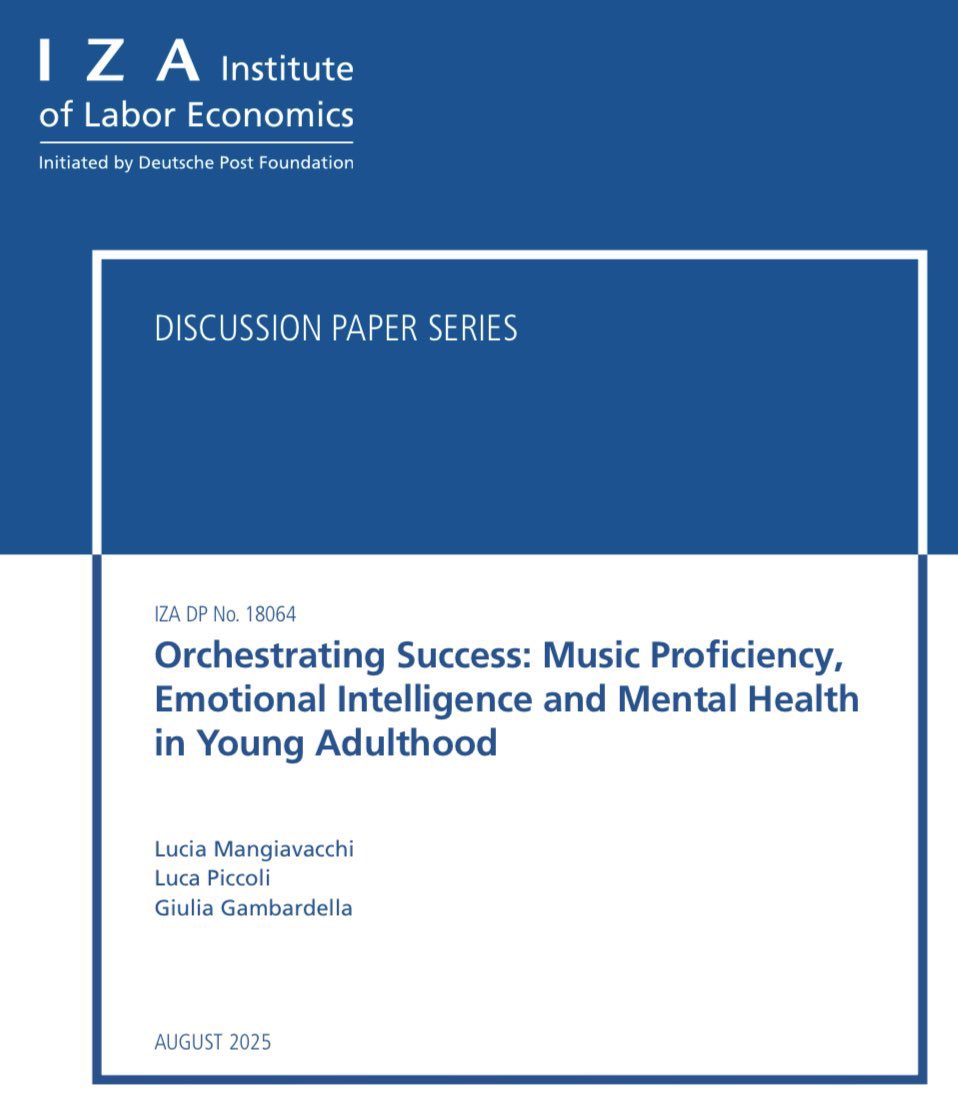
🎶 Un nuevo estudio encuentra que la formación musical en la adolescencia tiene efectos causales a largo plazo: mejora la inteligencia emocional, la motivación y la adaptabilidad, y reduce depresión y ansiedad. 👉 La música como inversión en capital humano y bienestar. docs.iza.org/dp18064.pdf
Ismael Sanz tweet media
Español
4
187
529
24.8K
Maria Ruzafa retweetledi
Net-Learning
Net-Learning@netlearning20·
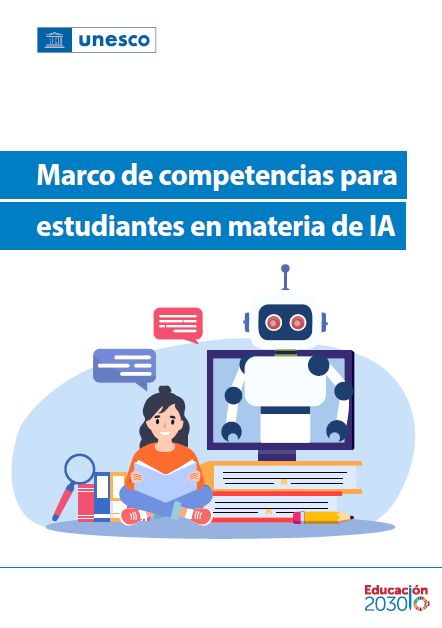
La @UNESCO publicó el Marco de Competencias en IA para Estudiantes (2025): una guía global para integrar la IA en los currículos y formar ciudadanos críticos, creativos y responsables. Incluye 12 competencias en ética, pensamiento humanista, fundamentos técnicos y diseño de sistemas. 📘 Documento: unesdoc.unesco.org/ark:/48223/pf0… #IA #educación
Net-Learning tweet media
Español
5
342
673
36.9K
Maria Ruzafa retweetledi
Scholarship for PhD
Scholarship for PhD@ScholarshipfPhd·
Every researcher's nightmare: "Your sample size is too small to detect that effect." This open-access paper in Frontiers in Medicine solves that problem BEFORE you collect data. "How to calculate sample size in animal and human studies" by Zhang & Hartmann breaks down: ✓ What is statistical power? (and why 0.8 isn't magic) ✓ How to choose effect size ✓ What to do when you have pilot data ✓ What to do when you have NO pilot data ✓ How to account for dropouts ✓ Actual G*Power screenshots with parameters filled in The paper includes worked examples for: - Comparing two proportions - Comparing two means - Studies with unequal group sizes - Studies expecting attrition The hard truth: Most underpowered studies aren't because researchers are careless. They're because sample size calculation is genuinely confusing and rarely taught well. This paper treats you like an intelligent person who just needs clear explanation and practical examples. Read it before you write your next ethics application or grant proposal. Your future self (and your reviewers) will thank you.
Scholarship for PhD tweet media
English
7
283
1.4K
102.7K
Razia Aliani
Razia Aliani@RaziaAliani·
I've met tons of researchers who hate stats! If you're one of these, this book is for you ⤵️ Save (with 𝘤𝘭𝘪𝘱𝘱𝘦.𝘮𝘦) & Repost The author says it perfectly: "The most important concepts of statistics can be explained, so that ordinary people can understand it." — No complex formulas. — No expensive software needed. — Just spreadsheets & clear thinking. The book covers: — Sample surveys — Data presentation — Confidence intervals — Statistical tests Written for people who need to collect data. — Analyze results. — Present findings. But don't want to become mathematicians. Real examples throughout. — Like the Fitness Club survey with 30 kids. Shows you exactly how to spot bias. When to use different tests. How to avoid common mistakes. Perfect for public health researchers. Statistics doesn't have to be scary. (𝘢𝘵𝘭𝘦𝘢𝘴𝘵 𝘪𝘯 𝘵𝘩𝘦 𝘣𝘦𝘨𝘪𝘯𝘯𝘪𝘯𝘨) 💬 Comment if you'd like a link to download this book!
Razia Aliani tweet media
English
669
875
5.4K
417.5K
Maria Ruzafa retweetledi
Emmanuel Tsekleves
Emmanuel Tsekleves@PhDtoProf·
Most PhD students struggle with academic writing. Their research is solid but writing doesn't reflect expertise. Harvard College Writing Center created a FREE 33-page comprehensive guide. Same writing system that trains future leaders. Zero cost.
Emmanuel Tsekleves tweet media
English
21
499
3.2K
167.3K
Maria Ruzafa retweetledi
SEDAR
SEDAR@sedar_es·
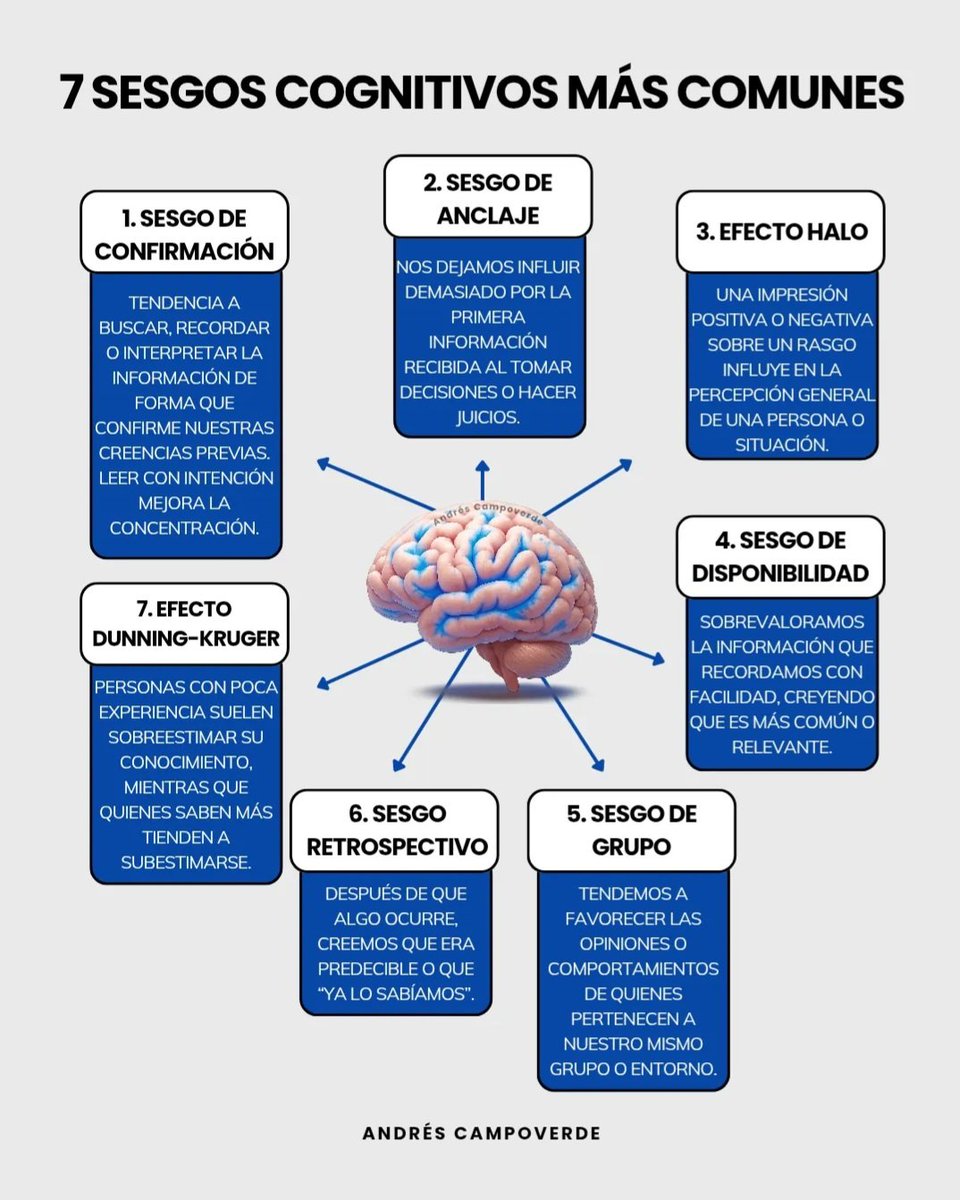
#DocenciaSEDAR 🧠 Los sesgos cognitivos son atajos mentales que pueden distorsionar cómo percibimos la realidad. No solo existe el sesgo de fijación, hay muchos otros igualmente ilustrativos y relevantes en nuestra práctica clínica.
SEDAR tweet media
Español
0
18
39
1.8K
Maria Ruzafa retweetledi
Steven Pinker
Steven Pinker@sapinker·
The Hypocrisy Trap: How Changing What We Criticize Can Improve Our Lives - by behavioral economist Michael Hallsworth. Overlaps with my analysis of "rational hypocrisy" in When Everyone Knows That Everyone Knows... Hypocrisy can maintain the common-knowledge understanding that is the basis of social relationships like friendship, romance, and deference while permitting transactions that contradict it. amazon.com/Hypocrisy-Trap…
English
0
22
162
52.1K
Maria Ruzafa retweetledi
Miguel A. Méndez-Rojas
Miguel A. Méndez-Rojas@nanoprofe·
El Foro Económico Mundial identificó las habilidades básicas para 2030 que marcarán el futuro del trabajo. El cambio más relevante: muchas competencias que hoy son fundamentales comenzarán a perder protagonismo, mientras emergen otras ligadas al pensamiento crítico, la tecnología y la adaptabilidad. Entre las más destacadas: 🔹 Alfabetización tecnológica: comprender cómo funciona la tecnología será tan importante como saber usarla. 🔹 Pensamiento analítico y crítico: interpretar información, resolver problemas y tomar decisiones con criterio. 🔹 Curiosidad y aprendizaje continuo: aprender a aprender será la competencia clave en entornos cambiantes. 🔹 Resiliencia y flexibilidad: afrontar la incertidumbre con equilibrio y capacidad de adaptación. Tenemos ante nosotros el reto de incorporar la tecnología como la IA en el proceso de enseñanza-aprendizaje, así como fortalecer las habilidades socioemocionales y aportar experiencias que preparen para aprender aún ya siendo profesional. Fuente: Foro Económico Mundial — Future of Jobs Report
Miguel A. Méndez-Rojas tweet media
Español
47
1.3K
3.6K
300.3K
Maria Ruzafa retweetledi
Ismael Sanz
Ismael Sanz@sanz_ismael·
La pobreza léxica suele degenerar en pobreza cognitiva." El empobrecimiento del lenguaje no solo afecta al pensamiento, sino que también amplía la brecha social ethic.es/entrevista-jos…
Ismael Sanz tweet media
Español
30
662
2K
83.8K
Maria Ruzafa retweetledi
V. Ramgopal Rao, Ph.D.
V. Ramgopal Rao, Ph.D.@ramgopal_rao·
A recent study (shared below) reminded me that 𝐰𝐡𝐚𝐭 𝐦𝐚𝐤𝐞𝐬 𝐚 𝐏𝐡𝐃 𝐬𝐭𝐮𝐝𝐞𝐧𝐭 𝐡𝐚𝐩𝐩𝐲 𝐢𝐬 𝐧𝐨𝐭 𝐩𝐮𝐛𝐥𝐢𝐜𝐚𝐭𝐢𝐨𝐧𝐬 𝐨𝐫 𝐬𝐭𝐢𝐩𝐞𝐧𝐝𝐬, 𝐛𝐮𝐭 𝐠𝐨𝐨𝐝 𝐬𝐮𝐩𝐞𝐫𝐯𝐢𝐬𝐢𝐨𝐧. Over the years, I have supervised 53 PhD students, and I can say with conviction that 𝘁𝗵𝗲𝗿𝗲 𝗶𝘀 𝗻𝗼 𝘀𝗶𝗻𝗴𝗹𝗲 𝘀𝘂𝗽𝗲𝗿𝘃𝗶𝘀𝗼𝗿𝘆 𝘀𝘁𝘆𝗹𝗲 that works for all. Each student is different, and every PhD journey has its ups and downs. With some students, I spent a disproportionate amount of time helping them gain confidence. With stronger ones, my role was to 𝗴𝘂𝗶𝗱𝗲 𝘁𝗵𝗲𝗺 𝘂𝗻𝘁𝗶𝗹 𝘁𝗵𝗲𝘆 𝗳𝗼𝘂𝗻𝗱 𝘁𝗵𝗲 𝗿𝗶𝗴𝗵𝘁 𝗽𝗿𝗼𝗯𝗹𝗲𝗺 𝗮𝗻𝗱 𝗯𝗲𝗰𝗮𝗺𝗲 𝘀𝗲𝗹𝗳-𝗱𝗿𝗶𝘃𝗲𝗻. 𝗘𝗺𝗽𝗮𝘁𝗵𝘆 𝗺𝗮𝘁𝘁𝗲𝗿𝘀. Unless a student gets genuinely interested in what he or she is doing, great work rarely happens. A good 𝘀𝘂𝗽𝗲𝗿𝘃𝗶𝘀𝗼𝗿 𝗺𝘂𝘀𝘁 𝗮𝗹𝘀𝗼 𝗵𝗮𝘃𝗲 𝗴𝗼𝗼𝗱 𝗿𝗲𝗹𝗮𝘁𝗶𝗼𝗻𝘀𝗵𝗶𝗽𝘀 𝘄𝗶𝘁𝗵 𝗰𝗼𝗹𝗹𝗲𝗮𝗴𝘂𝗲𝘀. I never restricted my students from seeking advice from other faculty. In fact, I always encouraged it and built a network they could freely approach. I also followed an 𝗼𝗽𝗲𝗻-𝗱𝗼𝗼𝗿 𝗽𝗼𝗹𝗶𝗰𝘆 - any student could walk into my office anytime for advice. I never had a lab of my own in any institution I worked at. Instead, I built common labs, shared by all, to promote collaboration and collective ownership. I have always believed that the 𝗯𝗲𝘀𝘁 𝗿𝗲𝘀𝗲𝗮𝗿𝗰𝗵 𝗲𝗻𝘃𝗶𝗿𝗼𝗻𝗺𝗲𝗻𝘁𝘀 𝗮𝗿𝗲 𝘁𝗵𝗼𝘀𝗲 𝘄𝗵𝗲𝗿𝗲 𝗽𝗲𝗼𝗽𝗹𝗲 𝗮𝗻𝗱 𝗳𝗮𝗰𝗶𝗹𝗶𝘁𝗶𝗲𝘀 𝗮𝗿𝗲 𝘀𝗵𝗮𝗿𝗲𝗱, 𝗻𝗼𝘁 𝗼𝘄𝗻𝗲𝗱. I have always taken 𝗽𝗲𝗿𝘀𝗼𝗻𝗮𝗹 𝗿𝗲𝘀𝗽𝗼𝗻𝘀𝗶𝗯𝗶𝗹𝗶𝘁𝘆 𝗳𝗼𝗿 𝗲𝗻𝘀𝘂𝗿𝗶𝗻𝗴 𝘁𝗵𝗮𝘁 𝗺𝘆 𝗣𝗵𝗗 𝘀𝘁𝘂𝗱𝗲𝗻𝘁𝘀 𝗳𝗶𝗻𝗱 𝘁𝗵𝗲𝗶𝗿 𝗳𝗶𝗿𝘀𝘁 𝗷𝗼𝗯 𝗮𝗳𝘁𝗲𝗿 𝗴𝗿𝗮𝗱𝘂𝗮𝘁𝗶𝗼𝗻. Since most of them worked on industry-supported projects, this was never a problem. Nearly 90% of my PhD students wrote their first peer-reviewed paper with me. Unlike in the US, where professors often get students with prior research experience, 𝗶𝗻 𝗜𝗻𝗱𝗶𝗮 𝘄𝗲 𝘄𝗼𝗿𝗸 𝘄𝗶𝘁𝗵 𝗿𝗮𝘄 𝘁𝗮𝗹𝗲𝗻𝘁 𝗮𝗻𝗱 𝗵𝗲𝗹𝗽 𝘀𝗵𝗮𝗽𝗲 𝘁𝗵𝗲𝗺 𝗶𝗻𝘁𝗼 𝗰𝗮𝗽𝗮𝗯𝗹𝗲 𝗿𝗲𝘀𝗲𝗮𝗿𝗰𝗵𝗲𝗿𝘀. Faculty in Indian institutions (at least in the institutions where I worked so far - IIT Bombay, IIT Delhi and BITS Pilani) often put in far more time and effort per student than many of our counterparts abroad. The 𝗿𝗲𝗮𝗹 𝗿𝗲𝘄𝗮𝗿𝗱 𝗰𝗼𝗺𝗲𝘀 𝗳𝗿𝗼𝗺 𝘀𝗲𝗲𝗶𝗻𝗴 𝘀𝘁𝘂𝗱𝗲𝗻𝘁𝘀 𝘁𝗿𝗮𝗻𝘀𝗳𝗼𝗿𝗺 𝗶𝗻𝘁𝗼 𝗰𝗼𝗻𝗳𝗶𝗱𝗲𝗻𝘁 𝗿𝗲𝘀𝗲𝗮𝗿𝗰𝗵𝗲𝗿𝘀, 𝗶𝗻𝗻𝗼𝘃𝗮𝘁𝗼𝗿𝘀, 𝗮𝗻𝗱 𝘁𝗲𝗮𝗰𝗵𝗲𝗿𝘀. That makes everything worthwhile.
V. Ramgopal Rao, Ph.D. tweet media
English
44
720
3.2K
371K