I was asked this year to present a story about the development of @matnsaz at the design conference @typodiversity. Was honored to share research on the history of Urdu typography, and how we can build a new keyboards for Arabic Script. On YouTube now:
youtube.com/watch?v=hJl68W…
@SheyxAhmed Yes, sadly we’ve been unable to fix this issue despite studying it for a while. The problem is a delayed response to touching down close to the edge of the screen. Will keep trying to investigate a fix!
The latest version of Matnsaz has our fastest, smartest AutoCorrect yet. Matnsaz now automatically fixes extra, missing or switched letters. It also uses an improved language model built with a more refined version of our underlying Makhzan dataset.
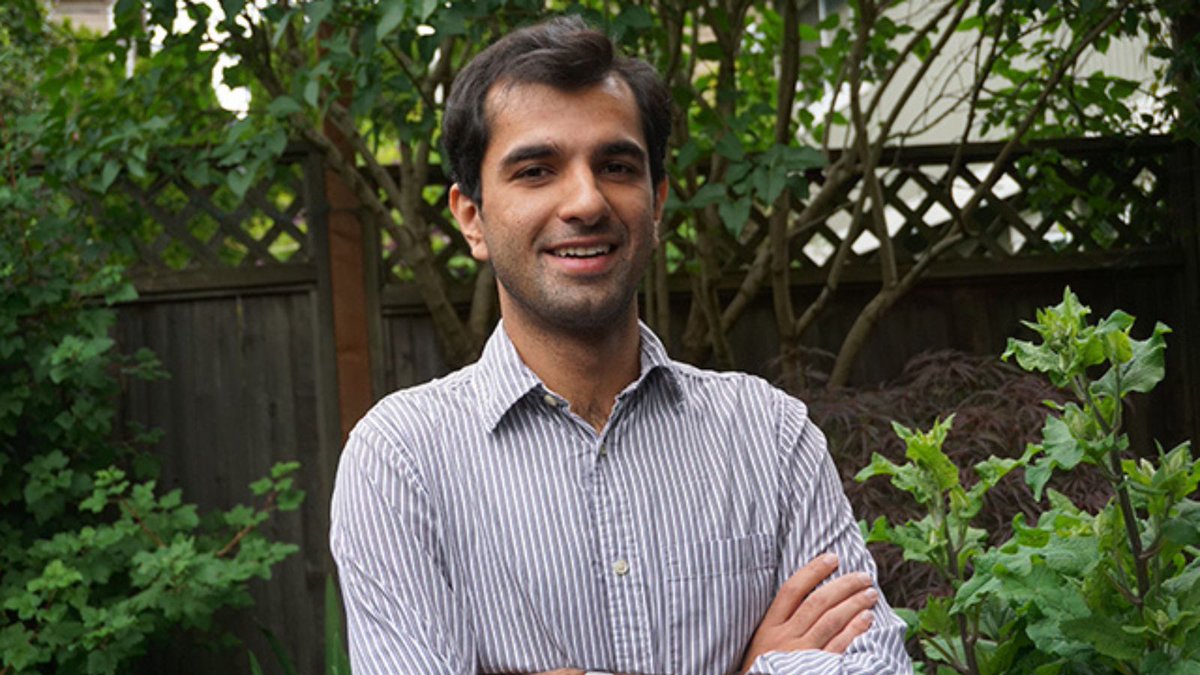
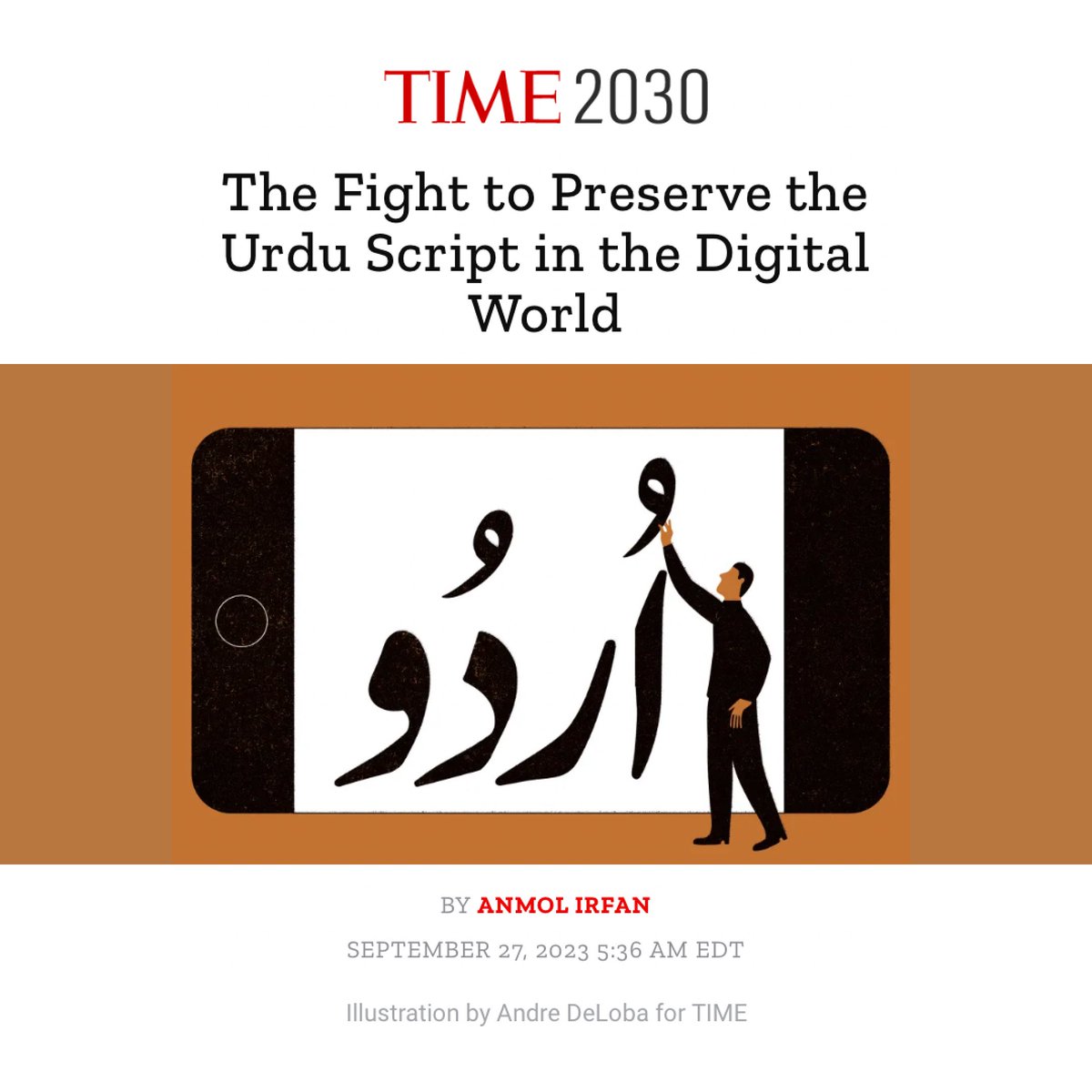
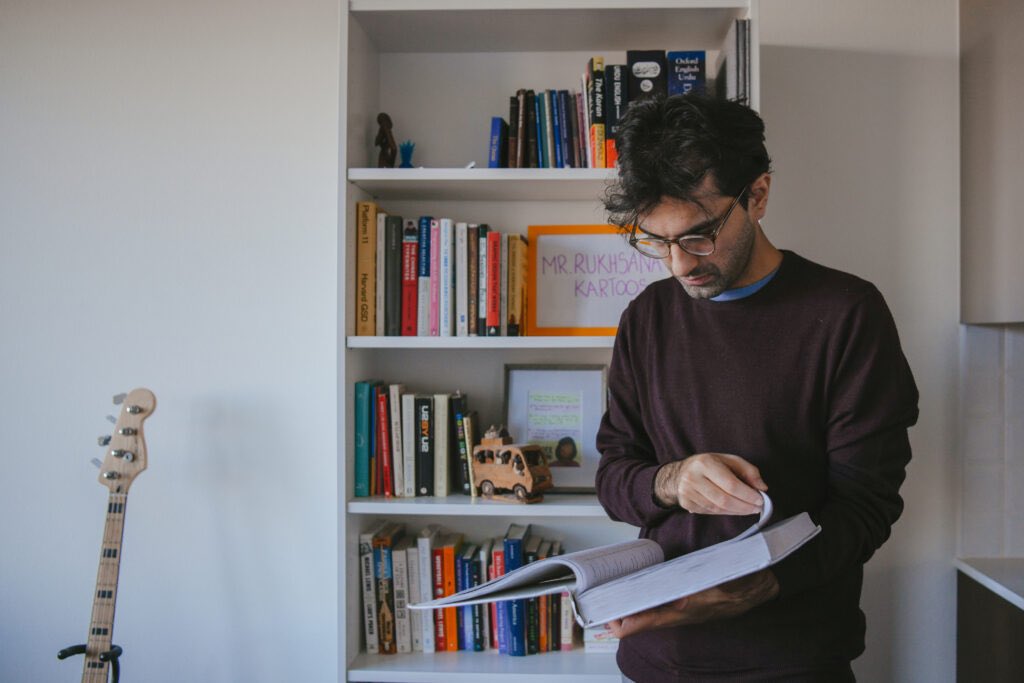
MDE alum Zeerak Ahmed featured in @TIME for Matnsaz, an iOS app that offers a refined Urdu digital keyboard, autocorrect options and word suggestions. He began developing the app as a thesis project for his MDE, run jointly by SEAS and @HarvardGSD. buff.ly/46IdTJb
.@zeerakahmed (MDE '18) was frustrated at the lack of options for computing in Urdu. Last year he launched @Matnsaz, an app that offers an Urdu keyboard that groups letters by shape, autocorrects, and even suggests subsequent words.
time.com/6317817/urdu-n…
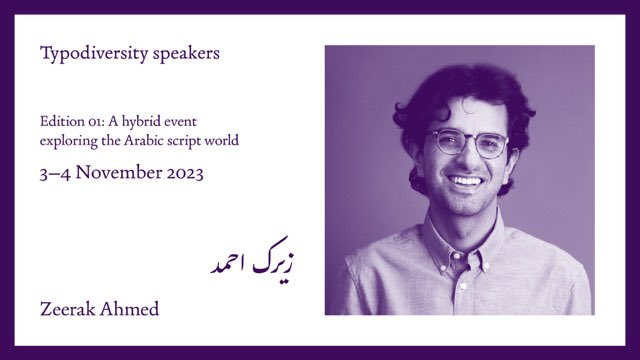
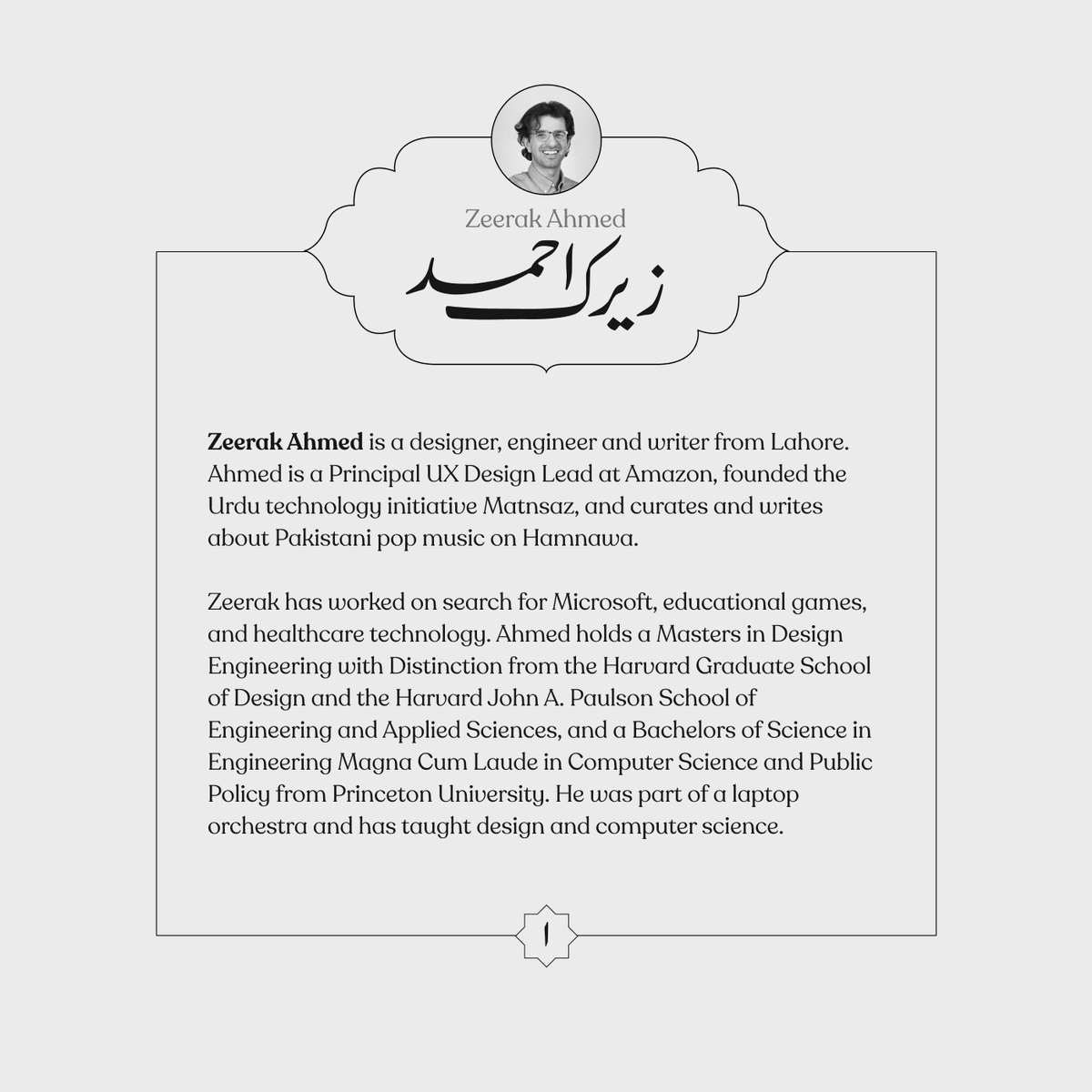
@zeerakahmed will speak at Typodiversity on November 3 and 4. Zeerak is a designer, engineer, and writer who founded the Urdu technology initiative @matnsaz.
Please register in advance and join us either in person or online.
typodiversity.net
Matnsaz is the beginning of our journey to modernise software for the Urdu language. By understanding the historical failures of language technology design, we created innovations that were previously overlooked.
Read more about our journey here. 4/4
mde.harvard.edu/zeerak-ahmed-m…
Does this mean that an Urdu speaker will always be doomed to use subpar software – or not engage meaningfully with the modern world in their native language at all?
This is why we began work on Matnsaz, a breakthrough keyboard technology for Urdu. 3/4
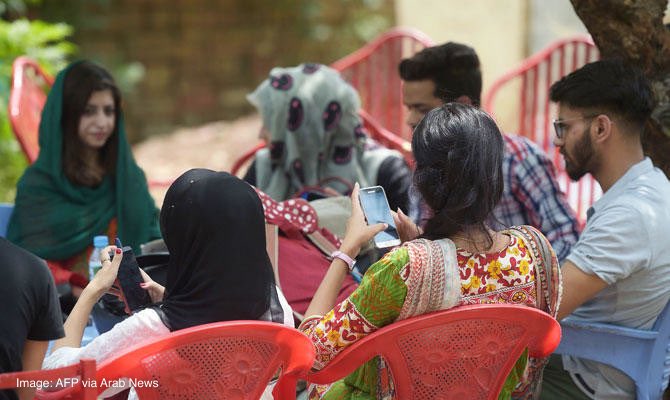
Across Pakistan, computers and smartphones are used in English, even though most of the population does not speak the language. People are unable to access technology in their local language so they have to resort to typing in the “roman” script … 1/4