mcwood

3.2K posts

mcwood banner
mcwood

mcwood

@mcwood75

Katılım Temmuz 2009
445 Takip Edilen56 Takipçiler
mcwood
mcwood@mcwood75·
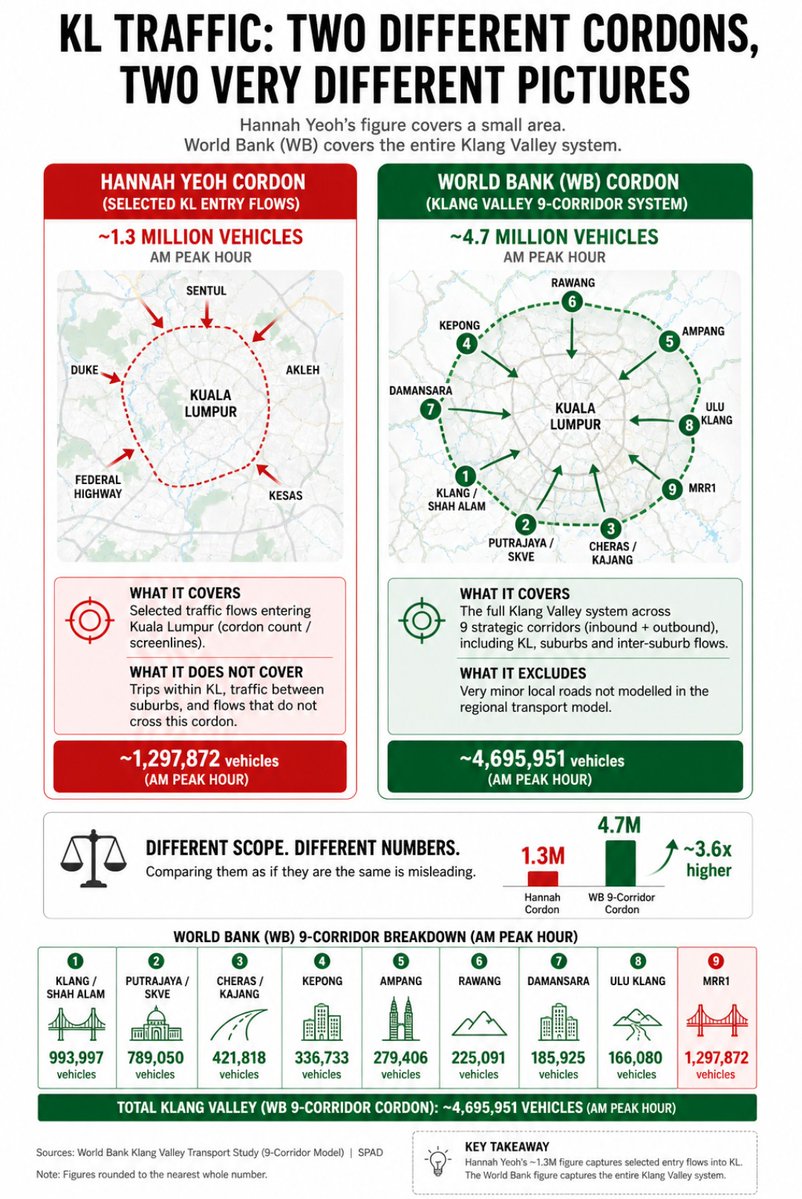
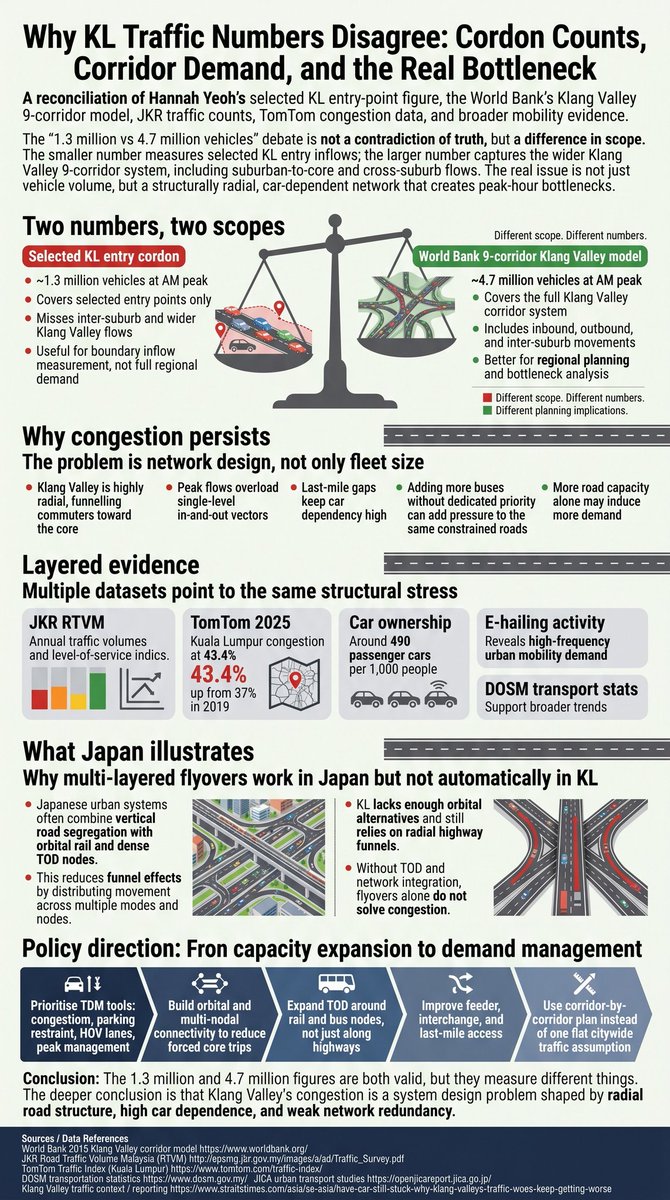
@khalidkarim @xai @grok Japan cities combine multi-layered roads orbital rail, dense TOD, and strong mode separation. KL KV is still radial and car-dependent so buses and flyovers alone cannot clear peak bottlenecks with suburban-to-core flows funnelled into limited in-and-out vectors.
mcwood tweet media
English
1
0
0
10
mcwood
mcwood@mcwood75·
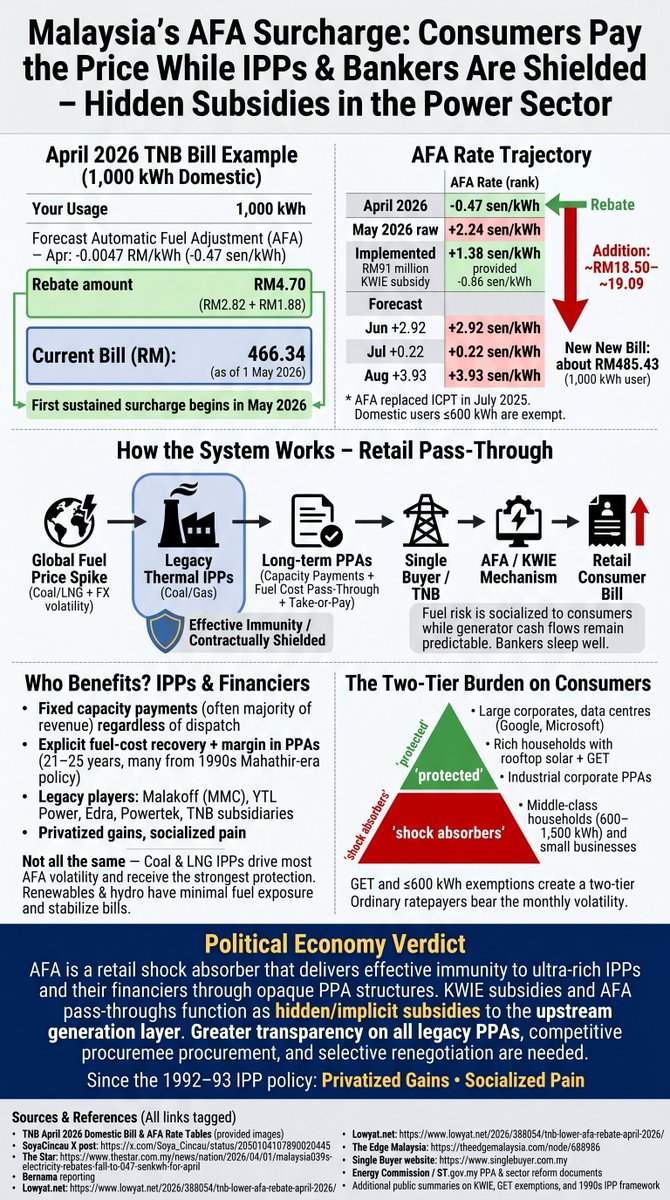
@Soya_Cincau @xai @grok Privatized gains for upstream IPPs, socialized pain for downstream consumers Consumers absorb fuel volatility via retail pass-through while legacy thermal IPPs enjoy effective immunity through PPAs. Hidden subsidies to generators & bankers.
mcwood tweet media
English
1
0
0
40
SoyaCincau
SoyaCincau@Soya_Cincau·
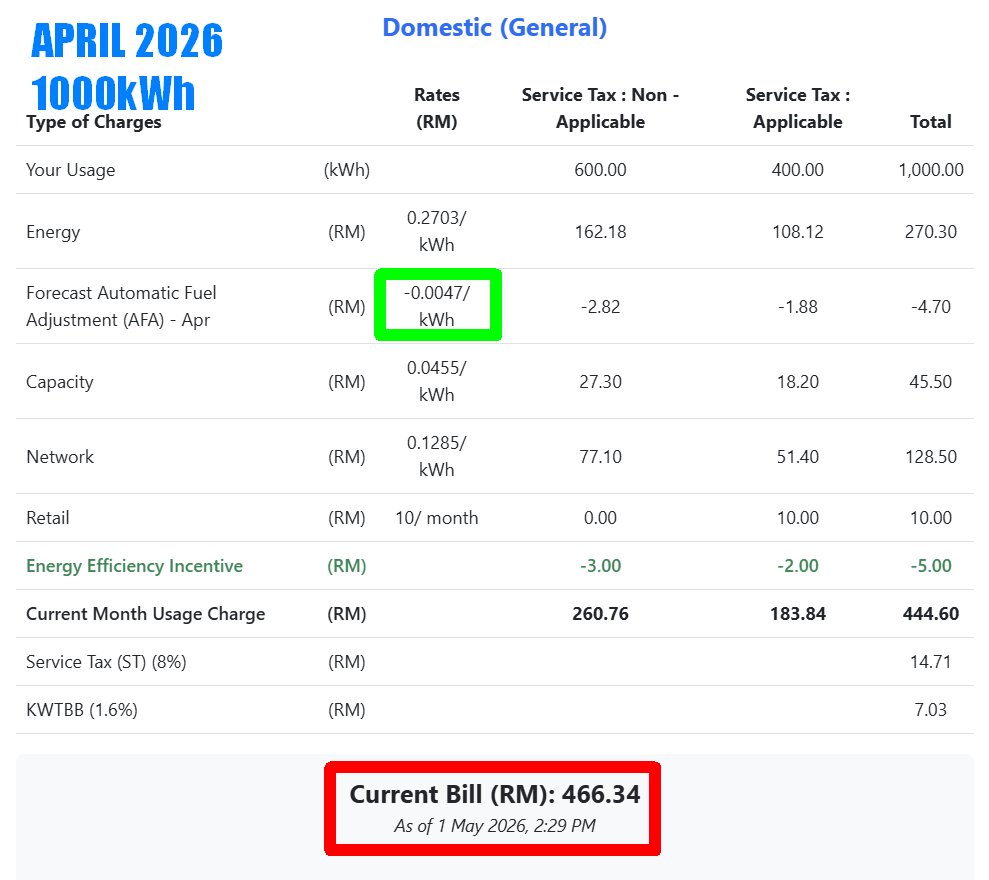
𝐓𝐍𝐁 𝐁𝐢𝐥𝐥 𝐟𝐨𝐫 𝐌𝐚𝐲 𝐭𝐨 𝐢𝐧𝐜𝐫𝐞𝐚𝐬𝐞 𝐬𝐥𝐢𝐠𝐡𝐭𝐥𝐲 𝐰𝐢𝐭𝐡 𝐀𝐅𝐀 𝐬𝐮𝐫𝐜𝐡𝐚𝐫𝐠𝐞 𝐨𝐟 𝟏.𝟑𝟖 𝐬𝐞𝐧 𝐩𝐞𝐫 𝐤𝐖𝐡 The Automatic Fuel Adjustment (AFA) rate becomes a surcharge (instead of rebate) for the first time since it was introduced on 1st July 2025. The AFA is a mechanism that adjusts based on the market cost of fuel (gas, coal, etc.) and foreign exchange rates. When prices are low, it results in a rebate, but if there’s a spike, it will be reflected as a surcharge. This replaces the previous ICPT (Imbalance Cost Pass-Through). Compared to April 2026 (rebate of 0.47sen/kWh), the AFA for May will be a surcharge of 1.38 sen/kWh. If your monthly TNB electricity usage is 1,000kWh, this means your April 2026 bill which cost RM466.34 will increase slightly by 4% (RM19.09) to RM485.43 in May 2026. To fully charge a Proton e.MAS 7 Premium or Tesla Model 3/Y RWD (about 60kWh) at home, that's an increase of 82.8 sen. AFA rates: Jan 2026: -4.99 sen/kWh Feb 2026: -2.77 sen/kWh Mar 2026: -2.15 sen/kWh Apr 2026: -0.47 sen/kWh May 2026: +1.38 sen/kWh Jun 2026: +2.92 sen/kWh (Forecast) Jul 2026: +0.22 sen/kWh (Forecast) Aug 2026: +3.93 sen/kWh (Forecast) Take note that AFA is EXEMPTED for usage of 600kWh and below, and for users who signed up for Green Energy Tariff (GET).
SoyaCincau tweet mediaSoyaCincau tweet mediaSoyaCincau tweet media
English
3
39
64
8.9K
Ekonomi Rakyat
Ekonomi Rakyat@EkonomiRakyatMY·
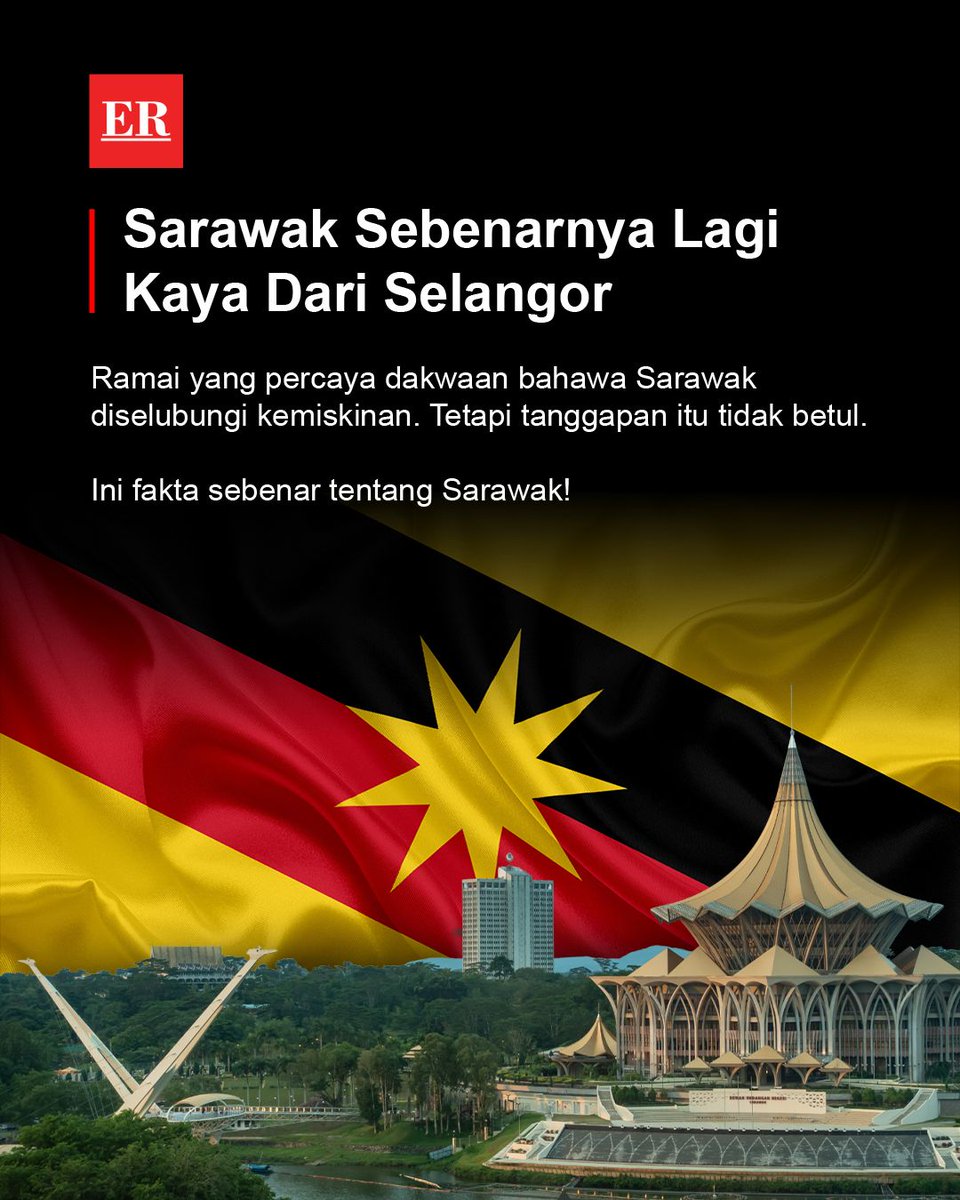
Rizab Tunai Cecah RM26 Bilion, Sarawak Antara Negeri Terkaya Di Malaysia Ramai yang menganggap Sarawak sebagai negeri yang masih jauh ketinggalan dari sudut pembangunan ekonomi. Namun hakikatnya, Sarawak merupakan salah satu negeri terkaya di Malaysia.
Ekonomi Rakyat tweet media
Indonesia
28
56
188
19.7K
mcwood
mcwood@mcwood75·
@syahir @xai @grok Johor/Perak stabil: infrastruktur lengkap, integrator besar, ekonomi skala, dekat pasaran. Sabah/Sarawak/Kelantan terjejas: kos logistik tinggi, penternak kecil, jauh hab import, Rejimen Kabotage.
mcwood tweet mediamcwood tweet media
Indonesia
1
0
5
585
Syahir
Syahir@syahir·
Bila orang cakap self sufficiency ratio/kadar sara diri ayam dan telur negara kita lebih 100% bermaksud kita tak perlu bergantung pada import ayam dan telur langsung untuk penggunaan. Tapi tak banyak yang sedar bahawa untuk bela ayam pedaging dan ayam penelur negara kita bergantung 100% kepada bahan bijirin import untuk buat dedak ayam dari luar negara. Tahun lepas (2025) kita import jagung 3.9 juta tan bernilai RM4.6 bilion, kacang soya 720 ribu tan bernilai RM1.5 bilion untuk buat dedak. Kita juga import dedak dah siap proses 2.2 juta tan bernilai RM5.5 bilion. Bila harga bahan-bahan ni naik macam tahun 2022, harga dedak naik dan harga ayam dengan telur juga naik. Ini risiko yang kita kena tanggung bila harga jagung dengan kacang soya import naik sebab harga baja naik.
Berita Harian@bharianmy

Industri ternakan ayam masih terlalu bergantung sumber makanan import, terdedah risiko kenaikan harga #BHbisnes Malaysia pada masa ini belum mempunyai pengeluaran jagung dan soya tempatan yang signifikan, menyebabkan industri terus bergantung kepada import. bharian.com.my/bisnes/lain-la…

Indonesia
4
113
234
18.2K
mcwood
mcwood@mcwood75·
@khalidkarim @xai @grok Kelantan leads at ~1.0% due to high Muslim density & paddy zakat. Selangor’s low 0.28% misleads as it has the highest absolute collection (RM1.22B) but massive GDP. Sarawak lags at ~0.07% from low Muslim % and oil/gas GDP. Perlis is MAIPs transparency failure.
mcwood tweet media
English
1
0
0
70
mcwood
mcwood@mcwood75·
@shanaka86 @xai @grok Oil markets in 2026 form a chaotic three-body system: China's 1.3B-barrel SPR (primary mass) Physical cargoes at 144 (secondary) Paper Brent ~90 (negligible test particle) CR3BP dynamics predict Lagrangian arbitrage zero-velocity breaches at ~115 China game's it
mcwood tweet media
English
1
0
0
39
Shanaka Anslem Perera ⚡
Shanaka Anslem Perera ⚡@shanaka86·
THE THREE-TIER PLANET There are three oil markets on Earth right now, priced as if they exist on different planets. One is the Bloomberg screen showing Brent futures at $90. One is the Platts screen showing Dated Brent at $144 and Saudi Aramco’s May OSP at a record differential per Bloomberg. The third is the Chinese National Bureau of Statistics screen showing roughly 1.2 to 1.3 billion barrels in onshore storage per IEA and EIA, accumulated before anyone knew they would need it. Three tiers. Three prices. Three fates. The tier you live on determines whether this war is an inconvenience, an emergency, or an opportunity. Tier one is the paper planet. Brent June futures settled $90.38 on April 17, down 9.07 percent intraday on ceasefire signals. What the headlines did not mention is that managed money net long positions on Brent and WTI combined sat near a four-year high, approximately 533,000 contracts the week to April 7 per CFTC data. The April 17 crash was not a war-ending signal. It was a crowded trade unwinding into the first available excuse. Tier two is the physical planet. Dated Brent hit $144.42 on April 7, the highest since Platts began publishing in 1987 per Bloomberg. Aramco’s May OSP for Arab Light to Asia was set at $19.50 over Oman-Dubai, a $17 single-month jump. Bloomberg’s trader survey had anticipated $40. Aramco left twenty dollars on the table deliberately. TotalEnergies reportedly booked over one billion dollars buying roughly seventy May-loading cargoes per Financial Times. When a French oil major prints a billion arbitraging benchmark failure, the arbitrage is not theoretical. Dated Brent did briefly dip below $100 on April 18 on the same truce signals that crashed futures. It did not stay there. Physical cargoes settle physical obligations. Sentiment does not clear a tanker. Tier three is the Chinese planet. China imported a record 11.55 million barrels per day through 2025 and sent roughly 900,000 per day into strategic and commercial inventory per EIA. China added approximately 40 million barrels in March 2026 alone while global observed stocks drew down 85 million per IEA. Beijing does not disclose exact figures. Beijing does not need to. The planet was already built. The nearest historical analog is the September 2019 Abqaiq and Khurais drone strikes that knocked out 5.7 million barrels per day of Saudi output. Brent spiked ten to fifteen percent and faded below pre-attack levels within weeks. That is the playbook speculators are running now. The playbook breaks here because 2019 was a one-off facility hit. 2026 is a sustained chokepoint blockade on twenty percent of global flows with Platts nominations formally suspended since March 2, and a Tier 3 player that did not exist in 2019 holding four months of cover. Tier one prices optimism. Tier two prices geography. Tier three prices foresight. China bought the asset. The West priced the derivative. TotalEnergies saw the gap and took the billion. Aramco saw the gap and chose restraint. China saw the gap ten years ago and bought the barrels. Falsifiable prediction. Before June 30, Aramco’s June OSP differential widens above $19.50, or TotalEnergies reports a second billion-dollar trading quarter. Kill condition. Paper Brent convergence above $120 by June 30 without either signal collapses the thesis. One strait. Three prices. The planet you live on depends entirely on who bought the actual barrels. open.substack.com/pub/shanakaans…
Shanaka Anslem Perera ⚡ tweet media
English
7
27
100
19.4K
mcwood
mcwood@mcwood75·
@khalidkarim @xai @grok Rangkaian minyak global 2026: Singapura & Malaysia hub kerdil jambatan bergantung Hormuz. China & Amerika Kubu penapisan (18.5 & 18.4 mb/d). Australia paling rentan—2 penapis (0.229 mb/d), 80-90% import, SPR 25-37 hari. Jepun & Korea selamat stok gergasi.
mcwood tweet media
Indonesia
1
0
0
33
khalid karim STEMKITA
khalid karim STEMKITA@khalidkarim·
Australia ada minyak… tapi cuma 2 refinery tinggal. Dulu 7–8. Semua kalah dengan mega refinery Asia (Singapore, Korea). Hari ni: – Import 80–90% fuel Harga ikut MOPS Singapore macam Malaysi Bergantung pada kapal yang slow macam basikal Energy rich, refining weak.
Indonesia
1
0
1
318
mcwood
mcwood@mcwood75·
@shanaka86 @xai @grok Game theory 🎲 US-China chokepoints (Hormuz oil blockade vs rare-earth monopoly) + one TSMC fab hostage yield “Reversible Ambiguity” equilibrium: Managed chokepoints via selective enforcement. Infinite-horizon Folk Theorem stability. No grand bargain needed.
mcwood tweet media
English
1
1
2
519
Shanaka Anslem Perera ⚡
Shanaka Anslem Perera ⚡@shanaka86·
Two chokepoints. Two monopolies. One deal. And a window that closes in six weeks. On April 15, Treasury Secretary Scott Bessent told Reuters: “They’re not going to be able to get their oil. They can get oil. Not Iranian oil.” He was speaking about China. He was describing the Hormuz blockade as a targeted weapon against Beijing’s 11 to 13 percent dependence on Iranian crude, not just Tehran’s revenue. China can deliver the mirror statement without saying a word. Beijing controls 60 to 70 percent of global rare earth mining, 85 to 91 percent of processing, and 90 to 94 percent of permanent magnet manufacturing. Heavy rare earths approach 100 percent. In October 2025, Announcement No. 61 imposed licensing on any product containing more than 0.1 percent Chinese rare earth content. You can get rare earths. Not Chinese rare earths. Both chokepoints converge on the same endpoint: the semiconductor fab. Oil flows through the Strait of Hormuz and becomes the LNG that generates 42 percent of Taiwan’s electricity, which powers TSMC. Oil becomes the naphtha that feeds ethylene crackers, which produces the polyethylene packaging for chip shipment. Oil becomes the sulfur byproduct of Gulf refining, which becomes the sulfuric acid that etches silicon wafers. Every barrel that does not transit Hormuz weakens the molecular chain that ends at a transistor gate. Rare earths flow through Chinese processing facilities and become the neodymium-iron-boron permanent magnets inside every EUV lithography stepper motor, every missile guidance system, every electric vehicle drivetrain, and every wind turbine generator. Every kilogram that does not clear Chinese customs weakens the magnetic chain that ends at the same transistor gate. Two supply chains. Two chokepoints. One fab. The mega deal forming between Washington and Beijing is not about oil or minerals in isolation. It is about the swap. Bessent’s blockade leverage says: we control whether your Iranian crude flows. China’s Announcement No. 61 responds: we control whether your magnets ship. The negotiation is a mutual hostage exchange conducted through chokepoints, and both hostages are inputs to the same product the entire world needs. The timeline asymmetry is what makes the next six weeks decisive. The US can enforce the oil chokepoint today. Zero breaches. Six turnarounds. China’s rare earth leverage bites slower, measured in processing delays that cascade over months. But US alternatives take three to seven years to scale. Project Vault, the $12 billion strategic stockpile, provides a 60-day buffer. MP Materials has a $400 million DoD equity stake. Australia committed $3.5 billion in April. None replace Chinese processing before 2028. The leverage geometry is asymmetric but time-bound. Right now, both sides hold maximum leverage simultaneously. The US has a working blockade that proved 100 percent effective in 48 hours. China has an unmatched processing monopoly no Western facility can replicate this decade. If the May summit produces a grand bargain, both sides trade chokepoint access for chokepoint access, and the dependency stabilizes into managed interdependence. If the summit fails, the US accelerates diversification that erodes China’s rare earth leverage over three to seven years, while China accelerates rail and shadow-fleet alternatives that erode the blockade’s oil leverage over months. The deal must happen while both weapons are loaded. After that, both sides begin disarming unilaterally, and the architecture that emerges will be weaker, more fragmented, and more dangerous than a negotiated swap. Two chokepoints. One fab. Six weeks. open.substack.com/pub/shanakaans…
Shanaka Anslem Perera ⚡ tweet media
English
33
194
480
77.1K
mcwood
mcwood@mcwood75·
@khalidkarim @xai @grok If a frog goes out the well : Rural states (Kelantan 8.9%, Sabah/Kedah ~6.5%) face 2.6× the income pain of urban cores (KL/KV 3.4–3.5%) due to low wages,high B40 concentration, & diesel-heavy logistics—despite national +10.7% income growth. Geography remains destiny.
mcwood tweet media
English
1
0
0
22
khalid karim STEMKITA
khalid karim STEMKITA@khalidkarim·
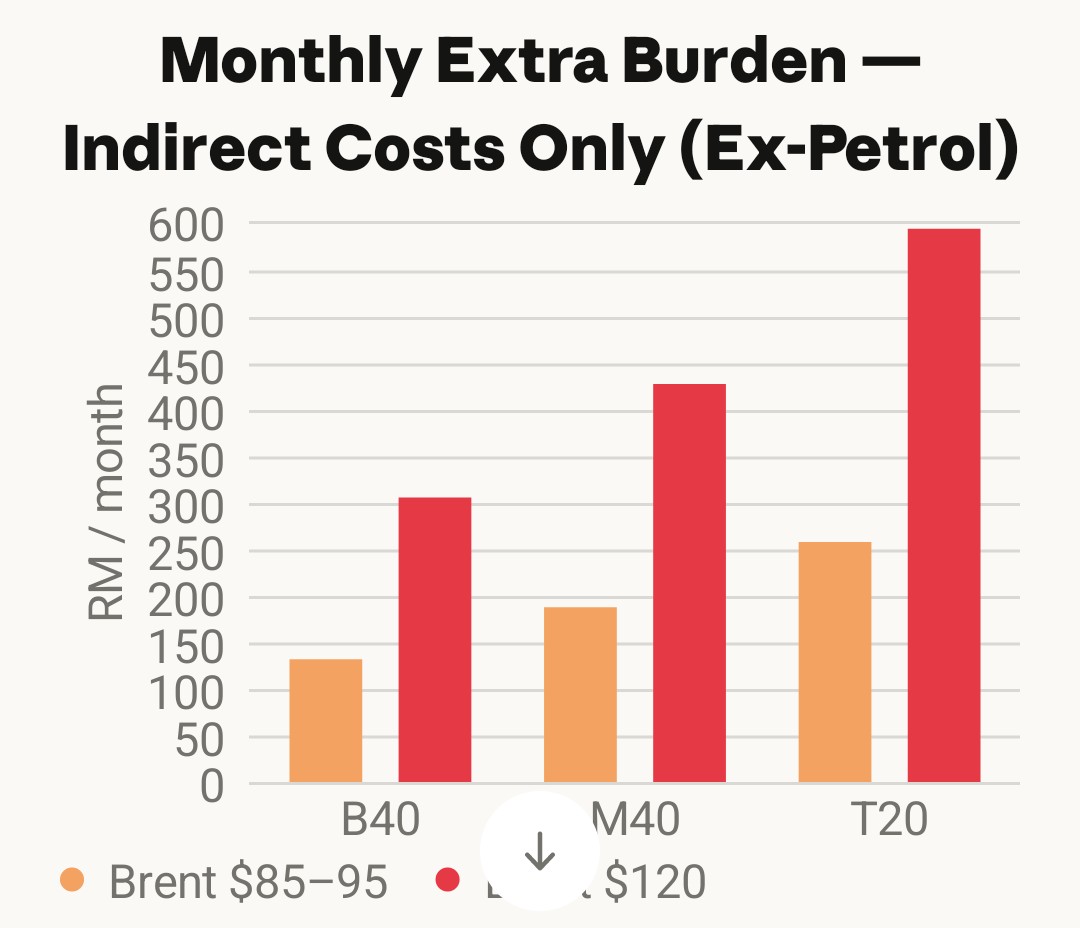
If Brent stays at $85–95 and gov absorbs NOTHING: B40: +RM132/mth (4.3% of income) M40: +RM188/mth T20: +RM258/mth This EXCLUDES petrol at the pump. If Brent goes to $120 ~ check out the graph Diesel in your food delivery.
khalid karim STEMKITA tweet media
English
1
0
2
392
mcwood
mcwood@mcwood75·
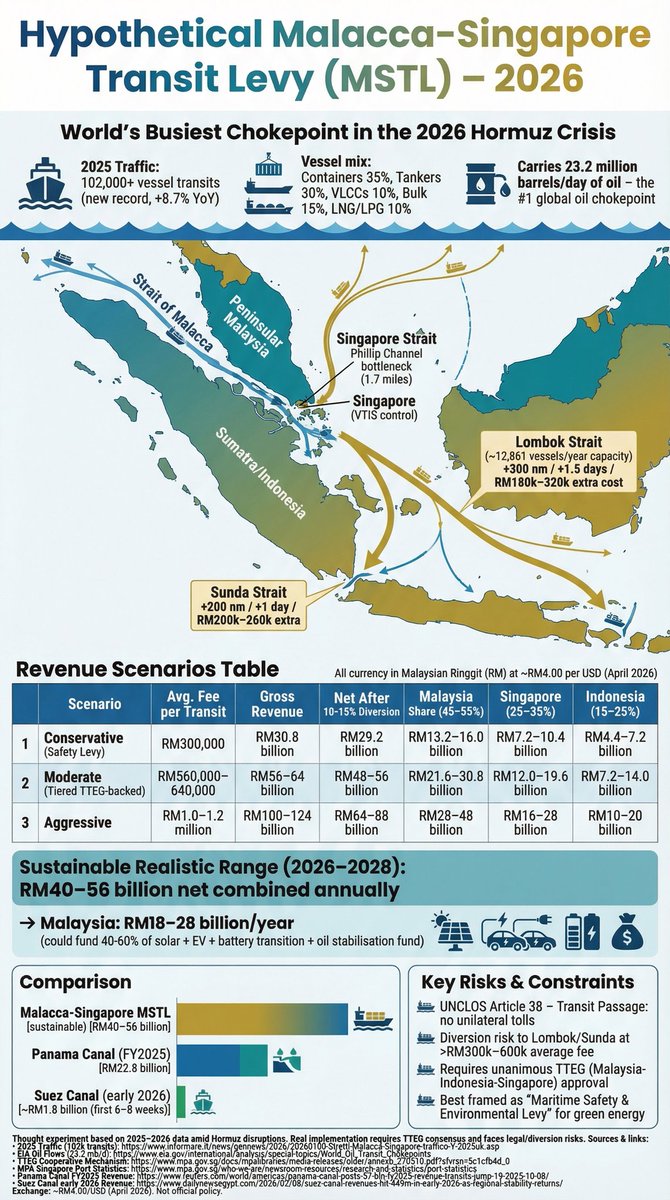
@projekhitam @Mymann139474 @xai @grok Levy transit Melaka-Singapura hipotetis di tengah-tengah krisis Hormuz 2026: 102K+ kapal (2025) membawa minyak 23.2 m bbl/hari. Pendapatan bersih RM40-56b yang mampan mungkin (Malaysia RM18-28B saham) melalui TTEG, Tetapi UNCLOS & Lombok lencongan menghadkan yuran.
mcwood tweet media
Indonesia
2
1
4
1.7K
Projek Hitam
Projek Hitam@projekhitam·
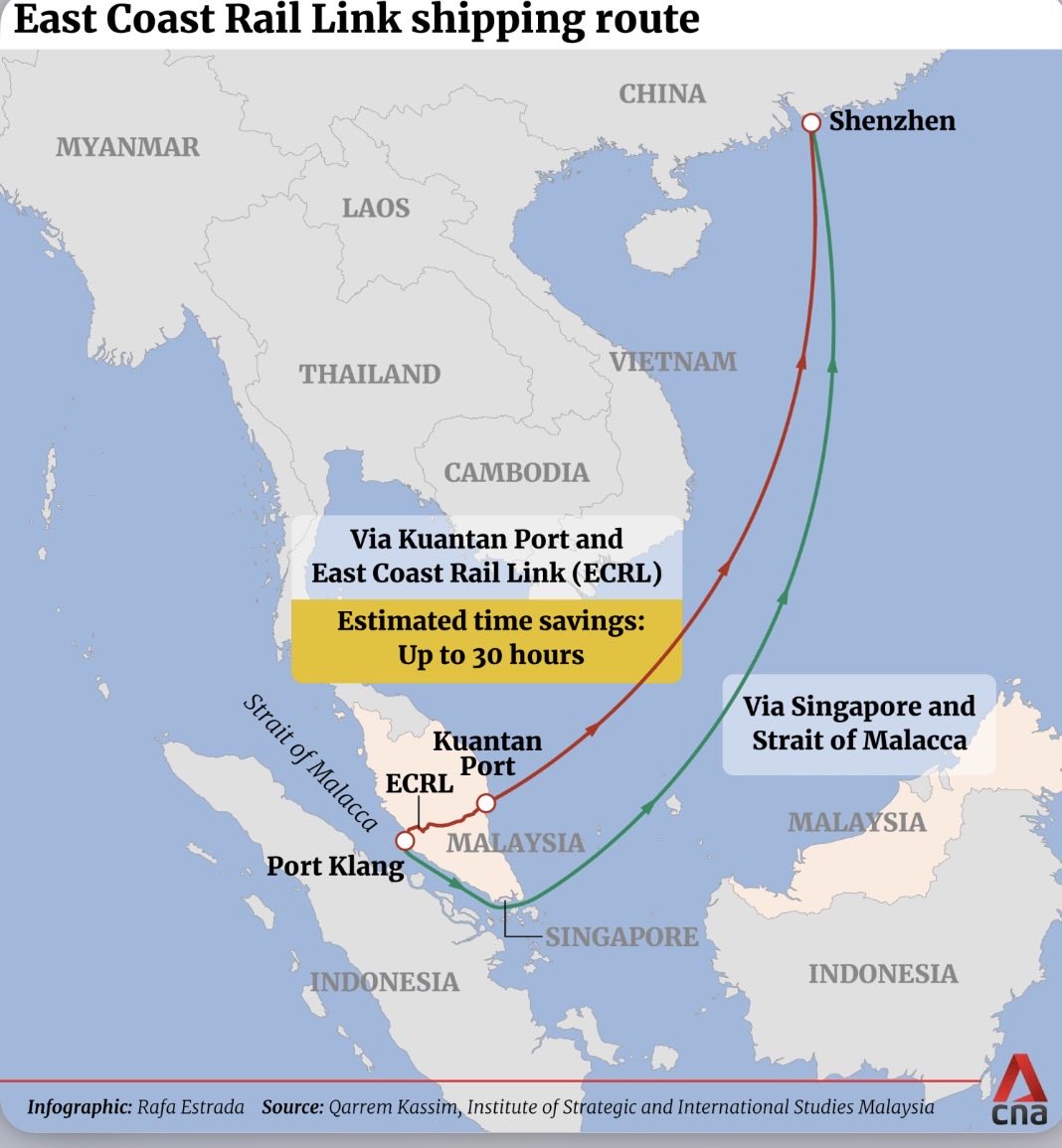
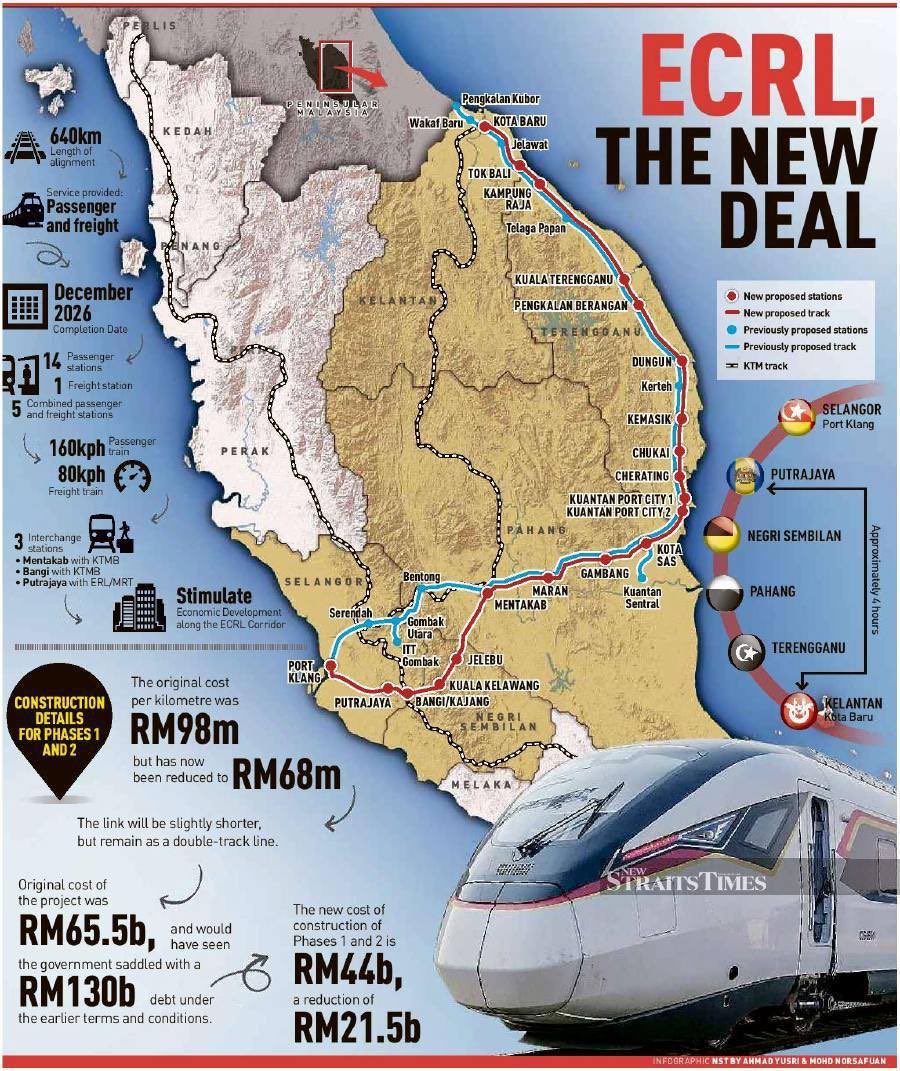
ECRL adalah projek yang China invest di Malaysia since 2010. I mean, kalau selat melaka ditutup separuh, barang import masih boleh lalu dari Port Klang dan turun di Port Kuantan. I mean that how China vision it 10 years ago.
Projek Hitam tweet mediaProjek Hitam tweet media
Indonesia
39
590
2K
97.8K
mcwood
mcwood@mcwood75·
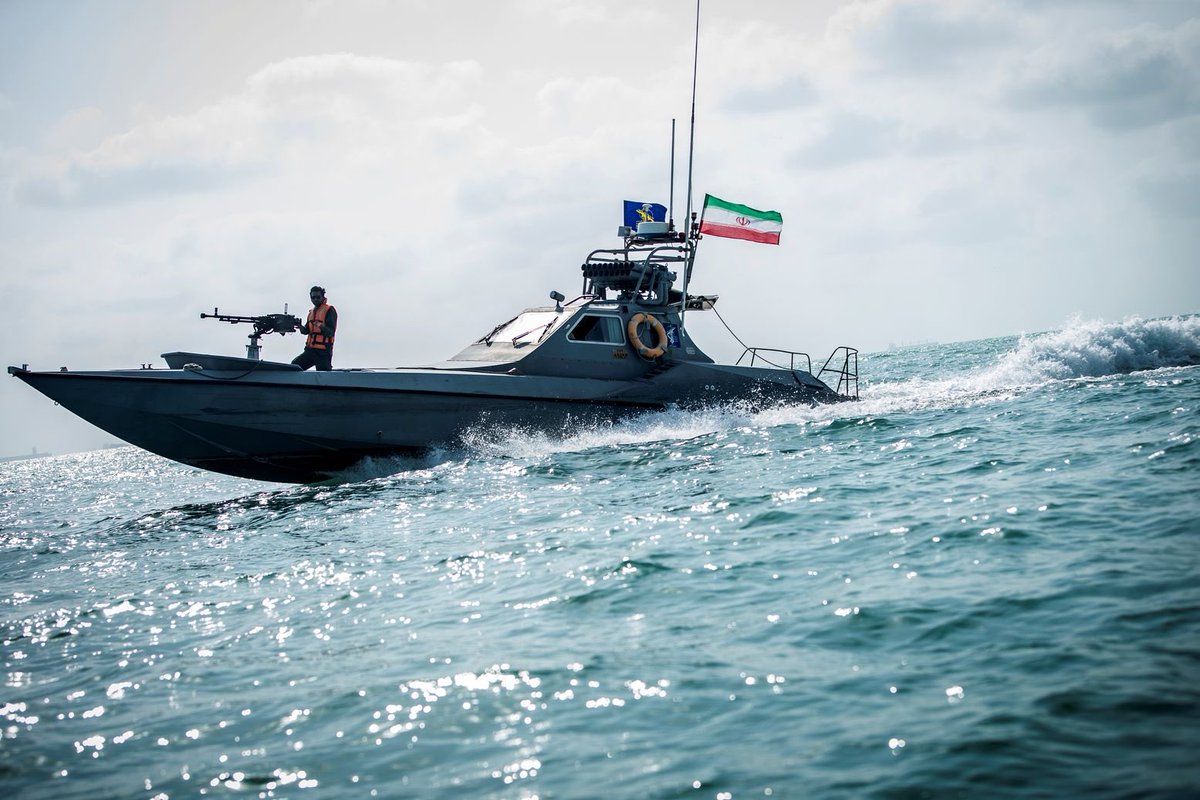
@shanaka86 @xai @grok IRGC runs a hybrid sanctions-evasion machine using USDT on Tron for Hormuz tolls ($20M/day potential), Iran owns the rails + Chinese Kunlun/CIPS laundering; Israel counters via NBCTF clustering + Predatory Sparrow hacks.
mcwood tweet media
English
2
0
3
1.3K
Shanaka Anslem Perera ⚡
Shanaka Anslem Perera ⚡@shanaka86·
They freed a man from death row to run this machine. His name is Babak Morteza Zanjani. He embezzled billions from Iran’s national oil company. Convicted. Sentenced to death. Sentence commuted. And in 2025, the Islamic Republic freed him from prison for one purpose: to build the cryptocurrency infrastructure through which the IRGC now launders the revenue from its Strait of Hormuz toll system. The man who stole from the regime was released to steal for it. Here is how the machine works. Every step is sourced. Every entity is named. Every dollar is traced. A supertanker approaches Hormuz. Its operator emails the IRGC intermediary with cargo manifests, flag, crew lists, and destination. Iran’s five-tier nationality system assigns a price. Two million barrels at one dollar per barrel. Two million dollars. The captain has seconds to pay in Bitcoin. Payment confirms on-chain. A VHF passcode is issued. An IRGC naval escort guides the vessel through the mined corridor. The Bitcoin enters an IRGC-controlled wallet. Within minutes it hops to a second-layer address with no attribution. From there it splits into two rails. Rail one runs through Zedcex, a UK-registered exchange that processed $94 billion since August 2022. At peak, 87 percent of volume was IRGC activity on Tron. Its sister entity Zedxion listed Zanjani as director. OFAC sanctioned both on January 30 with seven Tron wallets. Israel’s NBCTF had flagged five of those same wallets four months earlier. Israel found the wallets before the US froze them. The UK is now dissolving both entities after discovering the listed director was a fabricated identity using a stock photo. A $94 billion pipeline registered in London under a name that does not exist. Rail two bypasses exchanges entirely. OTC brokers in Dubai, Istanbul, and Hong Kong accept Bitcoin through encrypted channels. Chainalysis documented that Chinese-language laundering networks processed $16.1 billion in 2025 at $44 million per day. The IRGC feeds directly into this ecosystem, connecting to Huione, the Cambodian platform that processed $39.6 billion before FinCEN designated it as a primary laundering concern. Once Bitcoin becomes USDT on Tron, it enters CIPS through Kunlun Bank, China’s sanctions-exempt correspondent for Iranian trade. USDT converts to yuan. Yuan purchases food, medicine, and dual-use goods from Chinese suppliers shipping through front companies in Turkey, the UAE, and Hong Kong to Iranian ports. The Central Bank of Iran itself purchased over $500 million in USDT through brokers in this network, per documents Zanjani leaked and Elliptic analyzed. The central bank is not tolerating the machine. The central bank is feeding it. The IRGC’s on-chain activity exceeded $3 billion in 2025, over half of Iran’s $7.8 billion crypto ecosystem. The same rails fund Hezbollah, the Houthis, and Hamas. OFAC designated Houthi financier Sa’id al-Jamal for laundering IRGC revenue and facilitating Russian weapons procurement through crypto. The machine that monetizes the strait arms the proxies. Seven jurisdictions. Three blockchains. Two fiat currencies. Zero intervention points after the initial Bitcoin payment clears. The architecture was legislated in Iran’s parliament, codified in the “Strait of Hormuz Management Plan” on March 30, stress-tested across $94 billion, and staffed by a man the regime pulled from death row because he was the only person who knew how to build it. Trump’s warships catch the ships. Bessent’s GENIUS Act catches the stablecoins. Nobody catches the gap between them. And the man who runs it was already supposed to be dead. open.substack.com/pub/shanakaans…
Shanaka Anslem Perera ⚡ tweet media
English
65
411
1.1K
216.7K
mcwood
mcwood@mcwood75·
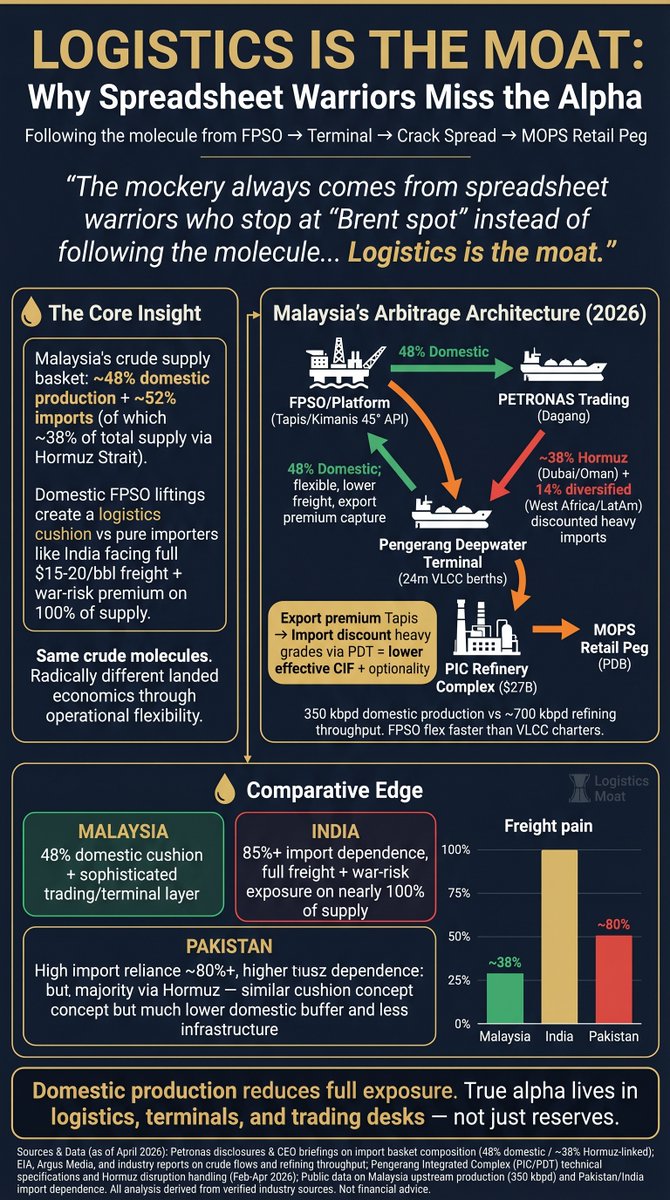
@khalidkarim @xai @grok Spreadsheet warriors stop at Brent spot. Pros follow the molecule: FPSO → PDT → crack spread → MOPS peg. Malaysia’s 48% domestic cushion + trading arbritation beats India’s full freight hit. Pakistan: higher import reliance (~80%+). Logistics is the moat.
mcwood tweet media
English
1
0
0
10
khalid karim STEMKITA
khalid karim STEMKITA@khalidkarim·
People make fun when anyone says we have local crude thus our CIF crude basket is low. They ignore the logistics. Our basket is roughly 40% Hormuz and 60% local. While the Indian Basket is hammered by $15-$20/bbl in freight and war risk premiums, our landed cost is cushioned by domestic supply
English
2
1
2
293
mcwood
mcwood@mcwood75·
@khalidkarim @xai @grok In 2015–2017, Govt cancelled the RM2bn KL-Klang BRT (2018 target) for LRT3 rail now RM21.93bn, June 2026 target Idris Jala (Sunway Co-Chair since Aug 2017) and Azmi Aziz (to YTL 2018) transitioned to beneficiary firms amid delays & RM474.8m LAD penalties (as Apr26).
mcwood tweet media
English
1
0
0
122
khalid karim STEMKITA
khalid karim STEMKITA@khalidkarim·
Originally, Najib’s had actually announced and budgeted for the BRT in ✓Budget 2016: RM1.5–2.0 billion ✓Targeted completion by 2018 ✓Expected travel time KL to Klang ~40 minutes But by late 2017 it was shelved, and priority shifted to: LRT3 MRT projects HSR (at that time)
English
1
1
2
441
mcwood
mcwood@mcwood75·
@DoNotMindPlease @xai @grok Malaysian legacy coal IPPs (Tan Sri-owned) laugh at coal price swings: Indonesian <$100/t vs Australian $137/t is TNB’s win, But take-or-pay PPAs + CSTA/AFA pass-through shield Tan Sri IPPs from all fuel risk until 2044. Coal beats solar for risk-free 15-20% IRR.
mcwood tweet media
English
1
1
6
1.1K
Don't Mind Please
Don't Mind Please@DoNotMindPlease·
Not all coals are made the same. Indonesia coal price dropped to under USD100/tonne while Australia's skyrockted to USD137/tonne. TNB is set to benefit from cheaper Indonesia coal - TNB is looking to sign up to 10 contracts to import coal from Indonesia for the next 15 years. In 2025, TNB Fuel Services S/B imported 36.39 million tonnes of coal from: > Indonesia 65% > Australia 22% Coals are transported using dry bulk carriers, the likes of: > Maybulk Berhad > PNSL Berhad > Dinastia Jati S/B > Duta Marine S/B > Prima Shipping S/B > Lestari Maritime S/B > Jarsin Shipping S/B
Don't Mind Please tweet mediaDon't Mind Please tweet media
English
5
34
163
17.1K
mcwood
mcwood@mcwood75·
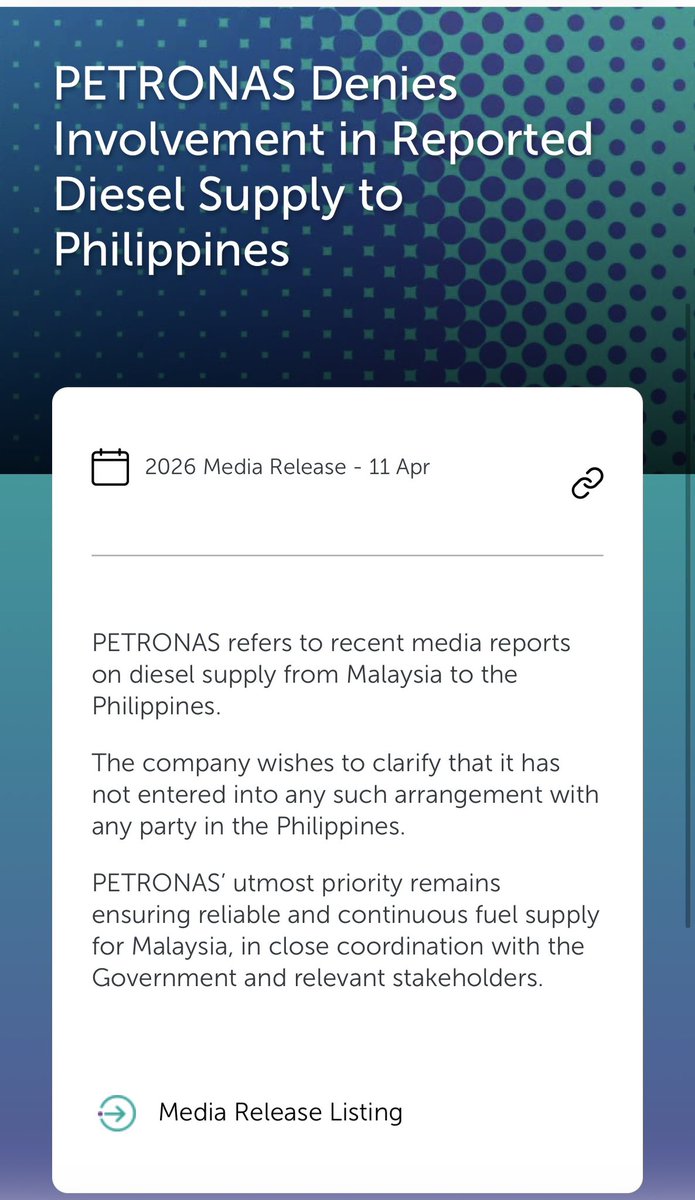
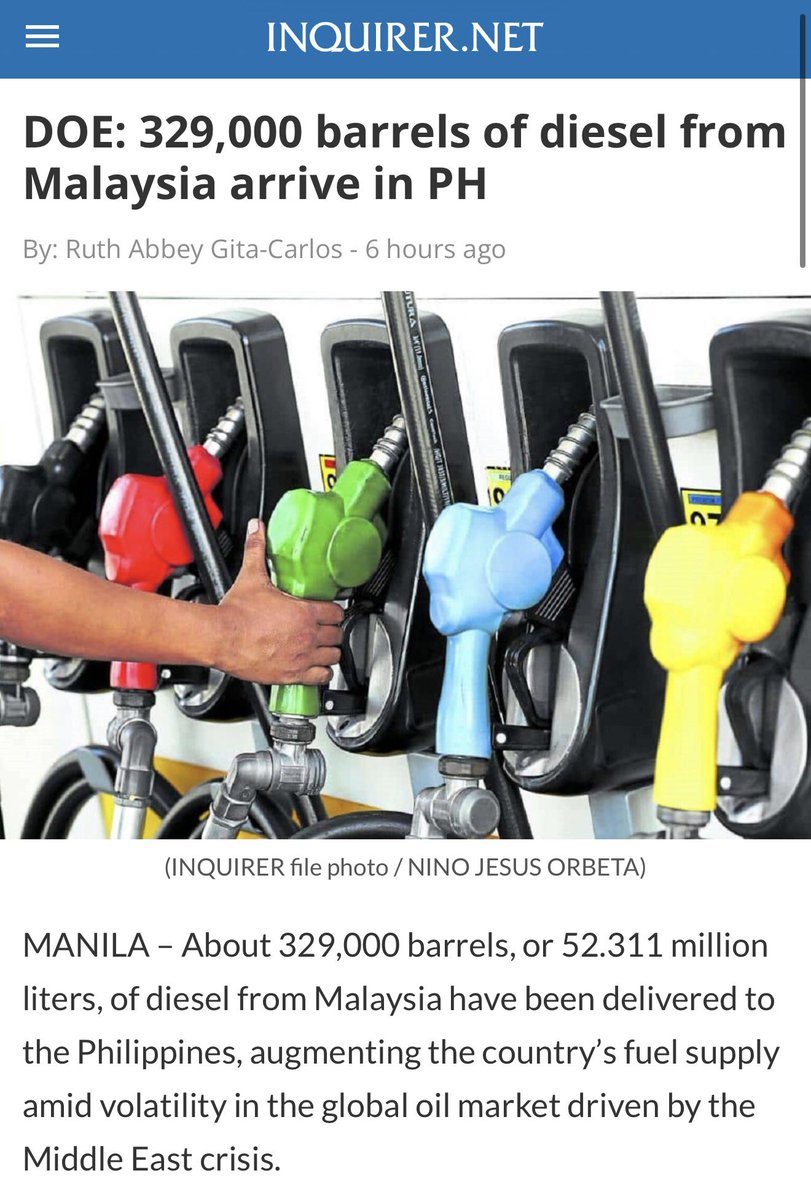
@syahir @xai @grok Bellingcat style analysis: Deniable Malaysian diesel STS transfers (Labuan) to Philippines (329k barrels, Apr 10 via PNOC-EC) & Bangladesh (34k tonnes, Apr 4 via Unipac Singapore). PETRONAS/MTEN deny direct deals; 97% confidence on protocol, Vessel ID gap remains
mcwood tweet media
English
1
0
3
1.7K
Syahir
Syahir@syahir·
PETRONAS nafi bekalkan Diesel ke Filipina seperti dilaporkan media Filipina hari ini sebanyak 329 ribu tong. Dikhabarkan diesel yang tiba di Filipina adalah melalui kapal-ke-kapal (ship to ship) yang dibuat di perairan Malaysia. Country of origin atau asal diesel itu tidak dapat dikenalpasti.
Syahir tweet mediaSyahir tweet media
Indonesia
7
221
373
57.6K
mcwood
mcwood@mcwood75·
@khalidkarim @xai @grok We have created an AI Dashboard Triggers for Malaysia Energy Fiscal Gap: WALP >80/bbl (DOSM), LNG realized <80% JKM (Petronas), Subsidy >RM2.5B/mo (MoF), CFFO <RM20B (Petronas), Deficit >4.0% (MoF), Brent >90 sustained. Monitor live at OpenDOSM & MoF portals."
mcwood tweet media
English
1
0
0
41
mcwood
mcwood@mcwood75·
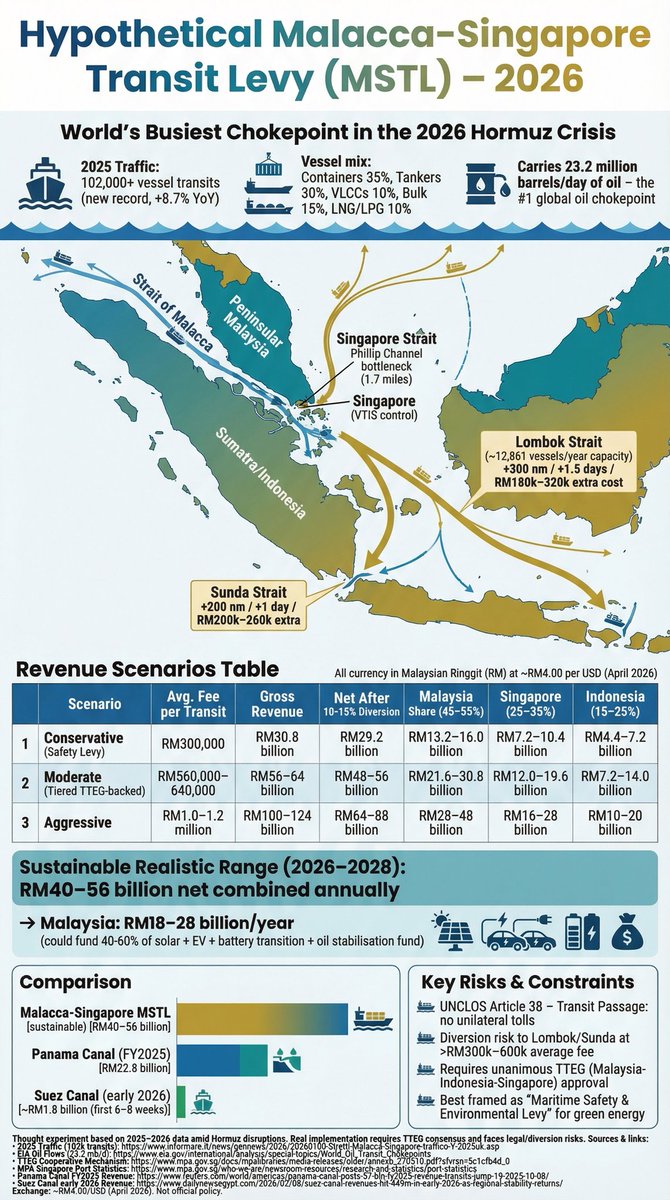
@khalidkarim @xai @grok Hypothetical Malacca-Singapore Transit Levy amid 2026 Hormuz crisis: 102k+ vessels (2025) carry 23.2M bbl/day oil. Sustainable RM40-56B net revenue possible (Malaysia RM18-28B share) via TTEG, funding solar/EV shift. But UNCLOS & Lombok diversion limit aggressive fees.
mcwood tweet media
English
1
0
0
26
khalid karim STEMKITA
khalid karim STEMKITA@khalidkarim·
Advice to PMX pursuant to this Trump fuel crisis Increase the pace of the solar+battery build up.Stop building LNG CCGT immediately Increase electric car adoption focusing on the sub-RM100,000 market Initiate moves towards an Oil Stabilisation Fund model instead of subsidies
English
2
1
5
246
mcwood
mcwood@mcwood75·
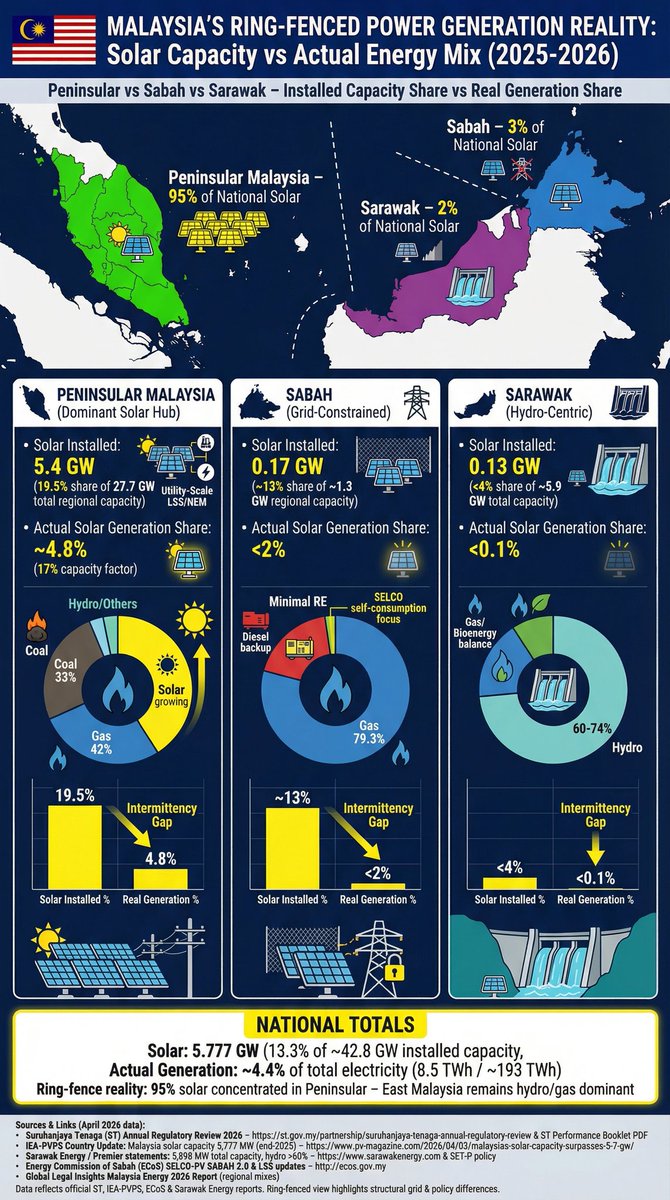
@khalidkarim @xai @grok 1 nation 3 grids! Malaysia Solar Reality (2025-26): 5.7 GW solar = 13.3% of national capacity But only 4.4% actual generation. 95% in Peninsular (19.5% regional cap, 4.8% gen). Sabah 3% (<2%), Sarawak 2% (<0.1%, hydro-dominant).
mcwood tweet media
English
1
1
1
70
khalid karim STEMKITA
khalid karim STEMKITA@khalidkarim·
Malaysia's solar capacity has reached 5.7 GW. Based on current national data for 2026, here is the impact on our energy mix: ​1. Installed Capacity Share With total national installed capacity now at approximately 42.8 GW, solar represents 13.3% of installed capacity ​2. Generation Mix Share Actual electricity production tells a different story due to solar's intermittent nature. Against an annual generation of roughly 193 TWh, and assuming a 17% capacity factor, solar contributes only 4.4% to the actual energy consumed.
English
1
1
2
179
mcwood
mcwood@mcwood75·
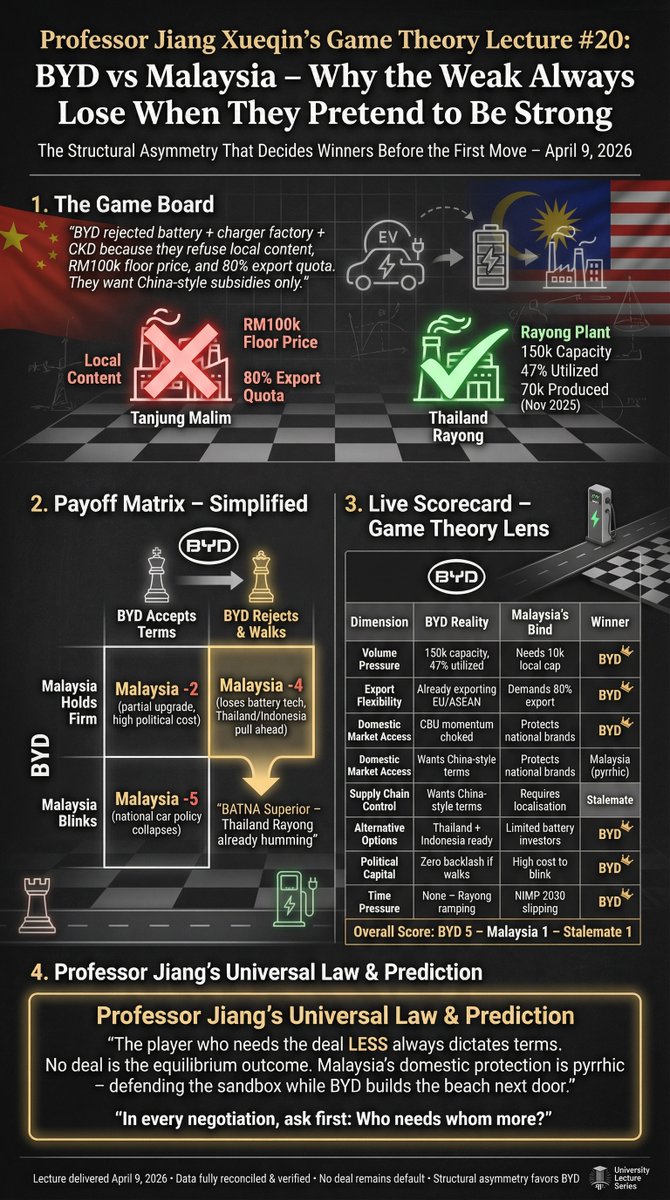
@syahir @xai @grok Fake Prof. Jiang predicted the US Vs Iran War Applying his game theory: BYD holds dominant strategy via superior BATNA (Thailand Rayong plant). Malaysia’s pyrrhic defense of national car policy creates stalemate. Who needs whom more? BYD wins 5-1. No deal it is.
mcwood tweet media
English
1
1
0
195
Syahir
Syahir@syahir·
Menteri dah tawarkan BYD buka kilang battery charger dengan battery dekat Malaysia selain daripada kilang CKD. BYD tak setuju. Benda ni aku tak patut cerita tapi engkau siang malam meroyan pasal Jo Ghani. Apa lagi? BYD taknak local content, BYD taknak harga lantai, BYD taknak kuota eksport tapi BYD nak insentif cukai. Nak insentif dan "subsidi" macam Kerajaan China bagi dekat dia bertahun-tahun tapi kita tak boleh lindung industri automotif tempatan? US, EU, Japan, Korea semua lindung sektor automotif diorang berpuluh-puluh tahun even sampai sekarang. Mamat ni nak Malaysia kangkang luas-luas bagi masuk semua murah-murah. Jangan delete tweet macam @luciusmaximus pulak nanti.
Khairi Zulfadhli 𓂆@khairizulfadhli

Malaysia toksah mimpilah. @joharighani kata kena protek Proton-Geely dan Perodua-Daihatsu

Indonesia
45
891
2.1K
219.6K
mcwood
mcwood@mcwood75·
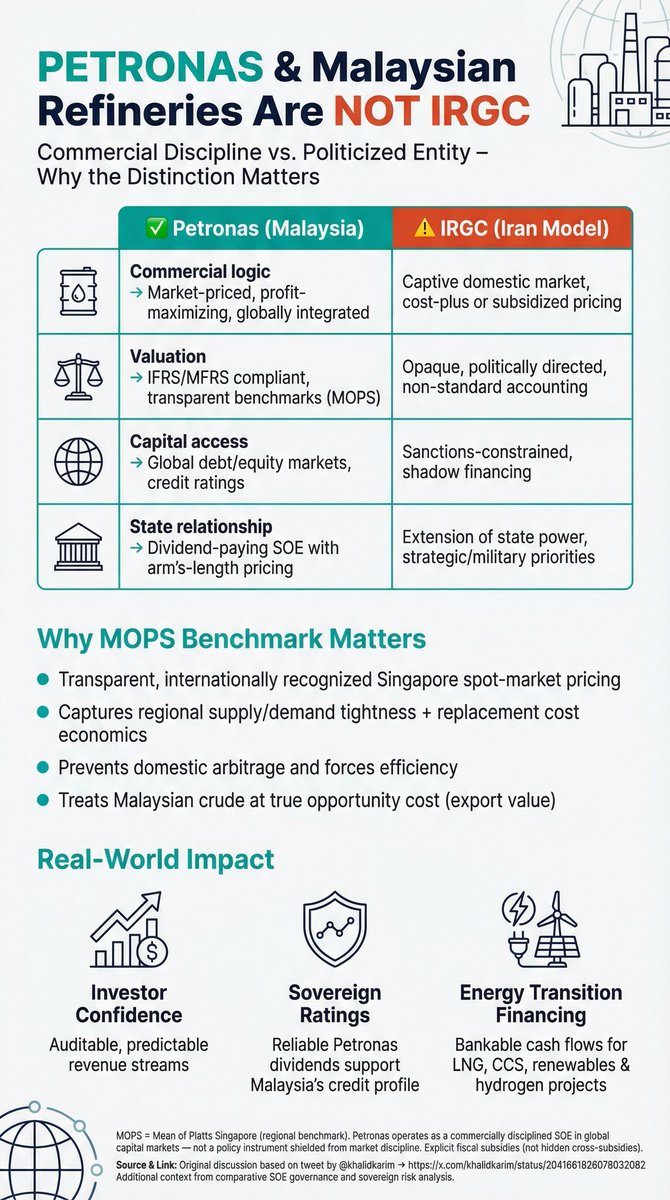
@khalidkarim @xai @grok Petronas & Malaysian refineries are NOT like Iran’s IRGC. Petronas uses MOPS Singapore pricing for market discipline. Commercial SOE logic:transparent benchmarks,global capital access, IFRS compliance. Boosts investor confidence & sovereign ratings.
mcwood tweet media
English
1
0
0
41
khalid karim STEMKITA
khalid karim STEMKITA@khalidkarim·
Even if Petronas / local refineries produce at a lower internal cost, Malaysia still prices fuels using regional benchmark product prices, mainly MOPS (Mean of Platts Singapore). MOPS reflects: ✓regional spot product price ✓tightness in Singapore / Asia market ✓import replacement cost
English

1
1
1
221