

Monica Epelman
668 posts
Monica Epelman
@mepelman
Pediatric radiologist ❤️ultrasound, CTA, neonatal imaging, emergency imaging, emergency neuroradiology, CHD, ped GU and Gyn imaging. Opinions are my own
Florida, USA Katılım Kasım 2009
1.7K Takip Edilen495 Takipçiler
Monica Epelman retweetledi

1/Do radiologists sound like they are speaking a different language when they talk about MRI?
T1 shortening what? T2 prolongation who?
Here’s a translation w/an introductory thread to MRI.
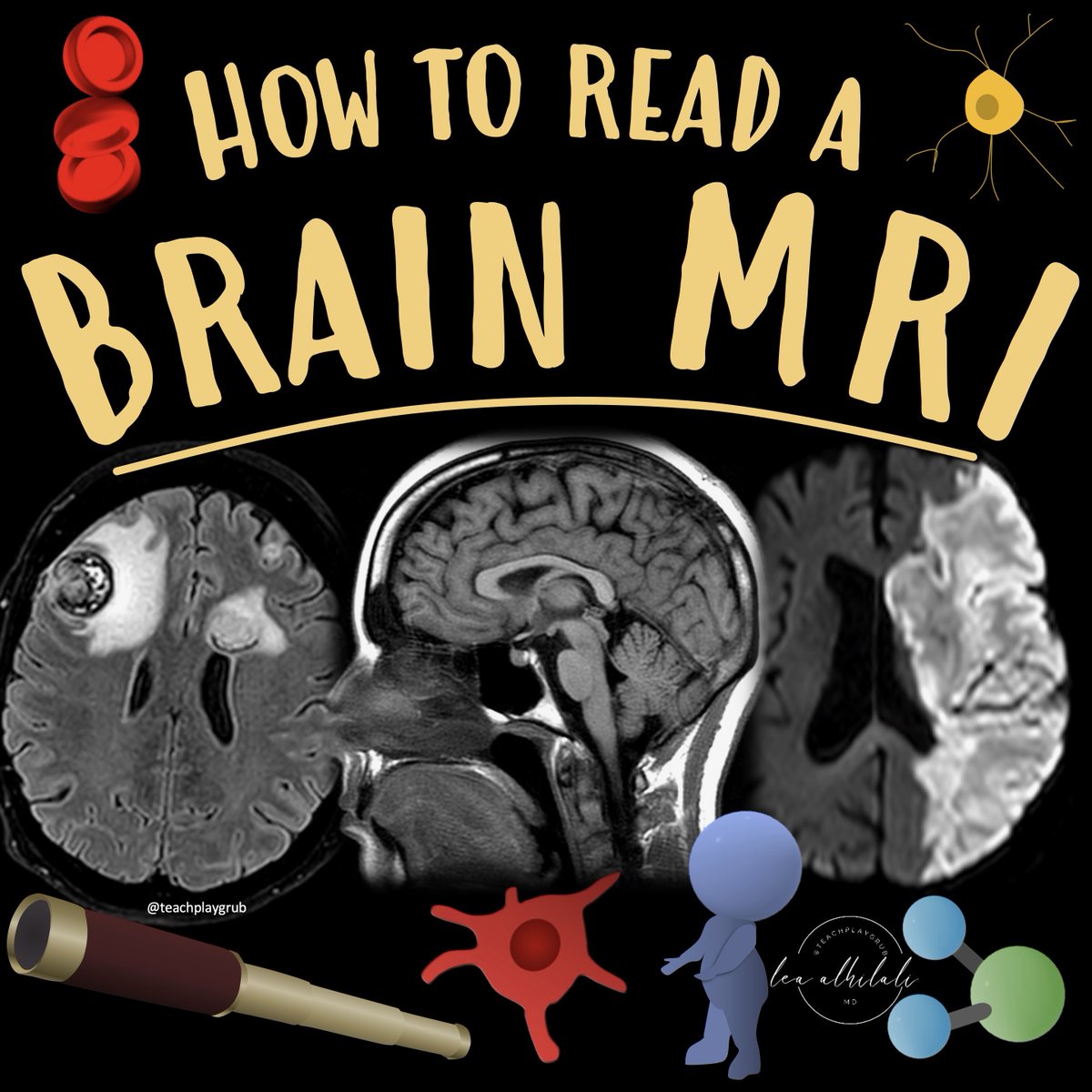
English
Monica Epelman retweetledi

ADULT EMERGENCY CASE 🔥
A 35-year-old with severe sore throat, high fever, drooling, trismus, neck pain and swelling for 4 days. Difficulty swallowing and voice change.
Contrast-enhanced CT neck done.
Red arrows highlights the lesion.
What is the diagnosis?
Which space is involved?
Why is this a potential airway emergency?


English
Monica Epelman retweetledi

Fenestral otospongiosis! Most common cause of progressive conductive hearing loss in young adults. Female predominance (2:1), peaks at 20 – 40, often bilateral and familial. Look for the classic focal lucency at the fissula ante fenestram (just anterior to the oval window).
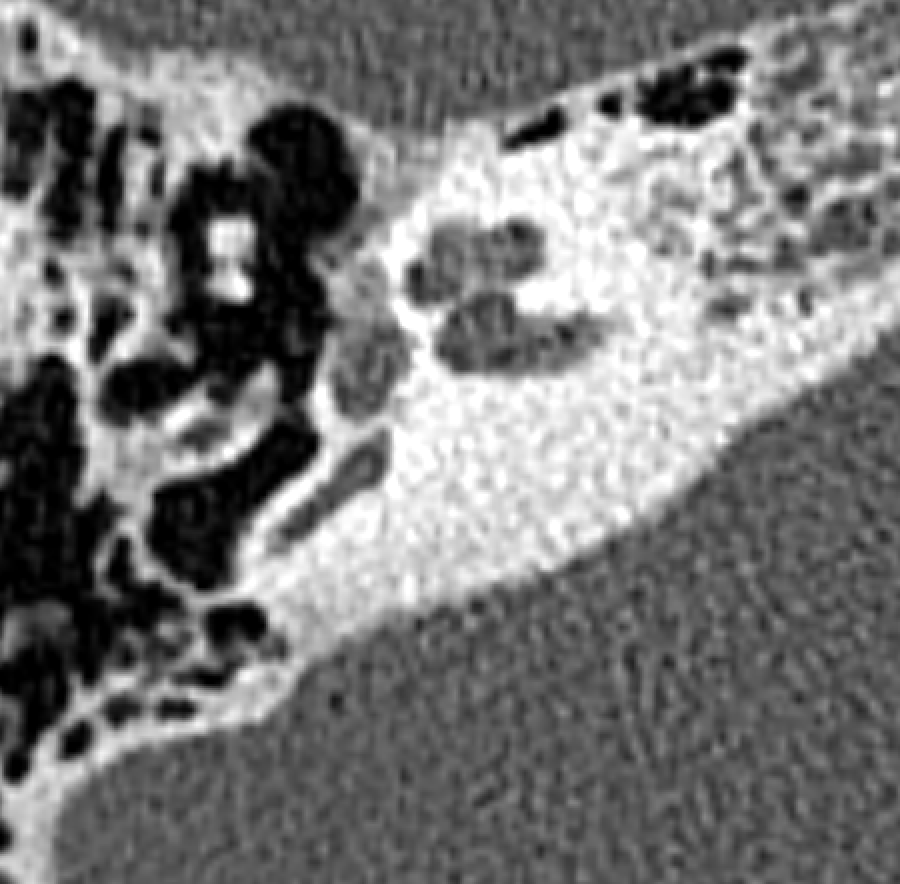
English
Monica Epelman retweetledi

The patient developed cerebral air embolism following CPR.
During cardiopulmonary resuscitation, especially with:
vigorous chest compressions
positive-pressure ventilation
possible lung injury or barotrauma
Air can enter the vascular system (e.g., via damaged alveoli or veins) and travel to the brain.
Las Palmas de Gran Canaria, Spain 🇪🇸 English

Monica Epelman retweetledi

This week's SPIN POV: Lysosomal disorders - GM1 gangliosidosis, Krabbe's, and Neuronal ceroid lipofuscinosis must be considered when encountering T2 dark thalami and white matter signal change in a child with neuroregression.
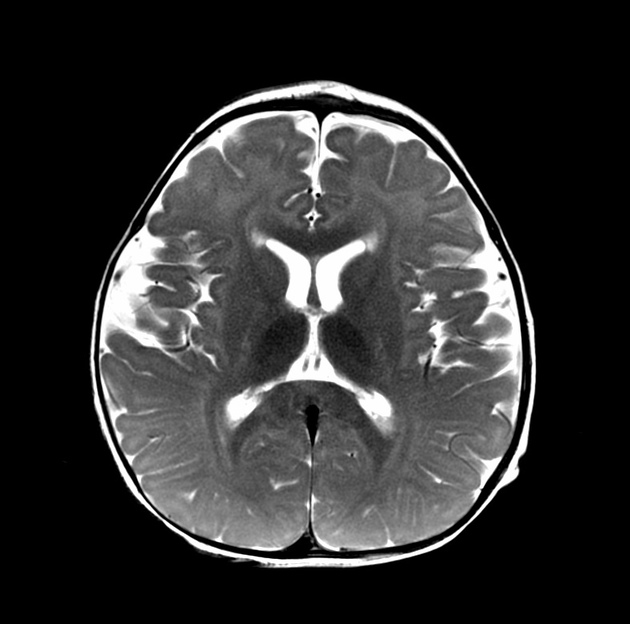
English
Monica Epelman retweetledi
This one's for me!!
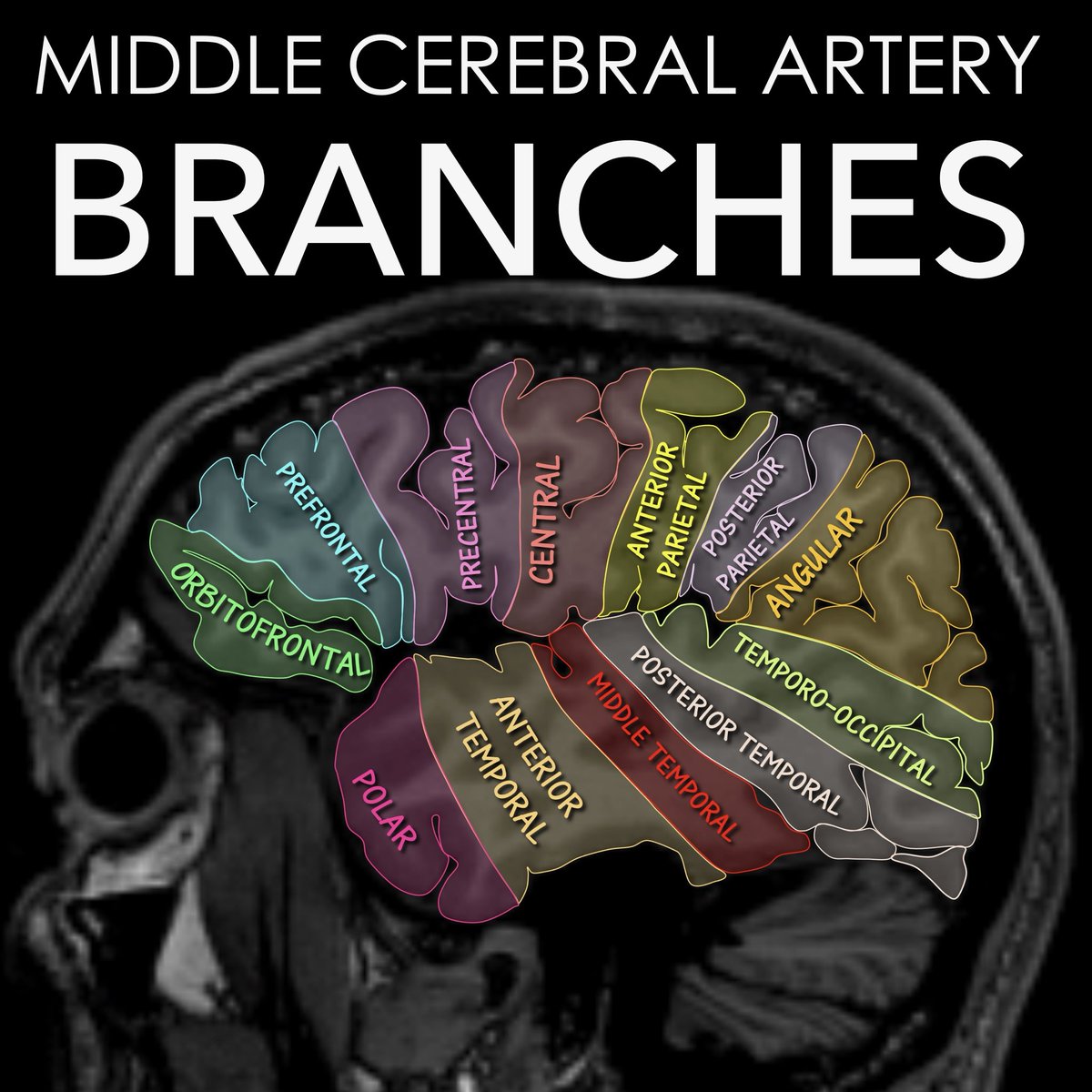
I was tired of seeing small MCA infarcts that were clearly from a branch occlusion& not knowing the name of the branch that was occluded!
I decided I would find a way to remember these territories myself-and then share it w/ you!!
Here's how you can remember the different territories
Start w/4 cardinal territories
-These are the skeleton from which you can remember the rest
Orbitofrontal: Easy, it overlies orbit in the frontal region, like its name
Central: East, it's the territory surrounding central sulcus
Angular: Easy, it literally looks like an angle between parietal & temporal region
Polar: Easy, it's the temporal pole!
Bc it's the MCA, there is an M or two humps between each of these cardinal branch territories & their names reflect the anatomy
Finally, the temporal territories look like fingers on a hand:
Polar is the thumb of the hand: remember polar sounds pollex which means thumb
Middle temporal is literally the middle finger!!
Now you know the middle cerebral branch territories— so your reports will never be middling!
English

Monica Epelman retweetledi

Tip of the day 💡: Cytotoxicity in the context of a profoundly encephalopathic child, even with a viral prodrome should prompt early exclusion of #MOGAD (Myelin Oligodendrocyte Glycoprotein Associated Disease). Be precise this weekend folks!

English
Monica Epelman retweetledi
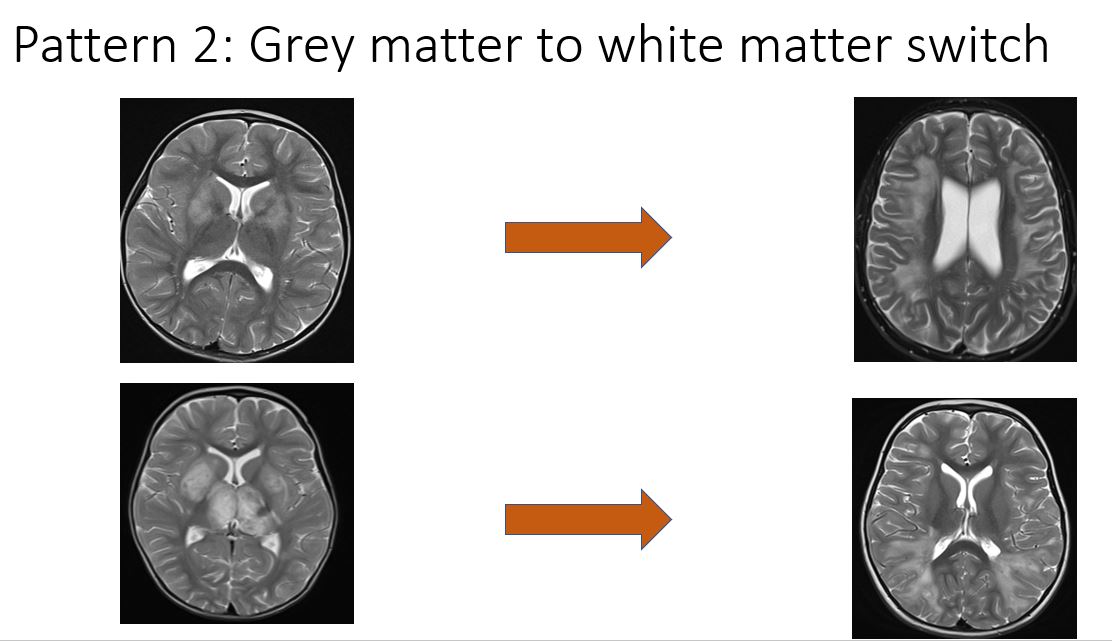
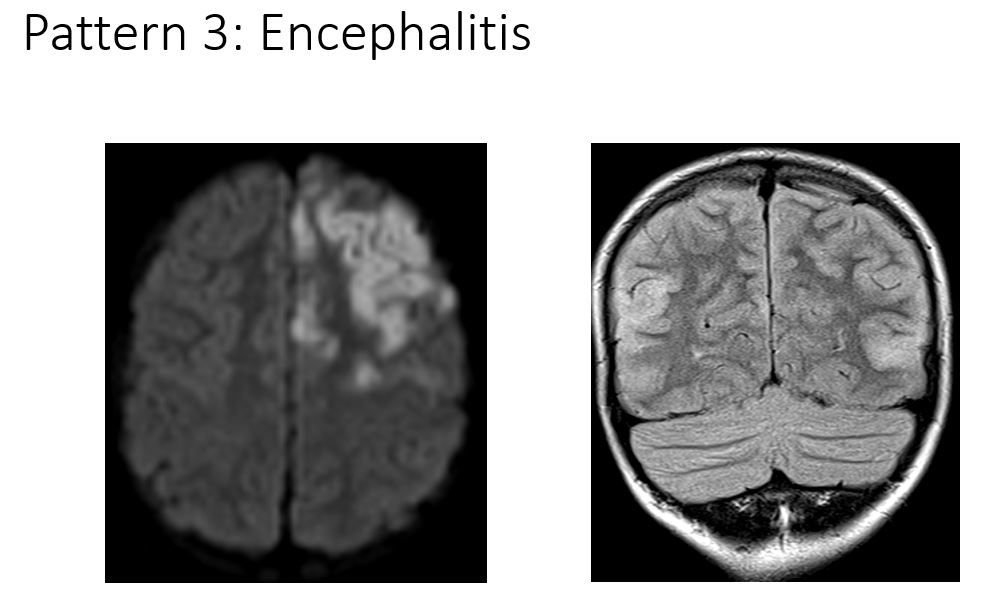
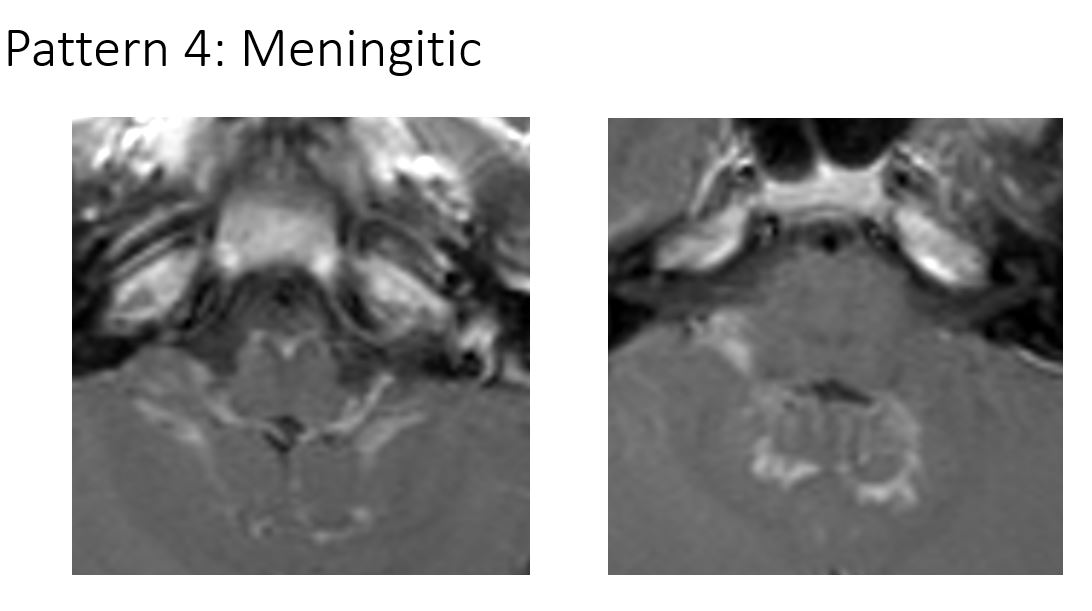
Tip of the day 💡: MOG/MOGAD can present in a myriad of fashions. Be aware of its various patterns. Importantly, screen for Myelin Oligodendrocyte Glycoprotein (MOG) antibodies in all children with ADEM-like presentations. Here are some slides I put together for you folks.

English
Monica Epelman retweetledi
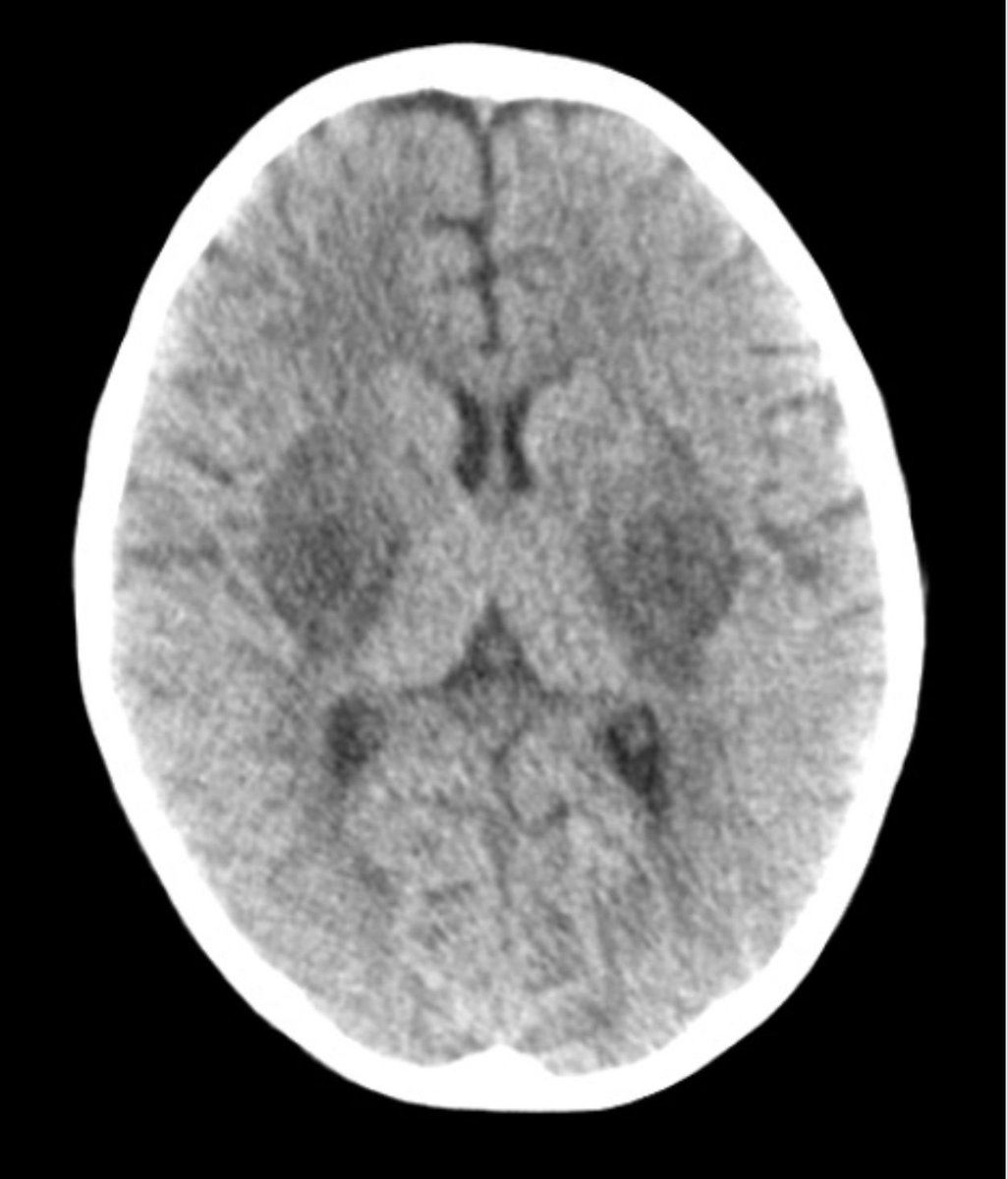
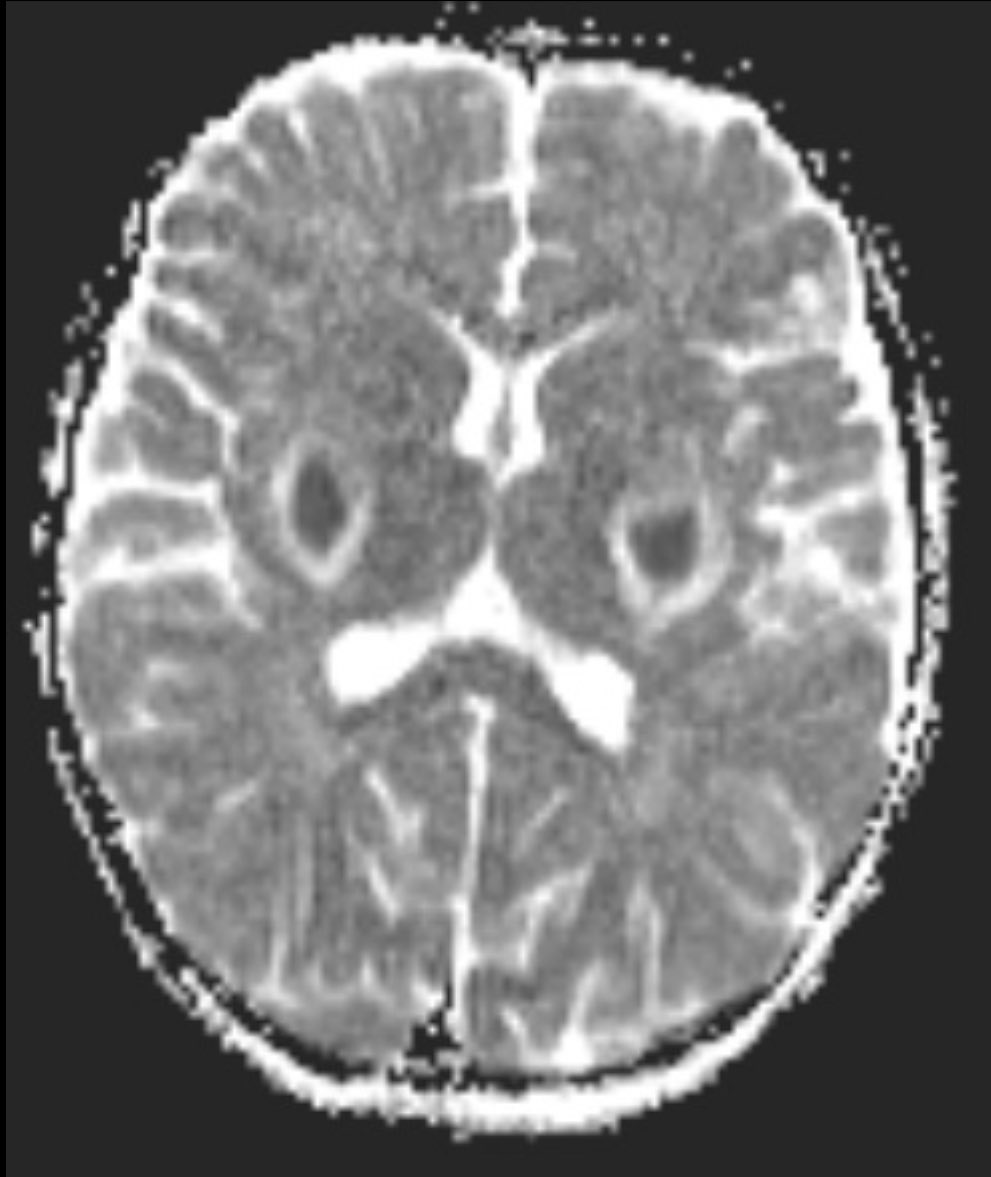
Tip of the day 💡: Neurological deterioration with acute renal failure and history of recent diarrhea… think Hemolytic Uremic Syndrome #HUS. The basal ganglia is typically involved. Let’s aim for prompt precise diagnoses this year to make a REAL difference in outcomes!


Hammersmith, London 🇬🇧 English
Monica Epelman retweetledi
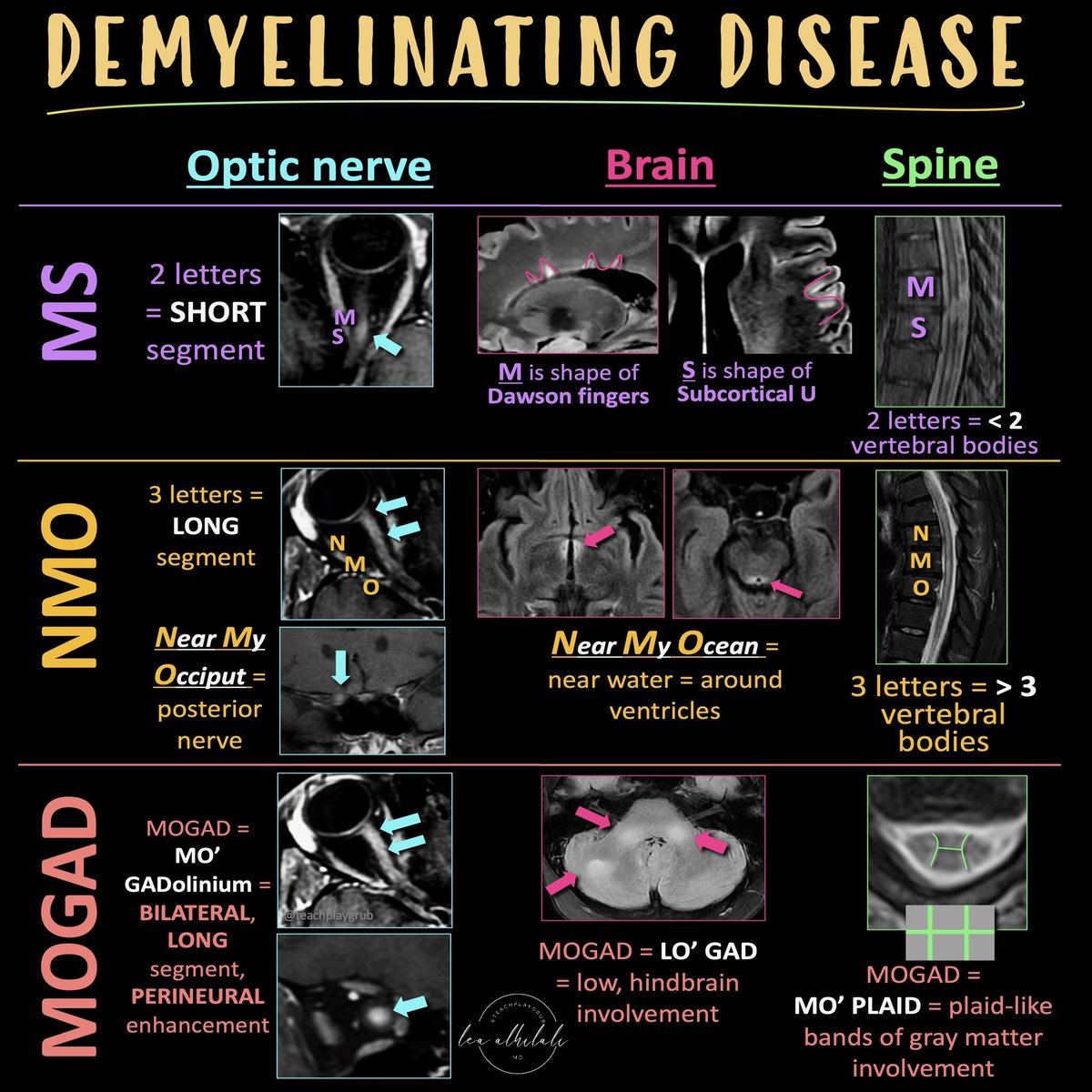
Have MULTIPLE questions about MULTIPLE sclerosis?
Having trouble seeing neuromyelitis optica?
In a fog about MOG?
Here’s the cheat sheet you NEED to distinguish the demyelinating diseases!
Demyelinating diseases predominantly involve the optic nerves, brain, & spine.
The three main chronic demyelinating diseases are Multiple sclerosis (most common), neuromyelitis optica (NMO), & myelin oligodendrocyte glycoprotein (MOG) antibody associated disease or MOGAD
Each has its own features in the optic nerve, brain, & spine. Here’s how to remember them!
MS
Optic nerve:
MS only has 2 letters, so MS involvement of the optic nerve tends to be short segment
Brain:
Letter M makes the shape of the perivascular distribution of lesions along the ventricles (Dawson’s fingers)
Letter S makes the shape of the subcortical U fiber involvement
Spine:
MS is only 2 letters, so lesions are usually less than 2 vertebral bodies in length
NMO
Optic nerve:
NMO is a longer abbreviation, three letters, so longer involvement
NMO can stand for Near My Occiput. Occiput is posterior, so more posterior nerve involvement
Brain:
NMO can stand for Near My Ocean. What is your brain’s ocean? The ventricles. NMO lesions are all periventricular
Spine:
NMO is 3 letters, so lesions usually more than 3 vertebral bodies in length
MOGAD
Optic Nerve:
Remember MO’ GAD-olinium. So things that cause more regions of enhancement. MOGAD lesions are commonly bilateral & long segment & enhancement can extend perineural
Brain:
Remember LO’ GAD. MOGAD typically involves the lower areas of the brain
Spine:
Remember MO’ PLAID. MOGAD can give a plaid-like H shape in the cord from predominantly gray matter involvement
Hopefully, this cheat sheet will help you remember how to distinguish the demyelinating diseases! It ain’t lyin’ about diseases of myelin!
English
Monica Epelman retweetledi
Is trying to remember toxic encephalopathy patterns making you toxic?
Don't become encephalopathic!
Let me help you detox on the toxic/metabolic encephalopathy patterns on MRI
Here is the cheat sheet of all the encephalopathy patterns you NEED to know & how to remember them!
▶️Corpus Callosum:
Cytotoxic lesions of the corpus callosum or CLOCC.
Usually transient cytotoxicity, especially viral infxn
Remember: Commonly viral & transient bc CLOCC lesions are on the CLOCK
▶️Central Pons:
Usually osmotic demyelination
Remember: T2 hyperintensity in the shape of O for Osmotic
▶️Dentate:
Usually flagyl toxicity
Remember: Wavy dentate appearance looks like a FLAG for FLAGyl
▶️Corticospinal tract:
Usually cobalamin deficiency
Remember: cortiCOspinal for CObalamin
▶️Symmetric Gray Matter:
Differential is EXTENSIVE
Remember: Differential for deep gray is deep!
▶️Cortical Gray Matter:
Typically hypoglycemia & hyperammonemia
Remember: Looks like brain has been coated in shimmering sugar = related to glucose
Hyperammonemia has about 1000 Ms in it & undulated cortex looks like an M
▶️Symmetric White Matter:
Commonly from chasing the dragon (heroin) & methotrexate
Remember: Puffy white matter signal looks like smoke from a dragon
Remember: Methotrexate = methoTRACTSate = affects white matter tracts
▶️Posterior subcortical edema:
Posterior reversible encephalopathy (PRES)
So if it’s POSTERIOR, think POSTERIOR reversible encephalopathy
▶️Asymmetric White Matter:
Usually demyelinating from chemotherapy
Demyelinating lesions have C shaped enhancement
Remember: If enhancing C think of C-hemotherapy
Hopefully, now remembering toxic/metabolic patterns won’t seem so diabolic!

English
Monica Epelman retweetledi

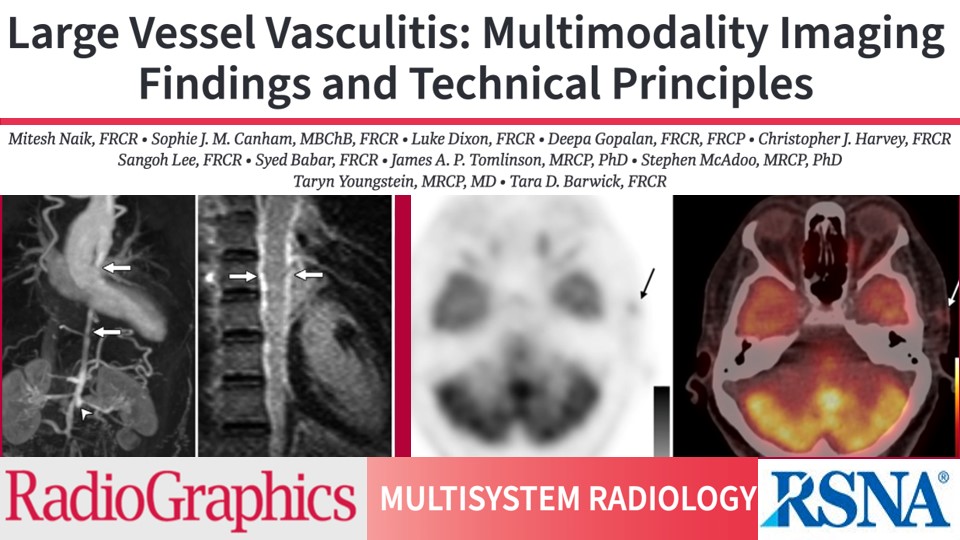
Let's learn together about large vessel vasculitides and their presentation, pathogenesis and management from @RadioGraphics & @mnaik88 et al
pubmed.ncbi.nlm.nih.gov/41343293/
#RGphx
1/11
English
Monica Epelman retweetledi
Here’s a head start on head CT anatomy!!
Cisterns: think “CT loves clear space.”
If it’s dark space around the brainstem, that’s a cistern.
Suprasellar = the starfish, S is for star and Suprasellar!
Ambient = hugging the midbrain. Remember Amb-brace cistern, it embraces the midbrain!
Quadrigeminal = the smile behind it. Remember, you are GEM if you smile!!
Lobes made easy:
Frontal lobe = Get in FRONT of things = planning, personality, decisions.
Parietal lobe = “pair-ietal” = pair of hands to feel things = sensation and spatial awareness.
Temporal lobe = Remember conTEMPlation =memory. And remember tempo = hearing
Occipital lobe = “optic-pital” in the back = vision.
Hopefully this will help you wrap your head around CT head anatomy!!
English
Monica Epelman retweetledi
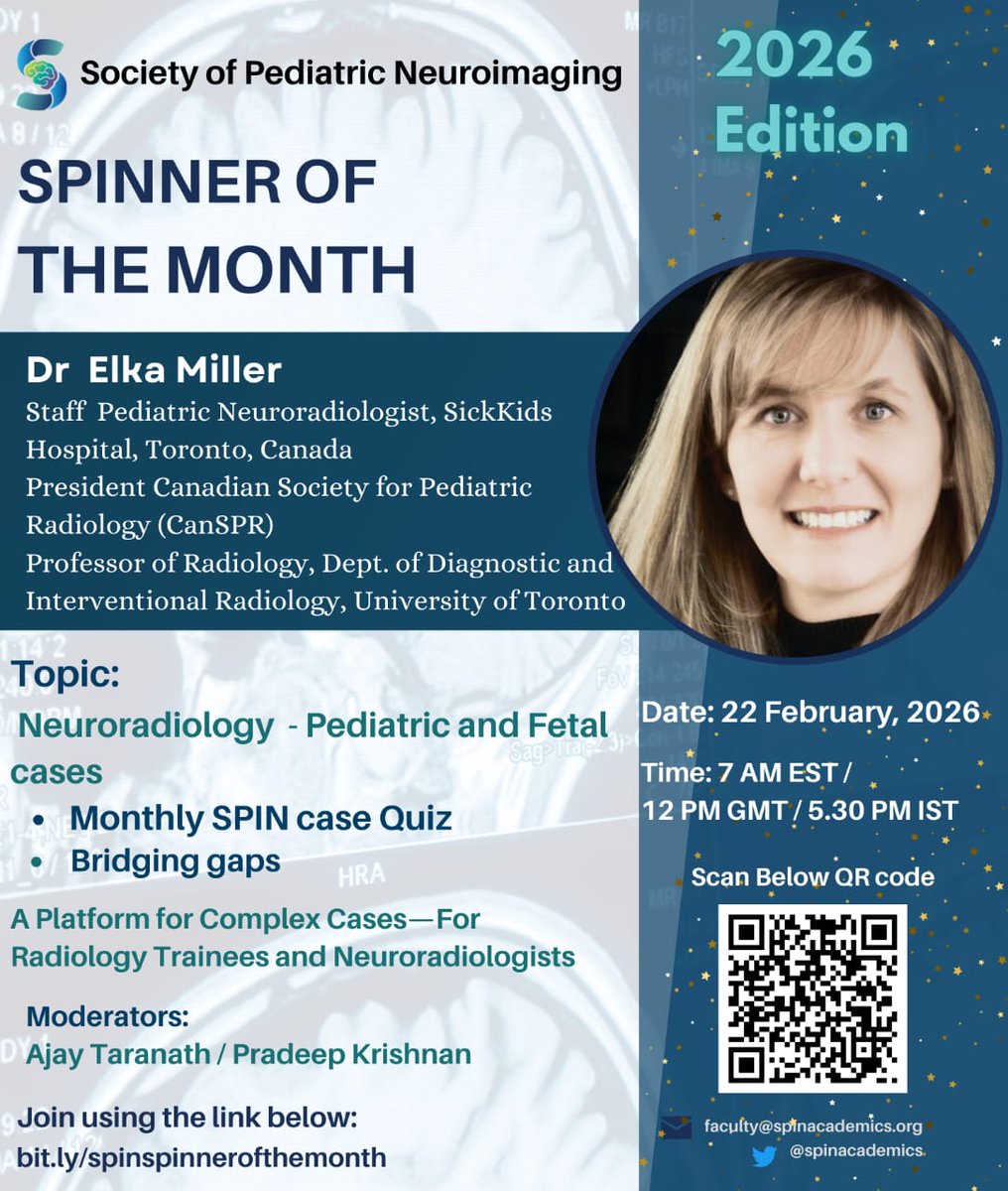
Join us for the upcoming Spinner of the Month session featuring Dr Elka Miller (SickKids, Toronto; President, CanSPR).
🧠 Topic: Pediatric & Fetal Neuroradiology
📅 22 Feb 2026
⏰ 7 AM EST | 12 PM GMT | 5:30 PM IST
🔗 Register: bit.ly/spinspinnnerof…
English
Monica Epelman retweetledi

True.
Once the solar energy generation to robot manufacturing to chip fabrication to AI loop is closed, conventional currency will just get in the way.
Just wattage and tonnage will matter, not dollars.
Naval@naval
There is unlimited demand for intelligence.
English