
Sabitlenmiş Tweet
Avery
12.6K posts


Avery
@metapixels
Apeing since ‘21. Product strategist and designer. AI skills maxxing. Member of @arcthecommunity, @baykada, @pudgyph
Otherside Katılım Mayıs 2021
2.1K Takip Edilen7.2K Takipçiler
@DannPetty True sometimes we spend more time just waiting for our prompt to come to life 😅
English


you shouldnt be no bad food, you should be low bad food. you shouldnt be no video games, you should be low video games. you shouldnt be no social media, you should be low social media. you shouldnt be no alcohol, you should be low alcohol.
yes, work hard. have a mission. push through it. but smell the roses along the way. make room for the things you enjoy. have hobbies that arent tied to making money or self improvement. give yourself days to smash a whole pizza and binge watch movies and rot on social media.
when you spin your wheels trying so hard to be perfect you end up going absolutely nowhere. life is miserable, every day sucks, and you question if its even worth it. but when you throw yourself a bone every once in a while, and learn not to feel guilty about it, youll find yourself happier than youve ever been, and making the progress you wanted in the first place.
English


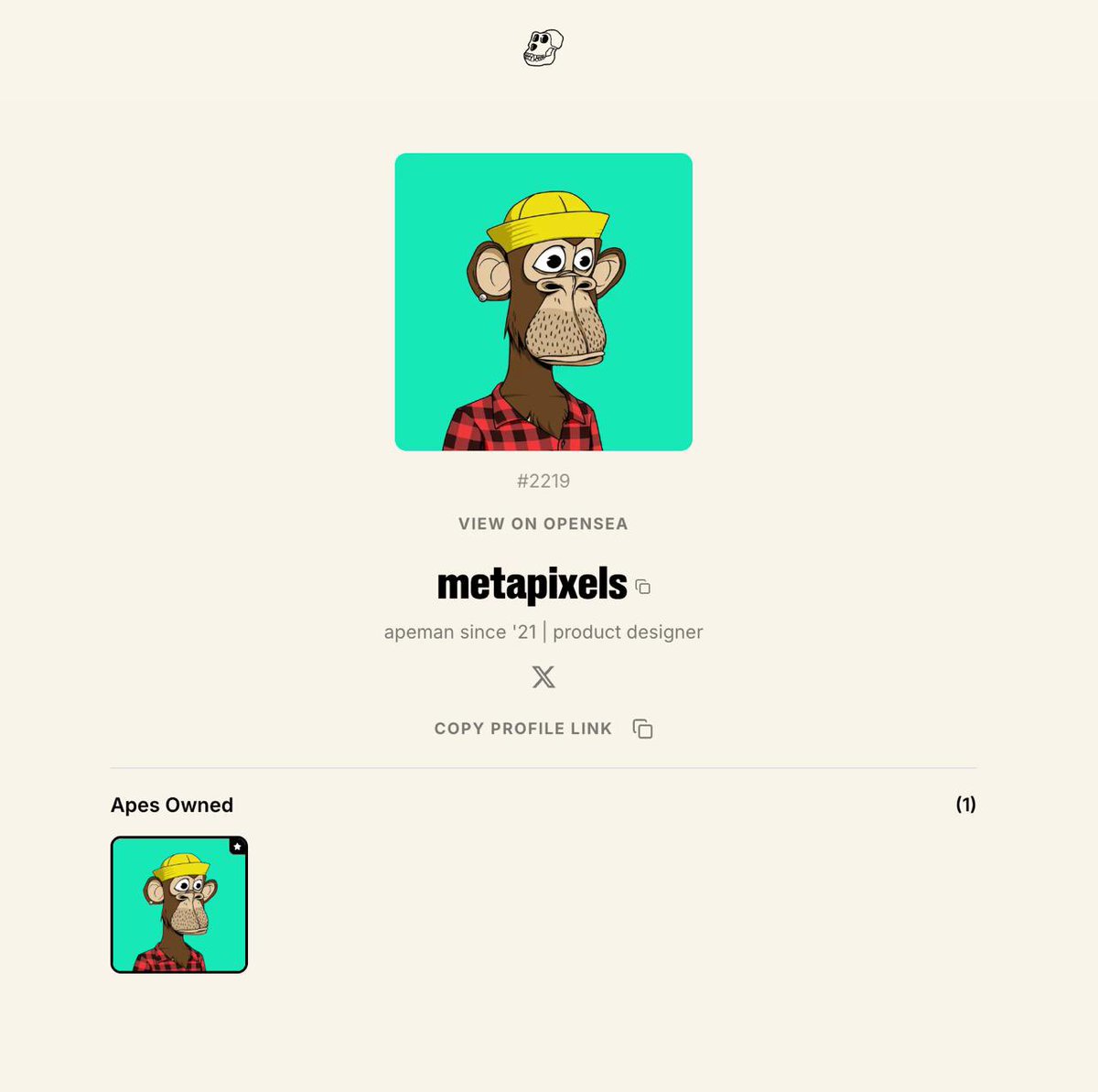
Finally set up my member page at @BoredApeYC BAYC.
Nice clean website. Cannot wait to see how @mfigge will lead and cook for years to come.
bayc.com/spinotron
If you like collecting of any kind, digital art, physical sports cards, PaniniBlockchain, let’s link up
#collect

English


Most people have no idea what this even means.
But it is yet another fundamental macro driver of risk on sentiment for Bitcoin.
The 3month real yields have just turned negative for the first time in 3 years…
And this is a very large tail wind for Bitcoin.
When real yields go negative, it becomes very unwise to hold cash or bonds, or anything “safe” as you are losing money.
The yield you earn is being outpaced by inflation, thus making it a negative return.
This pushes capital into higher yielding and/or assets with higher levels of appreciation.
And this negative real yield environment is going to continue to drop further negative as Warsh cuts into a bubble.
The last bull run was driven by a negative real yield and stimulus environment…
And we are just now entering the same place.
Add this to the list of the other 20+ HTF macro bullish metrics and you get a perfect storm.
With the craziest thing being that 95% of investors have no idea how this even works.
Jordi Visser@jvisserlabs
BTC is right up against the 200 day exponential moving average with a trigger today of the the negative 3m real yield sign which has historically been the time to own BTC. I wrote a paper this week for 22V and subscribers titled Running Hot into Scarcity. I expected a regime shift into a negative real yield environment with uncertainty around the Fed as they also are forced to run the debasement hot.
English


Avery retweetledi

Introducing the BAYC P2P Marketplace.
A peer-to-peer marketplace for BAYC apparel, collectibles, art, and weird one-offs from the Club.
Buy and sell directly on boredapeyachtclub.com/p2p

English

I wanna be following all apes
can you reply here if I’m not following you
if I’m already following you, pls RT this for better vis
apes together strong
figge@mfigge
I wanna be following all apes can you reply here if I’m not following you if I’m already following you, pls RT this for better vis apes together strong
English


I wanna be following all apes
can you reply here if I’m not following you
if I’m already following you, pls RT this for better vis
apes together strong
figge@mfigge
I wanna be following all apes can you reply here if I’m not following you if I’m already following you, pls RT this for better vis apes together strong
English


I wanna be following all apes
can you reply here if I’m not following you
if I’m already following you, pls RT this for better vis
apes together strong
figge@mfigge
I wanna be following all apes can you reply here if I’m not following you if I’m already following you, pls RT this for better vis apes together strong
English

