

Miguel Coello
7.8K posts
Miguel Coello
@miguelconav
Ingeniero Civil, orgulloso egresado de la UADY y ex-alumno Marista.
Mérida, Yucatán Katılım Mayıs 2012
1.6K Takip Edilen247 Takipçiler
Miguel Coello retweetledi

De Gaulle: “Ustedes los ingleses, solamente pelean por dinero. Deberían aprender de nosotros, los Franceses, que solo peleamos por el honor y la dignidad “
Churchill: “ Bueno, cada uno pelea por lo que le hace falta “

Español
Miguel Coello retweetledi

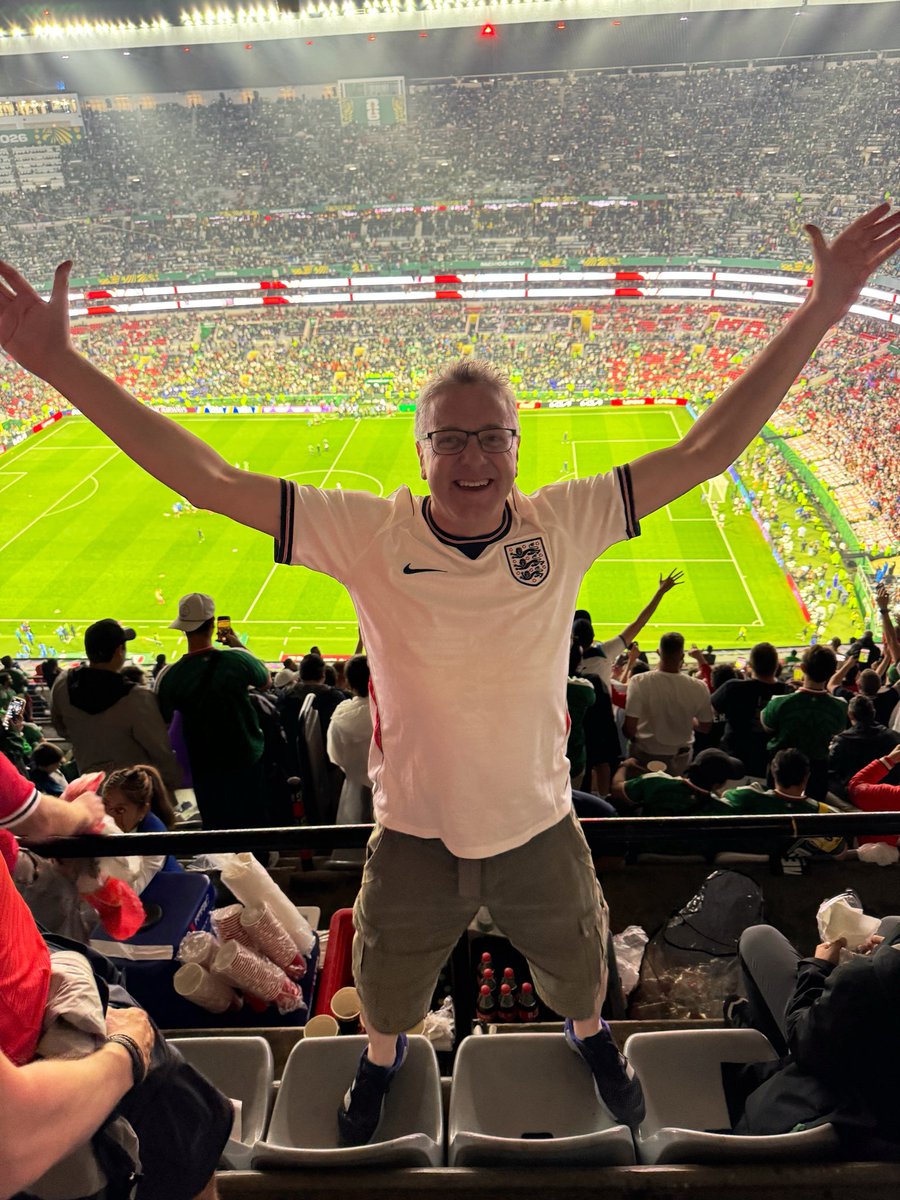
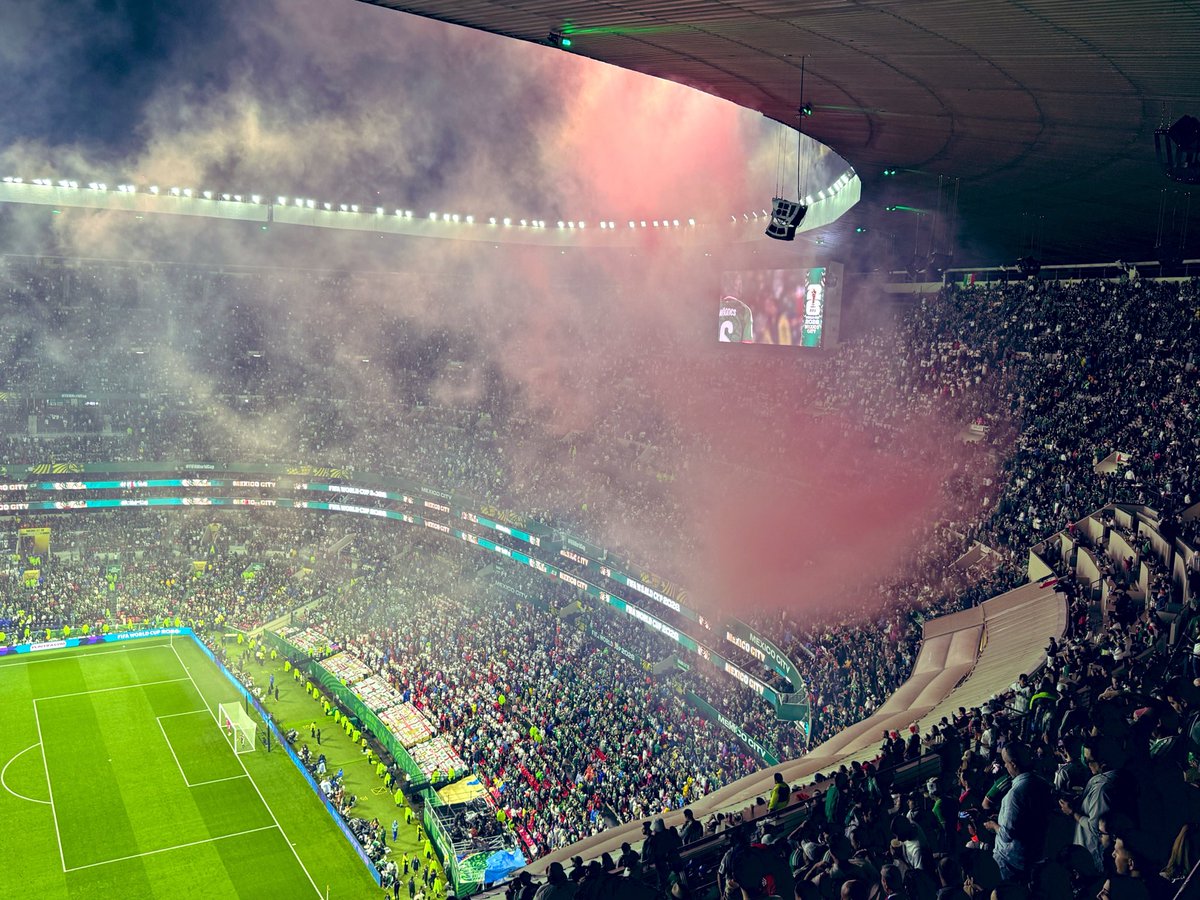
I’ve probably been to thousands of football games but last night at the Azteca beats the lot. What an incredible, tumultuous, sensational game in a stupendous venue. So so lucky to have been in town to witness it in all it’s glory. Just wow. #MEXENG #fifaworldcup


Naucalpan de Juárez, México 🇲🇽 English
Miguel Coello retweetledi

Can’t stop listening to the new GTA 6 soundtrack.
An instant classic 🔥🔥
English
Miguel Coello retweetledi

La vuelta de Ayrton Senna en Mónaco 1990 en 4K. Considerada la mejor vuelta del circuito por su perfección; el auto tenía una caja manual, lo que lo obligaba a soltar 3.000 mil veces aproximadamente el volante durante toda la carrera, en un auto que parecía un potro sin domar.
Español
Miguel Coello retweetledi

The X-FILES premiered on September 10, 1993. How old were you when it first aired?


English
Miguel Coello retweetledi
Andrés, ¿siente alivio tu ponzoña después de la pésima carta que escribiste? ¿Te ufanas de la maroma delirante en la que pretendes radicalizarte si este y el otro Trump continúa exhibiendo a tu pandilla? Tú como presidente supiste todo. Te recomiendo dormir en pants y con tenis.
Español
Miguel Coello retweetledi

‘RESIDENT EVIL - VERONICA’ has been announced.
Releasing in 2027.


English
Miguel Coello retweetledi


Miguel Coello retweetledi


Miguel Coello retweetledi
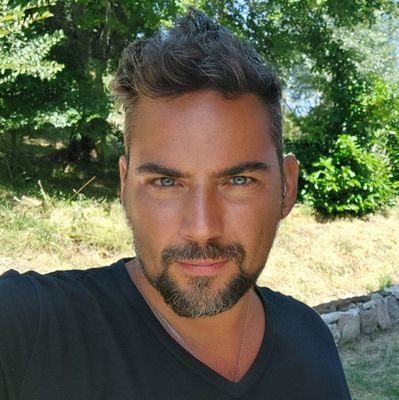
"Quando compri una Ferrari, paghi il motore. Il resto è gratis".
(Enzo Ferrari)

Italiano
Miguel Coello retweetledi

Dark Souls 1 came out almost 15 years ago, yet this skull is still one of the biggest unsolved mysteries in the game

English
Miguel Coello retweetledi

🚨 | Luca Cordero di Montezemolo on the new Ferrari Luce:
"If I said what I really think, I'd harm Ferrari. We're risking the destruction of a myth, I'm very sorry about that. I hope they at least remove the Prancing Horse from that car"
English
Miguel Coello retweetledi
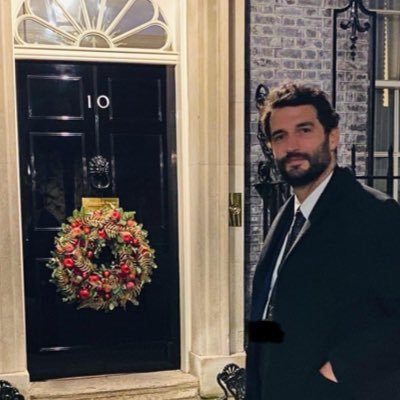
Former Ferrari chairman Montezemolo tears the new electric Ferrari “Luce” apart:
“I cannot say what I really think: I would harm Ferrari. We risk the destruction of a legend. So sorry. Take the Prancing Horse off. At least the Chinese won’t copy this car”
English
Miguel Coello retweetledi
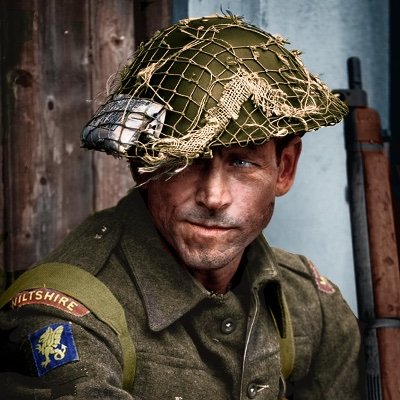
Gerd von Rundstedt (1875–1953) entered the Nuremberg Trials in 1945 as the most senior surviving officer of the former German Army, closing a military career that had spanned 52 years. A Prussian aristocrat and career soldier, he had served in the First World War, the interwar Reichswehr, and the Wehrmacht, becoming one of Hitler’s most experienced field commanders. His presence at Nuremberg symbolised the collapse of the traditional German officer corps, whose senior figures had been drawn into a war they neither fully controlled nor openly resisted.
During the Second World War, Rundstedt held major commands on every front except North Africa. He oversaw the invasion of Poland in 1939, commanded Army Group A during the 1940 campaign in France, and later directed operations on the Eastern Front, including the 1941 advance into Ukraine. In 1942 he became Commander‑in‑Chief West, responsible for defending the Atlantic Wall. Although he disagreed with Hitler on strategic matters—particularly the rigid “no‑retreat” orders—he never openly defied the regime. His stance toward the anti‑Hitler conspiracies was one of detached awareness: he knew of various plots but neither supported nor opposed them, reflecting both personal caution and the conservative ethos of the officer corps.
By 1944–45, Rundstedt was recalled repeatedly despite age and ill health, a sign of the Wehrmacht’s dwindling pool of senior commanders. His final months in office coincided with the collapse of German defences in the West. Captured by Allied forces, he was held as a potential defendant but ultimately deemed medically unfit for trial. He appeared at Nuremberg only as a witness.
Rundstedt’s career illustrates the contradictions of the German military elite: professional, tradition‑bound, often sceptical of Hitler, yet ultimately complicit through obedience and inaction. His long service ended not on a battlefield but in the courtroom of a defeated regime.

English