
Sabitlenmiş Tweet
Eleni
4.5K posts


Eleni
@miofli
Internal Medicine Specialist w/ special interest in HTN, CKD & DM. A nerd in my spare time.
Greece 🇬🇷 Katılım Ağustos 2012
500 Takip Edilen260 Takipçiler
Went to a lecture long ago
Speaker did a GWAS for diabetes
Discovered that iron metabolism and heme genes caused diabetes!
TINY p values
CAUSAL effects, because genes
Then, from the audience, a question
“How was diabetes defined?”
Answer: hgb A1c
Stunned silence
English
Eleni retweetledi

Διαβάζω αυτές τις μέρες όλες τις απόψεις για το περιβόητο πλέον θέμα της Οδύσσειας. Ας πω και εγώ τα δικά μου...
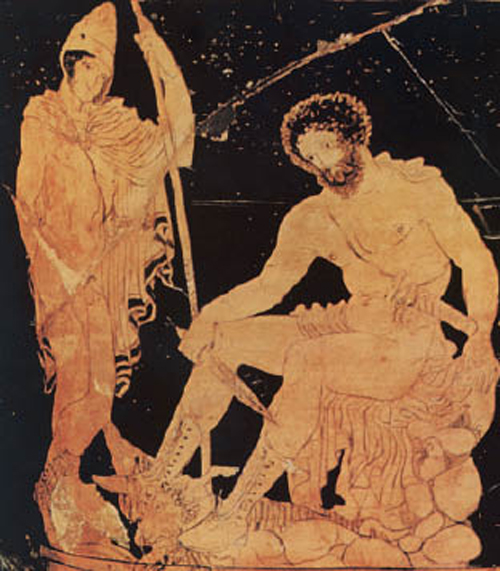
Οι αρχαίοι Έλληνες, όπως έχουμε πει πάρα πολλές φορές, ανέπτυξαν μια βαθύτατα ανθρωπομορφική θρησκεία, πλάθοντας τους θεούς τους καθ' ομοίωσιν του δικού τους κόσμου, της μεσογειακής φύσης και της κοινωνικής τους δομής. Στην αρχαία ελληνική γραμματεία και θρησκεία, η χρήση των κοσμητικών επιθέτων που αφορούν την εξωτερική εμφάνιση των θεών και των ηρώων δεν αποτελεί ποτέ μια απλή, επιφανειακή περιγραφή. Ειδικά τα ομηρικά επίθετα δεν λειτουργούν ως φυλετικά διαβατήρια με τη σύγχρονη έννοια, αλλά ως φορείς βαθύτερων ιδιοτήτων, κοινωνικής ισχύος και κοσμογονικών δυνάμεων.
Το πιο χαρακτηριστικό παράδειγμα ταξικού και κοινωνικού συμβολισμού στα έπη είναι το επίθετο "λευκώλενος" (δηλαδή αυτή με τα λευκά μπράτσα), το οποίο αποδίδεται στην Ήρα και την Ωραία Ελένη και το διαβάζουμε αυτές τις μέρες συνεχώς. Στην αρχαϊκή και κλασική εποχή, η λευκότητα του δέρματος αποτελούσε το απόλυτο "χαρακτηριστικό" για τις γυναίκες της αριστοκρατίας. Δήλωνε μια γυναίκα της ανώτερης κοινωνίας, προστατευμένη στα ανάκτορα, η οποία δεν χρειαζόταν να εργαστεί στα κτήματα κάτω από τον μεσογειακό ήλιο, σε αντίθεση με τις δούλες ή τις γυναίκες των χαμηλότερων στρωμάτων.
Μάλιστα, η τάση αυτή για "χλωμάδα" ήταν τόσο έντονη, που οι ευγενείς γυναίκες χρησιμοποιούσαν το ψιμύθιον (μια τοξική σκόνη μολύβδου) για να ασπρίζουν τεχνητά το πρόσωπό τους, ρισκάροντας την υγεία τους για να επιβεβαιώσουν την ανώτερη κοινωνική τους θέση.
Θα την λέγαμε κάτι σαν χλωμάδα αλλά ο Όμηρος δεν χρησιμοποιεί τη λέξη "χλωρός" (χλωμός) παρά μόνο με αρνητική χροιά, καθώς συνδεόταν με το "χλωρόν δέος", εκείνον τον τρόμο που διώχνει το αίμα από το πρόσωπο του πολεμιστή ή με την ασθένεια (για να το πω διαφορετικά, δεν σήμαινε απλώς "άσπρος", αλλά είχε μια κιτρινωπή ή πρασινωπή απόχρωση. Να θυμίσω εδώ και τον Ιπποκράτη που αργότερα χρησιμοποιεί τη λέξη για να περιγράψει τα συμπτώματα της αναιμίας ή του ίκτερου).
Η αντίληψη για το σώμα στην αρχαία Ελλάδα διέφερε ριζικά από εκείνη πολλών αφρικανικών ή ασιατικών πολιτισμών, γεγονός που αποτυπώνεται έντονα στις κοινωνικές δομές.
Για παράδειγμα, σε πολλούς μαύρους και ασιατικούς πολιτισμούς, η πάχυνση και το αποθηκευμένο λίπος θεωρούνταν (και σε κάποιους θεωρούνται ακόμα να λέμε την αλήθεια) δείγμα ακραίου πλούτου, ευμάρειας, υψηλής κοινωνικής ελίτ και γονιμότητας (καθώς έδειχνε ότι κάποιος έχει περίσσεια τροφής). Αντίθετα, οι αρχαίοι Έλληνες, λόγω της εμμονής τους με το μέτρο και την αρμονία, έβλεπαν την παχυσαρκία ως έλλειψη αυτοελέγχου, δείγμα βαρβαρότητας, λαιμαργίας και τεμπελιάς. Το ιδανικό γυναικείο σώμα ήταν "εύσαρκον" (γεμάτο και υγιές, αλλά όχι παχύ), ενώ το ανδρικό έπρεπε να είναι αθλητικό και γυμνασμένο.
Σε πολλούς αφρικανικούς πολιτισμούς, η δερματοστιξία ή οι τεχνητές ουλές στο δέρμα, αποτελούσαν δείγμα αριστοκρατικής καταγωγής, πολεμικής αρετής και ένταξης στην ελίτ της φυλής. Στον αρχαίο ελληνικό κόσμο, η δερματοστιξία (το λεγόμενο "στίγμα") είχε την ακριβώς αντίθετη σημασία: ήταν μέσο τιμωρίας, υποτίμησης και ελέγχου. Στιγμάτιζαν με πυρακτωμένο σίδερο μόνο τους δούλους, τους αιχμαλώτους πολέμου ή τους δραπέτες για να αναγνωρίζονται. Η καθαρότητα και η αψεγάδιαστη φύση του δέρματος ήταν ο μόνος αποδεκτός κώδικας για τους ελεύθερους πολίτες και τους ήρωες!
Ο Όμηρος γνώριζε πολύ καλά την ύπαρξη των μαύρων πληθυσμών και είχε τη γλωσσική δυνατότητα να τους περιγράψει αν το ήθελε. Το έκανε άλλωστε αφού στα έπη του, τους αναφέρει ρητά ως "Αιθίοπες" (από το ρήμα αίθω=καίω και τη λέξη ώψ=όψη=πρόσωπο, δηλαδή οι άνθρωποι με το "καμμένο/σκούρο πρόσωπο").
Αυτό αποδεικνύει ότι η αρχαία ελληνική γλώσσα διέθετε συγκεκριμένη ορολογία για να αποδώσει το σκούρο δέρμα, τα διαφορετικά χαρακτηριστικά ή τη "λαμπερή, λεία μαύρη επιδερμίδα" (το κύριο χαρακτηριστικό της Ελίτ των μαυρών πληθυσμών). Αν η Ελένη ή η Αθηνά είχαν τέτοια καταγωγή, ο Όμηρος θα είχε χρησιμοποιήσει τις αντίστοιχες λέξεις, όπως έκανε για τον βασιλιά των Αιθιόπων, Μέμνονα. Το γεγονός ότι επέλεξε εντελώς διαφορετικούς κώδικες για τους Μυκηναίους ήρωες επιβεβαιώνει ότι περιέγραφε το μεσογειακό ιδανικό της δικής του κοινωνίας!
Έτσι ντύνει τους ήρωες και τους θεούς με τα χρώματα και τα στοιχεία της μεσογειακής φύσης και διαβάζουμε για τον "Ξανθό" Μενέλαος και Αχιλλέας. Που είχαν δηλαδή το χρώμα του ώριμου σιταριού και του χρυσού.(να πούμε εδώ ότι αν και υπήρχε ως φυσικό χαρακτηριστικό στη Μεσόγειο, χρησιμοποιούνταν συμβολικά για να υπογραμμίσει τη θεϊκή καταγωγή (ημίθεοι), την ηλιογενή λάμψη και την ηγετική αριστεία των ηρώων).
Ή για τον "Κυανοχαίτη" Ποσειδώνα...ο οποίος, ως θεός της θάλασσας, αποκτά τα βαθιά, γαλαζόμαυρα μαλλιά των κυμάτων του Αιγαίου, αποτελώντας την τέλεια ενσάρκωση του υγρού στοιχείου.
Αλλά και η "Γλαυκώπις" Αθηνά, που κατά την άποψή μου, ενώ συνδέεται με το ιερό πτηνό της, τη γλαύκα (κουκουβάγια) δεν συμβολίζει το χρώμα της ίριδας αλλά τη σοφία και τη διόραση (δηλαδή την ικανότητα της Αθηνάς να βλέπει καθαρά την αλήθεια μέσα στο πνευματικό σκοτάδι και να ενεργεί με στρατηγική σύνεση).
Στο δια ταύτα για να μη σας ζαλίζω άλλο...οι αρχαίοι Έλληνες δημιούργησαν μια πλούσια γλώσσα και έναν αυστηρό κοινωνικό κώδικα για να αποτυπώσουν με ακρίβεια τους κανόνες του κόσμου τους (σε αυτούς άλλωστε απευθυνόταν ο Όμηρος). Η βίαιη αλλαγή αυτών των χαρακτηριστικών ανατρέπει τους λεπτούς ταξικούς, σωματικούς και κοινωνικούς συμβολισμούς (λευκότητα, αθλητικότητα, καθαρό δέρμα) που αποτελούν τη ραχοκοκαλιά της ομηρικής ποίησης!
Ελληνικά
Eleni retweetledi

The habit of labeling any objection to non-traditional casting in Greek mythological stories as “racism” completely inverts the issue. This isn’t about prejudice against Black actors or people. It’s about whether we respect the cultural origins and textual evidence of ancient Greek literature or subordinate them to modern ideological preferences.
Homer’s Iliad introduces Helen with the specific epithet λευκώλενος (leukṓlenos), almost always rendered “white-armed.” She also receives descriptions tied to beautiful or lovely hair. This is not a casual detail. “White-armed” is a recurring formulaic epithet in Homer, applied to high-status women and goddesses (most famously Hera). It evokes the ancient Greek ideal of feminine beauty and nobility: fair, unblemished skin belonging to women whose arms were shielded from the sun and outdoor labor. Homer’s world explicitly distinguished Greeks from darker-skinned distant peoples, such as the Aethiopians he mentions elsewhere.
Citing these descriptions is not racism. It is simply reading the text. Ancient Greek epic and art consistently depict their own heroes and heroines with Mediterranean physical characteristics—the features of the people who created these stories. Defending that fidelity does not attack anyone else’s dignity or worth.
What does distort reality is the rhetorical move that treats any defense of Greek cultural specificity as bigotry. Greek myths are not a blank, universal canvas for arbitrary reinvention. They emerged from a particular civilization with its own language, aesthetics, values, and self-image. Rewriting the visual and ethnic dimensions of those stories under the banner of “inclusivity” functions as a one-directional form of cultural revisionism. Other traditions are routinely granted the courtesy of ethnic and cultural coherence in adaptations; Greek ones are often denied it.
The real question is not why some people push back against these changes. It is why the changes are demanded in the first place, and why disagreement is reflexively pathologized as hatred rather than recognized as a defense of artistic and historical integrity. Homer’s world doesn’t need to be twisted to remain powerful. It already is.
Elon Musk@elonmusk
@nypost I agree that she is beautiful, but casting a Black woman to play a White woman in a foundational work of European literature is no more right than casting a White man to play Shaka Zulu!
English
@notgiveroff @tetythom @ldmarchesi x.com/notgiveroff/st…
Thank you, you just proved you only comment out of pettiness.
notgiveroff@notgiveroff
@tetythom @ldmarchesi I assure you Anglos don’t have problems with such insecurity. They don’t gaf who you cast as their mythological figure. Do you ecer hear them complain if Japanese or Chinese cast Asians for some Shakespeare play?
English

English

Are you saying that someone like me, from the Ionian Islands, which were under Venetian rule for over 400 years, briefly under French rule, and then under British protection for 50 years, has more in common with a sub-Saharan than with Anglo-Saxon actors who play Greeks in Hollywood? Greece is not a monolith.
Believe it or not, Europe is genetically and culturally far more homogeneous than people in this app like to admit. Yeah, we Meds can look "brown" to Northern Europeans or Americans but that doesn’t make us closer to sub-Saharan Africans. We’re still orders of magnitude closer to other Europeans (including Anglo-Saxons ofc) than to Africans in every measurable way: genetics, culture, history, religion, and shared civilizational roots.
So even if your intentions are good, can we please stop with the "Lupita has more connection to Greece" nonsense? Because it's simply not true.
ira | slayer of lies@essosgrimreaper
lupita who has been targeted by racists and misogynists since the casting announcement in the name of “historical accuracy” has more connection to greece as an east african woman than any of the anglo saxons who play greeks in hollywood movies😭😭
English
Eleni retweetledi


Eleni retweetledi

Greece should sue Christopher Nolan like Egypt sued Netflix
English
Eleni retweetledi

Σας εχω ξαναμιλήσει για το πόσο απλό είναι να γίνεις δότης μυελού...με λίγο σάλιο. Θέλω όμως να σας πω τι γίνεται αν βγεις συμβατός δότης, που πολλοί φοβούνται αυτό το στάδιο! Λοιπόν, 8 στις 10 φορές δεν γίνεται επέμβαση αλλά πολύ απλά κάθεστε σε μια αναπαυτική πολυθρόνα και ./..
Ελληνικά
English
English
@notgiveroff @tetythom @ldmarchesi Give us an example of an American movie that has been circulated worldwide, that depicts Shakespeare as an African.
English
@tetythom @ldmarchesi I assure you Anglos don’t have problems with such insecurity. They don’t gaf who you cast as their mythological figure. Do you ecer hear them complain if Japanese or Chinese cast Asians for some Shakespeare play?
English
Eleni retweetledi
As a Greek, I was excited when I first heard about this movie. I hoped we would finally see a beautiful, respectful adaptation of The Odyssey, something like Troy years ago.
Instead, they’re rewriting our entire civilization to fit modern ideology, erasing who we are, diminishing our ancestors, and replacing our myths with something foreign to us. It hurts to watch.
That being said, it means a lot to me personally—and I’m sure to all Greeks—that Elon is speaking about it. His voice carries far, and right now it means even more to us. Our history and cultural legacy deserve to be protected, not rewritten.
Elon Musk@elonmusk
@Variety And grossly insulted the Greek people. Shame on him.
English
Eleni retweetledi
Eleni retweetledi

you need to be delusionally optimistic
negative thinking poisons your brain and leads to congitive decline
whereas positive thinking, and gaslighting yourself into thinking everything is amazing, ACTUALLY makes your life amazing too.
you must be a silly goose

English
Eleni retweetledi

I'm Italian. Greece has been my second country for years.
The Greeks I know rarely spend their summers on the cruise islands. Not Santorini. Not Mykonos. Not Crete. Not Rhodes.
They take the ferry from Piraeus to islands the world hasn't found, or drive into a continental mainland that foreign lists never mention.
Greece is the most layered civilization in Europe.
10 underrated places where the kafeneio is real, the ouzo is local, and history isn't behind glass.
🧵


English
Eleni retweetledi

🧠 27% lower dementia risk with SGLT2 inhibitors vs DPP4 inhibitors in Heart Failure + Diabetes patients (HR 0.73, 95% CI 0.60–0.87)
New real-world data from Ontario, Canada (Wu, Swardfager et al., J Card Fail) suggests SGLT2 inhibitors may protect against dementia in patients with Heart Failure and Diabetes — not just the heart.
Study design:
• 4,402 new SGLT2i users vs 6,319 new DPP4i users
• Active comparator design · Propensity score weighting
• 1-year washout + 180-day lag time (↓ protopathic bias)
• 8-year follow-up · KM curves diverge early and stay separated
This is a robust observational design. Could the cardiometabolic benefits of SGLT2i extend to cognitive protection? Mechanistic studies needed — but the signal is compelling. 📊
#SGLT2 #HeartFailure #Diabetes #Dementia #Cardiology #Neurology #RealWorldEvidence

English


Eleni retweetledi

RIGHT ON CUE
😫

Neil Stone@DrNeilStone
Before anyone suggests it... Ivermectin doesn't treat Hantavirus
English
Eleni retweetledi

I adore her , I never tire of watching this Video ❤️
English
Eleni retweetledi

Becoming a physician is not good for your health.
- High stress
- Sleep disruption
- Intense workload
- Feelings of isolation
- Putting your life on hold
- Limited time for exercise
- Exposure to traumatic cases
- Not having time for family and friends
- Always having to be perfect because the stakes are so high
biologicalpsychiatryjournal.com/article/S0006-…
English
Eleni retweetledi
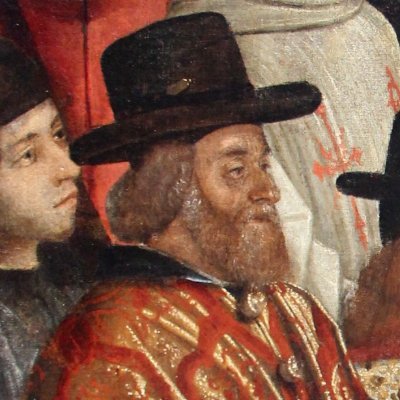
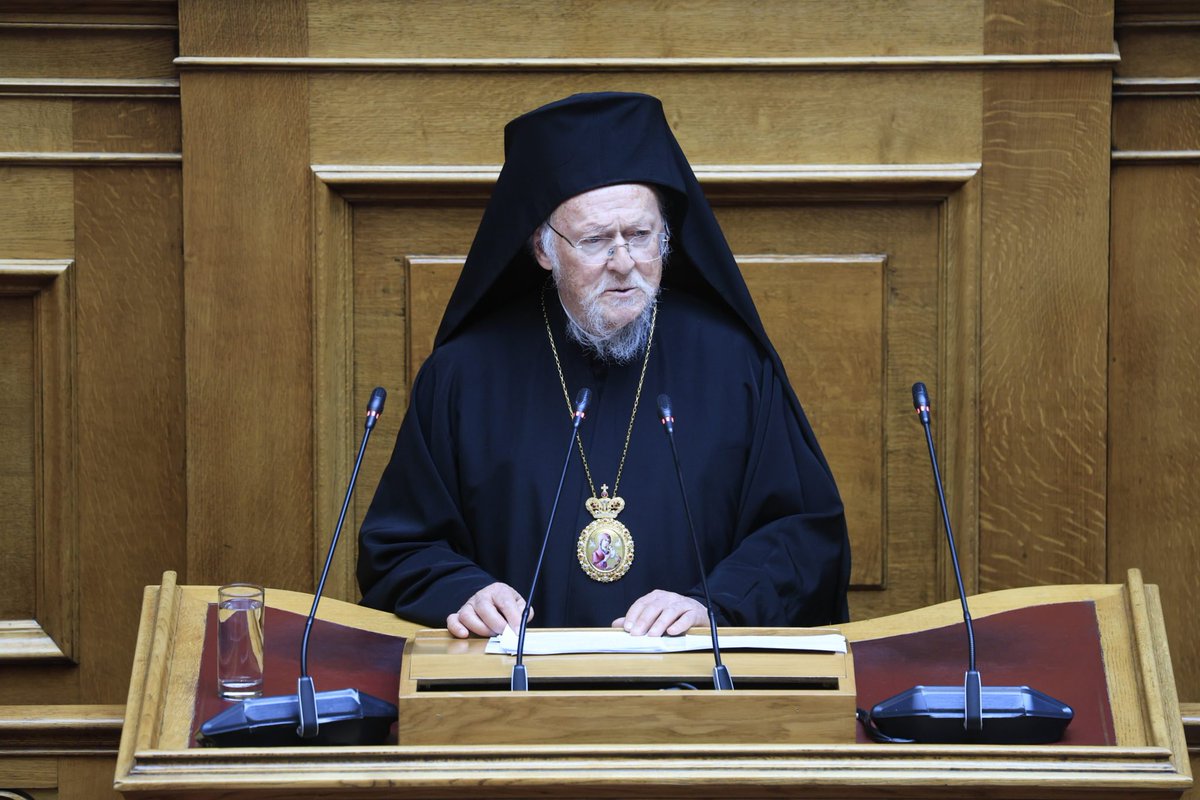
There is a growing tendency - especially among certain “Roman fanboys” and modern “Romanboos” (from academia to x users) - to flatten the living, complex reality of medieval Rhomaic (Greek) history into something sterile, abstract, and unrecognizable. In this reduction, the Eastern Rome is stripped of its language, its Orthodox faith, its intellectual tradition, its culture, its continuation and above all its psyche - portrayed instead as a kind of anachronistic, secularized, “ancient USA”: a bureaucratic superstate without memory, without continuity, without soul, without Hellenism.
And if there exists today a voice that can speak authentically - not as an academic reconstruction but as a living continuation - of that uninterrupted legacy of the once Basileuousa Konstantinoupolis, it is the Ecumenical Patriarchate of Constantinople, and its current head, the Patriarch of Constantinople and New Rome Bartholomew.
Today the Patriarch gave a historical speech in the Greek Parliament, restating what his predecessors have been stating for centuries:
"
[...]
Christ is Risen!
We gratefully accept the honor bestowed upon our humble person, namely the awarding of the Gold Medal of the Hellenic Parliament, declaring that this honor extends to the Great Church of Constantinople, which we serve, by divine favor and grace, as its Primate for 35 consecutive years. What you will hear next reflects and expresses the spirit of the Ecumenical Patriarchate—its unwavering fidelity to the Tradition of Orthodoxy and its vigilant care for humanity and creation.
We admire the ancient Hellenic spirit, which gave to humanity freedom and democracy, logos as dialogue, science, education, and humanism—that is, the very foundations of civilization. And we rejoice when we hear—especially from foreigners—that the emergence of philosophical thought in ancient Greece is for civilization what the Big Bang is for the birth of the universe. We also feel deep awe before what has been described as the “miracle”: the union of the Hellenic and the Christian spirit. Whatever was highest and most precious in ancient Hellenic civilization was incorporated into the body of the Theology and life of the Church. It is our profound experience and firm conviction that the invaluable heritage of Hellenic antiquity was enriched, acquired deeper social meaning, universality, and a breath of eternity within the framework of Christian spirituality.
The “miracle” of the creative encounter between Hellenism and Christianity was accomplished through the power of the Hellenic language—the “mother tongue of the spirit,” the language of Homer, of the Tragedians and the Philosophers, of the New Testament, of the Fathers of the Church, and of ecclesiastical hymnography. Our language—essentially philosophical, reflective, and poetic—directs the mind and thought always toward the depth of things, toward the essential and the universal, toward truth, which, as Democritus said, is found “in the depths.”
It is no coincidence that the Greek language and the Orthodox faith belong to the core of the spiritual and cultural identity of our people. If throughout its historical course the lamp of the ancient Hellenic spirit has never been extinguished, this is largely due to the fact that the Fathers and Teachers of the Church boldly placed that lamp upon the lampstand. In difficult times, the Church founded schools and academies, preserved our language within its liturgical life, and bore witness to the value of its cohesion and unity for our identity. The Church, which has indelibly marked the course of our people, is called even today to function as a positive invitation to life and freedom in Christ, through the Orthodoxy of faith, the doxological worship of God, and the proper understanding of the human person.
[...]
Concluding our address, we wish to note that the Ecumenical Patriarchate has been and remains a banner of the universality of the faith, ethos, and culture of Orthodoxy—a vital point of reference for our people and a symbol of its trials and its hopes. It inspires Romiosyne, supports the education of the diaspora, tirelessly cares for the preservation of the ancestral heritage in Asia Minor and Eastern Thrace, shepherds with affection its children throughout the world, and diligently cultivates their Orthodox identity and the Greek language. It strives to safeguard pan-Orthodox unity, which is being intensely challenged by those who question the long-standing structure and social function of the Church in the name of worldly interests. Although it does not engage in politics in the narrow sense of the term, its spiritual witness also touches upon the sphere of public affairs and the great challenges whose resolution requires shared responsibility, common mobilization, common goals, cooperation, and solidarity.”
[...]
Χριστός Ἀνέστη!
Εὐγνωμόνως ἀποδεχόμεθα τήν προσγινομένην πρός τό ταπεινόν πρόσωπόν μας τιμήν τῆς ἀπονομῆς τοῦ Χρυσοῦ Μεταλλίου τῆς Βουλῆς τῶν Ἑλλήνων, διακηρύσσοντες ὅτι ἡ τιμή αὐτή διαβαίνει ἐπί τήν Μεγάλην Ἐκκλησίαν τῆς Κωνσταντινουπόλεως, τήν ὁποίαν διακονοῦμεν, θείᾳ εὐδοκίᾳ καί χάριτι, ὡς Προκαθήμενος αὐτῆς, ἐπί 35 συναπτά ἔτη. Ὅσα θά ἀκούσετε ἐν συνεχείᾳ, ἀπηχοῦν καί ἐκφράζουν τό πνεῦμα τοῦ Οἰκουμενικοῦ Πατριαρχείου, τήν ἀκλόνητον πιστότητά του εἰς τήν Παράδοσιν τῆς Ὀρθοδοξίας καί τήν ἀνύστακτον μέριμνάν του διά τόν ἄνθρωπον καί τήν δημιουργίαν.
Θαυμάζομεν τό ἀρχαῖον Ἑλληνικόν πνεῦμα, τό ὁποῖον ἐδώρισεν εἰς τήν ἀνθρωπότητα τήν ἐλευθερίαν καί τήν δημοκρατίαν, τόν «λόγον» ὡς διάλογον, τήν ἐπιστήμην, τήν παιδείαν καί τόν ἀνθρωπισμόν, τάς βάσεις δηλαδή τοῦ πολιτισμοῦ. Καί χαίρομεν ὅταν ἀκούωμεν, καί δή ἀπό ξένους, ὅτι ἡ ἐμφάνισις τοῦ φιλοσοφικοῦ στοχασμοῦ εἰς τήν Ἀρχαίαν Ἑλλάδα εἶναι διά τόν πολιτισμόν ὅ,τι ἡ Μεγάλη Ἔκρηξις διά τήν γέννησιν τοῦ σύμπαντος. Συγκλονισμόν αἰσθανόμεθα καί ἀπέναντι εἰς τήν χαρακτηρισθεῖσαν ὡς «θαῦμα», σύζευξιν ἑλληνικοῦ καί χριστιανικοῦ πνεύματος. Ὅ,τι ὑψηλότερον καί πολυτιμότερον εἶχεν ὁ ἀρχαῖος ἑλληνικός πολιτισμός ἐνεσωματώθη εἰς τόν κορμόν τῆς Θεολογίας καί τῆς ζωῆς τῆς Ἐκκλησίας. Ἀποτελεῖ βαθεῖαν ἐμπειρίαν καί ἀκλόνητον πεποίθησίν μας, ὅτι ἡ ἀνεκτίμητος παρακαταθήκη τῆς ἑλληνικῆς ἀρχαιότητος ἐνεπλουτίσθη, ἀπέκτησε βαθύτερον κοινωνικόν περιεχόμενον, παγκοσμιότητα καί πνοήν αἰωνιότητος ἐντός τοῦ χριστιανικοῦ πνευματικοῦ πλαισίου.
Τό «θαῦμα» τῆς δημιουργικῆς συναντήσεως Ἑλληνισμοῦ καί Χριστιανισμοῦ συνετελέσθη χάρις εἰς τήν δύναμιν τῆς Ἑλληνικῆς γλώσσης, τῆς «μητρικῆς γλώσσης τοῦ πνεύματος», τῆς γλώσσης τοῦ Ὁμήρου, τῶν Τραγικῶν καί τῶν Φιλοσόφων, τῆς Καινῆς Διαθήκης, τῶν Πατέρων τῆς Ἐκκλησίας καί τῆς ἐκκλησιαστικῆς Ὑμνολογίας. Ἡ γλῶσσα μας, οὐσιαστικῶς φιλοσοφική, στοχαστική καί ποιητική, κατευθύνει τόν νοῦν καί τήν σκέψιν πάντοτε πρός τό βάθος τῶν πραγμάτων, πρός τό οὐσιῶδες καί τό καθολικόν, πρός τήν ἀλήθειαν, ἡ ὁποία, ὅπως ἔλεγεν ὁ Δημόκριτος, εὑρίσκεται «ἐν βυθῷ».
Δέν εἶναι τυχαῖον, ὅτι ἡ ἑλληνική γλῶσσα καί ἡ Ὀρθόδοξος πίστις ἀνήκουν εἰς τόν πυρῆνα τῆς πνευματικῆς καί πολιτισμικῆς ἰδιοπροσωπίας τοῦ Γένους μας. Ἐάν εἰς τήν ἱστορικήν πορείαν του δέν ἔσβησε ποτέ ὁ λύχνος τοῦ ἀρχαίου ἑλληνικοῦ πνεύματος, τοῦτο ὀφείλεται μεγάλως εἰς τό γεγονός ὅτι Πατέρες καί Διδάσκαλοι τῆς Ἐκκλησίας ἐτοποθέτουν εὐθαρσῶς τόν λύχνον αὐτόν ἐπί τήν λυχνίαν. Εἰς περιόδους δυστήνους, ἡ Ἐκκλησία ἵδρυσε σχολεῖα καί Ἀκαδημίας, διέσωσε τήν γλῶσσαν μας εἰς τήν λατρευτικήν της ζωήν, μαρτυροῦσα τήν ἀξίαν τῆς συνοχῆς καί τῆς ἑνότητός της διά τήν ἰδιοπροσωπίαν μας. Ἡ Ἐκκλησία, ἡ ὁποία ἐσφράγισεν ἀνεξίτηλα τήν διαδρομήν τοῦ Γένους, καλεῖται καί σήμερα νά λειτουργῇ ὡς θετική πρόκλησις ἐν Χριστῷ ζωῆς καί ἐλευθερίας, διά τῆς Ὀρθοδοξίας τῆς πίστεως, τῆς δοξολογικῆς λατρείας τοῦ Θεοῦ καί τῆς ὀρθῆς ἀντιλήψεως περί τοῦ ἀνθρώπου.
[...]
Περαίνοντες τόν λόγον, ἐπιθυμοῦμεν νά σημειώσωμεν ὅτι τό Οἰκουμενικόν Πατριαρχεῖον ὑπῆρξε καί παραμένει λάβαρον τῆς παγκοσμιότητος τῆς πίστεως, τοῦ ἤθους καί τοῦ πολιτισμοῦ τῆς Ὀρθοδοξίας, ζωτικόν σημεῖον ἀναφορᾶς διά τό Γένος μας καί σύμβολον τῶν περιπετειῶν καί τῶν ἐλπίδων του. Ἐμψυχώνει τήν Ρωμιοσύνην, στηρίζει τήν ὁμογενειακήν παιδείαν, μεριμνᾷ ἀόκνως διά τήν διάσωσιν τῆς πατρῴας κληρονομίας εἰς τήν Μικράν Ἀσίαν καί τήν Ἀνατολικήν Θρᾴκην, διαποιμαίνει στοργικῶς τά ἀνά τήν ὑφήλιον τέκνα του καί φροντίζει ἐπιμελῶς διά τήν καλλιέργειαν τῆς Ὀρθοδόξου ταυτότητός των καί τῆς ἑλληνικῆς γλώσσης. Ἀγωνίζεται διά τήν διαφύλαξιν τῆς πανορθοδόξου ἑνότητος, ἡ ὁποία δοκιμάζεται ἐντόνως ἀπό ὅσους ἀμφισβητοῦν τήν μακραίωνα δομήν καί τήν κοινωνικήν λειτουργίαν τῆς Ἐκκλησίας, ἐν ὀνόματι κοσμικῶν σκοπιμοτήτων. Ἄν καί δέν ἀσχολεῖται μέ τήν πολιτικήν ἐν τῇ στενωτέρᾳ ἐννοίᾳ τοῦ ὅρου, ἡ πνευματική του μαρτυρία ἐγγίζει καί τόν χῶρον τῶν πολιτικῶν πραγμάτων καί τῶν μεγάλων προκλήσεων ἡ ἀντιμετώπισις τῶν ὁποίων ἀπαιτεῖ κοινήν ὑπευθυνότητα, κοινήν κινητοποίησιν, κοινήν στοχοθεσίαν, σύμπραξιν καί ἀλληλεγγύην."
Whole speech here:
orthodoxianewsagency.gr/patriarxeia/oi…
English
It is not. Tramadol can cause vomiting, in which case metoclopramide can be considered on a symptom basis, but *after* tramadol is given, and not systematically together.
Please stop these nonsense medical quizzes that have no value in real clinical medicine.
Dr. Muhammad Moor@MoarSahitoPTI
Why is Metoclopramide given with Tramadol.? 🤔
English