
mk brosnan
306 posts


mk brosnan retweetledi

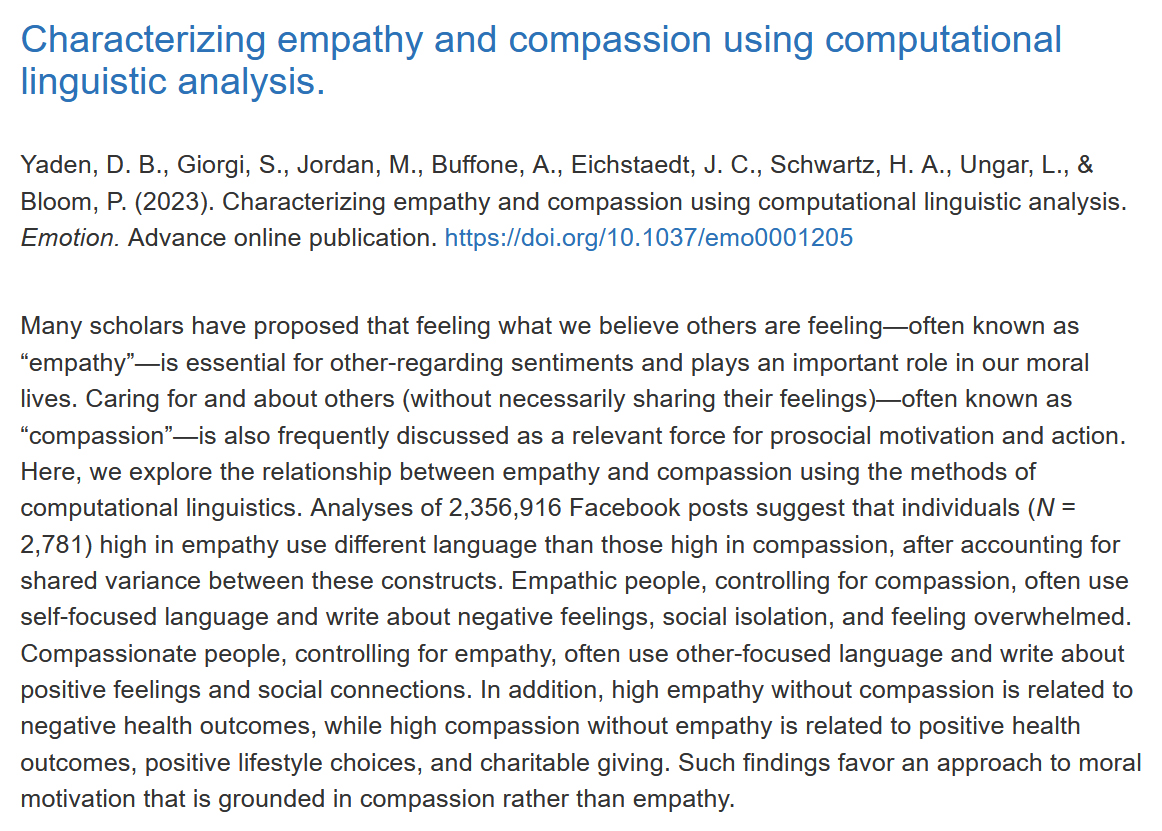
Compassion is kinder and healthier than empathy.
Evidence: when we feel others’ pain, we often get overwhelmed and withdraw. When we feel concern for their pain, we reach out and help.
The point of compassion isn't to share their feelings. It's to care about their feelings.
English

mk brosnan retweetledi


mk brosnan retweetledi


mk brosnan retweetledi


mk brosnan retweetledi


mk brosnan retweetledi
The EPR Paradox and Bell's Theorem:
The EPR paradox, proposed by Einstein, Podolsky, and Rosen, argued that quantum mechanics must be incomplete because it allows for "spooky action at a distance" (i.e., quantum entanglement).
However, Bell's theorem showed that any hidden variables theory satisfying certain assumptions (like locality and realism) would conflict with quantum mechanics. Experiments have supported the predictions of quantum mechanics and against those of local hidden variable theories, though the debate continues.

English
Dr. Brian H. Williams@DrBrianWilliams
Example of an unfiltered email from an advance reviewer that rivaled their official blurb: "I read your fabulous book twice. I am just blown away. I knew you were something else when we met in Los Angeles….but I really had no idea. This is so well written." #TheBodiesKeepComing
QME
mk brosnan retweetledi
On major life decisions, the purpose of seeking advice is not to get answers. It’s to gain perspective.
No one knows what's best for you. They can only share what makes sense to them.
The most important question to ask is not what you should do. It's what you might be missing.
English
mk brosnan retweetledi

Overdose prevention centers are crucial to promote #harmreduction, says @pph_collective's Brandon Marshall and Magdalena Cerdá. "Decades of research conducted internationally have shown that these sites save lives," they write in @thehill. thehill.com/opinion/health…
English
mk brosnan retweetledi

In 1956, ducklings were utilized as an integral component of medical treatment.
In the realm of medical history, there have been numerous groundbreaking advancements and innovative treatments. However, there are also some lesser-known chapters that offer a glimpse into the peculiar and unconventional approaches taken in the past. One such fascinating example dates back to 1956 when ducklings were utilized as an integral component of medical treatment. This unexpected therapeutic method aimed to provide solace and support to patients during their recovery. Let's explore this intriguing story further.
In the mid-1950s, healthcare professionals embarked on a unique experiment to incorporate ducklings into medical therapy. The rationale behind this unconventional approach stemmed from the belief that the presence of these small, endearing creatures could have a positive impact on patients' emotional well-being, aiding in their recovery process. Hospitals and clinics started introducing ducklings into various departments, particularly those caring for children and individuals experiencing emotional distress.
The therapeutic impact of ducklings was indeed remarkable. Their presence brought joy and cheer to patients, creating a welcoming and uplifting atmosphere within medical facilities. The gentle interactions between patients and ducklings helped alleviate stress, reduce anxiety, and promote a sense of companionship. Children, in particular, found solace in the company of these adorable creatures, often forming deep emotional connections.
The utilization of ducklings as a form of therapy eventually became a popular phenomenon in medical institutions worldwide during the 1950s. However, as medical science progressed and more evidence-based practices emerged, the focus shifted towards more traditional therapies. Consequently, the era of duckling therapy gradually faded away, and other interventions took center stage.
The incorporation of ducklings as an integral component of medical treatment in 1956 remains a peculiar but captivating episode in medical history. Although this unorthodox approach might seem unconventional today, it highlights the significance of emotional well-being in the healing process. The use of ducklings provided comfort, support, and a sense of joy to patients, ultimately contributing to their overall well-being. While the era of duckling therapy may have passed, its legacy serves as a reminder of the continuous search for innovative and compassionate methods to enhance the medical experience for patients of all ages.

English
mk brosnan retweetledi

Did you know: your #mood influences what you see & hear? Part 1 of a 2-part series. #HowEmotionsAreMade
English
mk brosnan retweetledi


mk brosnan retweetledi

New research shows that strong social bonds can help baboons, and potentially humans, recover from early life adversity. The power of friendship, it seems, might be our best medicine against stress.
#neuroscience
1/3

English

mk brosnan retweetledi
mk brosnan retweetledi

The little dot in front of the sun is actually Mercury

English