Mario da Penha
10.9K posts

Mario da Penha
@mleccha
Queer Historian • Activist • Political Worker • National Head @ProfCong LGBTQIA+ • Visiting Faculty @NLSIUofficial • PhD Candidate, History @RutgersU • He/Him.


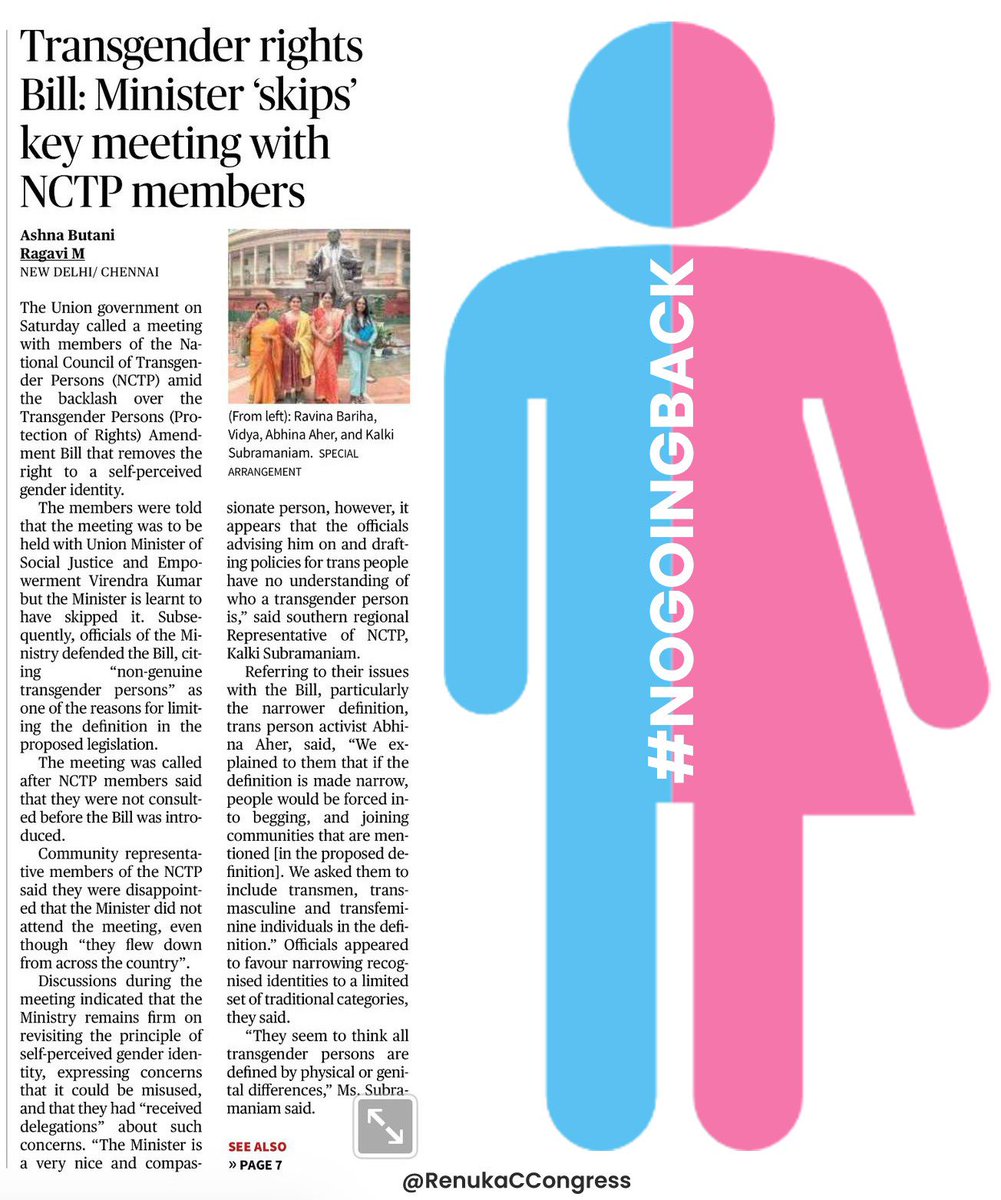
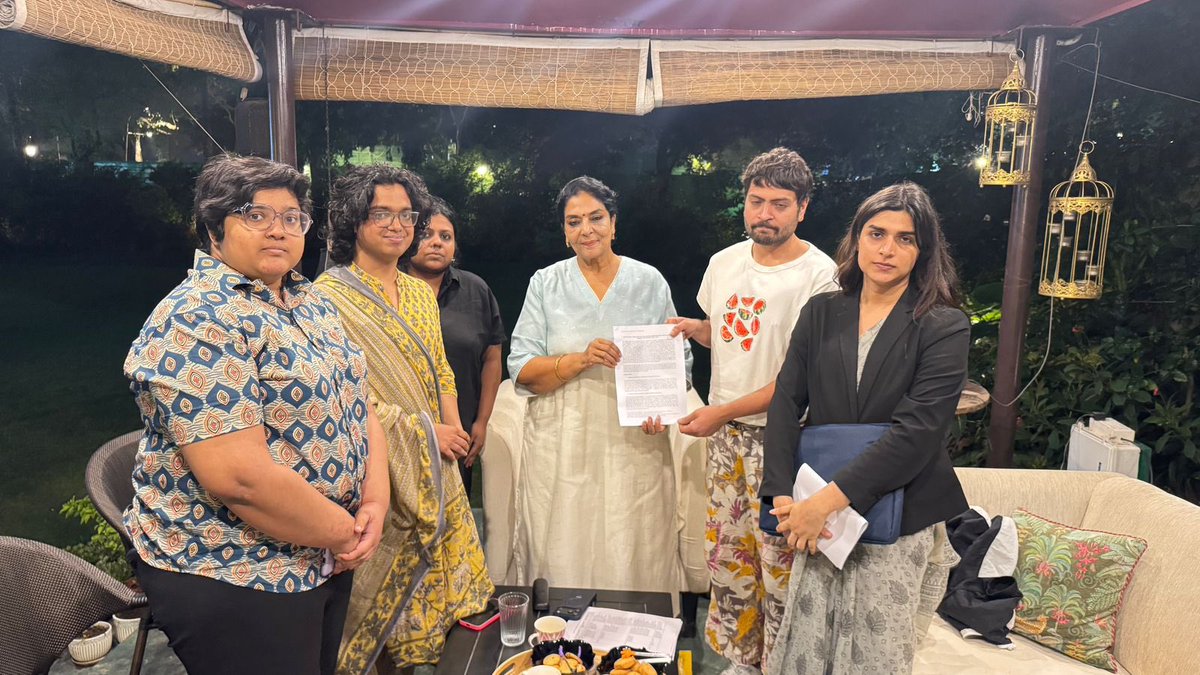
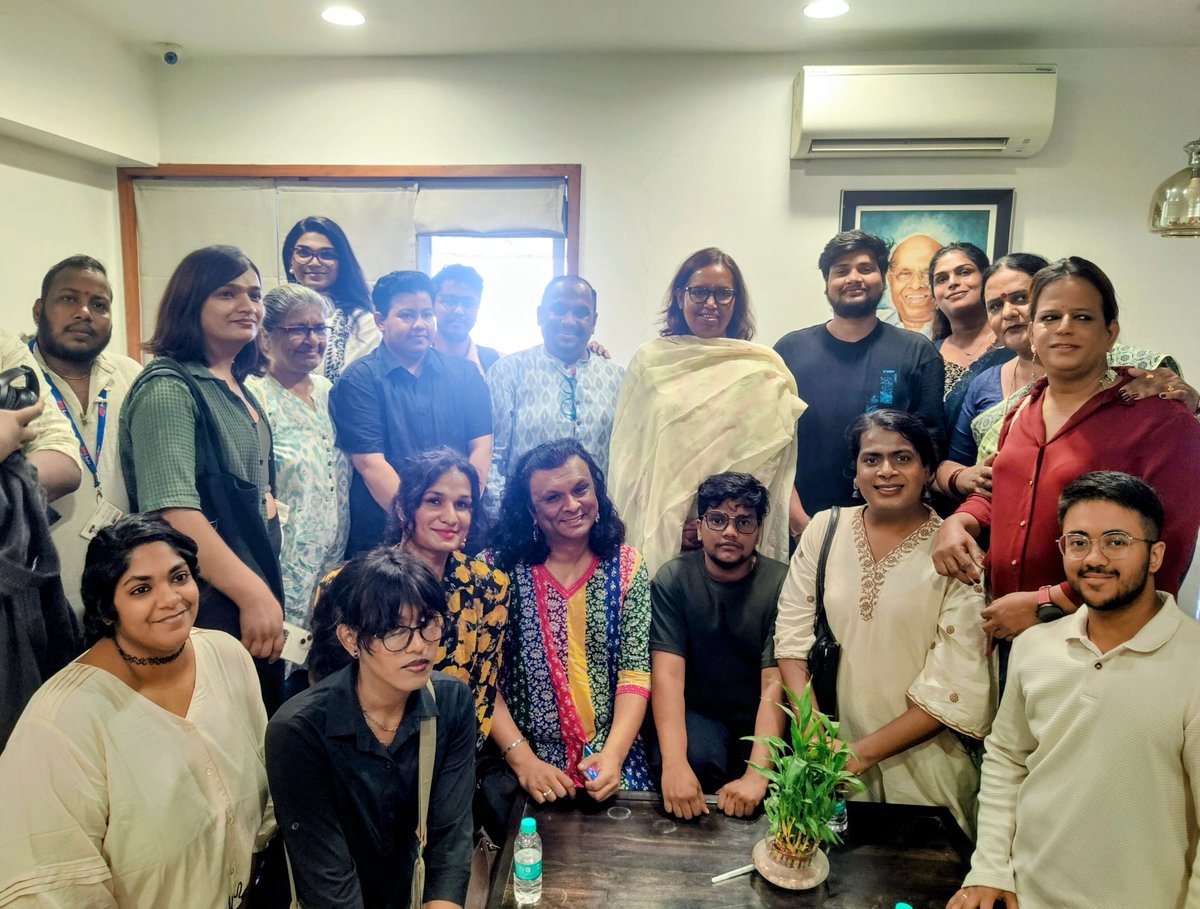
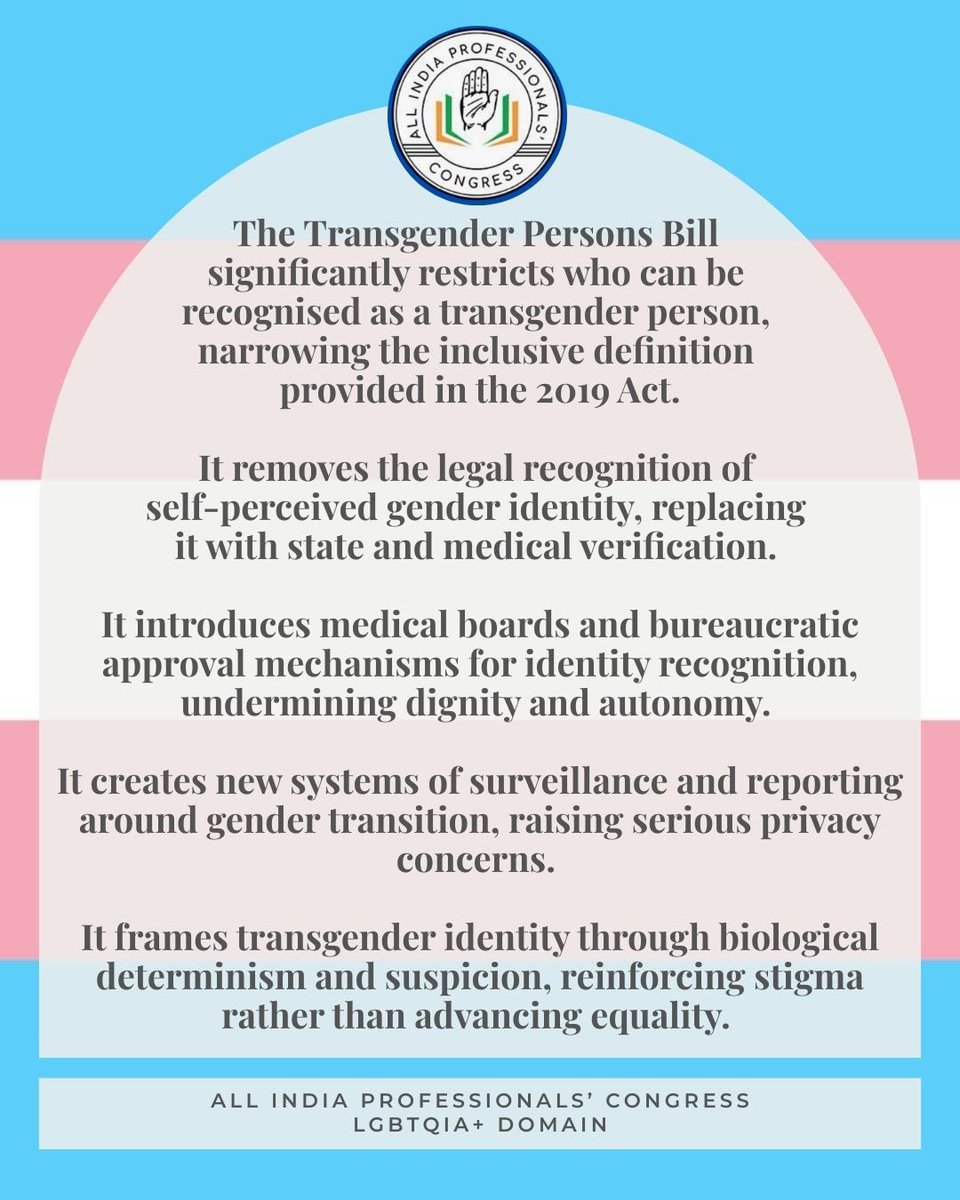
Though I will miss Parliament because of the ongoing #KeralaElections, I am following reports of legislative developments there. I’m deeply concerned by the Transgender Persons (Protection of Rights) Amendment Bill, 2026, introduced in the Lok Sabha, which was tabled rather surreptitiously and without proper stakeholder consultation. The Bill appears to represent a fundamental reversal of the rights-based framework established after the Supreme Court’s landmark NALSA (2014) judgment. The amendments delete Section 4(2) of the 2019 Act, which guaranteed the right to self-perceived gender identity, and replace it with systems of medical board verification and bureaucratic certification before identity can be recognised. In effect, the State now proposes to sit in judgment over a citizen’s own understanding of who they are — an intrusion that sits uneasily with the constitutional promise of dignity and personal liberty. Equally troubling is the drastically narrowed definition of “transgender person”, which risks excluding trans-men, trans-women, non-binary and gender-diverse persons who were previously recognised under the law, while reducing gender identity to biological markers or a handful of socio-cultural categories. The Bill further introduces mandatory reporting of gender-affirming surgeries to authorities, raising serious concerns about privacy and creating the prospect of a State registry of deeply personal medical decisions—difficult to reconcile with the Supreme Court’s Puttaswamy judgment on the right to privacy. Taken together, these provisions risk pushing large sections of India’s transgender community, which has faced acute historical marginalisation, back into legal invisibility. At the very least, a Bill with such far-reaching consequences must be referred to a Standing Committee for proper scrutiny. One can only hope that reason and constitutional morality will ultimately prevail over this deeply regressive proposal.


Sara Ali Khan at Kedarnath, Sanatan suddenly is under scrutiny but notice the silence when the same rules exist elsewhere. Walk into a mosque in Dubai or Abu Dhabi as a tourist where women must cover their hair, arms, and legs, men can’t walk in casually either. If you don’t follow it, you’re simply not allowed entry. No protests for that. It’s understood as basic respect. Even tourist mosques like Jumeirah Mosque require non-Muslims to follow dress codes modest clothing and headscarves are mandatory for women before entering. And it’s not just religion entire cities like Dubai enforce modesty norms in public spaces. People adjust, comply, and move on. But the moment Kedarnath says respect Sanatan maryada,it becomes a national debate fr. Consistency matters. If you can follow rules quietly everywhere else, don’t pretend Hindu temples asking for the same is oppression. In layman terms, if you’re invited into someone’s home, you follow their rules you don’t walk in and start rewriting them… unless it’s Sanatan, like we saw in Sabarimala, where tradition itself was put on trial.


The Selected Works of Jawaharlal Nehru are now available online in an easy-to-read format. They shall be used by scholars, students, and history buffs, though it may be too much to hope that the Congress High Command avails of them. Here is the link: nehruarchive.in/selectedworks


La ville de Karaj fait la fête pour célébrer la mort de Khamenei